
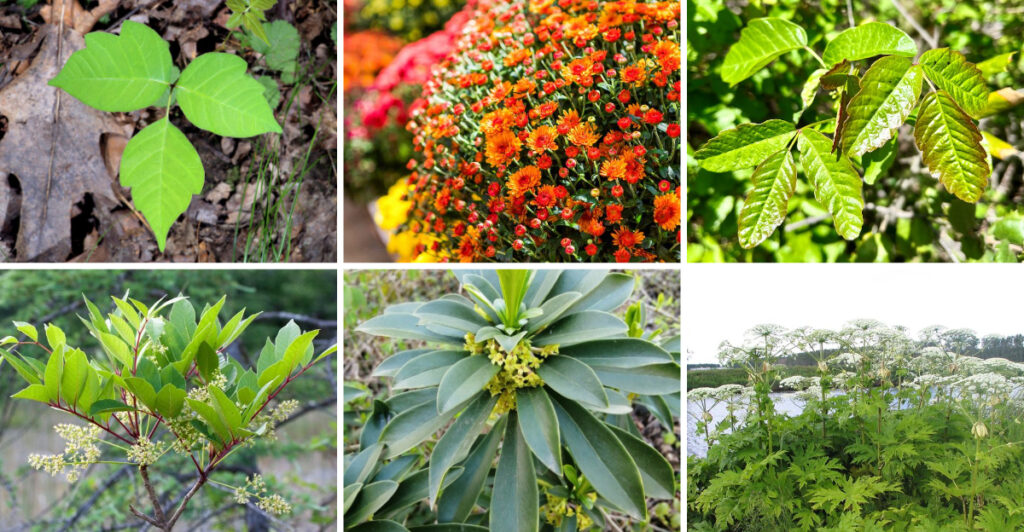
In the lush world of flora, not every plant is a friend to human skin. Some plants, although beautiful, can cause allergies and skin irritations. Whether you’re an avid gardener or someone who enjoys outdoor adventures, knowing which plants to avoid can save you from unexpected discomfort. Here’s a guide to 20 plants that might look appealing but are best kept at arm’s length.
1. Poison Ivy
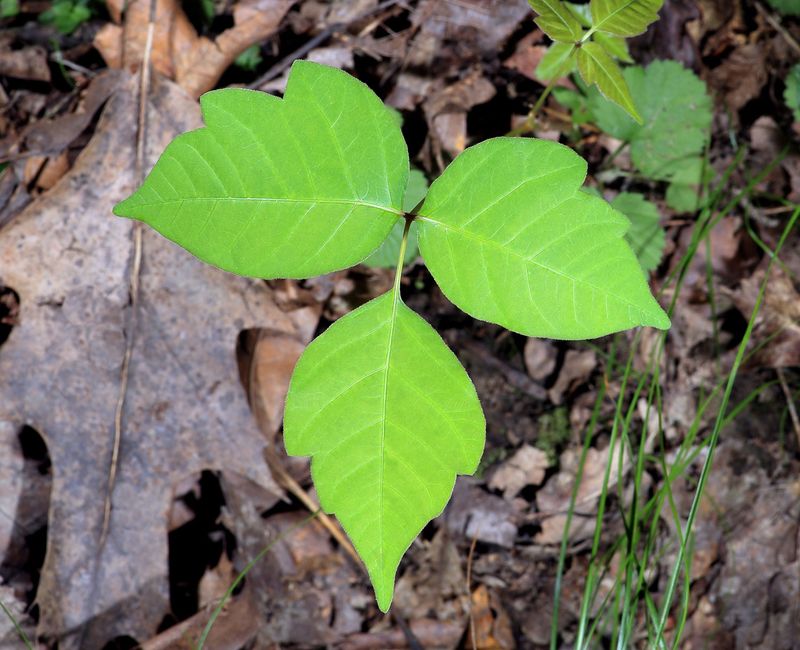
Poison Ivy might be iconic in cautionary tales, but encountering it is no fun. The plant has three glossy green leaves per stem, exuding an oily resin called urushiol, which causes itchy, blistering rashes.
Found across North America, it’s a hiker’s nemesis. Even a brush against its leaves can result in marked irritation.
Fascinatingly, not everyone reacts to it; genetics play a part in one’s sensitivity.
However, it’s advisable to steer clear regardless, as sensitivity can develop over time. “Leaves of three, let it be” is sage advice for avoiding this notorious irritant.
2. Poison Oak
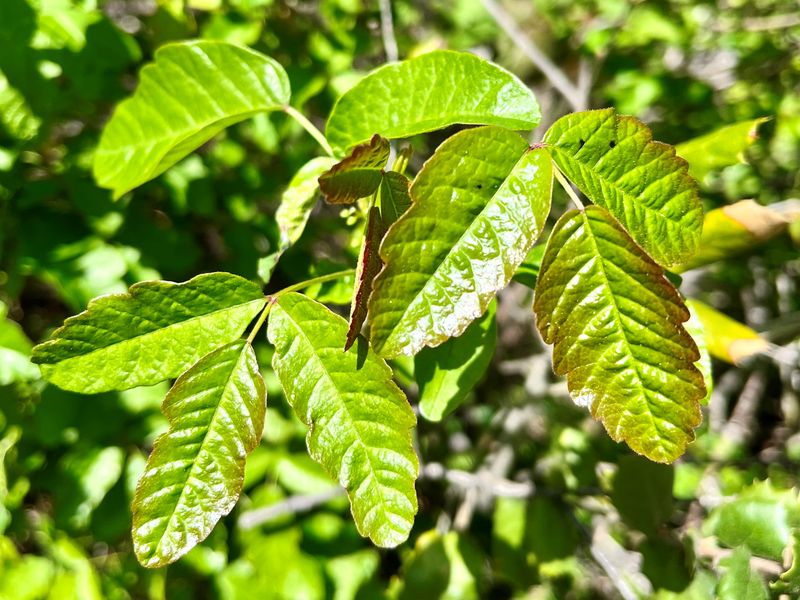
Much like its cousin, poison oak is infamous for its unpleasant effects. Its leaves resemble oak leaves, hence the name, and contain the same allergenic compound, urushiol.
While often found in western U.S. regions, it’s adaptable to various environments. Contact results in itchy, red rashes.
Interestingly, poison oak serves as a food source for certain wildlife. However, for humans, handling this plant requires caution and awareness, as urushiol can transfer from clothing or pets to skin, prolonging exposure risk.
3. Poison Sumac
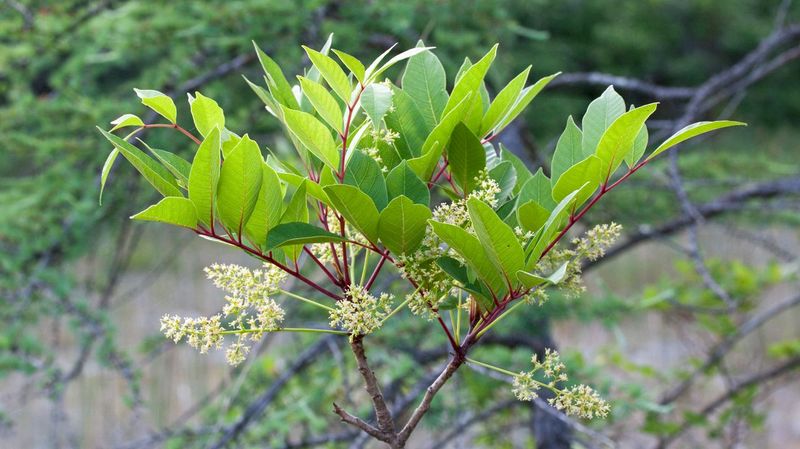
Poison sumac stands out with its elegant, arching stems and glossy leaves. While it adorns swamps and wet areas, its beauty belies danger.
Each part of the plant, from leaves to stems, contains urushiol, which can lead to severe allergic reactions. The itchy rash it causes is notorious for its intensity.
Unlike poison ivy or oak, poison sumac is less common, yet equally hazardous. It’s found mainly in the eastern United States, often in wet, wooded areas. Recognition is key to avoiding unwanted contact.
4. Giant Hogweed
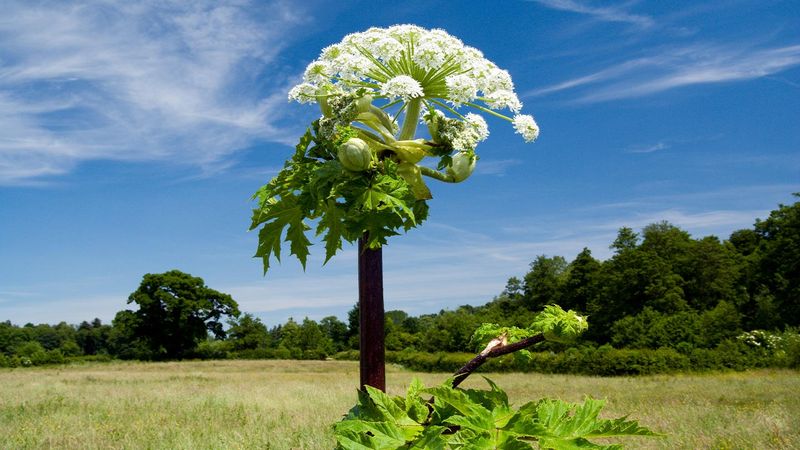
Giant hogweed is a plant with a monumental presence and monumental risks. Its massive, umbrella-shaped flower clusters and towering height make it hard to miss.
However, touching it can result in severe skin irritation, as its sap, combined with sunlight, causes painful blisters and burns.
Native to the Caucasus, it is now spreading across Europe and North America. It’s a case of beauty with a sting, underscoring the importance of recognizing and avoiding such threats in the wild.
5. Stinging Nettle
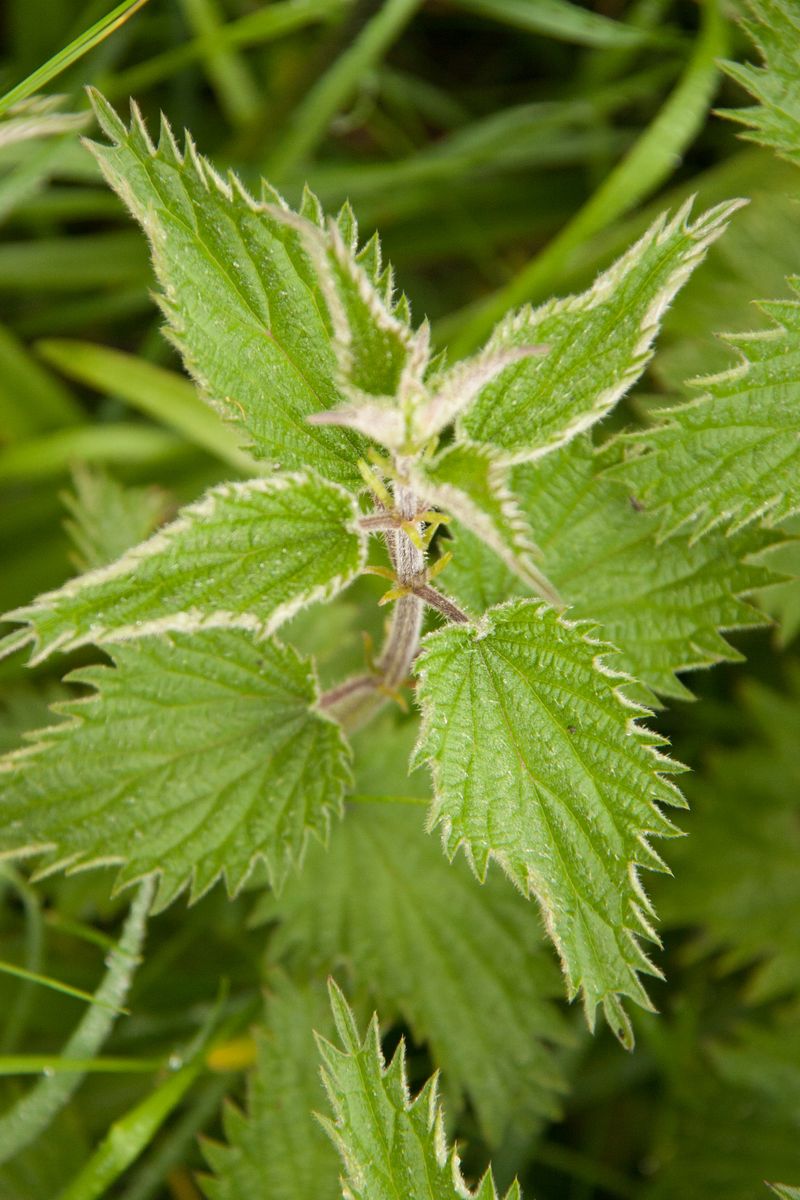
Stinging nettle is both a bane and a boon, known for its painful sting and nutritious properties. The plant’s fine hairs inject histamines and other chemicals upon contact.
This results in immediate, itchy welts. Yet, when cooked, nettles become a nutrient-rich food source.
Growing in wild fields and gardens alike, it commands respect from anyone venturing into its domain. Despite its sting, it has a long history of use in herbal medicine and culinary arts.
6. Ragweed
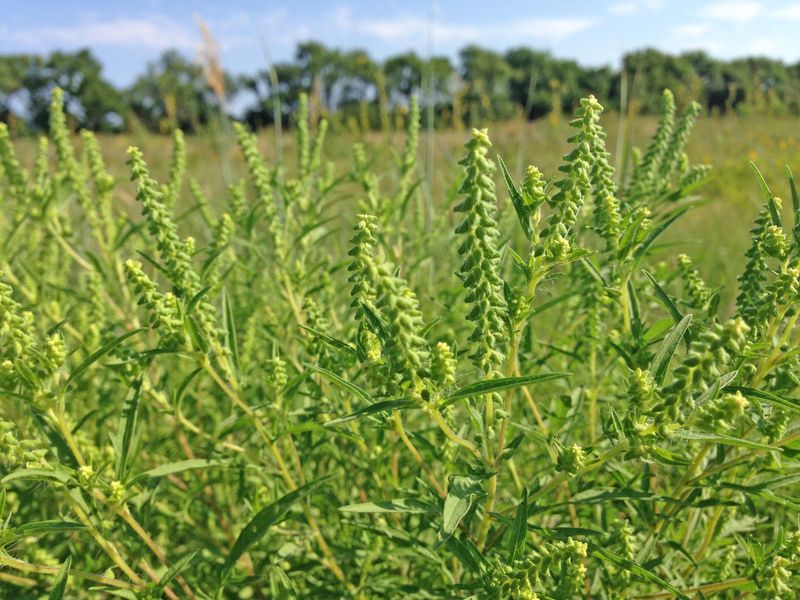
Ragweed is notorious for triggering hay fever, affecting millions with its pollen. Its feathery leaves and small flowers are deceptive.
Each plant can produce billions of pollen grains, traveling miles on the wind. A single exposure can provoke sneezing and itchy eyes.
While it thrives in open fields and roadsides, its impact is widespread, especially during late summer. Understanding its appearance and season helps in managing symptoms effectively.
7. Parsnip
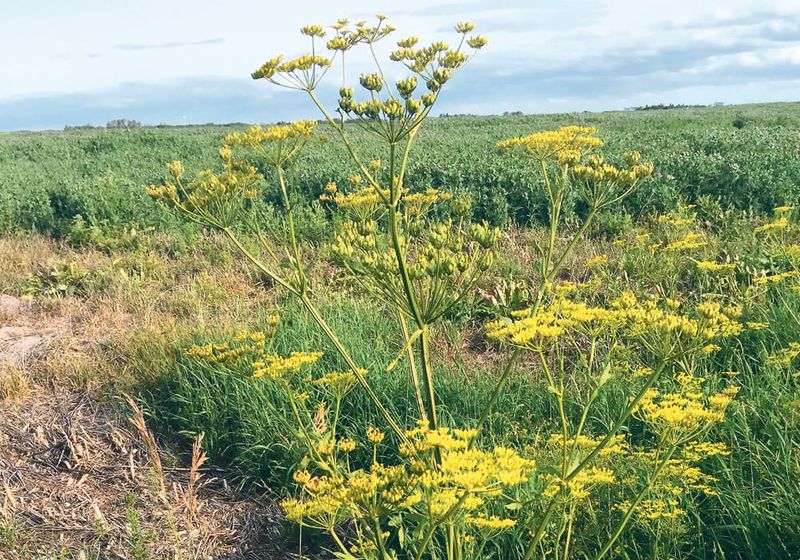
Parsnip, not just a root vegetable, harbors hidden risks with its phototoxic sap. Contact and sunlight can result in skin irritation, similar to hogweed.
While cultivated for its edible roots, wild parsnip can be a hazard to gardeners.
Tall yellow flowers signal its presence, often alongside roadsides and in meadows. Proper handling and recognition can prevent unexpected blistering and discomfort.
8. Wild Parsnip
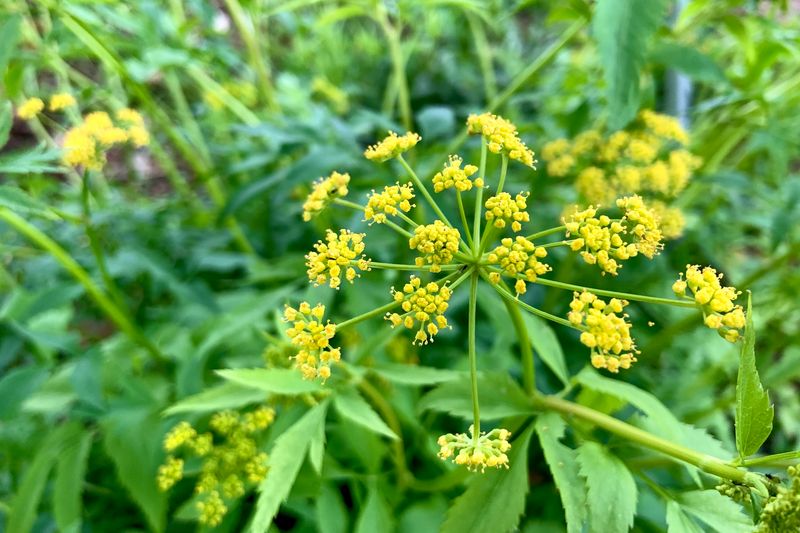
Wild parsnip is a doppelgänger with a difference, causing photodermatitis upon contact. Its yellow flower clusters are easy to spot in open fields.
The sap’s reaction with sunlight can create painful blisters and long-lasting scars. Despite this, it’s often mistaken for its more benign relatives.
Recognizing wild parsnip’s distinct features helps in avoiding its discomforting effects. It serves as a reminder to approach unknown plants with caution and respect.
9. Poison Hemlock
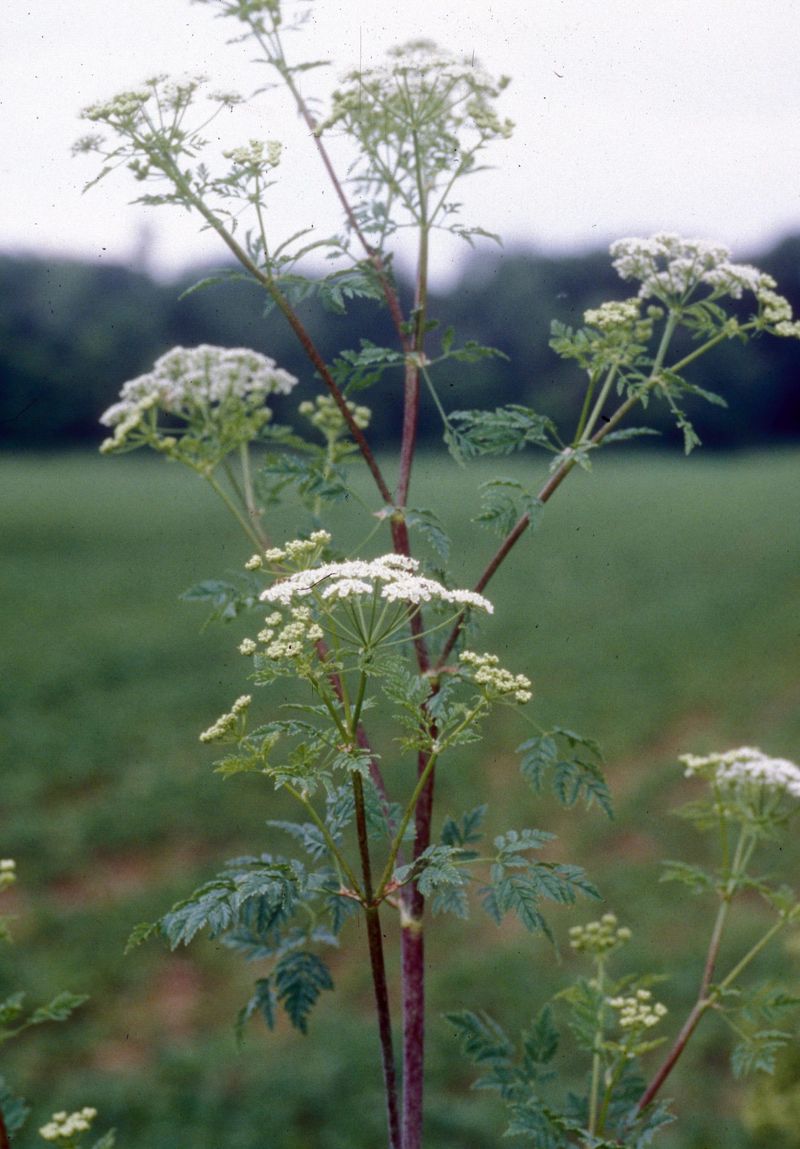
Poison hemlock tells a tale of caution, with its history steeped in lore and lethality. Its delicate white flowers and feathery leaves mask a potent toxin.
Handling or ingesting any part can result in severe reactions or worse. Found near rivers and fields, it shares space with more benign flora.
The plant’s infamous reputation stems from its role in historical narratives, accentuating the need for proper identification and care around it.
10. Hogweed
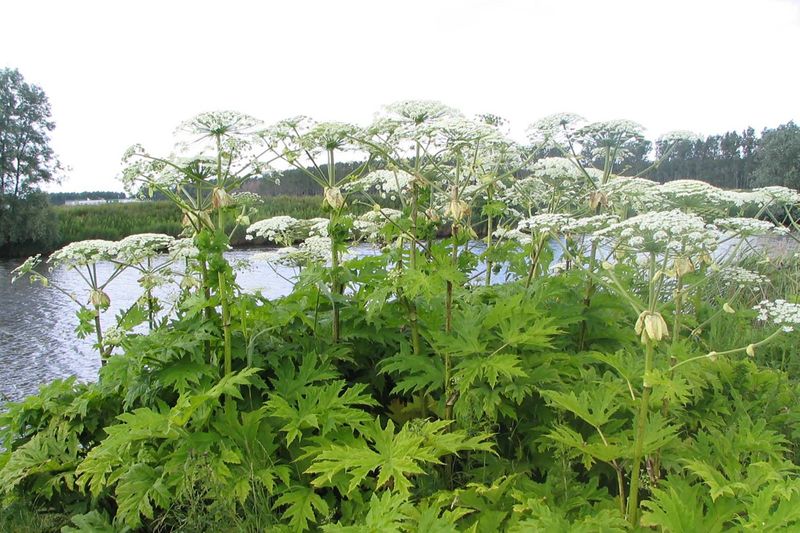
Hogweed’s imposing stature and wide flower clusters command attention, yet approach with caution. Its sap, in sunlight, can cause phototoxic reactions similar to giant hogweed.
While a striking part of natural landscapes, it poses risks to unprotected skin. Hogweed is an invasive species spreading across various regions.
Its beauty is matched by the potential for harm, making recognition crucial for those exploring its habitats. Awareness is the best defense against its unsettling effects.
11. Spurge Laurel
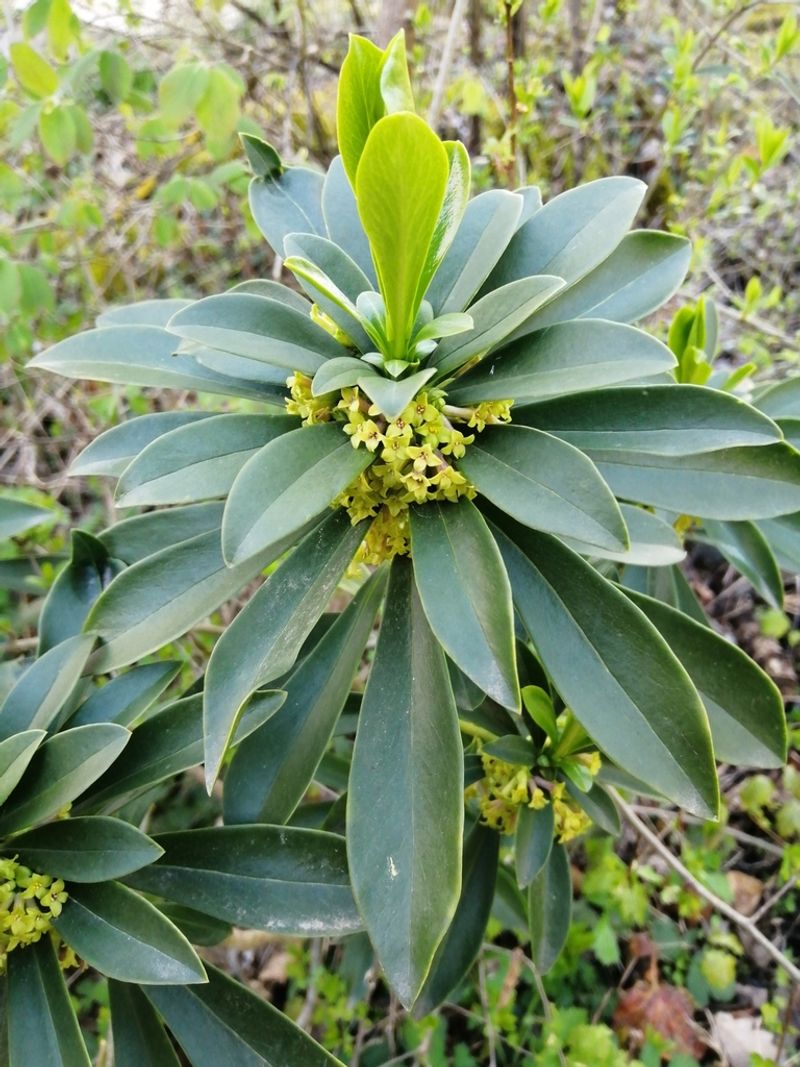
Spurge laurel is an understated plant with notable risks, often found in shaded woodlands. Its glossy leaves and small flowers could easily be overlooked.
However, contact with its sap can cause skin irritation, and ingestion is toxic. Historically, it has been used in traditional medicine, albeit cautiously.
The plant’s presence in hedgerows and gardens calls for an informed approach, as its allure belies potential dangers. Knowledge is key to avoiding its hidden hazards.
12. English Ivy

English ivy, often admired for its charm on old walls, harbors secrets beneath its glossy leaves. It can cause contact dermatitis for sensitive individuals.
The plant’s invasive nature means it’s commonly found in gardens and urban spaces. While providing natural air purification, its risks mustn’t be ignored.
Handling the leaves or stems requires caution, especially when pruning or gardening. Recognizing its dual nature ensures both appreciation and safe enjoyment.
13. Daffodil
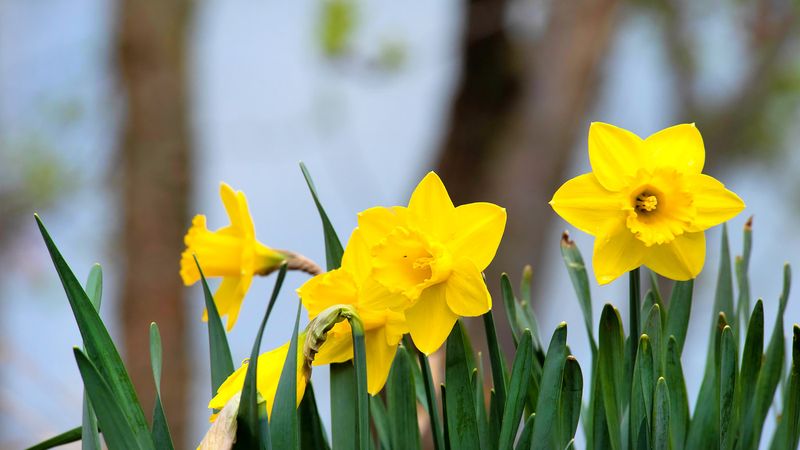
Daffodils, symbols of spring and renewal, also carry hidden threats. The plant’s bulbs contain lycorine, causing irritation and vomiting if ingested.
Their cheerful appearance in gardens belies this risk. While admired for their beauty, handling with care is advised during planting.
Interestingly, daffodils are often used symbolically in various cultures, representing hope and new beginnings. Yet, awareness of their potential dangers ensures they remain a source of delight without the downside.
14. Hyacinth
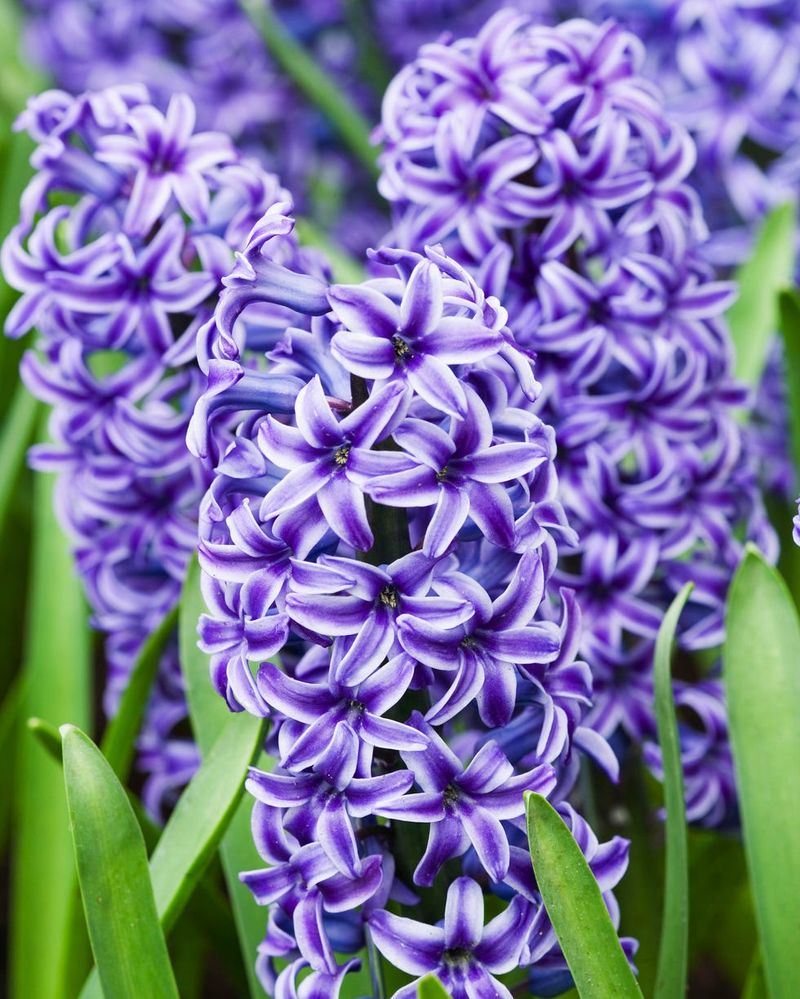
Hyacinths are garden favorites, known for their fragrant blooms and vivid colors. However, their bulbs can cause mild skin irritation.
This is particularly noticeable during planting and handling. Despite this, their allure in floral arrangements and gardens remains strong.
The plant’s intoxicating scent and visual appeal make it a staple in spring displays, with a history of cultivation dating back to ancient times. Proper precautions ensure enjoyment without irritation.
15. Chrysanthemum
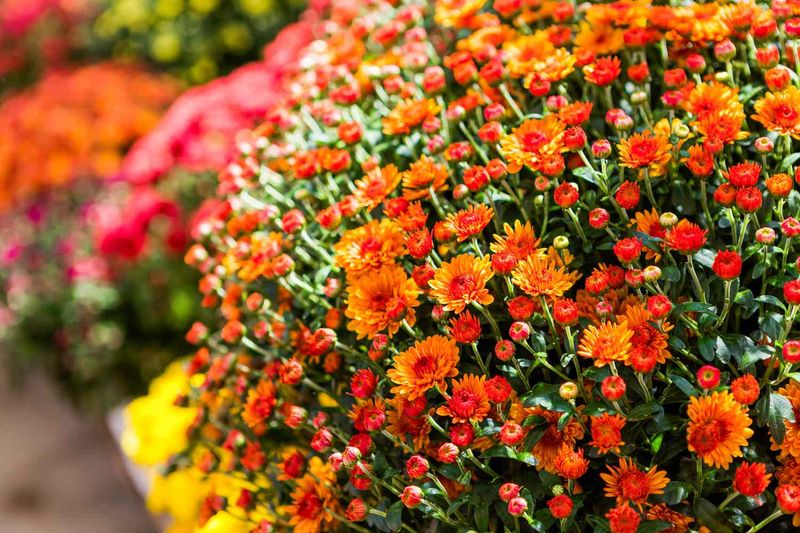
Chrysanthemums, beloved for their autumnal beauty, can cause allergic reactions in some. The plant’s pyrethrin compound is both a natural insect repellent and irritant.
While adored for their vibrant displays, handling them may lead to dermatitis, especially for the sensitive. Their role in floral culture is significant, with meanings ranging from celebration to remembrance.
Mindful interaction ensures they remain a source of joy without discomfort, adding color and life to gardens worldwide.
16. Tulip
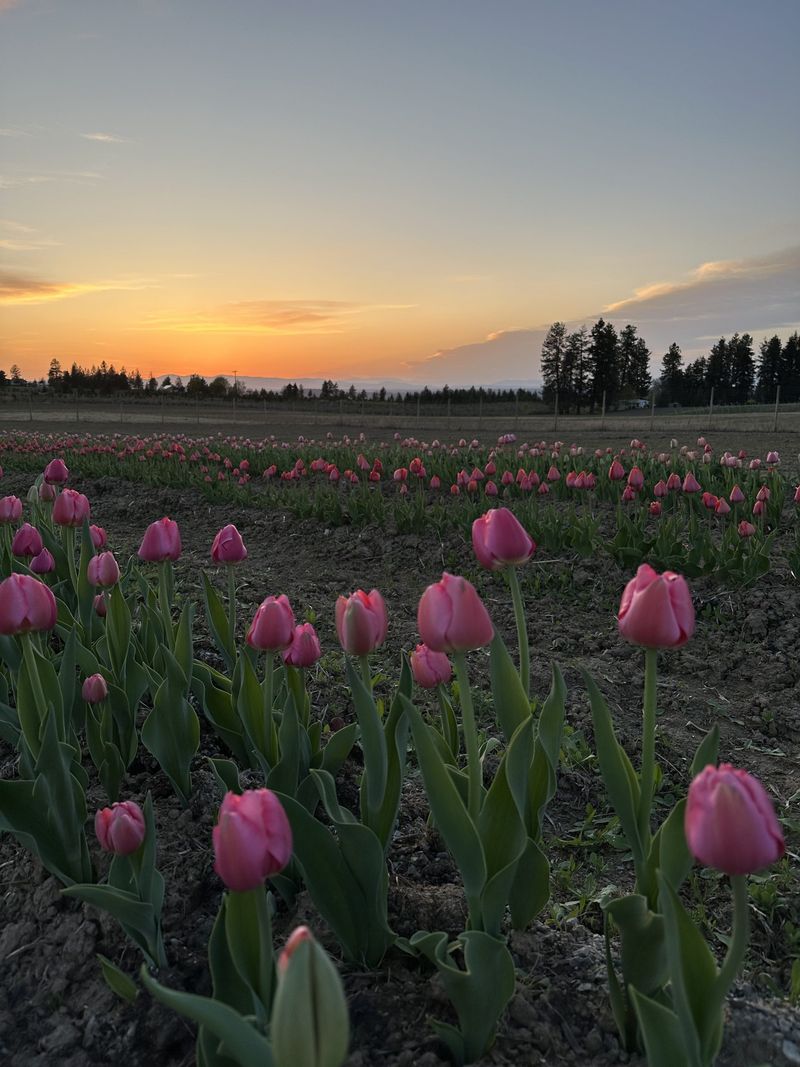
Tulips, with their elegant blooms, can surprise with their potential to irritate skin. Handling the bulbs or leaves may lead to “tulip fingers,” a contact dermatitis.
Their widespread appeal in gardens and floral arrangements makes them a beloved choice despite this. Tulips have historically symbolized love and beauty.
Ensuring proper handling during planting and care allows for their enjoyment without the itch. Awareness of this plant’s dual nature enriches the gardening experience.
17. Primrose
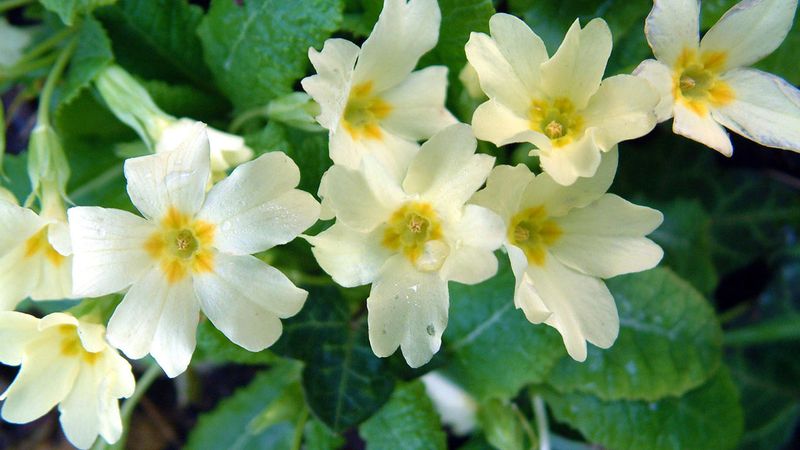
Primroses, often heralds of spring, can cause skin irritation in some individuals. Their delicate yellow blooms are a familiar sight in gardens and woodlands.
While they symbolize youth and renewal, touching the leaves or flowers can result in dermatitis. Historically, primroses have held a place in herbal remedies and folklore.
Understanding their potential risks ensures they remain a cherished part of nature’s offerings, enjoyed for their beauty and symbolism.
18. Oleander
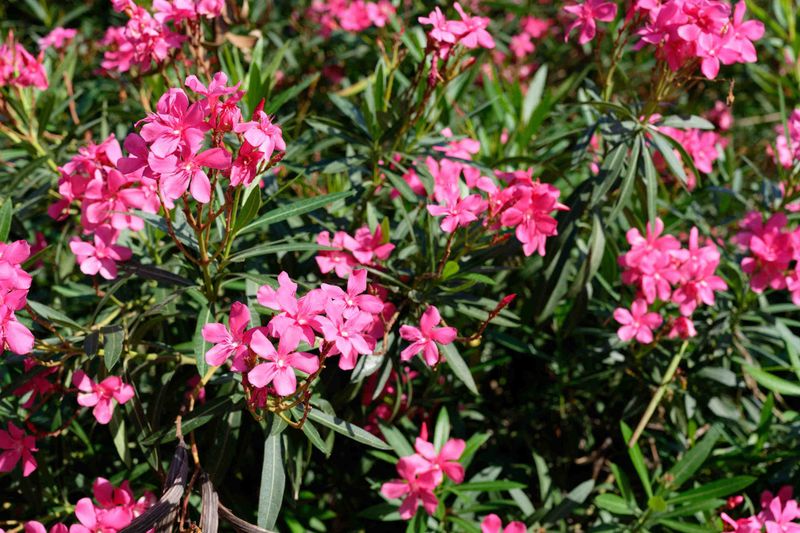
Oleander is a plant of striking beauty and silent danger. Its vibrant blooms and glossy leaves make it an attractive choice in warm climates.
However, all parts are toxic if ingested, and handling can irritate skin. Used historically in ornamental gardens, it demands respect and caution.
In Mediterranean regions, oleander adds color and charm, yet its reputation as a toxic plant is well-deserved. Proper awareness ensures both appreciation and safety around this alluring, yet hazardous plant.
19. Foxglove
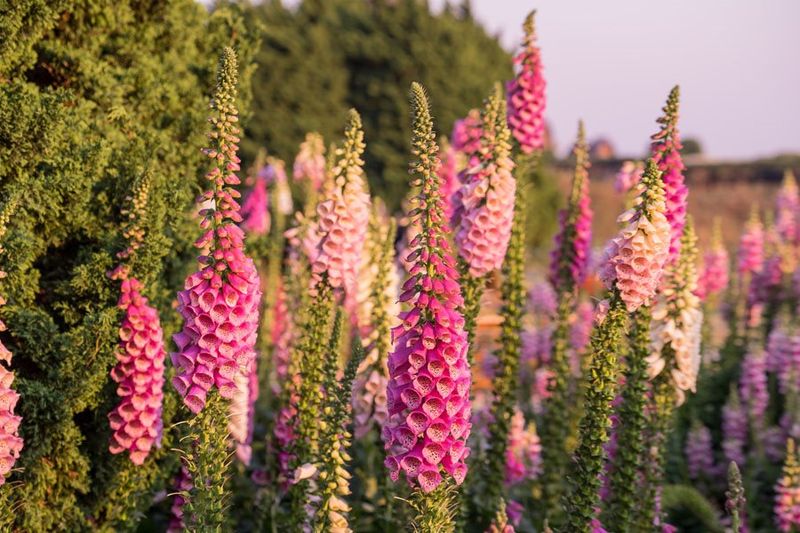
Foxglove’s towering spikes and vibrant colors are a garden feature, yet they harbor toxic compounds. The plant’s digitalis content is well-known in medicine and cautionary tales.
Handling without care can lead to skin irritation, and ingestion is hazardous. Despite these risks, foxglove has a storied past in horticulture and pharmacology.
Its enchanting appearance belies the need for careful interaction, ensuring it remains a dazzling, yet safe, garden inhabitant.
20. Caladium
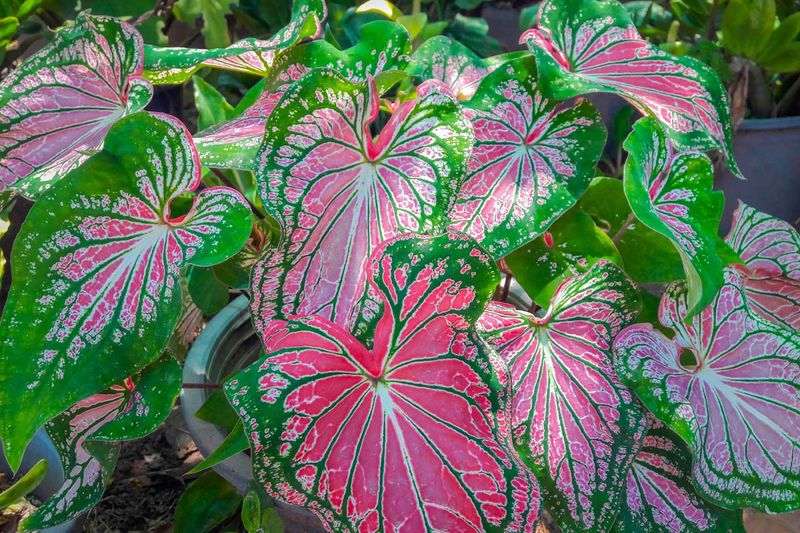
Caladium, with its large, colorful leaves, can be a striking addition to any garden. However, these beauties harbor a secret: their sap contains calcium oxalate crystals, which can irritate the skin and cause allergic reactions. Even a brief touch might result in itching or a rash.
Gardeners should wear gloves when handling them to avoid direct contact. Caladiums thrive in warm, humid environments, making them popular in tropical gardens.
Did you know? Caladiums, native to South America, are often referred to as “Angel Wings” due to their uniquely shaped leaves.