 Complete Gardening
Saving seeds from your garden can be a rewarding and economical practice, but not all seeds are worth preserving. Some seeds simply won’t produce healthy or true-to-type plants in subsequent generations. Understanding which seeds to avoid saving is crucial for maintaining the quality and health of your garden. This blog post will explore five types of seeds that gardeners should skip when it comes to saving, explaining the reasons behind each choice. By knowing what to avoid, you’ll ensure a more fruitful and reliable gardening experience.
Hybrid Vegetable Seeds
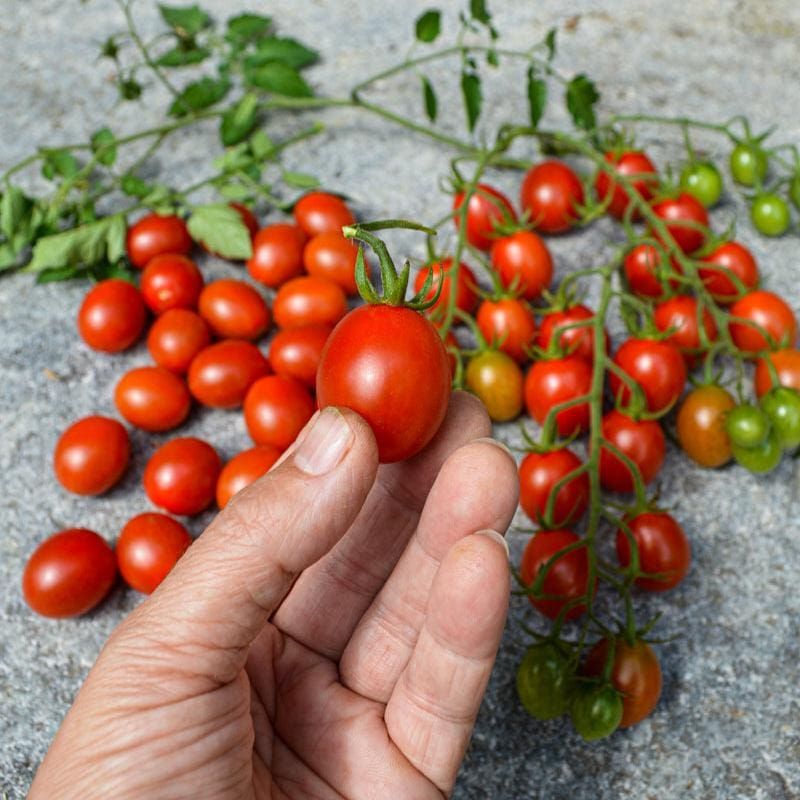
Hybrid seeds are like nature’s secret recipe, combining the best traits from two parent plants. However, their offspring rarely inherit these exact qualities. Planting second-generation hybrids often leads to unpredictable results, leaving gardeners disappointed.
Imagine planting your favorite hybrid tomato seed, only to find the fruit lacks the flavor you loved. This inconsistency in traits is why saving hybrid seeds can be a gamble.
Instead, opt for open-pollinated varieties if you want reliable results. These seeds maintain their characteristics across generations, ensuring a consistent harvest.
Diseased Plant Seeds
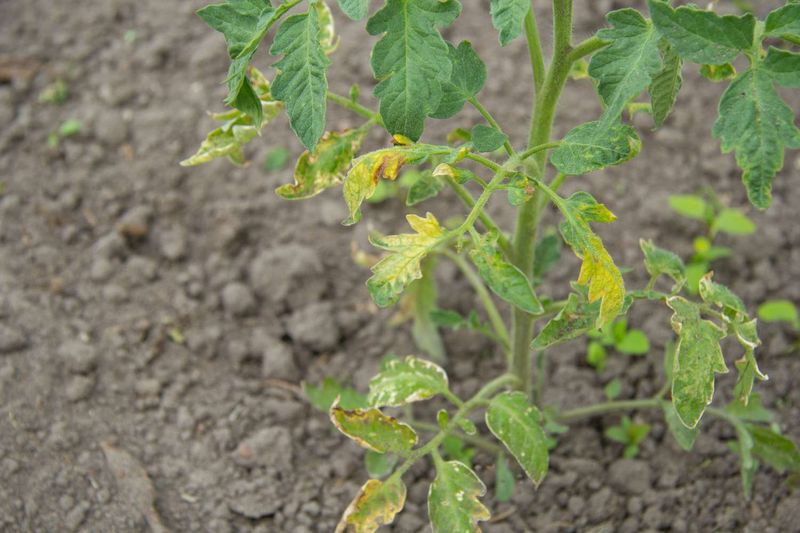
Choosing seeds from diseased plants is like setting a time bomb in your garden. These seeds carry pathogens that could infect future crops, leading to widespread disease.
Even if the plant appears mostly healthy, saving seeds from any affected part can introduce unwanted diseases to your garden. This practice compromises the vigor and productivity of future plants.
To ensure a healthy garden, select seeds only from robust, disease-free specimens. Plant health is the cornerstone of successful gardening, and it starts with clean seeds.
Biennial Plant Seeds
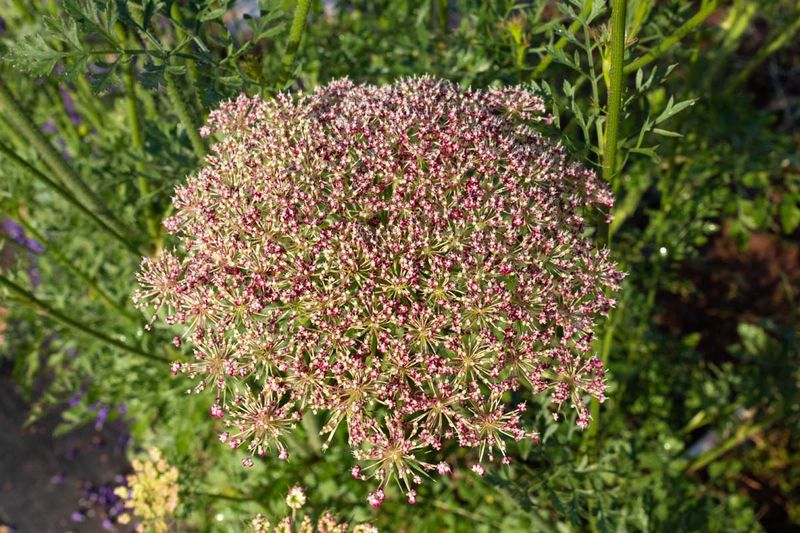
Biennials are the marathon runners of the plant world, taking two years to complete their life cycle. Gardeners often lack the patience or space to wait for seeds from these plants.
Carrots, for example, require overwintering to produce seeds, complicating the seed-saving process. Additionally, biennials may cross-pollinate with other varieties, leading to unpredictable offspring.
For those seeking reliable results, it may be best to purchase fresh seeds annually. This ensures vibrant and true-to-type plants without the wait.
Cross-Pollinated Plant Seeds
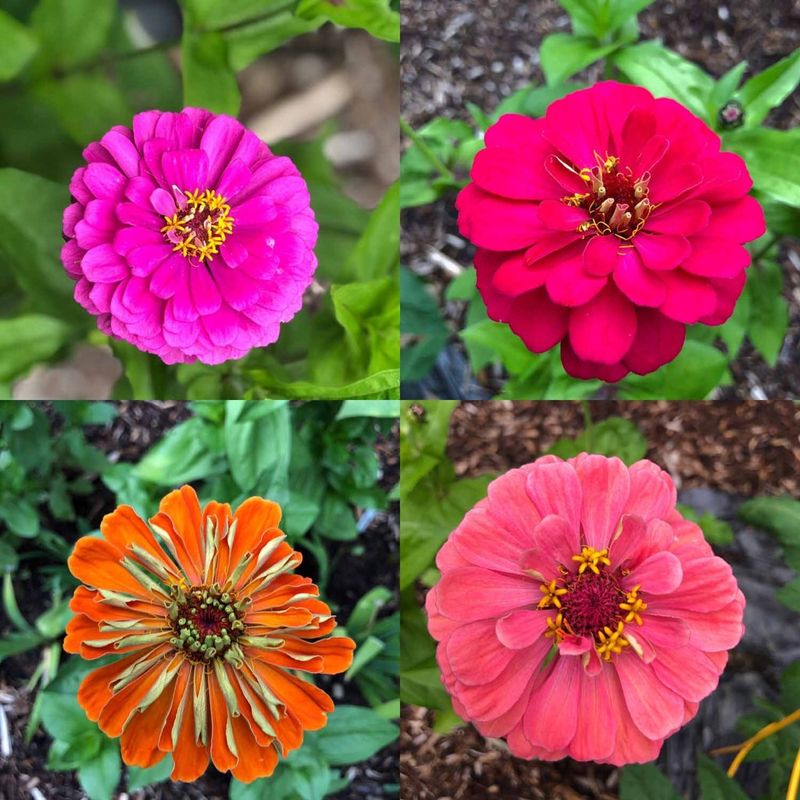
Cross-pollinated plants are nature’s artists, blending traits from different flowers into unique creations. However, this genetic variability makes them unreliable for seed saving.
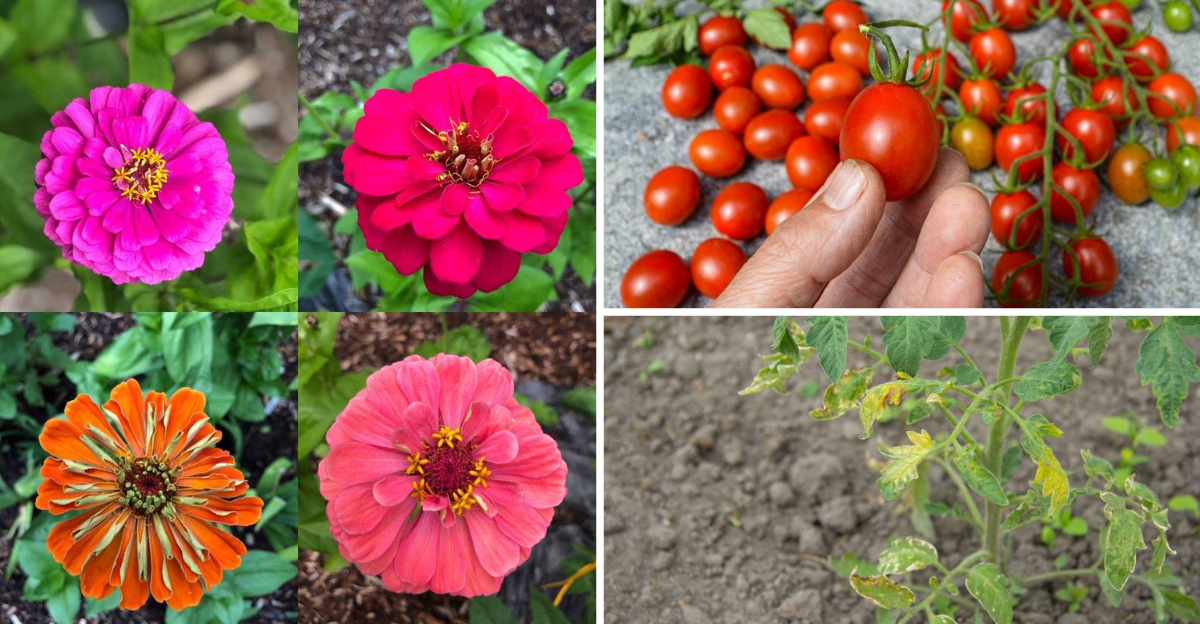
Consider a bed of zinnias, where each plant showcases a different hue. Saving seeds from these beauties may result in a mix of colors and forms, unlike the parent plants.
For consistent results, stick to self-pollinating plants or buy seeds from reputable sources. This way, your garden’s beauty remains undiluted.
Genetically Modified Seeds
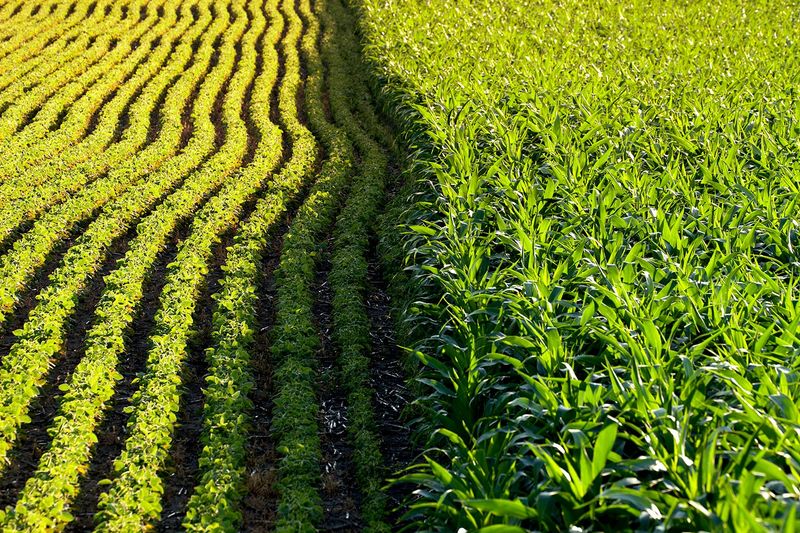
Genetically modified organisms (GMOs) are at the forefront of agricultural science, engineered for specific traits. But for home gardening, saving these seeds can lead to legal and ethical concerns.
Many GMO seeds are patented, prohibiting unauthorized propagation. Additionally, their environmental impact remains a topic of debate among gardeners.
If you’re cultivating a sustainable garden, it might be wise to avoid GMOs altogether. Choose organic, non-GMO seeds to align with eco-friendly practices.
Weedy Plant Seeds
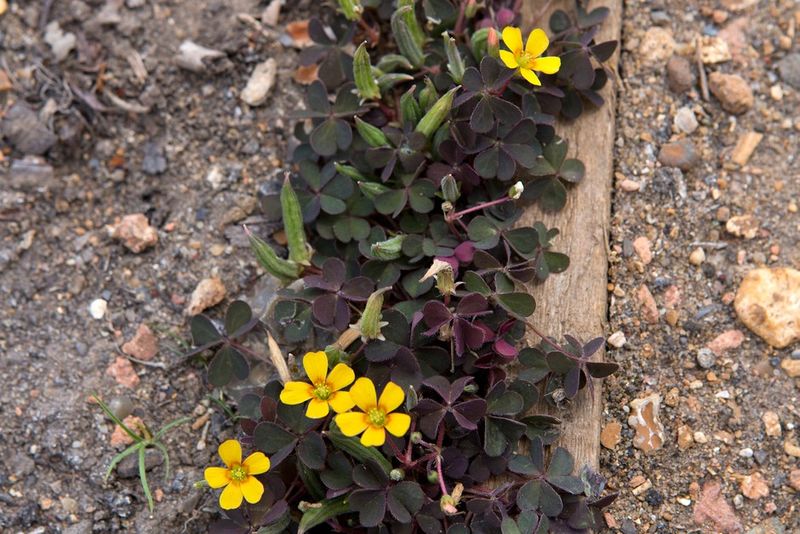
Have you ever tried to tame a garden overtaken by weeds? Weedy plants produce seeds that can quickly spread and dominate your garden, making them a poor choice for saving. Their aggressive growth and rapid reproduction can stifle other plants, leading to a lack of biodiversity.
Consider the damage done by saving seeds of plants such as dandelions, thistles, or bindweed. These seeds can lay dormant for years, waiting for the perfect conditions to sprout. Opting to save them could mean years of battling unwanted garden intruders.
Focus on maintaining harmony in your garden by avoiding these persistent invaders.
Unripe Fruit Seeds
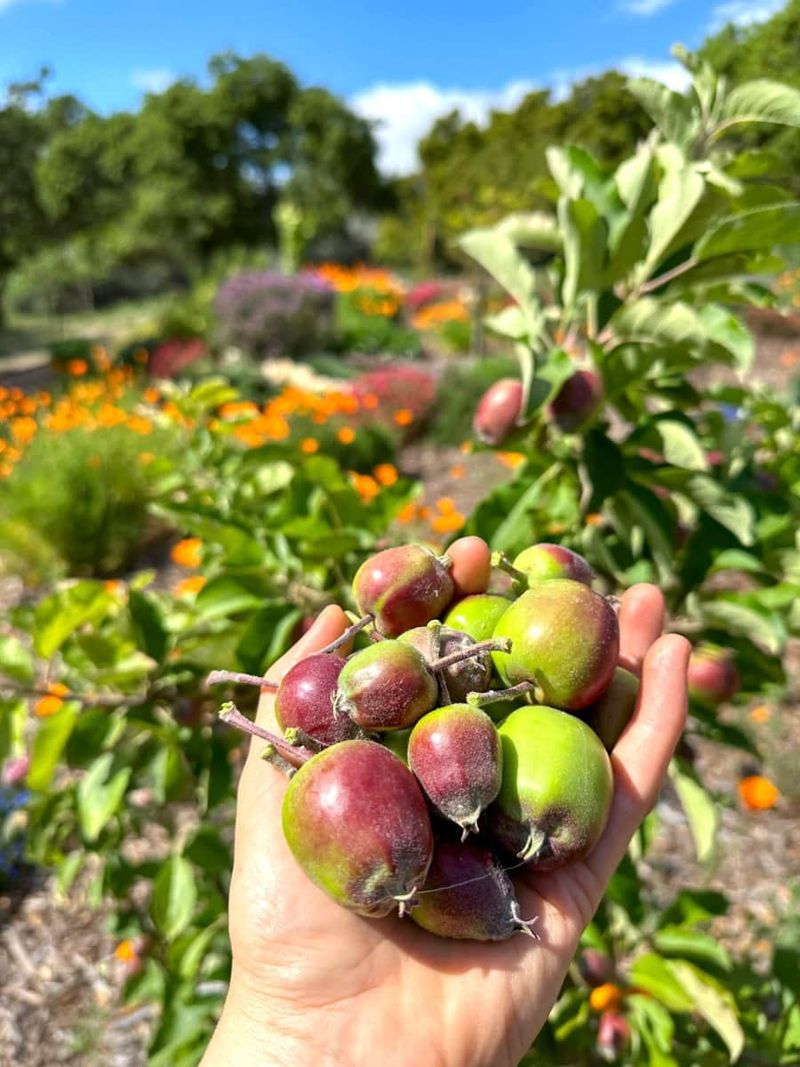
Imagine biting into an unripe fruit—tart, hard, and slightly disappointing. Unripe fruit seeds are similar in potential. They haven’t developed fully, leading to plants that might be weak or produce inferior fruit.
Gardeners aiming for rich harvests should avoid saving seeds from unripe fruits, as these seeds lack the maturity necessary for strong plant development. The essence of gardening is patience, and waiting for fruits to ripen ensures that seeds have reached their full potential.
This practice not only enhances plant quality but also aligns with nature’s timing and cycles.
Self-Pollinated Varieties
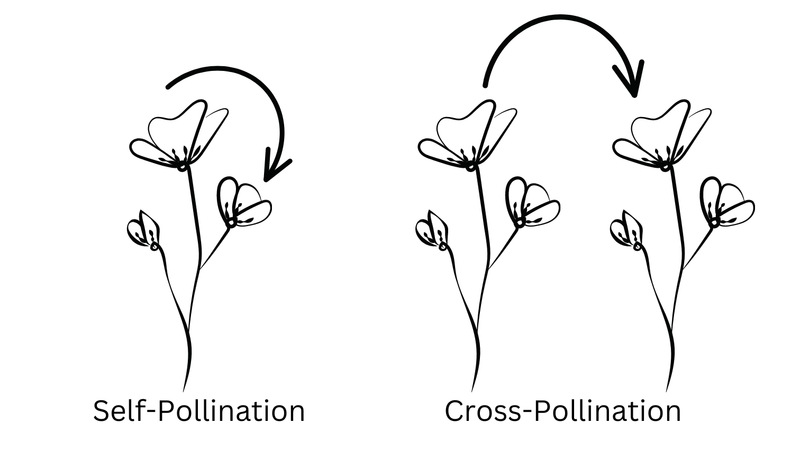
Isolated but steadfast, self-pollinated plants often don’t require saving unless you desire genetic uniformity. These varieties tend to maintain the same traits year after year, lacking the genetic diversity that cross-pollination provides.
While consistency is valuable, gardens flourish with diversity. By avoiding seeds from self-pollinated plants, gardeners encourage a blend of traits, colors, and flavors.
Cultivating a garden with varied genetics results in resilience against pests and diseases, as well as a more vibrant visual palette. Choosing diversity over uniformity can lead to unexpected delights in your garden.
Seeds from Weak Plants
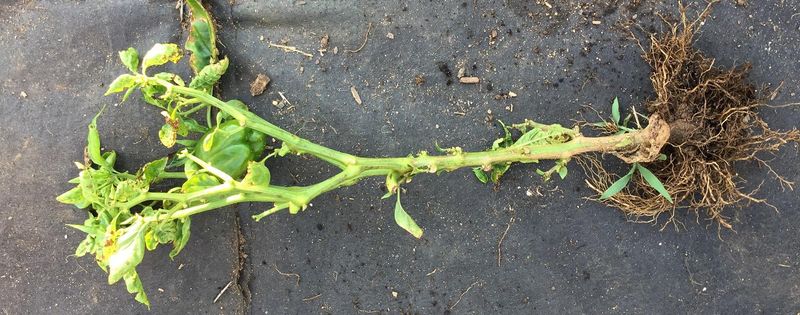
Why settle for mediocrity? Saving seeds from weak or underperforming plants often leads to disappointment. These seeds might carry genetic weaknesses that manifest in future generations.
Healthy plants are the cornerstone of a thriving garden. By consciously selecting seeds from the strongest, healthiest specimens, gardeners can foster a robust and resilient plant population.
Consider the long-term benefits of investing in quality. Avoiding seeds from weak plants not only enhances your garden’s vitality but also ensures that your efforts yield bountiful results.
Late-Season Bloomers
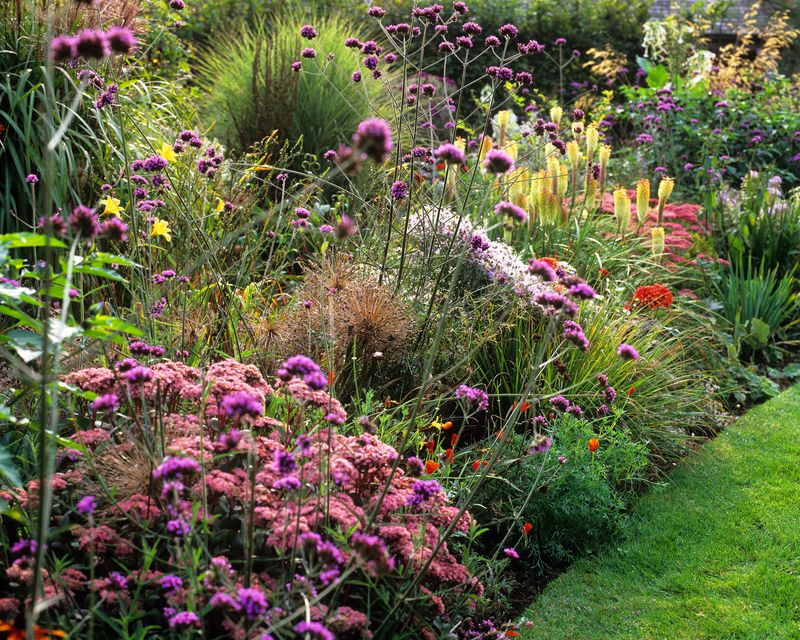
Timing is everything in the garden, and late-season bloomers often miss the mark. These plants may not have time to mature before the season ends, resulting in seeds that are not fully developed.
Saving seeds from late bloomers can lead to frustration when the following year’s plants struggle to thrive. Consider the growing season in your area and opt for seeds from plants that bloom at the right time.
By aligning your gardening efforts with seasonal changes, you ensure that your plants have ample time to grow, flower, and seed successfully.
Seeds from Old Plants
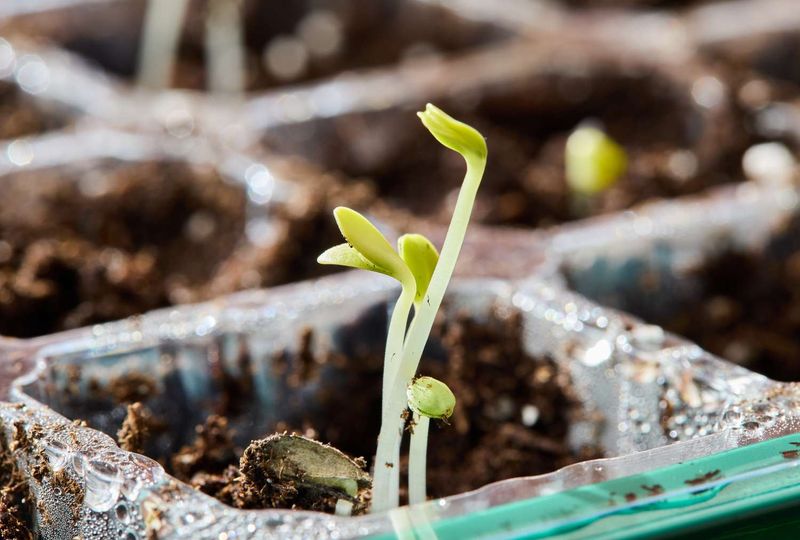
Age carries wisdom, but in seeds, it can carry decline. Older plants may produce seeds that lack vigor, affecting future growth and development. These seeds might not germinate well, leading to gaps in your garden.
Select seeds from plants in their prime, capturing the essence of vitality and strength. Young, healthy plants often produce seeds with the best potential for robust growth.
Preserving the energy and vitality of your garden begins with conscious seed selection, ensuring that future generations flourish with life and color.
Monoculture Crop Seeds
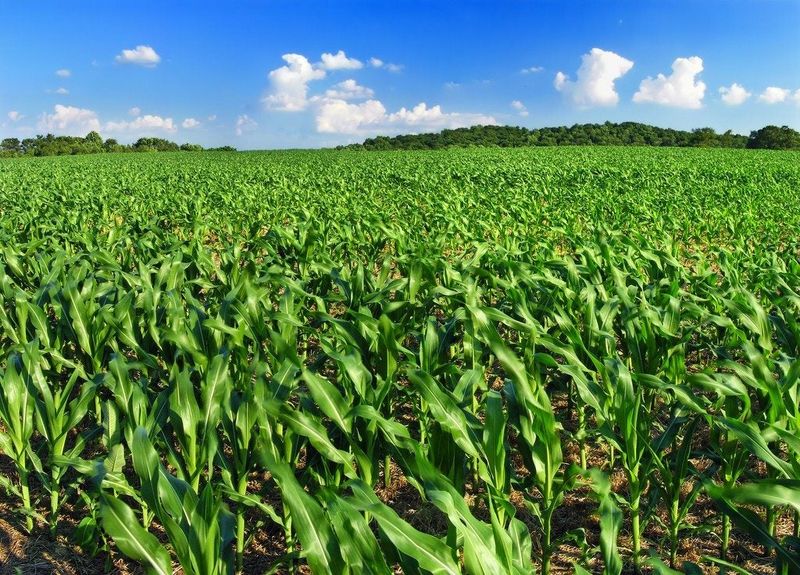
Monoculture farming has its benefits, but saving seeds from such crops can be perilous. These seeds often lack genetic diversity, making them susceptible to pests and diseases.
A garden thrives on variety. By avoiding monoculture crop seeds, gardeners can cultivate a more resilient and diverse ecosystem. This diversity acts as a natural pest deterrent and promotes a balanced environment.
Consider the ecological impact of your gardening choices. Embracing diversity ensures that your garden is a haven of life, with plants supporting one another in harmony.
F1 Hybrid Seeds
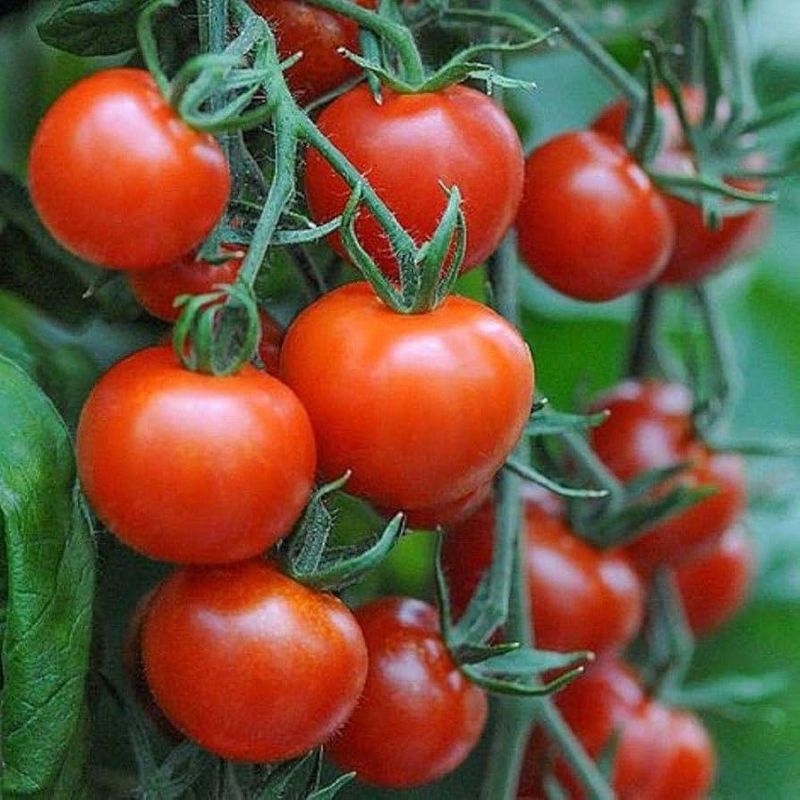
F1 hybrids are a wonder of modern agriculture, but their seeds are not ideal for saving. These seeds often do not breed true, leading to unpredictable results in future generations.
The allure of F1 hybrids lies in their specific traits, such as disease resistance or uniform appearance. Saving these seeds can result in plants that lack these desirable characteristics.
For reliable results, purchase new F1 hybrid seeds each year. Enjoy the benefits of hybrid vigor without the frustration of unexpected outcomes in your garden.
Non-Native Plant Seeds
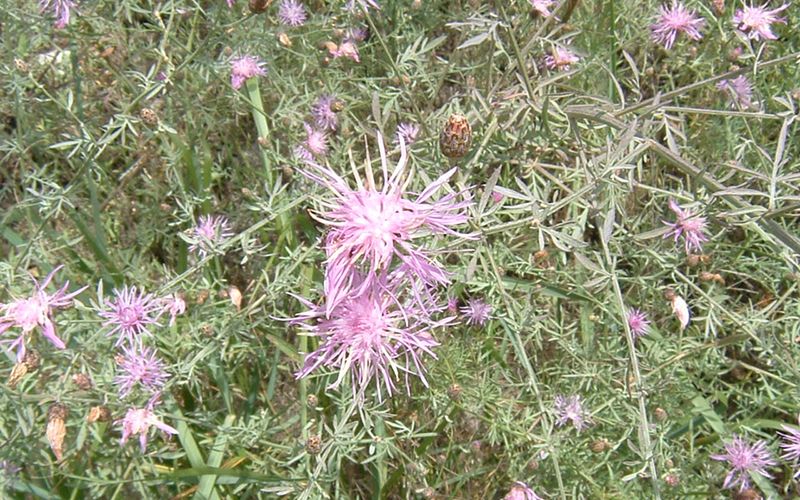
Exotic and alluring, non-native plants may seem like a gardener’s dream, but their seeds can pose challenges. These plants might not thrive in your local climate or could become invasive, disrupting local ecosystems.
Saving seeds from non-native plants can lead to disappointment or even ecological harm. Consider native plant varieties that are well-adapted to your region’s conditions.
By focusing on native species, you support local biodiversity and create a garden that resonates with the natural environment, fostering harmony and balance.
Shade-Loving Plant Seeds
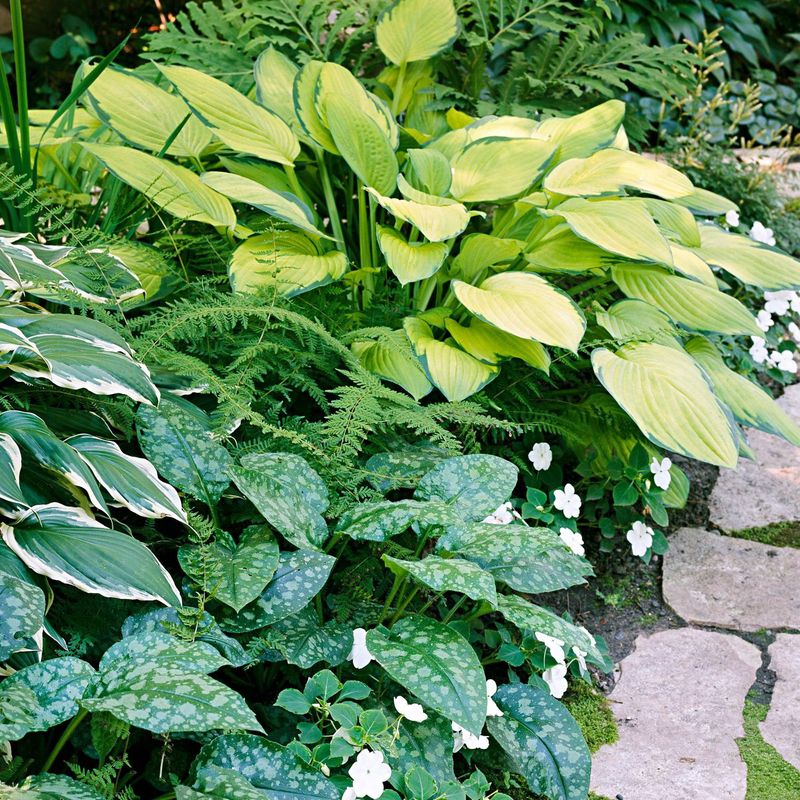
Shade-loving plants have their place, but their seeds may not suit every gardener’s needs. These plants often require specific conditions, and their seeds might not perform well in sunnier areas.
If your garden is bathed in sunlight, saving seeds from shade-loving varieties could lead to lackluster growth. Instead, choose seeds from plants that thrive in your garden’s conditions.
Matching seed choice to your garden’s environment ensures that your efforts are rewarded with healthy, thriving plants that complement the space.
Annual Plant Seeds
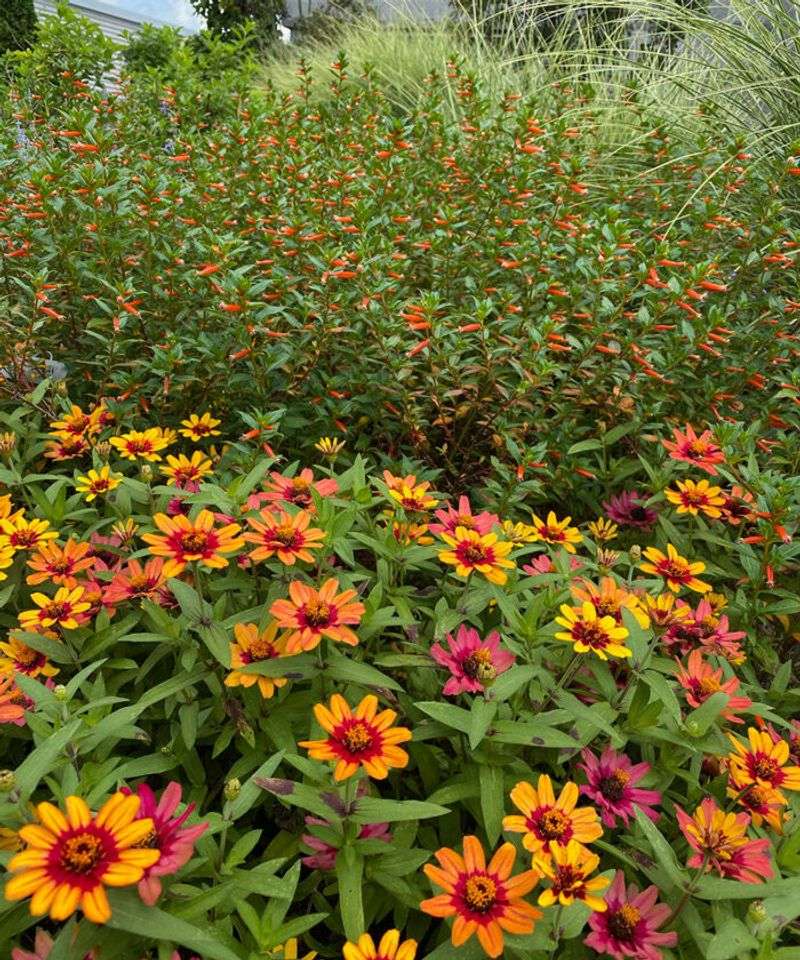
Annual plants add color and life, but their seeds aren’t always ideal for saving. These plants complete their life cycle in one season, and their seeds might not have the same vigor as those from perennials.
Saving seeds from annuals can lead to inconsistent results, with plants that struggle to match the beauty of their predecessors. Consider purchasing new seeds to ensure that your garden remains vibrant and lively.
Investing in fresh seeds each year keeps your garden flourishing with consistent color and growth, season after season.