
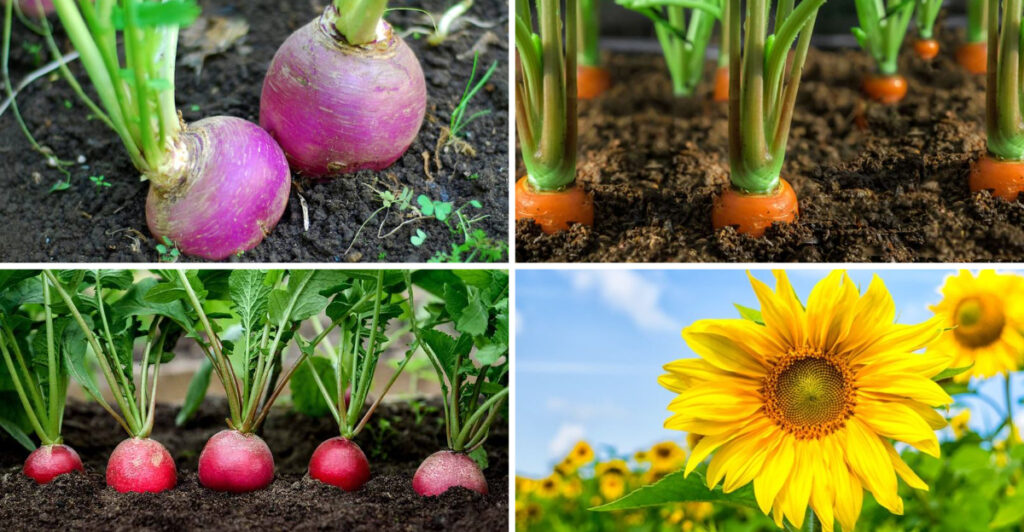
Starting seeds indoors can be a rewarding endeavor for many gardeners. However, not all seeds appreciate the transition from a cozy indoor environment to the great outdoors. In fact, some seeds downright despise being transplanted, leading to stunted growth or failure to thrive. This post will guide you through 17 such seeds that prefer being sown directly into the soil, saving you time and effort in your gardening journey.
1. Carrots
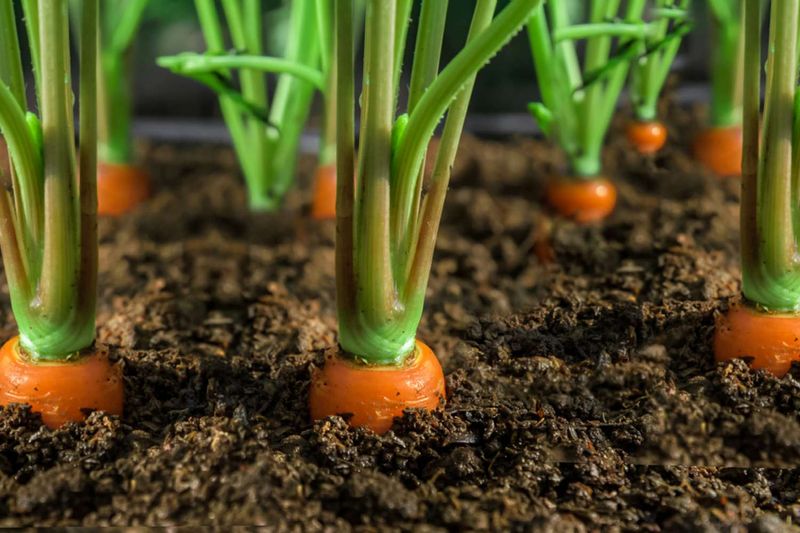
Carrots, with their delicate root systems, are notorious for hating transplants. Imagine trying to move a fragile glass sculpture without damage—that’s how they feel. Direct sowing in loose, sandy soil allows them to develop their iconic long, straight shape.
If you attempt to transplant them, you’re likely to end up with a tangled mess of roots, or worse, stunted growth. Carrots prefer to dig deep into the earth without interruptions.
Their aversion to transplanting makes them a perfect candidate for direct seeding, giving them a head start in growing strong and straight.
2. Radishes
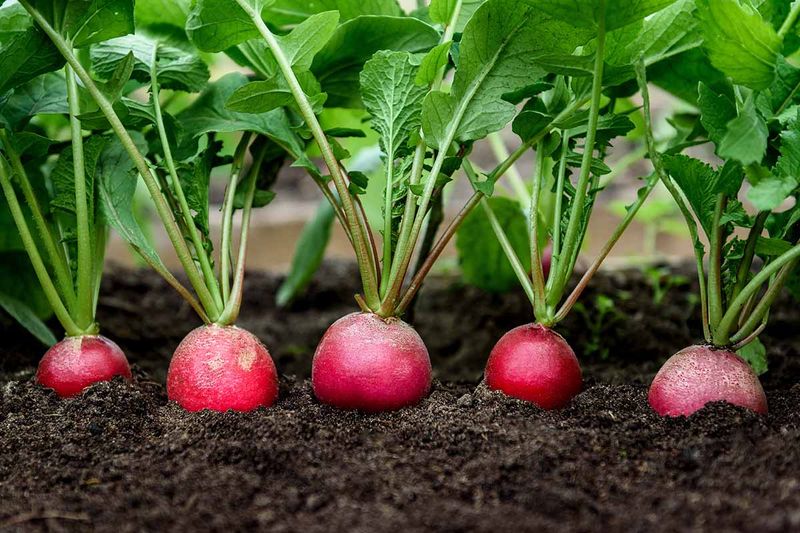
Radishes thrive best when left undisturbed in their growing environment. They burst onto the scene with vibrant colors and a crisp texture when grown directly in the soil. Transplanting can lead to a lack of flavor and a woody texture.
These hardy little plants appreciate the freedom to grow at their pace, unhindered by the confines of indoor pots. Radishes mature quickly, making them an ideal choice for impatient gardeners.
Allow them to showcase their unique flavors and textures by sowing them directly, ensuring a bountiful and flavorful harvest.
3. Beans
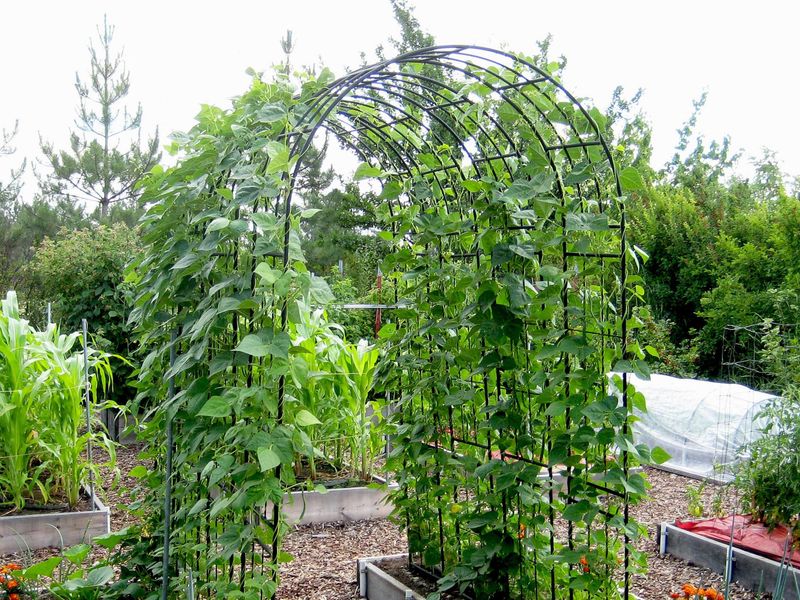
Beans are natural climbers, thriving when they have space to stretch their tendrils skyward. Transplanting disrupts their growth, often causing them to sulk and produce less.
They are best sown directly next to a support structure, allowing them to climb gracefully. The process of transplanting can break their delicate roots and lead to poor yields.
By sowing beans directly, you’re giving them the freedom to explore and reach new heights, leading to a more fruitful harvest.
4. Corn
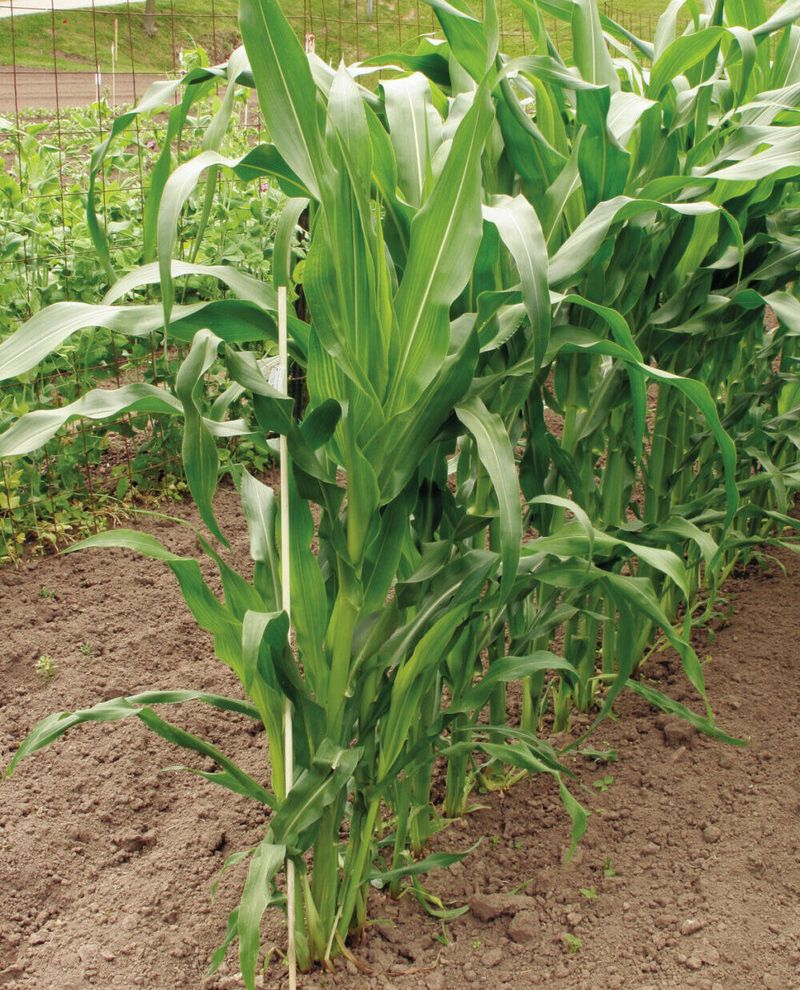
Corn, the giant of the garden, demands respect and room to grow. When transplanted, it often experiences shock, stunting its towering growth.
Planting corn directly into well-prepared soil allows it to establish a robust root system, essential for supporting its tall stalks and heavy ears.
Corn’s dislike for transplanting stems from its need to grow swiftly without disturbance. Direct sowing ensures that you cultivate strong plants capable of withstanding wind and weather.
5. Cucumbers
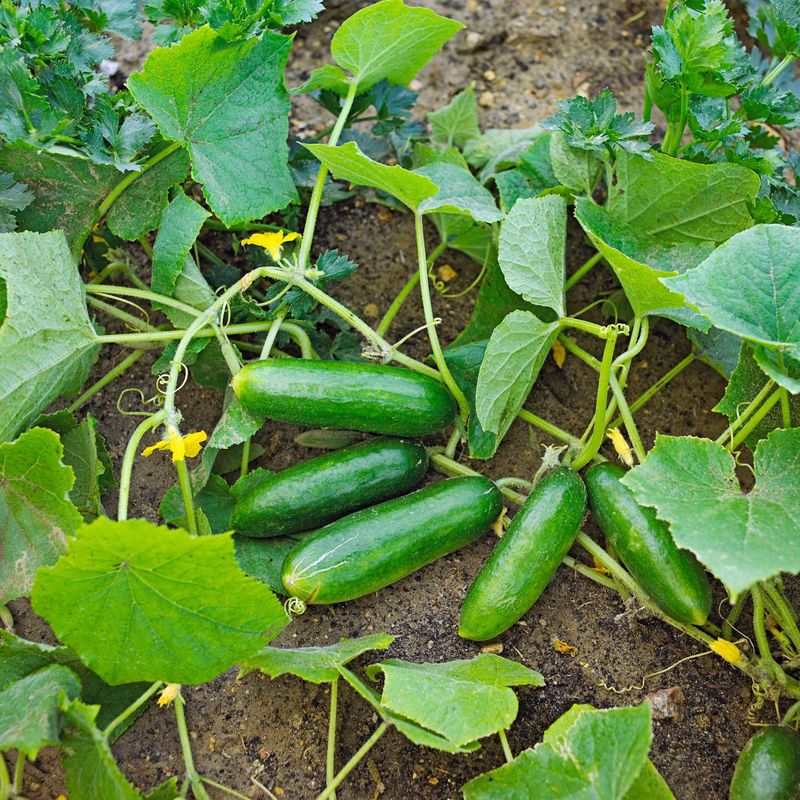
Cucumbers crave stability and space to sprawl. Transplanting can lead to transplant shock, causing leaves to wilt and growth to stall.
To avoid this, sow cucumber seeds directly into warm soil, allowing them to establish their roots and vines undisturbed. They appreciate the direct connection to the earth, which fosters robust growth.
Let cucumbers thrive on their own terms by giving them the opportunity to grow without interference, resulting in a higher yield and healthier plants.
6. Peas
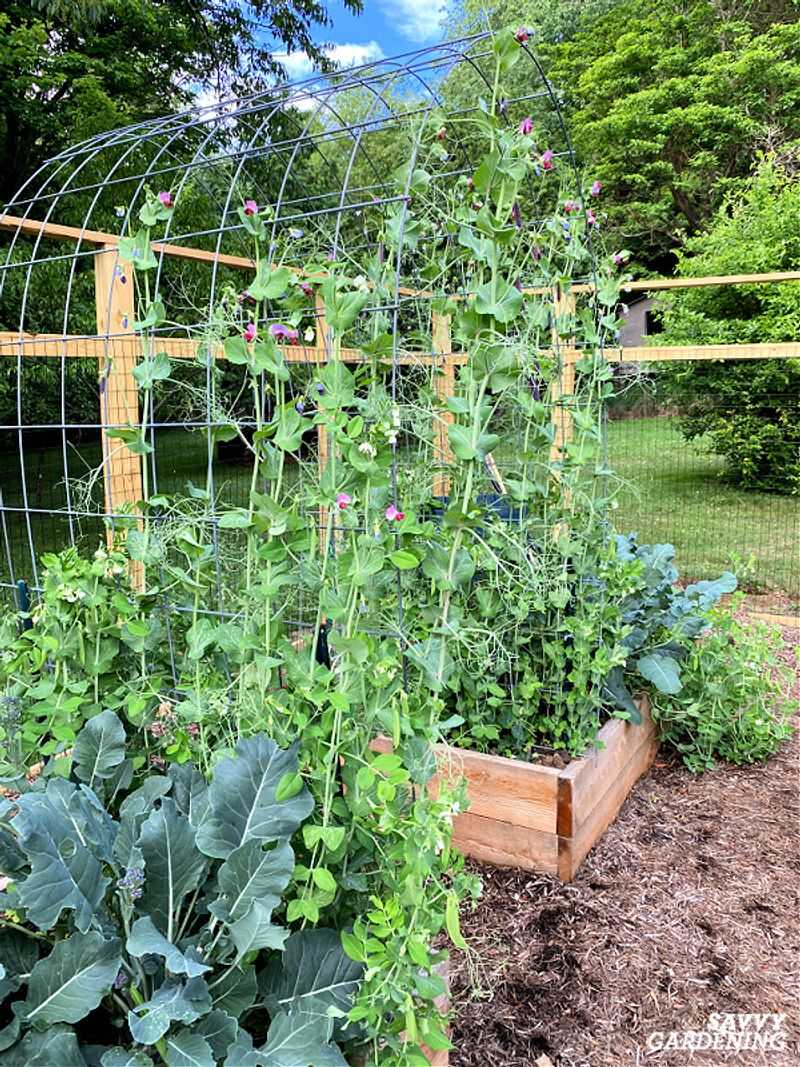
Peas are social climbers, enjoying the support of a sturdy trellis to help them reach for the sky. Transplanting can hinder their growth spurt, leading to a less fruitful crop.
Instead of starting them indoors, sow peas directly where they are to grow. This provides them with the stability they need to develop a strong root system.
Direct sowing ensures that peas can focus on clambering upwards, resulting in a more abundant and healthier harvest.
7. Turnips
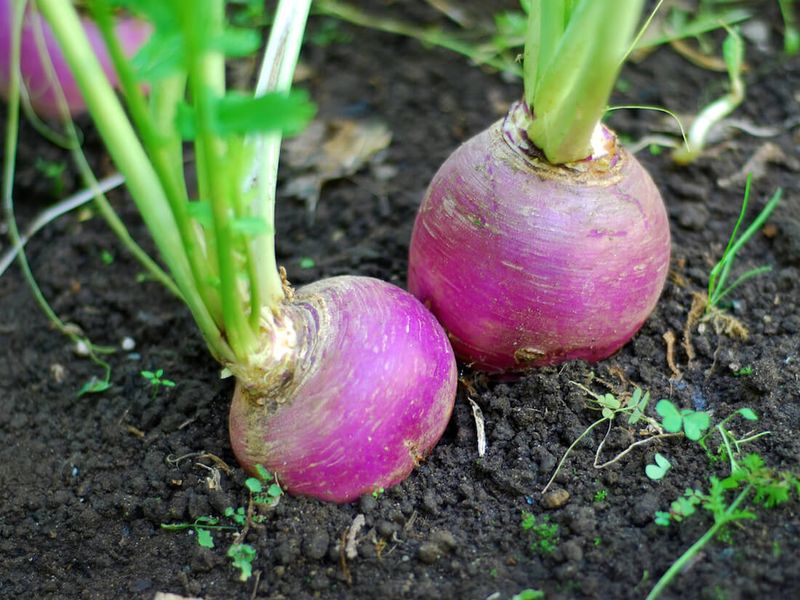
Turnips are humble root vegetables that prefer to dig their way into the garden soil without disturbance. Transplanting can break their delicate roots, leading to malformed growth.
Direct sowing allows turnips to grow in their chosen spot, ensuring even development and a round, smooth shape. They thrive in cool weather, making them ideal for early spring or late fall planting.
By planting turnips directly, you’re ensuring a harvest of perfectly formed, flavorful roots that are a delight in any dish.
8. Parsnips
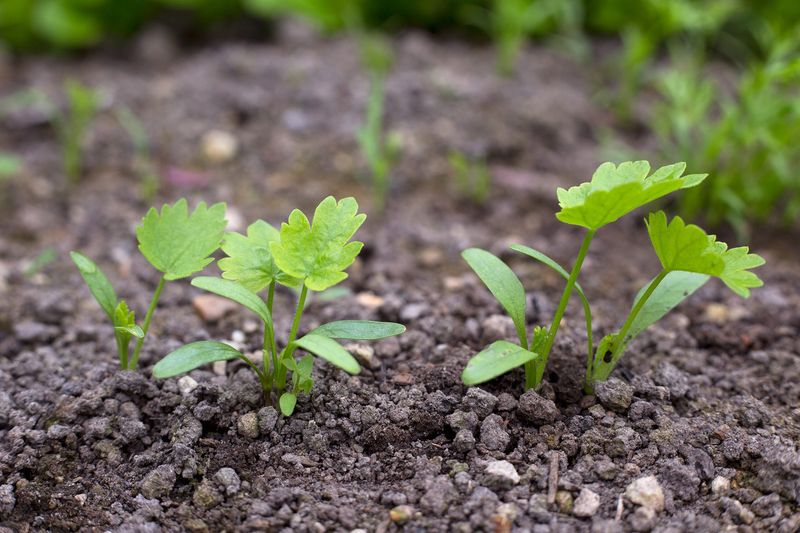
Parsnips, with their sweet, earthy flavor, demand respect during planting. They detest being moved once settled, which can disturb their long, sensitive root systems.
To achieve the best results, parsnips should be sown directly into their growing position. This prevents any disturbance that can lead to underdeveloped or forked roots.
Give parsnips the peace they need by sowing them directly, resulting in a robust growth and a sweet, nutty flavor that enhances any meal.
9. Melons
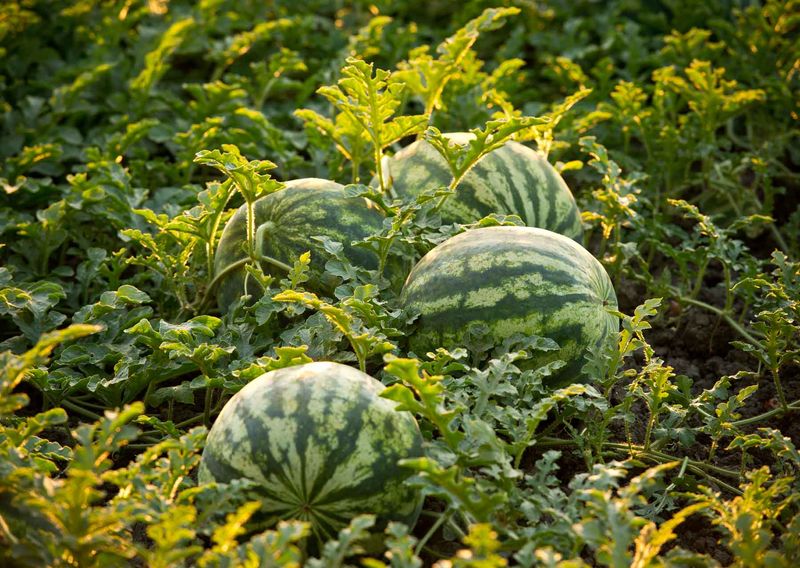
Melons, with their juicy sweetness, demand warm soil and ample space to stretch their vines. Transplanting can shock them, leading to stunted growth and poor fruit development.
Sow melon seeds directly in nutrient-rich soil, allowing them to bask in sunlight and develop strong vines naturally. This ensures a better yield and larger fruit size.
Direct sowing gives melons the freedom to grow uninterrupted, maximizing their potential and bringing forth a bountiful harvest of luscious, sweet melons.
10. Squash
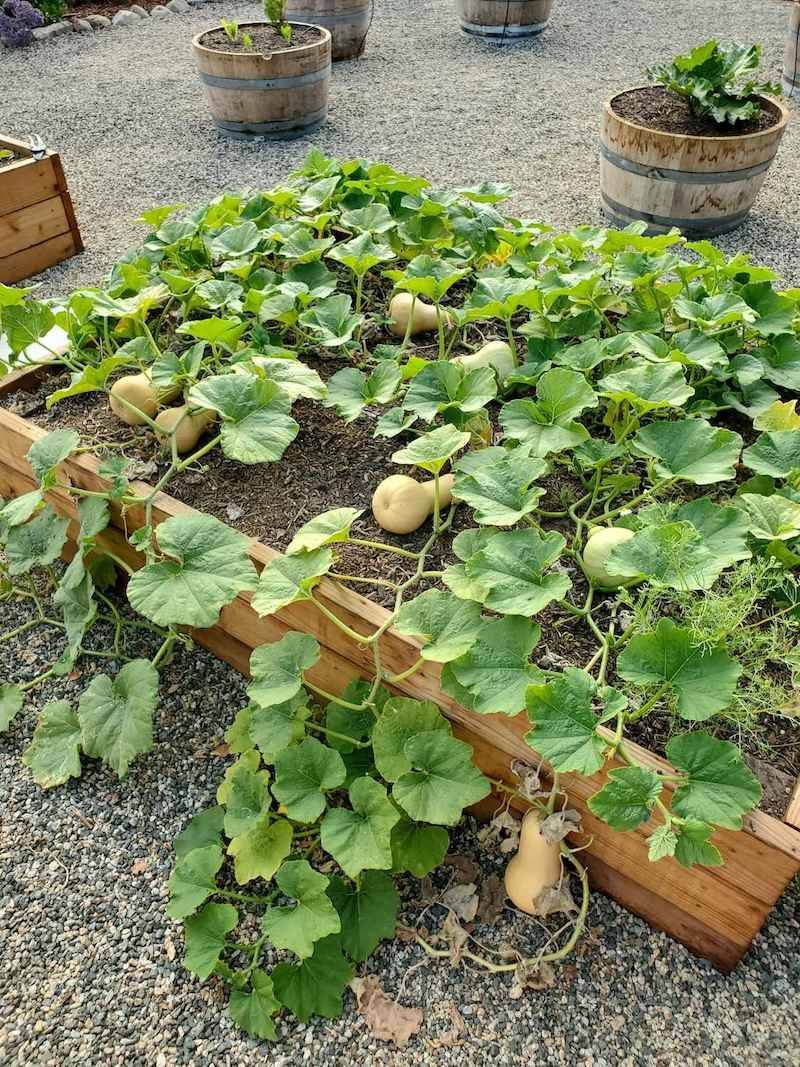
Squash plants are sprawling giants that require ample space to thrive. Transplanting can cause root disturbances, leading to reduced yields and smaller fruit.
For best results, sow squash seeds directly into warm garden soil. This allows them to spread their roots and vines freely, resulting in robust growth and plentiful fruit.
By giving squash the freedom to grow where they are sown, you’re ensuring a productive harvest of tasty and nutritious fruits.
11. Zucchini
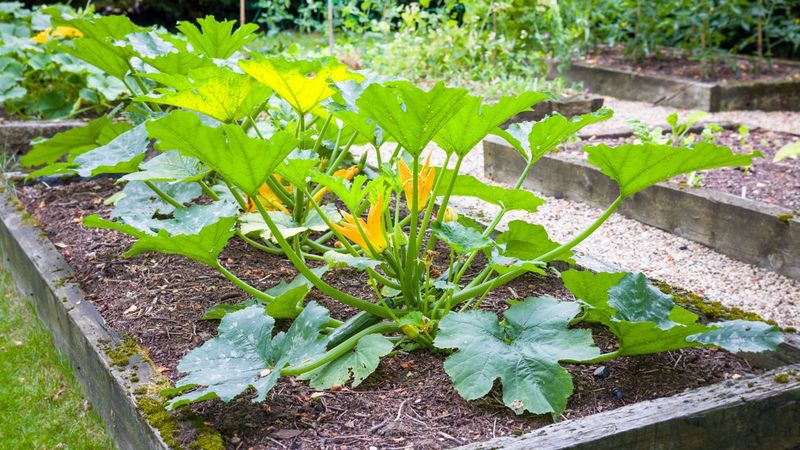
Zucchini, the prolific producer, benefits greatly from direct seeding. Transplanting can inhibit its rapid growth and lead to a less fruitful harvest.
Plant zucchini seeds directly in the garden, allowing them to establish a strong root system and grow unimpeded. They thrive in warm soil and sunny conditions.
Direct sowing ensures a steady supply of zucchinis throughout the season, maximizing their potential and your garden’s productivity.
12. Okra
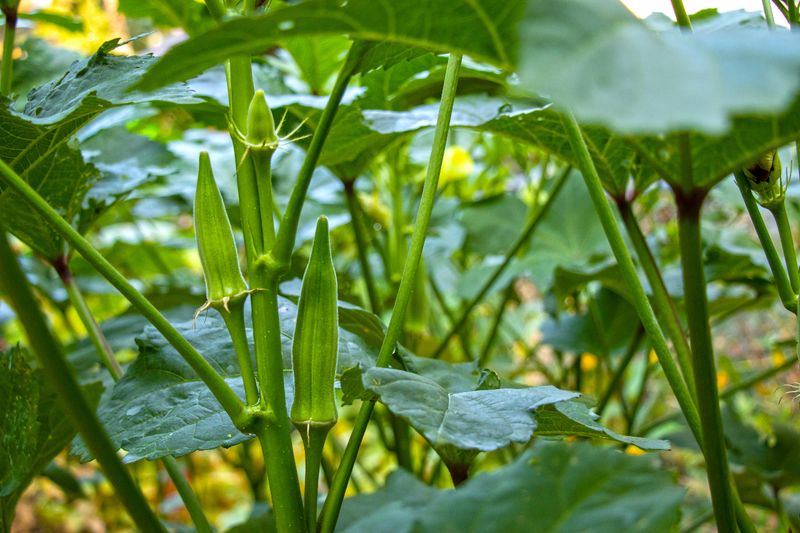
Okra, the Southern staple, flourishes in warm environments. Transplanting can shock these heat-loving plants, delaying growth and reducing pod production.
Sow okra seeds directly into warm soil, where they can take full advantage of the heat and develop strong, productive plants. They are sun worshippers, thriving with direct exposure.
By avoiding transplanting, you’re promoting vigorous growth and a plentiful harvest of tender, flavorful okra pods.
13. Pumpkins
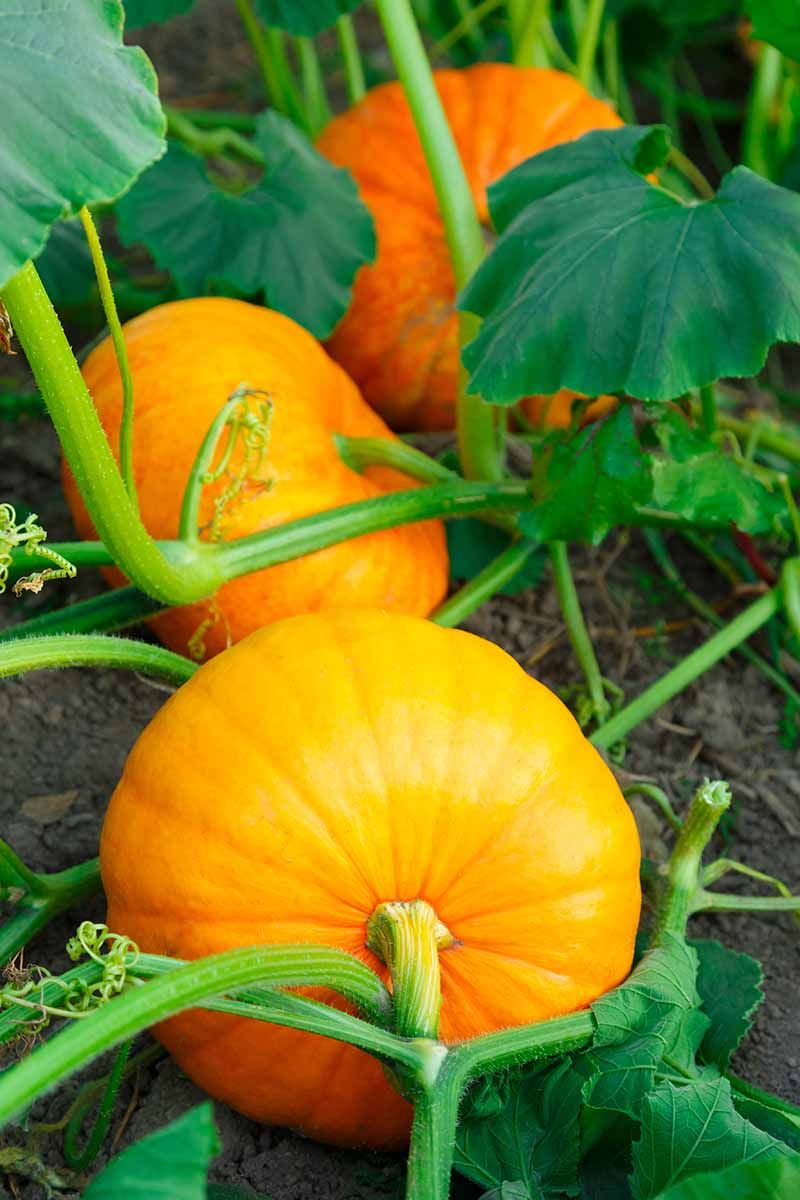
Pumpkins, the quintessential fall crop, dislike being moved once planted. Transplanting can stunt their growth and lead to smaller fruits.
For optimal growth, sow pumpkin seeds directly into enriched soil, giving them the space they need to spread their vines and grow large fruits.
Direct sowing ensures that pumpkins develop strong root systems, supporting the weight of large, healthy pumpkins ready for harvest in the autumn.
14. Lettuce
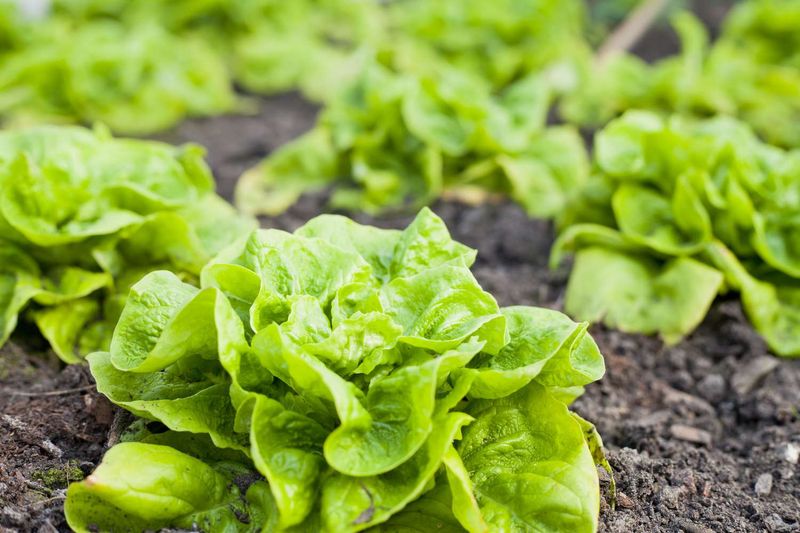
Lettuce, with its tender leaves, thrives when sown directly in the garden. Transplanting can bruise leaves and stunt growth, affecting its tender texture.
Sow lettuce seeds directly into cool, moist soil to ensure a continuous harvest of fresh, crisp leaves throughout the growing season.
By avoiding transplanting, lettuce plants maintain their tender texture and flavor, providing a constant supply of delicious greens for the kitchen.
15. Spinach
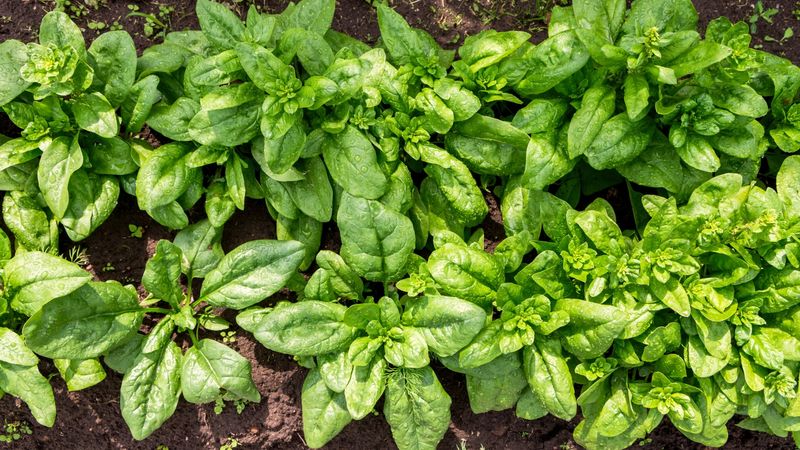
Spinach, the nutrient-packed leafy green, prefers direct seeding to avoid the shock of transplanting. Moving young plants can result in stunted growth and smaller yields.
Sow spinach seeds directly in a cool garden bed, where they can establish themselves without interruption. This leads to lush, green leaves packed with flavor and nutrients.
Direct sowing ensures a steady supply of spinach, supporting its rapid growth cycle and providing a continuous harvest of fresh greens.
16. Sunflowers
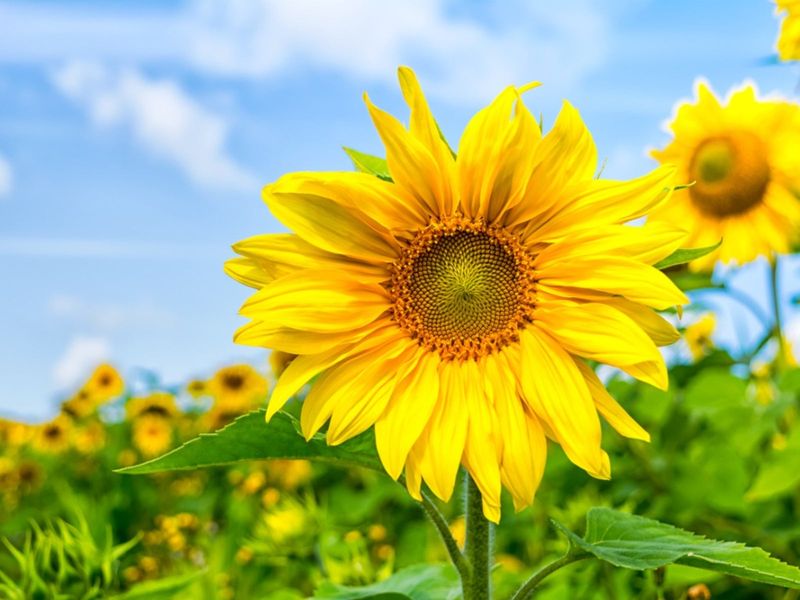
Sunflowers, the cheerful giants of the garden, thrive when planted directly in their growing spot. Transplanting can damage their roots, leading to poor growth.
Sow sunflower seeds directly into well-drained soil, allowing them to develop strong stems and large, vibrant blooms.
By planting directly, sunflowers can reach their full potential, towering over the garden and attracting pollinators with their sunny disposition.
17. Dill
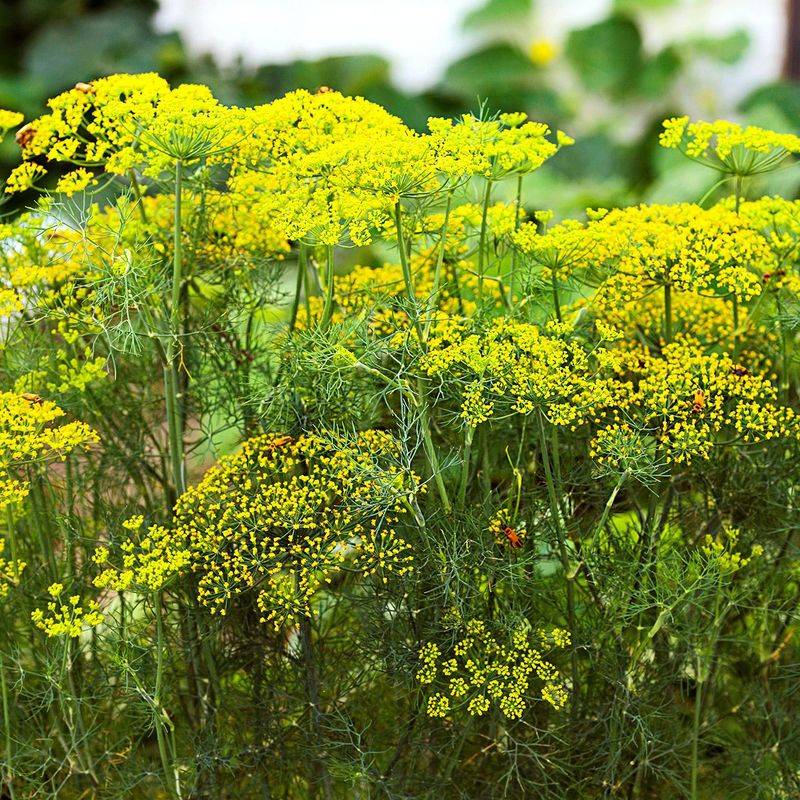
Dill’s delicate, feathery leaves eagerly sway in the breeze, capturing the essence of summer. Starting dill seeds indoors can disrupt their fragile root system, causing stunted growth.
Instead, sowing them directly into your garden allows them to establish strong roots naturally. Dill thrives in well-drained soil under full sunlight, enchanting your garden with its unique aroma.
Once established, dill attracts beneficial insects, enhancing your garden’s ecosystem. Did you know ancient Egyptians utilized dill for its soothing properties? Embrace this herb’s rich history by giving it the outdoor start it deserves.