 Complete Gardening
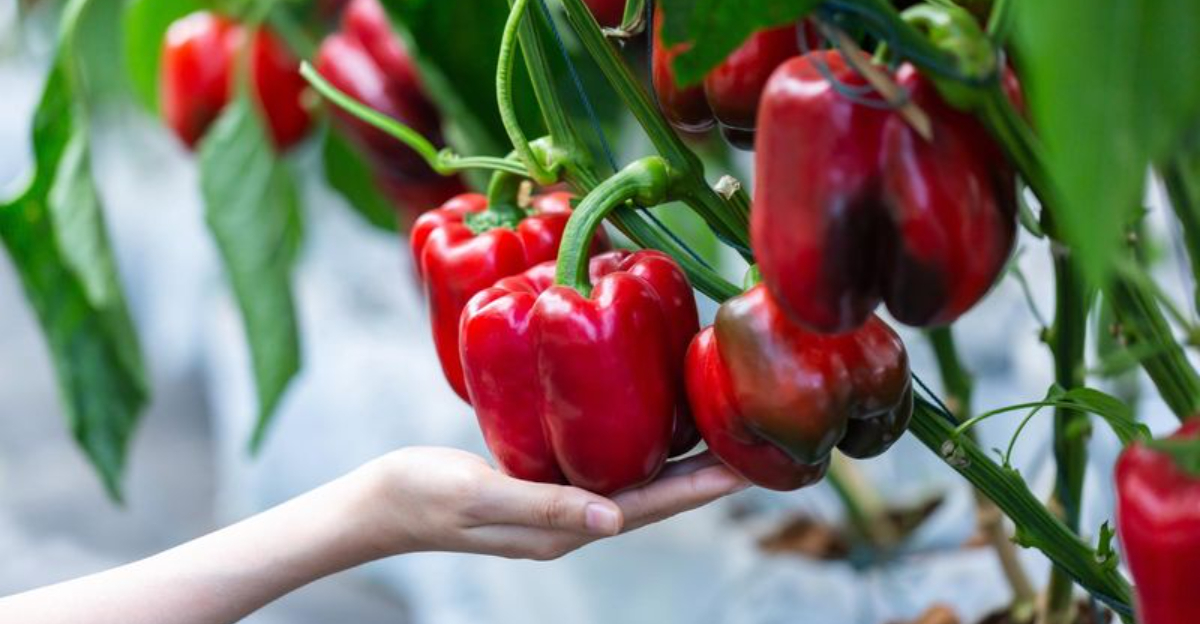
Welcome to your guide on avoiding common gardening pitfalls and embracing beginner-friendly plants. Gardening can be both a rewarding and challenging experience. Whether you’re new to it or looking to improve, understanding the potential garden ‘killers’ is key. In this post, we’ll explore seven things that could hinder your garden’s success, followed by thirteen beginner-friendly plants that promise a flourishing start. Let’s cultivate a thriving garden together!
1. Overwatering (The Silent Killer)
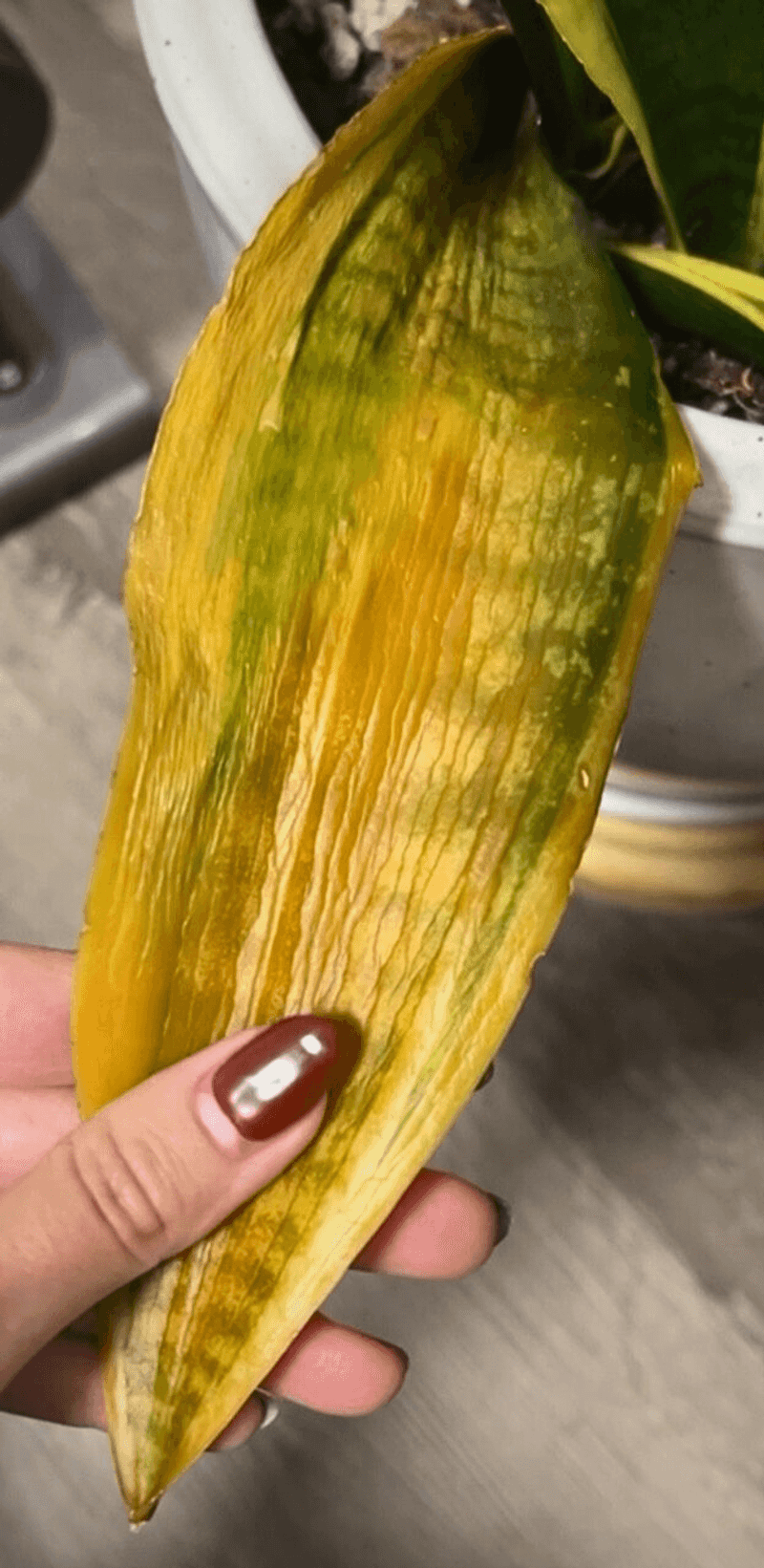
Overwatering is often dubbed the ‘silent killer’ of plants. When roots sit in waterlogged soil, they can suffocate, leading to yellow leaves and stunted growth. This excess moisture also invites mold and root rot. It’s a mistake many new gardeners make, thinking more water means more growth. Instead, practice restraint. Stick your finger 1–2 inches into the soil—only water if it’s dry. This simple test can save your plants from the peril of overhydration. Over time, you’ll learn to read your garden’s unique needs, ensuring happy, healthy plants.
2. Planting Too Early (Frost = Disaster)
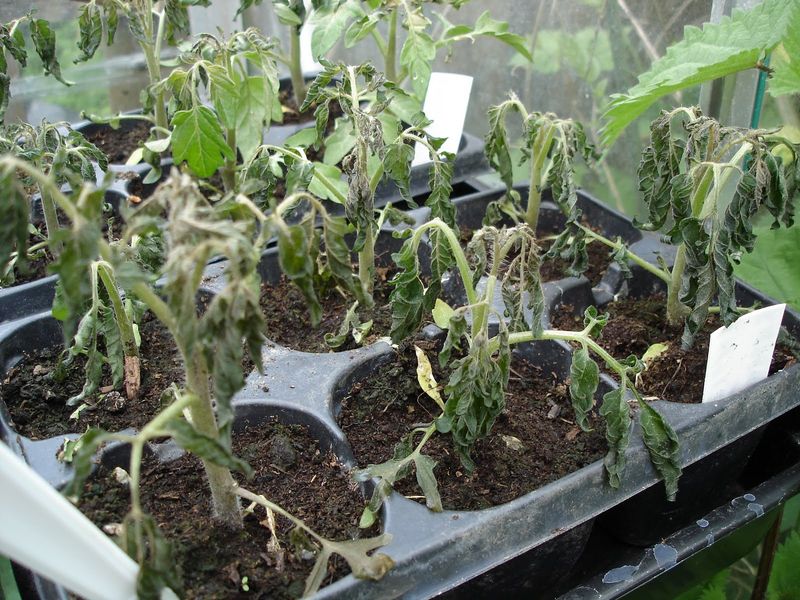
The eagerness to see your garden bloom can lead to premature planting. Planting too early, especially before the last frost, can spell disaster for tender seedlings. These delicate plants are vulnerable to cold snaps that can kill them overnight. To avoid this, check your area’s last frost date and be patient, waiting at least two weeks after. This ensures that your seedlings have the warmth they need to thrive. By timing your planting right, your garden will flourish in harmony with the season’s natural rhythms.
3. Cheap Soil (Garbage In, Garbage Out)
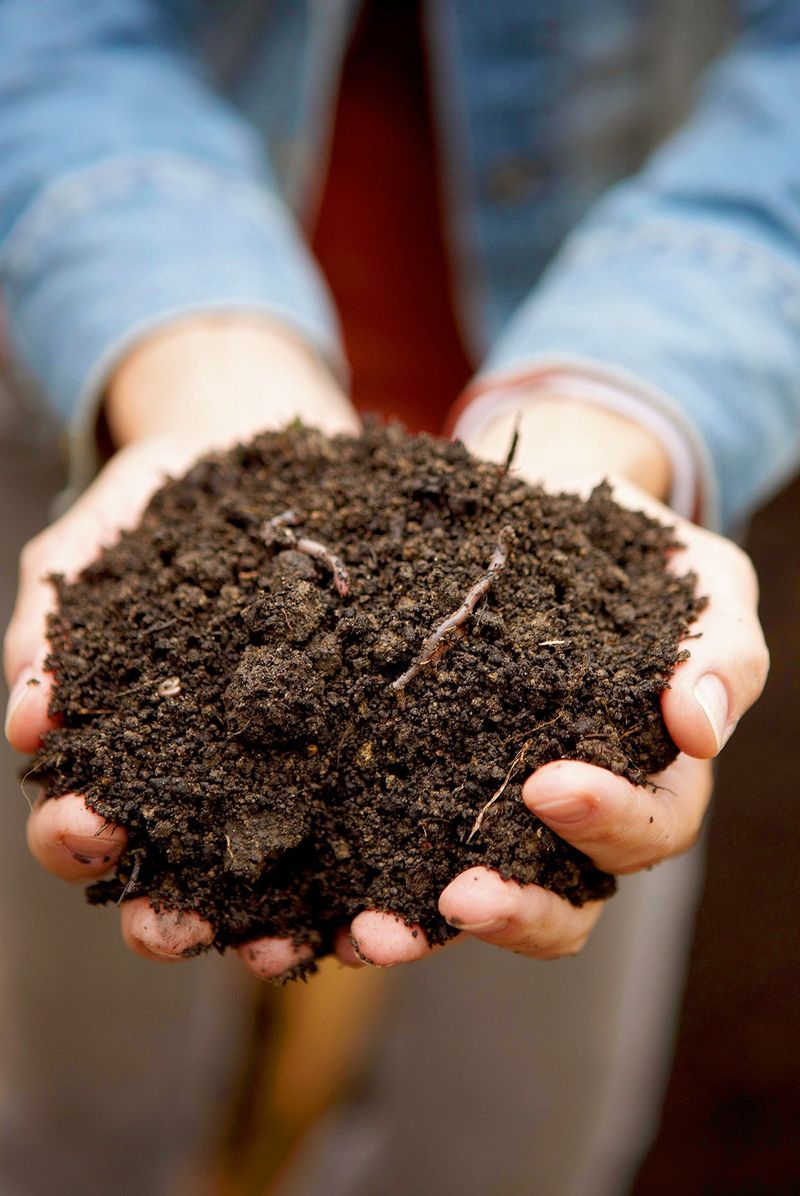
In gardening, the adage ‘garbage in, garbage out’ rings especially true with soil. Using cheap, low-quality soil can lead to poor drainage and a lack of essential nutrients. This results in plants that struggle to grow or produce. Investing in quality potting mix for containers and nutrient-rich compost for garden beds is crucial. These provide the foundation for healthy root development and vibrant growth. Your plants’ potential is directly linked to the quality of their growing medium; choose wisely for a thriving garden.
4. Ignoring Sun Requirements
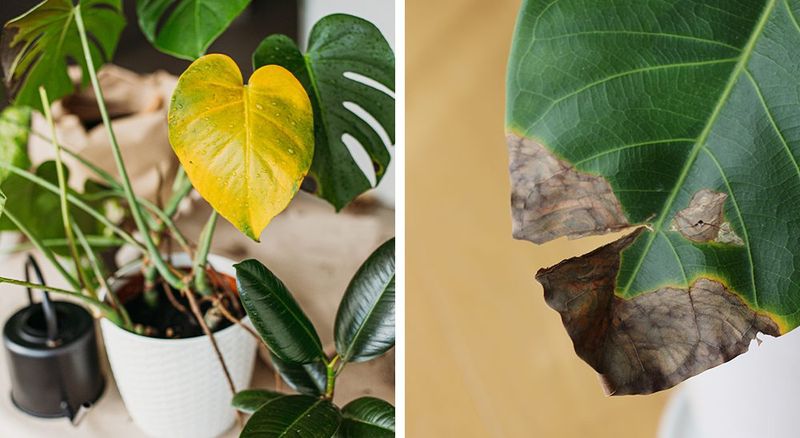
Understanding your plants’ sun requirements is vital for their success. Sun-loving plants in the shade might sulk, while shade-loving ones under harsh sun can burn. Each plant has unique light needs that, when ignored, lead to poor growth or death. Always read plant tags or research online to understand their requirements. Full sun means 6+ hours, while part shade needs 3–6 hours. By positioning plants according to their sun needs, they’ll thrive and reward you with lush growth and vibrant blooms, enhancing your garden’s beauty.
5. Crowding Plants (Hello, Fungus!)
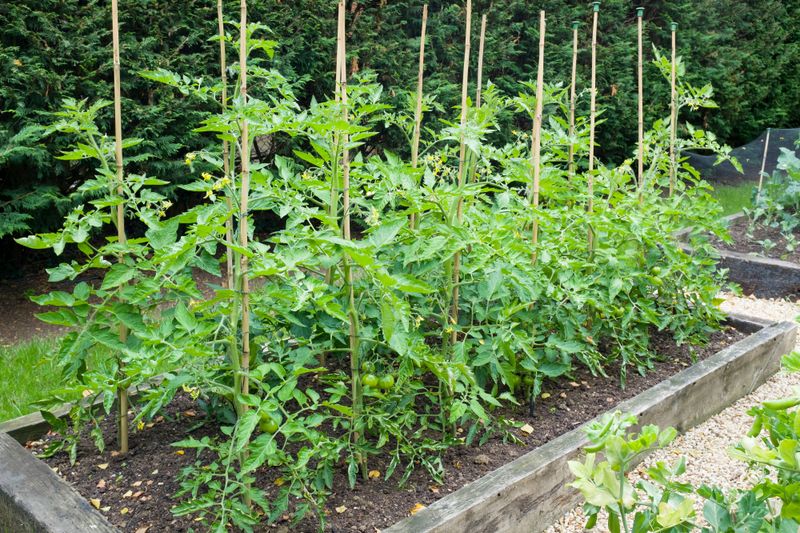
Crowding plants too closely is a common mistake that invites disease and pests. Without enough space, there’s poor airflow, creating a damp environment perfect for mildew and fungi. This also makes it easier for pests to spread. Adhering to spacing guidelines is essential; for example, tomatoes need 2–3 feet apart. This spacing ensures each plant gets enough light and air, promoting healthy growth. By giving plants room to breathe, you foster a robust garden resistant to common issues, leading to lush, productive beds.
6. Skipping Mulch (Weeds Win)
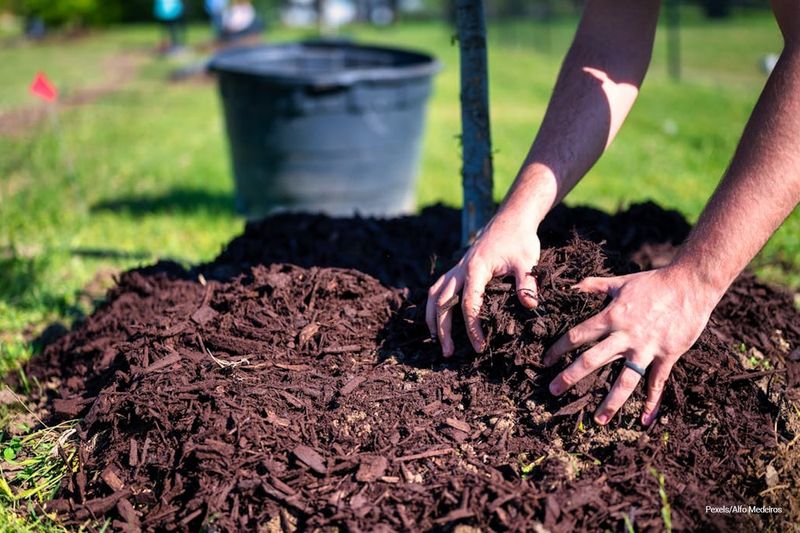
Skipping mulch in your garden allows weeds to thrive and moisture to escape. Mulch acts as a protective barrier, suppressing weed growth and retaining soil moisture. When soil is left bare, weeds quickly establish themselves, outcompeting your plants for nutrients and water. Spread 2–3 inches of mulch, such as straw, wood chips, or leaves, around your plants. This not only keeps weeds at bay but also enriches the soil as it breaks down. By incorporating mulch, you create a more sustainable and productive garden environment.
7. Planting Invasive Bullies
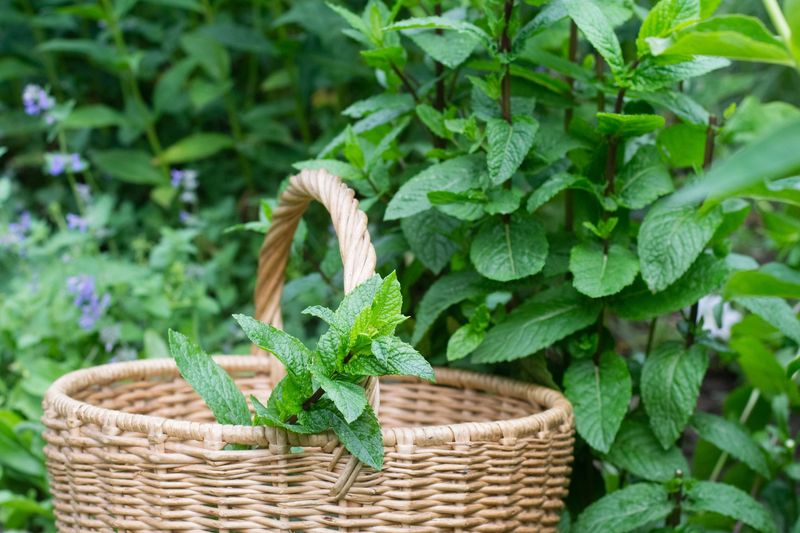
Some plants, while appealing, can become invasive bullies in your garden. Mint, bamboo, and English ivy, for instance, spread rapidly and take over, choking out other plants. These plants are best grown in pots to contain their growth. Alternatively, avoid them altogether to prevent future headaches. Once established, they can be challenging to remove, making it crucial to plan your garden wisely. By choosing non-invasive varieties or using containment strategies, you maintain control and harmony in your garden space.
1. Cherry Tomatoes 🍅
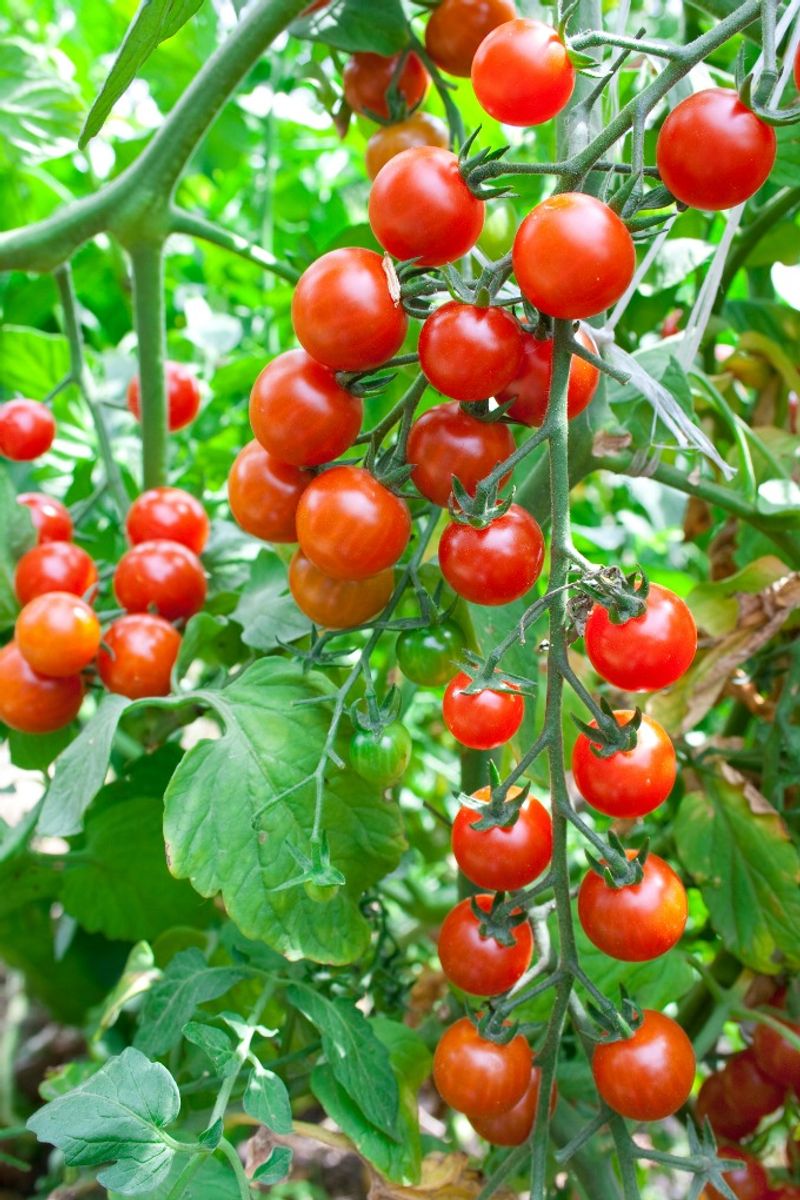
Cherry tomatoes are a delightful addition to any garden, particularly for beginners. These small, sweet fruits are prolific producers, thriving in pots and requiring minimal maintenance. Their vibrant colors and juicy taste make them a garden favorite. Try growing the ‘Sun Gold’ variety, known for its ease and abundant yield. Cherry tomatoes love sunlight and regular watering but are otherwise undemanding. They’re perfect for adding fresh flavor to salads or snacking straight from the vine, offering a rewarding gardening experience.
2. Zinnias 🌸
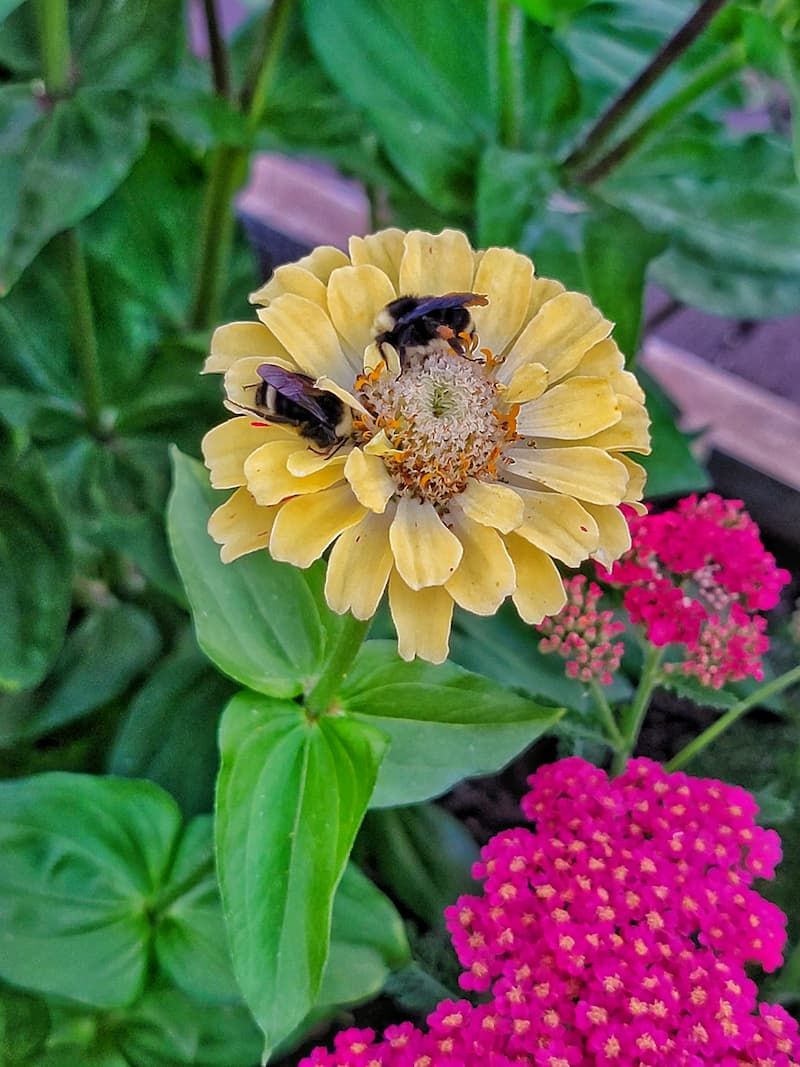
Zinnias bring a burst of color to any garden, blooming nonstop throughout the summer. These flowers are perfect for beginners due to their low maintenance and resilience. They attract pollinators like bees and butterflies, enhancing your garden’s ecosystem. Zinnias thrive in sunny spots and tolerate poor soil, making them versatile and rewarding. Their cheerful blooms come in various colors, adding diversity to your flower beds. With just basic care, zinnias will fill your garden with vibrant hues and lively pollinator activity.
3. Basil 🌿
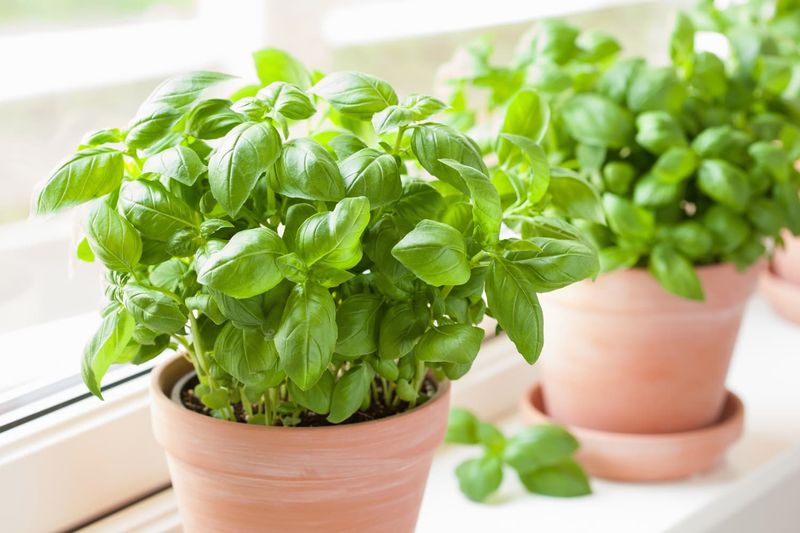
Basil is a culinary delight that grows swiftly and thrives in containers. Its aromatic leaves are a staple in many dishes, from pasta to pesto. Basil loves sunny spots and regular watering, making it an easy herb to cultivate. Pinching off flowers encourages bushy growth and prolongs leaf production. It’s a versatile plant, whether grown indoors near a sunny window or outdoors in a pot. Basil not only enhances your cooking but also adds greenery and fragrance to your living space, making it a gardener’s favorite.
4. Green Beans 🟢
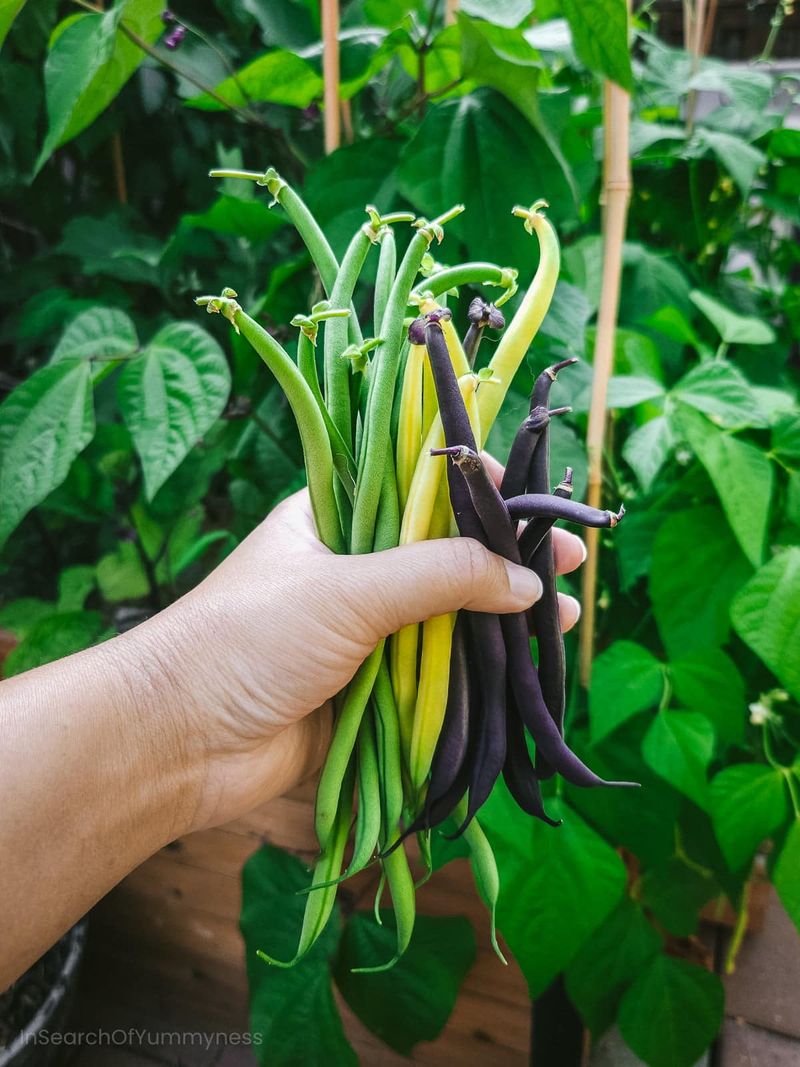
Green beans are a rewarding crop for novice gardeners. They’re straightforward to grow, requiring no transplanting—simply direct-sow the seeds into the soil. Children often enjoy picking these beans, adding a fun, educational aspect to gardening. Green beans thrive with support, such as a trellis, to climb on. They prefer sunny locations and consistent watering to yield a bountiful harvest. Whether in a small garden or larger plot, green beans provide a tasty and nutritious addition to meals, rewarding gardeners with their ease and productivity.
5. Marigolds 🌼
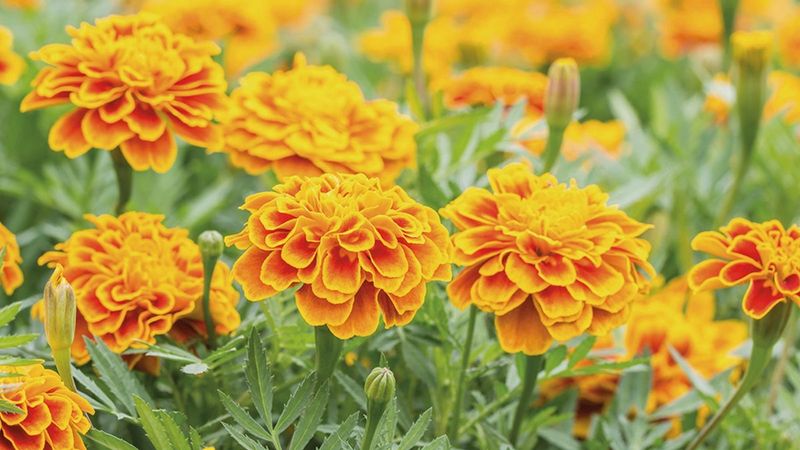
Marigolds are vibrant flowers known for their pest-repelling properties, making them a gardener’s ally. They thrive in various soil types, even poor conditions, and require minimal care. Their bright blooms add a splash of color to garden borders and containers. Marigolds deter pests like nematodes and aphids, protecting other plants in the garden. They prefer sunny spots and regular watering. These hardy flowers are perfect for beginners, offering both aesthetic beauty and functional benefits, creating a lively and pest-resistant garden environment.
6. Swiss Chard 🍃
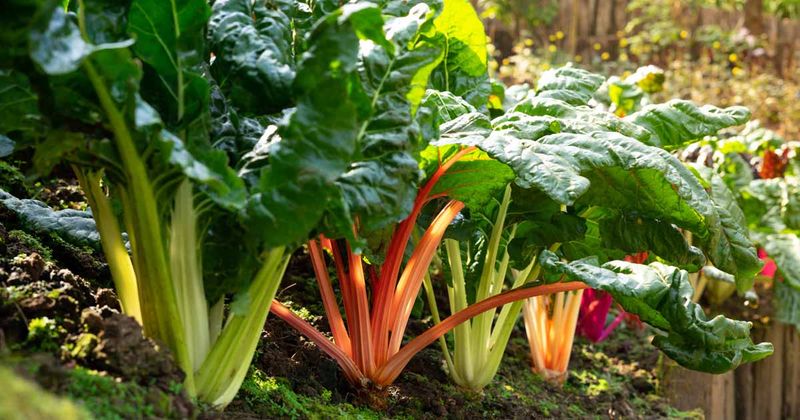
Swiss chard is a resilient and visually appealing green that’s well-suited for beginners. Hardier than lettuce, it withstands a range of conditions and continues to grow after cutting. Its colorful stems and leaves make it a decorative addition to any garden. Swiss chard thrives in sunny or partially shaded areas and needs regular watering. It’s a nutritious leafy green, perfect for salads or sautés. With minimal maintenance, Swiss chard provides a continuous supply of fresh greens, making it a rewarding choice for novice gardeners.
7. Radishes ⏳
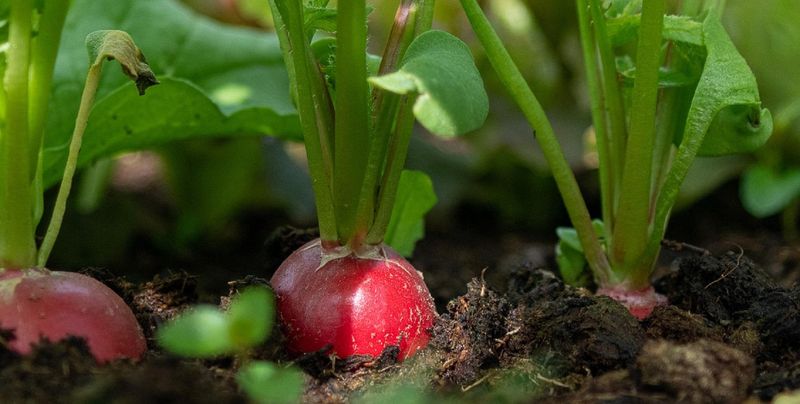
Radishes offer instant gratification for gardeners, ready to harvest in as little as 30 days. They’re perfect for beginners due to their fast-growing nature and simple care requirements. Radishes prefer cooler weather and can be planted in early spring or autumn. The spicy roots add a zesty crunch to salads and dishes. They thrive in loose, well-drained soil and need consistent watering. Radishes’ quick turnaround provides an educational experience in growth cycles, making them an excellent choice for those new to gardening.
8. Nasturtiums 🌺
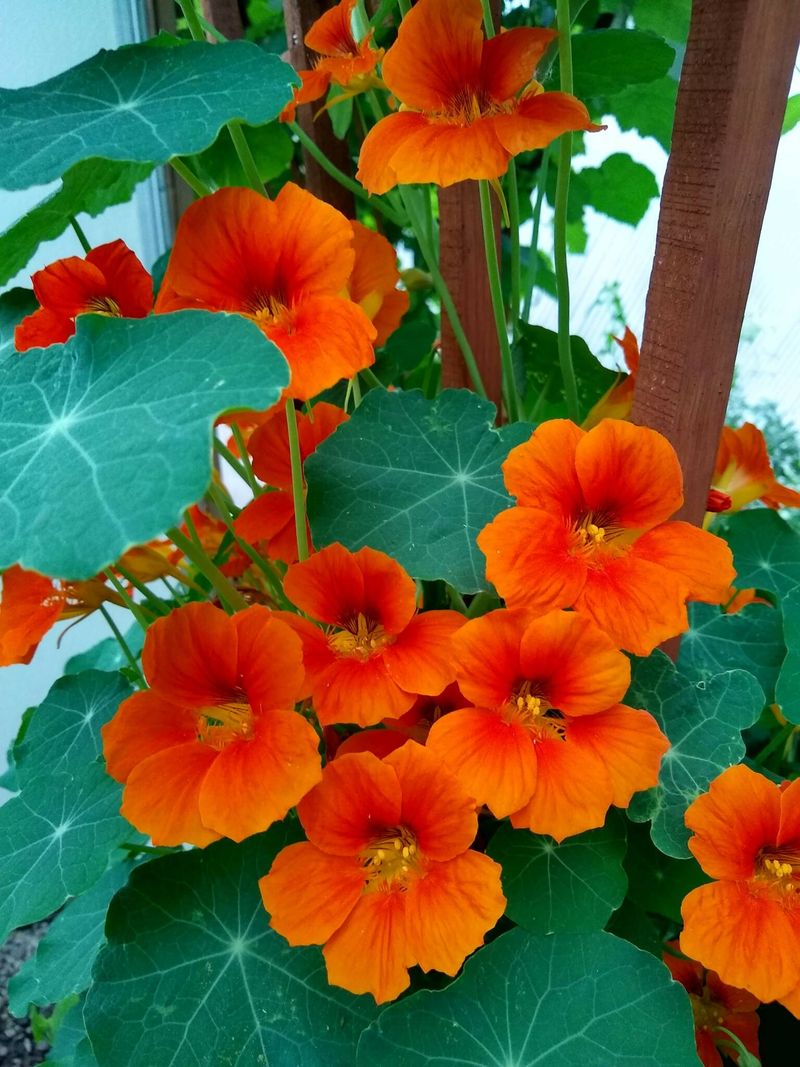
Nasturtiums are a charming addition to any garden, with their eye-catching flowers and edible leaves. They thrive in poor soil and require little care, making them ideal for beginners. Nasturtiums are pest-resistant and can deter harmful insects from other plants. Their colorful blooms spill elegantly from pots or garden beds, adding visual appeal. Both flowers and leaves are edible, offering a peppery flavor for salads. With their beauty and functionality, nasturtiums enhance your garden while offering culinary delights, all with minimal effort.
9. Peppers (Bell or Jalapeño) 🌶️
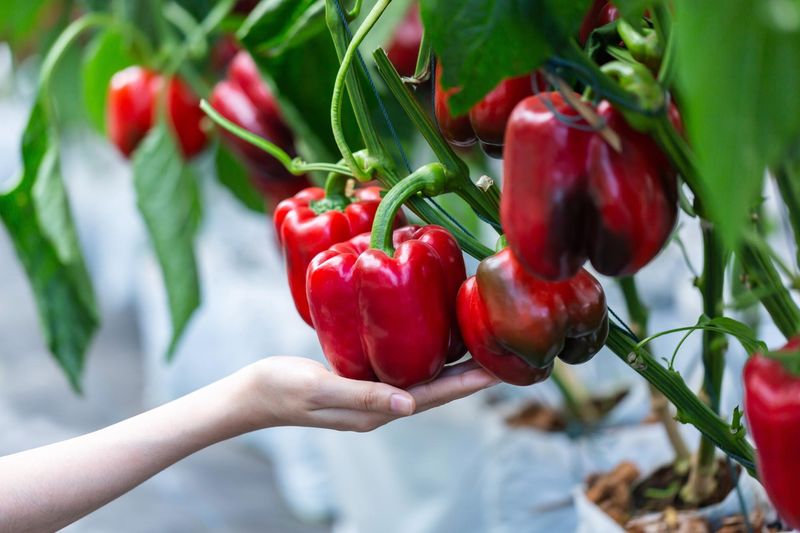
Peppers, whether bell or jalapeño, are a fantastic choice for beginner gardeners. These plants thrive in warm climates and produce abundantly throughout the growing season. They require full sun and regular watering to flourish. Peppers add vibrant color and flavor to dishes, from salads to spicy meals. They’re versatile, growing well in garden beds or containers. By starting with sturdy seedlings, even novice gardeners can enjoy a bountiful pepper harvest. Their ability to produce continuously makes peppers a rewarding option for your garden.
10. Sunflowers 🌻
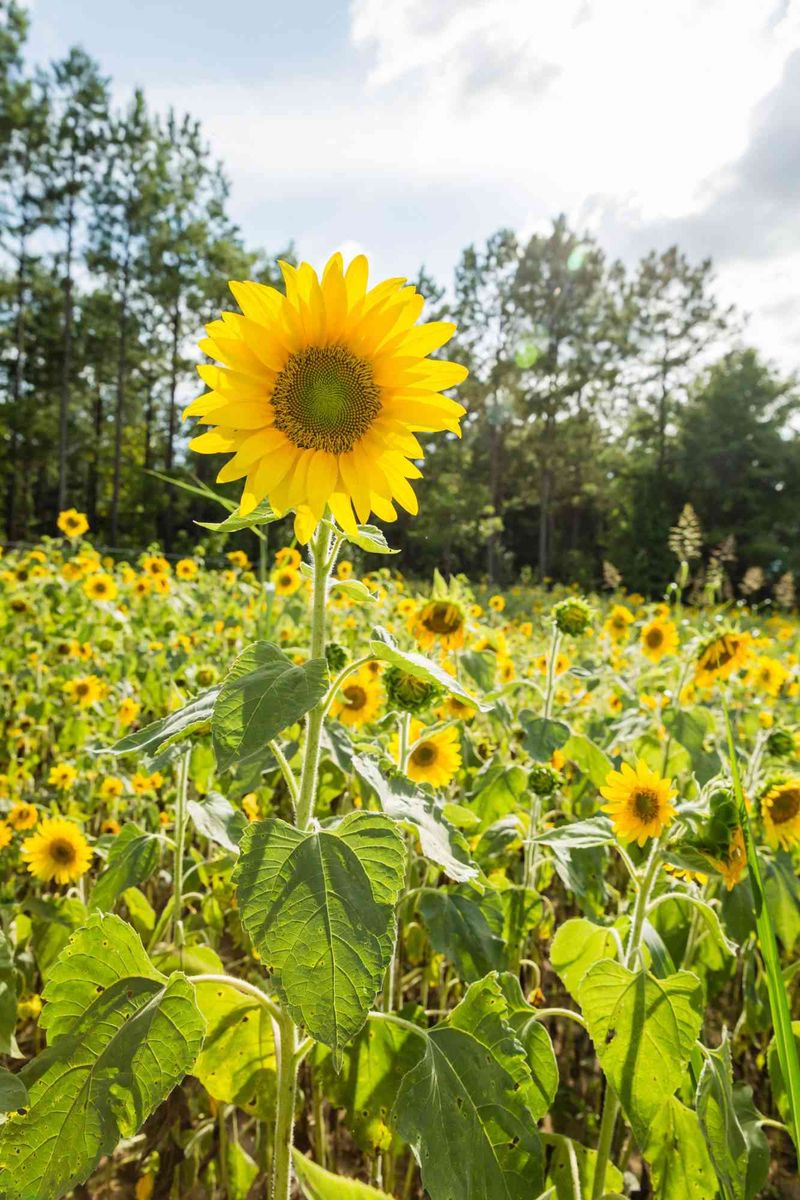
Sunflowers are iconic and easy to grow from seeds, making them perfect for beginners. These towering plants require minimal care and add dramatic height to gardens. Sunflowers thrive in full sun and well-drained soil. Their cheerful blooms attract birds, especially in the fall when seeds develop. They provide a striking visual presence and can serve as natural trellises for other climbing plants. With their sunny disposition and low maintenance, sunflowers are a joy to cultivate, bringing warmth and life to any garden space.
11. Oregano
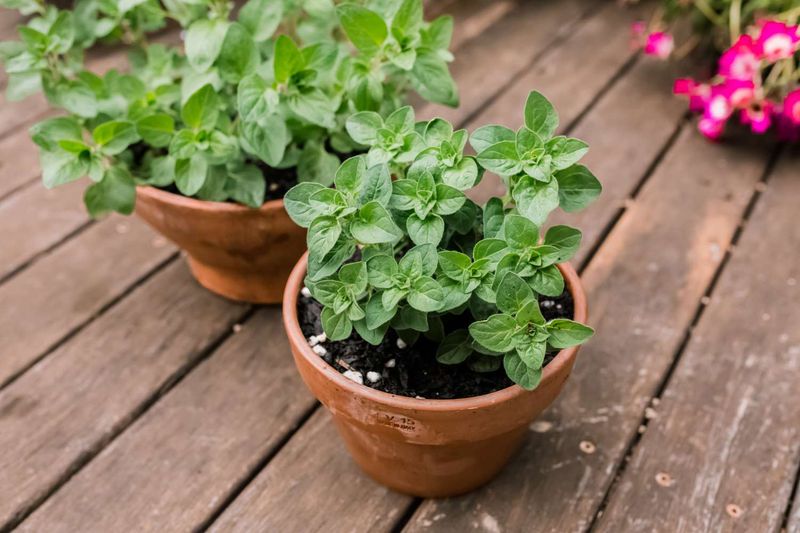
Oregano is a hardy herb that flourishes with little attention, making it ideal for beginner gardeners. It thrives in sunny, well-drained conditions and is a superb addition to any culinary herb collection. Oregano’s robust flavor enhances various dishes, from Italian to Mediterranean cuisine. Beyond its culinary uses, oregano deters certain pests, offering a natural protective element in the garden. It’s a perennial plant, returning year after year with minimal care. For those new to gardening, oregano offers both practicality and flavor, enriching any garden space.
12. Cucumbers (Bush Types) 🥒
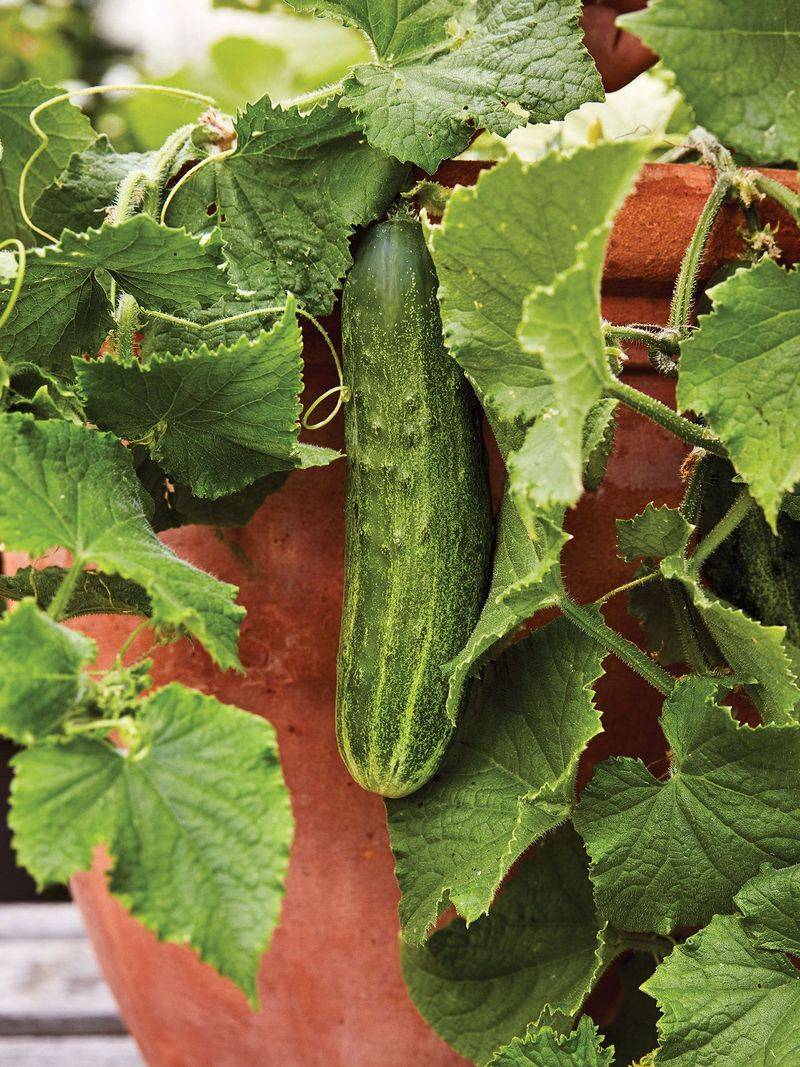
Bush-type cucumbers are perfect for small spaces and beginners. Their compact size eliminates the need for a trellis, yet they still produce a plentiful harvest. Cucumbers prefer warm, sunny locations with consistent watering. They’re excellent for salads, pickles, and snacking, offering a refreshing taste. These cucumbers grow quickly, ensuring a rewarding harvest in a relatively short period. By choosing bush varieties, gardeners can enjoy all the benefits of cucumbers without the space demands, making them an ideal choice for limited gardens or patio pots.
13. Arugula 🥗
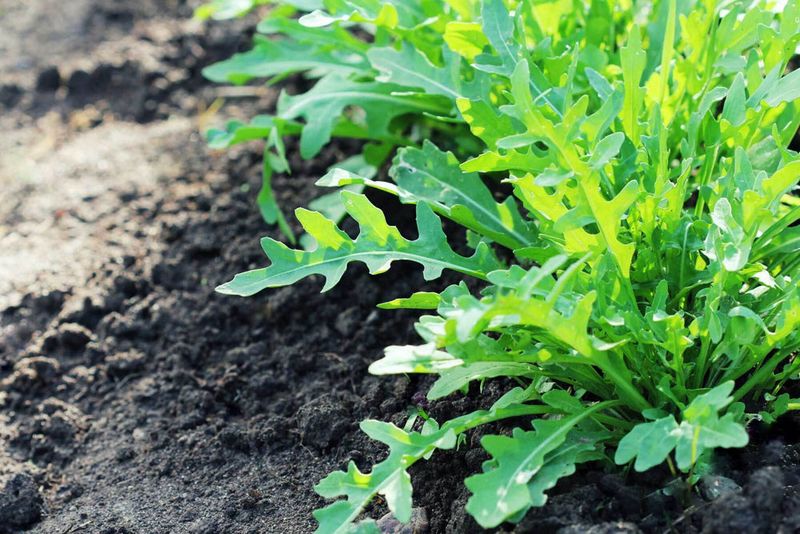
Arugula is a spicy, leafy green that’s easy to grow and perfect for beginners. It thrives in cooler temperatures and partial shade, making it versatile in various garden conditions. Arugula offers a quick turnaround and can be harvested multiple times with its cut-and-come-again nature. Its peppery leaves add a unique flavor to salads and dishes. Arugula is low-maintenance, needing regular watering and well-drained soil. This hardy green provides a continuous supply of fresh leaves, enhancing meals and offering gardeners a simple yet rewarding gardening experience.