
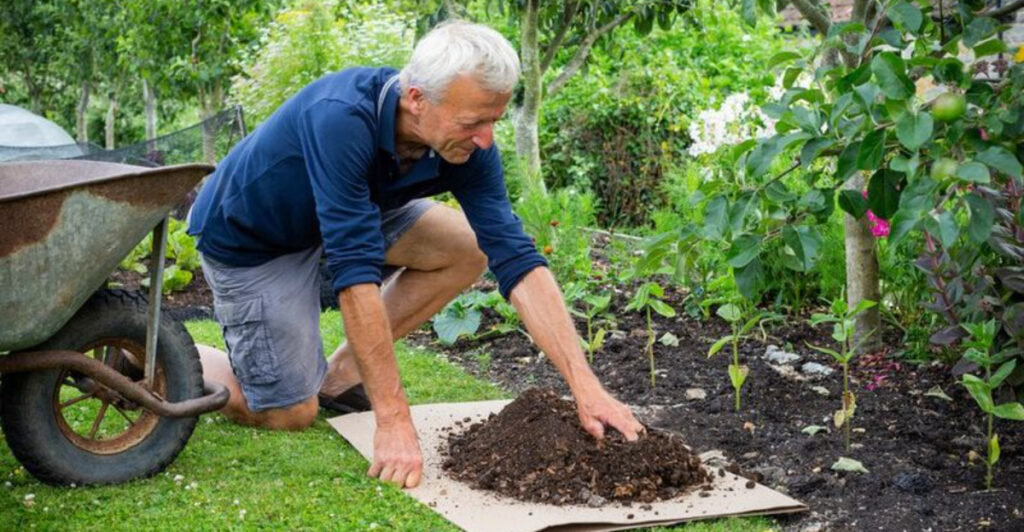
No-dig gardening works with nature instead of against it, creating rich soil without disturbing its delicate structure. This method mimics forest floors where leaves and organic matter naturally decompose to feed plants. By layering materials rather than digging, you’ll save time, reduce weeds, and grow healthier vegetables with stronger root systems.
1. Step 1: Choose Your Location ☀️
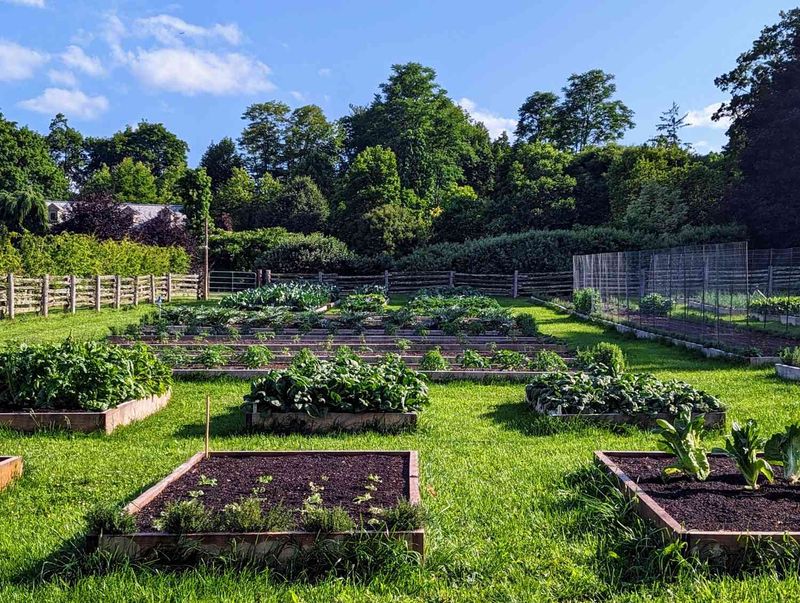
Finding the perfect spot for your no-dig garden sets you up for success from day one. Look for an area receiving at least 6 hours of direct sunlight daily – most vegetables simply won’t thrive without it.
Position your garden near a water source to save yourself countless trips with heavy watering cans. Flat ground works best since slopes can cause erosion and uneven moisture distribution.
Limited space isn’t a problem! No-dig gardens flourish in raised beds, containers, or even atop concrete slabs with a proper base layer. The principles remain the same regardless of where you build your garden paradise.
2. Step 2: Smother Weeds (No Digging!) 🚫🪓
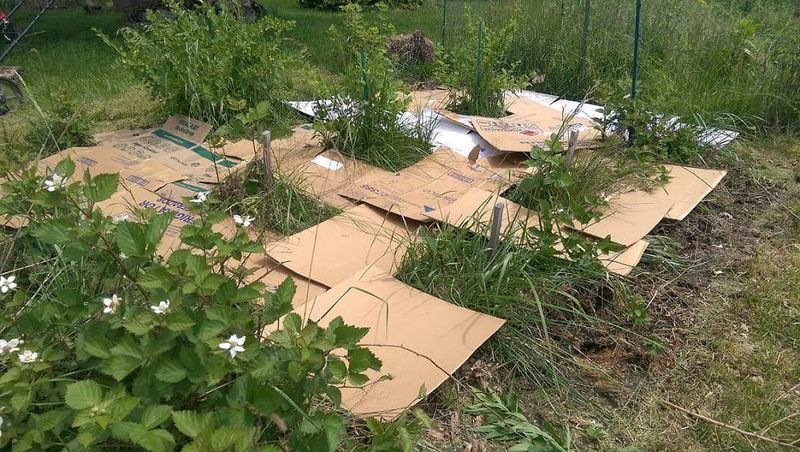
Forget the backbreaking work of digging up stubborn weeds! The no-dig approach uses natural light-blocking materials to eliminate unwanted plants without disturbing the soil ecosystem beneath.
Gather plain cardboard (tape removed) or several layers of newspaper (avoid glossy sections). Alternatively, use biodegradable burlap or old cotton sheets that will break down over time.
Overlap your chosen materials by at least 6 inches to prevent persistent weeds from finding gaps. A thorough soaking helps kickstart decomposition and weighs everything down. Within weeks, the weed problem below will naturally solve itself while you focus on more enjoyable garden tasks.
3. Step 3: Layer Like Lasagna (Sheet Mulching) 🍝
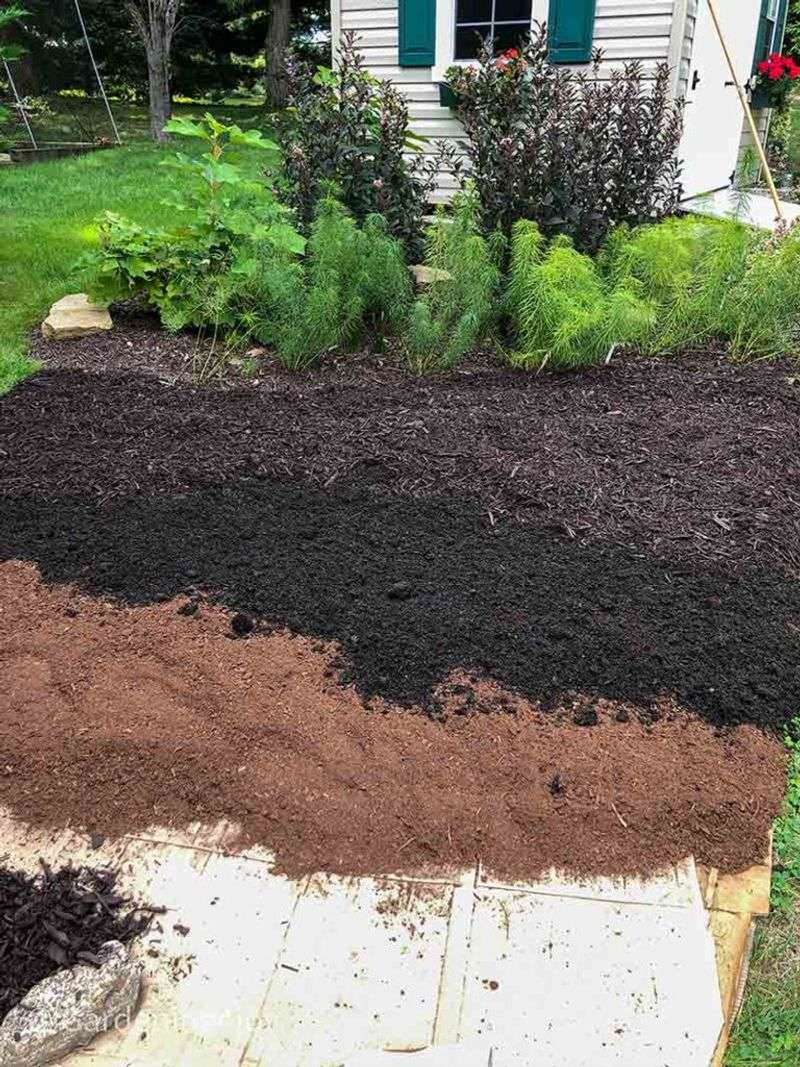
Creating your garden layers resembles making a nutrient-rich lasagna for your plants! Start with an optional base layer of twigs or straw for aeration, especially helpful in heavy clay soils.
Next comes your weed-smothering cardboard or newspaper, followed by alternating green nitrogen-rich materials (grass clippings, kitchen scraps, manure) and brown carbon-heavy materials (leaves, straw, shredded paper). Cap everything with 2-3 inches of quality compost mixed with a bit of soil where you’ll plant.
Aim for a total height of 6-12 inches, knowing it will gradually settle as decomposition works its magic. Each layer contributes to the living soil ecosystem developing beneath your plants.
4. Step 4: Plant Right Away (or Wait?) 🌿
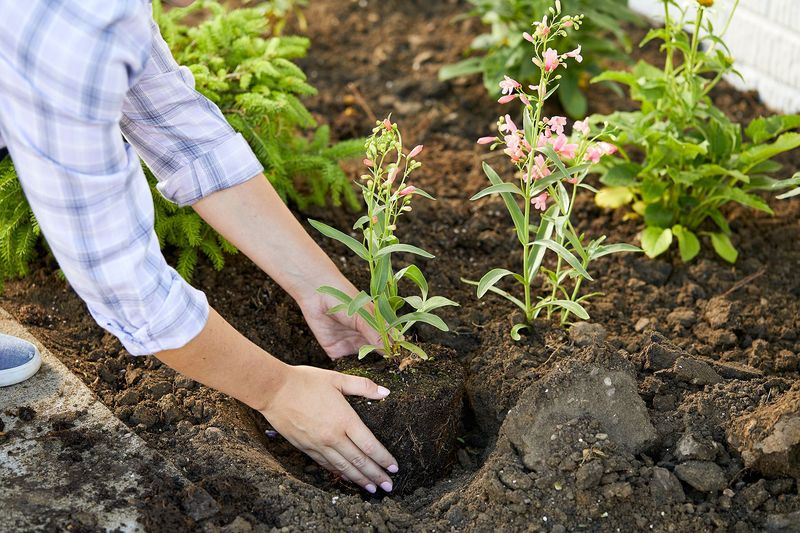
The beauty of no-dig gardens lies in their flexibility! For immediate gratification, plant directly into your top compost layer the same day you build your garden. Seedlings with established root systems work particularly well for this approach.
For optimal results, patient gardeners might wait 2-4 weeks, allowing the layers to begin breaking down and settling. This creates an even more hospitable environment for your plants.
Beginners should start with forgiving crops like leafy greens (lettuce, spinach), root vegetables (radishes, carrots), or fruiting favorites like tomatoes and peppers. These plants thrive in the nutrient-rich environment your layered garden provides without requiring special techniques.
5. Step 5: Maintain Effortlessly ✨
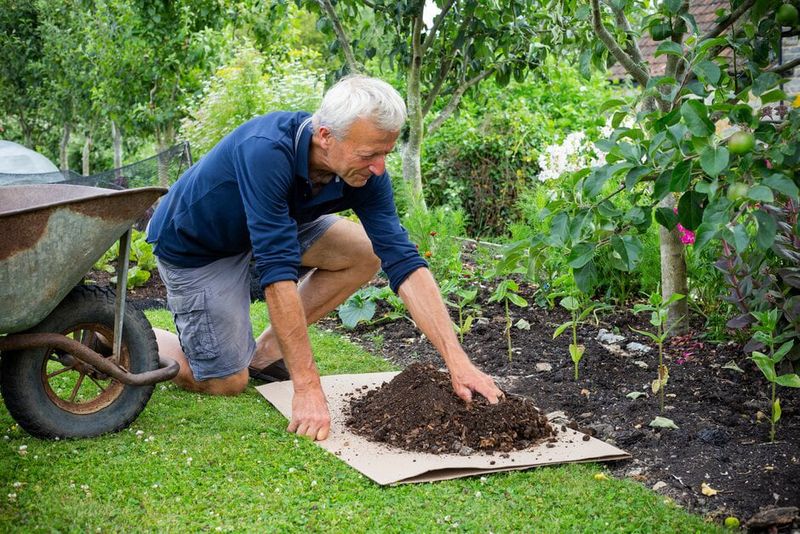
Once established, your no-dig garden requires remarkably little maintenance compared to traditional methods. The secret? Never leave soil exposed! Add a fresh 2-3 inch layer of compost or organic mulch annually, preferably in fall or early spring.
This yearly top-dressing mimics nature’s way of building soil from the top down. Earthworms and microorganisms will incorporate these nutrients while maintaining the soil structure you’ve carefully built.
Water deeply but less frequently than conventional gardens. The organic matter in your no-dig system acts like a sponge, retaining moisture efficiently while allowing excess to drain. Many gardeners report using 30-50% less water after switching to no-dig methods!