 Complete Gardening
Embrace the vibrant days of summer as the perfect opportunity to nurture your garden into a flourishing paradise. With the right strategies and timely actions, your garden will reward you with a bountiful harvest that lasts through the season. From applying mulch to planting fall crops, these essential tasks are designed to enhance growth, conserve resources, and maximize yield. Let’s explore the must-do items on your summer gardening checklist, each crafted to ensure that your garden thrives under the summer sun, delivering an abundance of fresh produce and vibrant blooms.
1. Mulch Like a Pro
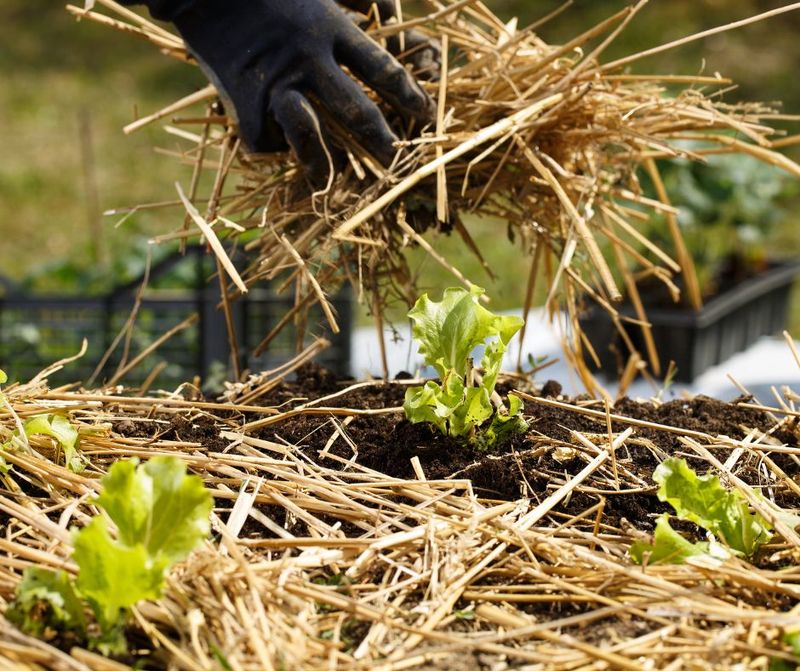
Mulching is an art that every gardener should master to optimize garden health. By adding a 2–3 inch layer of mulch, such as straw, wood chips, or shredded leaves, you can keep the soil cool and retain essential moisture. This simple act drastically cuts down on weed growth, allowing your plants to flourish without competition from these unwanted intruders.
Did you know? Mulching not only aids in water conservation but also enriches the soil as it breaks down, providing essential nutrients. It’s a sustainable practice that mirrors nature’s way of nurturing the earth.
Remember, the key is to keep mulch away from the plant stems to avoid rot. In the peak of summer, this strategy offers an insulating blanket, ensuring your garden thrives.
2. Plant Heat-Lovers
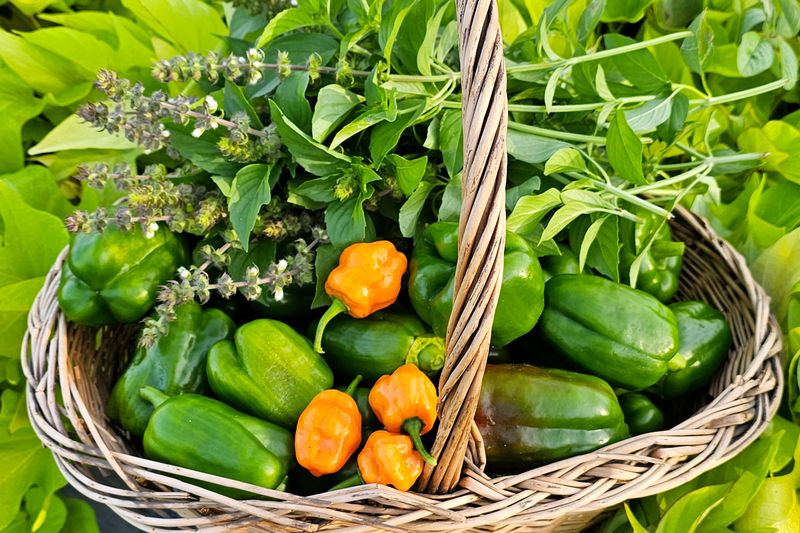
In the height of summer, it’s time to welcome heat-loving plants into your garden. Okra, sweet potatoes, peppers, and bush beans thrive in the warmest months, offering a vibrant palette of colors and flavors. When planting these varieties, ensure that you water them deeply to help their roots establish quickly.
These plants not only tolerate the heat but actually flourish in it, rewarding you with a robust yield. Imagine your garden bursting with the fiery colors of peppers and the lush greenery of okra and beans.
For a thriving garden, consider the soil conditions and ensure these plants receive ample sunlight and consistent care. Just watch as these heat-loving crops transform your summer garden into a bountiful oasis.
3. Set Up Shade Cloth for Delicate Plants
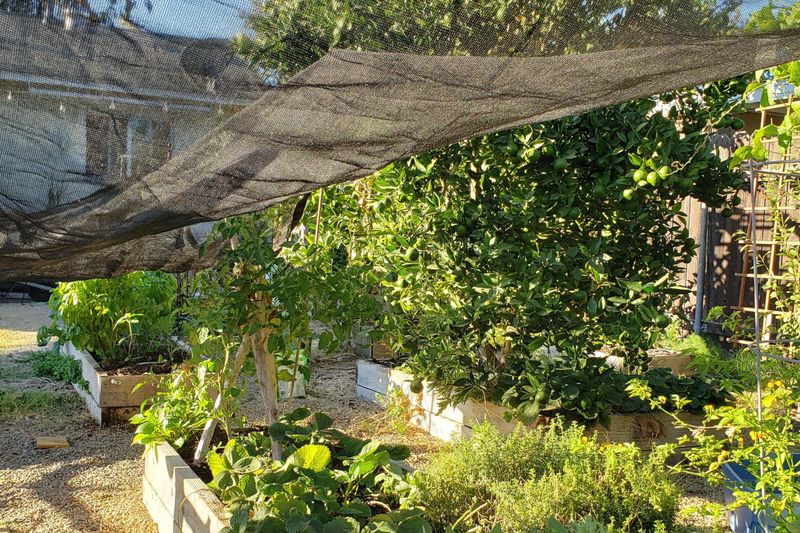
When the summer sun blazes fiercely, some garden residents need a little extra care. Lettuce, spinach, and cool-weather herbs benefit greatly from a bit of shade. Crafting your own shade cloth using items like old bedsheets or 30% shade cloth can provide the respite these plants need.
The sun can be both a friend and a foe, and for these delicate plants, too much can lead to wilting or bolting. By offering them shade, you not only prolong their growing season but also ensure they remain tender and flavorful.
Think of this as creating a gentle shelter, a haven for those plants that prefer cooler conditions even in the heat of summer. It’s a simple yet effective way to cater to all the needs of your diverse garden.
4. Fertilize Heavy Feeders
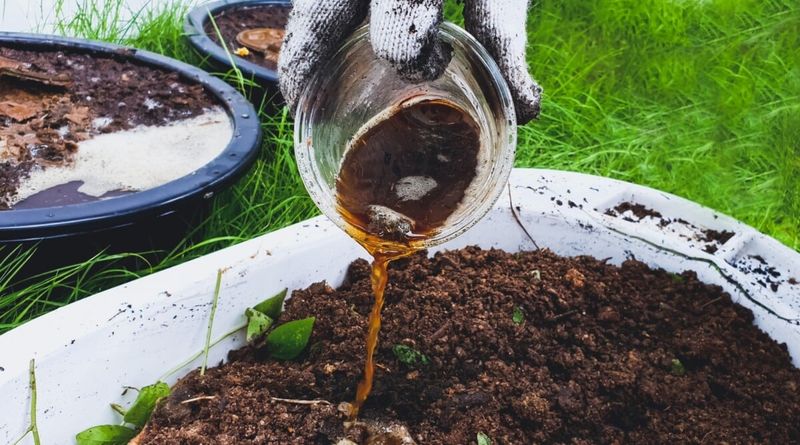
Heavy feeders like tomatoes, corn, squash, and cucumbers demand a nutrient-rich diet to produce their best. By applying fertilizers such as compost tea, fish emulsion, or slow-release granules, you can ensure they receive the sustenance necessary for robust growth.
These plants are the powerhouses of your garden, and their nutritional needs must be met to achieve full potential. Regular feeding will result in lush foliage, vibrant fruits, and an overall healthy garden.
Consider this feeding routine as a vital component of your gardening practice, much like a chef seasoning a meal to perfection. It’s an investment in the success of your summer harvest, ensuring your plants are both productive and resilient against pests and diseases.
5. Water Smart (Early AM or Late PM)
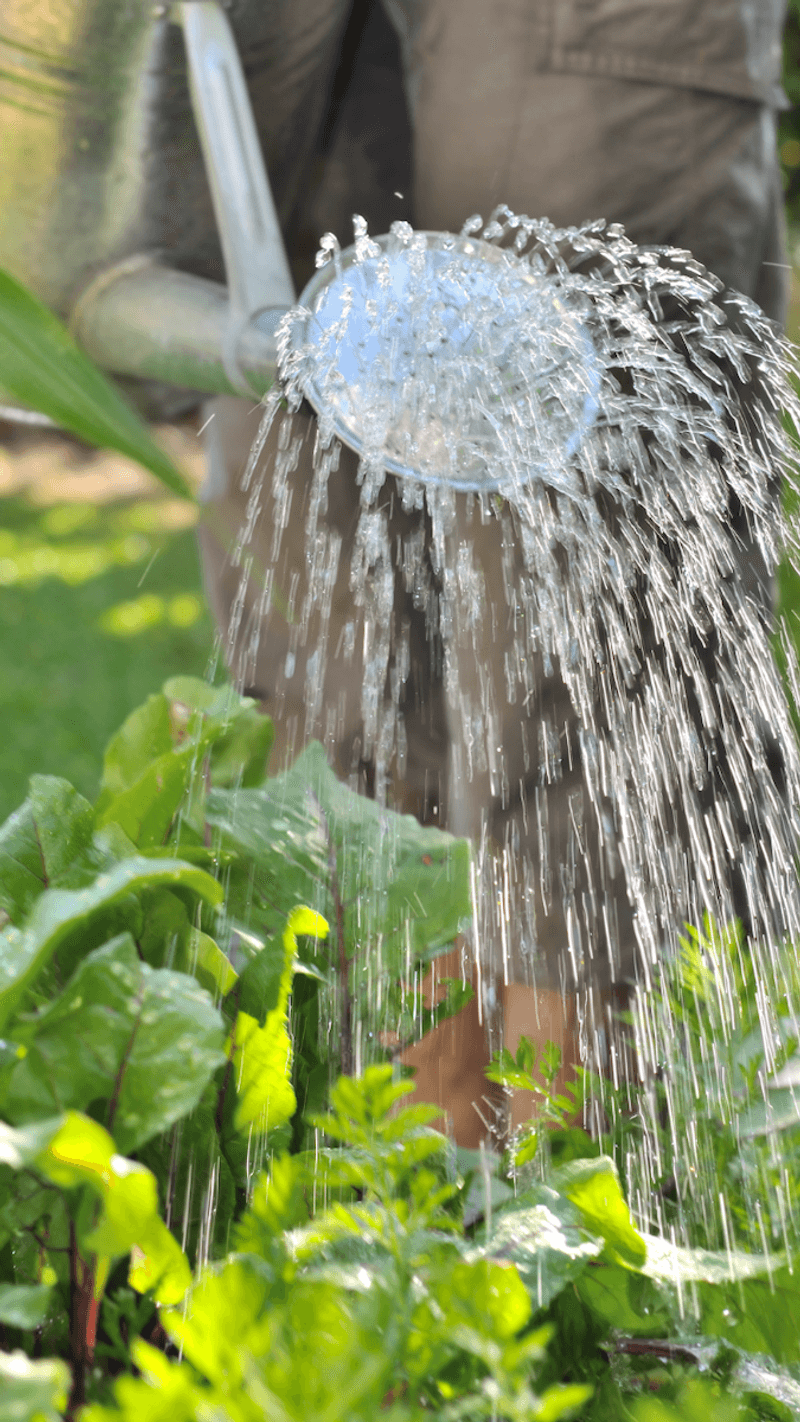
Water is the essence of life, especially during the hot summer months. For optimal hydration, water your garden in the early morning or late evening, providing about an inch per week. This strategy minimizes evaporation and ensures that plants absorb maximum moisture.
Using soaker hoses instead of overhead sprinklers can prevent mildew and disease. This method directs water straight to the roots, where it’s most needed, and keeps foliage dry.
Think of this as a gentle wake-up call or a soothing bedtime drink for your plants. It’s a mindful practice that conserves water while promoting healthy, thriving plants. Adjust your watering schedule based on temperature and rainfall to meet your garden’s unique needs perfectly.
6. Prune & Train Vining Plants
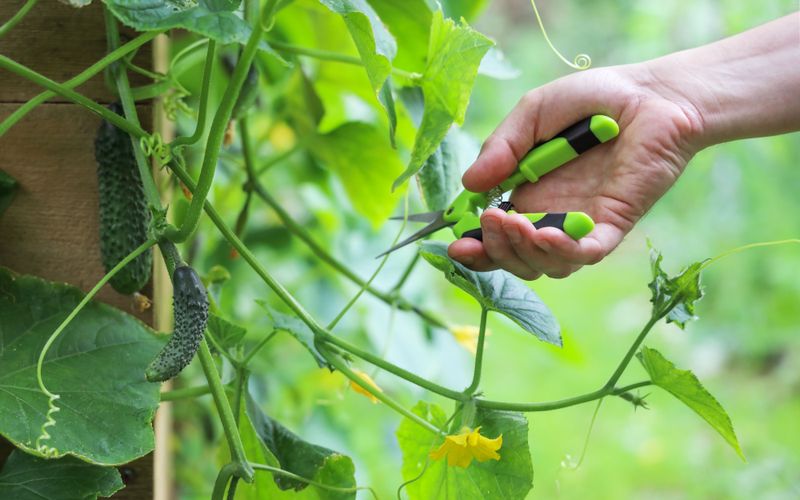
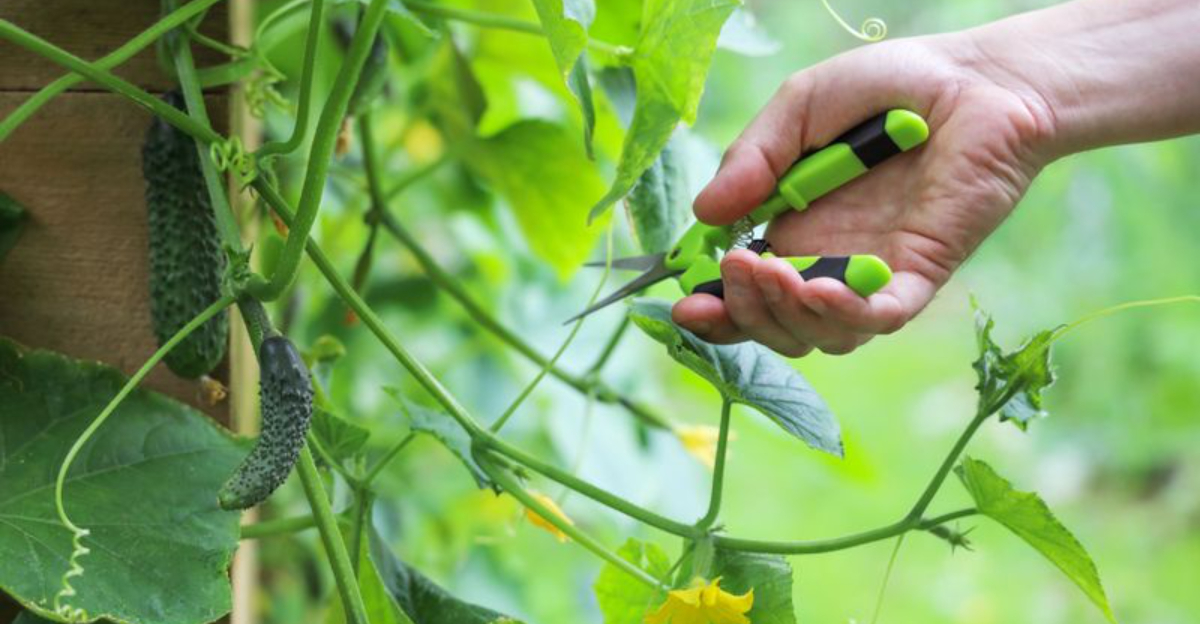
Vining plants hold a special charm in any garden, spreading their tendrils with vigor. However, to keep them productive and healthy, regular pruning and training are essential. Pinching suckers off tomato plants and guiding cucumbers and melons onto trellises improves airflow, reducing the risk of disease.
This practice is akin to guiding an artist’s brush, allowing your plants to express their full potential without crowding. With space to grow and breathe, these plants will reward you with a generous yield and robust health.
Consider this task a dance with nature, harmonizing structure with growth. It’s a satisfying way to ensure your vining friends remain the stars of your summer garden display.
7. Battle Pests Naturally
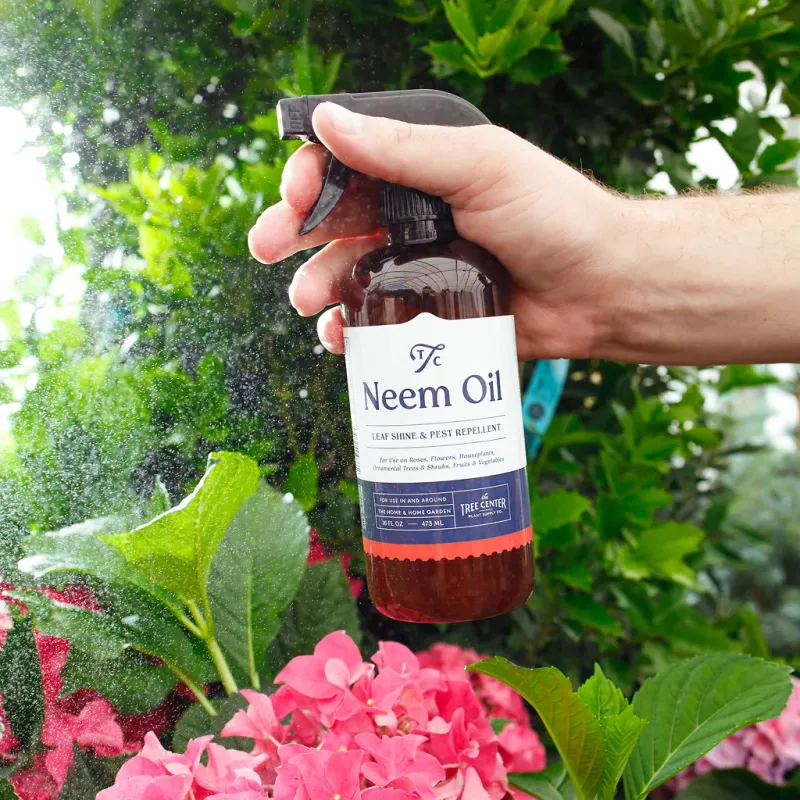
In the garden, pests can be formidable adversaries. But with a few natural strategies, you can protect your plants without harsh chemicals. Common culprits like aphids, squash bugs, and hornworms can be managed with sprays of neem oil, handpicking caterpillars, and planting marigolds and basil as natural repellents.
These methods not only shield your plants but also support a thriving ecosystem. Imagine your garden as a balanced microcosm where every creature has its role and place.
Think of pest management as a gentle stewardship, guiding your garden towards harmony and health. Organic solutions ensure your plants remain thriving and your harvest bountiful.
8. Harvest Daily
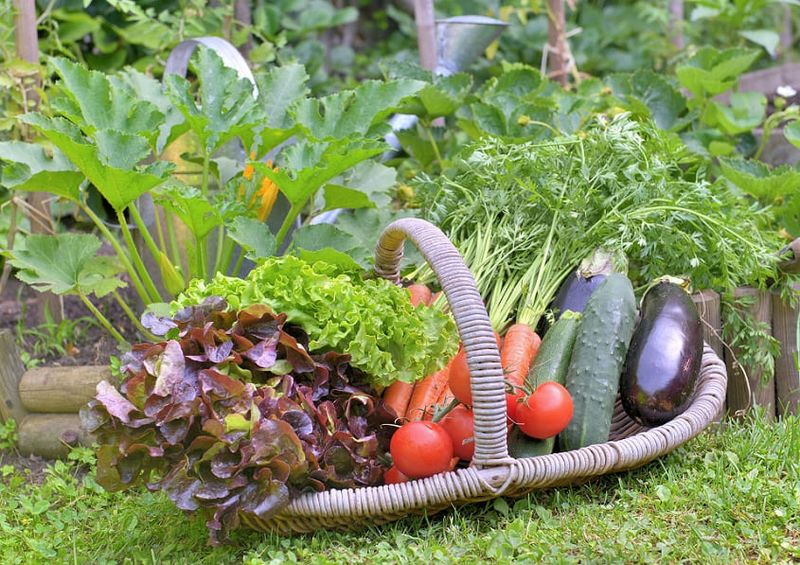
The joy of a summer garden lies in its abundant harvest, and daily picking is key to maintaining this bounty. Zucchinis, beans, and berries, in particular, thrive with regular harvesting, which encourages them to produce even more.
Think of it as a delightful ritual, connecting with your garden each day to gather its gifts. The simple act of harvesting not only fills your basket but also keeps your garden vigorous and productive.
Imagine your kitchen filled with fresh produce, the fruits of your labor, ready to inspire countless culinary creations. This practice is about embracing the rhythm of nature, ensuring a continuous supply of fresh, homegrown delights.
9. Plant Fall Crops
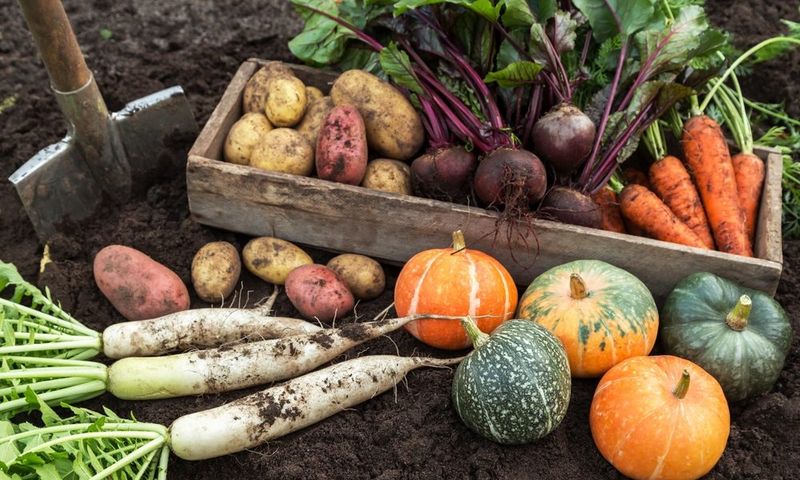
As summer winds down, it’s time to look ahead and prepare for a bountiful fall harvest. Sowing seeds for kale, carrots, beets, and radishes now ensures they’re ready to thrive in cooler temperatures. Protecting these seeds with burlap can keep the soil moist and encourage germination.
This forward-thinking approach guarantees a seamless transition from summer’s abundance to autumn’s riches. Consider it a thoughtful gesture towards future plenty, as you plan and plant for the changing seasons.
Envision your garden transitioning with grace, continuing to provide as the days grow shorter. It’s a rewarding endeavor that prolongs your gardening joy well into the fall.
10. Save Seeds
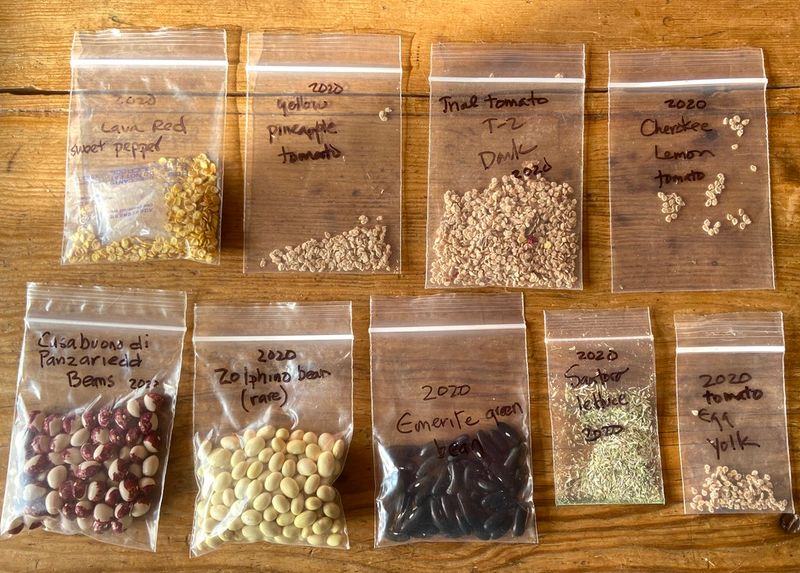
Seed saving is an age-old tradition that connects gardeners to the cycle of life. Tomatoes, beans, and sunflowers are among the easiest seeds to save. Allowing the fruit to fully ripen before collecting seeds ensures they are mature and viable.
Drying and storing these seeds in paper envelopes can prepare you for next year’s planting. This practice not only conserves resources but also fosters a deeper connection with your garden’s legacy.
Think of it as preserving the characteristics of your favorite plants, a personal selection for the seasons to come. It’s a legacy-building activity that honors the past while preparing for future gardens filled with familiar and beloved varieties.