
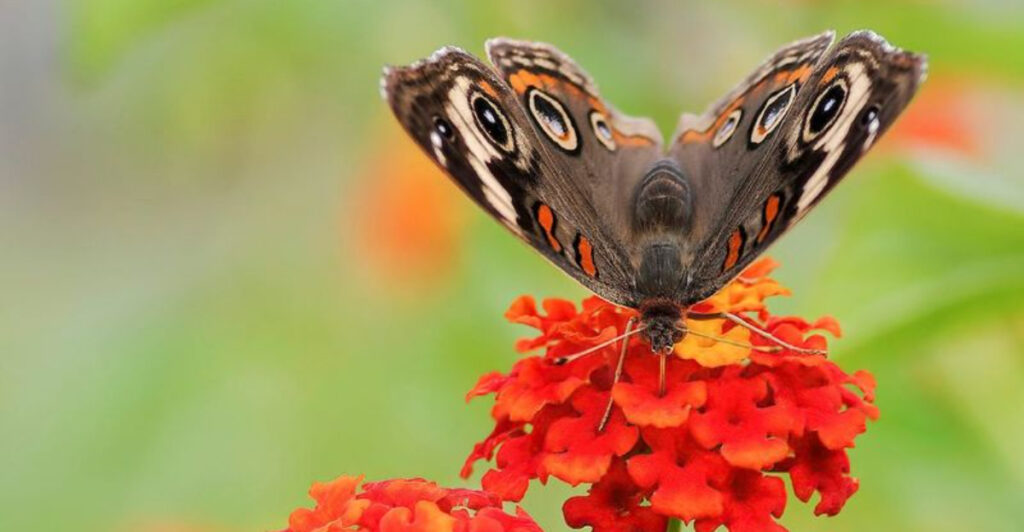
Discover the enchanting world of 19 extraordinary flowers that defy the scorching summer heat and thrive without a single drop of water. These resilient blooms captivate with their vibrant colors and unique characteristics, making them a favorite among gardeners who seek low-maintenance beauty in their landscapes. Each flower tells its own story of survival and charm, proving that even in the harshest conditions, nature finds a way to flourish. Explore these fascinating blooms and uncover the secret behind their endurance and allure.
1. Portulaca (Moss Rose)
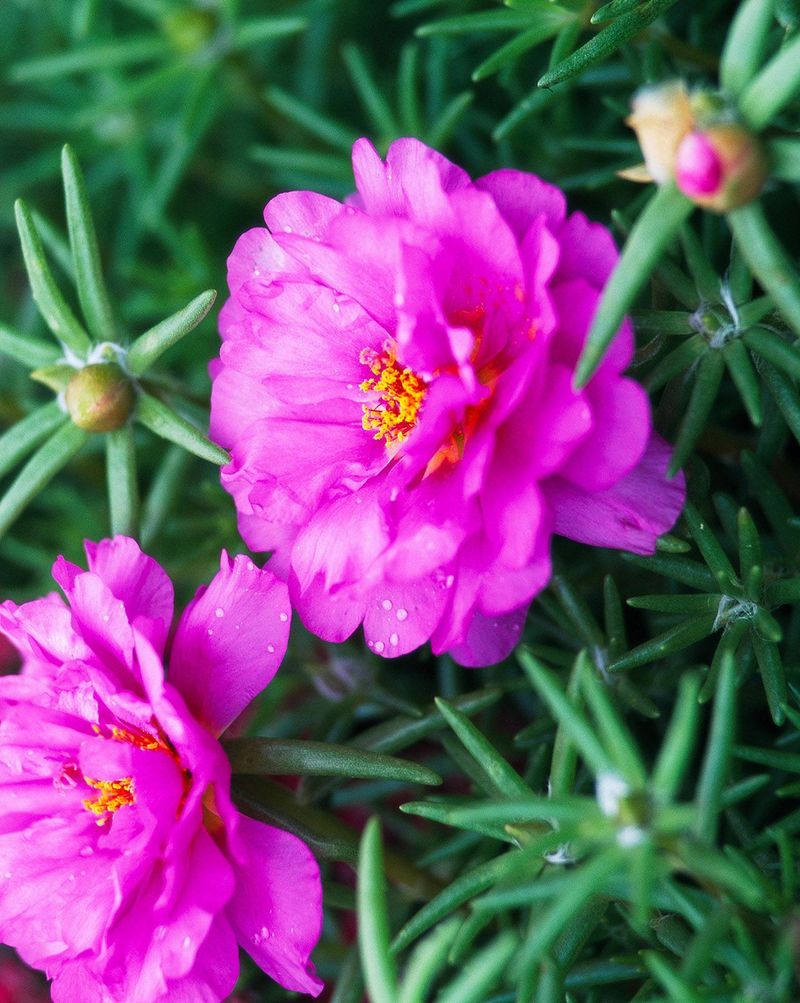
Portulaca, often known as Moss Rose, is a sun-loving succulent that dazzles with its bright, rose-like blooms in vibrant hues. These cheerful flowers open up with the morning sun and close when night falls, creating a dynamic display throughout the day. Beyond their beauty, Portulacas are incredibly resilient, thriving in poor soil and under neglect. Once established, they require minimal watering, making them perfect for dry, sandy gardens. Their succulent leaves store water, enabling them to bloom continuously even during the hottest summer months.
2. Gaillardia (Blanket Flower)
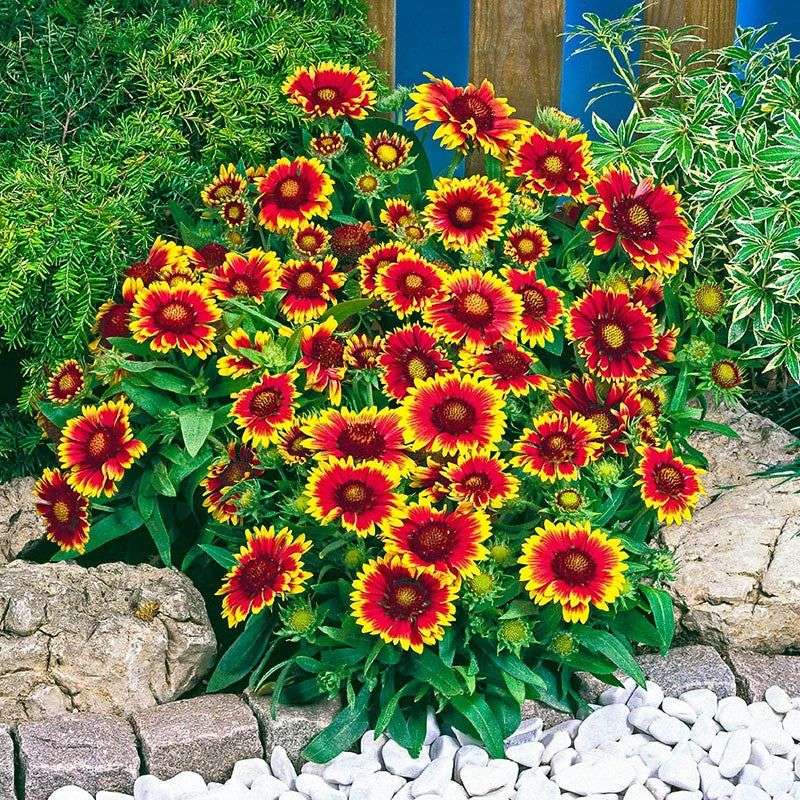
Gaillardia, commonly referred to as Blanket Flower, brings warmth and vibrancy with its daisy-like blooms in shades of red, yellow, and orange. These flowers, once established, become drought-proof champions of the garden, thriving even when water is scarce. Their cheerful appearance and long-lasting blooms make them a favorite among gardeners who desire beauty without the burden of constant upkeep. Gaillardias spread easily, covering the ground like a colorful blanket and providing a lively display that endures the summer heat.
3. Russian Sage
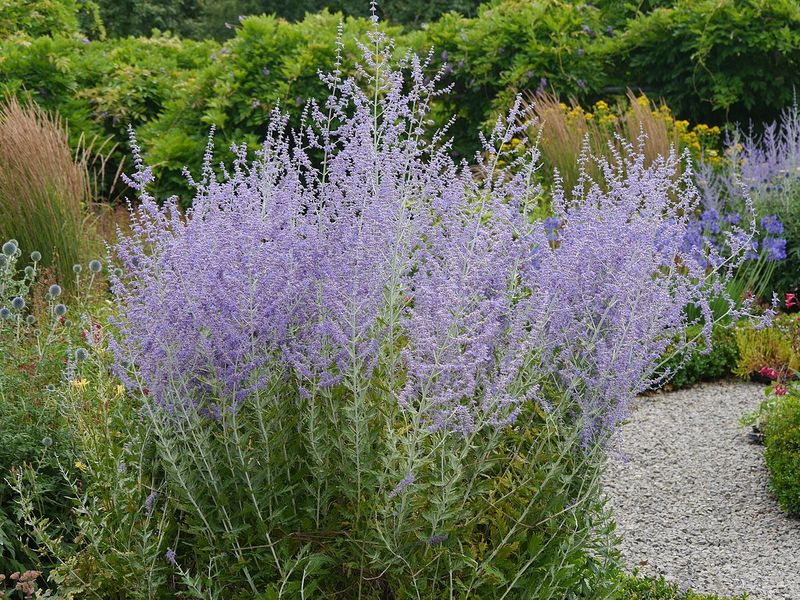
Russian Sage stands tall and regal in any garden with its lavender-blue spikes and silvery foliage. This plant loves dry, hot weather, thriving where others may wilt. The wispy flowers sway gently in the breeze, adding a touch of grace to any landscape. It’s not just a show-stopper; Russian Sage is also incredibly resilient, requiring little water once established. Its aromatic leaves add another sensory layer, making it a multi-sensory experience for gardeners and passersby alike. This plant embodies strength and beauty.
4. Sedum (Stonecrop)
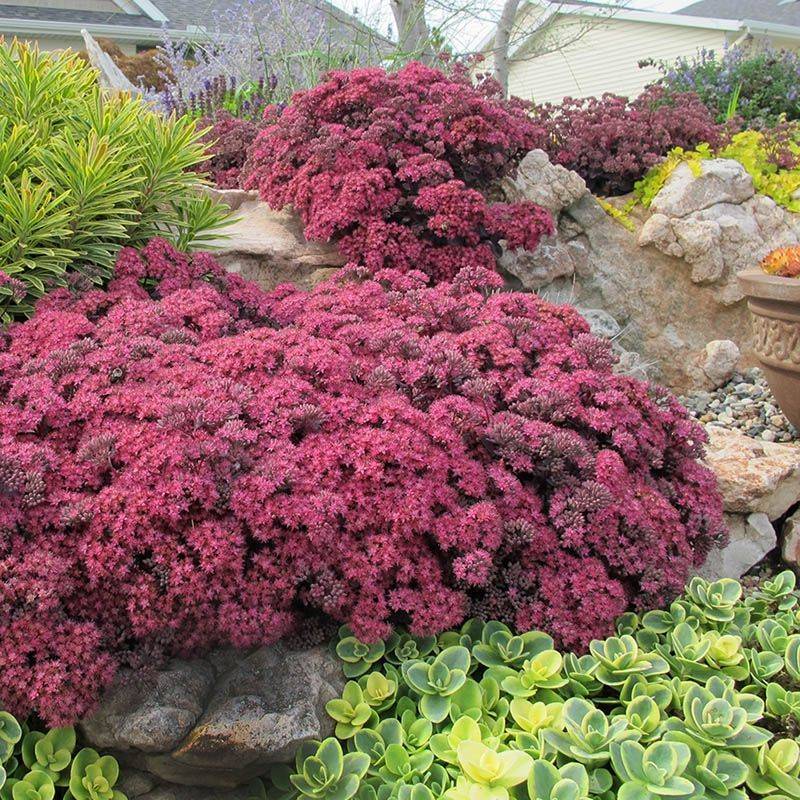
Sedum, or Stonecrop, is a versatile succulent that thrives in the harshest conditions, making it a staple for rock gardens. Its fleshy leaves store water, allowing it to survive prolonged droughts. With star-shaped flowers that bloom in a range of colors, Sedum adds charm and texture to any landscape. Its ability to grow in poor soil and minimal care needs make it a favorite for gardeners seeking low-maintenance beauty. Sedum’s adaptability and unique appearance make it a standout choice for xeriscaping.
5. Lantana
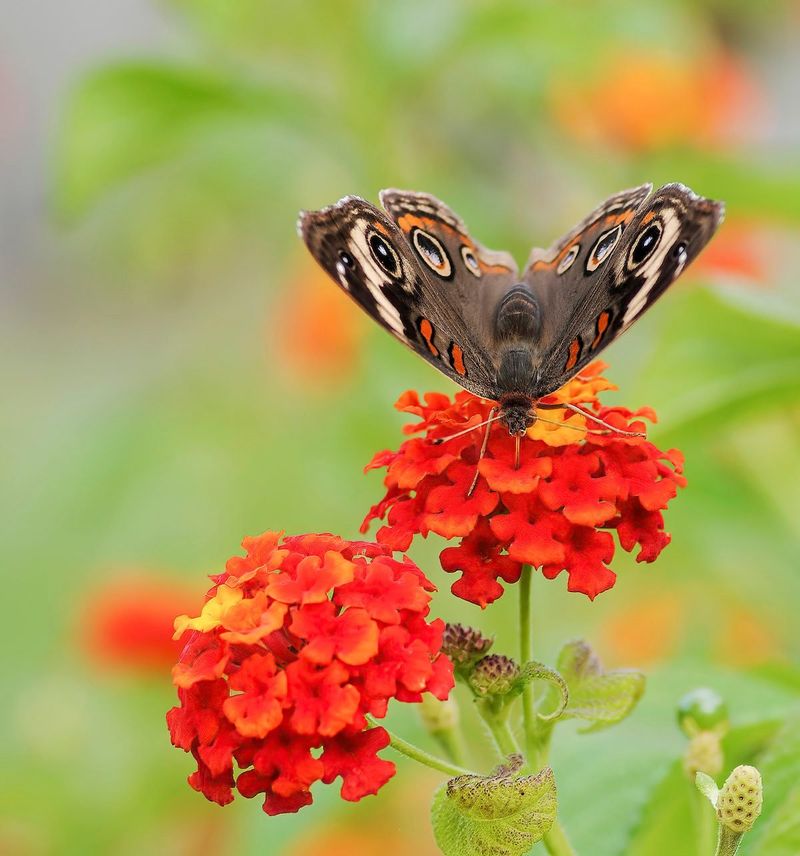
Lantanas are nature’s way of painting with a colorful brush. These heat-resistant plants produce clusters of vibrant flowers, drawing the attention of butterflies and hummingbirds alike. The bright blooms change color as they age, adding an ever-evolving splash of color to any garden. Lantanas thrive in sunny, dry conditions, making them an ideal choice for gardeners looking to add a lively touch without constant care. Their rugged nature belies their delicate appearance, and they flourish where other plants might falter.
6. Coreopsis (Tickseed)
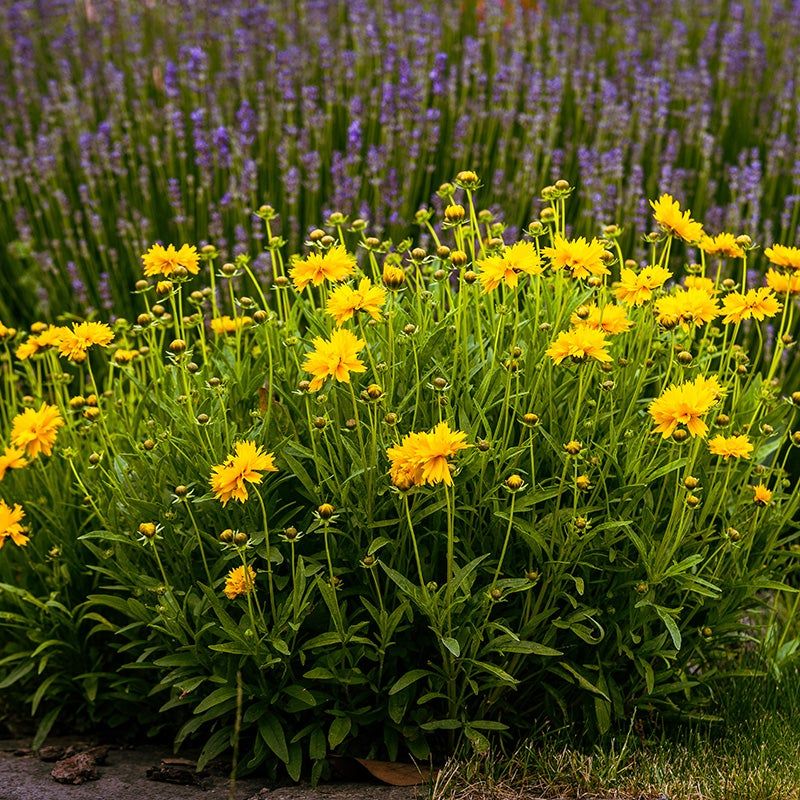
Coreopsis, affectionately known as Tickseed, is a beacon of sunshine in the garden. Its cheerful yellow blooms sway gently in the breeze, bringing a sense of joy and warmth. Known for thriving in poor soil, Coreopsis is a resilient plant requiring minimal attention. These flowers bloom profusely throughout the summer, creating a continuous display of color. Their easygoing nature and bright appearance make them an excellent choice for gardeners looking to bring a splash of sunshine into their landscape without much effort.
7. Yarrow (Achillea)
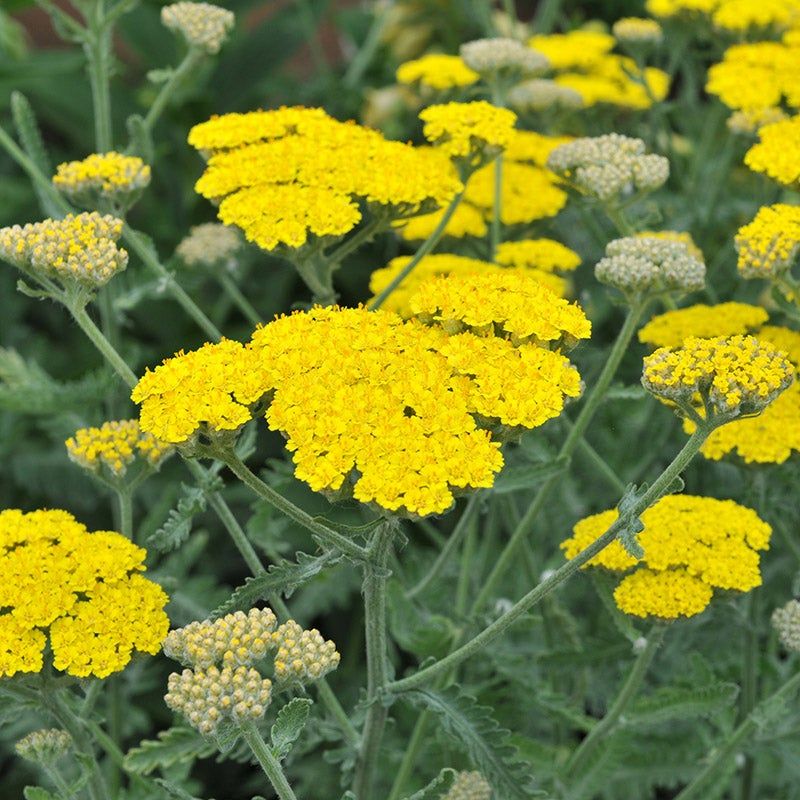
Yarrow, known scientifically as Achillea, is a hardy perennial that brings a palette of colors to any garden. Its flat-topped clusters of flowers in red, yellow, pink, or white create an eye-catching display. Yarrow is drought-tolerant and deer-resistant, making it a robust choice for low-maintenance landscapes. The feathery, fern-like foliage adds texture and visual interest. Yarrow’s historical uses in herbal medicine add a layer of intrigue, as it has been used for centuries to treat various ailments, showcasing its multifaceted nature.
8. Echinacea (Coneflower)
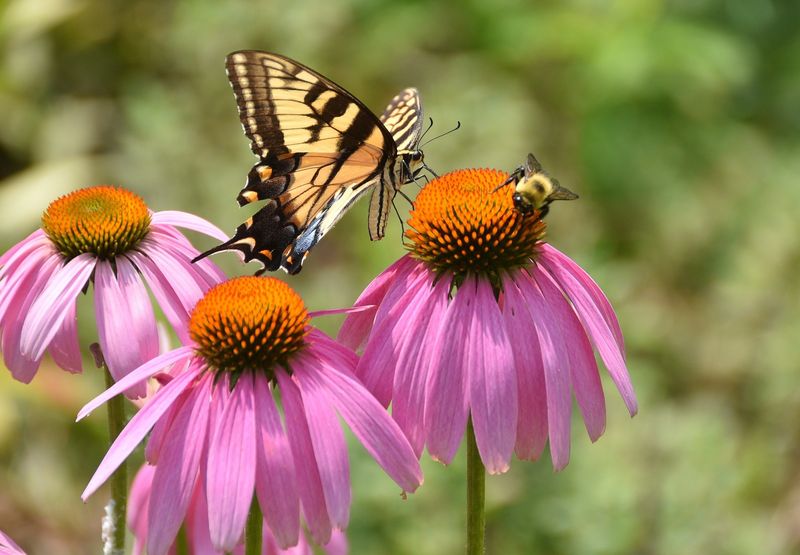
Echinacea, or Coneflower, is a beloved perennial known for its striking daisy-like flowers in shades of purple, pink, and white. These blooms are not only beautiful but also a magnet for pollinators such as bees and butterflies. Echinacea thrives in dry, sunny conditions, making it a perfect addition to drought-prone gardens. Its sturdy stems and long-lasting flowers add structure and color, while the plant’s medicinal properties have been celebrated in herbal remedies. Echinacea embodies resilience and beauty in the garden.
9. Black-Eyed Susan (Rudbeckia)
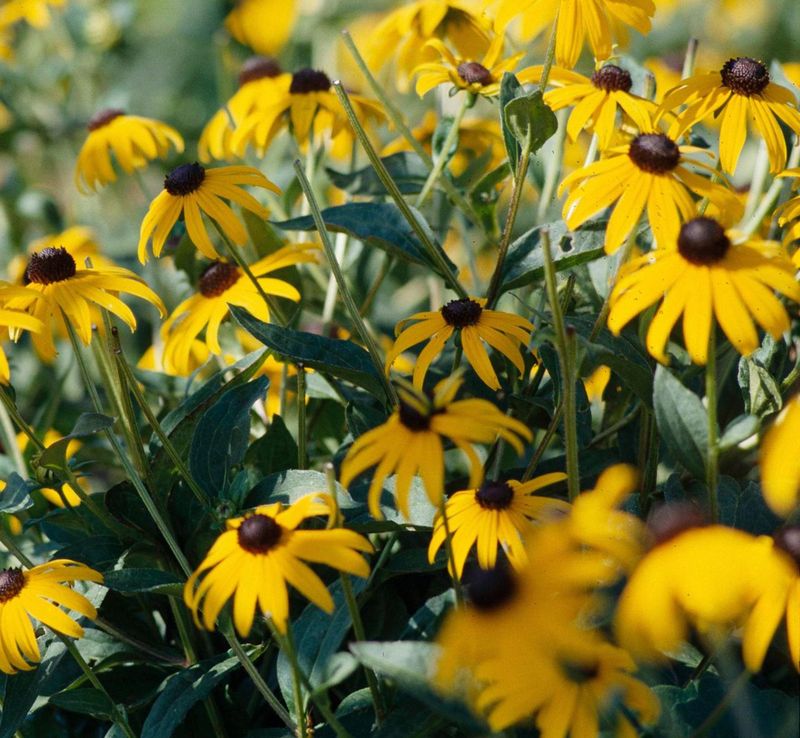
Black-Eyed Susan, or Rudbeckia, is a staple in summer gardens, known for its golden-yellow blooms with striking dark centers. These flowers thrive in heat and drought, bringing warmth and cheer to any landscape. Their bold appearance and resilient nature make them a favorite among gardeners looking to add a burst of color with minimal effort. Black-Eyed Susans attract pollinators, supporting garden biodiversity. Their longstanding popularity is a testament to their beauty and hardiness, ensuring they remain a garden classic year after year.
10. Verbena
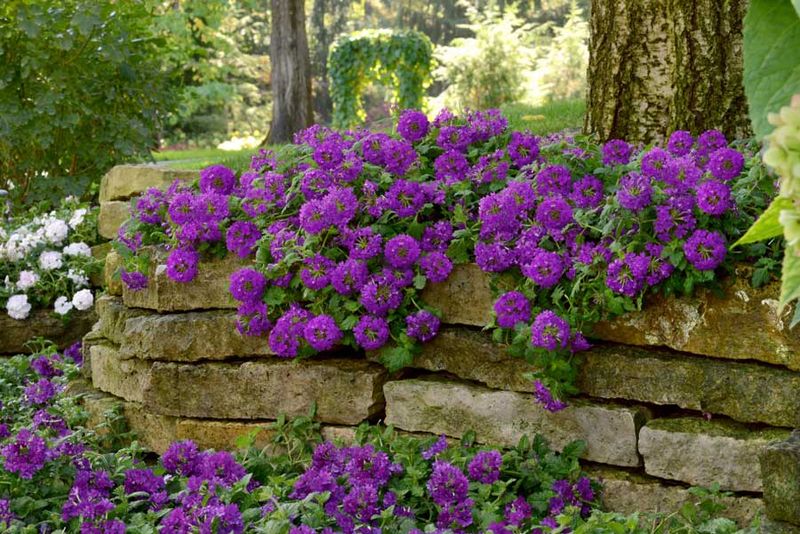
Verbena is a vibrant addition to any garden, known for its spreading clusters of flowers in shades of purple, pink, and red. These blooms thrive in full sun and dry soil, creating a cascade of color that lasts throughout the summer. Verbena’s resilience and low maintenance make it a popular choice for gardeners seeking beauty without the hassle. Its flowers attract butterflies, adding a lively touch to any garden space. Verbena’s ability to thrive in challenging conditions makes it a standout performer in the garden.
11. Salvia (Sage)
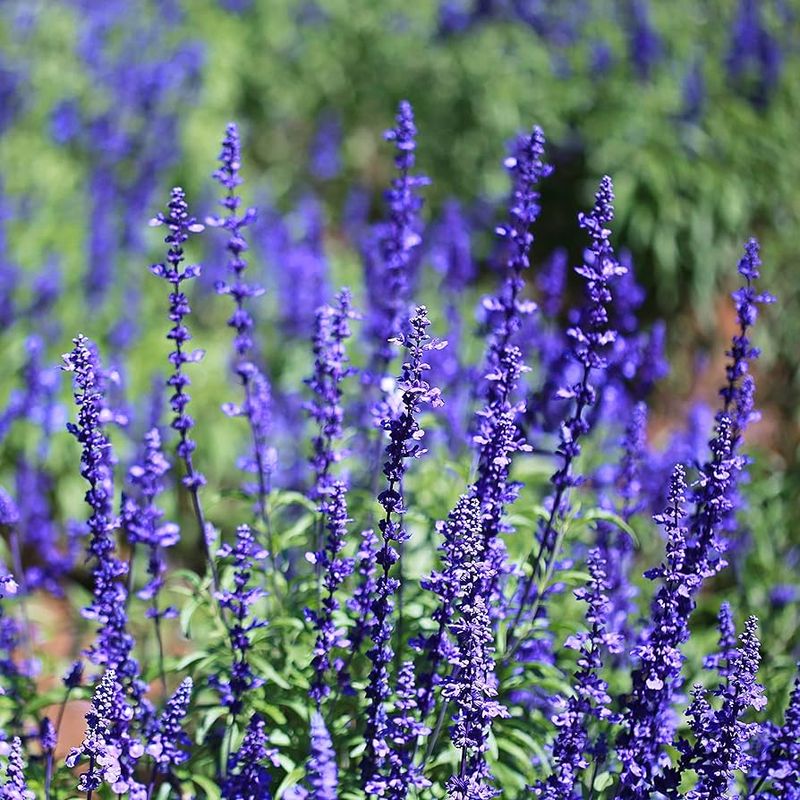
Salvia, often referred to simply as Sage, is a striking perennial known for its spiky flowers that come in vibrant shades of blue, purple, and red. These blooms attract a variety of pollinators, adding life and movement to the garden. Salvia thrives in dry, sunny conditions, making it a drought-resistant choice for gardeners. Its aromatic foliage and bold flower spikes create a sensory experience, while its deer-proof nature adds practicality. Salvia’s combination of beauty and resilience makes it a versatile addition to any landscape.
12. Lavender
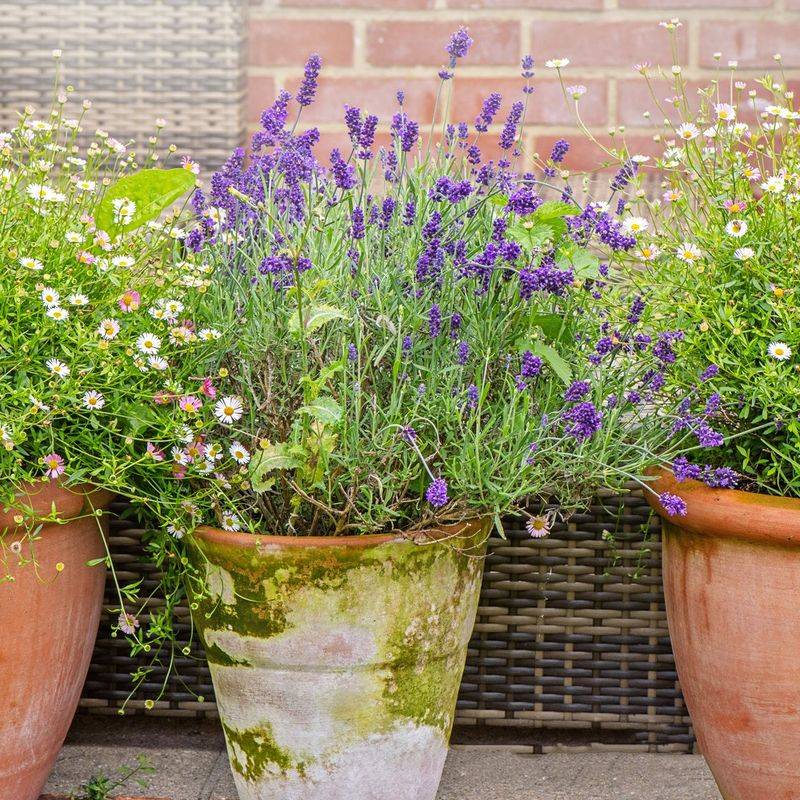
Lavender is a timeless favorite, celebrated for its aromatic purple spikes and silvery foliage. This plant thrives in dry, sandy soil, making it a perfect choice for drought-prone areas. Lavender’s fragrant flowers and calming scent have been cherished for centuries, used in everything from perfumes to herbal remedies. Its ability to attract pollinators adds ecological value to the garden. Lavender’s elegance and resilience make it a beloved choice for gardeners seeking both beauty and functionality in their landscapes.
13. Globe Thistle (Echinops)
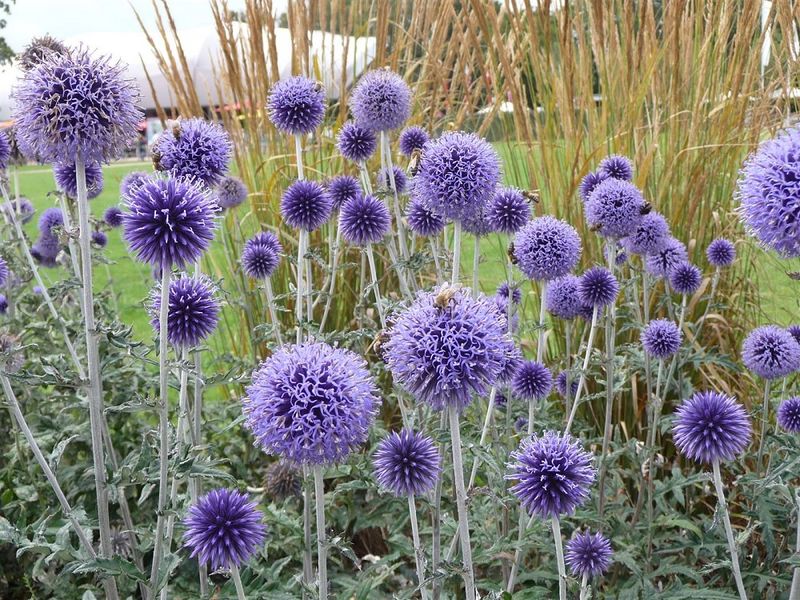
Globe Thistle, scientifically known as Echinops, is a unique presence in the garden, renowned for its striking steel-blue spherical flowers. These blooms rise on tall stems, creating an architectural display that captures the eye. Extremely drought-tolerant, Globe Thistle thrives in dry, sunny conditions, offering a bold statement in any garden setting. Its spiky appearance contrasts with its delicate nature, providing visual intrigue. Globe Thistle’s ability to attract pollinators while requiring minimal care makes it a standout choice for xeriscaping.
14. Agastache (Hyssop)
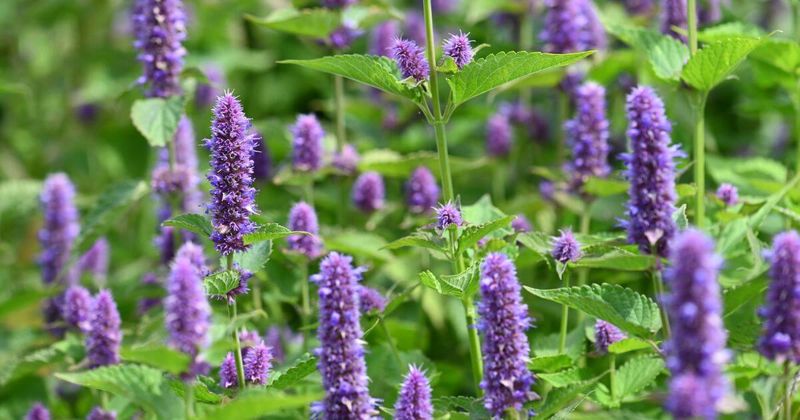
Agastache, commonly known as Hyssop, is a perennial that adds a splash of color with its spikes of orange, pink, or purple flowers. These blooms are beloved by hummingbirds and bees, making Agastache a valuable addition to pollinator gardens. Its aromatic foliage and ability to thrive in dry conditions make it a practical choice for low-maintenance landscapes. Agastache’s vibrant flowers and fragrant leaves create a sensory delight, while its robust nature ensures it flourishes where other plants might struggle.
15. Penstemon (Beardtongue)
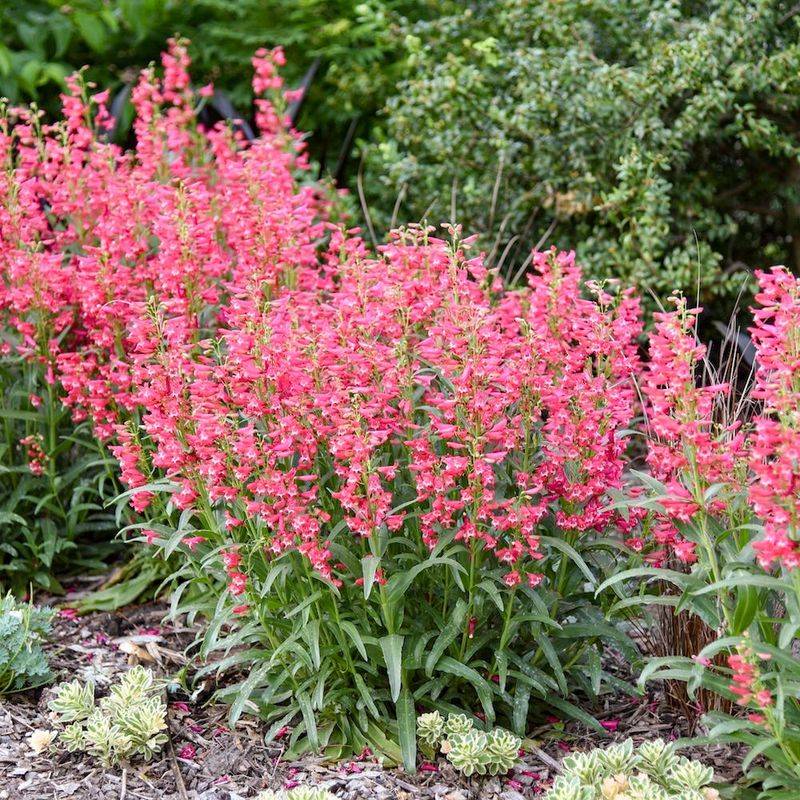
Penstemon, also known as Beardtongue, is a resilient perennial with tubular flowers in vibrant shades of red, pink, and purple. These blooms attract hummingbirds and add a splash of color to any garden. Penstemon thrives in dry, rocky soil, making it a perfect choice for xeriscaping projects. Its low-maintenance nature and long-lasting flowers make it a favorite among gardeners. Penstemon’s unique flower shape and bold colors provide visual interest, while its drought-resistant qualities ensure it remains a garden staple.
16. Ice Plant (Delosperma)
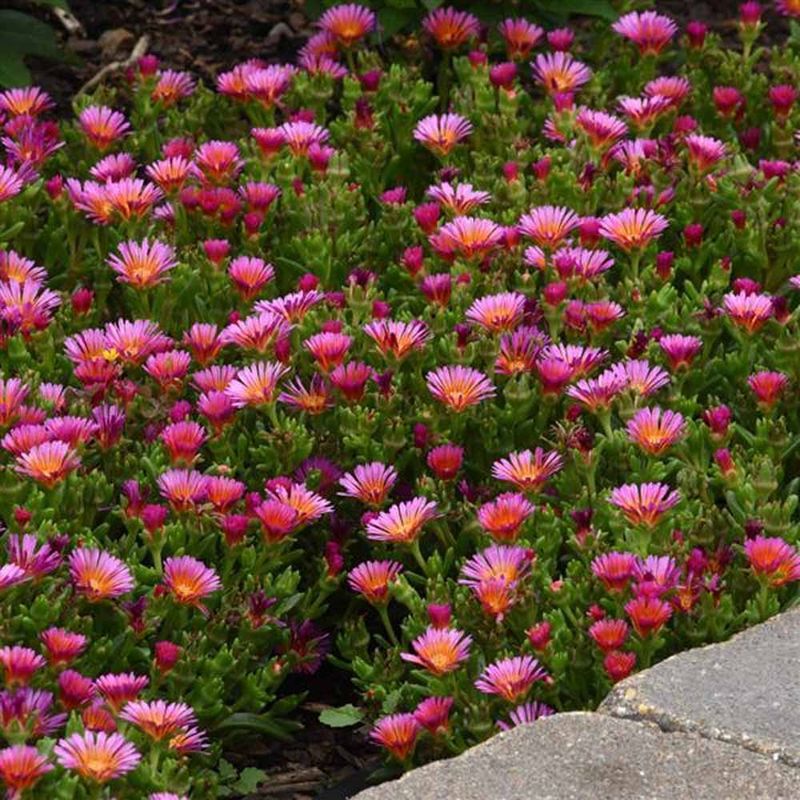
Ice Plant, scientifically known as Delosperma, is a succulent ground cover that dazzles with its neon blooms. These flowers thrive in extreme heat and drought, making them ideal for rock gardens and sunny landscapes. The fleshy leaves store water, enabling Ice Plant to flourish where other plants might wilt. Its vibrant colors and low-growing habit create a carpet of color that is both eye-catching and practical. Ice Plant’s resilience and striking appearance make it a popular choice for gardeners seeking drought-tolerant beauty.
17. Gaura (Whirling Butterflies)
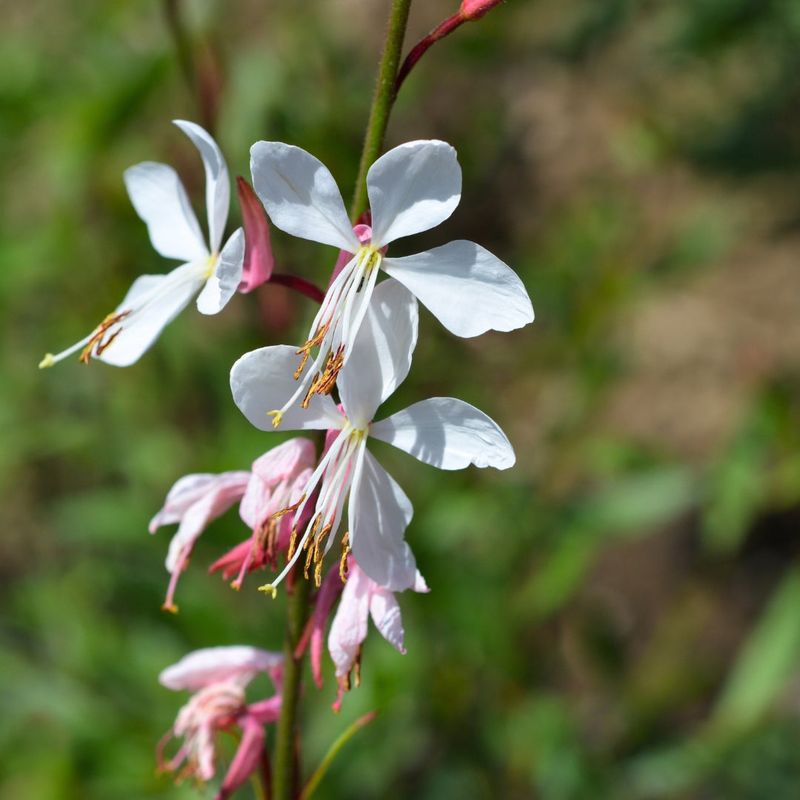
Gaura, affectionately known as Whirling Butterflies, captivates with its delicate pink or white flowers that dance in the breeze. This perennial thrives in dry conditions, making it a perfect addition to xeriscaping projects. Gaura’s airy blooms and graceful movement create a sense of lightness and whimsy in the garden. Its ability to attract pollinators adds ecological value, while its low-maintenance nature appeals to busy gardeners. Gaura’s ethereal beauty and resilience make it a cherished choice for any landscape.
18. California Poppy
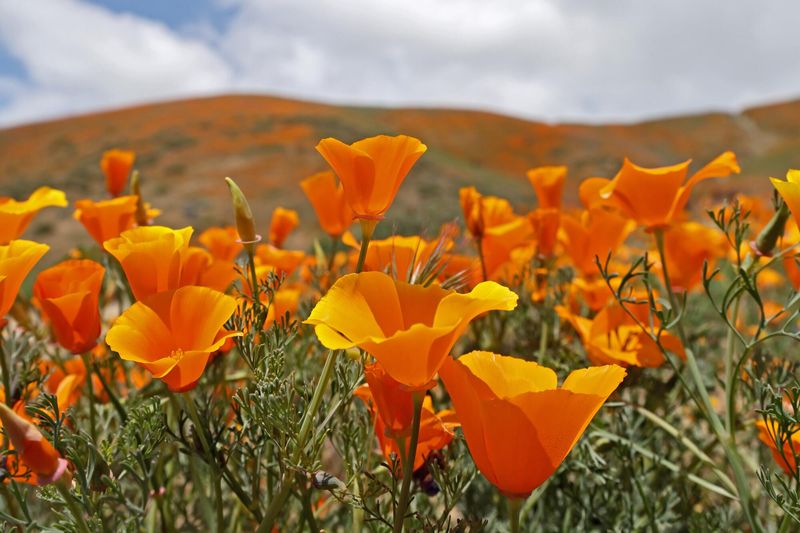
California Poppy is a vibrant symbol of the American West, known for its bright orange, yellow, or pink blooms. These flowers thrive in poor soil and require minimal water, making them ideal for dry landscapes. California Poppies self-seed easily, ensuring a continuous display of color year after year. Their cheerful appearance and resilience make them a favorite among gardeners looking to add a touch of wild beauty to their gardens. California Poppy’s ability to thrive with little care makes it a standout performer.
19. Zinnia
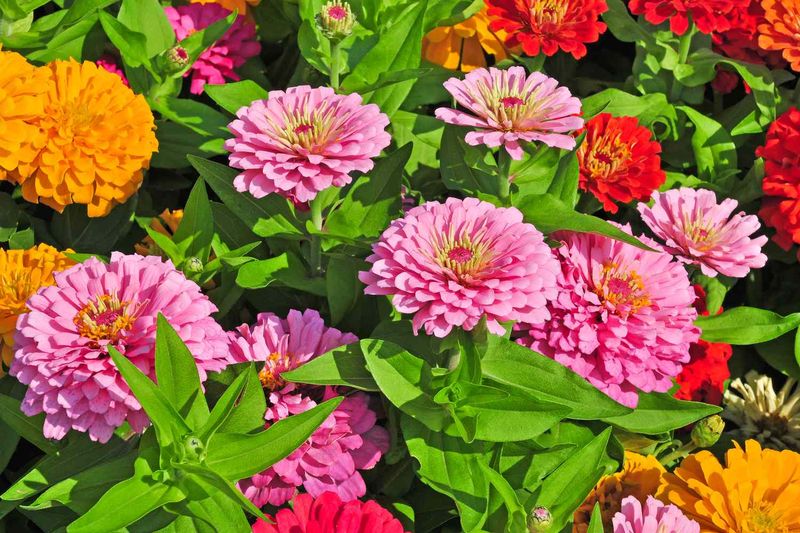
Zinnias are the epitome of summer, known for their bold, colorful flowers that come in every shade imaginable. These blooms grow quickly and require little water, making them a perfect choice for gardeners looking to add vibrant color with minimal effort. Zinnias attract butterflies, creating a lively and dynamic garden space. Their long-lasting blooms and easy-care nature make them a favorite among both novice and experienced gardeners. Zinnia’s cheerful disposition and adaptability ensure they remain a garden favorite.