
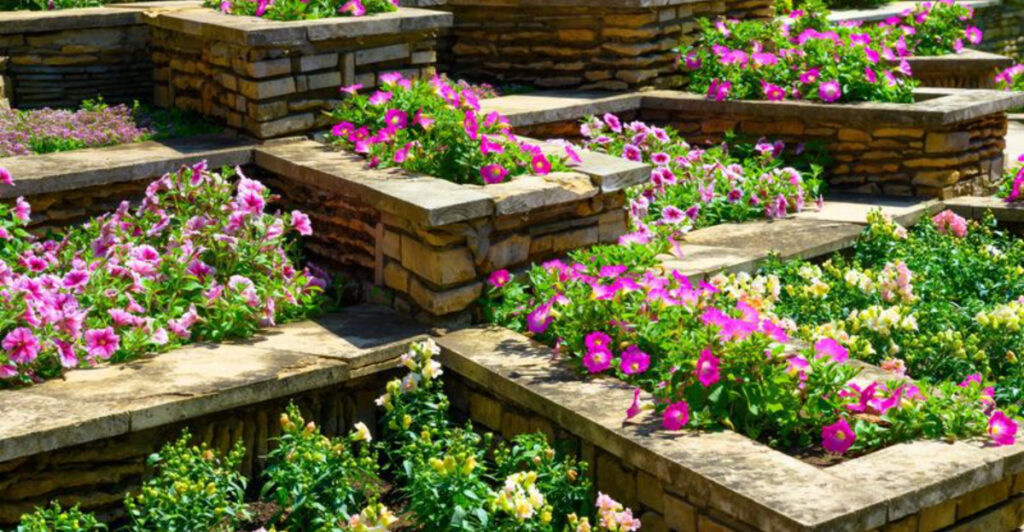
Transforming a dry climate garden into a lush, sustainable oasis is achievable with the right techniques and plant choices. Whether you live in a desert region or an area with limited rainfall, these drought-tolerant landscaping ideas will help you create a beautiful and eco-friendly outdoor space.
1. Xeriscaping
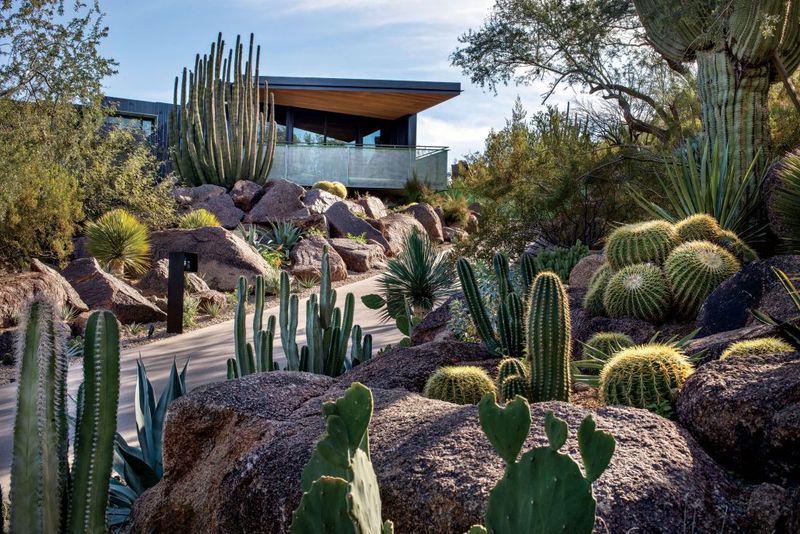
Xeriscaping is a landscaping method that focuses on water conservation. By replacing water-thirsty lawns with rocks, gravel, and drought-resistant plants like succulents, agave, and lavender, you create a sustainable garden. The beauty of xeriscaping lies in its ability to blend different textures and colors, offering an aesthetically pleasing environment. Imagine a garden where the sun-kissed stones contrast with the lush greenery of low-water plants. It’s a perfect solution for those seeking an eco-friendly approach to gardening. Not only does it save water, but it also reduces maintenance costs, making it a practical choice for dry climates.
2. Native Plants
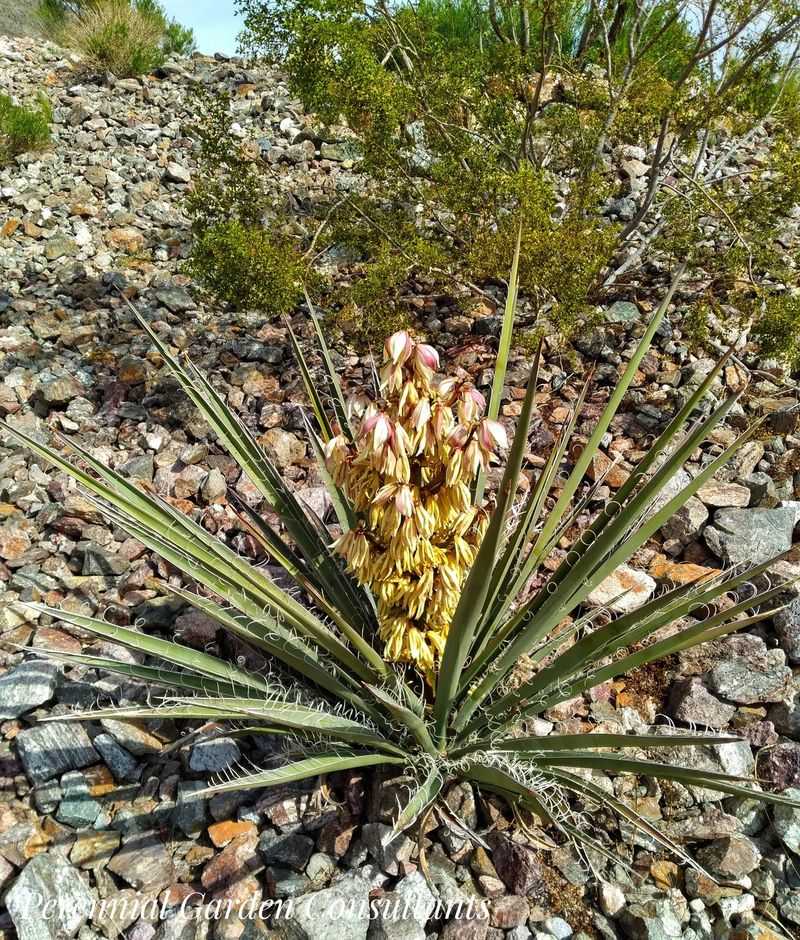
Choosing native plants for your garden is a wise decision in dry climates. These plants, like yucca, sage, or desert marigold, are naturally adapted to the region’s environment. They require minimal watering, making them ideal for water conservation. Native plants bring a sense of place and authenticity to your landscape, connecting it with the local ecosystem. They also support local wildlife, providing food and habitat for birds and insects. Embrace the natural beauty of your region by incorporating these resilient plants into your garden, and enjoy a thriving landscape with minimal effort.
3. Artificial Turf or Gravel Lawns
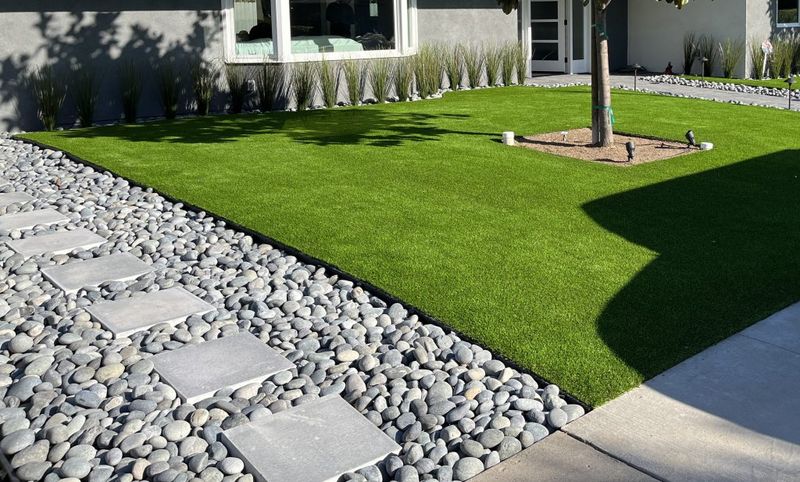
Artificial turf and gravel lawns offer a practical alternative to traditional grass in regions struggling with water scarcity. With artificial turf, you can enjoy the look of a green lawn without the watering demands. Decorative gravel offers a chic and modern option, eliminating the need for irrigation altogether. Both options provide a clean, low-maintenance landscape that retains its beauty year-round. Whether you prefer the softness of turf or the rustic charm of gravel, these alternatives help conserve water while maintaining an attractive outdoor space. Transform your garden into a water-wise haven with these innovative solutions.
4. Succulent & Cactus Gardens
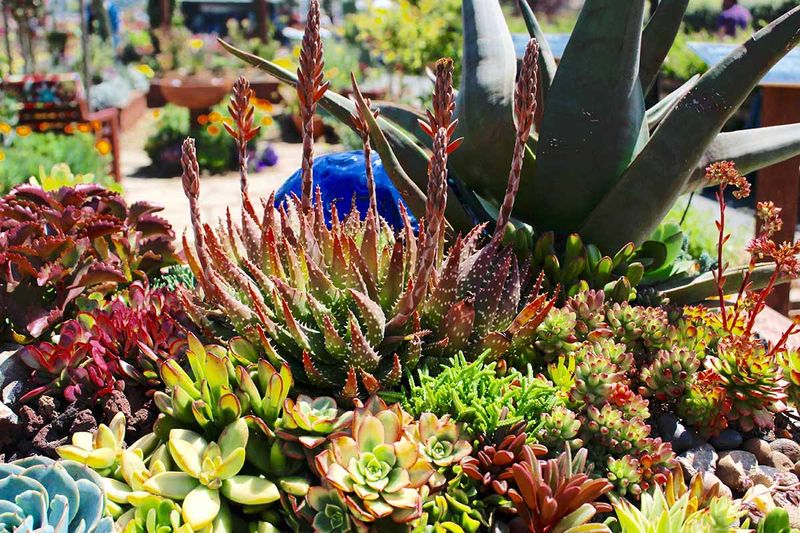
Succulent and cactus gardens are perfect for those seeking a striking and low-maintenance landscape. With varieties such as aloe, prickly pear, and echeveria, these gardens thrive with minimal water. Their unique shapes and textures add visual interest and architectural elegance to any outdoor space. By planting them in raised beds or rock gardens, you enhance their beauty and ensure proper drainage. Succulents and cacti are not only drought-tolerant but also resilient to harsh conditions, making them ideal for dry climates. Create a stunning garden that requires little effort but offers endless charm.
5. Mulch Beds
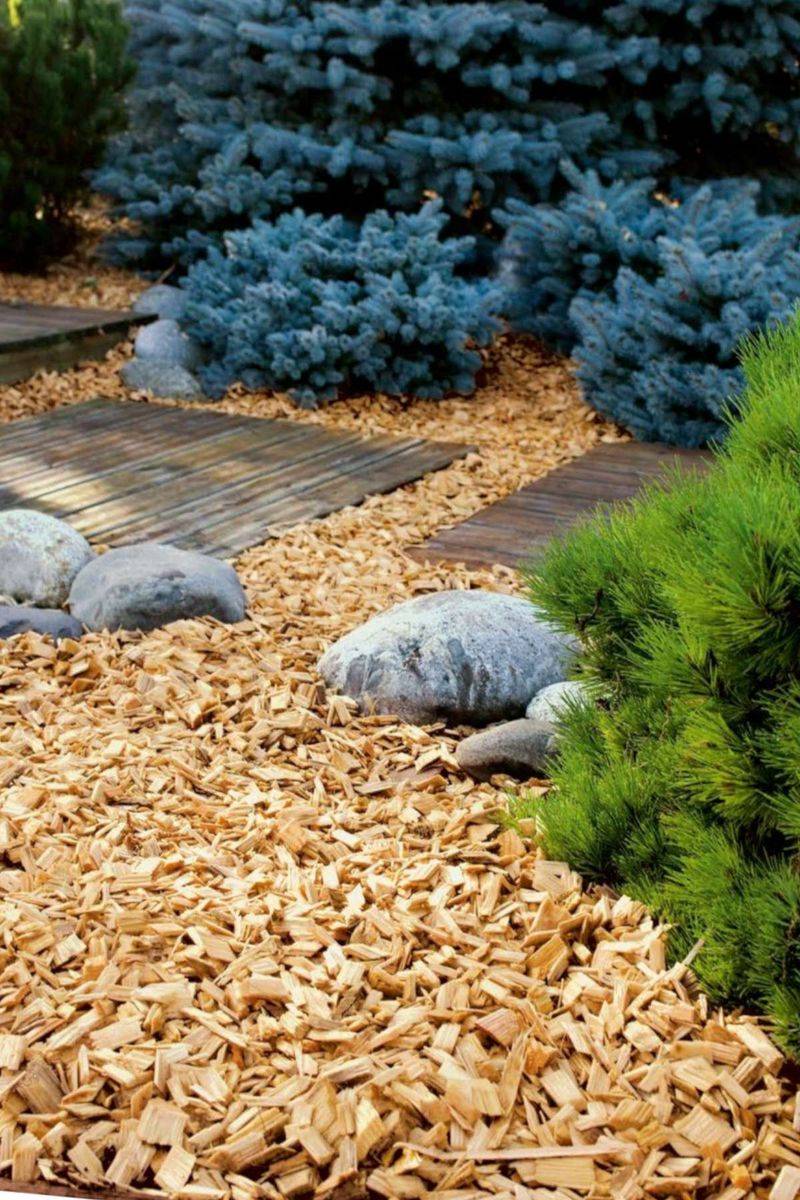
Mulch beds are an essential feature in drought-tolerant landscaping. By using materials like wood chips, pebbles, or bark mulch, you can retain soil moisture and reduce evaporation. Mulch acts as a protective layer, shielding the soil from direct sunlight and preventing water loss. It also suppresses weeds, further conserving water by reducing competition. The varied textures and colors of mulch can complement any garden aesthetic, adding depth and visual appeal. Implementing mulch beds in your landscape not only conserves water but also enhances the overall health and appearance of your garden.
6. Rainwater Harvesting
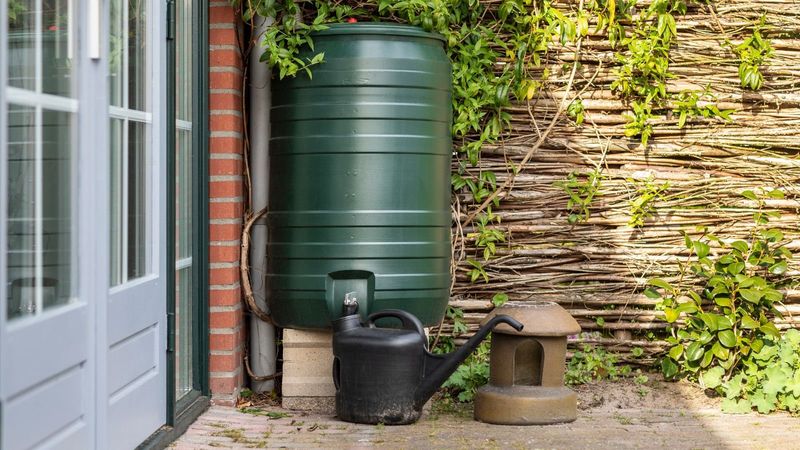
Rainwater harvesting is a sustainable practice that allows you to make the most of natural rainfall. By installing rain barrels or a swale system, you can collect and store rainwater for irrigation purposes. This method reduces reliance on municipal water supplies and helps maintain a green garden in dry climates. The stored rainwater can be used to water plants during dry spells, ensuring they receive the hydration they need. Embrace this eco-friendly technique to conserve water, save on utility bills, and support the health of your garden. It’s a win-win for both you and the environment.
7. Drip Irrigation
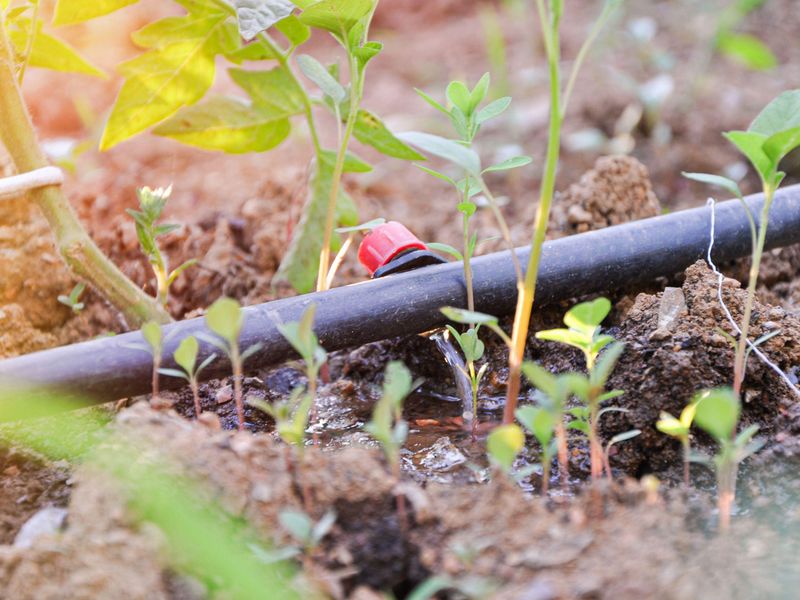
Drip irrigation is a targeted watering method that delivers water directly to the roots of plants. This system minimizes waste by focusing the water where it’s needed most, reducing evaporation and runoff. In dry climates, drip irrigation is an efficient way to maintain a healthy garden while conserving water. The slow, steady delivery of water ensures that plants receive the optimal amount for growth without excess. By implementing a drip irrigation system, you can enjoy a lush garden with reduced water consumption, making it a practical and sustainable choice for water-conscious gardeners.
8. Permeable Hardscaping
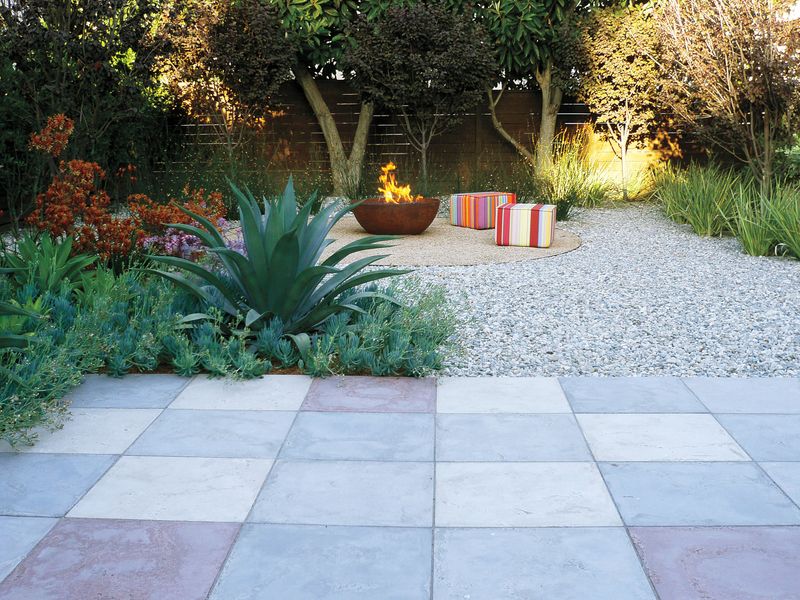
Permeable hardscaping is an innovative approach to reducing runoff and improving water management in your landscape. By using materials like porous pavers, decomposed granite, or flagstone, you create surfaces that allow water to seep through and reach the soil below. This technique reduces the risk of erosion and supports groundwater replenishment. It also contributes to a more sustainable garden by directing rainwater into the ground rather than storm drains. Permeable hardscaping combines functionality with aesthetics, providing a beautiful and environmentally friendly solution for dry climate landscapes.
9. Mediterranean Plants
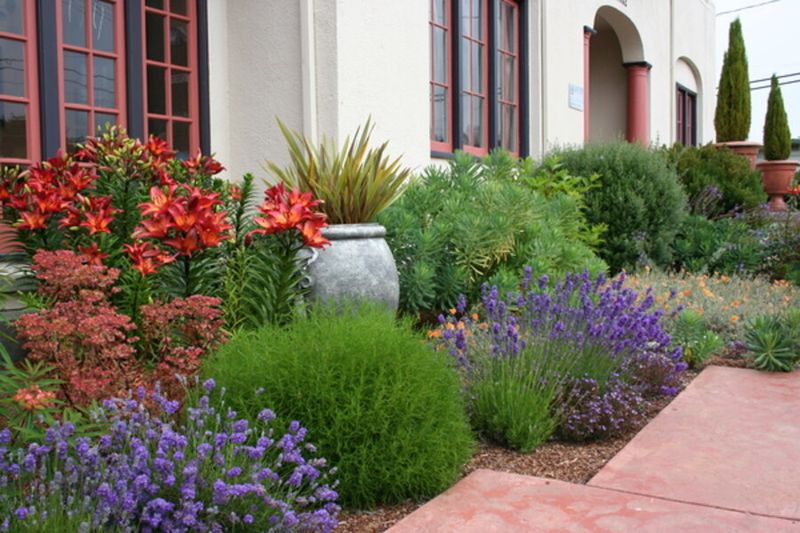
Mediterranean plants are naturally suited to thrive in dry, sunny conditions, making them perfect for water-efficient gardens. Olive trees, rosemary, and lavender are classic examples that add both beauty and functionality to your landscape. These plants require little water and are known for their resilience and aromatic qualities. A garden filled with Mediterranean plants evokes a sense of timeless elegance and tranquility, reminiscent of sun-drenched coastal regions. Incorporating these plants into your garden not only conserves water but also enhances the sensory experience with their fragrant blooms and lush greenery.
10. Rock Gardens
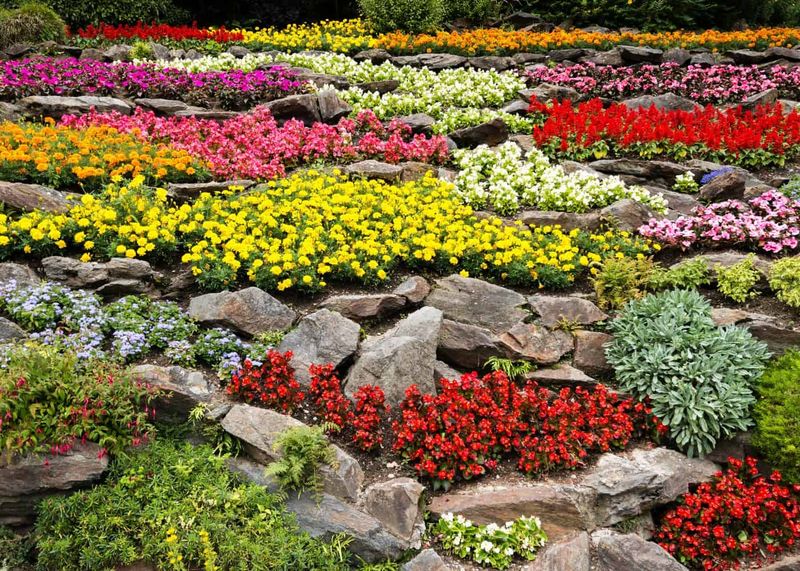
Rock gardens offer a rugged yet beautiful option for drought-tolerant landscaping. By arranging boulders, stones, and drought-resistant ground covers, you can mimic a natural desert landscape. These gardens require minimal water and maintenance while providing a striking visual appeal. The contrast between the rocks and the greenery creates a dynamic and eye-catching environment. Rock gardens are ideal for showcasing unique plants and adding texture to your landscape. Whether you’re looking for a full garden transformation or a simple accent, rock gardens offer versatility and sustainability in dry climates.
11. Vertical Gardens with Drought-Resistant Plants
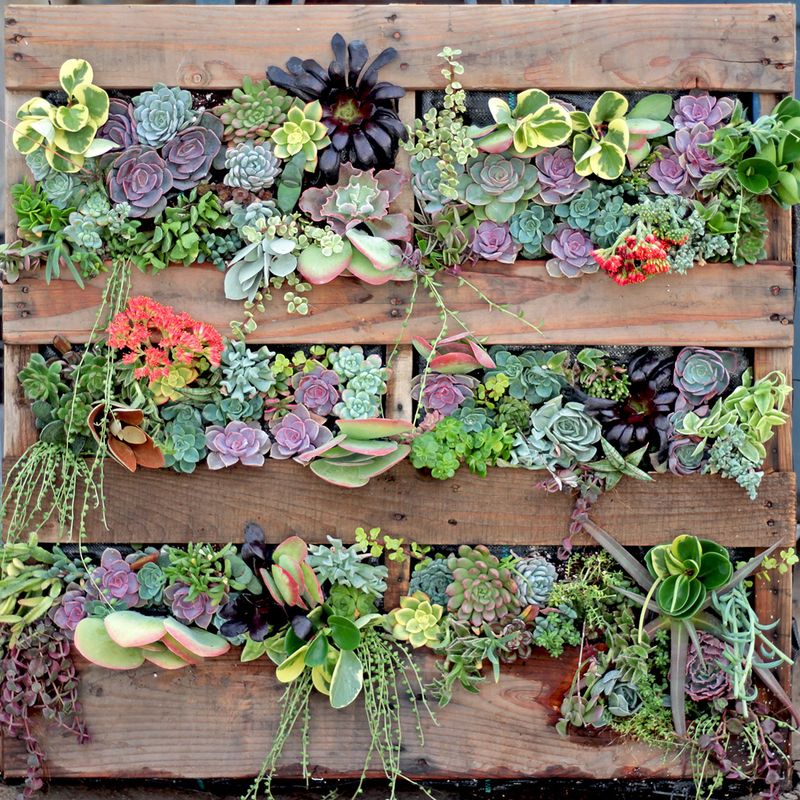
Vertical gardens provide a creative way to maximize space and incorporate greenery into urban environments. By using drought-resistant plants like trailing succulents or air plants, you can create a visually stunning and water-efficient wall garden. These gardens add dimension and character to any space, whether it’s a small balcony or a large exterior wall. Vertical gardens not only save space but also enhance air quality and insulation. Embrace this innovative approach to gardening by creating a living wall that’s both environmentally friendly and aesthetically pleasing, making your space unique and sustainable.
12. Shade Structures
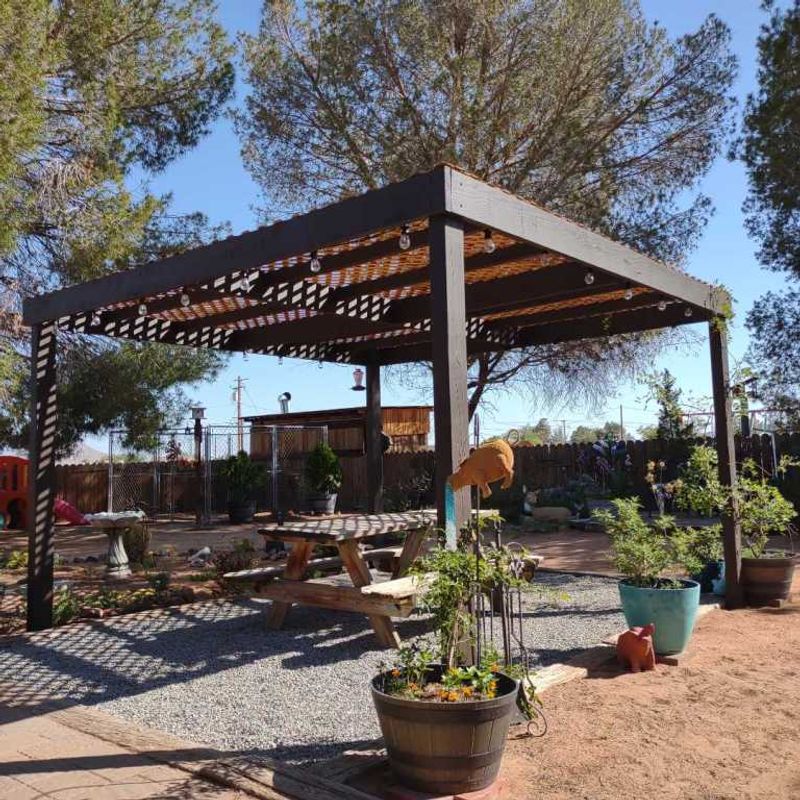
Shade structures are essential in dry climates to reduce evaporation and provide shelter for plants and people. By using pergolas, shade sails, or trees like mesquite or palo verde, you create a cooler environment that retains moisture. These structures not only protect plants from harsh sunlight but also offer a comfortable space for outdoor relaxation. A well-placed shade structure can transform your garden into a welcoming oasis, where both flora and fauna thrive. Enhance your landscape’s functionality and aesthetics by integrating shade structures that support water conservation and add visual interest.
13. Group Plants by Water Needs (Hydrozoning)
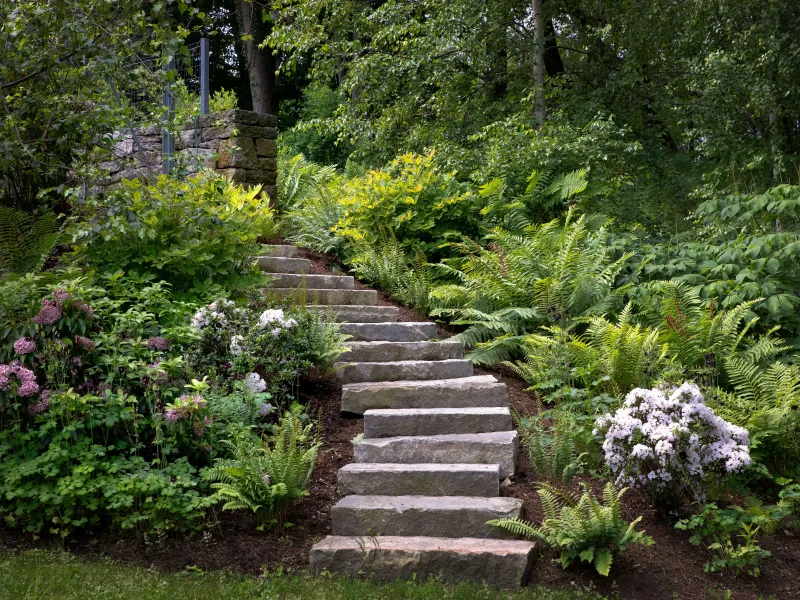
Hydrozoning is a strategic landscaping technique that groups plants according to their water requirements. By clustering high-water plants together and keeping drought-tolerant ones separate, you optimize irrigation efficiency. This method ensures that each plant receives the appropriate amount of water, reducing waste and promoting healthy growth. Hydrozoning simplifies garden maintenance and supports water conservation efforts. It’s a practical approach for those looking to tailor their garden to specific needs. Implement hydrozoning in your landscape to achieve a harmonious balance between beauty and sustainability, creating a garden that’s both efficient and vibrant.
14. Ornamental Grasses
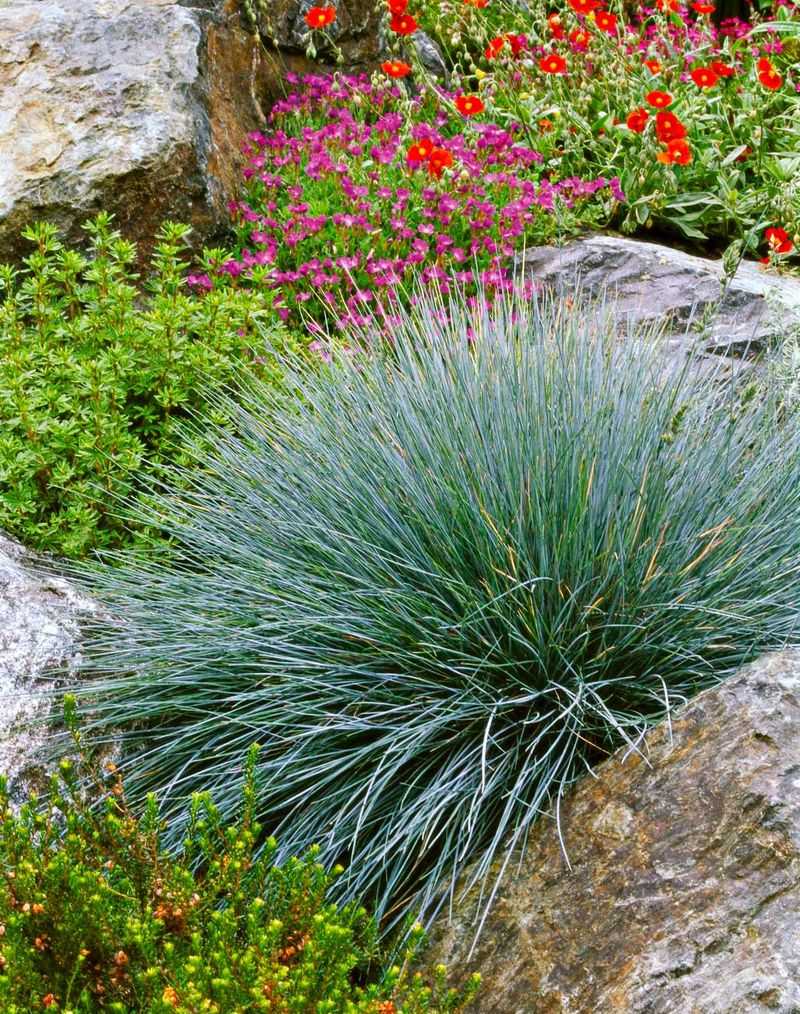
Ornamental grasses are a versatile and low-maintenance option for drought-tolerant landscaping. Fountain grass, blue fescue, and Mexican feather grass bring movement and texture to your garden without requiring much water. These grasses sway gracefully in the breeze, adding a dynamic element to your landscape. They are perfect for filling empty spaces or creating natural borders. With their varied colors and forms, ornamental grasses contribute to the visual richness of your garden. Incorporate these hardy plants into your landscape for a touch of elegance and simplicity, enhancing its beauty while conserving water.
15. Dry Riverbeds
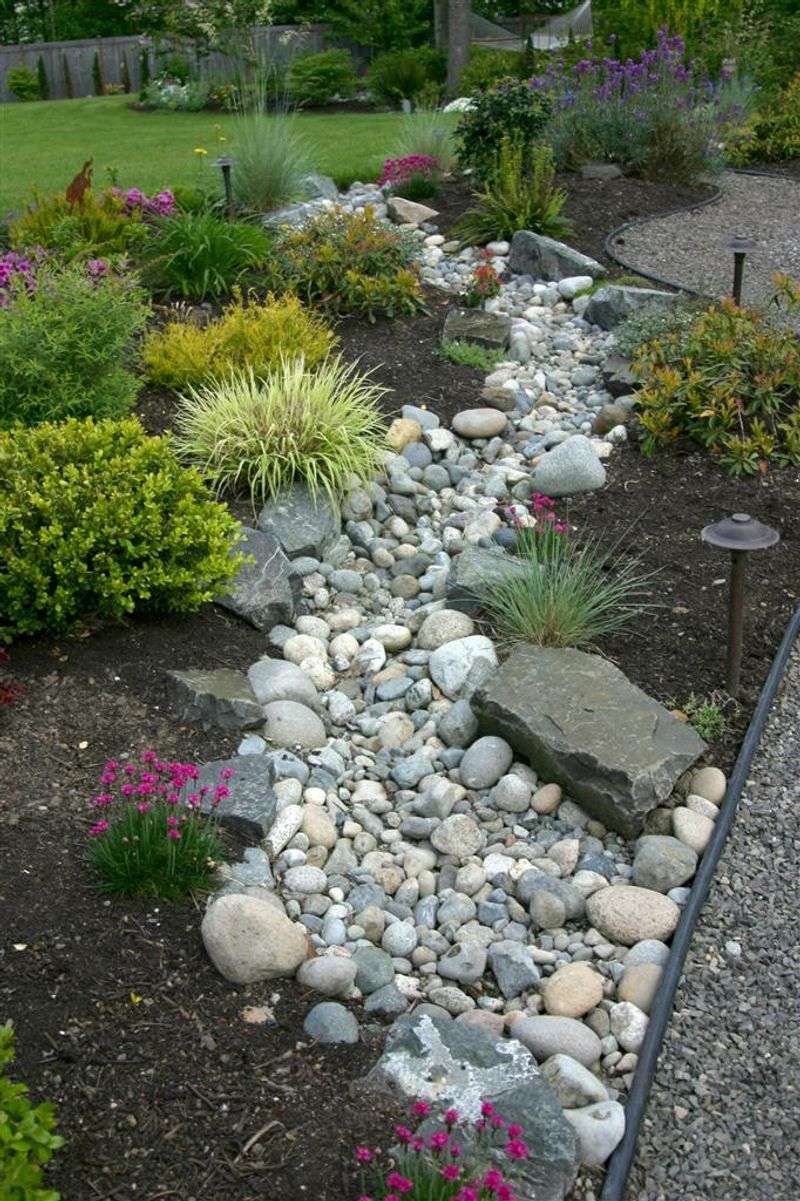
Dry riverbeds are an artistic way to guide rainwater runoff while enhancing the visual appeal of your landscape. By using decorative gravel to form “streams,” you create a natural-looking feature that directs water flow and prevents erosion. These riverbeds add texture and intrigue to your garden, mimicking the look of a dry creek bed. They are an excellent choice for areas prone to heavy rainfall, as they help manage water efficiently. Integrating a dry riverbed into your landscape offers both aesthetic and functional benefits, making it a smart choice for water-wise gardeners.
16. Terracing on Slopes
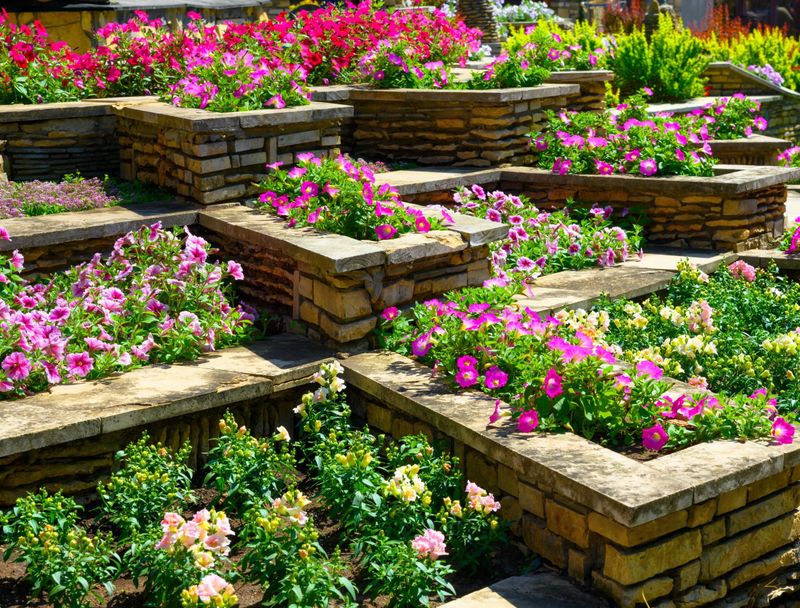
Terracing is a practical solution for managing slopes in your garden. By creating terraced planting beds, you prevent erosion and retain moisture, ensuring that plants receive the water they need. This technique enhances the usability of sloped areas, creating flat surfaces for planting and walking. Terraces add architectural interest to your landscape, turning challenging terrain into an attractive feature. Whether you’re growing vegetables or ornamental plants, terracing allows for efficient use of space and resources. Embrace this method to transform your sloped garden into a functional and water-efficient paradise.
17. Drought-Resistant Ground Covers
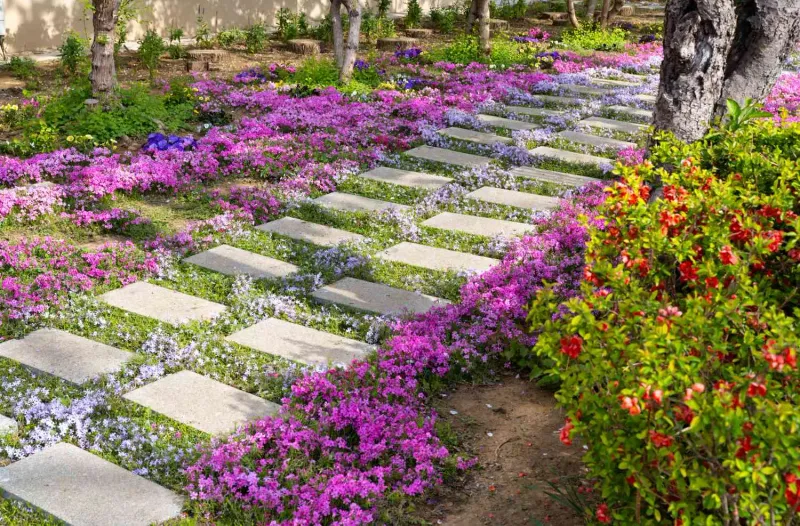
Drought-resistant ground covers offer an attractive and low-maintenance alternative to traditional grass lawns. Plants like creeping thyme, ice plant, and sedum thrive with minimal water, covering the ground with lush greenery. These ground covers are perfect for creating a vibrant carpet of color and texture while conserving water. They suppress weeds and reduce soil erosion, contributing to a healthy garden environment. By replacing grass with these resilient plants, you achieve a sustainable and visually appealing landscape. Embrace the beauty of drought-resistant ground covers to enhance your garden’s charm and efficiency.
18. Minimalist Desert Landscaping
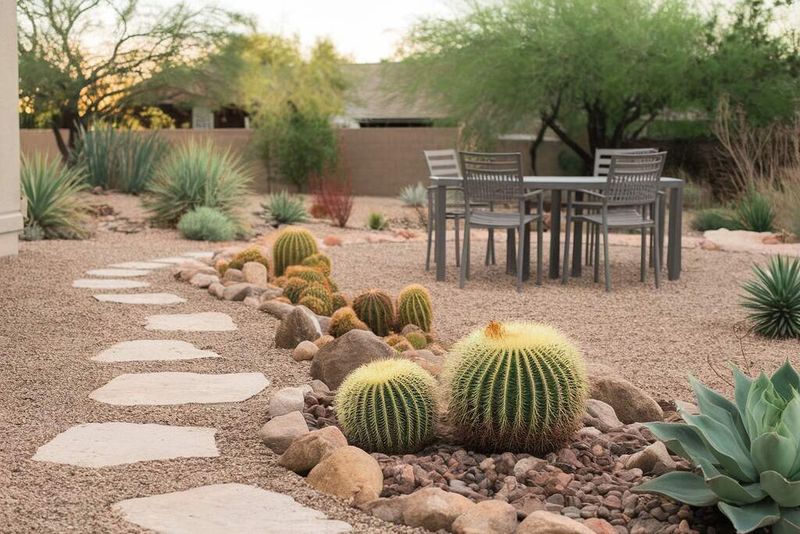
Minimalist desert landscaping emphasizes bold statement plants like Joshua trees or saguaros, set against open spaces. This approach highlights the natural beauty and ruggedness of desert environments. By focusing on a few striking elements, you create a clean and uncluttered landscape that requires minimal water. The simplicity of this design allows each plant to shine, showcasing its unique form and texture. Minimalist desert landscaping is perfect for those seeking a modern yet timeless aesthetic. It’s an ideal choice for water-conscious gardeners who appreciate the elegance of restraint and the power of nature’s raw beauty.
19. Self-Watering Planters
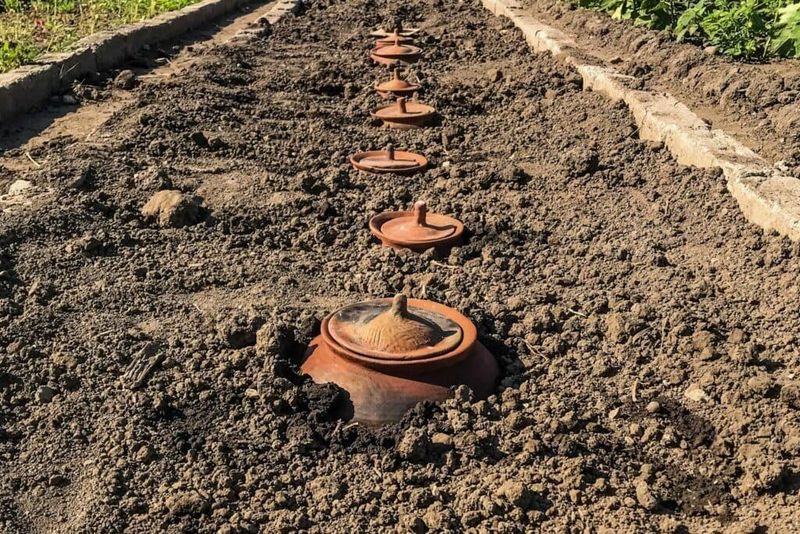
Self-watering planters provide a clever solution for maintaining plant hydration in dry climates. By using ollas, clay pots buried in the soil, you ensure a slow release of water directly to plant roots. This technique conserves water and minimizes evaporation, allowing plants to thrive with less effort. Self-watering planters are perfect for busy gardeners who want to maintain a lush garden without constant watering. They are versatile and can be used for various plant types, from vegetables to ornamental flowers. Enhance your gardening experience with this efficient and sustainable watering solution.
20. Solar-Powered Water Features
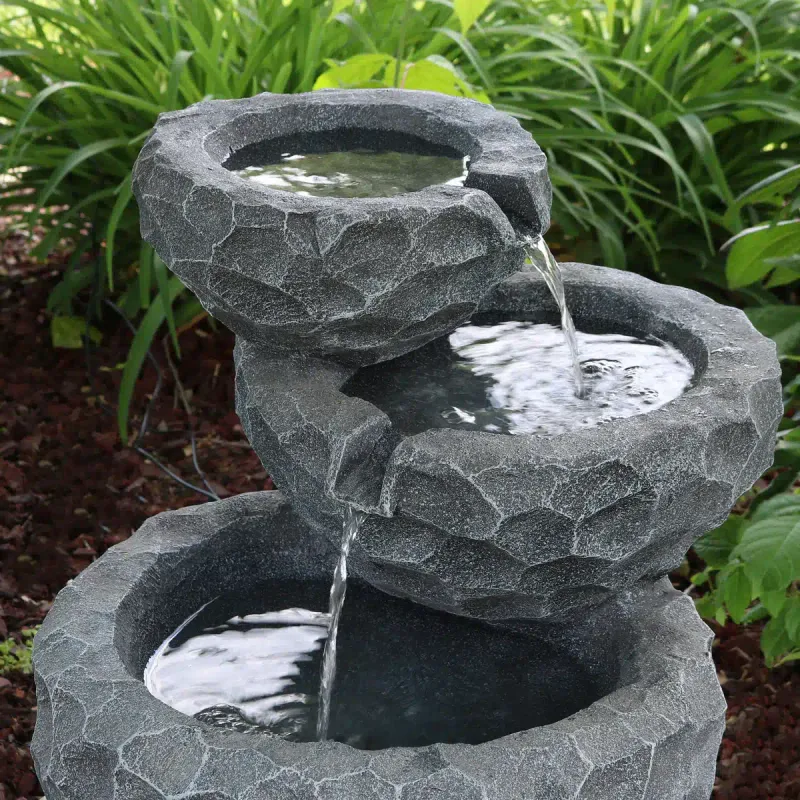
Solar-powered water features bring an element of tranquility to your garden without wasting water. A small recirculating fountain, powered by solar energy, creates a soothing ambiance while conserving resources. Surround it with drought-tolerant plants to enhance the natural beauty and efficiency of your landscape. These features add a unique focal point to your garden, attracting wildlife and providing a serene environment for relaxation. Solar-powered water features are an eco-friendly choice, combining the calming effects of flowing water with the practicality of sustainable design. Elevate your garden’s appeal with this innovative addition.