
Discover the art of plant propagation with these 10 straightforward methods. Whether you’re a seasoned gardener or a curious beginner, this guide will equip you with techniques to multiply your plant collection effortlessly. From stem cuttings to water propagation, explore various approaches tailored to different plant types. With practical steps and essential tips, you’ll master the skill of growing new plants from existing ones. Delve into the wonders of nature and watch your garden flourish as you propagate like a pro. Let’s explore these fascinating ways to expand your green haven!
1. 🌱 1. Stem Cuttings (Most Common Method)
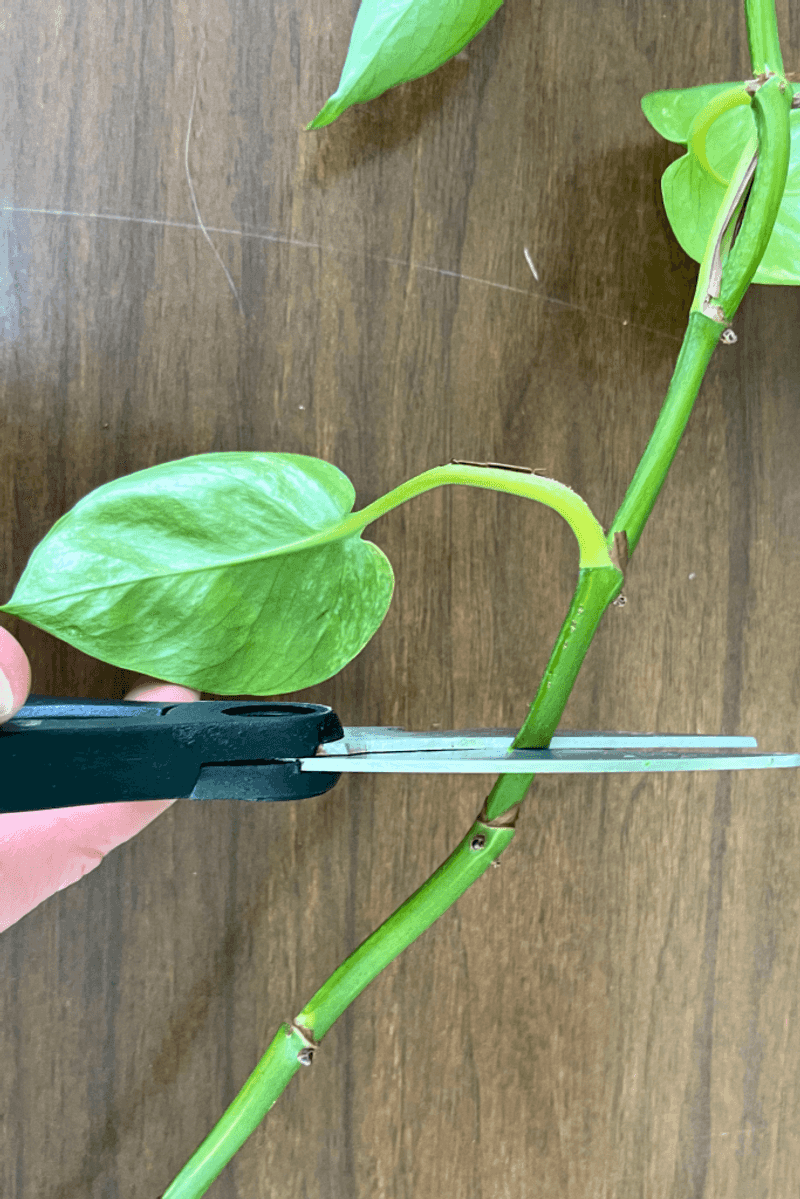
Stem cuttings are a popular way to propagate plants like pothos or mint. Begin by cutting a 4-6 inch stem just below a node. Ensure the shears are clean to prevent disease. Remove the lower leaves to expose the nodes. For enhanced root growth, dip the cut end in rooting hormone. Place the cutting in water or moist soil, ensuring that the nodes are submerged. Change water regularly if using the water method. Within weeks, roots should develop, signaling readiness for transplantation. This method suits many indoor plants, making it a gardener’s favorite.
2. 🍃 2. Leaf Cuttings (For Succulents & Begonias)
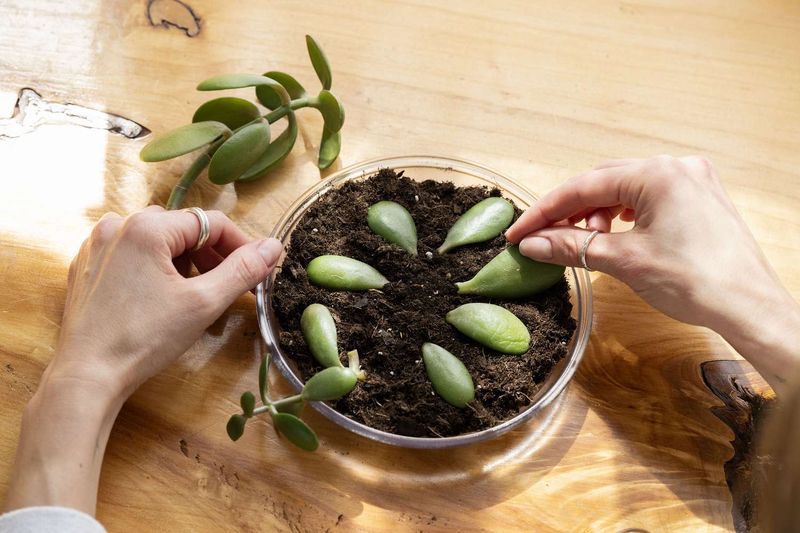
Leaf cuttings open the door to propagating succulents and begonias. Select a healthy leaf and, for succulents, use whole leaves. Allow the cut end to callus over for 1-3 days, a vital step to prevent rot. Once ready, gently place the leaf on moist soil or slightly bury its base to encourage rooting. The patience pays off as new roots and leaves emerge. This method is perfect for multiplying your collection of unique succulents or begonias. It’s a simple yet rewarding technique for those who appreciate the beauty of these plants.
3. 🌿 3. Division (For Clumping Plants)
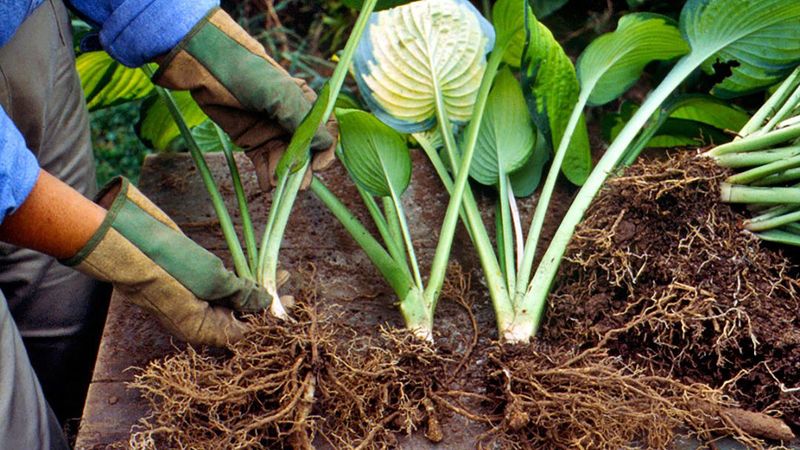
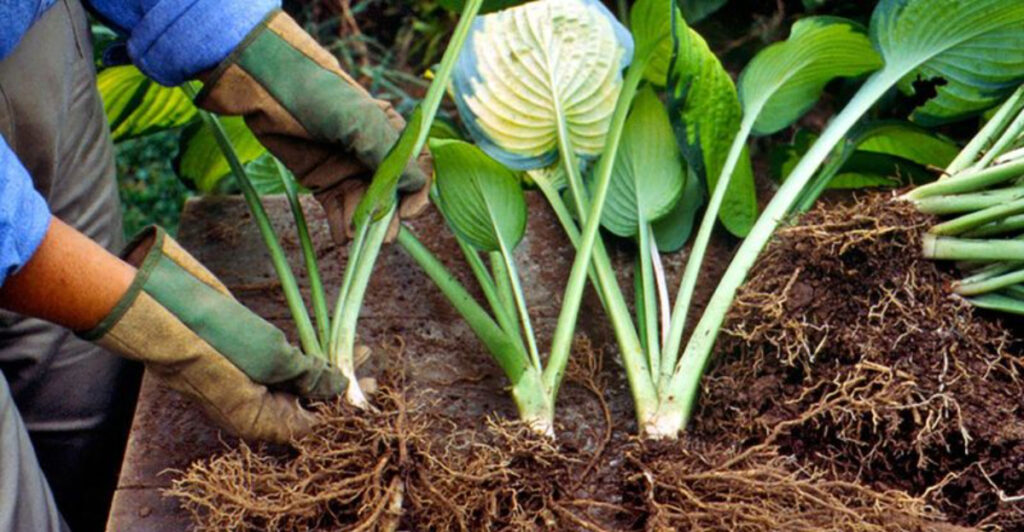
Division is ideal for clumping plants like hostas or daylilies. Begin by digging up the plant, taking care to keep the roots intact. Gently separate the roots into sections, ensuring each division has a healthy root system. Replant the divisions promptly, allowing them to establish in their new location. This method rejuvenates older plants and promotes vigorous growth. It’s a practical way to manage plant size and spread. Dividing your plants not only multiplies them but also enhances their overall health and appearance in your garden.
4. 🌾 4. Layering (For Flexible Stems)
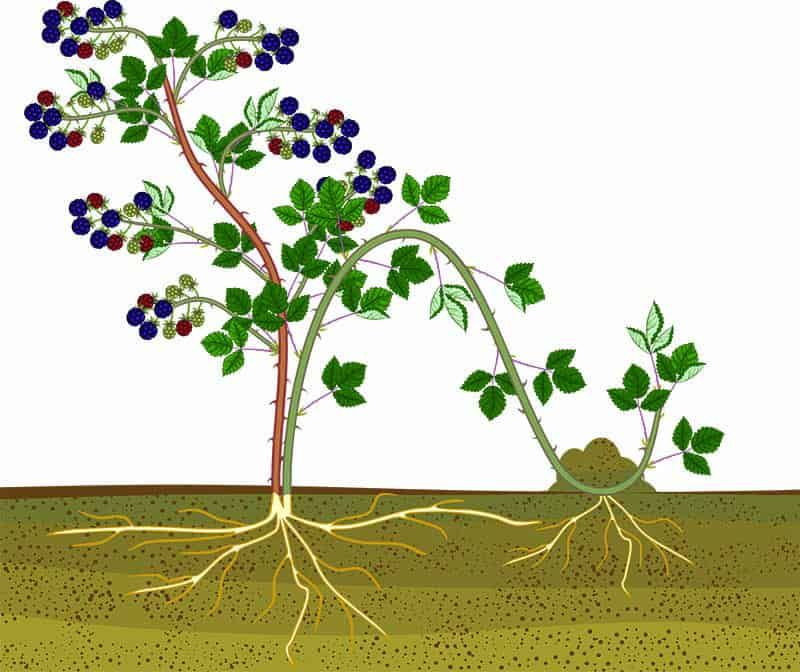
Layering offers a unique approach to propagating plants like strawberries or ivy. Start by bending a flexible, low-growing stem to the soil. Bury a section of the stem while keeping it attached to the parent plant. Secure it in place with a pin or stone. Over time, roots will form at the buried node. Once established, cut the new plant from the parent and transplant it. This method is straightforward and highly effective for plants with pliable stems. It’s a natural way to create new plants that are clones of the original.
5. 🌷 5. Root Cuttings (For Perennials & Shrubs)
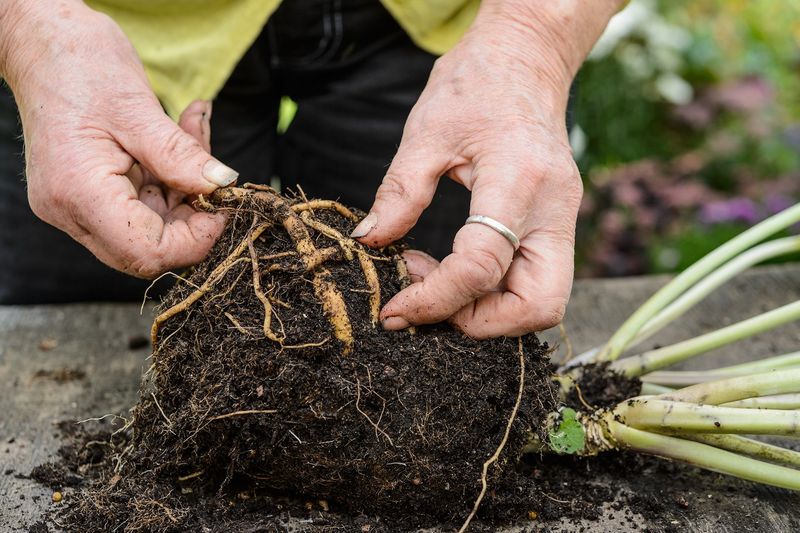
Root cuttings are perfect for propagating perennials or shrubs like raspberries. Select a thick, healthy root and cut into 2-3 inch pieces. Plant the cuttings horizontally in a pot or directly in the garden. Keep the soil consistently moist to encourage root growth. With time, new shoots will emerge from the buried roots. This method rejuvenates older shrubs and ensures your garden remains lush and productive. Root cuttings provide an efficient way to propagate hard-to-grow plants and maintain a thriving garden ecosystem.
6. 🍓 6. Runners (For Strawberries & Spider Plants)
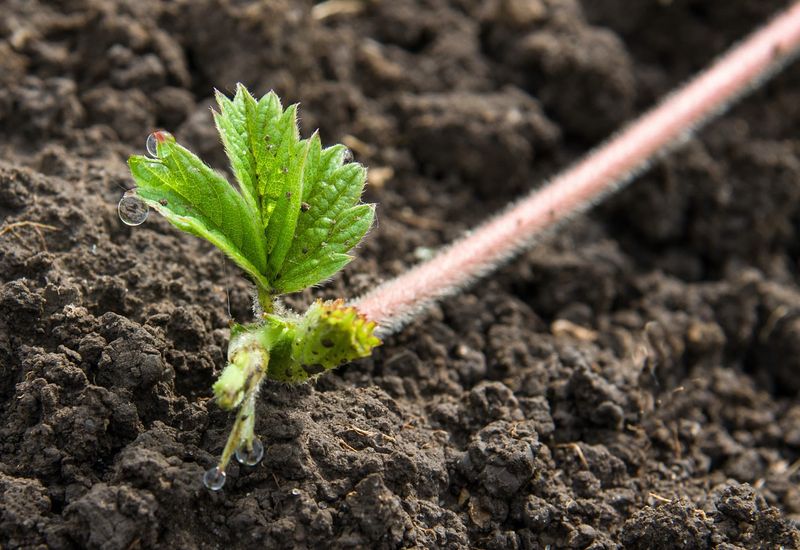
Runners are nature’s way of expanding plant colonies. Strawberries and spider plants use this method efficiently. Allow the baby plant, or offset, to grow on a runner. Once roots have developed, sever the connection to the parent plant and replant the offset. This process is seamless and mimics the plant’s natural propagation strategy. It’s an excellent way to quickly increase your stock of plants with minimal effort. Watching runners take root provides a satisfying connection to the plant’s lifecycle and its ongoing renewal in nature.
7. 🌵 7. Offsets/Pups (For Succulents & Bromeliads)
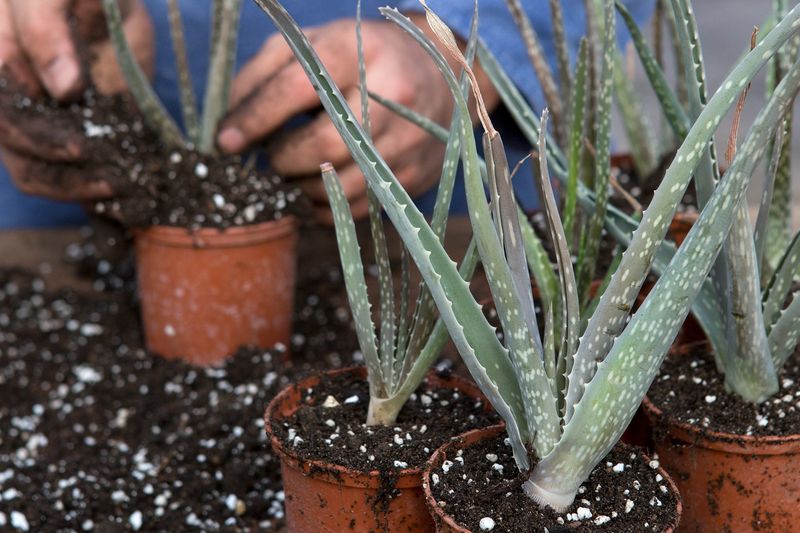
Offsets, or pups, are small offshoots that grow at the base of certain plants like aloe or bromeliads. Carefully remove these offsets from the mother plant, ensuring minimal damage. For succulents, let the offset dry for a few days before planting. This drying period helps prevent rot. Plant the offset in soil and water sparingly until roots establish. This method capitalizes on the natural growth habits of these plants, allowing you to expand your collection with ease. It’s an engaging way to experiment with plant propagation.
8. 🌻 8. Seeds (For Annuals & Vegetables)
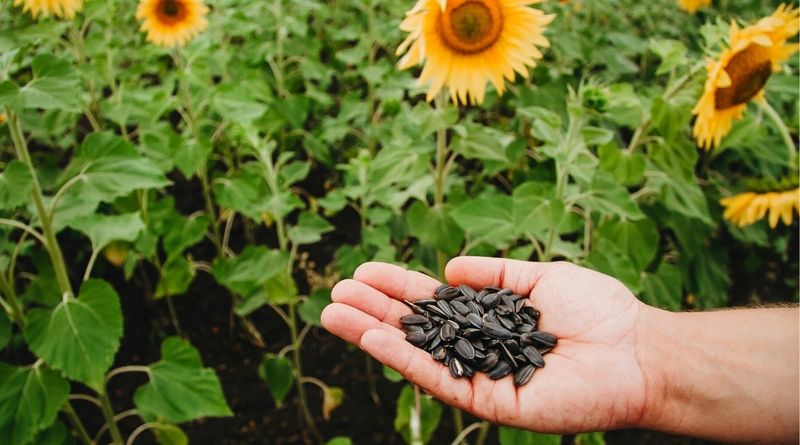
Propagating from seeds is a classic method suitable for annuals and vegetables like sunflowers or tomatoes. Collect seeds from mature plants and prepare them for sowing. Plant the seeds in well-prepared soil and maintain moisture to support germination. This method connects you to the full growth cycle of the plant, from seed to mature bloom. It’s an educational and rewarding process, ideal for gardeners who enjoy starting from scratch. With each seed comes the potential for a new, thriving plant, making this method timeless and fulfilling.
9. 🌳 9. Air Layering (For Woody Plants)
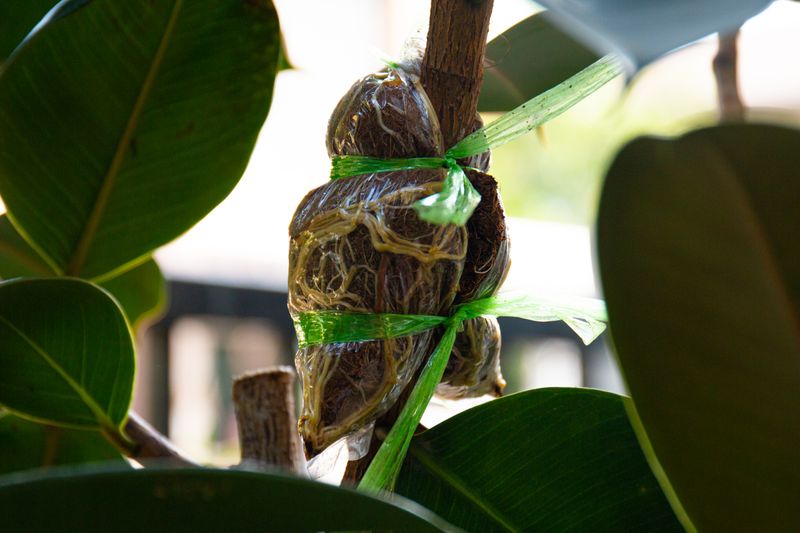
Air layering is a fascinating way to propagate woody plants like fiddle leaf figs or rubber plants. Make a small cut in the branch and wrap it with moist moss. Secure the moss with plastic wrap to maintain humidity. Roots will eventually form within this enclosed space. Once robust, sever and plant the new growth. This technique allows for the propagation of larger plants and enhances your gardening prowess. It’s a method that combines patience with excitement, as you witness the transformation of a branch into a standalone plant.
10. 💧 10. Water Propagation (For Fast Rooting)
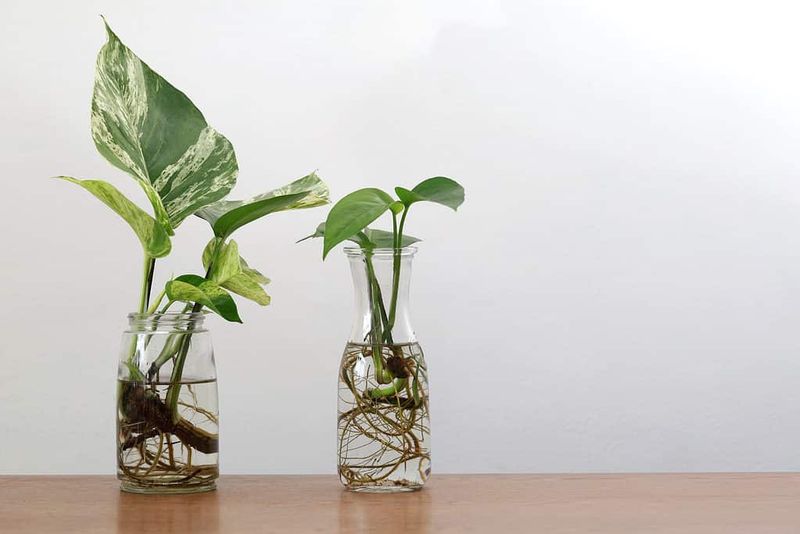
Water propagation is a quick and fascinating way to propagate plants like pothos or philodendron. Place cuttings in clean water and change it weekly to prevent stagnation. Watch as roots begin to form, usually within weeks. Once roots are 1-2 inches long, transplant the cutting into soil to continue its growth journey. This method is accessible and visually rewarding, as you can observe the root development. It’s an excellent choice for beginners looking to start their propagation adventure with a method that’s both simple and effective.