
Have you ever looked up at a tree in your backyard and spotted a strange ball of leaves? Many people mistake these mysterious clusters for bird nests, but they’re often something else entirely. This blog post will explore these leaf balls and reveal what they might actually be.
1. Mistletoe Growth
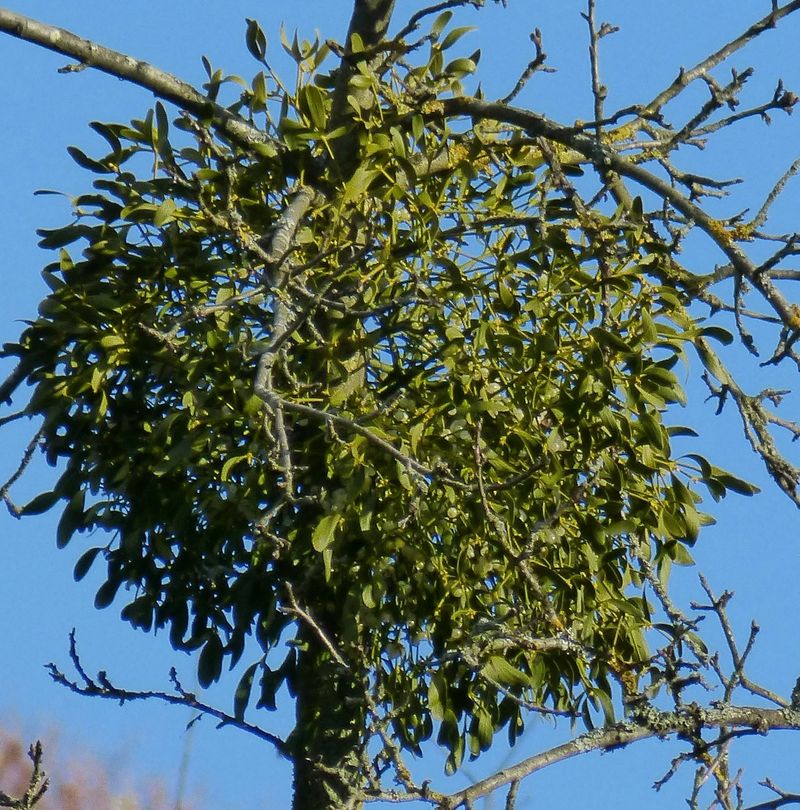
Perched high in trees, mistletoe is a sight to behold. Its dense clusters of green leaves and white berries make it look like a cleverly crafted bird nest from afar. Yet, mistletoe is actually a semi-parasitic plant, thriving by attaching itself to host trees.
Fascinatingly, mistletoe spreads through bird droppings, as birds eat the berries and deposit seeds on branches. Historically, mistletoe has been revered for its supposed magical properties, even celebrated in ancient druidic rituals.
Next time you see a leafy ball, consider the mystical mistletoe before assuming a nest.
2. Squirrel Dreys
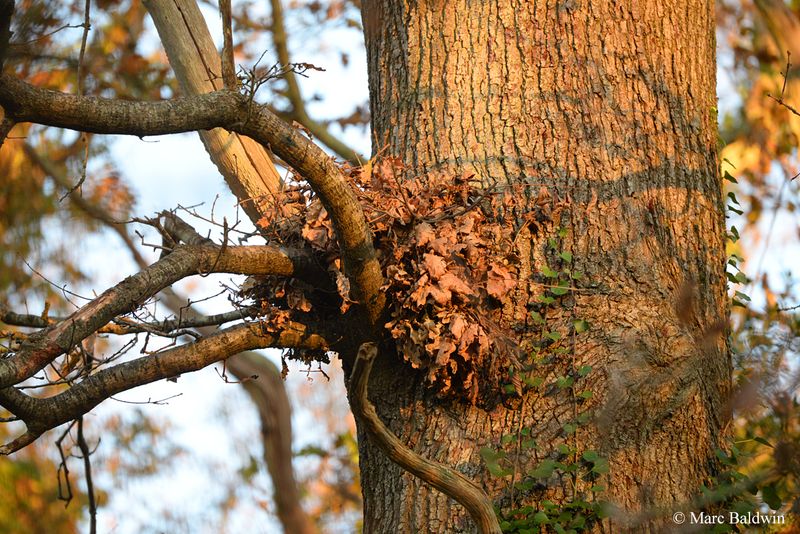
A drey is a squirrel’s home, crafted with care and precision. Made from twigs and leaves, it provides a warm sanctuary for its builder. Unlike a bird nest, a drey is more robust and spherical, often tucked securely in the tree’s fork.
The industrious squirrel designs its drey to withstand elements and predators alike. During cold months, these cozy havens become vital for survival.
While a drey might resemble a nest, its solid structure speaks of the squirrel’s ingenuity and need for refuge.
3. Wasp Nests
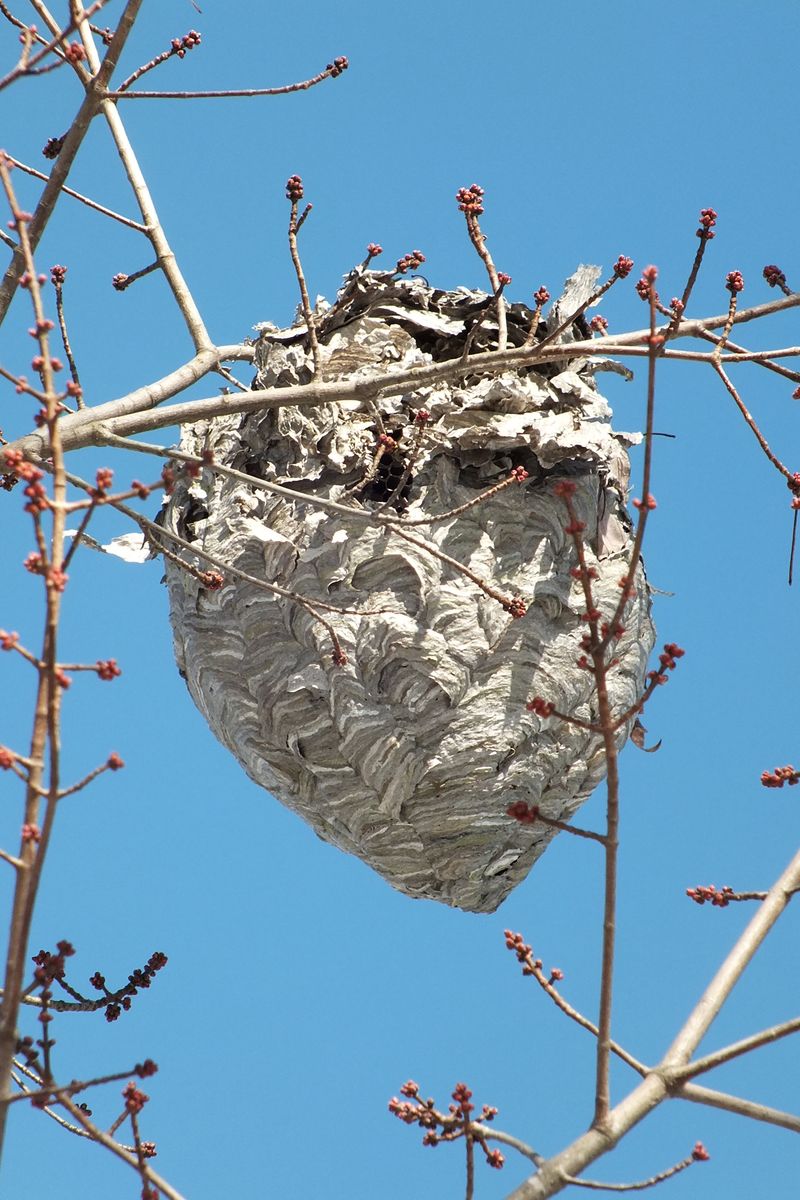
With their tiered, papery design, wasp nests can mimic the appearance of a bird nest. However, these structures house an entirely different tenant. Crafted from chewed wood and saliva, they are engineering marvels in their own right.
Wasp nests often hang from tree branches or eaves, buzzing with activity as workers come and go. Though they may seem menacing, wasps are crucial for pest control and pollination.
Next time you spot a leaf-clad ball, beware of the buzzing inhabitants that may lurk inside.
4. Ball Moss Clusters
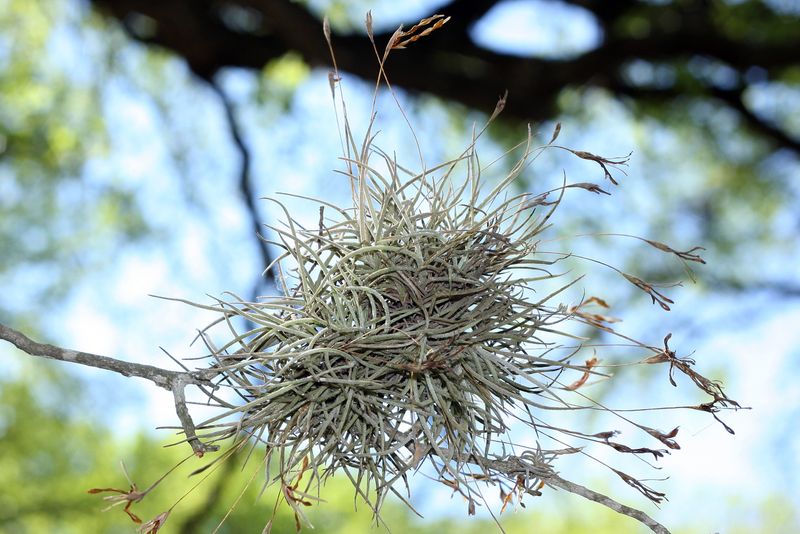
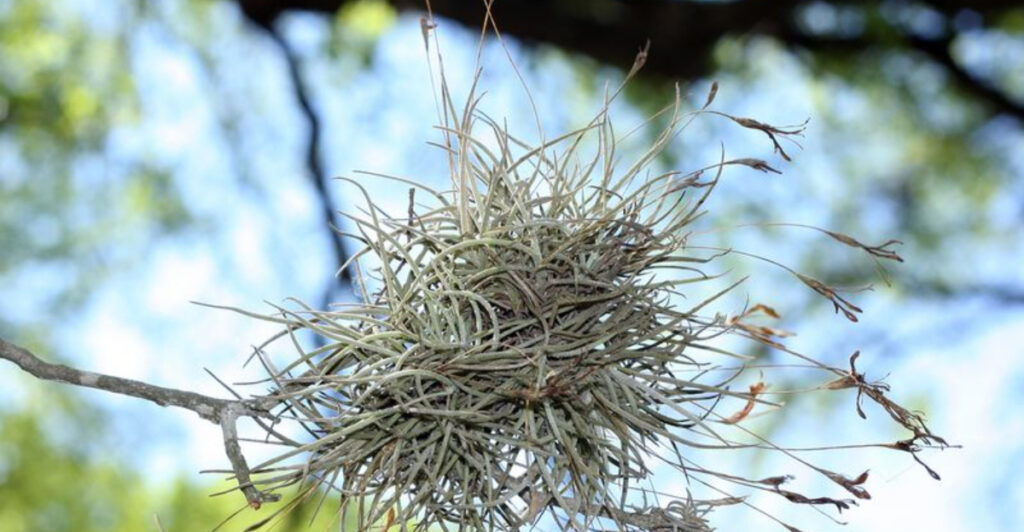
Ball moss, though not a moss, forms unique gray-green tufts on trees. Resembling pom-poms, these epiphytes latch onto branches without harming their host. Unlike parasitic plants, ball moss derives nutrients from air and rainfall.
Thriving in humid climates, they add character to trees with their whimsical appearance. Historically, they were thought to indicate a tree’s demise, but that’s a myth.
When you encounter these fluffy balls, appreciate the ecological role and beauty they bring to their environment.
5. Galls from Insects
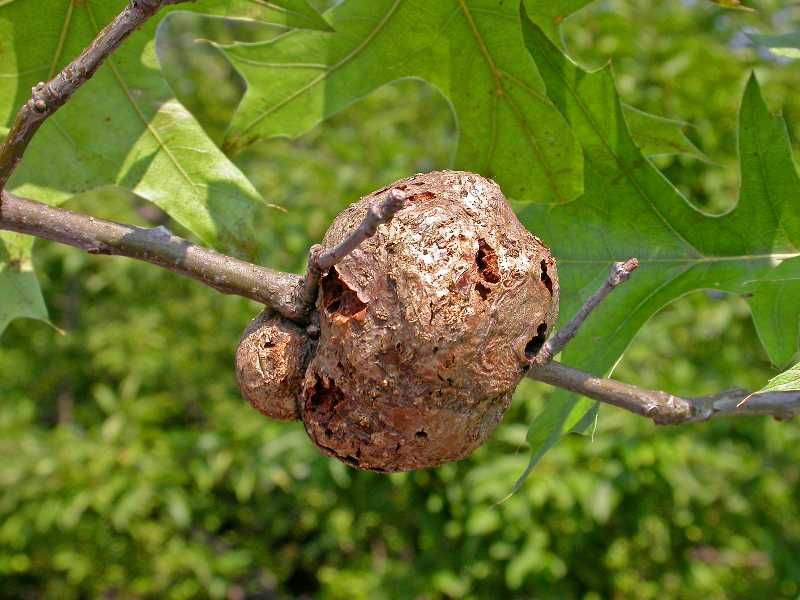
Tree galls, bulbous growths on branches, are often mistaken for nests. These fascinating formations result from insects laying eggs in tree tissue. As larvae develop, the plant swells around them, creating protective shelters.
Galls vary in size, color, and texture, depending on the insect involved. While they may appear harmful, most galls don’t damage trees significantly.
Next time you see a suspicious ball of leaves, it might just be nature’s nursery for a new generation of insects.
6. Fungal Growth Clusters
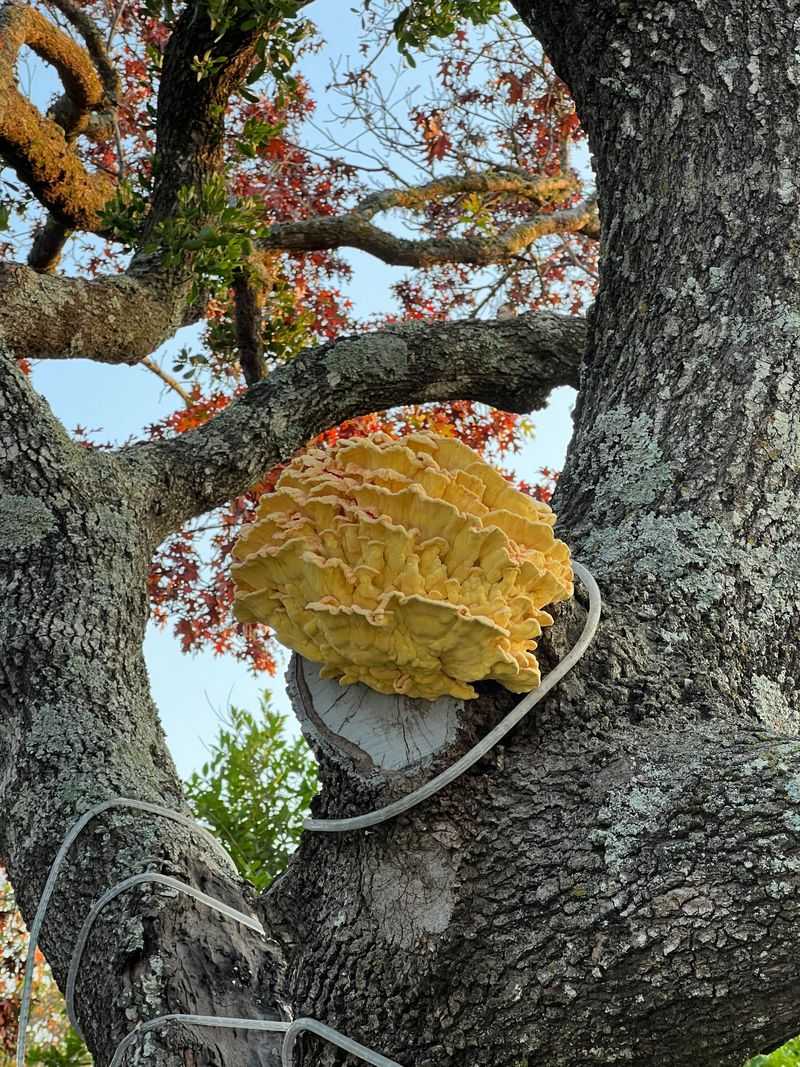
Fungi in trees can be mysterious architects, creating clusters that mimic bird nests. These formations, often hidden beneath foliage, emerge from decayed wood. Fungi play an essential role in ecosystem health by recycling nutrients.
Although they might appear unsightly, these clusters signify a thriving ecosystem. Their presence may indicate tree health issues, requiring attention from arborists.
Inquisitive observers can spot these fascinating structures during damp seasons when moisture fosters growth. Embark on a captivating exploration of nature’s ingenuity. Keep an eye out for fungal clusters on your next nature walk or backyard adventure.
7. Lichen Colonies
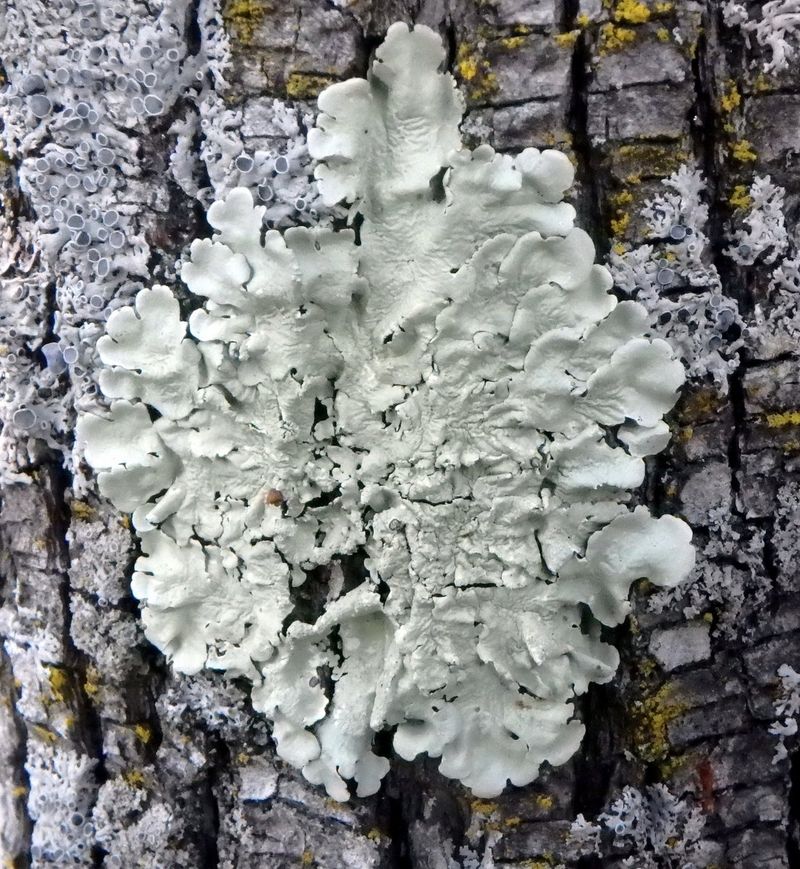
Lichens, often mistaken for nests, are intriguing symbiotic organisms. Comprising fungi and algae, they thrive on tree surfaces. These colorful colonies emerge in diverse shapes and hues.
Lichen survival depends on air quality, as they absorb nutrients from the atmosphere. Thus, their presence indicates a healthy environment. Lichens can live for decades, showcasing resilience and adaptability.
Admire these natural wonders and appreciate their ecological significance. Next time you spot a suspected nest, consider the possibility of a lichen colony gracing your tree with its presence.
8. Bird-Poop Fungus
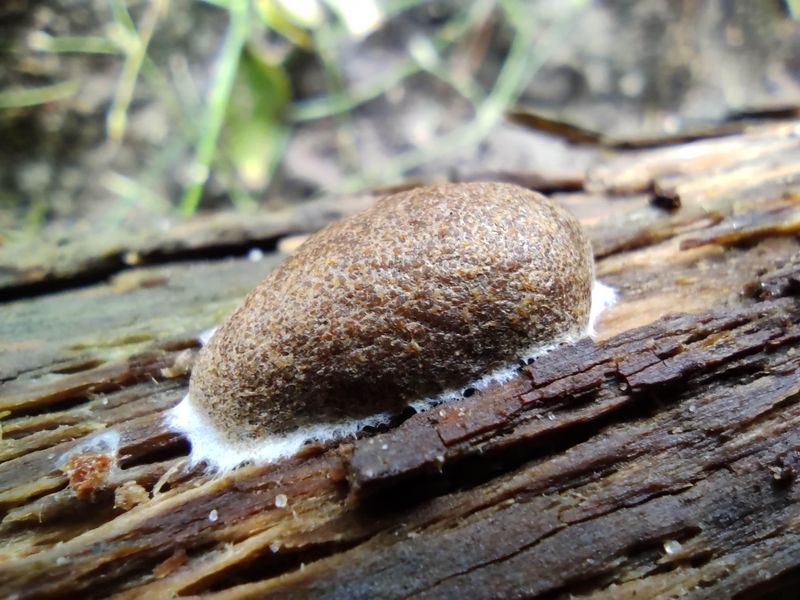
The bizarre bird-poop fungus mimics the appearance of avian droppings. This cunning disguise deters potential predators, ensuring its survival. It thrives on organic matter, particularly in shaded areas.
Bird-poop fungus is a testament to nature’s creativity and adaptability. These peculiar formations can be found on tree branches, adding an unexpected element to your garden’s ecosystem.
Embrace the quirky charm of this fungus, and consider it a reminder of nature’s endless surprises. Look closely at your trees, and you might spot this unusual growth.
9. Fallen Leaf Nests
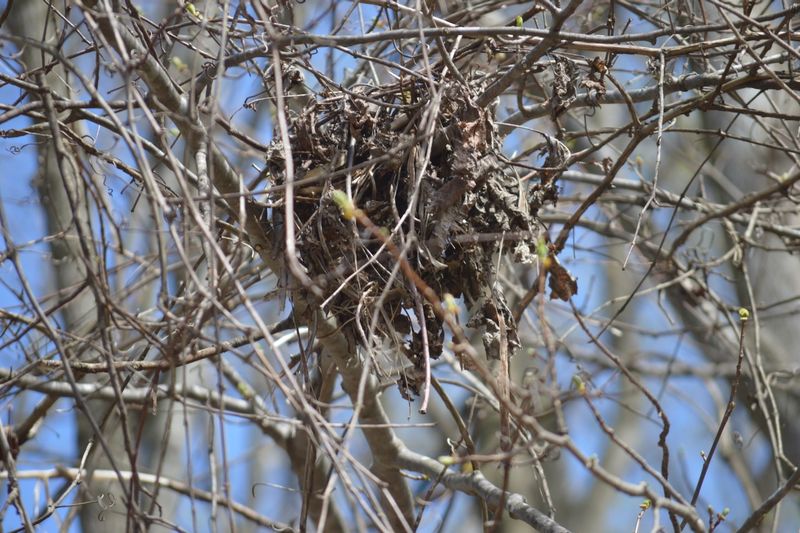
What appears to be a nest might be an artful assembly of fallen leaves. Strong winds and gravity collaborate to create nest-like structures on tree branches.
These temporary formations hold a seasonal allure, showcasing nature’s handiwork. They serve no biological purpose but capture attention with their intricate beauty.
Take a moment to appreciate these leaf nests as you stroll through the forest or your backyard. Their ephemeral charm adds to the ever-changing landscape of nature.
10. Bacterial Slime Spots
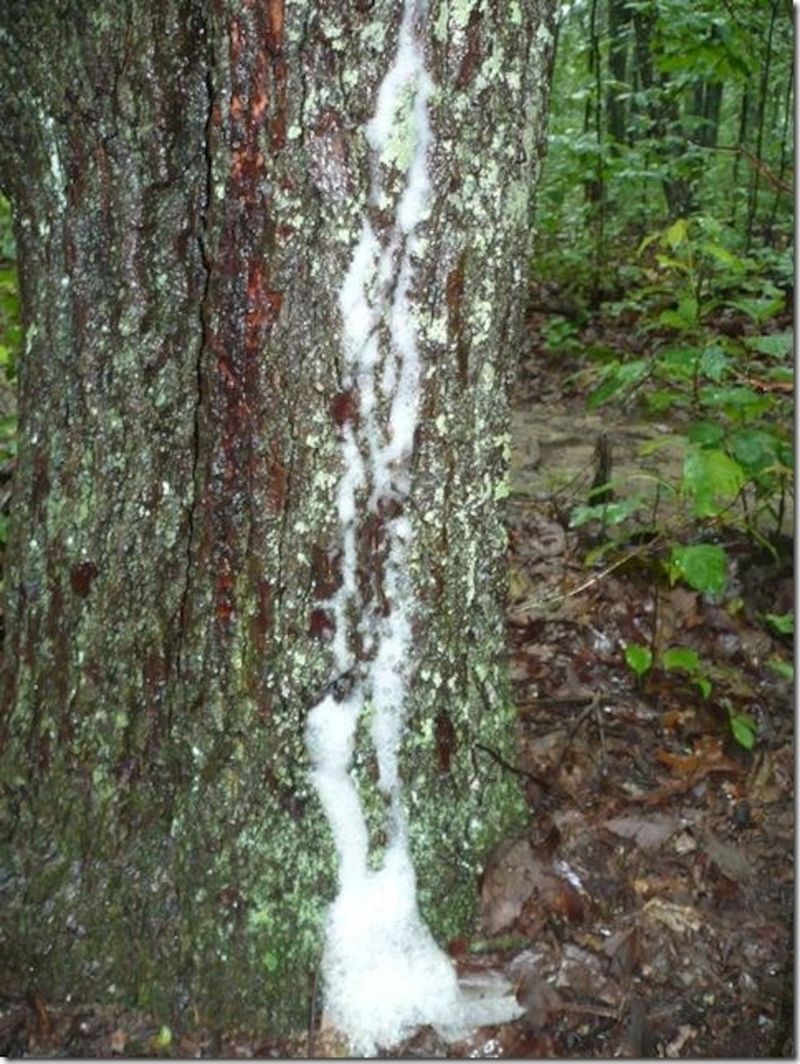
Bacterial slime spots can create an illusion of nests on trees. These glossy, colorful patches result from bacterial activity breaking down organic matter.
Their presence may indicate underlying health issues in the tree, requiring further investigation. While seemingly unattractive, slime spots are part of nature’s complex web.
Observing these spots can offer insights into tree health and ecosystem dynamics. Keep an eye out for these intriguing formations that contribute to nature’s ever-evolving tapestry.
11. Spider Web Clusters
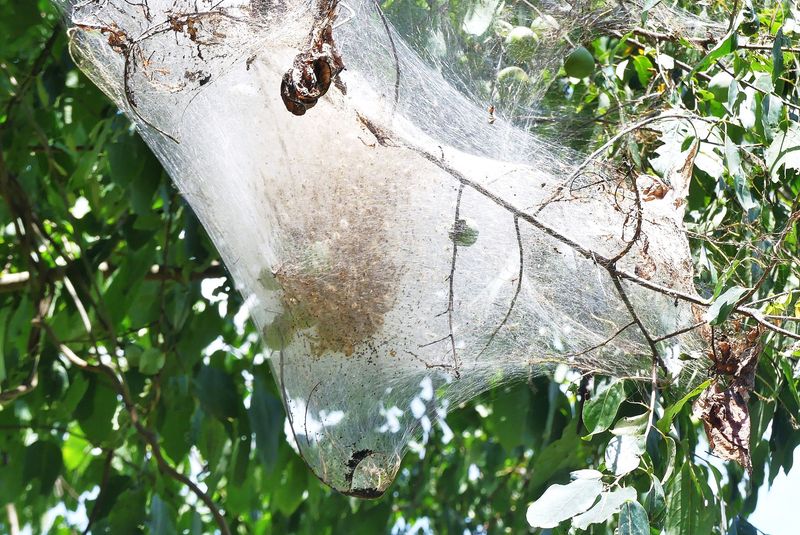
Spider webs, glistening with morning dew, can mimic nests in trees. These intricate structures showcase spiders’ architectural prowess, catching both prey and observers’ eyes.
Web clusters often adorn trees during warm seasons, providing shelter and food for spiders. Their delicate beauty serves as a reminder of nature’s artistry.
Venture outdoors and witness these captivating formations, celebrating the skill and elegance of spiders. Appreciate their role in maintaining ecological balance through pest control.
12. Leafy Burl Formations
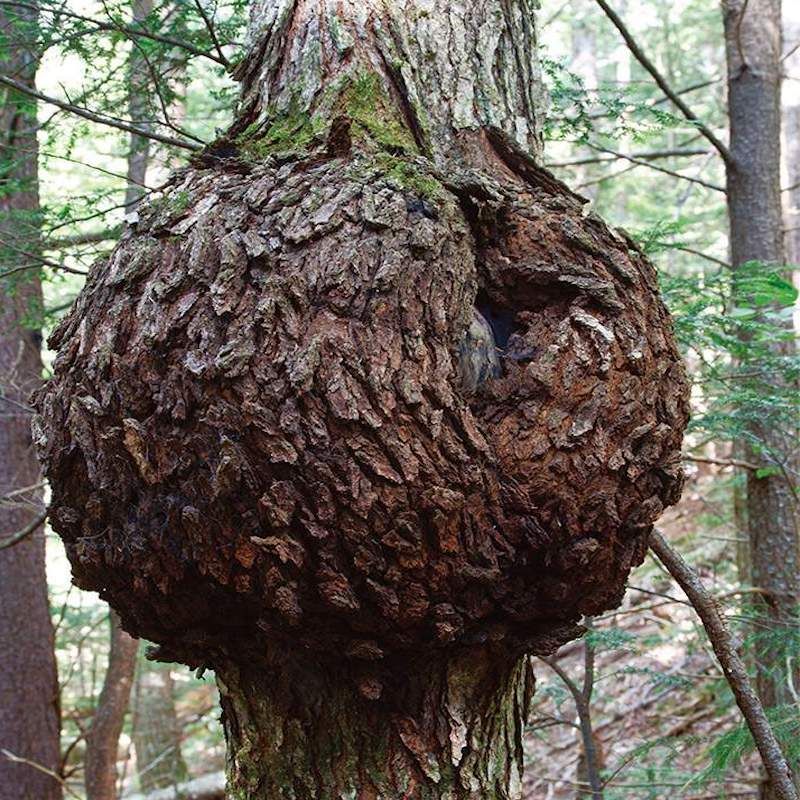
Burls are unusual tree growths that can resemble nests. These woody lumps arise from stress or injury, sometimes sprouting leaves. Burls have unique textures and patterns.
Their presence adds character to trees, often becoming focal points for nature enthusiasts. Artists and woodworkers prize burls for their intricate grain patterns.
Next time you spot a burl, ponder its history and beauty. Explore the diversity of life forms that trees can harbor, beyond the typical bird nest expectations.
13. Tree Bark Curls
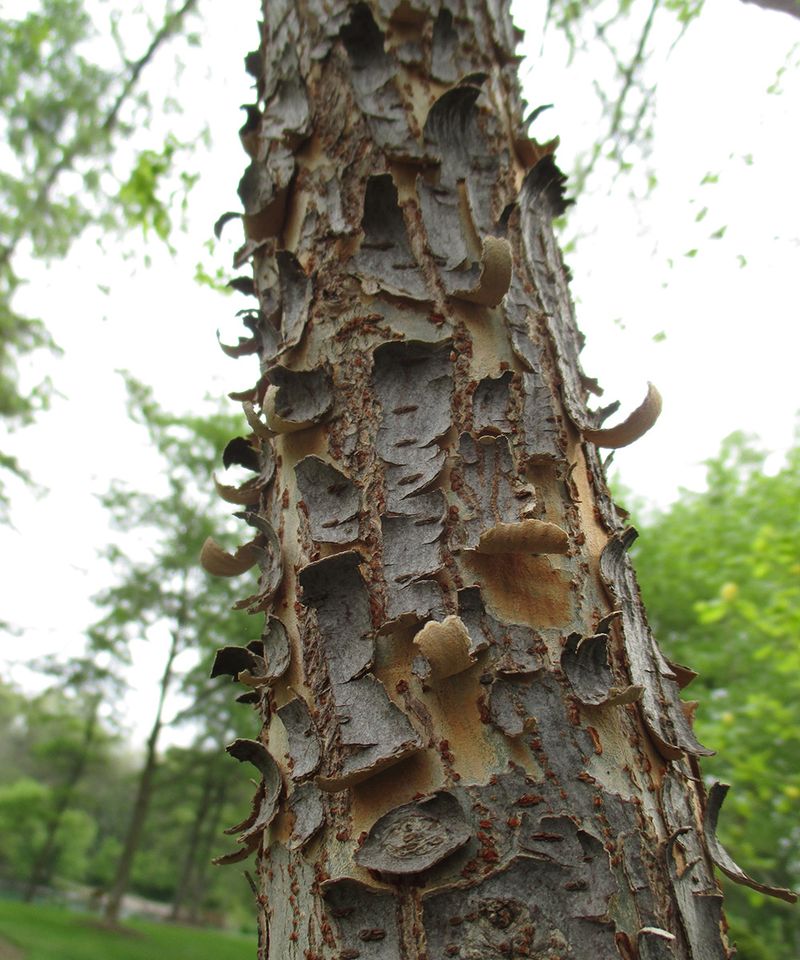
Curled tree bark can create mysterious shapes reminiscent of nests. These curls result from natural peeling or environmental factors affecting tree growth.
They add visual interest to trees, offering a glimpse into the tree’s resilience and adaptability. Bark curls can provide microhabitats for small creatures seeking shelter.
Inspect the bark of trees in your vicinity, and you may discover these captivating formations. Celebrate the beauty and diversity that emerge from nature’s processes.
14. Nesting Materials Cache
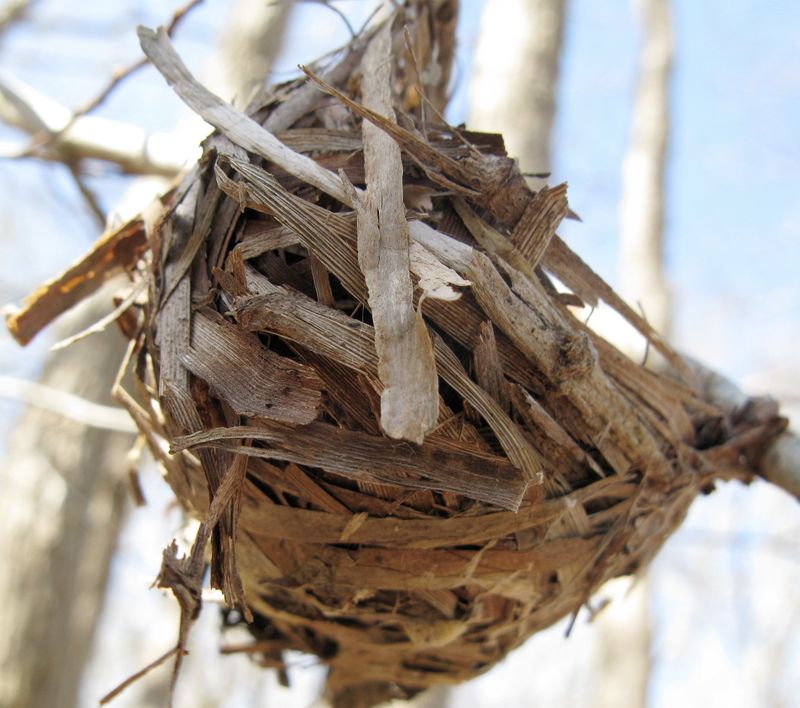
A cache of nesting materials might be mistaken for a bird nest. Birds often gather supplies for future use, stashing them in tree crevices. These caches reflect birds’ resourcefulness and planning.
Though not an actual nest, these collections reveal the ingenuity of avian life. Observing such caches can provide insights into bird behavior and survival strategies.
Tune your senses to detect these hidden treasures during your outdoor explorations. Appreciate the clever ways birds prepare for nesting season.
15. Tree Cavities
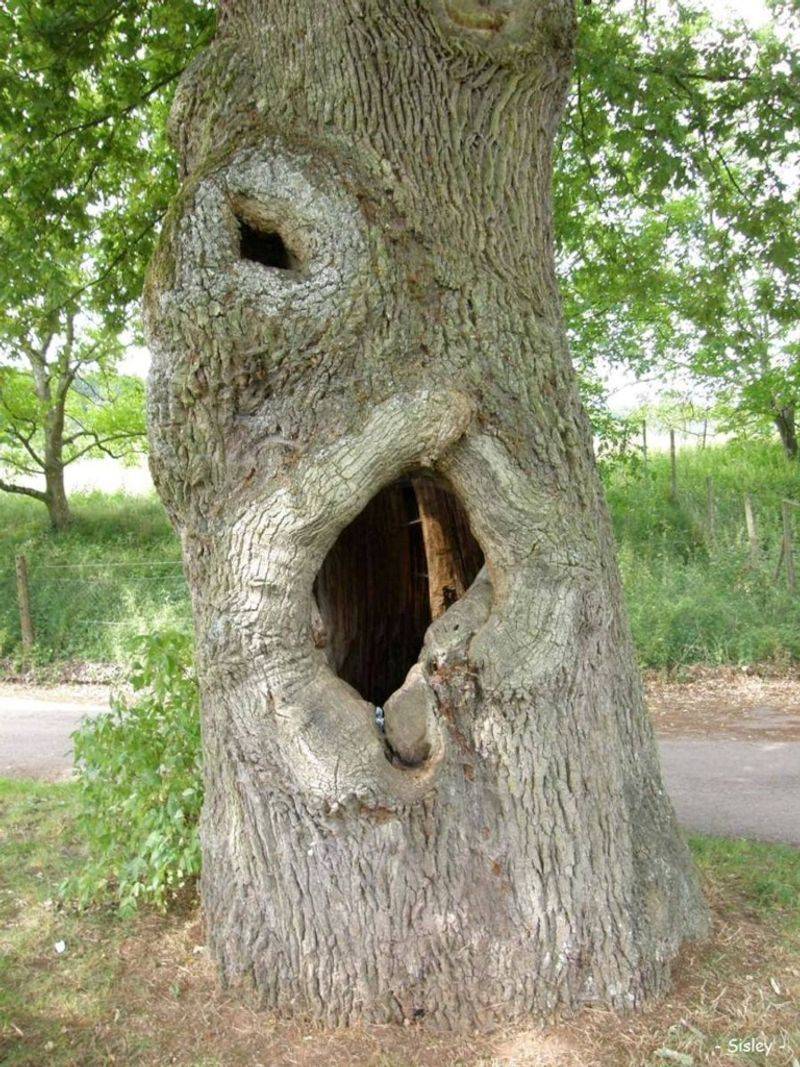
Natural tree cavities can resemble nests when filled with leaves and debris. These hollows provide shelter for various creatures, from birds to mammals.
Cavities result from decay, weathering, or damage, creating opportunities for life to flourish. They serve as nature’s apartments, hosting diverse tenants.
Explore these intriguing tree features and reflect on their ecological importance. Embrace the complexity of life thriving in unexpected places.