 Complete Gardening
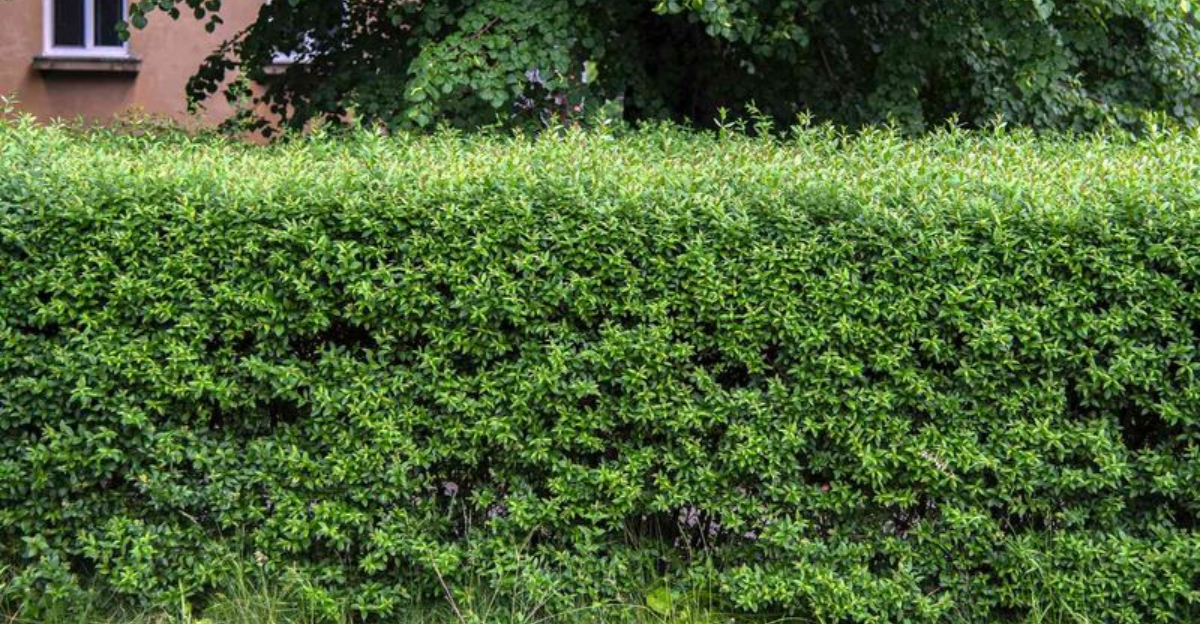
Selecting the right plants for your front yard can make a striking difference in curb appeal. Some plants, though attractive on their own, may lower the overall appearance of your home, while others can enhance it significantly. Here’s a look at eight plants that might detract from your home’s charm and eight that can add instant appeal.
1. Boxwood
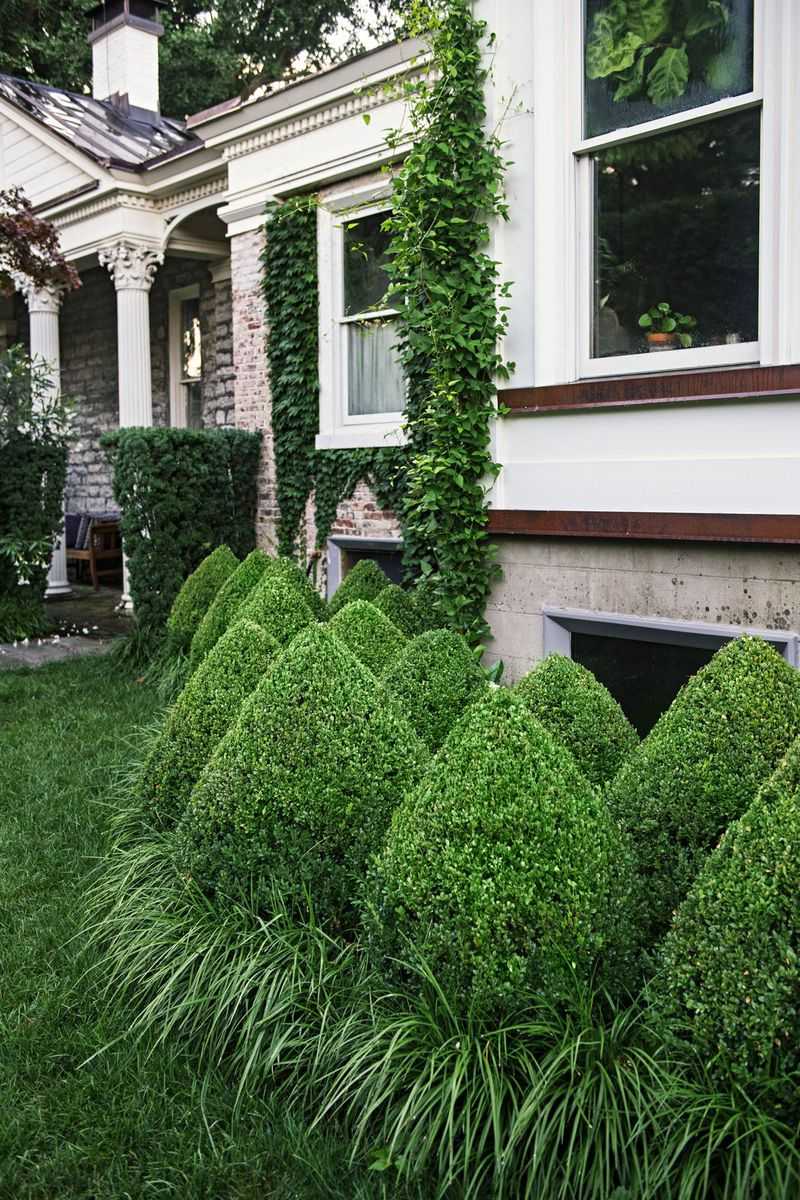
Boxwoods, with their dense and evergreen foliage, are a classic choice for many homeowners. Yet, when planted excessively, they can make a yard look overly formal and unwelcoming.
Their tight, compact growth may require frequent trimming to maintain shape. Unfortunately, boxwoods are also prone to winter burn and pest issues.
Consider mixing them with other textures and colors to soften the appearance. They’re best used as part of a diverse landscape rather than a sole feature. Their timeless charm should be balanced with other plant varieties.
2. Spirea
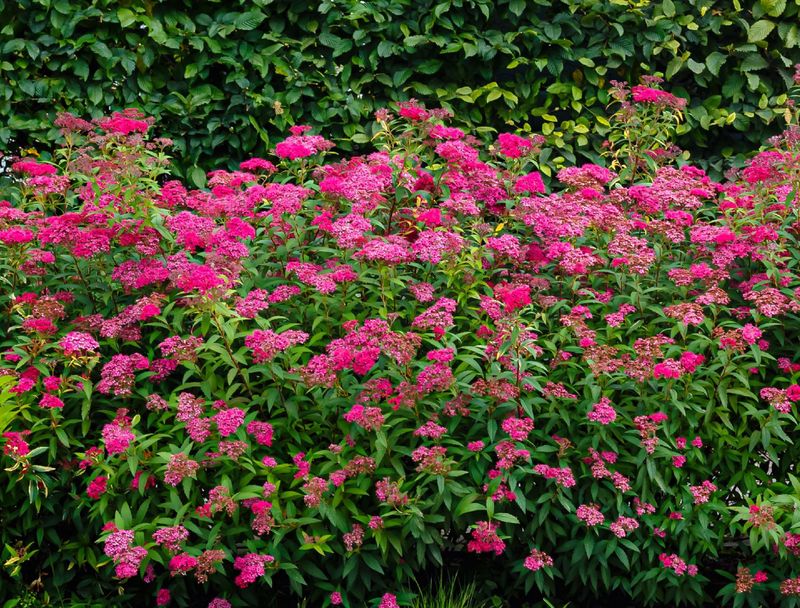
Spirea adds a delicate touch to any garden with its airy blooms and vibrant colors. Despite its beauty, spirea can spread rapidly, often encroaching on other plants.
The unruly growth may require regular pruning to keep it in check, making it less ideal for those seeking low-maintenance options.
Diseases and pests can also affect its health, despite its resilience. Pairing spirea with more structured plants can help create an appealing balance. Its whimsical look is best suited for gardens that embrace a natural, informal style.
3. Yew
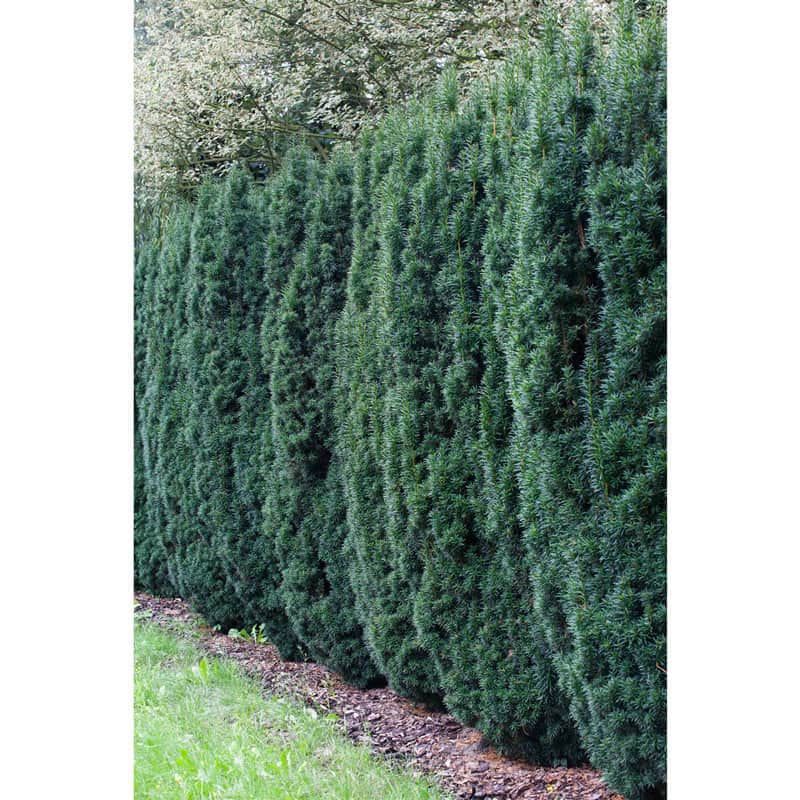
Yews, with their dark green needles, are often used for hedges and foundation plantings. While they provide excellent privacy, their somber color and dense growth can make a space feel heavy.
These evergreen plants require regular shaping to prevent them from becoming overgrown and wild.
Additionally, yews are toxic to pets and humans, adding a layer of caution for families. Mixing yews with flowering shrubs can lighten their appearance. Their elegance is best appreciated when used sparingly.
4. Juniper
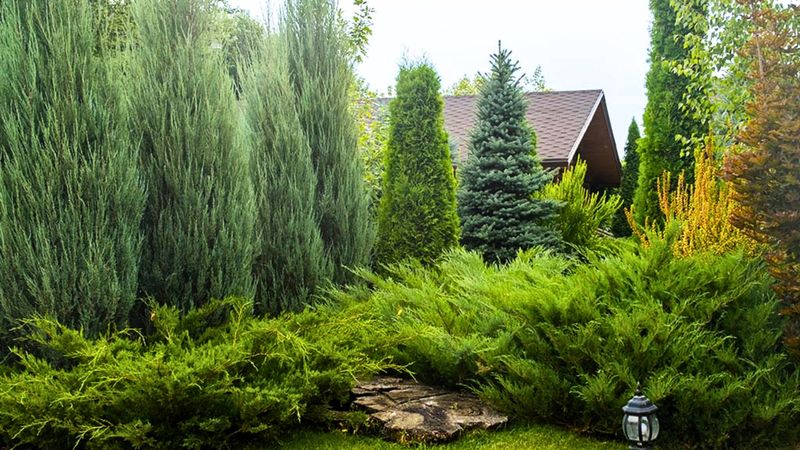
Junipers are favored for their hardiness and low maintenance. However, their spreading habit can lead to an untidy appearance.
These plants are often prickly to the touch, making them less inviting for spaces where people gather. They can also dominate a landscape, overshadowing other plants.
Junipers may best serve as ground cover in limited areas. Their bold presence is more fitting in a rugged or naturalistic garden setting, rather than formal yards.
5. Privet
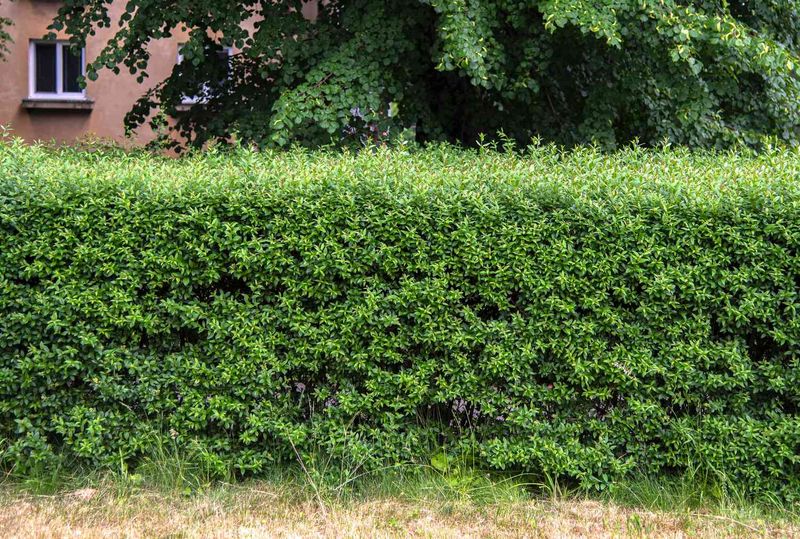
Privet is often used to create traditional hedges due to its dense growth. While effective as a privacy screen, privet can become invasive, spreading aggressively into unwanted areas.
Regular pruning is necessary to keep it from becoming unruly and taking over the landscape. Its plain appearance may not contribute much to visual interest.
Incorporating plants with variegated leaves or colorful blooms can enhance its appeal. Privet is best utilized in moderation, ensuring it complements rather than dominates the garden.
6. English Ivy
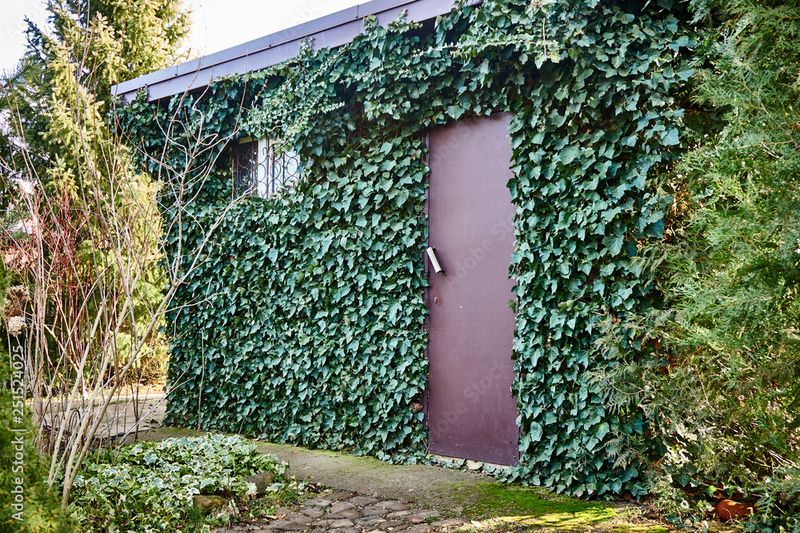
English ivy is known for its ability to climb and cover surfaces quickly. While it can create a lush backdrop, it often grows out of control.
This vigorous growth can damage structures and overshadow delicate plants. English ivy requires constant maintenance to prevent it from becoming overwhelming.
Consider using it as an accent plant rather than a primary feature. Its classic appeal is best harnessed with careful management.
7. Nandina
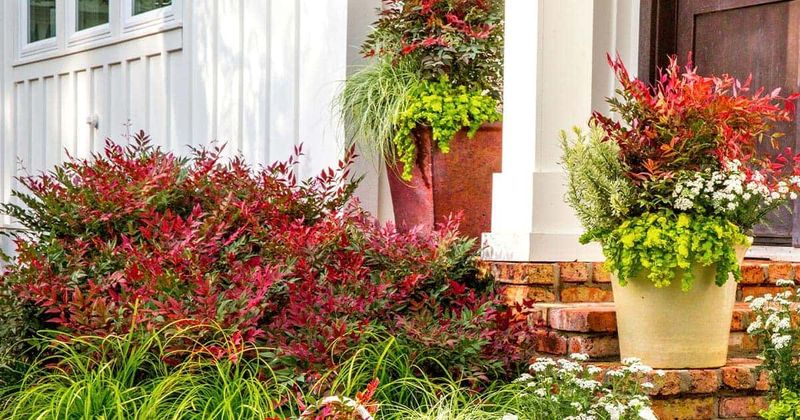
Nandina, often called “heavenly bamboo,” offers vibrant foliage throughout the seasons. Yet, its tendency to spread and its toxic berries pose challenges.
While its changing colors are captivating, nandina can become invasive if left unchecked. Regular pruning is essential to control its growth.
Combine it with plants that have contrasting textures to enhance its beauty. Its vibrant personality can shine in a well-maintained setting.
8. Oleander
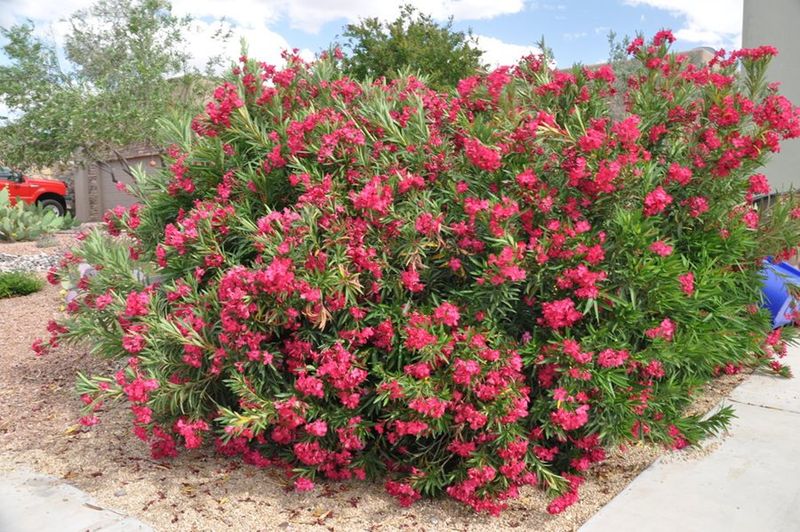
Oleanders are admired for their beautiful blooms and resilience in warm climates. However, every part of this plant is highly toxic, posing a risk to children and pets.
Their vigorous growth can also lead to a sprawling, unkempt look if not regularly maintained. Oleanders thrive in sunny locations but may overpower other plants.
Use them with caution, ensuring they are placed away from high-traffic areas. Their vivid charm is best enjoyed safely and in moderation.
9. Hydrangea
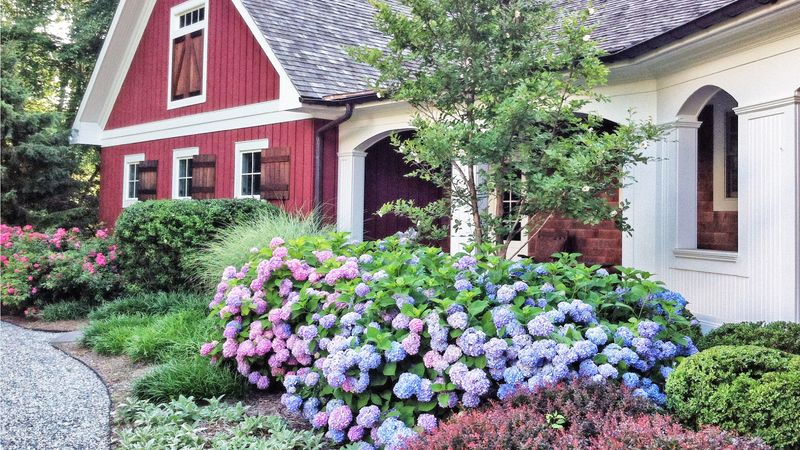
Hydrangeas offer an elegant touch with their large, round clusters of flowers. Their blooms can range from pink to blue, depending on the soil pH.
They thrive in partial shade and moist soil, providing a burst of color throughout the blooming season. Hydrangeas require regular watering and protection from harsh sun.
Their enchanting presence can transform a front yard into a serene retreat. Pair them with evergreen shrubs for a balanced look.
10. Lavender
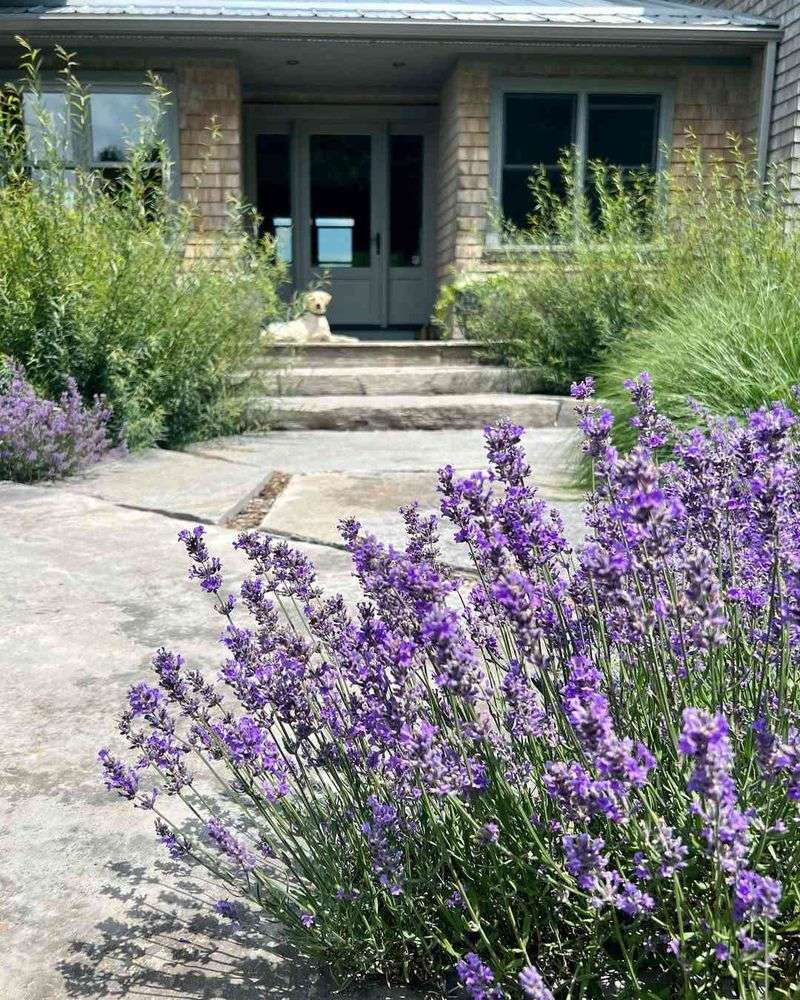
Lavender is cherished for its fragrant, purple blooms and calming properties. This drought-tolerant plant thrives in sunny locations with well-drained soil.
Its scent repels pests, making it a practical addition to any garden. Lavender’s silvery foliage adds texture and contrast to green landscapes.
Use it along pathways or borders to create a soothing atmosphere. Lavender’s timeless grace enhances any front yard, offering beauty and function.
11. Roses
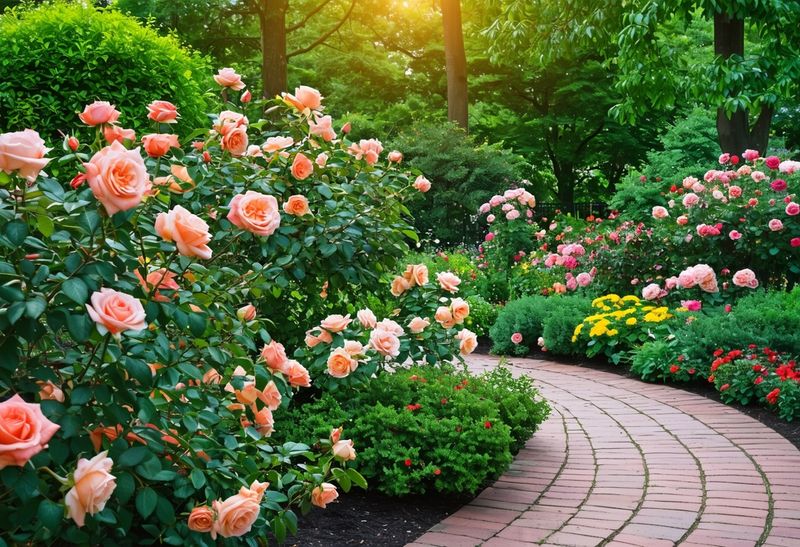
Roses are synonymous with classic beauty, offering an array of colors and fragrances. Modern varieties are bred for resilience, with some even thriving in partial shade.
Despite their reputation for being high-maintenance, many roses now require less care. Regular pruning and feeding will ensure healthy growth and prolific blooms.
Their regal presence makes them a centerpiece in any garden, evoking a sense of romance and elegance. Pair them with perennials for a timeless look.
12. Dogwood
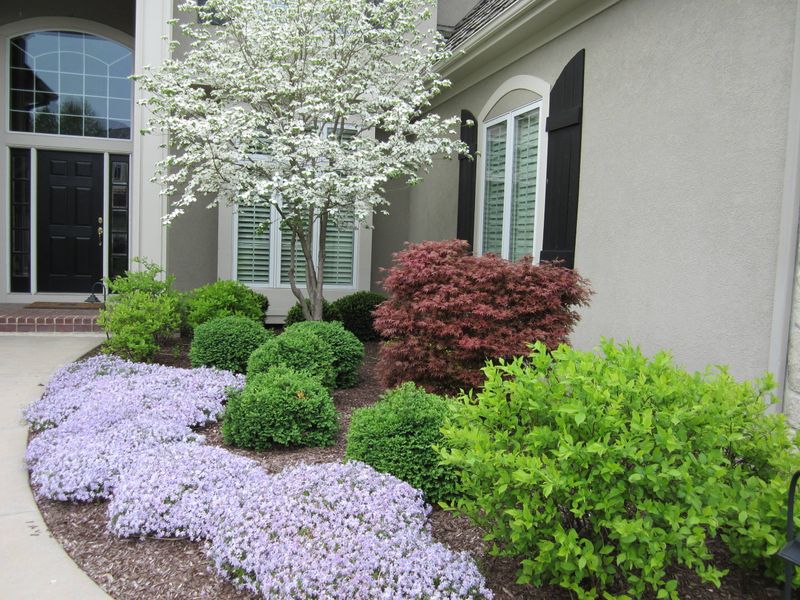
Dogwoods bring a touch of elegance with their graceful branches and seasonal blooms. These trees are perfect for adding vertical interest to a landscape.
In spring, they burst into flowers, while fall reveals vibrant foliage. Dogwoods prefer partial shade and well-drained soil.
Their understated beauty enhances any yard, creating a serene and inviting atmosphere. Use them as focal points in a diverse planting scheme.
13. Azalea
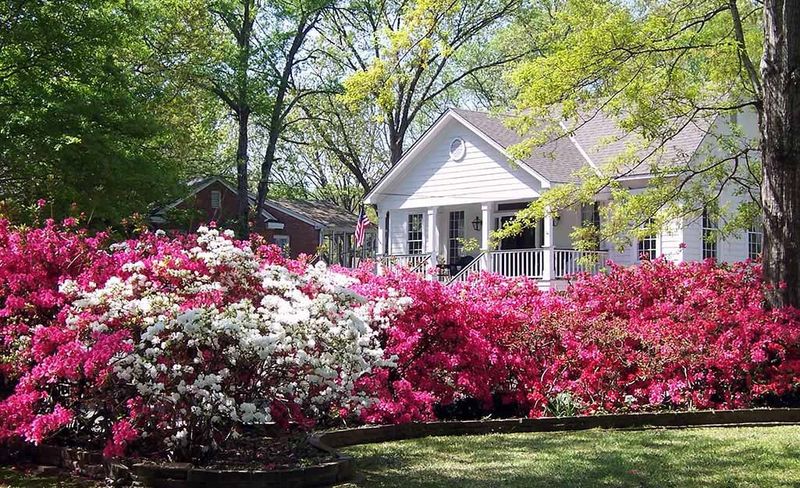
Azaleas, with their bold and bright blooms, add instant color to any garden. These shrubs thrive in acidic soil and partial shade, offering a burst of springtime beauty.
Their lush flowers attract pollinators, contributing to a lively garden ecosystem. Azaleas require regular watering and mulching to maintain health.
Mix them with evergreen plants for year-round interest. Their cheerful presence can uplift any front yard.
14. Japanese Maple
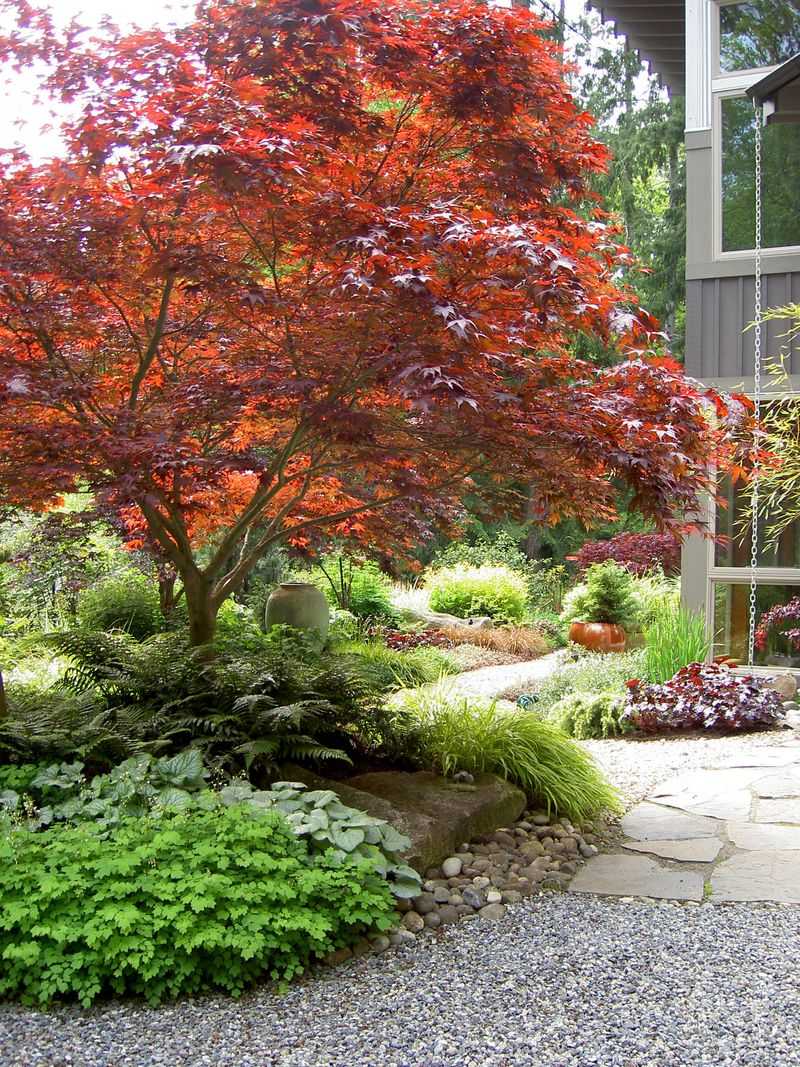
Japanese maples are celebrated for their delicate foliage and striking colors. These trees offer visual interest year-round, with leaves changing hues from spring to fall.
They thrive in well-drained soil and prefer partial shade. Japanese maples can serve as stunning focal points in a garden.
Their graceful form adds a touch of sophistication, enhancing the landscape with their artistry. Pair them with ground covers for a harmonious effect.
15. Hosta
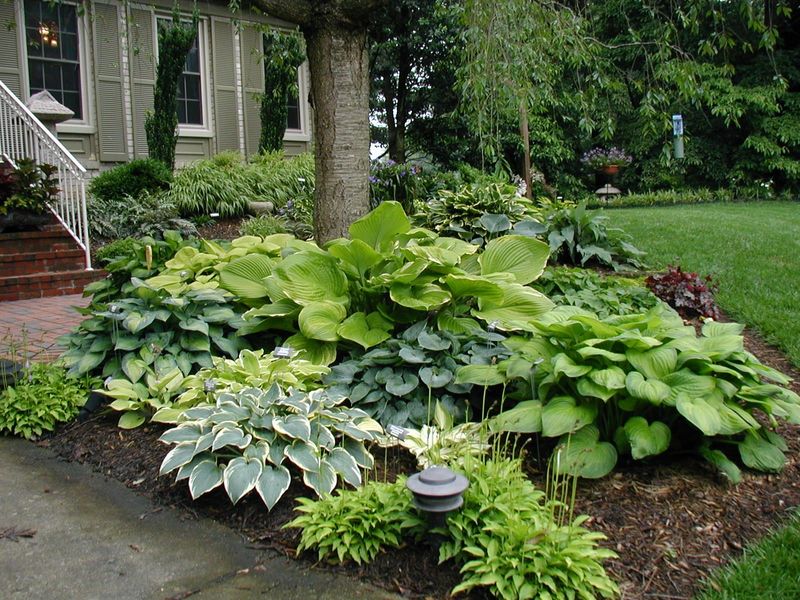
Hostas are beloved for their lush foliage and ability to thrive in shady areas. Their leaves come in various shades and patterns, offering diversity in texture.
These perennials are low maintenance, requiring minimal care once established. Hostas can be susceptible to slug damage, so protective measures may be needed.
Use them as ground cover or border plants to enhance shaded areas. Their adaptable nature makes them a valuable addition to any front yard.
16. Coneflower
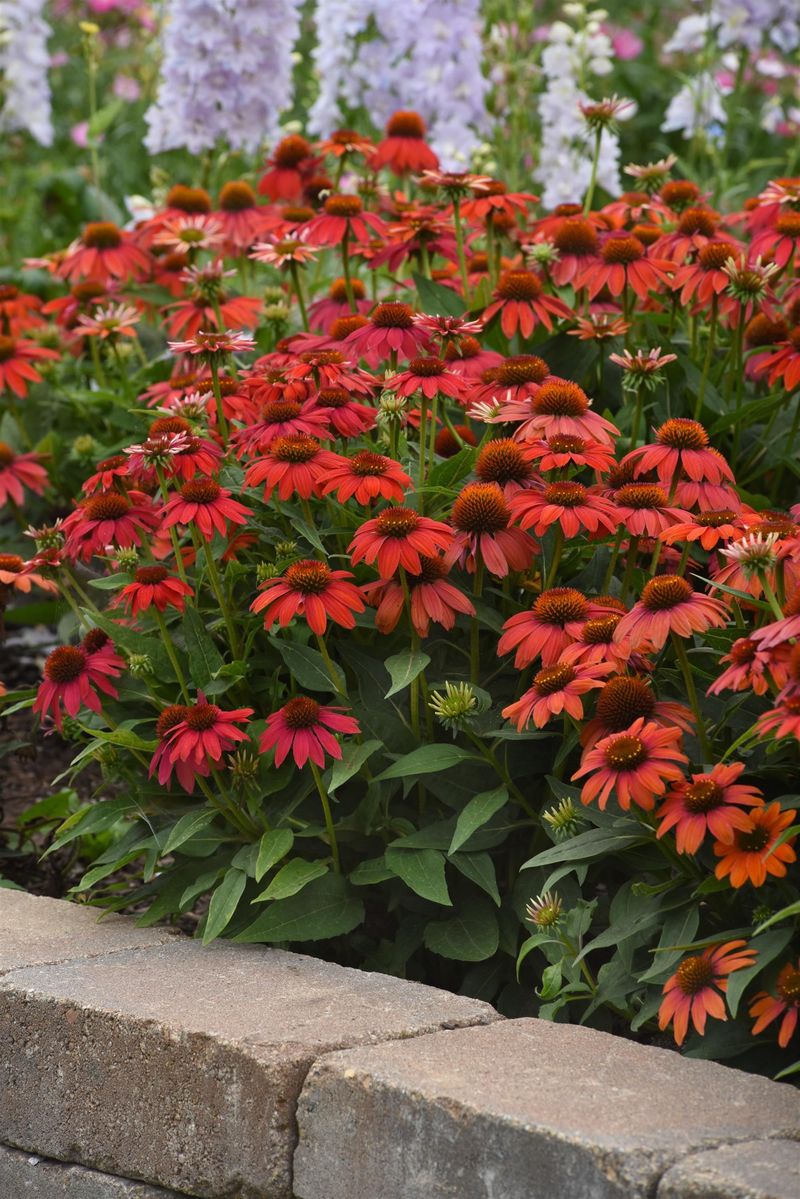
Coneflowers are popular for their bright, daisy-like blooms and drought tolerance. These perennials flourish in sunny locations, attracting pollinators like butterflies and bees.
Their long blooming season ensures continuous color throughout summer and fall. Coneflowers are hardy and can withstand various soil conditions.
Plant them in groups for a bold display or mix with grasses for a naturalistic look. Their cheerful blooms add life to any front yard.