
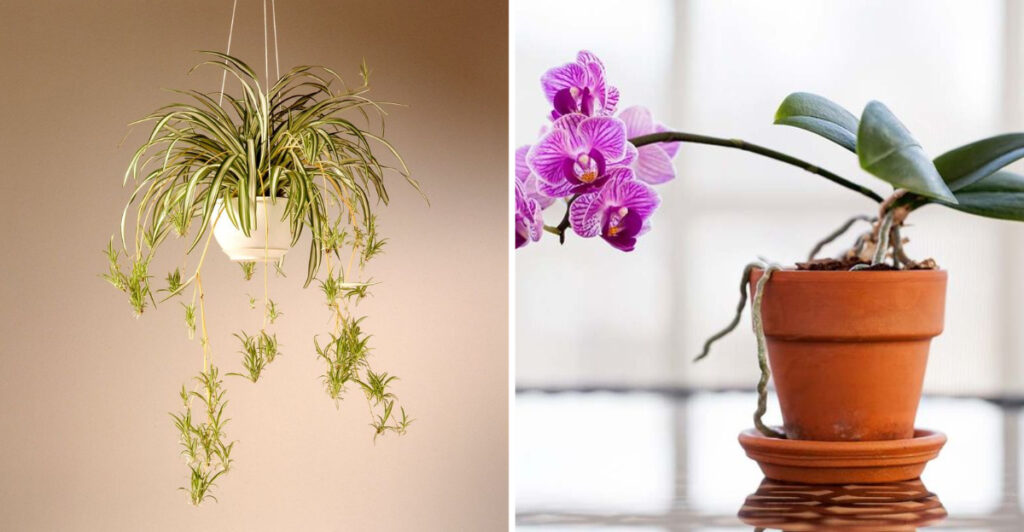
Houseplants are often sensitive to their living conditions, and the pot you choose can make a big difference to their health. Here we explore 20 houseplants that might not be happy with their current pot, along with tips on how to address these issues before they start to decline.
1. Fiddle Leaf Fig
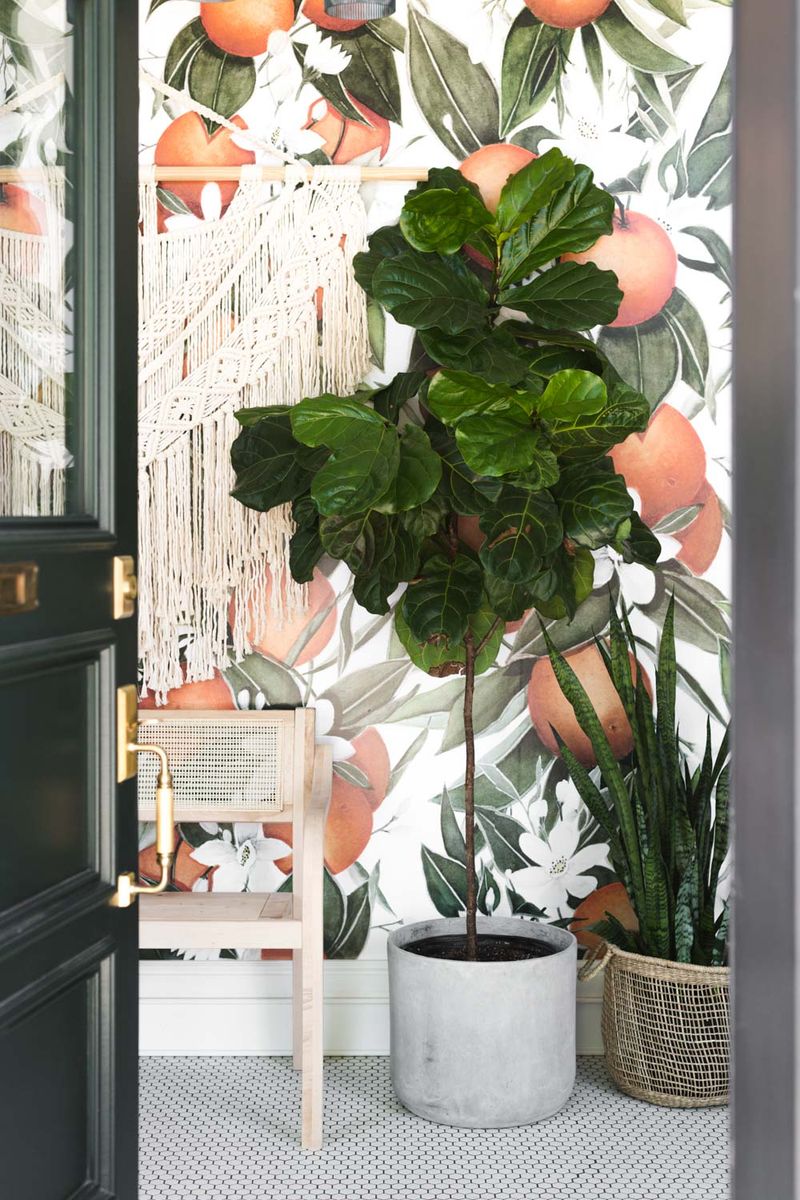
The Fiddle Leaf Fig, with its bold, lush leaves, demands attention. However, when confined to too small a pot, it can become quite unhappy.
The restricted space can hinder root growth, causing the plant to struggle for nutrients and water.
To rejuvenate your Fiddle Leaf Fig, consider repotting it in a larger container with well-draining soil. Provide it with bright, indirect light to revive its glory.
2. Spider Plant
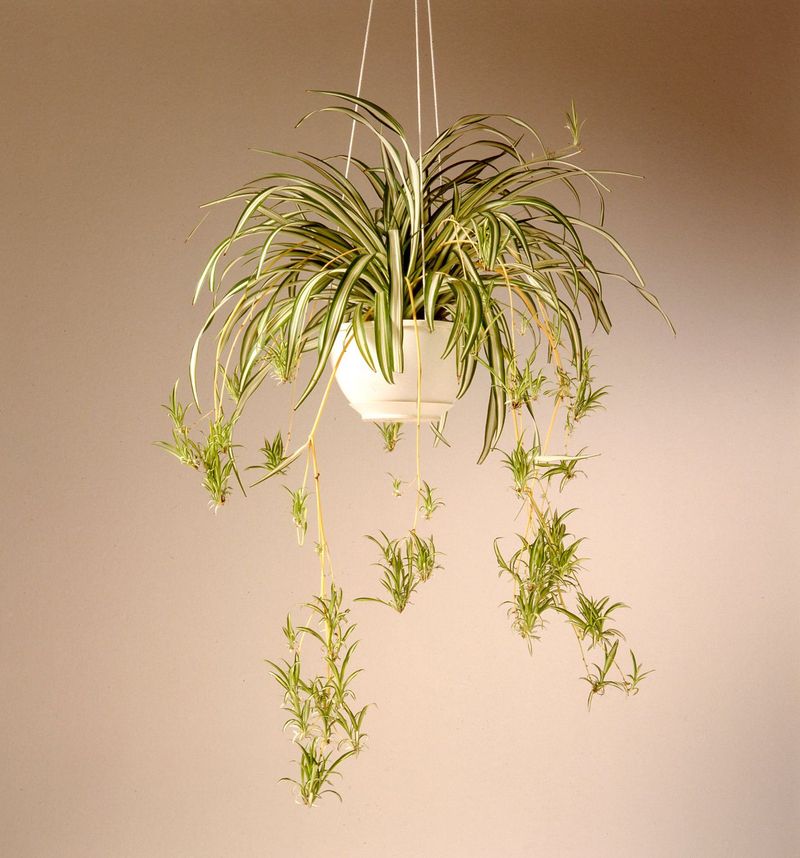
Spider Plants are adored for their cascading green leaves, but they secretly lament cramped quarters.
When roots become bound, these lively plants can experience stunted growth and stress.
Repotting into a slightly larger pot can give the roots room to breathe and help the plant regain its vigor. Moderate light and well-drained soil will keep it thriving.
3. Peace Lily
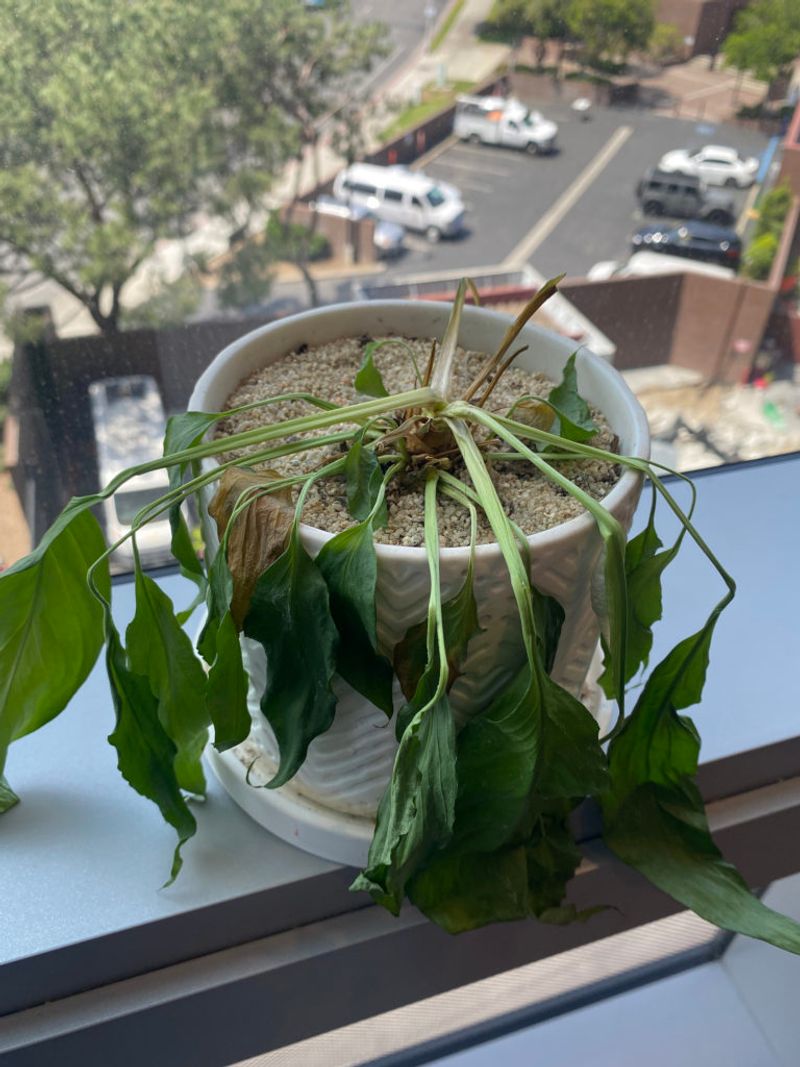
Peace Lilies are renowned for their elegant white blooms and lush foliage, yet they can be quite picky about their pots.
A deep pot may lead to overwatering, causing the roots to rot and leaves to droop.
Opt for a pot that fits the root ball snugly, and ensure proper drainage. Regularly check soil moisture to prevent waterlogging.
4. Succulents
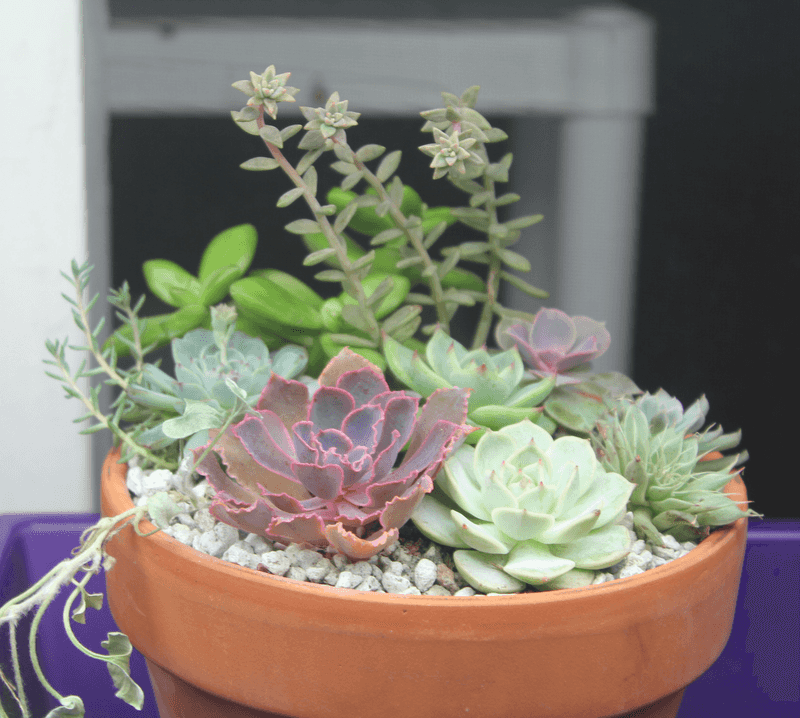
Succulents, with their charming variety and easy care, might seem content anywhere. But poorly draining pots can spell disaster.
Without adequate drainage, the roots sit in water, leading to rot.
Choose pots with drainage holes and use cactus soil mix to keep these darlings healthy. A sunny window will enhance their resilience.
5. Monstera Deliciosa
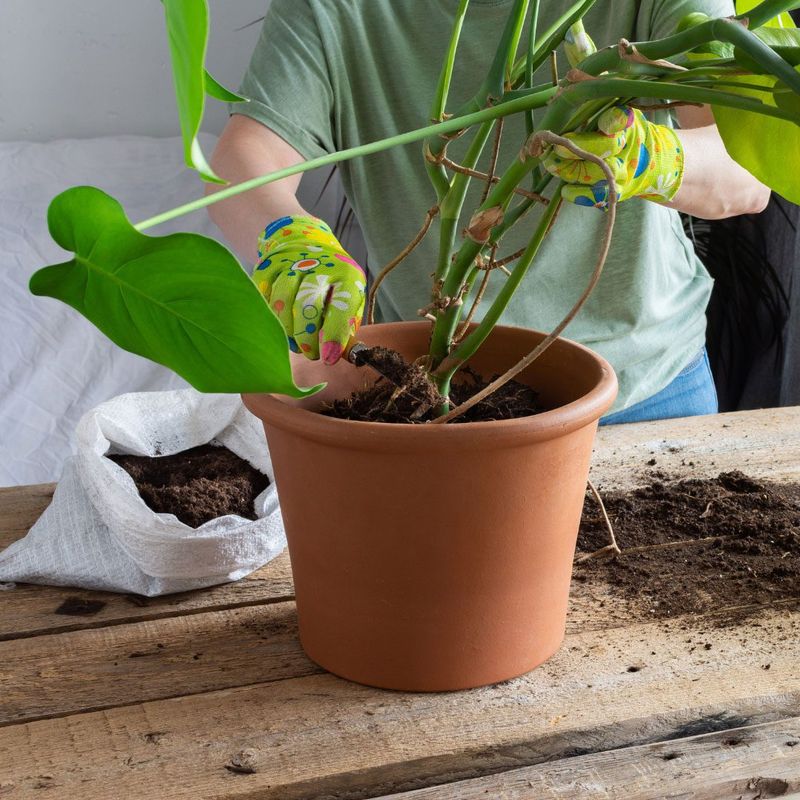
The Monstera Deliciosa, famous for its dramatic foliage, craves space to stretch its roots.
A small pot can stifle its growth, leading to smaller leaves and fewer splits.
Repotting in a spacious container with rich, well-draining soil will allow it to flourish. Provide ample indirect sunlight for best results.
6. Orchid
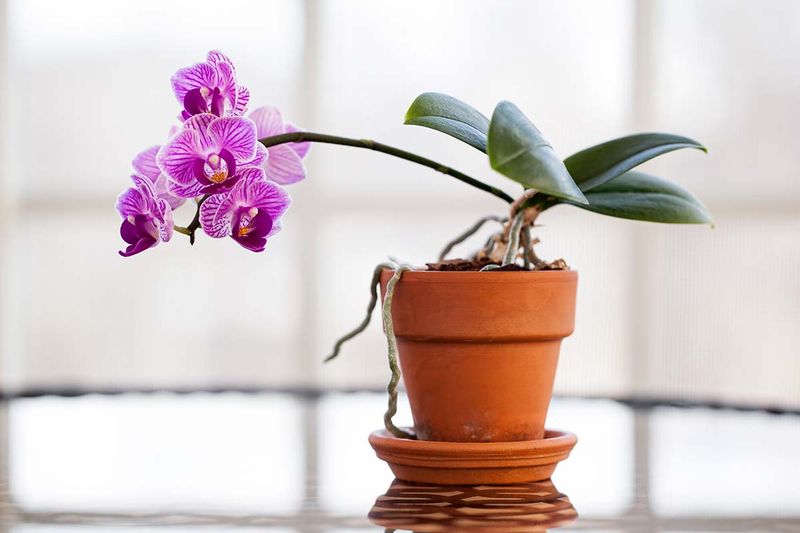
Orchids, with their exotic flowers, often find themselves in pots that don’t suit their air-loving roots.
A tight pot can suffocate these roots, leading to stress and declining blooms.
Repot using a specialized orchid mix and a pot with ample ventilation to mimic their natural environment.
7. Aloe Vera
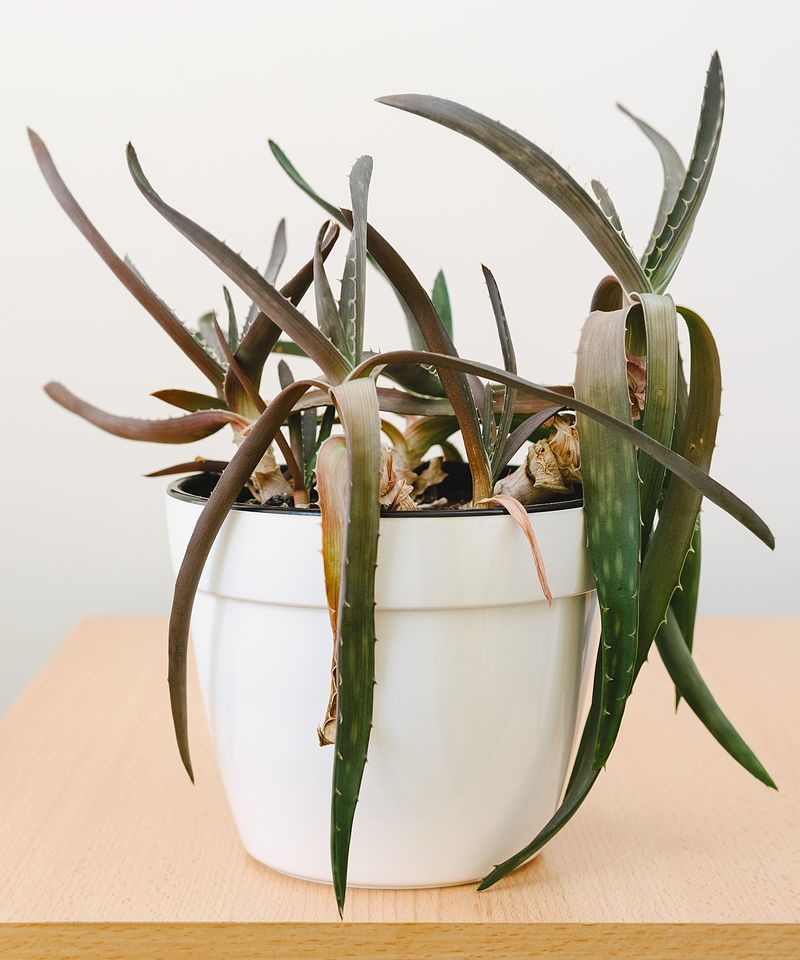
Aloe Vera’s healing leaves are a household staple, but improper potting can hinder its benefits.
Without drainage holes, waterlogged soil can lead to root rot.
Choose a pot with good drainage and sandy soil to ensure this succulent thrives. Bright sunlight will support its health and growth.
8. Boston Fern
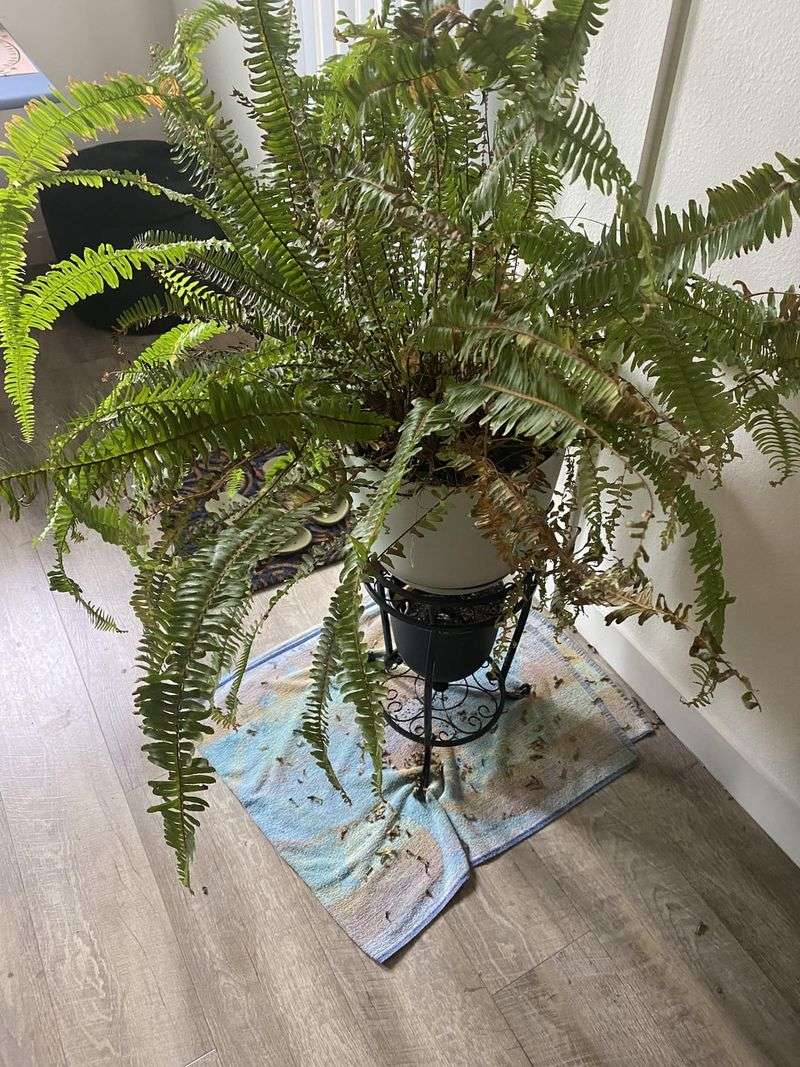
Boston Ferns, with their lush, arching fronds, prefer pots that accommodate their root systems.
A shallow pot can restrict root expansion, leading to browning fronds and reduced vigor.
Repot in a slightly deeper container with rich compost to retain moisture without waterlogging. Keep in a humid, well-lit area for optimal growth.
9. Snake Plant
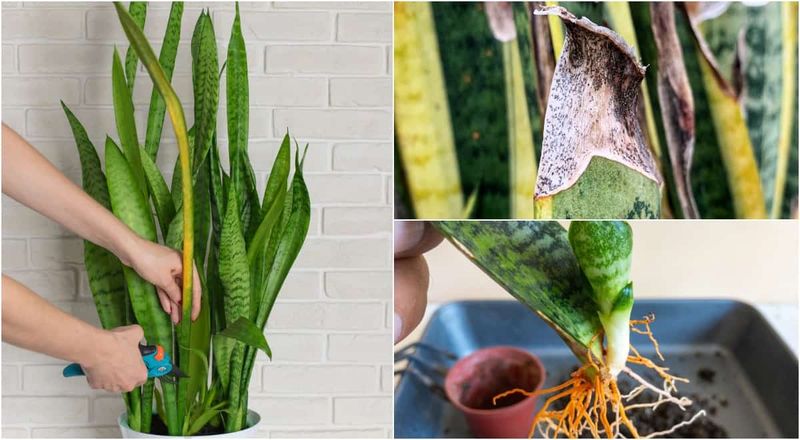
Snake Plants, celebrated for their resilience, sometimes suffer silently in undersized pots.
Too little space can cause the plant to topple and hinder leaf development.
Selecting a sturdy pot with room for root expansion and using well-draining soil will support its upright growth. Position it in indirect light to thrive.
10. Jade Plant
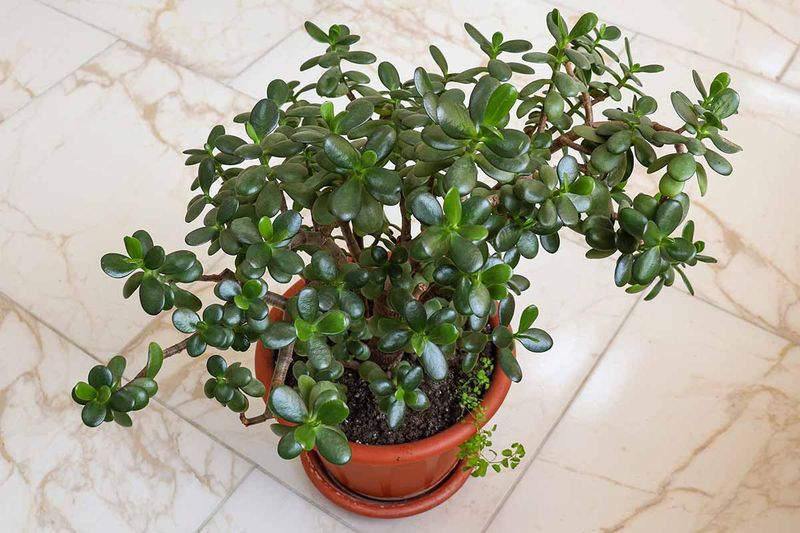
Jade Plants, symbolic of prosperity, can languish in pots that don’t drain well.
Excess moisture can lead to root rot and shriveled leaves.
Opt for a pot with drainage holes and a gritty soil mix to keep this succulent in high spirits. Place it in bright light to encourage robust growth.
11. Chinese Evergreen
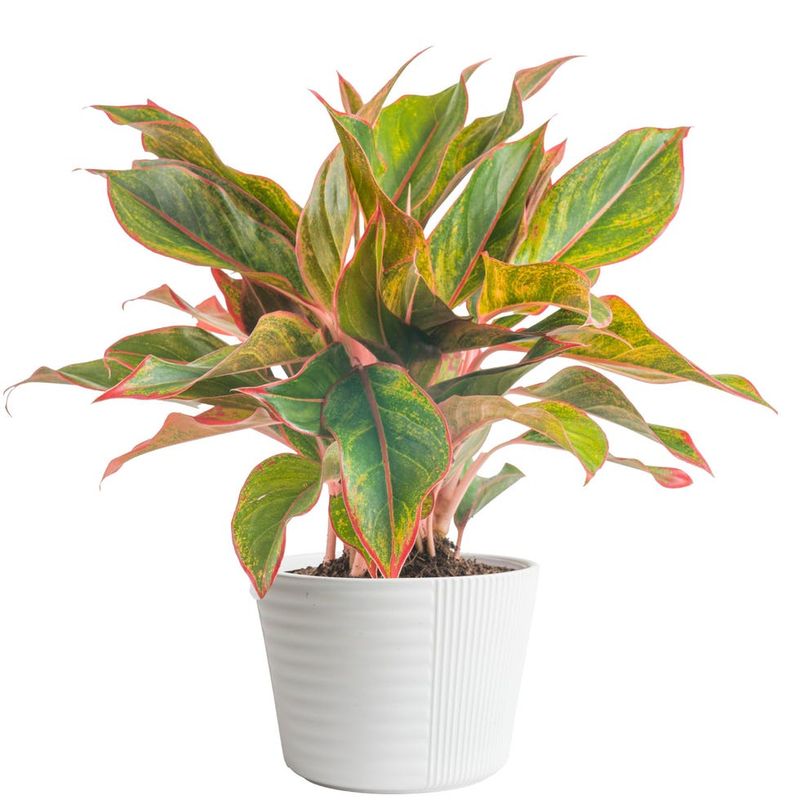
The Chinese Evergreen, with its striking foliage, can suffer from restricted root space in a pot too tight.
Yellowing tips and slowed growth are common signs.
Repot into a larger container with rich, well-draining soil to rejuvenate this plant. Keep it in low to bright indirect light for lush leaves.
12. Rubber Plant
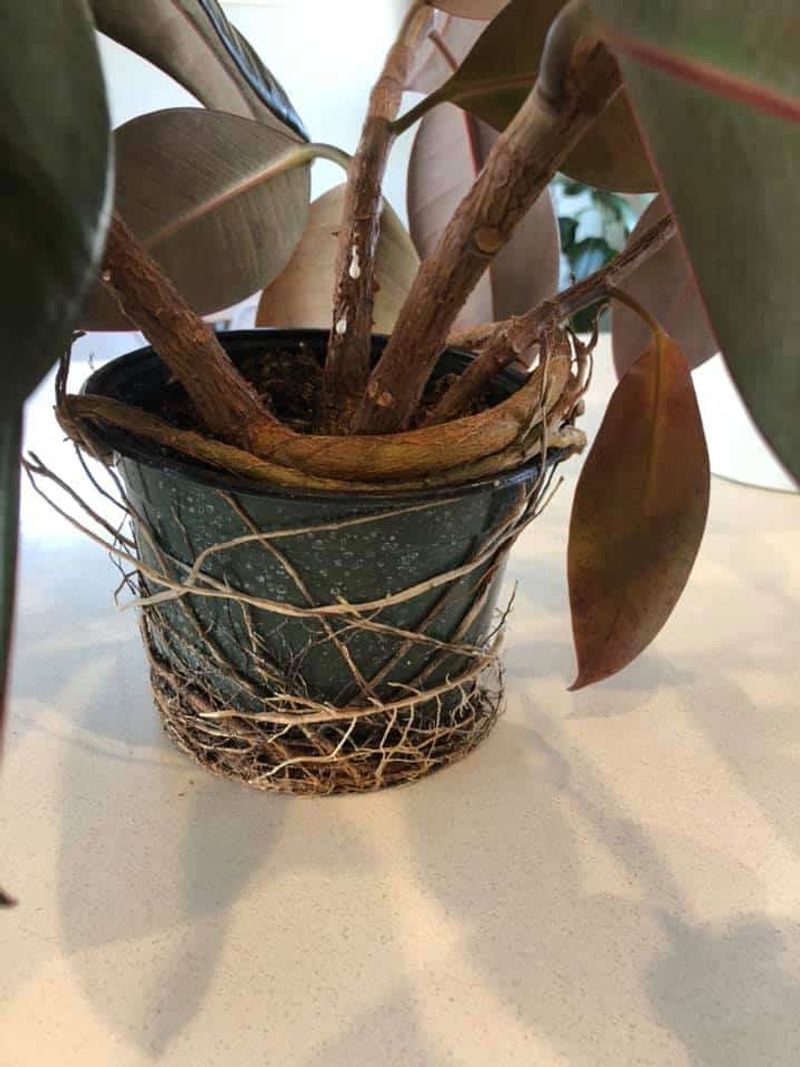
Rubber Plants, admired for their glossy leaves, can become root-bound in small pots.
This restriction may cause leaf curling and hindered growth.
Repot into a more spacious container to allow root expansion. Use a well-draining potting mix and ensure bright, indirect light to maintain its shine.
13. Calathea
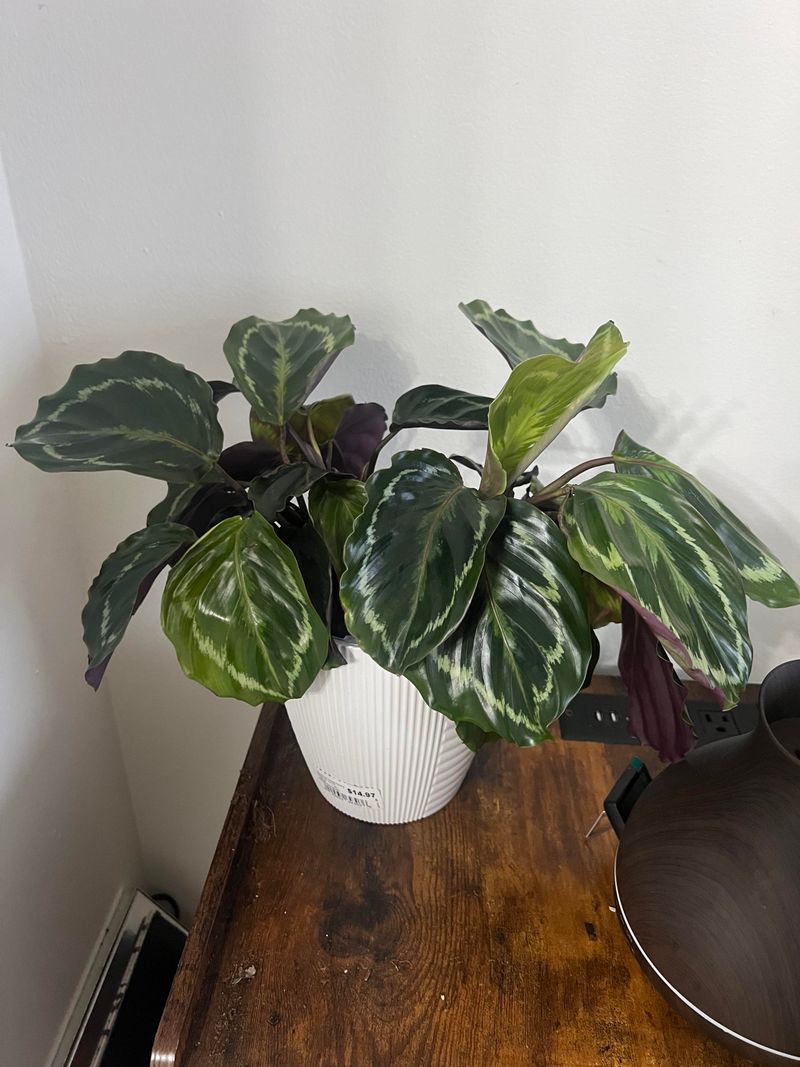
Calathea’s ornate leaves capture attention, but they are sensitive to pot size.
A cramped pot can cause leaf curling and stress.
Repotting into a slightly larger pot with moisture-retentive soil can alleviate these issues. Ensure high humidity and indirect light to uphold its beauty.
14. Pothos
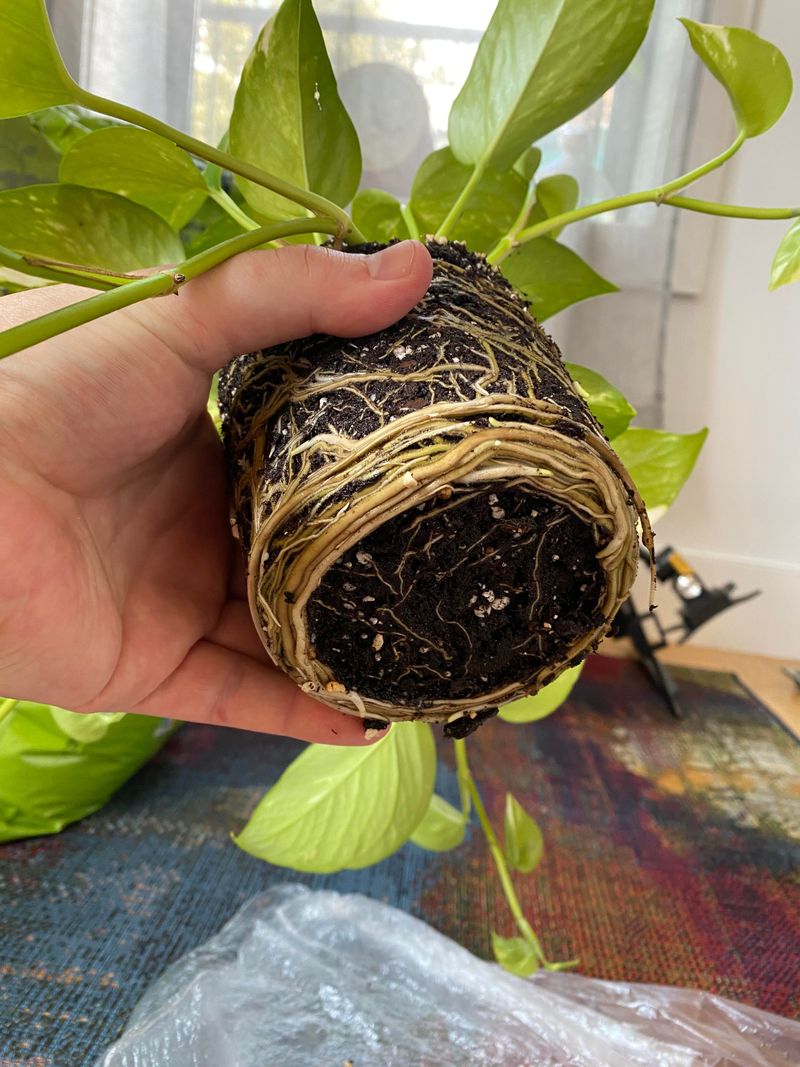
Pothos, or Devil’s Ivy, thrives with minimal fuss but dislikes being root-bound.
A too-small pot can lead to leggy growth and reduced vitality.
Repotting into a larger container allows for healthy root development. Provide it with indirect light to keep its vining nature vigorous.
15. ZZ Plant
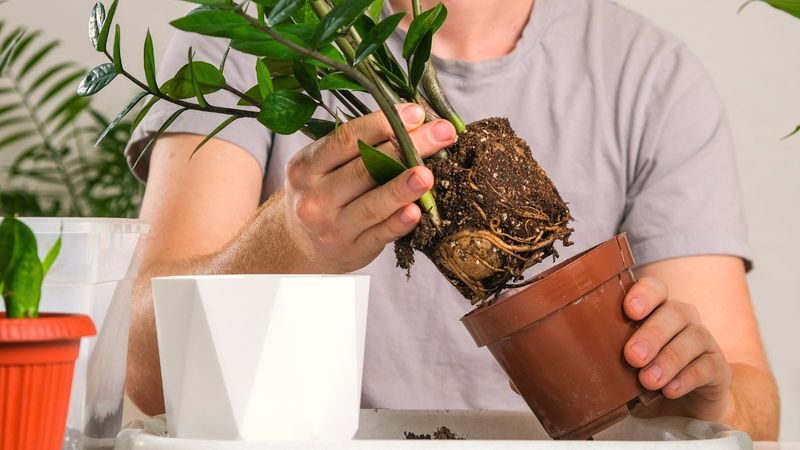
ZZ Plants, known for their hardy nature, can still suffer in pots that constrain their roots.
Yellowing leaves and exposed roots signal distress.
Repot into a larger vessel with well-draining soil to rejuvenate it. Position in low to bright indirect light for lush foliage.
16. Begonia
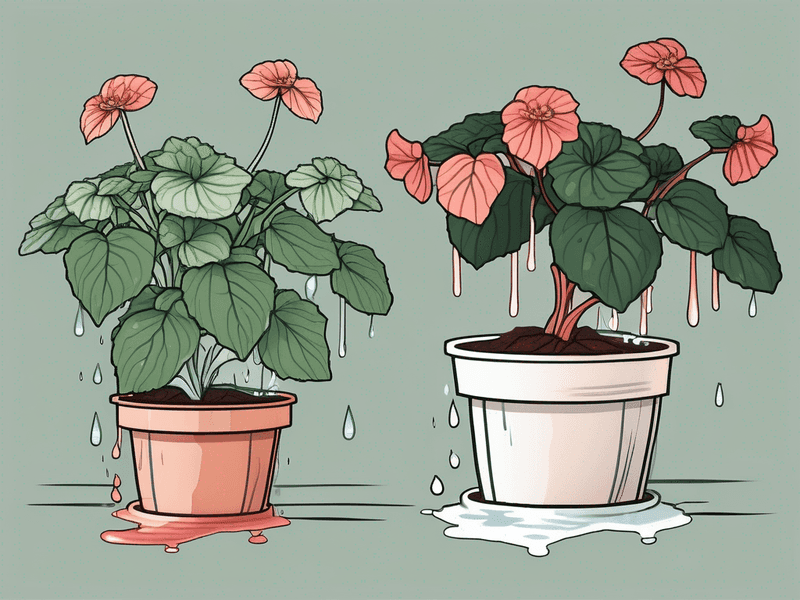
Begonias, with their vibrant blooms, can decline in poorly draining pots.
Excess water can cause wilting leaves and root rot.
Select a pot with drainage holes and use a rich, airy soil mix. Keep it in bright, indirect light to enhance its vivid colors.
17. Philodendron
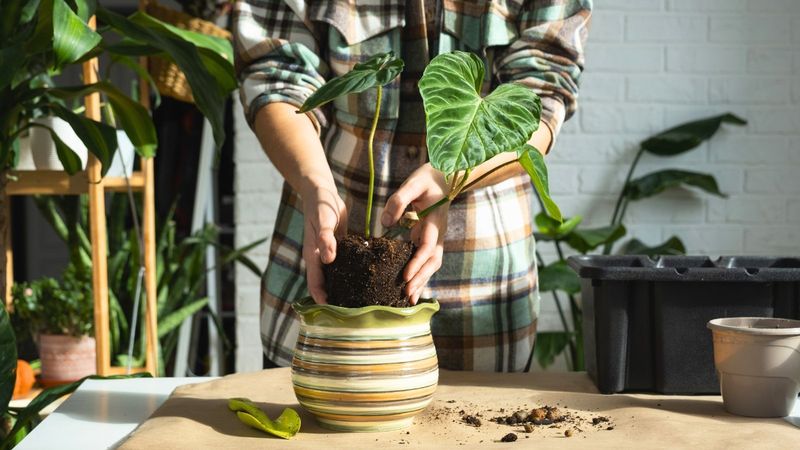
Philodendrons, known for their adaptability, can show signs of stress when root-bound.
Yellowing leaves and stunted growth are telltale signs.
Repot into a larger container with fertile, well-draining soil to revive its vigor. Ample indirect light will support healthy growth.
18. Dracaena
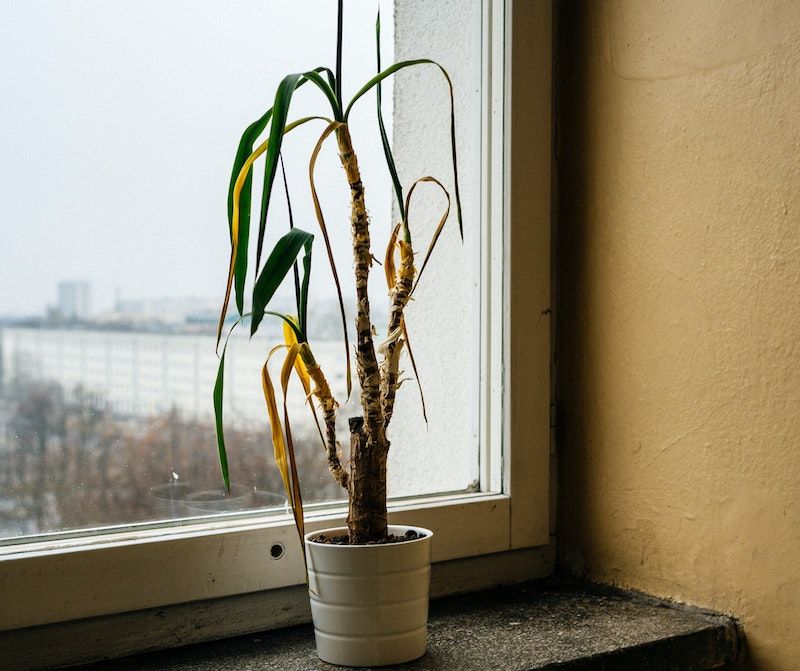
Dracaenas, with their sword-like leaves, are susceptible to overwatering in poorly draining pots.
Browning tips often indicate waterlogged soil.
Choose a pot with proper drainage and a fast-draining soil mix to prevent root rot. Bright, indirect light will maintain its bold appearance.
19. African Violet
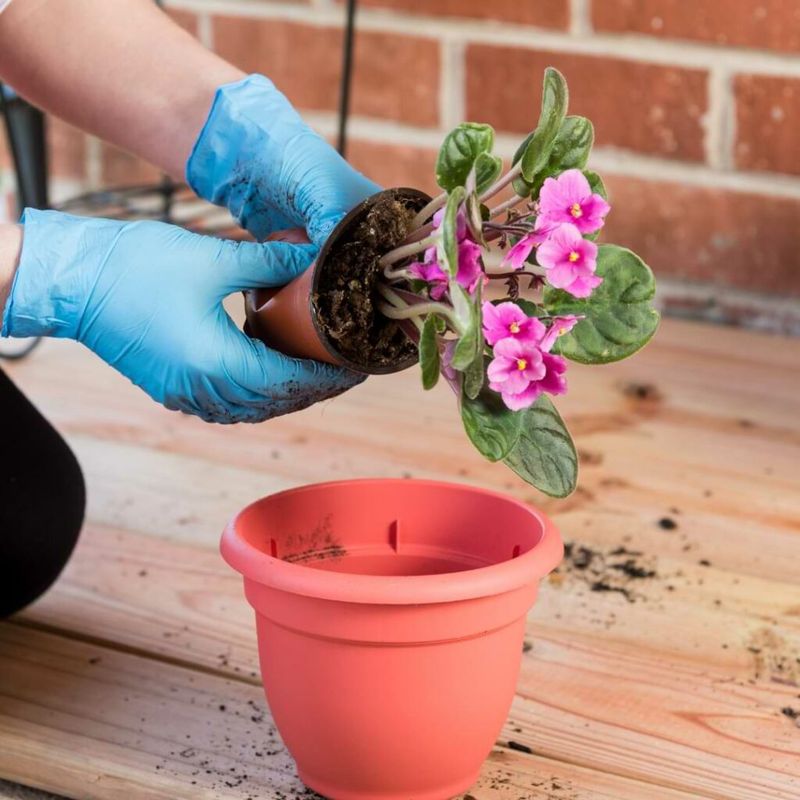
African Violets, cherished for their delicate blooms, demand precise pot conditions.
Lack of drainage can cause droopy leaves and poor flowering.
Repot into a container with drainage holes and use a light, porous soil mix. Bright, indirect light is key to encouraging new blooms.
20. Bromeliad
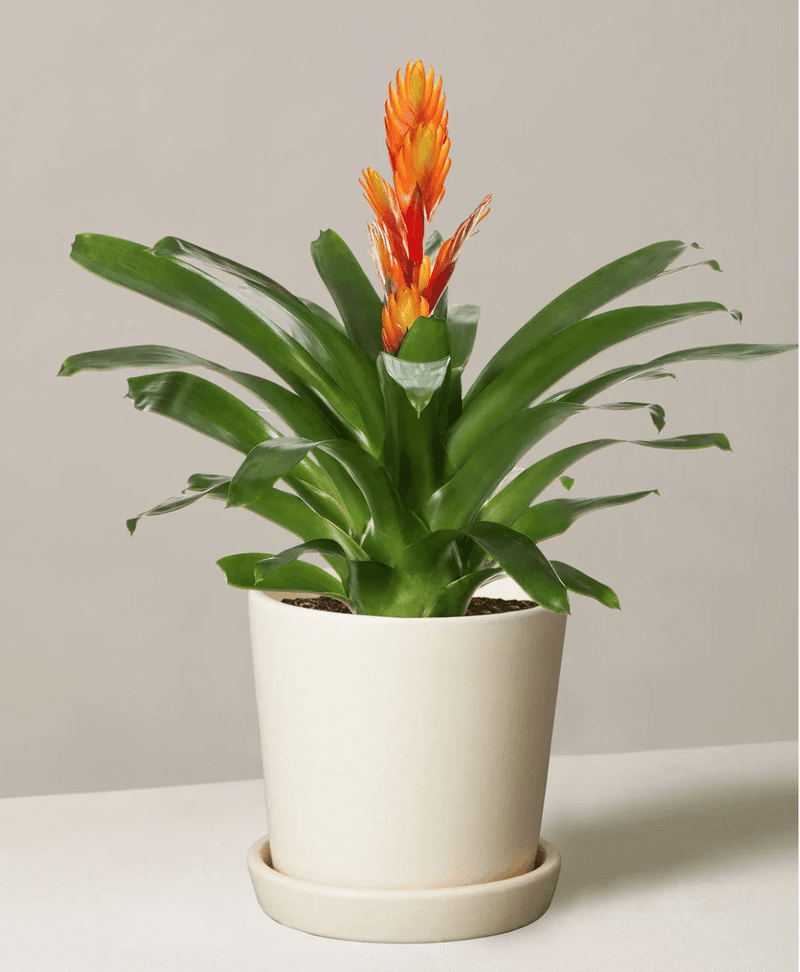
Bromeliads, with their exotic appearance, dislike pots that retain excessive water.
Faded colors and root rot can occur if conditions aren’t right.
Select a pot with excellent drainage and use a well-aerated soil mix. Maintain bright, indirect light to protect its vibrant hues.