 Complete Gardening
Gardening is a journey, not just a destination. Changing your garden involves understanding what works, what doesn’t, and how to adapt to nature’s subtle rhythms. From choosing the right plants to embracing sustainable practices, every decision shapes your garden’s future. Here are ten insights into transforming your outdoor space, each crafted to inspire and guide your gardening adventures.
Companion Planting
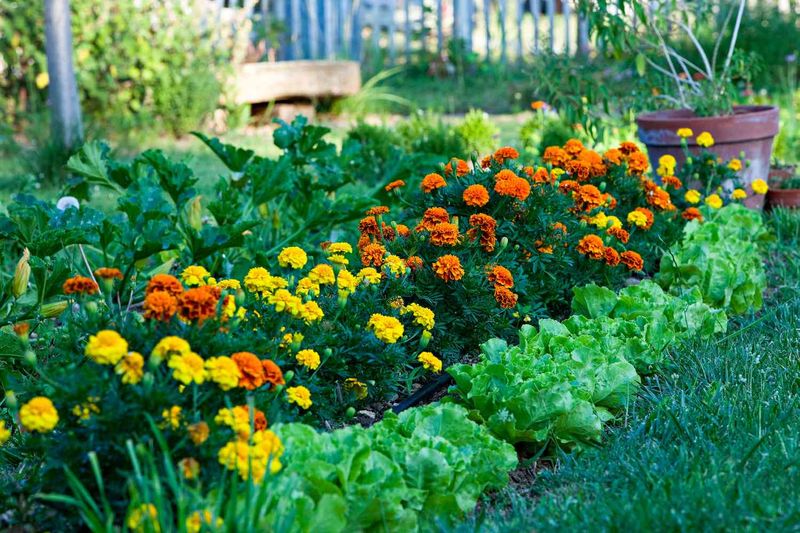
Companion planting can transform your garden into a thriving ecosystem. Imagine a tomato plant standing tall, its base adorned with aromatic basil and cheerful marigolds. Each plant brings unique benefits, enhancing growth and deterring pests naturally. This method, rooted in traditional practices, promotes biodiversity. It’s a strategy that doesn’t just work—it thrives! By pairing plants that support each other, you create a balanced environment. Remember, it’s not just about aesthetics; it’s about fostering a healthy, symbiotic relationship. This approach brings vibrant life to your garden, making it a place of beauty and productivity.
Xeriscaping
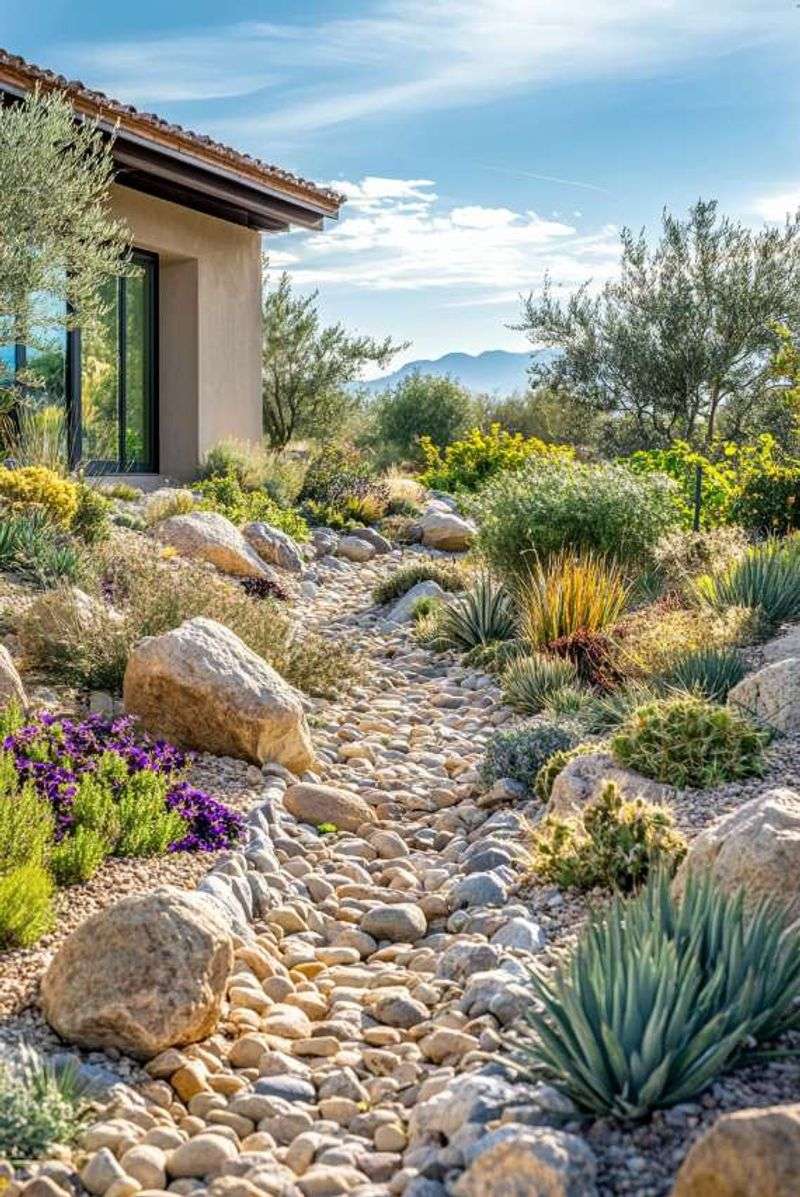
Xeriscaping embraces the art of drought-resistant gardening. Picture a landscape where cacti and succulents reign supreme, their resilience a testament to nature’s adaptability. This method conserves water, a precious resource, while maintaining aesthetic appeal. It’s perfect for dry climates, where traditional lawns falter. By choosing native, low-water plants, you create a sustainable garden. Xeriscaping invites you to think creatively about design and plant choices. It’s not just efficient; it’s a bold statement of environmental consciousness and innovation, turning scarcity into beauty.
Vertical Gardens
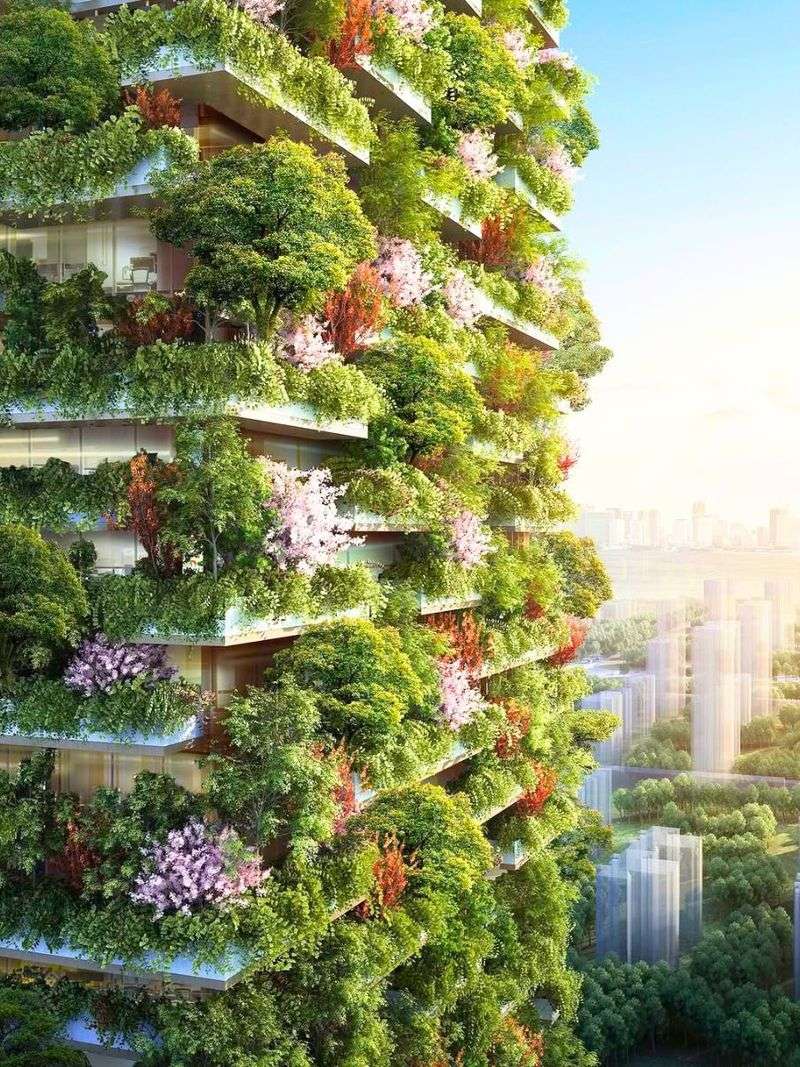
Vertical gardens offer a unique solution for limited spaces. Imagine a wall transformed into a lush tapestry of greenery, herbs, and vibrant flowers cascading down. This innovative approach maximizes space, making it ideal for urban living. It’s a creative way to bring nature into concrete jungles. Vertical gardens not only beautify but also improve air quality. They are living art pieces that inspire and refresh. Whether on balconies or small patios, this solution works wonders in any space, providing a touch of green that uplifts the spirit and environment.
Using Native Plants
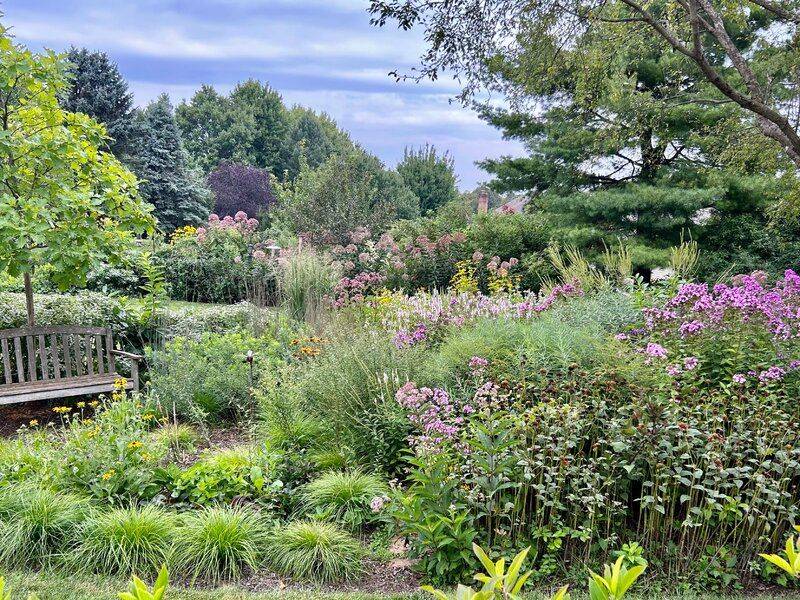
Using native plants ensures your garden thrives with minimal effort. Picture a landscape brimming with flora that naturally belongs, each plant adapted to local conditions. This strategy reduces the need for fertilizers and pesticides, as native plants are hardy and resilient. They attract local wildlife, creating a vibrant ecosystem. A garden full of native plants is self-sustaining, beautiful, and ecologically sound. It’s a method that truly works, connecting your garden with its surrounding environment seamlessly, enhancing biodiversity and sustainability.
Overcrowding Plants
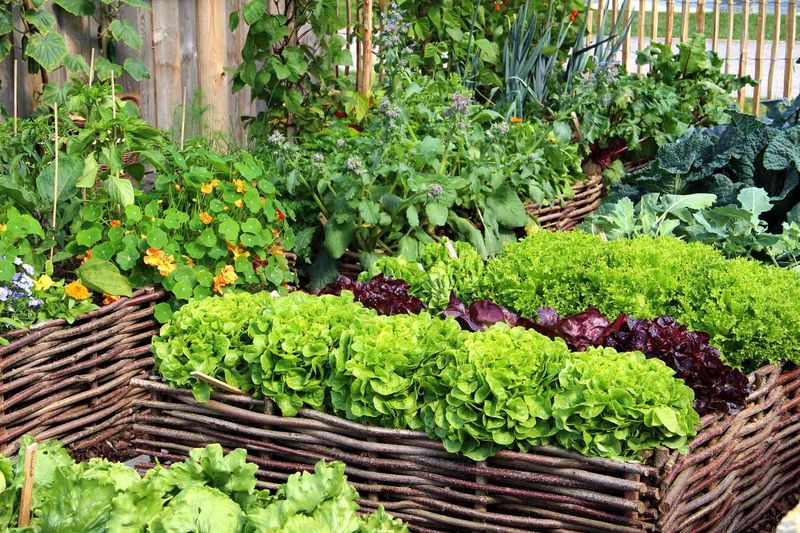
Overcrowding is a common pitfall in gardening. Envision a bed packed with too many plants, each one competing for sunlight, water, and nutrients. This mistake stifles growth, leading to weaker, less productive plants. Understanding spacing is crucial; it allows plants to reach their full potential. While lush, dense gardens may seem appealing, they often require more maintenance and yield less vibrant results. Avoid this by planning your layout carefully. Give each plant room to breathe and grow, ensuring a healthier, more manageable garden.
Ignoring Soil Health
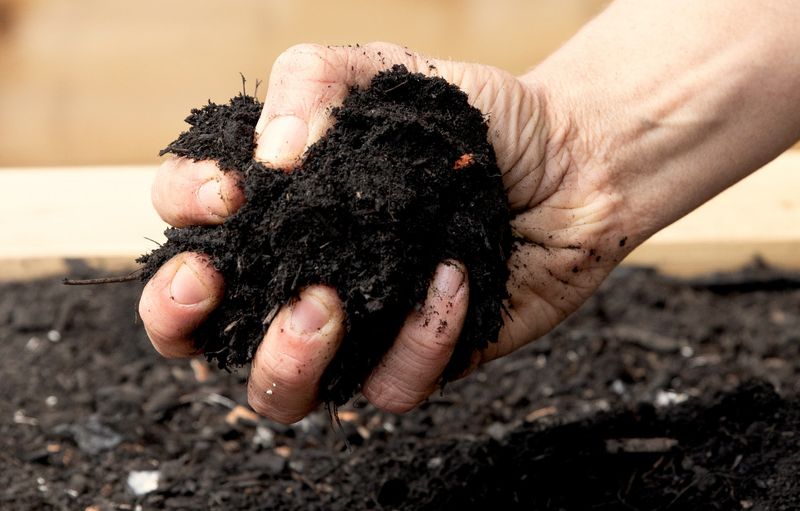
Soil health is the foundation of any successful garden. Picture a gardener kneeling, hands deep in rich, dark soil, surrounded by compost and natural amendments. Ignoring this essential aspect can lead to poor plant performance. Healthy soil teems with life, supporting robust plant growth. It’s a dynamic ecosystem that requires care and attention. Regular soil testing and amendments like compost can revitalize tired soil. Investing in soil health is investing in your garden’s future, ensuring a thriving, vibrant landscape that flourishes year after year.
Overusing Fertilizers
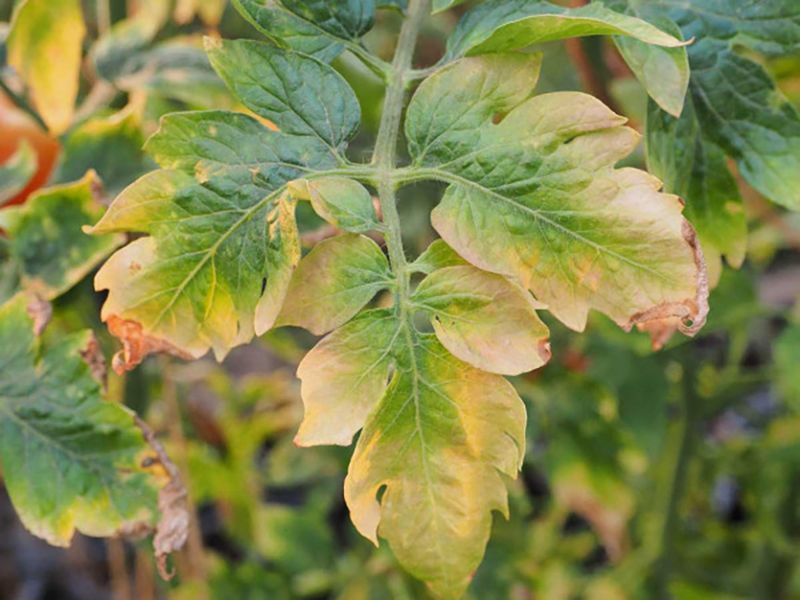
Overusing fertilizers can harm rather than help your garden. Imagine plants with wilting leaves and brown edges, a sign of nutrient overload. This common mistake can lead to ‘burning,’ where excessive salts damage plant roots. It’s crucial to understand your garden’s needs and apply fertilizers judiciously. Less is often more in this case. Organic options and slow-release formulas offer a safer alternative. Over-fertilization is counterproductive, reducing plant health and environmental quality. Balance is key, nurturing your garden with measured care and attention.
Neglecting Pruning
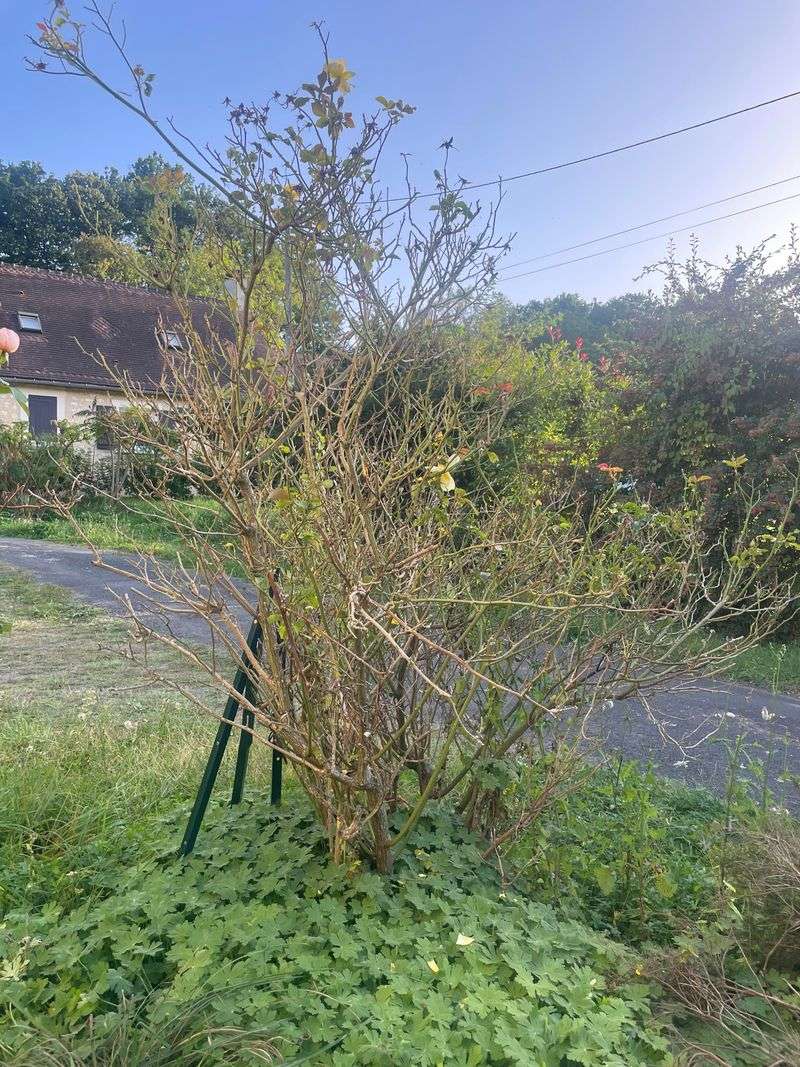
Pruning is essential for plant health and aesthetics. Visualize a rose bush, one side tangled and unruly, the other neatly pruned, blooming vigorously. Neglecting this task can lead to overgrown, less productive plants. Pruning removes dead or diseased growth, encourages new blooms, and shapes plants aesthetically. It’s both an art and a science, requiring understanding of plant growth patterns. Regular pruning keeps gardens tidy and plants healthy. It’s a practice that should never be overlooked, as it significantly impacts your garden’s vitality and appearance.
Ignoring Seasonal Changes
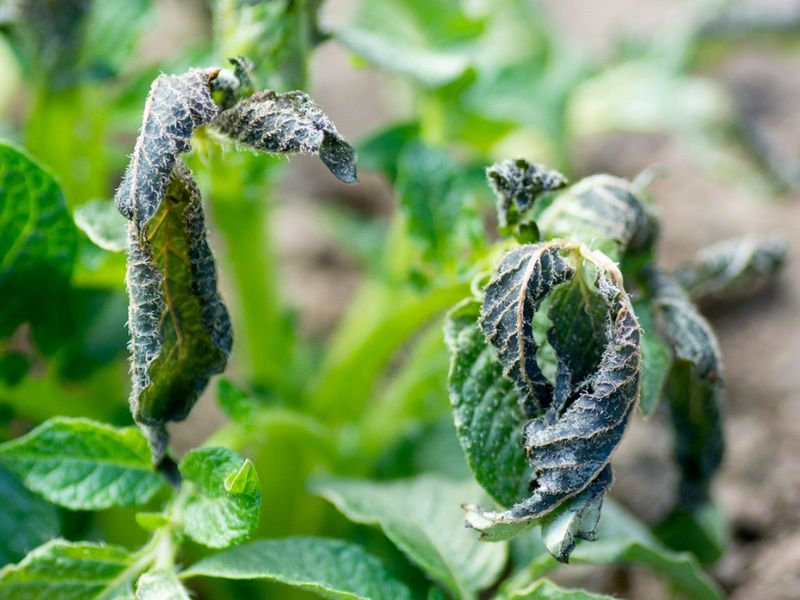
Seasonal changes can drastically affect your garden. Imagine plants wilting under frost’s icy grip, a result of neglecting seasonal planning. Understanding climate and weather patterns is crucial for garden success. Preparing for changes, whether it’s mulching in winter or planting in spring, ensures your garden thrives year-round. This proactive approach minimizes damage and maximizes growth potential. Seasonal awareness transforms challenges into opportunities, helping you maintain a resilient, flourishing garden regardless of the time of year.
Embracing Wildlife
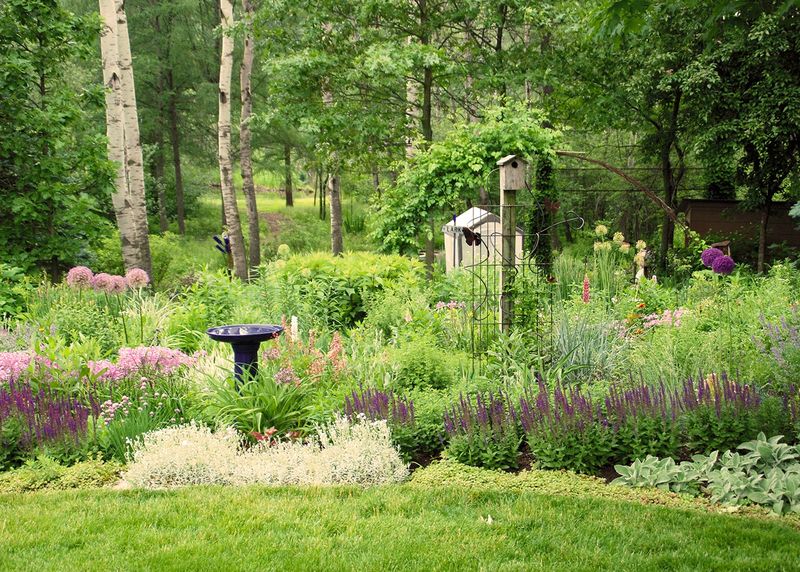
Embracing wildlife in your garden creates a lively, interactive space. Picture butterflies fluttering, bees buzzing, and birds singing, all part of a vibrant ecosystem. Gardens that welcome wildlife not only support biodiversity but also enhance the garden’s vitality. Native plants, water features, and natural habitats attract beneficial creatures. This connection with nature adds a dynamic element, turning your garden into a sanctuary. It’s a strategy that works, fostering a harmonious balance between human and natural worlds, offering endless enjoyment for all who visit.
Rainwater Harvesting Systems
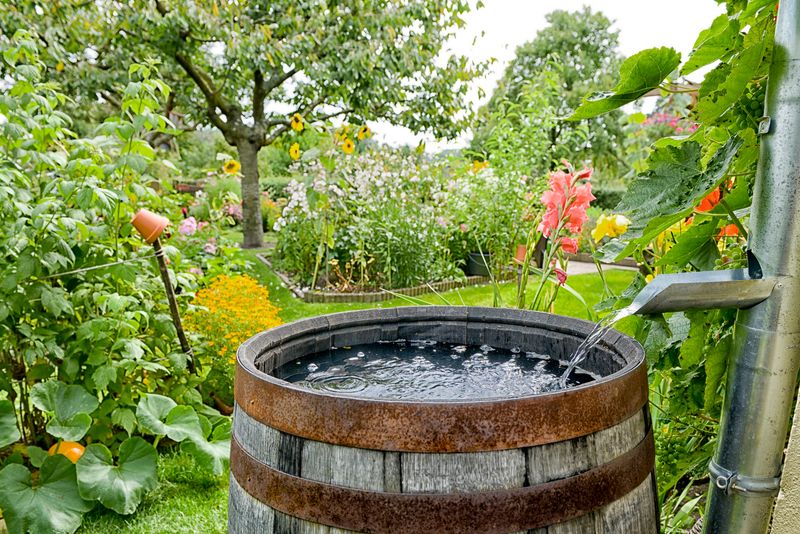
Imagine harnessing nature’s gift of rain right in your backyard. Rainwater harvesting systems not only conserve water but also reduce your water bills. By installing a system that collects rainwater, you provide a sustainable water source for your plants.
These systems are easily integrated into existing garden designs. They are aesthetically pleasing, offering both form and function. Rainwater is often better for plants, free from chemicals found in tap water.
Did you know? Some civilizations have used rainwater harvesting for thousands of years, proving its timeless value in agriculture.
Raised Bed Gardening
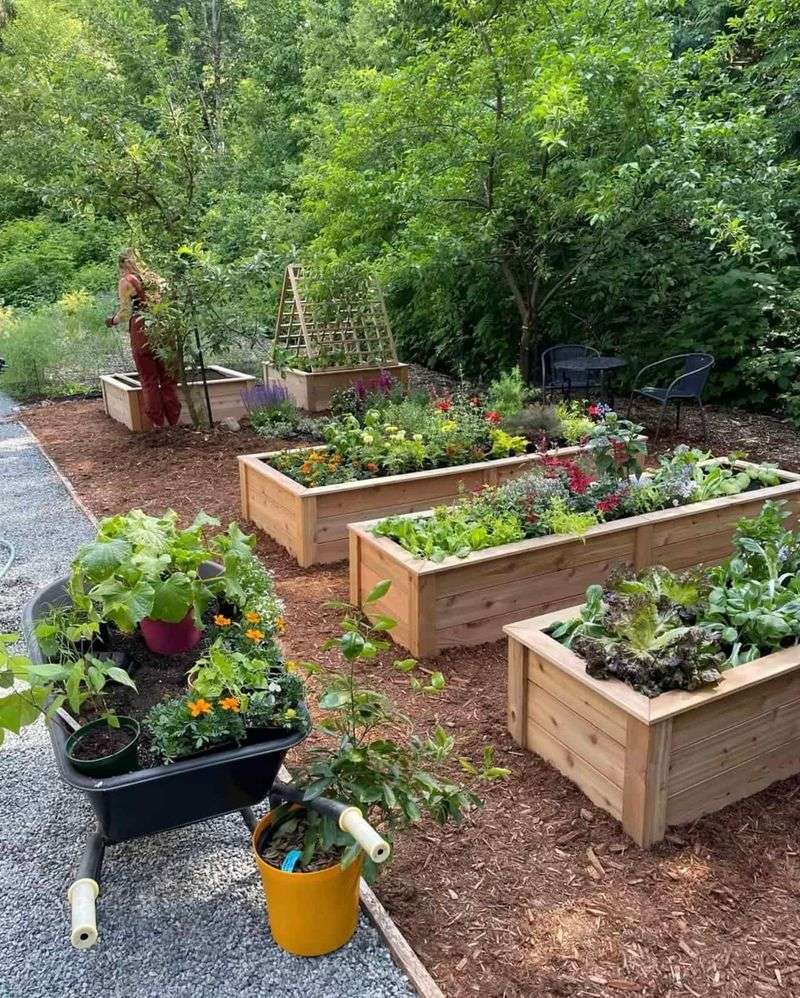
Raised bed gardening elevates your planting experience—literally! Starting with a raised bed can improve drainage and soil quality. This method is excellent for those with limited space or poor soil conditions.
Raised beds also offer better pest control and can extend your growing season. Built to your specifications, they can fit any garden layout seamlessly.
Fun fact: Raised beds have been used since medieval times, showcasing their enduring popularity among gardeners looking for efficiency and productivity.
Pollinator-friendly Plants
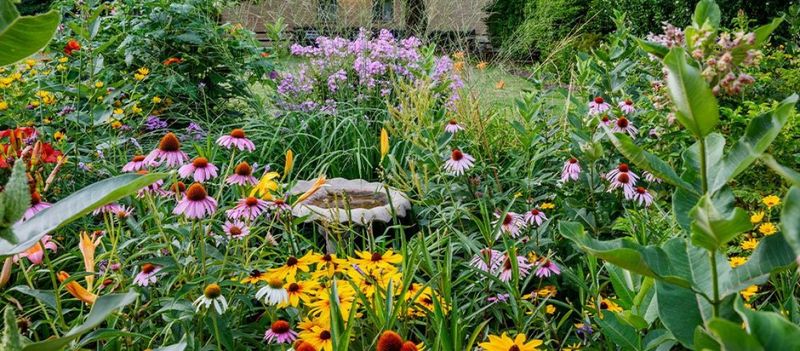
Creating a pollinator haven can breathe life into your garden. By choosing plants that attract bees, butterflies, and birds, you promote biodiversity and garden health.
Pollinator-friendly plants are typically hardy and low-maintenance, making them ideal for busy gardeners. Their blooms add color and vibrancy throughout the seasons.
Did you know? Pollinators are responsible for one out of every three bites of food we take, underscoring their critical role in our ecosystem.
Garden Lighting Solutions
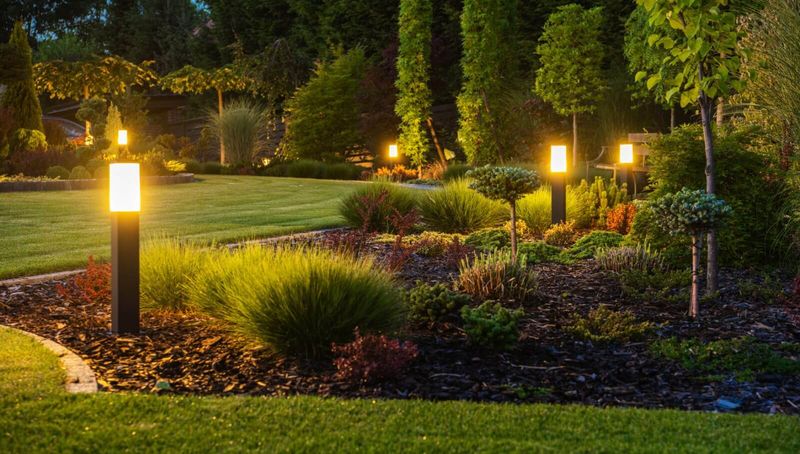
Garden lighting turns ordinary evenings into enchanted nights. With the right lighting solutions, your garden becomes a night-time wonderland. Solar lights are an energy-efficient choice that adds charm without adding to your electric bill.
Consider fairy lights woven through trees or spotlights to highlight feature plants. Lighting enhances safety and extends outdoor enjoyment into the night.
Fun fact: The concept of garden lighting can be traced back to ancient Rome, where oil lamps were used to illuminate courtyards for evening festivities.
Composting Stations
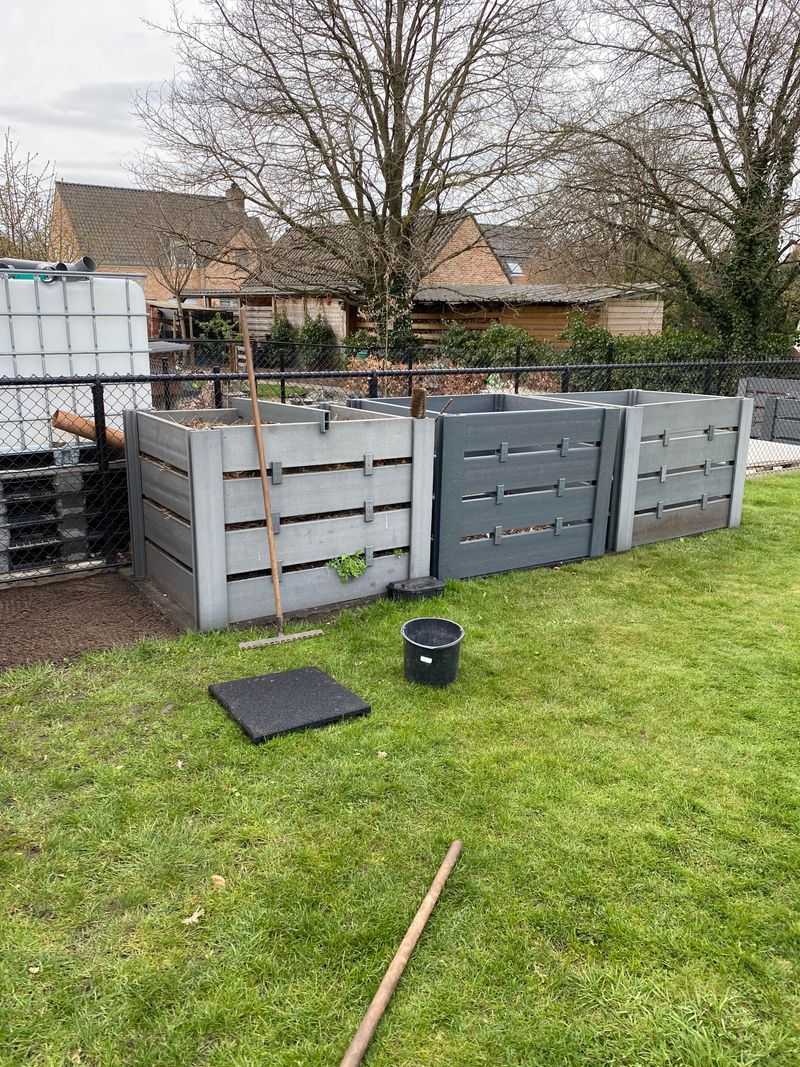
Turn waste into gold with a composting station. Composting reduces landfill waste and enriches soil naturally. Setting up a station is simple and can involve the whole family.
Compost is a powerhouse for growing healthy plants by improving soil structure and nutrient content. It’s an eco-friendly solution that reduces reliance on chemical fertilizers.
Did you know? Composting dates back to early agriculture, with records from ancient Akkadian Empire, making it a time-tested gardening practice.
Edible Landscaping
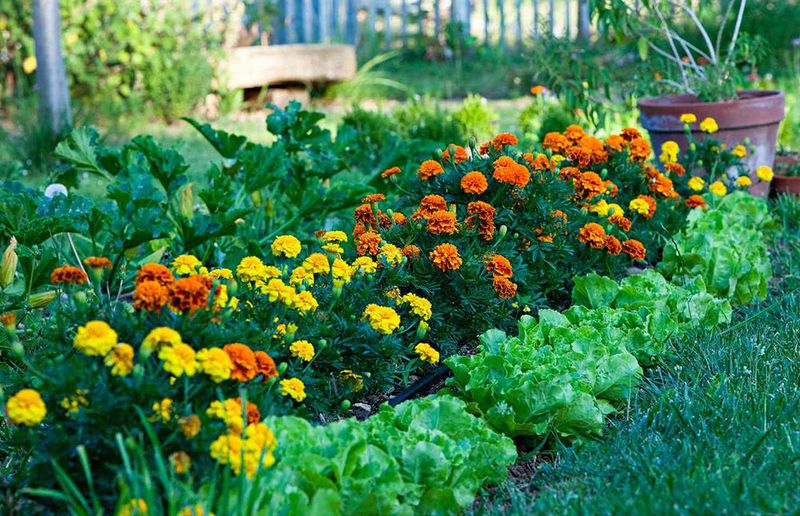
Edible landscaping is where aesthetics meet utility. Planting edible plants within your garden design transforms your space into a feast for the eyes and the palate.
This approach maximizes space by combining ornamental and edible elements, ideal for modern gardeners. Plus, it offers fresh produce straight from your backyard.
Fun fact: The concept of edible landscaping gained popularity in the 1980s as people sought sustainable and multi-purpose gardening solutions.