
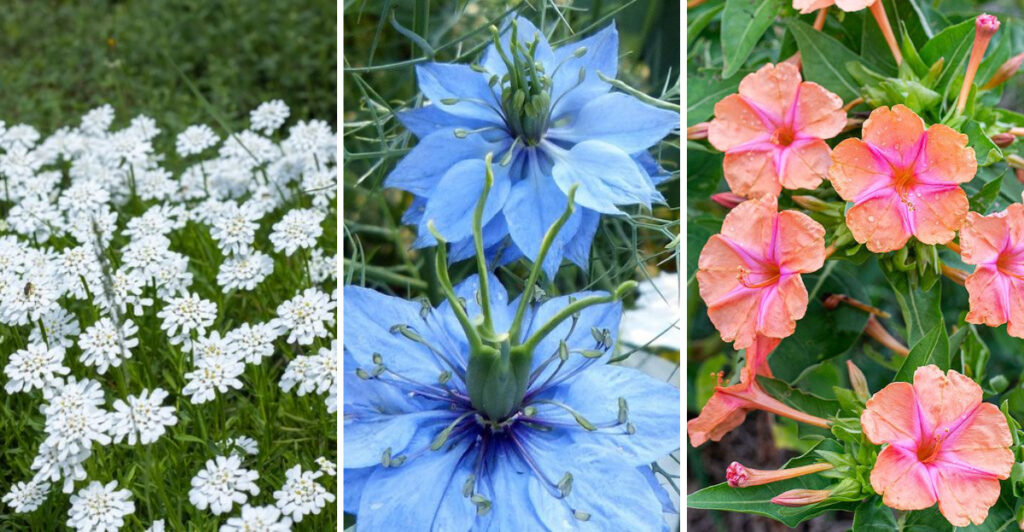
Explore the charm and elegance of Victorian-era flowers that once graced the most opulent gardens. These forgotten blooms offer unique beauty and historical significance, perfect for adding a touch of nostalgia to your modern garden.
1. Canterbury Bells (Campanula medium)
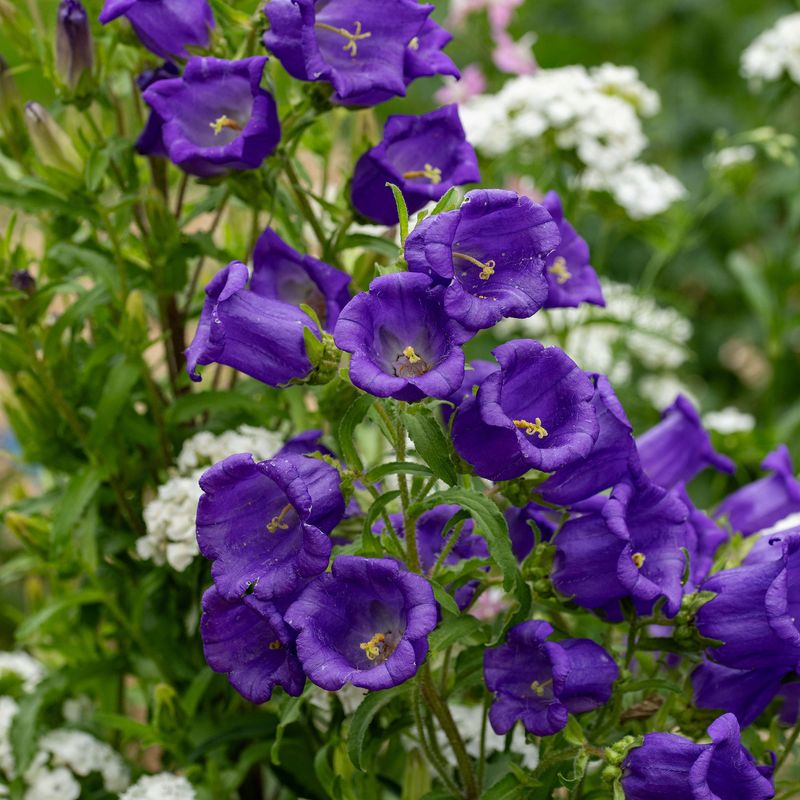
With their bell-shaped blooms swaying gently in the breeze, Canterbury Bells capture the essence of a classic cottage garden. These charming flowers come in hues of purple, pink, and white, standing tall in borders and beds.
During the Victorian era, they symbolized gratitude and constancy, making them a beloved choice for romantic gardens.
Their graceful presence and enchanting colors make them ideal for creating a nostalgic atmosphere in modern settings. Canterbury Bells invite a sense of timeless elegance and serenity, reminiscent of gardens treasured by our ancestors.
2. Sweet William (Dianthus barbatus)
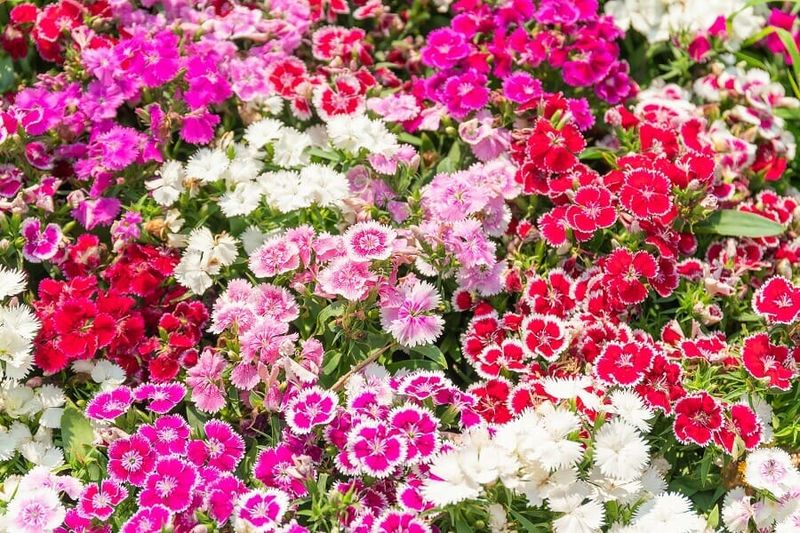
Sweet William, or Dianthus barbatus, brings a splash of color and charm with its clustered, spicy-scented blooms. These flowers, available in red, pink, and white, exude old-fashioned allure.
In Victorian times, they symbolized gallantry and finesse, gracing gardens with their vibrant presence.
Perfect for borders or bouquets, Sweet William adds a touch of nostalgia to any garden space. Its lively hues and delightful fragrance transport gardeners to a time when such flowers were a staple of elegant outdoor retreats, captivating both the eye and the senses.
3. Feverfew (Tanacetum parthenium)

Once prized for its medicinal properties, Feverfew, or Tanacetum parthenium, offers more than just beauty. Its small, white-and-yellow daisy-like flowers add brightness to any garden.
Victorians valued it for its symbolism of protection and healing, often using it to treat headaches and ailments.
Beyond its historical uses, Feverfew’s cheerful appearance brings charm to herbal gardens. Its resilience and ease of growth make it a delightful addition to modern gardens, weaving tales of traditional remedies and old-world wisdom with every bloom.
4. Love-in-a-Mist (Nigella damascena)
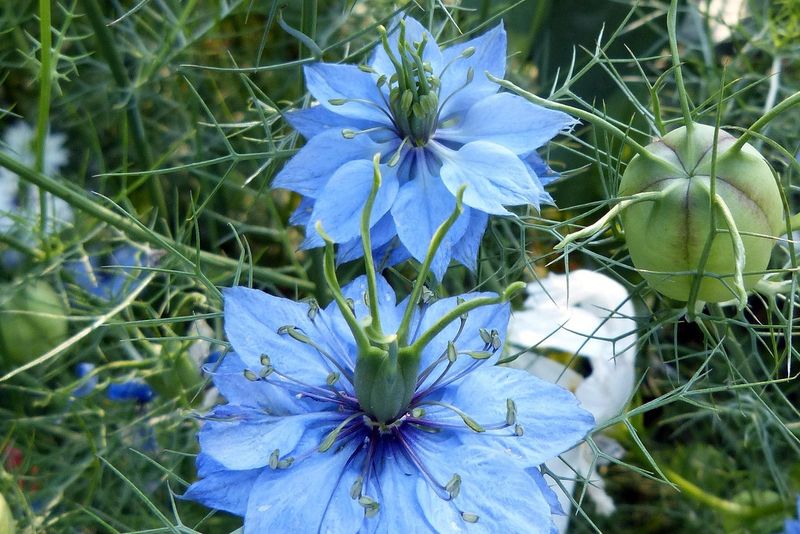
Enchanting and ethereal, Love-in-a-Mist, or Nigella damascena, weaves a mysterious allure in any garden. Its feathery foliage cradles delicate flowers in shades of blue, pink, or white.
These blossoms transform into intriguing seed pods, adding a whimsical touch. Victorian gardeners cherished this flower for its symbolism of mystery and delicate beauty.
A captivating choice for those seeking something unique, Love-in-a-Mist blends effortlessly into cottage gardens. Its charm lies not only in its appearance but in the tales it tells of gardens long past, whispering secrets of another era.
5. Hollyhock (Alcea rosea)
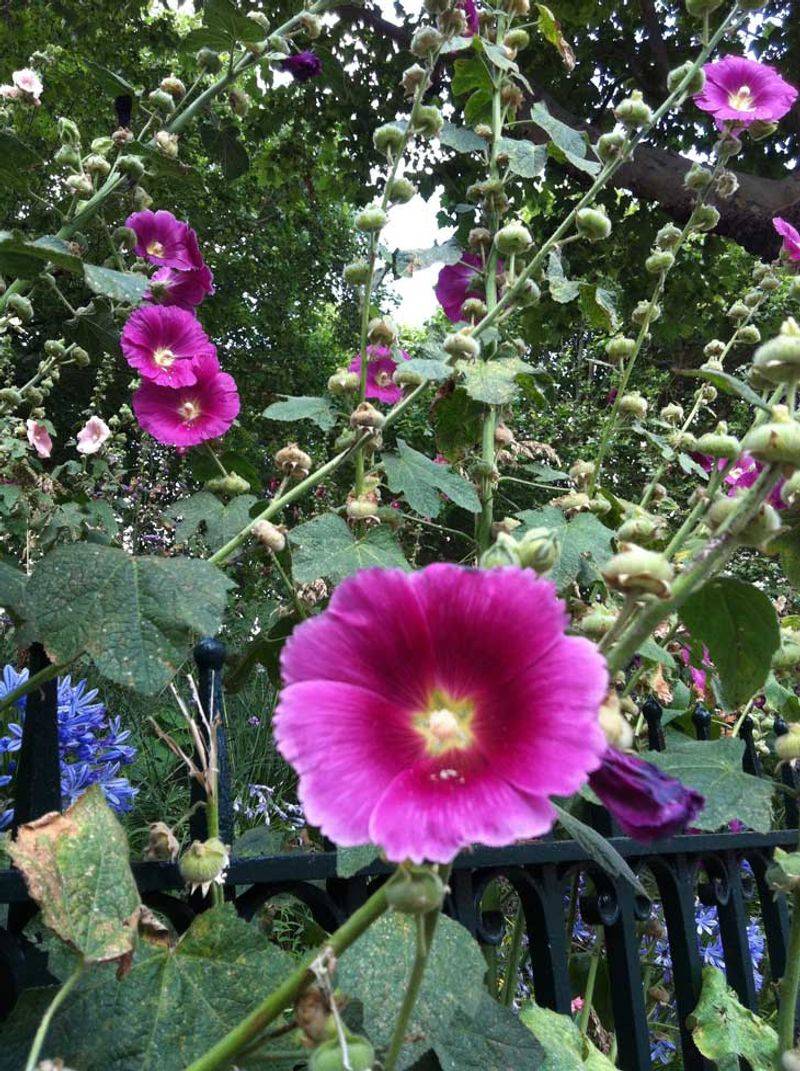
Towering and majestic, Hollyhocks have been a staple in cottage gardens for generations. Their tall spikes, adorned with ruffled blooms in an array of jewel tones, create a dramatic effect.
During the Victorian era, they symbolized ambition and fertility, making them a meaningful addition to gardens.
Their presence elevates garden designs, adding vertical interest and vivid color. Hollyhocks beckon admiration, standing as natural sentinels of beauty and tradition, reminding us of a time when towering blooms were cherished for their elegance and symbolism.
6. Mignonette (Reseda odorata)
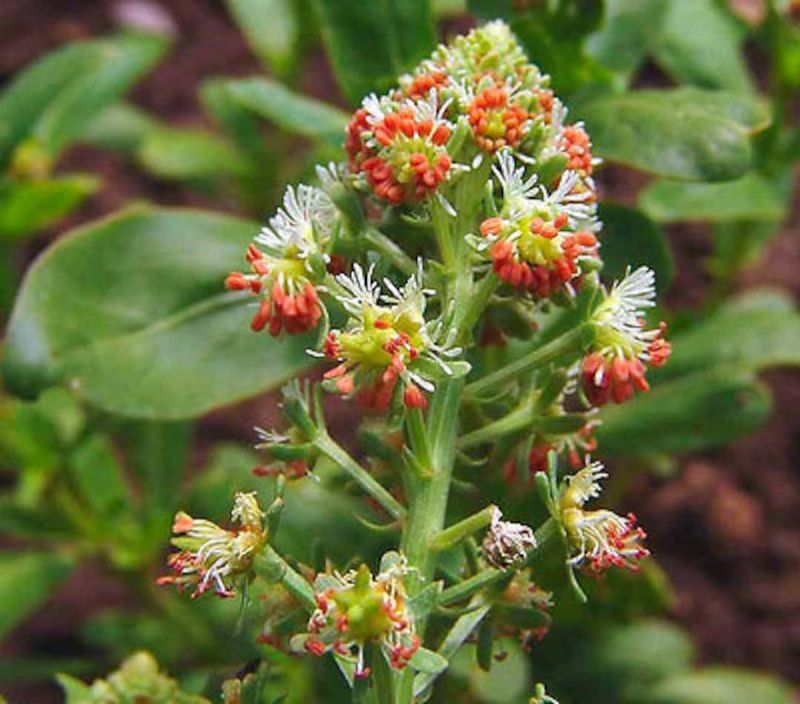
Mignonette, or Reseda odorata, enchants with its tiny, greenish-yellow flowers exuding a sweet vanilla-honey fragrance. This seemingly modest flower held great significance in Victorian gardens, representing worth beyond beauty.
Its delightful scent was treasured for creating fragrant bouquets and gardens.
Ideal for a sensory garden or nostalgic setting, Mignonette’s subtle presence complements more dramatic blooms. Its gentle aroma and understated beauty offer a serene escape, reminiscent of an era that valued the fragrances as much as the visual splendor of its gardens.
7. Balsam (Impatiens balsamina)
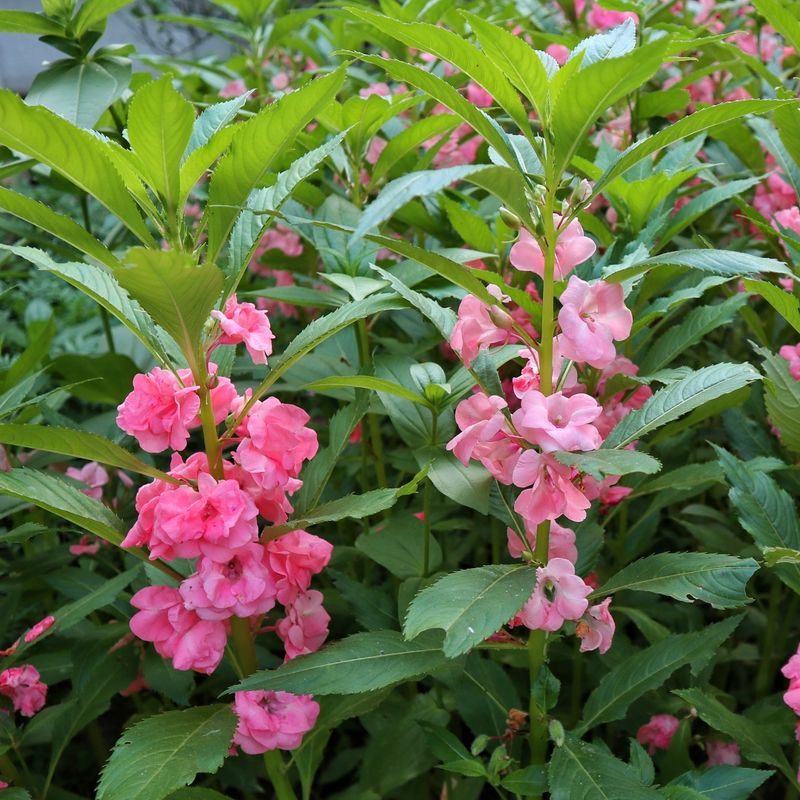
Balsam, or Impatiens balsamina, captivates with its rose-like double flowers in vibrant pink, purple, and white hues. Known for its explosive seed pods, it adds an element of surprise.
Victorians appreciated its symbolism of impatience and urgency, making it a dynamic feature in gardens.
Perfect for borders or containers, Balsam thrives in shaded areas, bringing a burst of color and playful energy. Its unique seed dispersal mechanism and floral beauty tell tales of horticultural curiosity and past gardening practices, where innovation met the art of floral design.
8. Rocket Larkspur (Consolida ajacis)
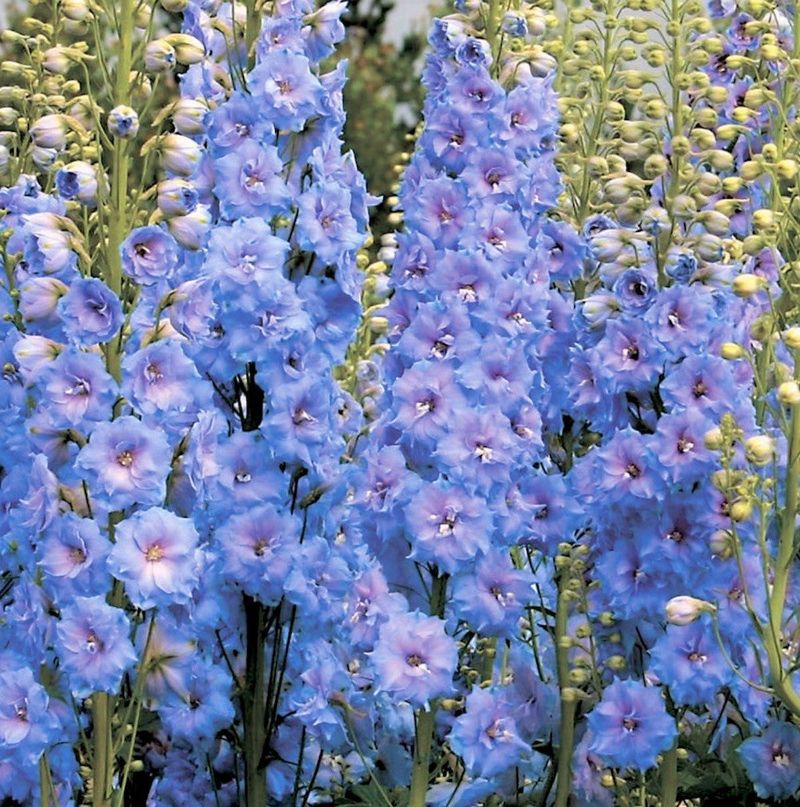
Rocket Larkspur, or Consolida ajacis, stands tall with its airy spikes in shades of blue, pink, and white. Known for its lightness and levity, it became a favorite for cutting gardens.
Victorians adored these flowers for their ease of growth and ability to brighten spaces with minimal effort.
Ideal for adding vertical interest, Rocket Larkspur thrives in sunny locations. Its delicate blooms dance in the breeze, painting gardens with a touch of grace and whimsy. This flower’s charm lies in its simplicity, offering gardeners a glimpse into past floral arrangements.
9. Four O’Clocks (Mirabilis jalapa)
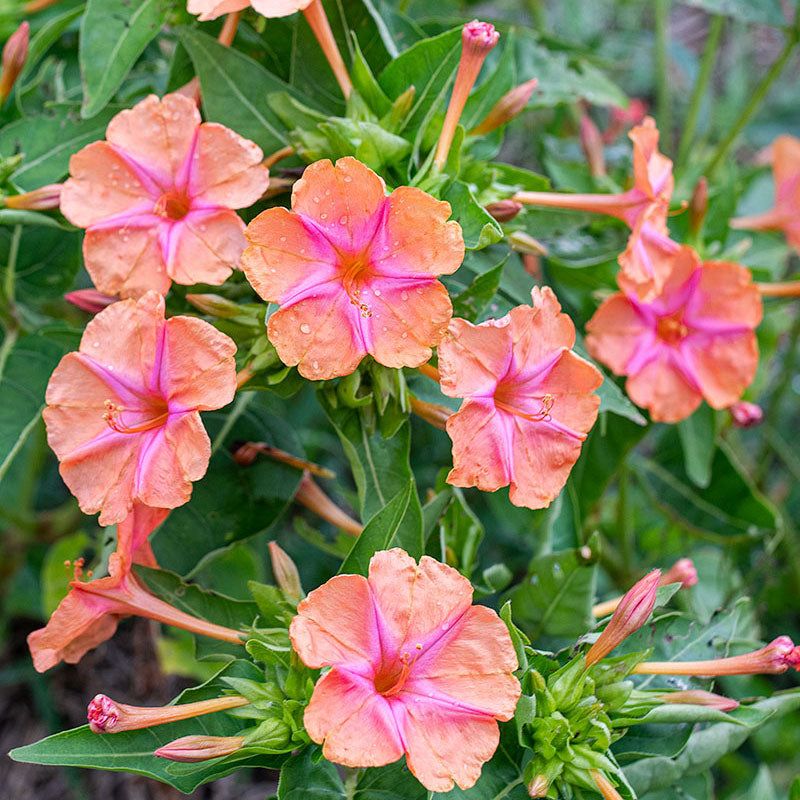
Four O’Clocks, or Mirabilis jalapa, offer a delightful mystery as they bloom late in the afternoon. Their trumpet-shaped flowers in vibrant colors release a sweet fragrance as the sun sets.
In Victorian gardens, they symbolized timeliness and surprise, adding intrigue to floral displays.
These hardy plants adapt well to various conditions, making them perfect for night gardens or areas needing a burst of evening color. Four O’Clocks invite curiosity, as they remind us of the silent beauty that awakens when the world slows, crafting gardens that thrive in twilight hours.
10. Wallflower (Erysimum cheiri)
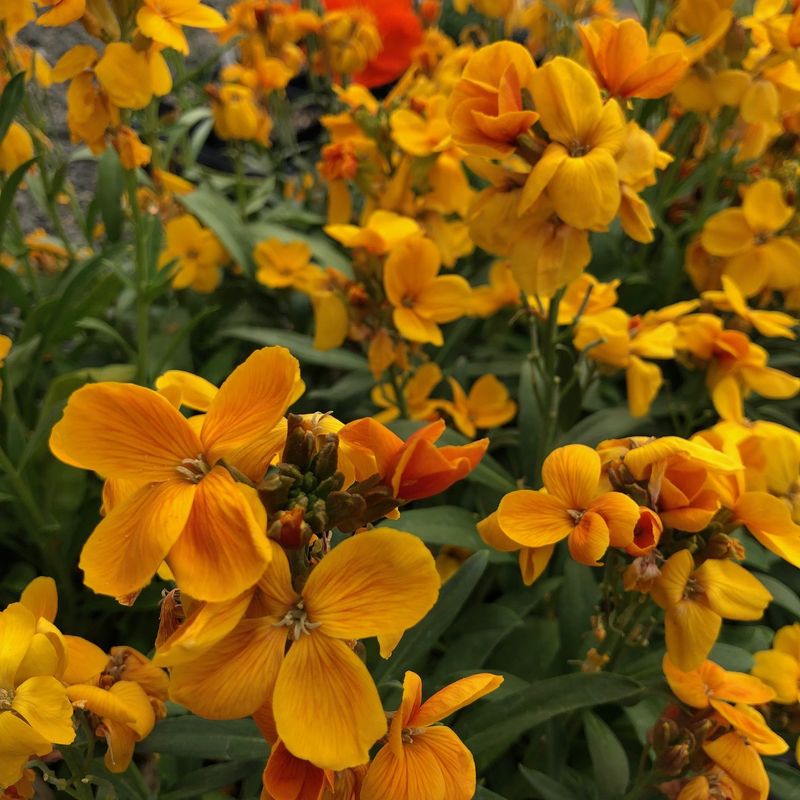
Wallflower, or Erysimum cheiri, brings warmth with its vibrant orange, yellow, and red blooms. Known for their sweet, spicy perfume reminiscent of cinnamon, these flowers were cherished in Victorian times.
Symbolizing fidelity in adversity, Wallflowers added sentiment to gardens.
Their colorful display and rich fragrance make them ideal for borders or containers. Wallflowers thrive in well-drained soil, offering a touch of nostalgia and steadfast beauty. These blooms tell tales of resilience, standing strong amid changing seasons, and inviting us to appreciate their quiet yet powerful presence.
11. Pinks (Dianthus plumarius)
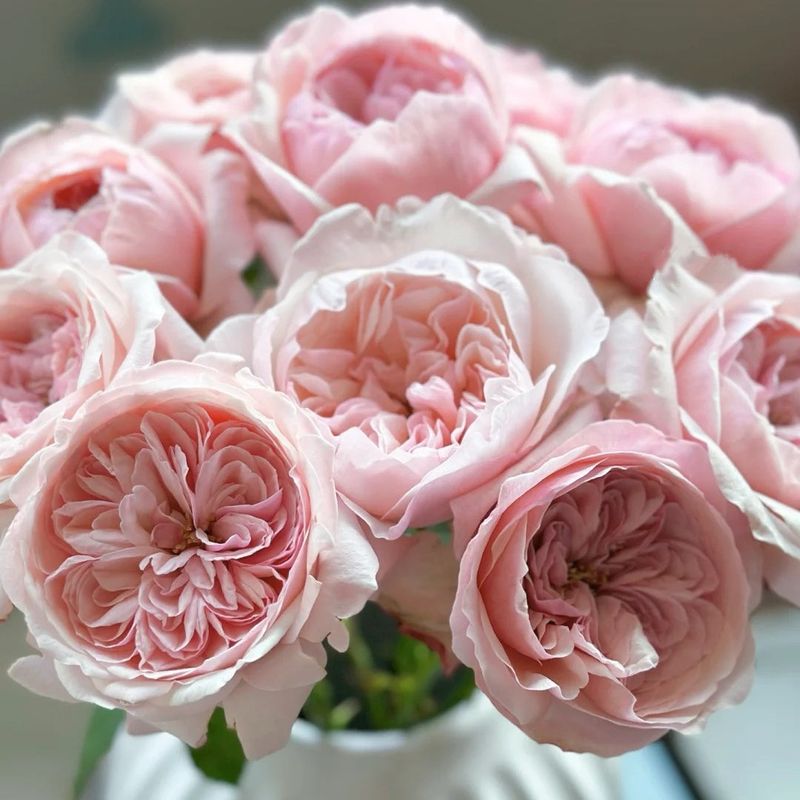
Pinks, or Dianthus plumarius, are known for their frilly-edged flowers and clove-like scent. These cheerful blooms in pink and white hues filled Victorian gardens with charm and pure affection.
Their delicate appearance and heavenly fragrance made them favorites for garden beds and floral arrangements.
Ideal for edging pathways or filling borders, Pinks thrive in sunny spots, bringing a burst of color and fragrance. Their classic beauty and sweet scent evoke memories of gardens that cherished subtlety and grace, inviting us to experience the timeless joy of these beloved flowers.
12. Honesty (Lunaria annua)
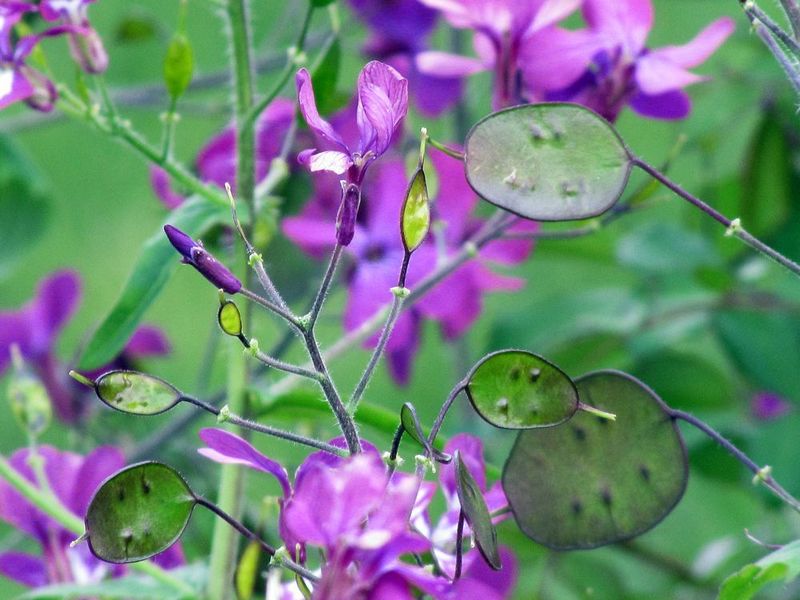
Honesty, or Lunaria annua, offers a visual treat with its purple or white blooms followed by translucent seed pods. Known as the silver-dollar plant, it holds symbolism of sincerity and transparency.
Victorians appreciated these flowers for their unique appearance and meaningful representation.
Perfect for dried arrangements or garden interest, Honesty thrives in partial shade, adding texture and intrigue. Its distinct seed pods catch the light, creating a magical effect. This flower’s allure lies in its ability to bridge the seasons, providing beauty and contemplation from spring through autumn.
13. Forget-Me-Not (Myosotis sylvatica)

Forget-Me-Nots, or Myosotis sylvatica, are tiny blue treasures that symbolize true love and remembrance. Their clusters of delicate sky-blue flowers have long been a staple in Victorian gardens.
Self-seeding freely, Forget-Me-Nots create a carpet of color that returns year after year, offering a sense of continuity.
Ideal for borders or woodland gardens, their gentle blooms invite reflection and sentimentality. These flowers tell stories of enduring affection and cherished memories, weaving a tapestry of past and present in every petal, capturing the essence of timeless beauty.
14. Jacob’s Ladder (Polemonium caeruleum)
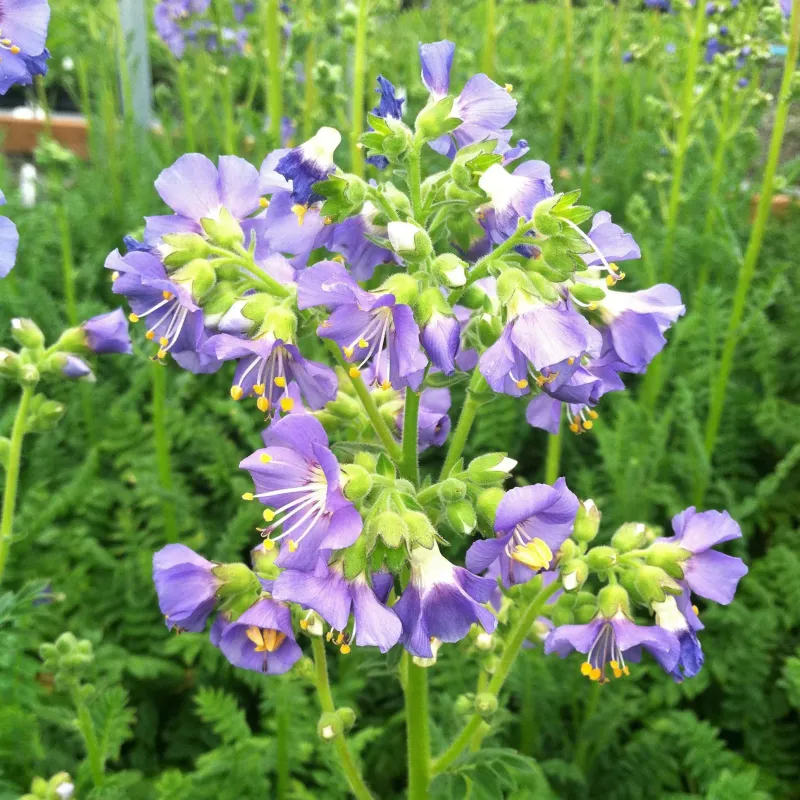
Jacob’s Ladder, or Polemonium caeruleum, captivates with its ladder-like foliage and delicate blue or white flowers. Known for its symbolism of ascension and spiritual growth, it was a favorite in Victorian gardens.
Its graceful presence and serene beauty offer a peaceful retreat for any garden space.
Ideal for shaded areas or woodland gardens, Jacob’s Ladder thrives in cool, moist conditions. Its enchanting appearance and spiritual symbolism invite contemplation and tranquility, creating a sanctuary where the mind can wander and the heart can find solace.
15. Candy Tuft (Iberis sempervirens)
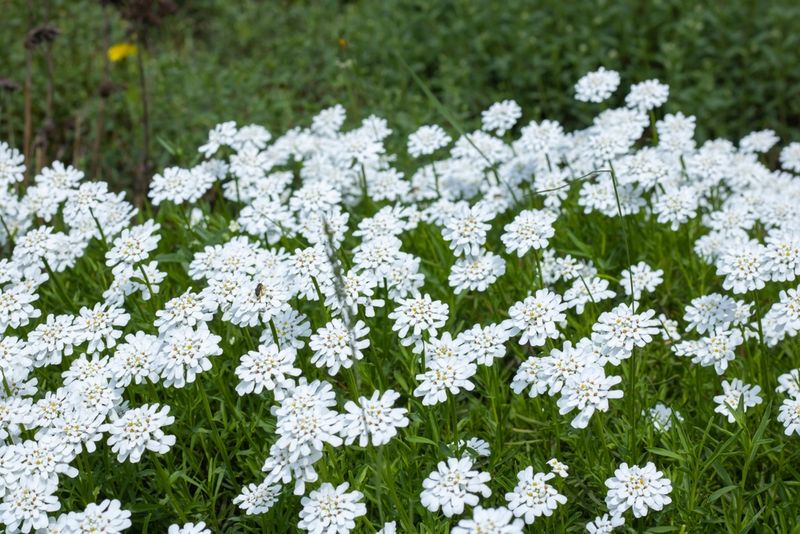
Candy Tuft, or Iberis sempervirens, delights with its masses of tiny white flowers and evergreen foliage. Known for its ironic symbolism of indifference, these blooms create a snowdrift effect in gardens.
Victorians appreciated their low-growing habit and ability to brighten spaces.
Ideal for edging or rock gardens, Candy Tuft thrives in sunny locations, offering year-round interest. Its clean, crisp appearance and unexpected symbolism provide a playful touch, inviting gardeners to explore the hidden meanings and simple joys found in these charming blooms.
16. Lady’s Mantle (Alchemilla mollis)
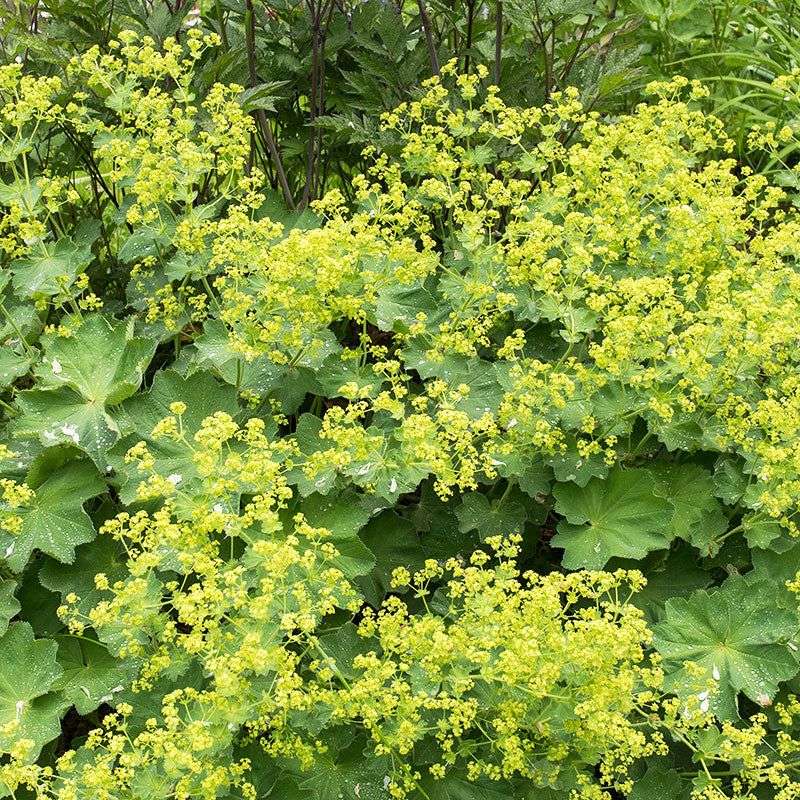
Lady’s Mantle, or Alchemilla mollis, enchants with its soft, scalloped leaves that capture water droplets like jewels. Known for its symbolism of comfort and protection, it was a cherished plant in Victorian gardens.
Popular for its foliage rather than its flowers, Lady’s Mantle adds textural contrast.
Ideal for borders or shaded areas, it thrives in moist, well-drained soil, inviting a sense of tranquility and wonder. Its gentle beauty and unique leaf structure captivate gardeners, offering a glimpse into a world where the magic of nature is celebrated and preserved.
17. Foxglove (Digitalis purpurea)
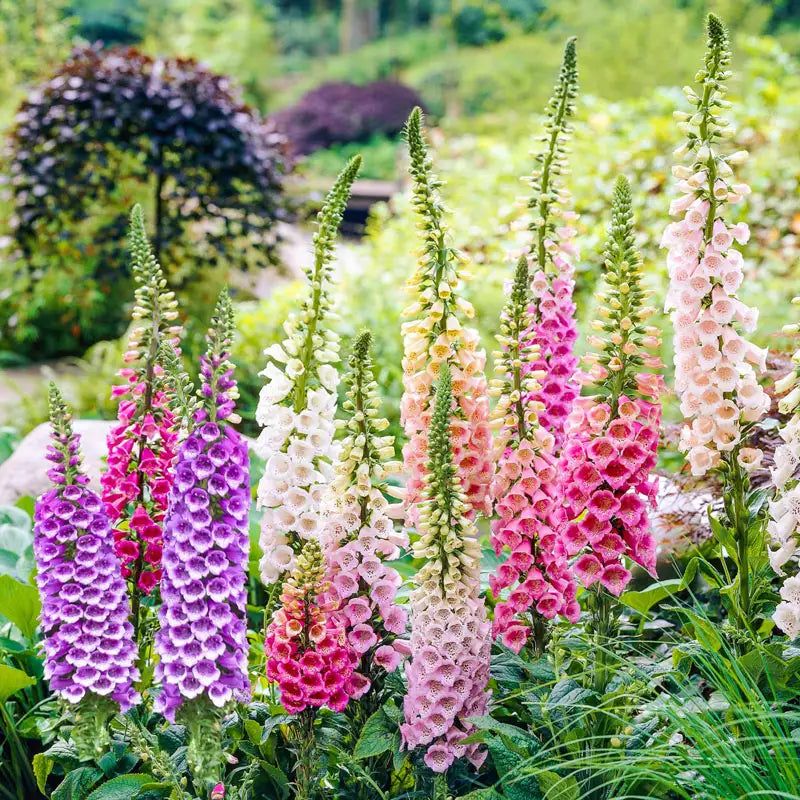
Foxglove, or Digitalis purpurea, stands majestic with its towering spikes of speckled, bell-shaped flowers. While toxic, its stunning appearance made it a staple in Victorian gardens.
Symbolizing insincerity, Foxgloves added both beauty and mystery to floral displays.
Ideal for shaded or woodland gardens, they thrive in well-drained soil, offering a dramatic visual impact. The allure of Foxgloves lies in their dual nature, captivating with their elegance while holding secrets within, reminding us of the complex tapestry of beauty and danger in nature.
18. Sweet Alyssum (Lobularia maritima)
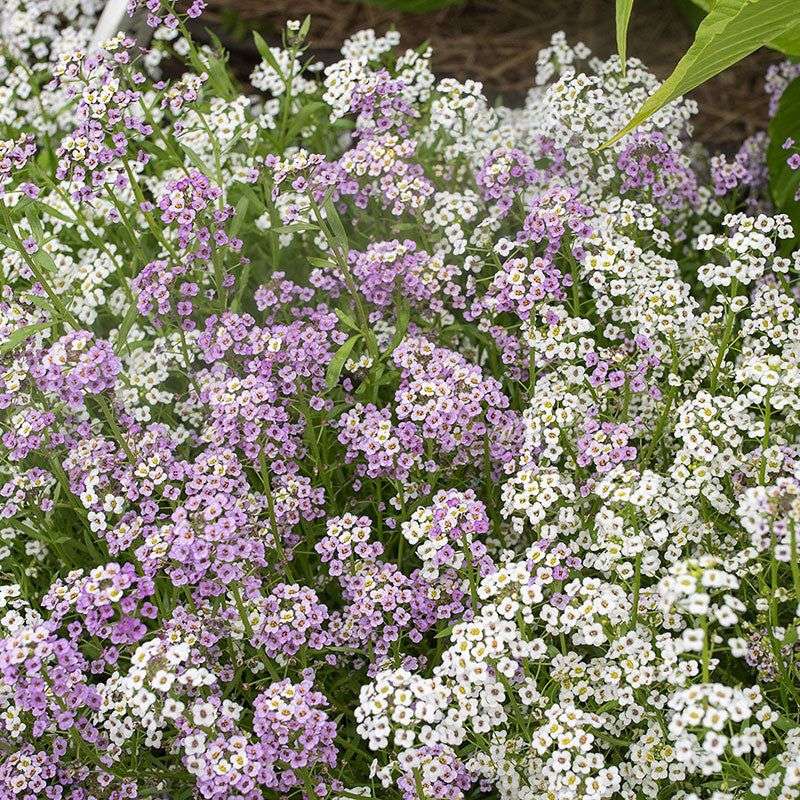
Sweet Alyssum, or Lobularia maritima, forms a fragrant carpet with its tiny white, pink, or purple flowers. Known for its sweet scent, it was valued in Victorian gardens for representing worth beyond beauty.
Ideal for borders or containers, Sweet Alyssum thrives in sunny locations, adding both aroma and visual appeal.
Its low-growing habit and profusion of blooms create a gentle tapestry of color and scent. Sweet Alyssum invites us to appreciate the subtle pleasures of gardening, where the smallest blooms can leave the most lasting impressions.
19. Bleeding Heart (Dicentra spectabilis)
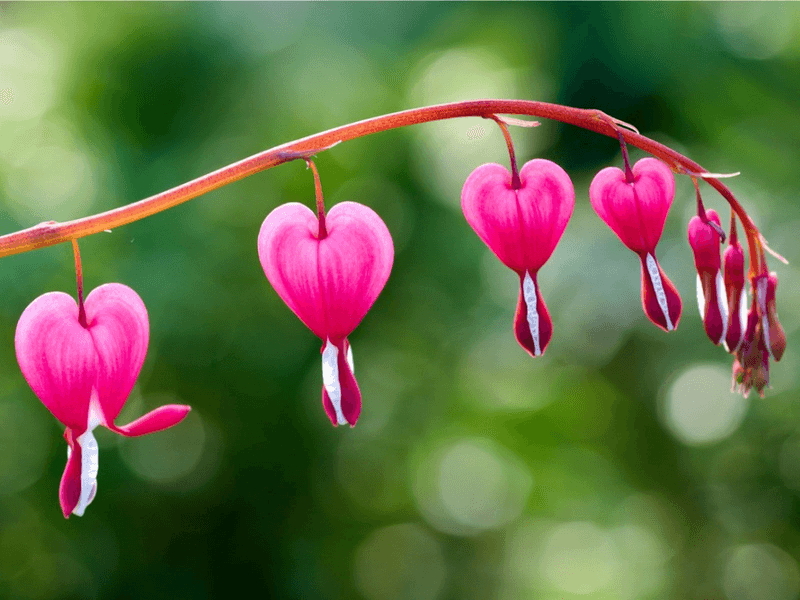
Bleeding Heart, or Dicentra spectabilis, enchants with its heart-shaped pink-and-white flowers that dangle delicately. Known for symbolizing unrequited love, it was a favorite in Victorian romantic gardens.
These unique blooms thrive in shaded areas, adding grace and charm to woodland settings.
Bleeding Hearts captivate with their poignant beauty, evoking emotion and nostalgia. Their gentle presence tells stories of love and longing, weaving a delicate tapestry of sentimentality and beauty, and inviting us to pause and reflect on the complexities of the heart.
20. Virginia Stock (Malcolmia maritima)
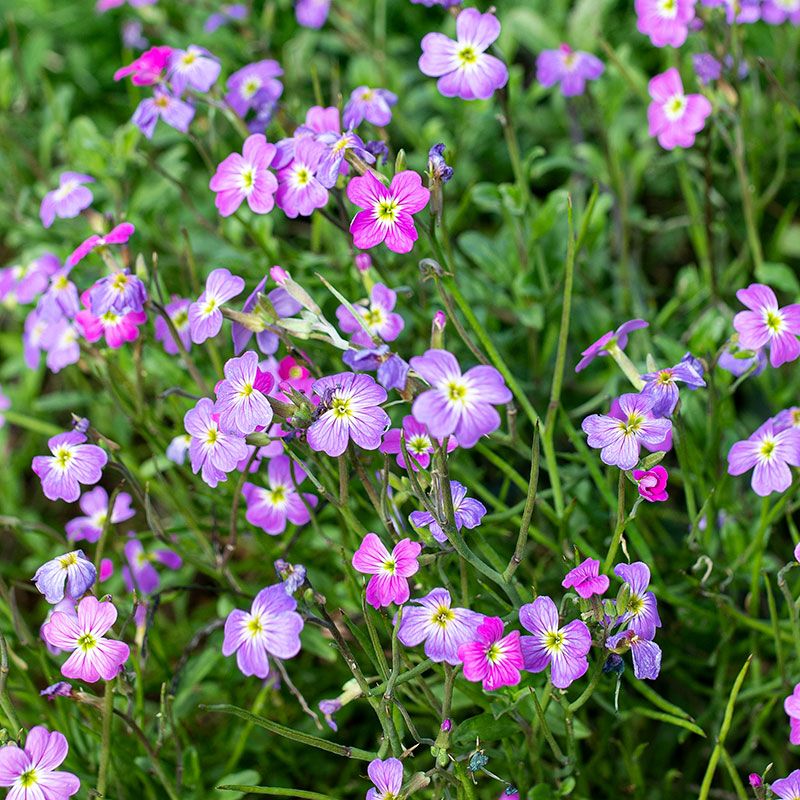
Virginia Stock, or Malcolmia maritima, delights with its small, fragrant flowers in pastel shades. Known for its lasting beauty, it was a cherished choice for Victorian gardens.
These blooms thrive in sunny locations, making them excellent for edging or filling gaps.
Their soft colors and sweet scent create a gentle, romantic atmosphere. Virginia Stock invites gardeners to explore its subtle beauty, offering a nod to the elegance of past garden designs and the simple pleasures found in a garden teeming with life and fragrance.