

In the fascinating world of biohacked plants, nature’s boundaries are being redefined. From plants that glow in the dark to those that can transmit electrical signals, these innovations are changing how we interact with flora. This blog post explores ten remarkable biohacked plants that challenge conventional ideas about the plant kingdom.
1. Glowing Plants (Bioluminescent Greens)
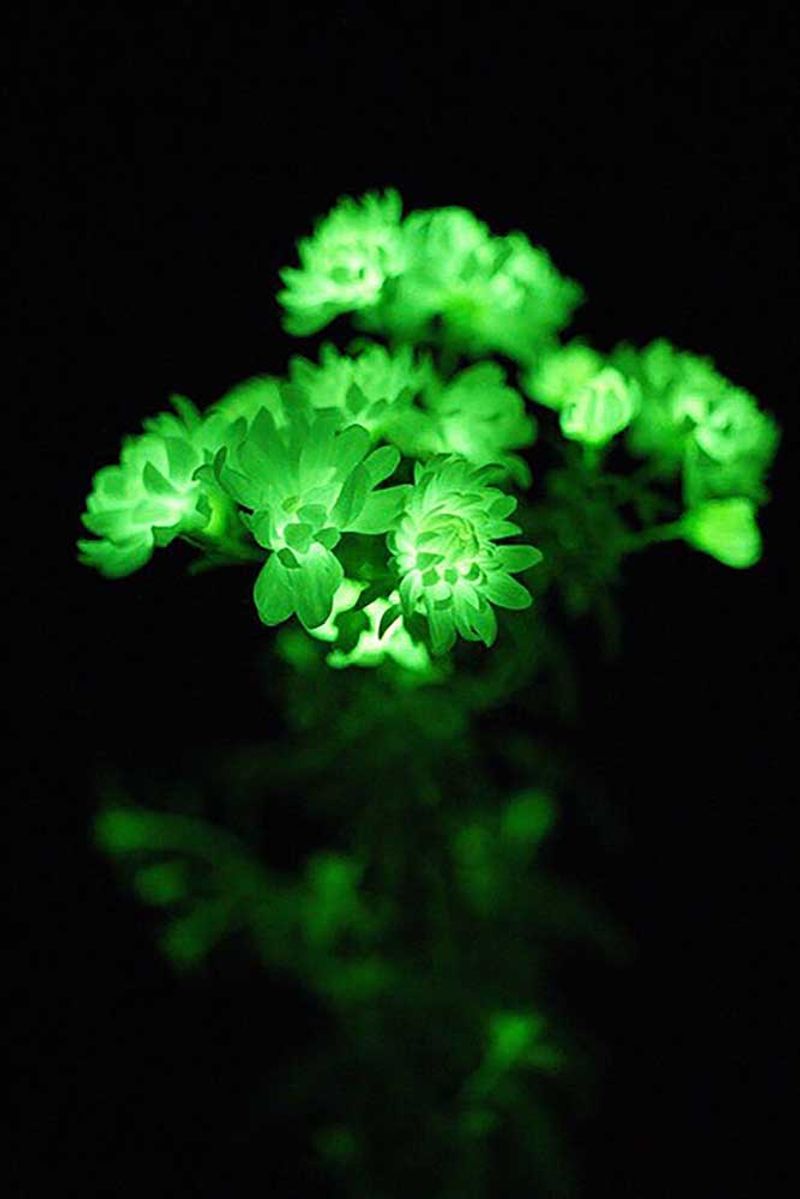
This isn’t fantasy but the world of bioluminescent plants. Scientists have inserted genes from fireflies and bioluminescent bacteria into common greens, resulting in self-illuminating foliage.
Besides their beauty, these plants offer practical benefits. They could serve as sustainable night lighting, reducing the need for electricity.
Their surreal glow adds an element of wonder to any garden, offering an imaginative alternative to traditional garden decor. This innovation could redefine our relationship with nocturnal landscapes.
2. Self-Watering Plants (Hydrogel-Enhanced Roots)

For those who forget to water their plants, self-watering solutions are revolutionary. By integrating superabsorbent hydrogels into soils or root systems, plants can store moisture efficiently.
This advancement ensures that plants thrive even in neglect, making them ideal companions in drought-prone regions or for forgetful gardeners.
Their ability to survive weeks without additional care marks a significant leap in plant sustainability, promising a new era of low-maintenance gardening. These hydrogel-enhanced plants may soon become a household staple, offering both convenience and resilience.
3. CRISPR-Edited Tomatoes (Extra-Nutritious & Flavorful)

In a quest for better nutrition, CRISPR technology has been a game-changer for tomatoes. By editing specific genes, scientists have enhanced their antioxidant content and flavor profile.
The most striking example is the purple GMO tomato, which boasts cancer-fighting anthocyanins, making it both a culinary and health sensation.
While some regions have banned these genetically modified wonders, they are gaining FDA approval and consumer interest. This innovation could reshape our dietary landscapes, offering a delicious, health-boosting alternative to traditional tomatoes.
4. Electric Plants (Living Circuitry Experiments)
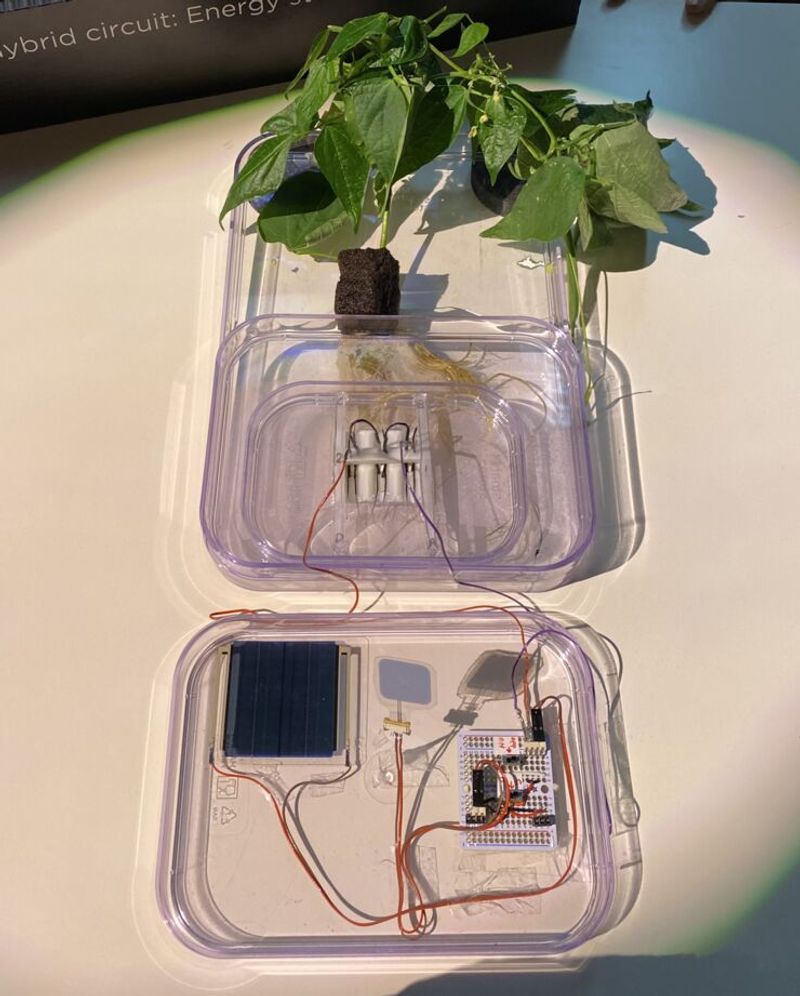
These electric plants are part of pioneering research into living circuitry. Their potential extends beyond novelty; they could detect pollution or function as natural bio-batteries, transforming how we utilize plant life.
This blend of nature and technology opens doors to innovative applications, promising a future where plants play an active role in environmental monitoring. Electric plants represent a frontier in bio-technology, offering insights into eco-friendly solutions for modern challenges.
5. Carnivorous Plant Super Soldiers (Enhanced Bug Traps)
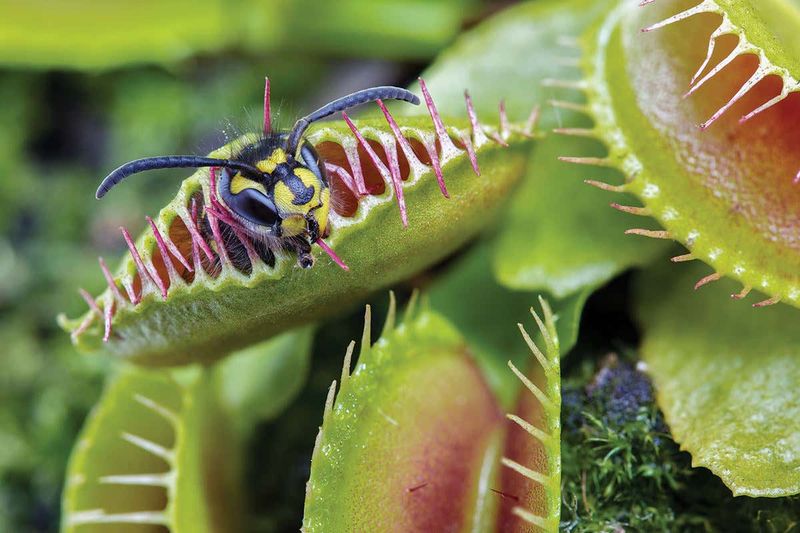
The Venus flytrap, an emblem of nature’s ingenuity, has been enhanced to become even more formidable. Through selective breeding and synthetic biology, these plants now boast more potent digestive enzymes.
This enhancement allows them to trap and dissect prey with remarkable speed, thriving on pests that plague gardens.
There’s an air of curiosity and slight apprehension around these super soldiers of the plant world. Could they one day evolve to handle larger prey? Their creepy factor aside, these plants are a gardener’s ally against unwanted insects.
6. Sunflower Skyscrapers (Hybrid Giant Stalks)

A stroll through a field of sunflowers now feels like wandering among giants. Through cross-breeding and growth hormone treatments, sunflowers have been biohacked to reach impressive heights of 15 feet.
Their thick stalks resemble tree trunks, offering potential for biofuel production and extreme carbon capture.
These towering beauties not only inspire awe but also hint at the possibilities of agricultural innovation. Sunflower skyscrapers represent a marriage of aesthetics and utility, promising a greener future.
7. Everbearing Strawberries (Year-Round Fruit Hack)
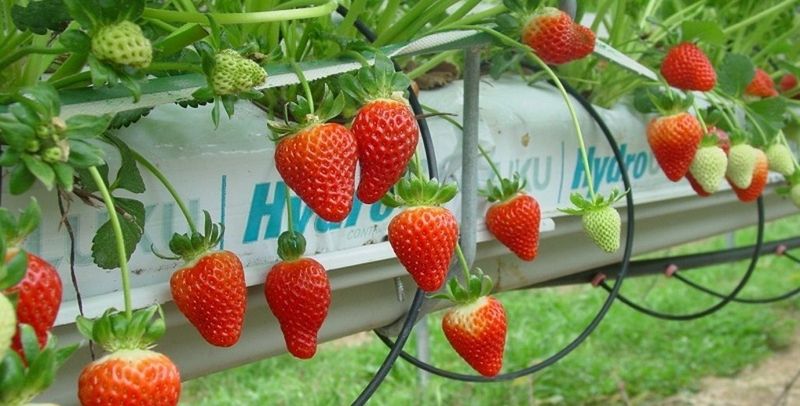
Strawberries that produce fruit year-round might sound like magic, but they’re a reality thanks to biohacking. By manipulating light cycles and tweaking genes, these everbearing strawberries defy seasonal dormancy.
Growers can utilize grow lights and hydroponics to achieve continuous fruiting, even in winter.
This innovation provides endless opportunities for fresh produce, regardless of the season. For those keen on perpetual harvests, the era of year-round strawberries is here, offering a taste of summer any time of year.
8. Pollution-Eating Trees (GMO Air Purifiers)

In a world striving for cleaner air, GMO trees are stepping up as natural purifiers. Engineered to absorb heavy metals and CO2 at ten times the normal rate, these trees are environmental powerhouses.
Take the poplar tree, modified for super-phytoremediation, as an example; it symbolizes a future where nature cleanses itself.
These pollution-eating trees have the potential to transform industrial waste sites into havens of recovery. Their role in natural purification could be crucial in combating global pollution challenges.
9. Vaccine-Growing Lettuce (Edible Medicines)
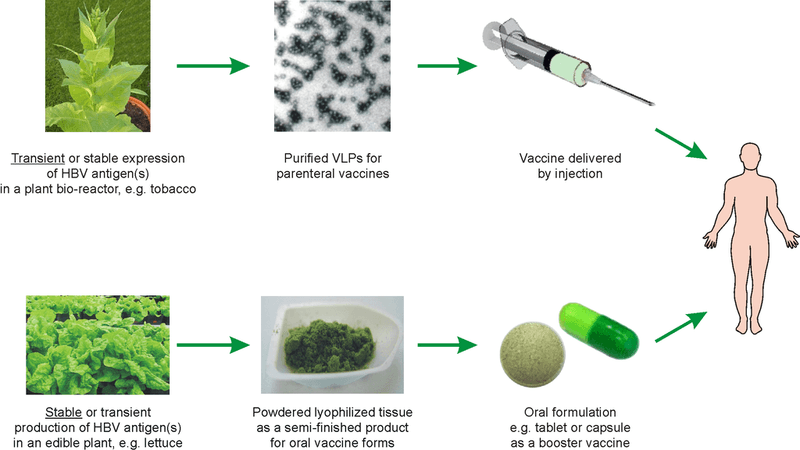
Bioengineered lettuce capable of producing mRNA vaccines is a pioneering step towards accessible healthcare.
This innovation offers potential for cheap, plant-based immunizations, especially in remote or underdeveloped areas.
While still in experimental stages, these edible vaccines showed promise during COVID-19 trials. The concept of eating your medicine could revolutionize how we approach healthcare, making it more sustainable and accessible.
10. Climate-Immortal Crops (Extreme Survivors)
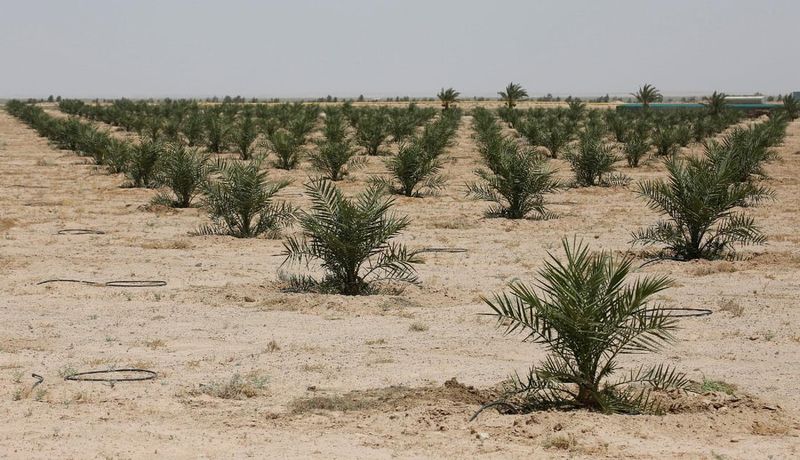
Crops that defy climate challenges are here, armed with genes from resurrection plants. These climate-immortal crops, such as wheat and rice, can revive after prolonged droughts.
Their development aims to reduce famine risks and enhance food security in affected regions.
While their benefits are clear, ethical questions remain about their impact on natural species. Nonetheless, these resilient crops symbolize hope and innovation in an era of climate uncertainty.