

Delve into the world of permaculture with these 13 forgotten techniques that promise to revolutionize your gardening experience. These sustainable methods, rooted in ancient wisdom, offer innovative solutions for creating a self-sustaining garden. From water-conserving practices to natural fertilizers, each technique is a step towards a more harmonious relationship with nature. Explore how these methods can be tailored to fit modern needs while honoring their rich histories and proven effectiveness.
1. Chinampas (Aztec Floating Gardens)

Chinampas, originating from the Aztecs, are raised garden beds bordered by water channels. This ancient technique mimics wetland ecosystems, offering a self-irrigating system rich in nutrients. Over time, decomposing aquatic plants enhance soil fertility, while the water prevents erosion.
Perfect for boggy areas, this method can be adapted to create small-scale versions in ponds. Chinampas not only conserve water but also provide an innovative, beautiful way to cultivate food sustainably.
2. Hugelkultur (Buried Wood Gardening)
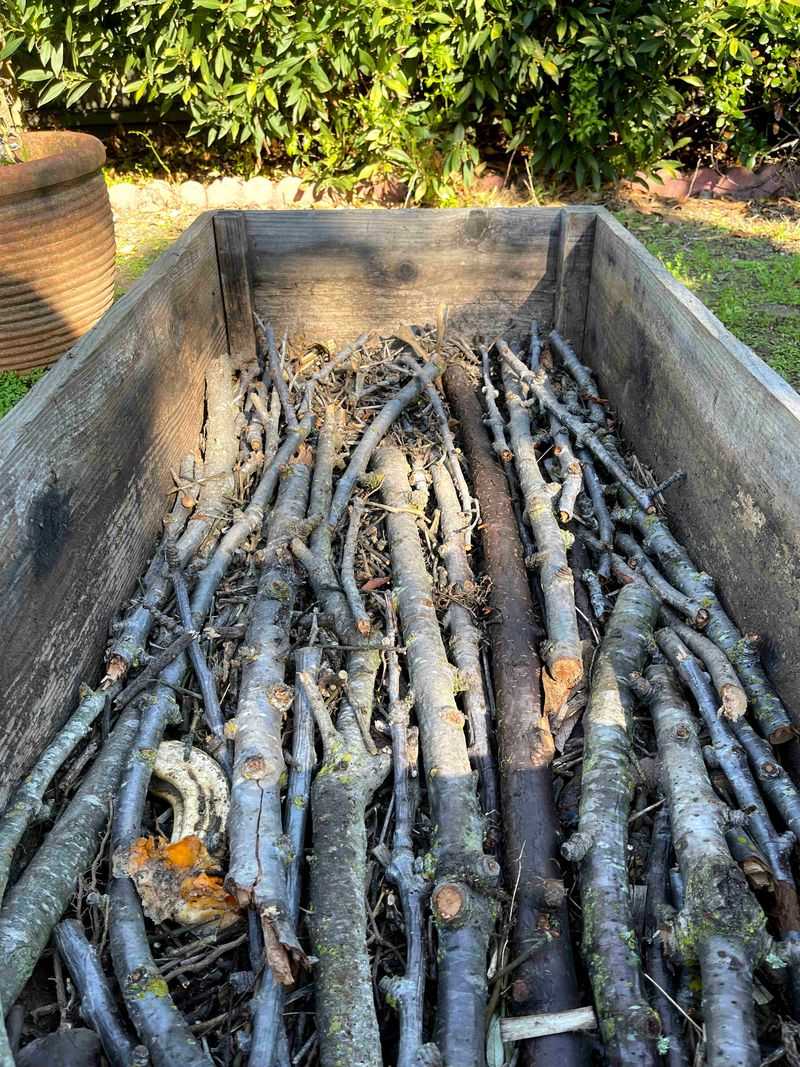
In the heart of a dry landscape, a mound of soil thrives. Hugelkultur, or buried wood gardening, involves placing logs and branches beneath the soil. As they decompose, they act like sponges, retaining moisture and feeding plants for decades. This technique, akin to creating a self-replenishing oasis, is ideal for fruit trees, perennials, and raised beds.
In arid climates, it reduces the need for irrigation, ensuring sustainability. Hugelkultur transforms barren landscapes into lush, fertile grounds, showcasing nature’s resilience.
3. Keyline Plowing (Water-Harvesting Furrows)
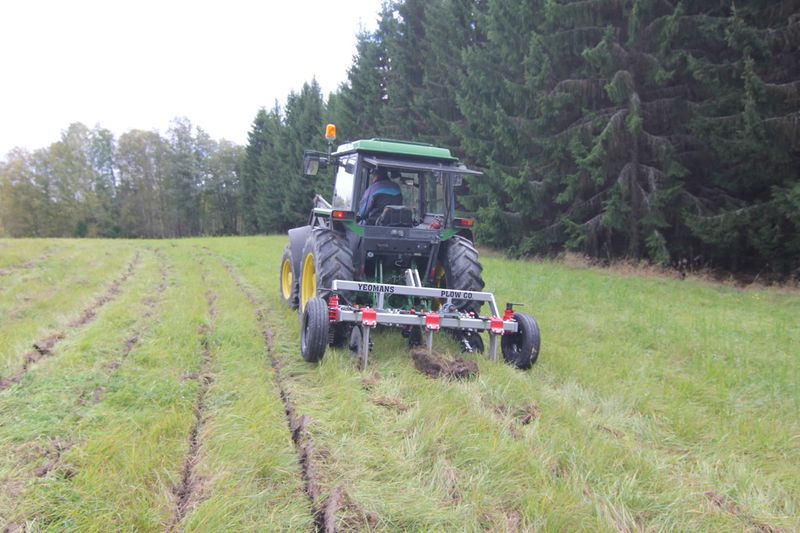
Keyline plowing involves creating furrows along contour lines, a method that redirects rainwater and prevents runoff. This sustainable practice naturally recharges groundwater, reduces erosion, and drought-proofs land.
Modern tools like subsoilers or Yeomans plows make this technique accessible even on a small scale. Keyline plowing is a testament to how careful planning and nature’s cues can create resilient landscapes.
4. Native American “Three Sisters” Planting
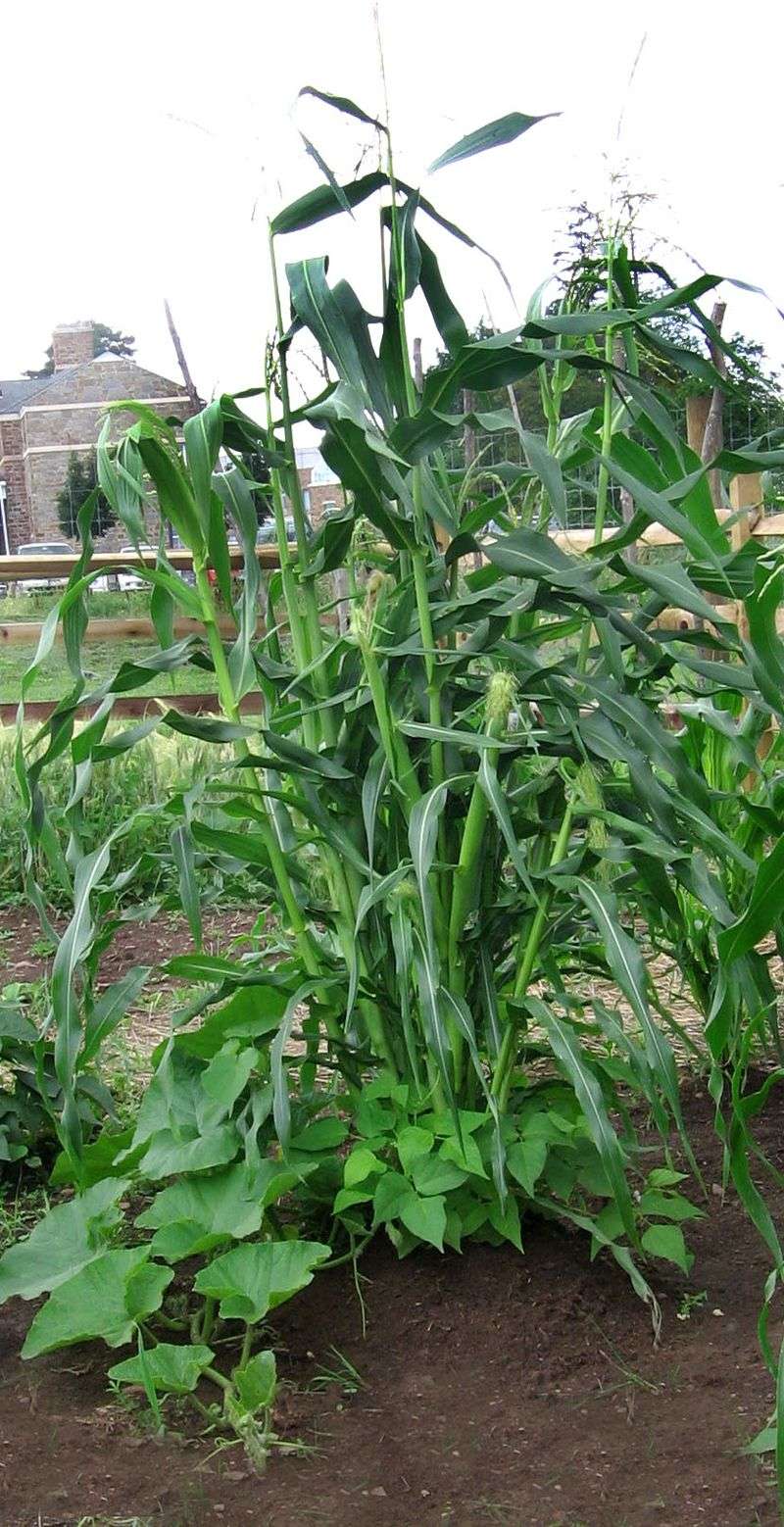
In a harmony of green, corn stands tall, supporting twining beans, while squash sprawls beneath. The “Three Sisters” planting method, rooted in Native American tradition, showcases a symbiotic trio. Corn provides a natural trellis for beans, which in turn fix nitrogen in the soil. Meanwhile, squash acts as living mulch, suppressing weeds.
This method enriches the soil and maximizes space. Adding sunflowers as a “Fourth Sister” offers bird-friendly pest control, weaving nature’s cycles into productive gardens.
5. Beehive Ovens (Ancient Passive Solar Greenhouses)
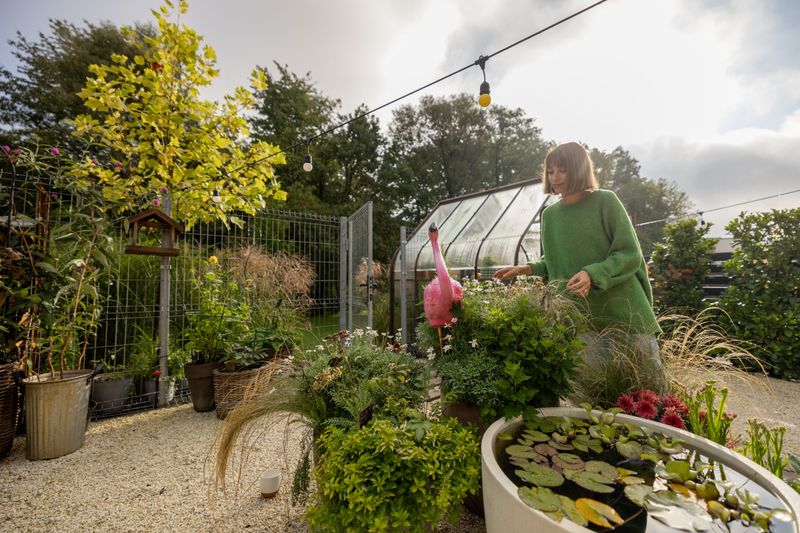
Beehive ovens, resembling their namesake, are ancient passive solar greenhouses. Made from mud or stone, they trap heat, enabling year-round cultivation in cold climates without electricity. These structures act like mini-walipinis, extending the growing season.
DIY enthusiasts can construct them using straw bales and recycled windows. Beehive ovens merge ancient ingenuity with modern adaptation, offering sustainable solutions for chilly regions.
6. Swale Trenches (Slow, Spread, and Sink Water)
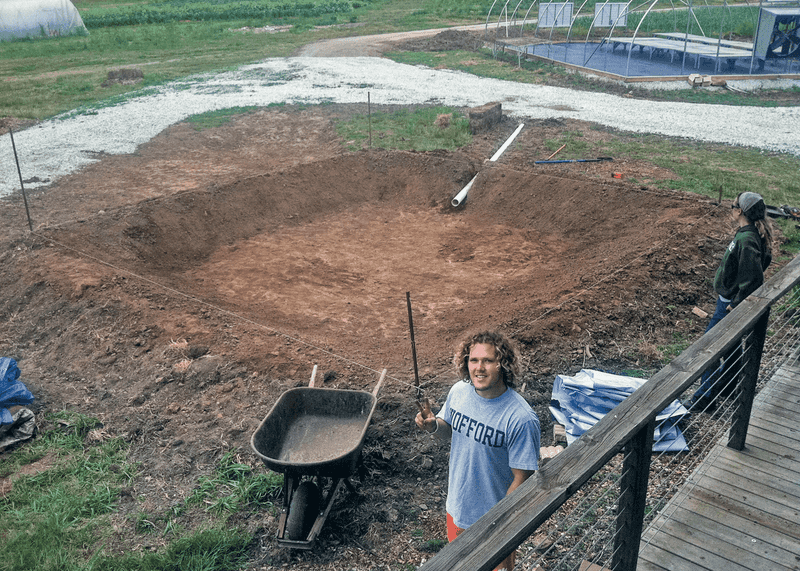
On a gentle slope, shallow trenches cradle rainwater, allowing it to seep into the earth. Swale trenches slow, spread, and sink water, eliminating irrigation needs and recharging aquifers. This technique is perfect for sloping or drought-prone areas, preventing flooding and enriching the soil.
Swales are a beautiful integration of landscape and water management, transforming dry land into verdant growth. They embody the art of working with, rather than against, natural forces.
7. Dynamic Accumulators (Weeds That Fertilize Soil)
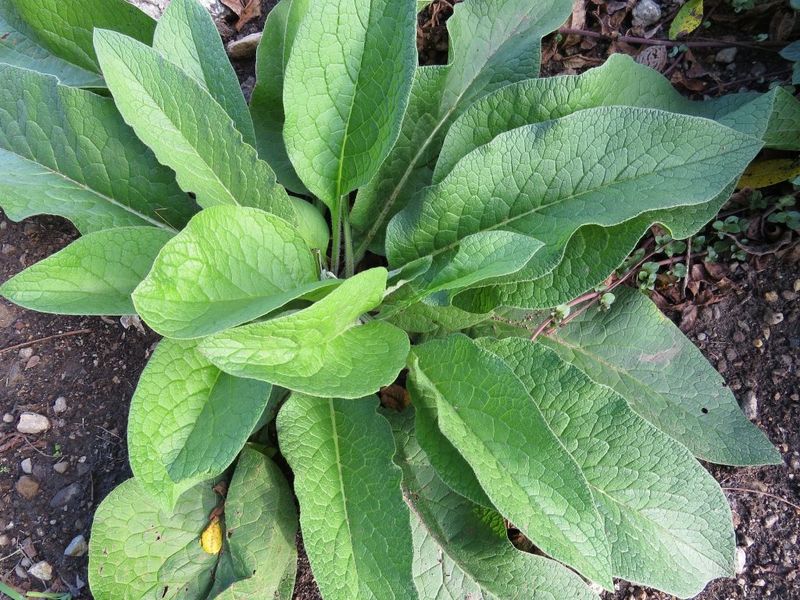
Amidst a tapestry of green, certain “weeds” work wonders. Dynamic accumulators, like comfrey and dandelions, mine nutrients from deep soil layers. When chopped and dropped, they release these nutrients, enriching the topsoil. This natural fertilizer attracts pollinators and negates synthetic inputs.
With each cycle, dynamic accumulators enhance soil health, turning a patch of weeds into a powerhouse of fertility. They prove that even the most humble plants have profound roles to play.
8. Night Gardening (Moonlight Harvesting)
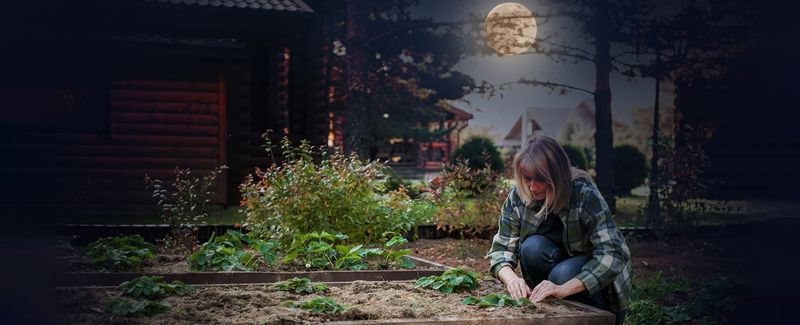
Under the moon’s gentle glow, seeds sprout with vigor. Night gardening, a practice rooted in tradition, aligns planting and harvesting with lunar phases. Seeds germinate faster during a waxing moon, while root crops store better in a waning moon.
While scientific evidence varies, some studies suggest lunar cycles influence plant sap flow. Night gardening is a poetic embrace of nature’s rhythms, offering a mystical, serene approach to cultivation.
9. Animal Tractoring (Letting Livestock Till & Fertilize)
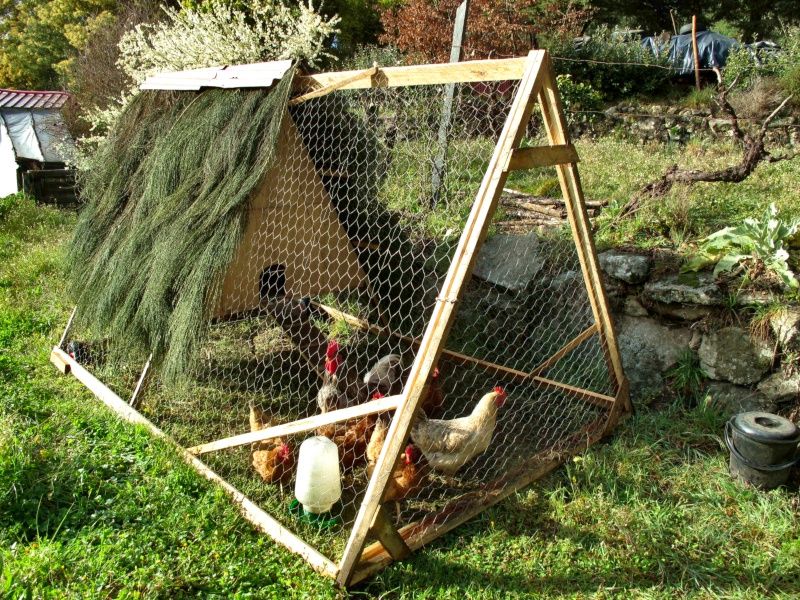
In a lively garden, chickens cluck as they till and fertilize the soil. Animal tractoring allows livestock, like chickens or pigs, to eat pests and enrich the earth naturally. This method eliminates the need for mechanical tillers or chemical fertilizers.
Perfect for preparing new garden beds, animal tractoring offers an eco-friendly, symbiotic approach to gardening. It captures the spirit of collaboration between humans and animals in nurturing the earth.
10. Waffle Gardens (Zuni Desert Farming)
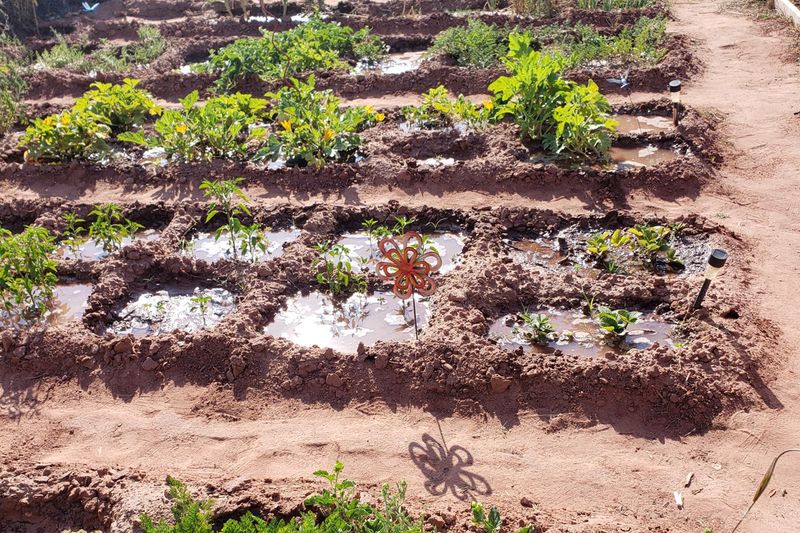
In the arid desert, sunken square beds hold every precious drop of water. Waffle gardens, used by the Zuni people, feature raised edges that trap rainwater. This method uses 90% less water, ideal for desert farming.
In modern gardens, waffle gardens can incorporate clay pot irrigation systems. They exemplify ingenuity in water conservation, offering a sustainable path for arid region cultivation.
11. Banana Circles (Tropical Compost & Water System)
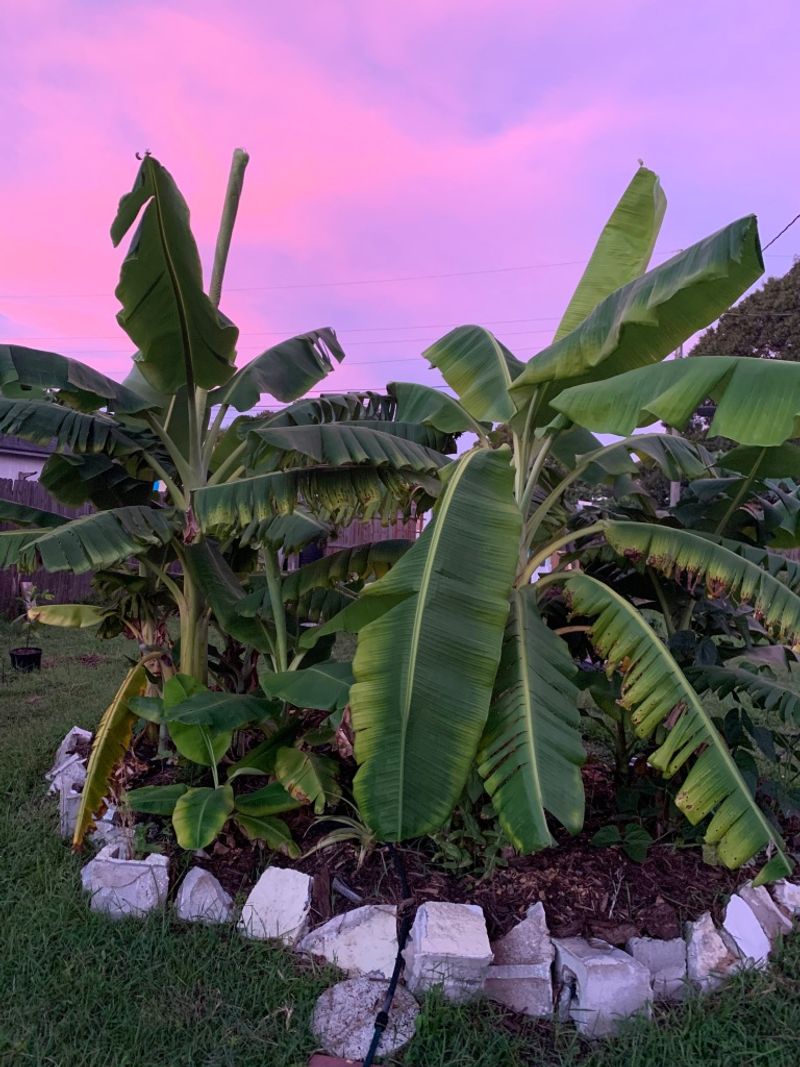
Banana circles recycle kitchen scraps and organic matter, creating a self-fertilizing system. This technique thrives in tropical or humid regions, capturing the essence of sustainable gardening.
With each cycle, banana circles turn waste into abundance, embodying nature’s efficiency. They’re a testament to the power of natural cycles and regenerative practices.
12. Herb Spirals (Maximize Space with Microclimates)
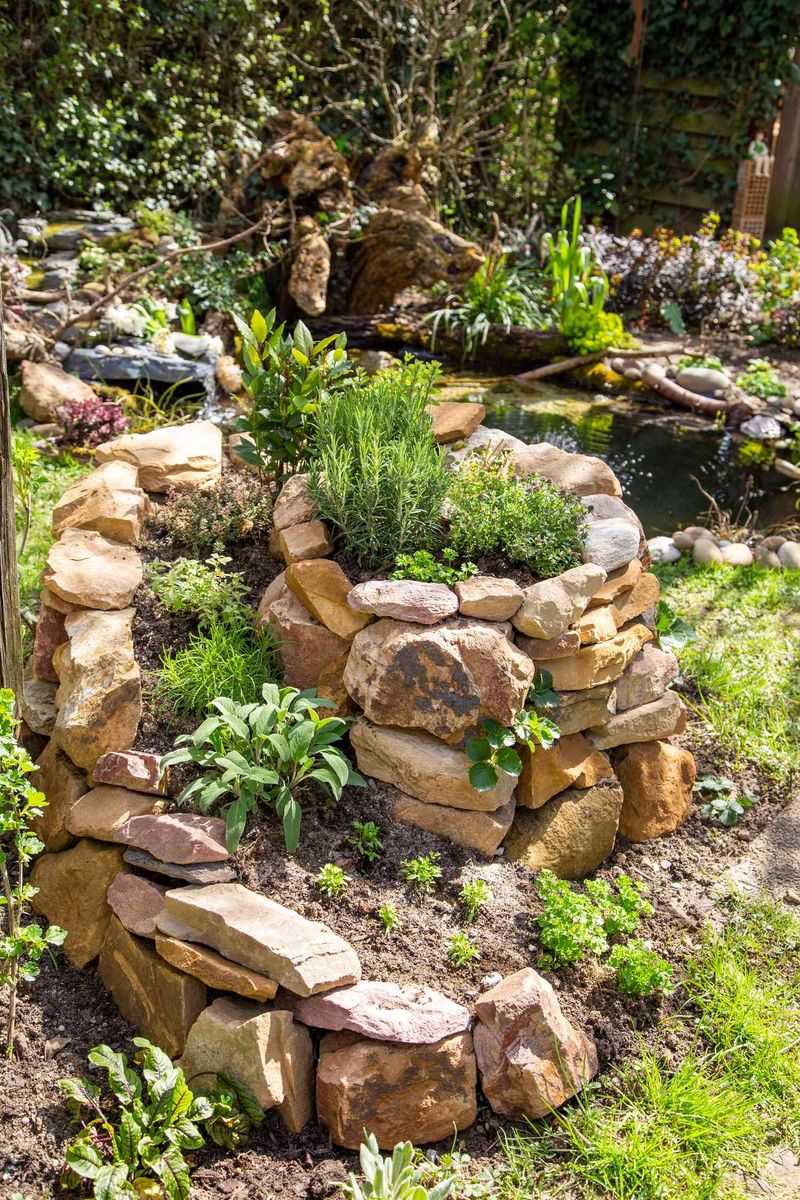
In a compact space, a spiral bed offers diverse growing conditions. Herb spirals create microclimates, with dry tops and moist bottoms. This innovative design fits over 20 plants in just 5 feet, perfect for small urban gardens.
Typically, rosemary grows at the top, thyme in the middle, and mint at the bottom. Herb spirals transform limited spaces into lush, aromatic gardens, showcasing efficient use of dimensions.
13. Fungal-Dominant Compost (Mimicking Forest Floors)
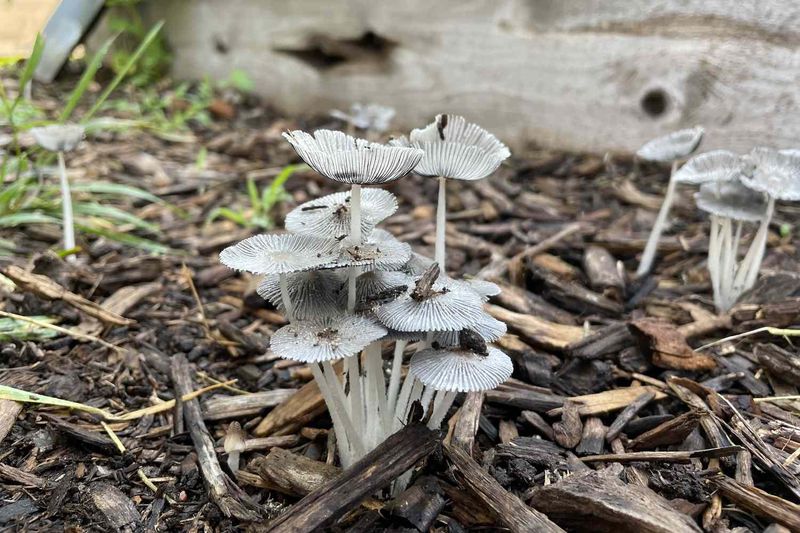
Under a canopy of trees, wood chips host a world of fungi. Fungal-dominant compost mimics forest floors, using wood chips and fungal inoculants like oyster mushroom spores. This method is ideal for fruit trees and perennials, retaining moisture and building rich soil.
Layering wood chips with coffee grounds and mushroom spawn fosters a thriving ecosystem. Fungal composting is a tribute to the forest’s wisdom, nurturing gardens in harmony with nature’s cycles.