 Complete Gardening
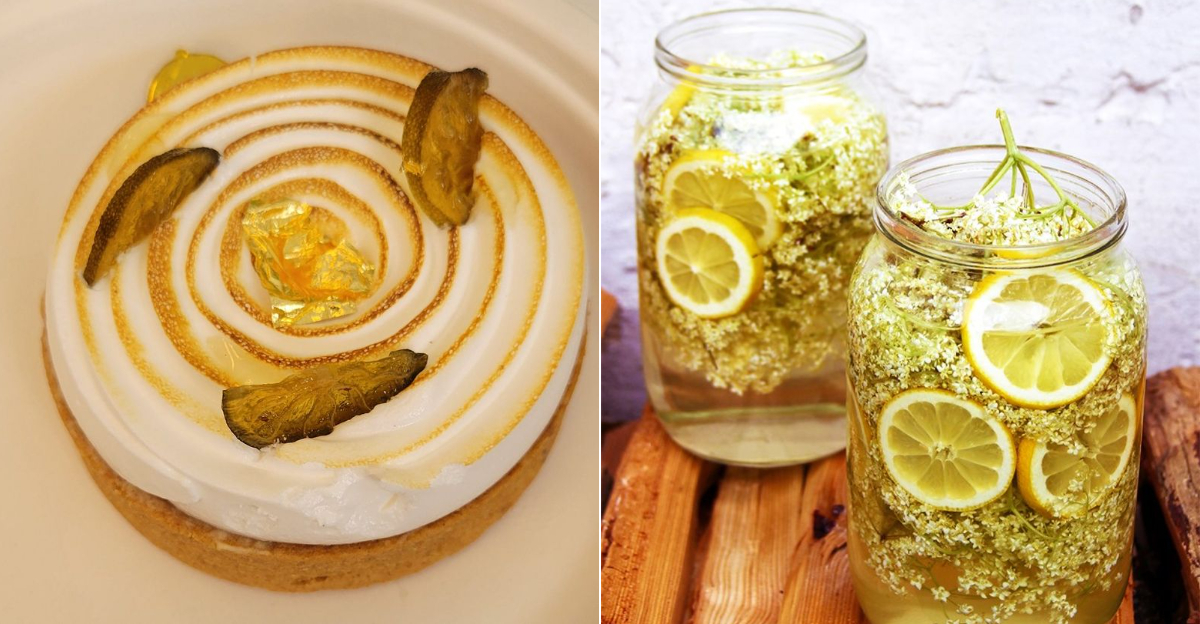
Explore a delightful shift from overpriced garnishes to the vibrant world of edible flowers. These natural wonders not only add beauty to your dishes but also bring unique flavors that can transform any meal into a feast for the senses. While some garnishes may break the bank without offering much in terms of taste, these edible flowers provide a cost-effective and flavorful alternative. Whether you’re looking for something sweet and floral or bold and unexpected, this guide will introduce you to a variety of edible flowers that taste as good as they look. Let’s explore these 24 exciting options!
1. Microgreen mixes ($8 for a handful)
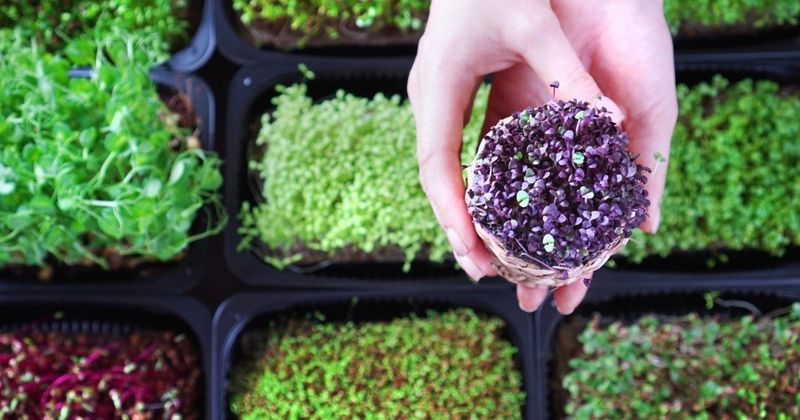
At $8 for a mere handful, microgreen mixes are often an expensive addition to your meal without substantial flavor payoff. These tiny greens, often used for their aesthetic appeal, can easily be grown at home for a fraction of the cost.
While they’re packed with nutrients, the expense doesn’t always match their contribution to a dish. Consider growing your own on a sunny windowsill to enjoy fresh, home-grown greens at a much lower cost.
With a little patience, you can cultivate a variety of microgreens, like radish or mustard, that add both color and a touch of zest to your dishes.
2. Gold leaf (purely for Instagram, zero flavor)
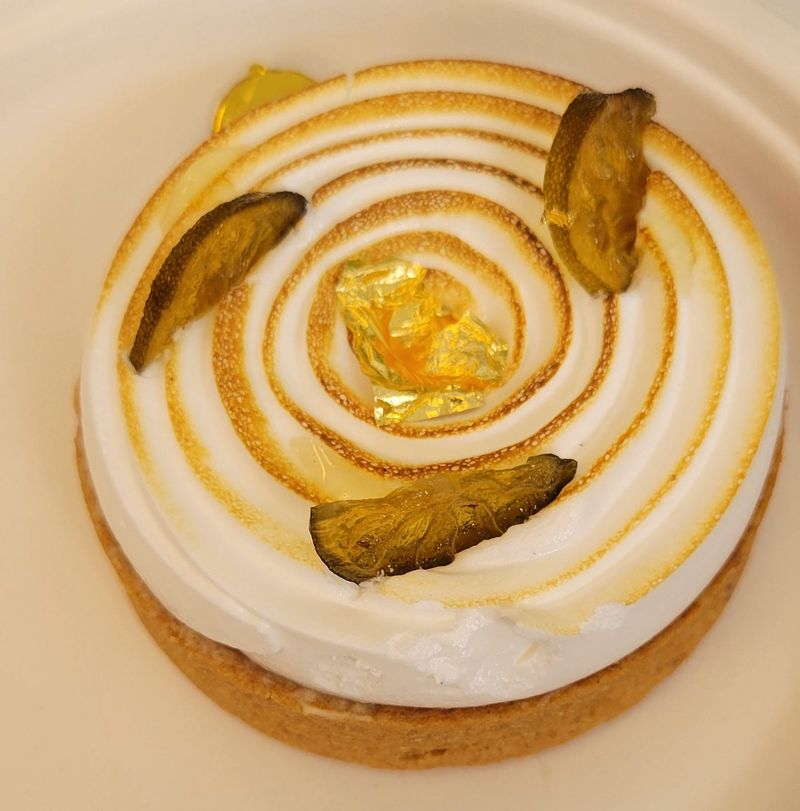
Gold leaf is often used to add a touch of opulence to dishes, yet it contributes nothing in terms of flavor. This extravagant garnish is more about visual appeal than enhancing taste, making it a costly addition reserved for special occasions or Instagram photos.
Though it may impress visually, the lack of flavor means your dish might be missing that culinary spark.
Instead of splurging on gold leaf, focus on ingredients that bring both beauty and taste to your creations, ensuring a truly memorable dining experience without breaking the bank.
3. Truffle shavings (unless it’s real, skip it)
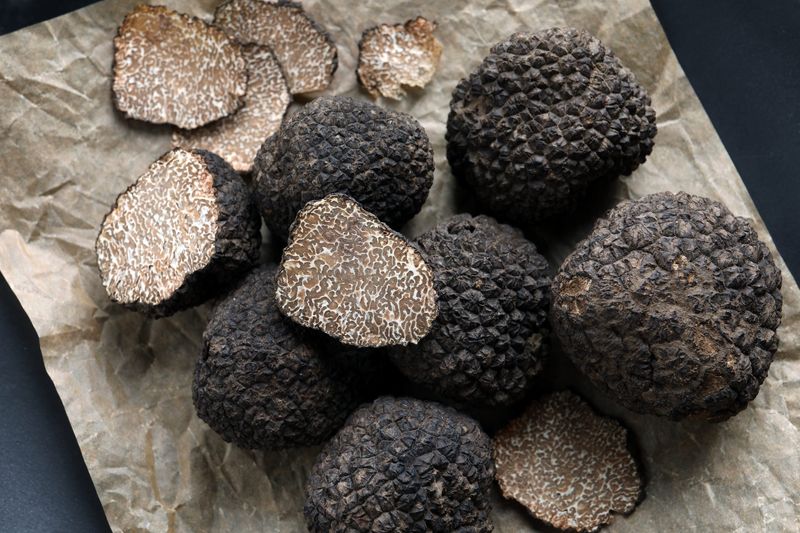
Truffle shavings are synonymous with luxury dining, but unless they’re genuine, they might not be worth the splurge. Many commercially available truffle products use synthetic flavors that don’t capture the essence of real truffles.
These shavings can elevate a dish with their distinct aroma and earthy taste, but authenticity is key for true flavor enhancement. Skipping fake truffle shavings can save you money and disappointment.
For a special occasion, investing in real truffles ensures an unforgettable culinary experience, with complex flavors that justify their price.
4. Store-bought edible glitter (corn syrup + dye)
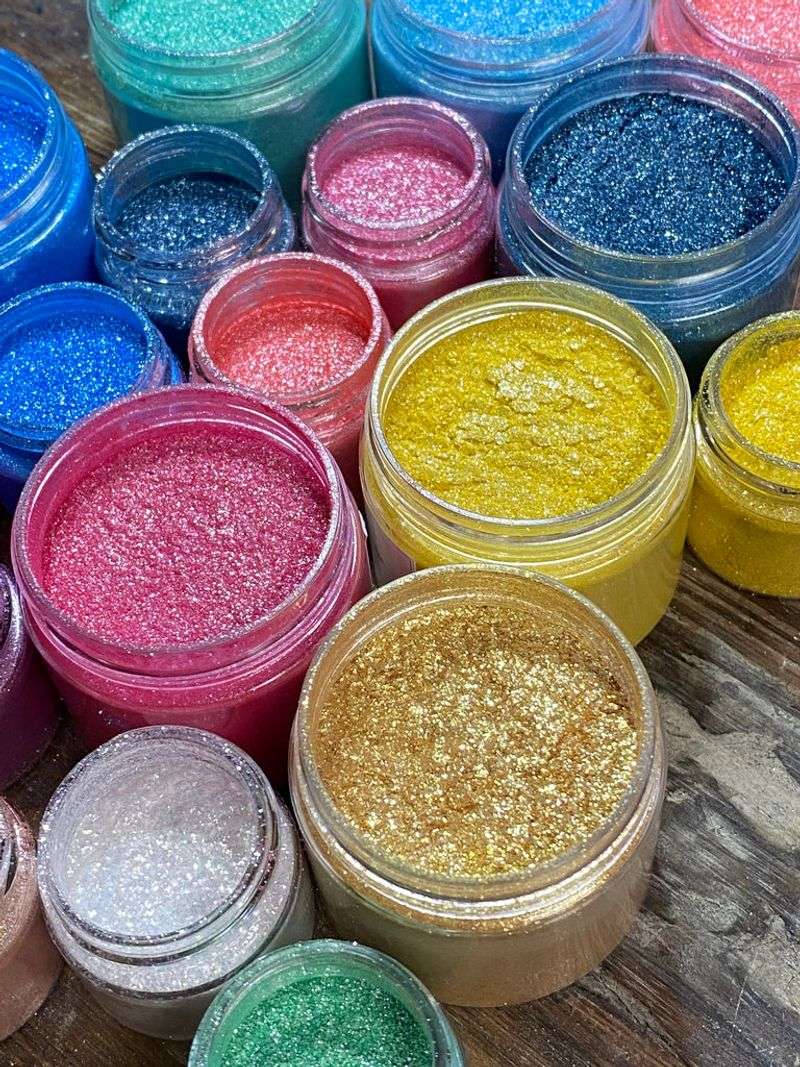
Edible glitter adds sparkle to desserts but often comprises corn syrup and synthetic dyes. While visually striking, it lacks any culinary value except for its decorative appeal.
Opting for natural decorations like fruit peels or herbs may enhance both taste and appearance.
The allure of edible glitter is undeniable, yet relying on it too heavily can overshadow the flavors of your dish. Save it for special events where aesthetics take precedence over taste, and explore other natural options for everyday creations.
5. Out-of-season herbs ($4 for wilted basil?)
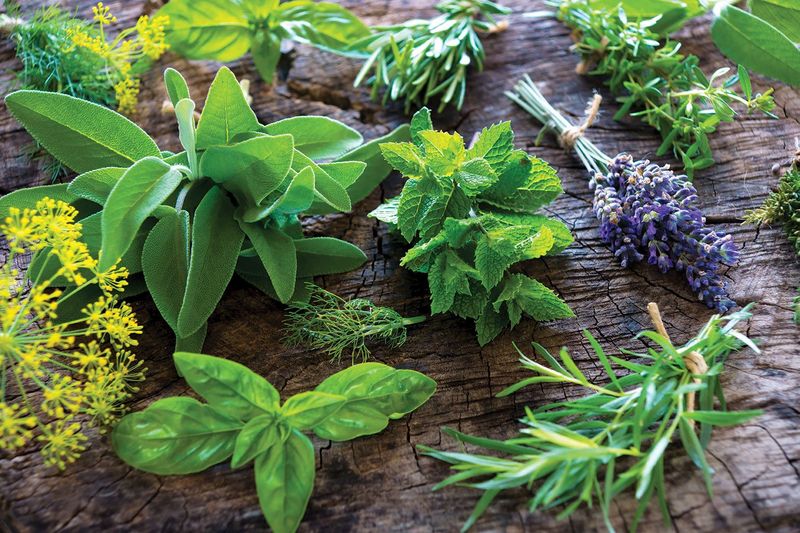
Out-of-season herbs often come with a hefty price tag, particularly when they arrive wilted and lacking in aroma. Purchasing these herbs can be a frustrating experience as their flavor and fragrance diminish off-season.
By growing your own herbs or choosing seasonal alternatives, you can save money and enjoy vibrant flavors year-round.
Avoiding out-of-season purchases ensures your dishes are enhanced by the freshest ingredients, making every meal a celebration of flavor without unnecessary expense.
6. Pre-cut citrus twists (just zest a lemon!)
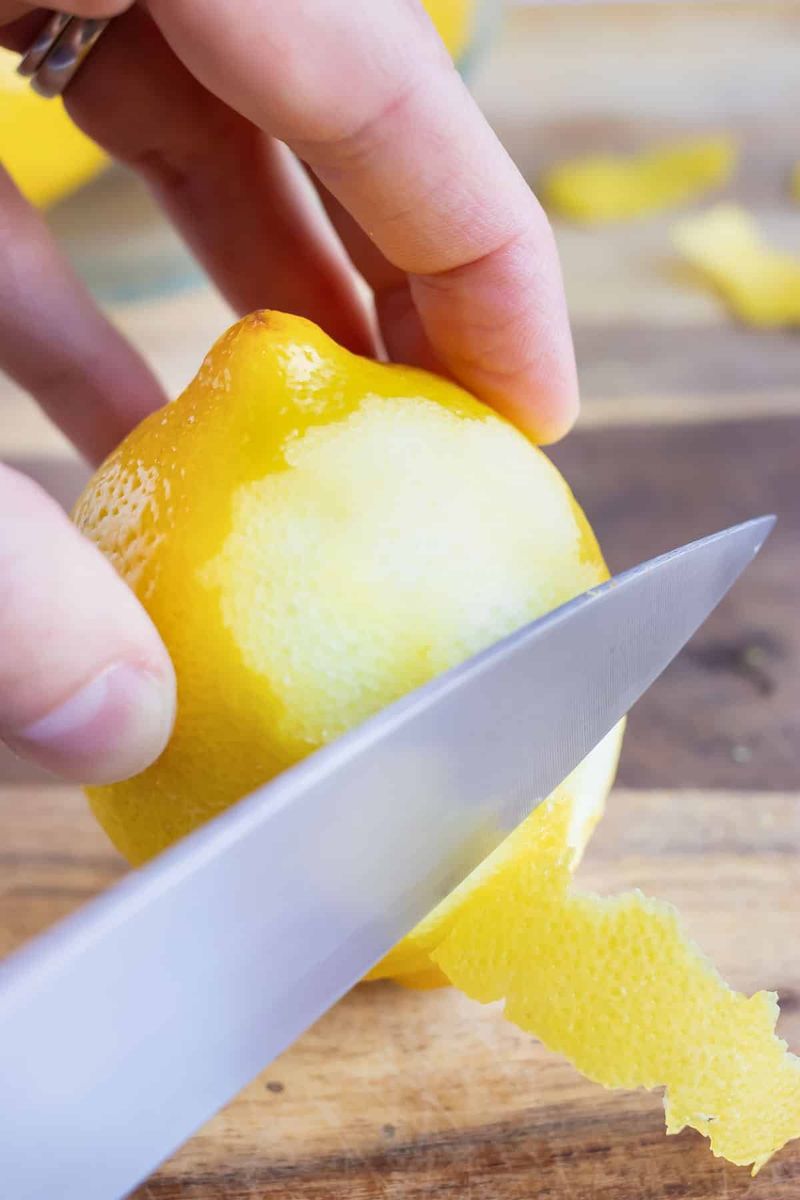
Pre-cut citrus twists offer convenience, but at a premium cost that doesn’t always justify the time saved. Fresh lemon zest provides a vibrant, aromatic burst of citrus flavor that pre-packaged options often lack.
Creating your own twists is simple and ensures maximum freshness and zestiness.
While pre-cut versions may save seconds, the enhanced flavor of freshly zested citrus can elevate your dish from ordinary to exceptional, making it worth the minimal effort required.
7. Tiny “gourmet” sprouts (grow your own)
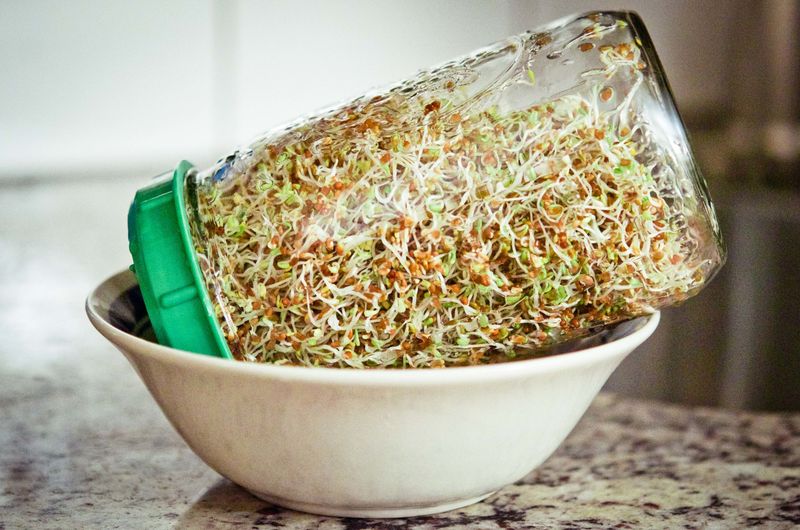
Gourmet sprouts are often seen gracing the plates of high-end restaurants, but their price can be prohibitive. These tiny greens, such as alfalfa or mung bean sprouts, can easily be grown at home for much less.
With minimal effort and a bit of patience, you can cultivate these delicate garnishes, adding a touch of elegance and a burst of freshness to your dishes.
Growing your own sprouts allows for experimenting with different varieties, ensuring your plate not only looks premium but tastes exceptional as well.
8. Saffron threads (save them for paella)
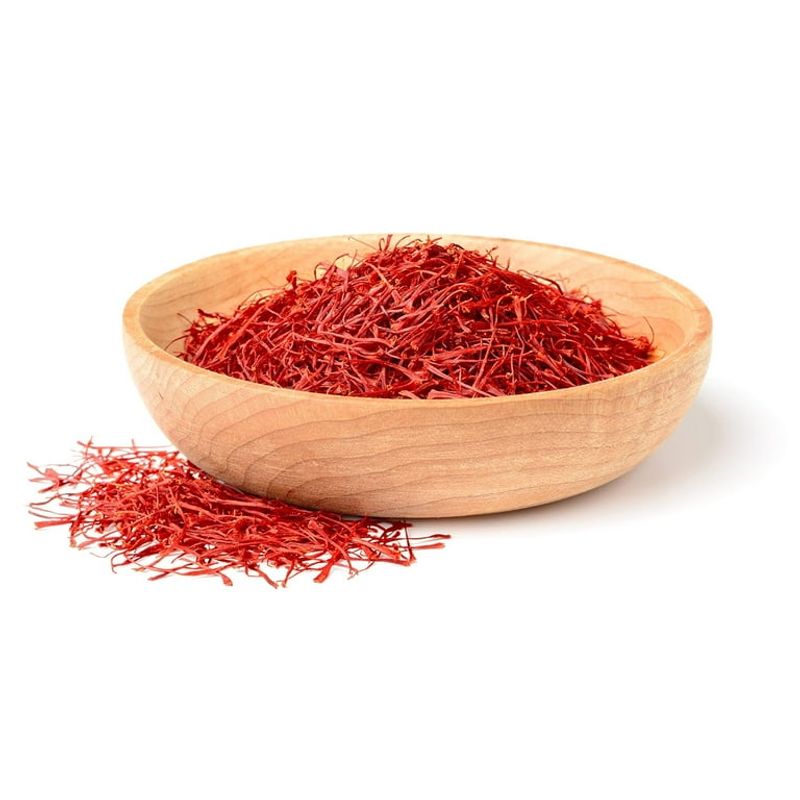
Saffron threads are among the most expensive spices, often reserved for special dishes like paella. While they add a unique flavor and color, using them as a general garnish can be an extravagant choice.
Their distinct aroma and taste are best showcased in dishes where saffron is a key ingredient, allowing their complexity to shine.
By reserving saffron for specific recipes, you can appreciate its full culinary potential without unnecessary expenditure, ensuring both your palate and wallet are satisfied.
1. Violets – Candy them for cakes or freeze in ice cubes.
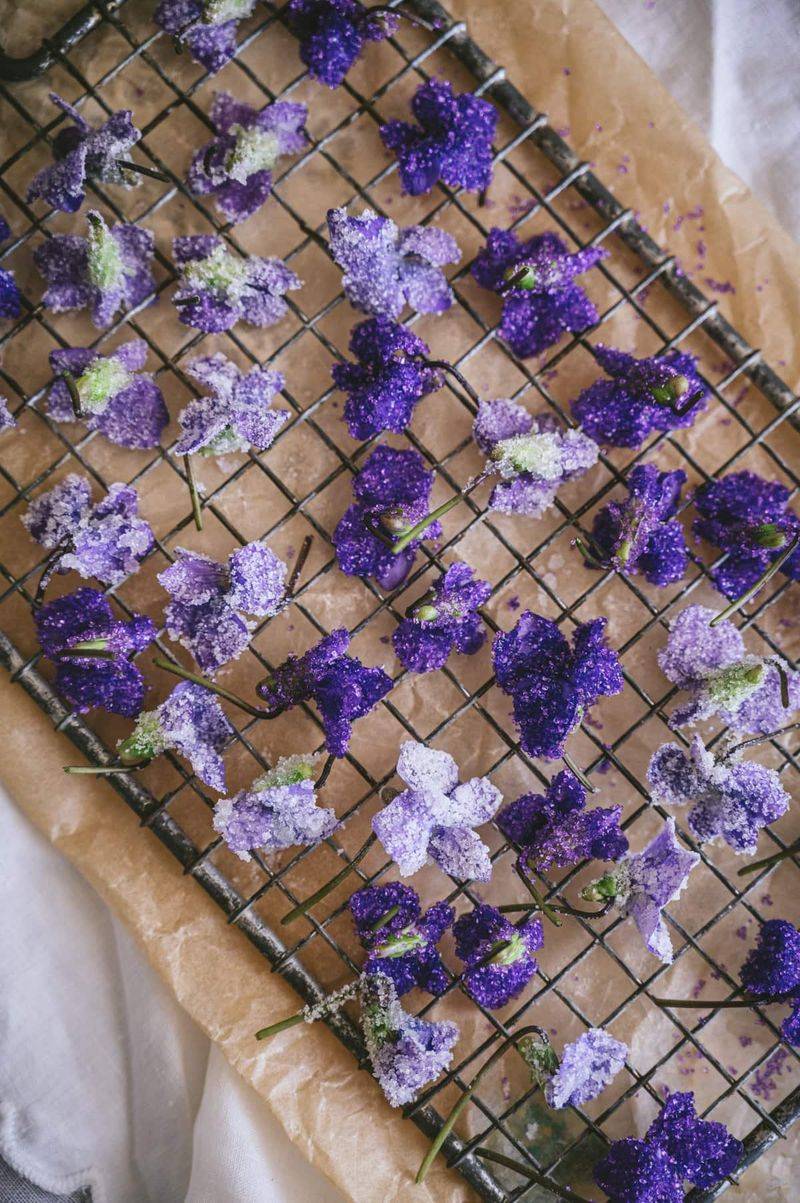
Violets, with their charming purple petals, are a delightful addition to cakes or cocktails. Candied violets bring a sweet touch to desserts, while freezing them in ice cubes adds elegance to any drink.
These versatile flowers offer a subtle floral flavor that complements a variety of recipes, from sweet to savory. Consider incorporating violets into your culinary creations to add both visual appeal and a hint of natural sweetness.
Their delicate nature and delightful taste make them an ideal choice for elevating your dishes to new heights.
2. Lavender – A little goes far in shortbread or honey syrup.
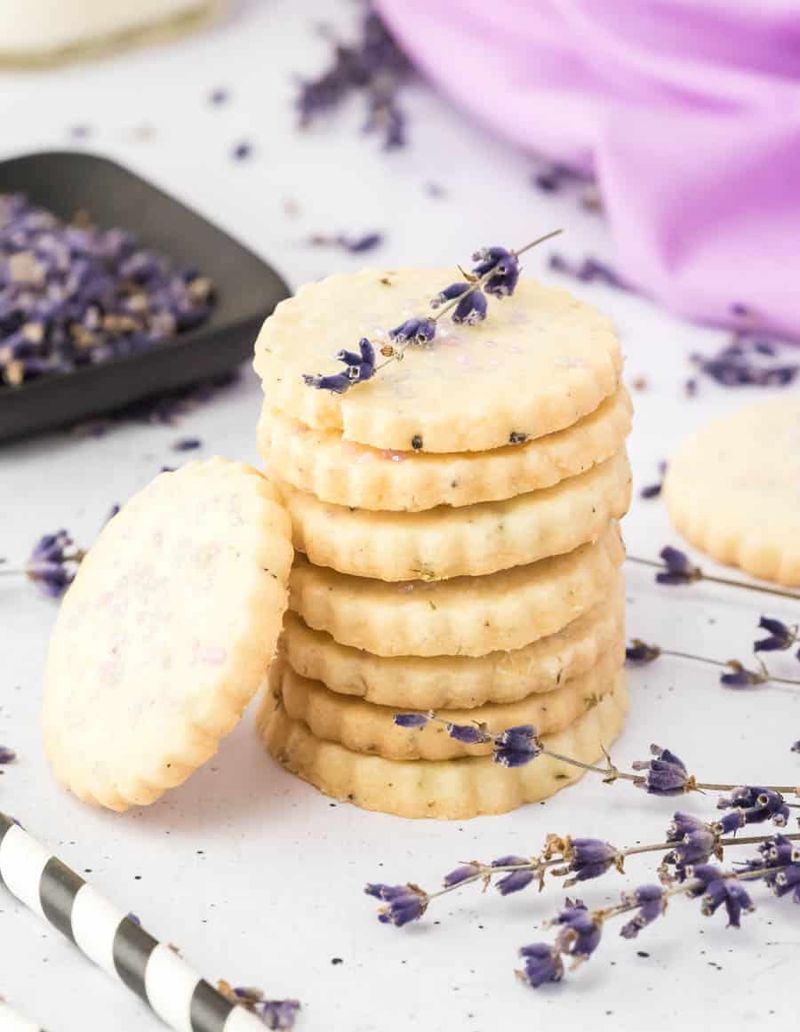
Lavender, known for its aromatic flowers, can transform ordinary recipes into extraordinary experiences. Its distinctive flavor is best used sparingly—for instance, in shortbread, where it imparts a subtle floral note, or in honey syrup, adding depth to teas and cocktails.
This herb’s calming fragrance not only soothes the senses but enhances the flavor profile of countless dishes.
Whether you’re baking or brewing, lavender can infuse your creations with a hint of elegance, making it a versatile addition to any culinary collection.
3. Rose petals – Use in jams, syrups, or as a fancy salad topper.
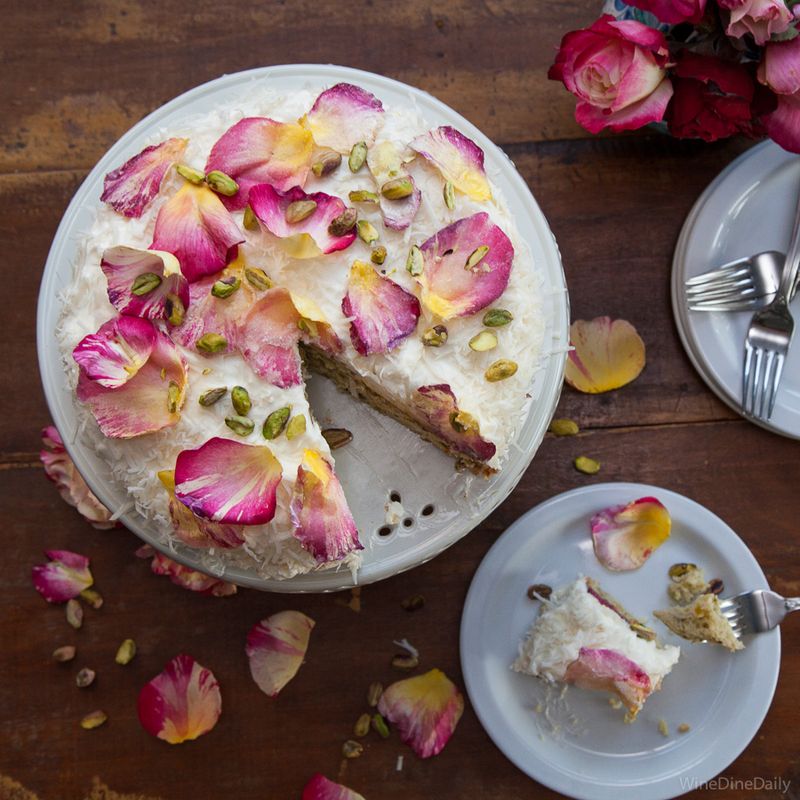
Rose petals, with their romantic allure, offer more than just visual beauty; they add a gentle floral flavor to various dishes. Incorporate them into jams or syrups for a fragrant sweetness, or sprinkle them over salads for a touch of elegance.
These petals blend well with both sweet and savory elements, making them a versatile choice for culinary experimentation.
By using rose petals in your recipes, you can elevate your dishes, creating a sensory experience that delights both the eyes and the palate.
4. Honeysuckle – Infuse in tea or cocktails for a perfumed sweetness.
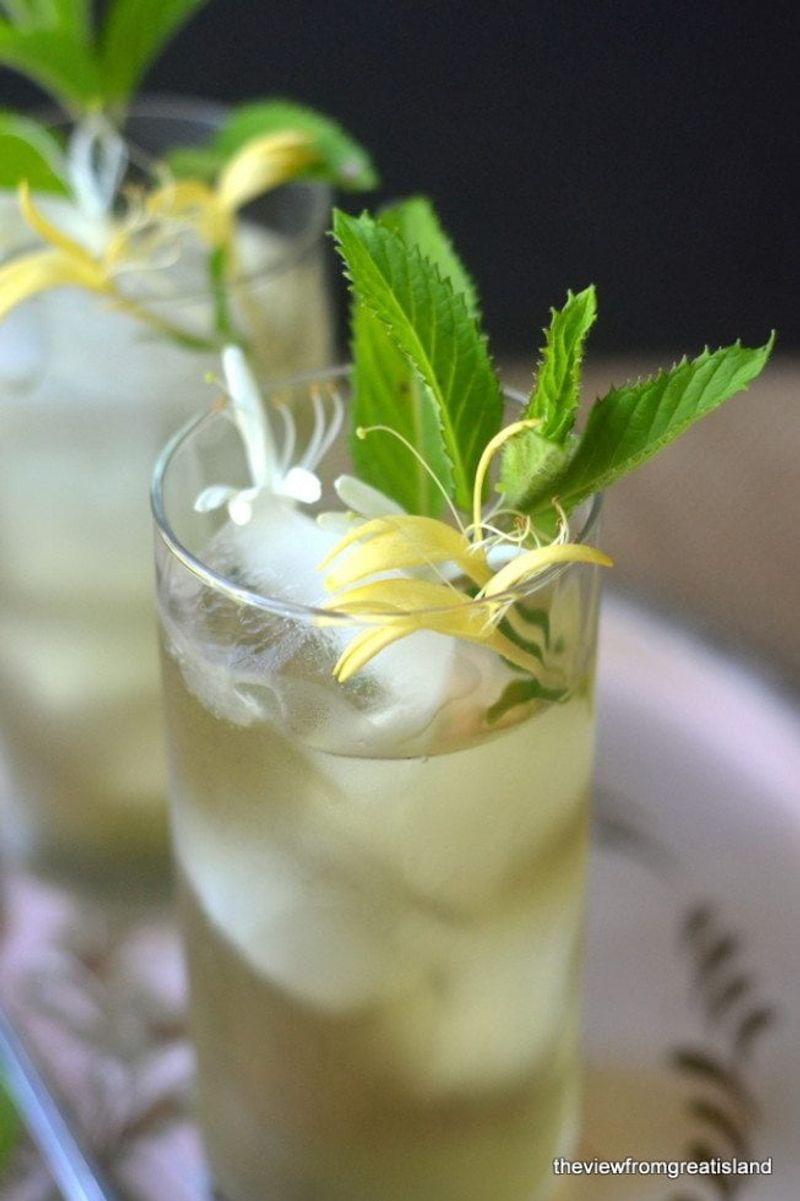
Honeysuckle, with its sweetly scented blossoms, is perfect for infusing in teas or cocktails, imparting a perfumed sweetness. These delicate flowers offer a flavor reminiscent of mild honey, enhancing beverages with their unique taste.
When used thoughtfully, honeysuckle can transform ordinary drinks into delightful, aromatic experiences.
Its floral notes complement a variety of flavors, making it a versatile addition to your culinary repertoire.
Experiment with honeysuckle in your beverages for a natural sweetness that captivates both the nose and the taste buds.
5. Nasturtiums – Spicy, like arugula—toss in salads or garnish tacos.
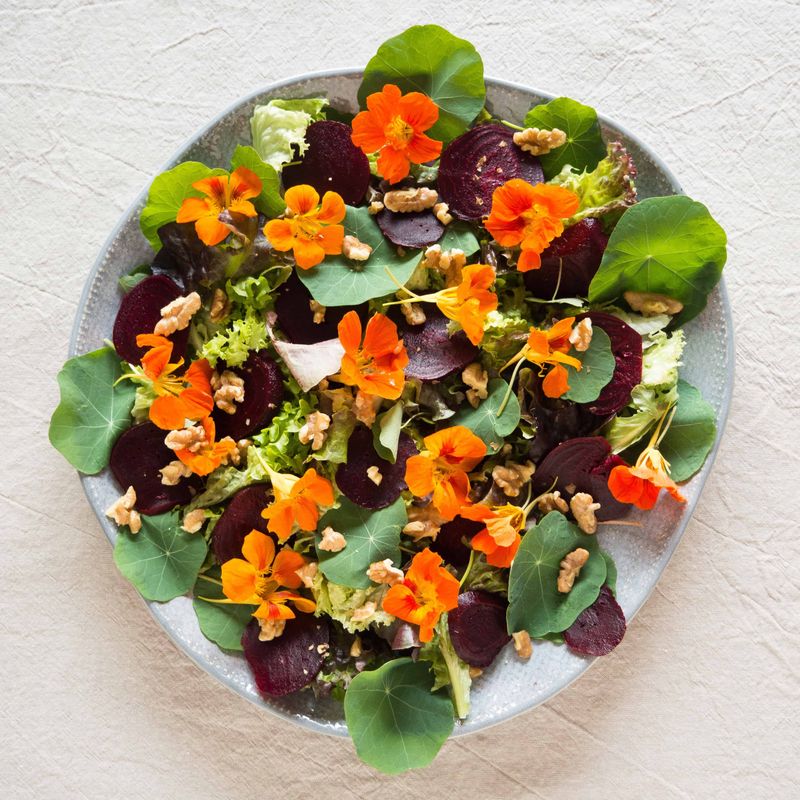
Nasturtiums, known for their bright blooms and peppery leaves, bring a spicy kick reminiscent of arugula to salads and tacos. These bold flowers not only add a pop of color but also enhance dishes with their zesty flavor.
Their versatility allows them to be used as a garnish or a key ingredient, bringing life to an array of culinary creations.
Whether you’re adding them to a fresh salad or using them to top a plate of tacos, nasturtiums provide a unique taste and striking appearance that elevate any meal.
6. Chive blossoms – Mild onion flavor, perfect on soups or buttered bread.
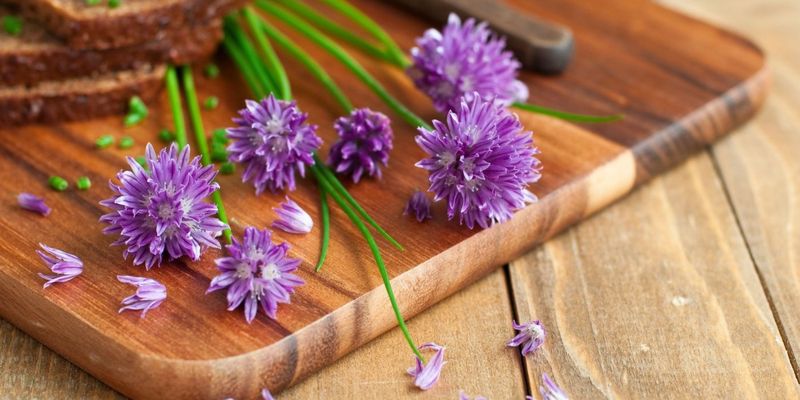
Chive blossoms, with their mild onion flavor and delicate purple flowers, are a delightful addition to soups and buttered bread. Their subtle taste complements a variety of dishes, adding both color and flavor without overwhelming the palate.
These blossoms offer a refined touch to any meal, enhancing both presentation and taste.
Incorporate chive blossoms into your culinary creations for a hint of elegance, whether sprinkled over a warm bowl of soup or adorning a slice of freshly buttered bread.
7. Borage – Tastes like cucumber (and grows like a weed).
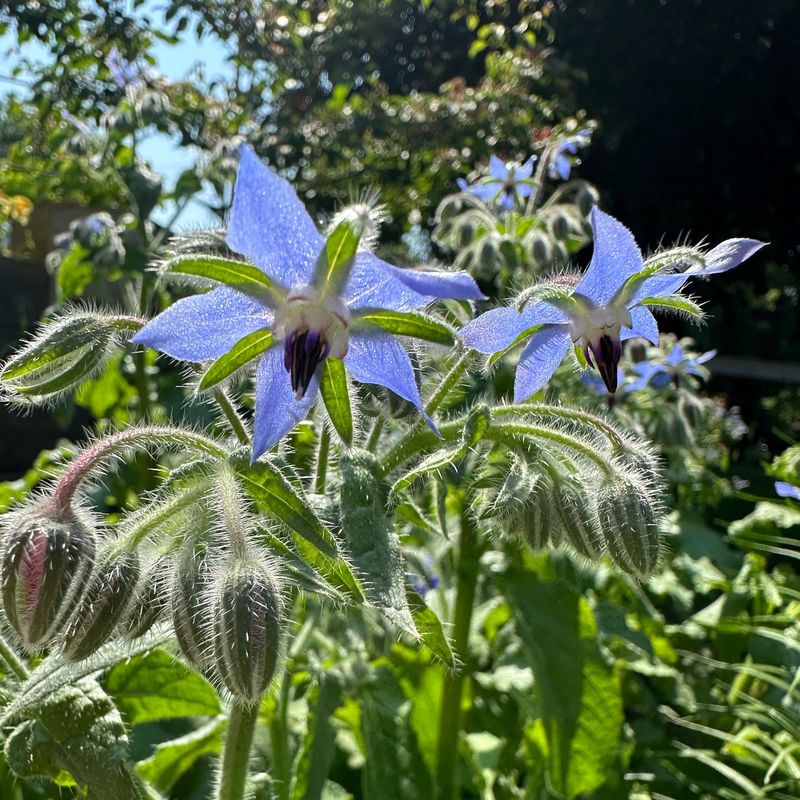
Borage, with its star-shaped blue flowers, offers a refreshing cucumber-like flavor that complements many dishes. Known for its rapid growth, this plant can quickly become a staple in your garden.
Its versatile flavor profile makes it an excellent addition to salads, cocktails, and more, providing both visual appeal and taste.
Growing borage at home allows you to enjoy fresh blooms regularly, enhancing your meals with their unique flavor and beauty.
8. Calendula – A saffron substitute—sprinkle on rice or pasta.
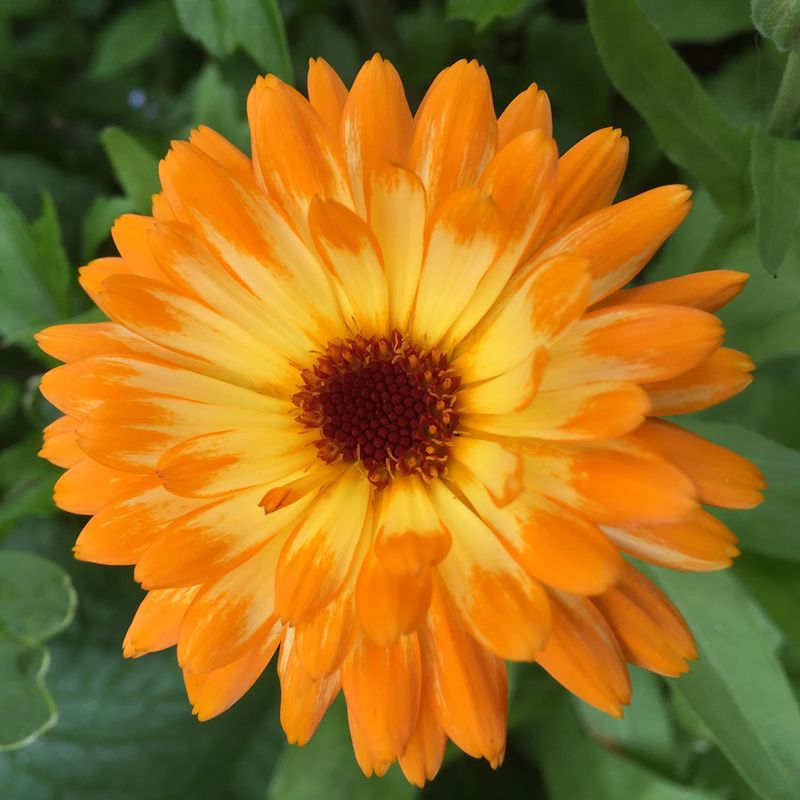
Calendula, often referred to as “poor man’s saffron,” provides a budget-friendly alternative to the expensive spice. Its vibrant petals can be sprinkled over rice or pasta, imparting a subtle flavor and a splash of color.
These flowers are not only visually appealing but also versatile, enhancing both the look and taste of various dishes.
Consider using calendula in your culinary experiments for an affordable way to add brightness and flavor to your meals, without sacrificing beauty or taste.
9. Elderflower – Make cordial or fritters.
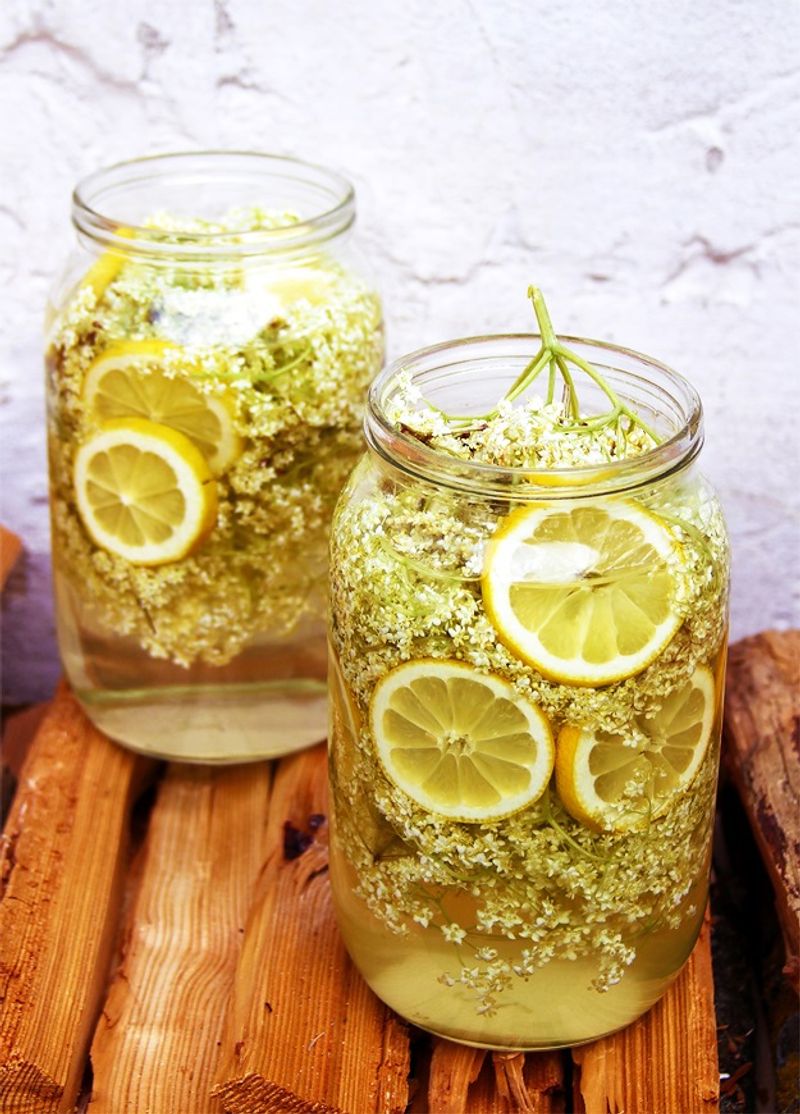
Elderflower, with its delicate and creamy white blooms, is renowned for its fragrant flavor, perfect for making cordial or fritters. These flowers lend a sweet, floral aroma that elevates beverages and desserts alike.
Whether crafting a refreshing elderflower cordial or experimenting with fritter recipes, these blooms offer boundless culinary potential.
Their unique taste and versatility make elderflowers a cherished ingredient for those seeking to infuse their creations with natural sweetness and charm.
10. Bee balm – Like oregano + citrus, great in teas.
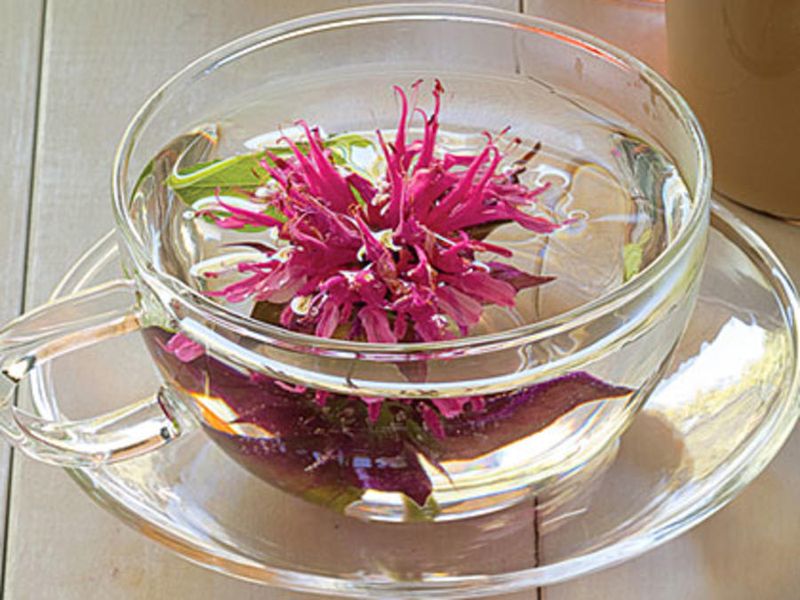
Bee balm, often described as a blend of oregano and citrus, is a versatile herb that shines in teas and other recipes. Its bold flavor profile can enhance both sweet and savory dishes, providing a dynamic taste experience.
The vibrant flowers and leaves of bee balm make it a visually appealing addition to gardens and plates alike.
Incorporate bee balm into your culinary experiments for a touch of zest and a splash of color, ensuring your creations are as flavorful as they are beautiful.
11. Citrus blossoms (orange, lemon, lime) – Fragrant, sweet, and perfect in desserts.
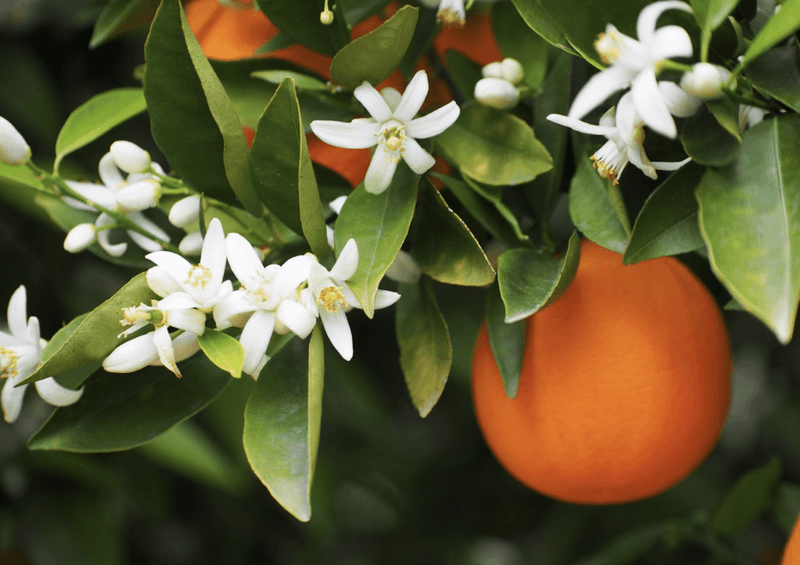
Citrus blossoms, whether from orange, lemon, or lime trees, bring a fragrant sweetness that enhances desserts and infusions. Their aromatic petals are perfect for adding a subtle citrus flavor to various recipes.
These blossoms can be used to infuse creams, syrups, or even beverages, providing both scent and taste.
Consider introducing citrus blossoms into your culinary creations for a natural burst of fragrance and flavor, transforming ordinary dishes into exquisite delicacies.
12. Daylilies – Sauté buds like green beans (petals in stir-fries).
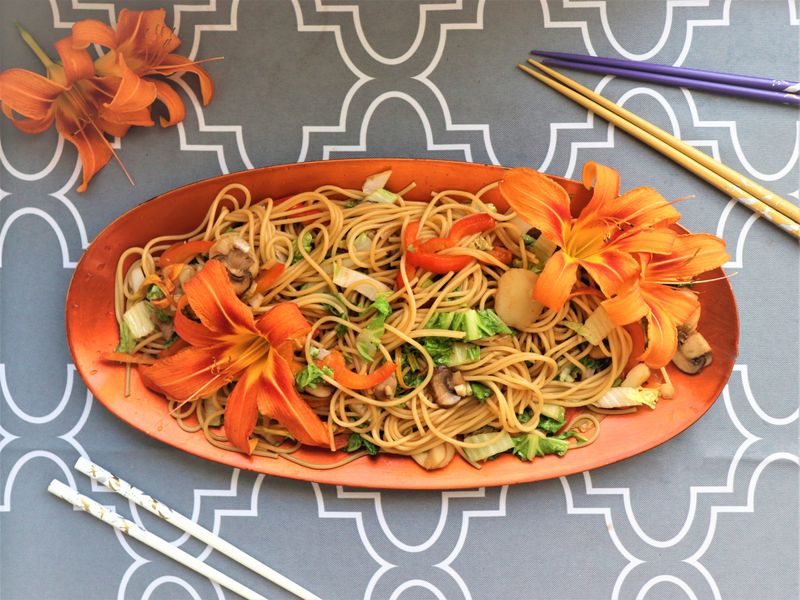
Daylilies, with their edible buds and petals, offer a unique culinary experience. Sauté the buds like green beans for a savory dish, or incorporate the petals into stir-fries for a colorful twist.
Their mild flavor and vibrant appearance make them a versatile addition to both traditional and contemporary recipes.
By experimenting with daylilies in your cooking, you can explore new taste horizons, infusing your meals with creativity and flair.
13. Dandelions – Fry the flowers or make dandelion wine.
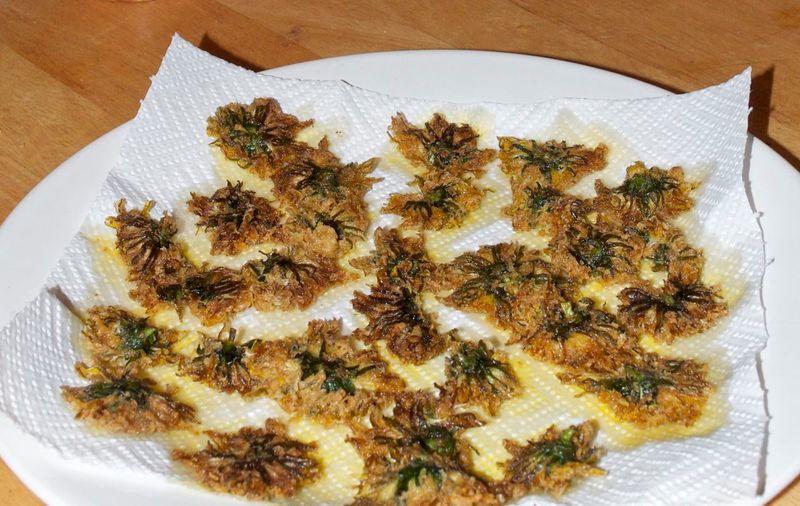
Dandelions, often seen as a common weed, are a surprising culinary gem. Fry their bright yellow flowers for a crispy treat or use them to craft dandelion wine, offering a unique taste experience.
These resilient flowers can be found in abundance, making them an accessible and cost-effective ingredient.
Embrace the unexpected potential of dandelions by incorporating them into your recipes, turning an ordinary plant into an extraordinary dish or beverage.
14. Hibiscus – Dried for tea or fresh in spicy-sweet salsas.
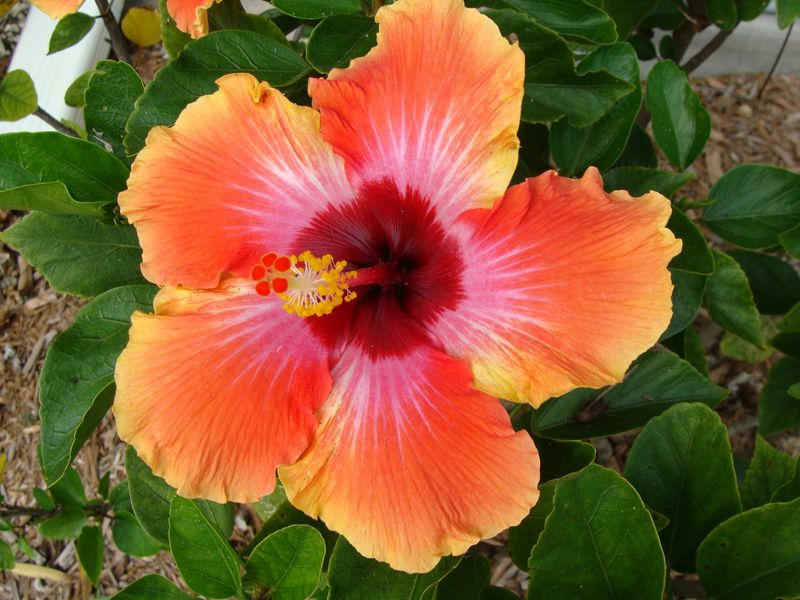
Hibiscus flowers, with their vibrant colors and tart flavor, are a versatile ingredient in both sweet and savory dishes. Dried hibiscus petals make a refreshing tea, while fresh hibiscus can add a spicy-sweet twist to salsas.
Their bold taste and striking appearance make hibiscus an exciting addition to any culinary creation.
Explore the possibilities of hibiscus in your cooking, infusing your dishes with a hint of tangy flair and visual appeal.
15. Pansies – Mild and grassy, ideal for plating elegance.
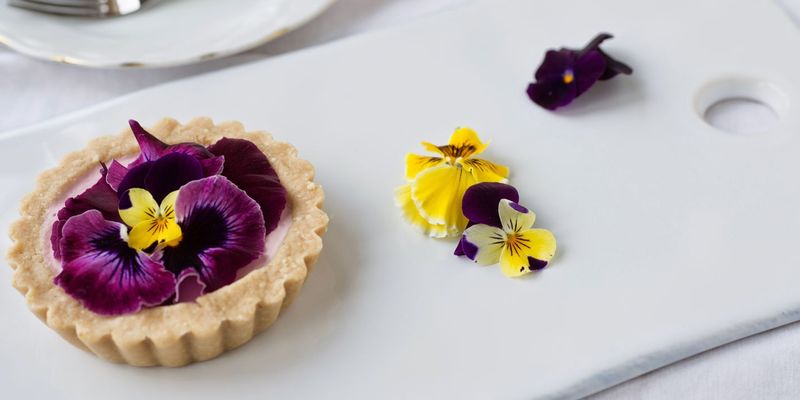
Pansies, with their mild and grassy flavor, are perfect for adding a touch of elegance to any dish. Their diverse colors and patterns make them an attractive garnish for desserts and salads alike.
These flowers complement a variety of flavors, enhancing both visual and taste profiles without overpowering the main ingredients.
Utilize pansies in your culinary presentations for a subtle yet striking garnish, elevating your dishes with their natural beauty and understated taste.