
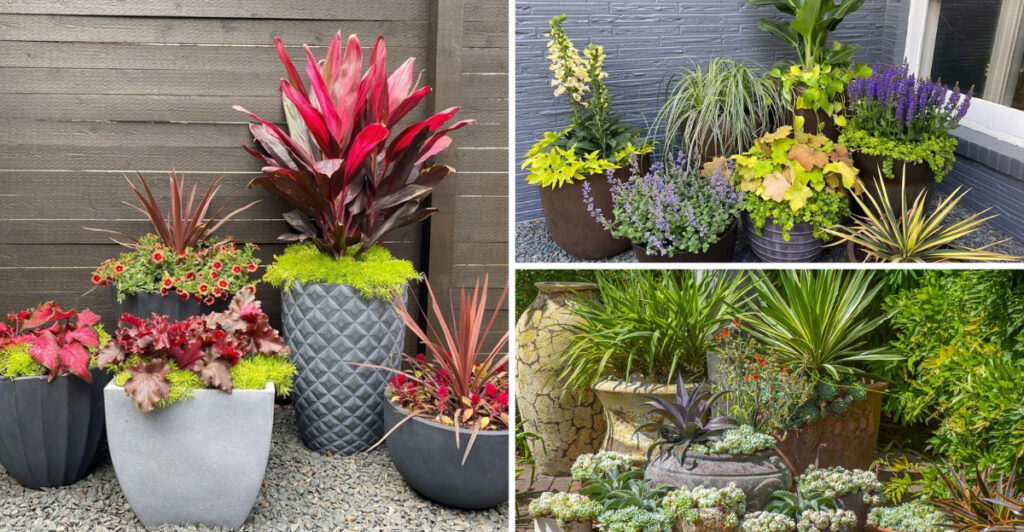
Grouping pots can transform any garden or patio into a captivating visual masterpiece. By thoughtfully arranging various container plants, you not only enhance the aesthetic appeal but also optimize space and plant health. Whether you’re a seasoned gardener or a novice, understanding how to group pots effectively opens up endless possibilities for creativity and expression. Discover practical tips that will help you achieve fabulous container planting results.
1. The Vertical Plant Tower
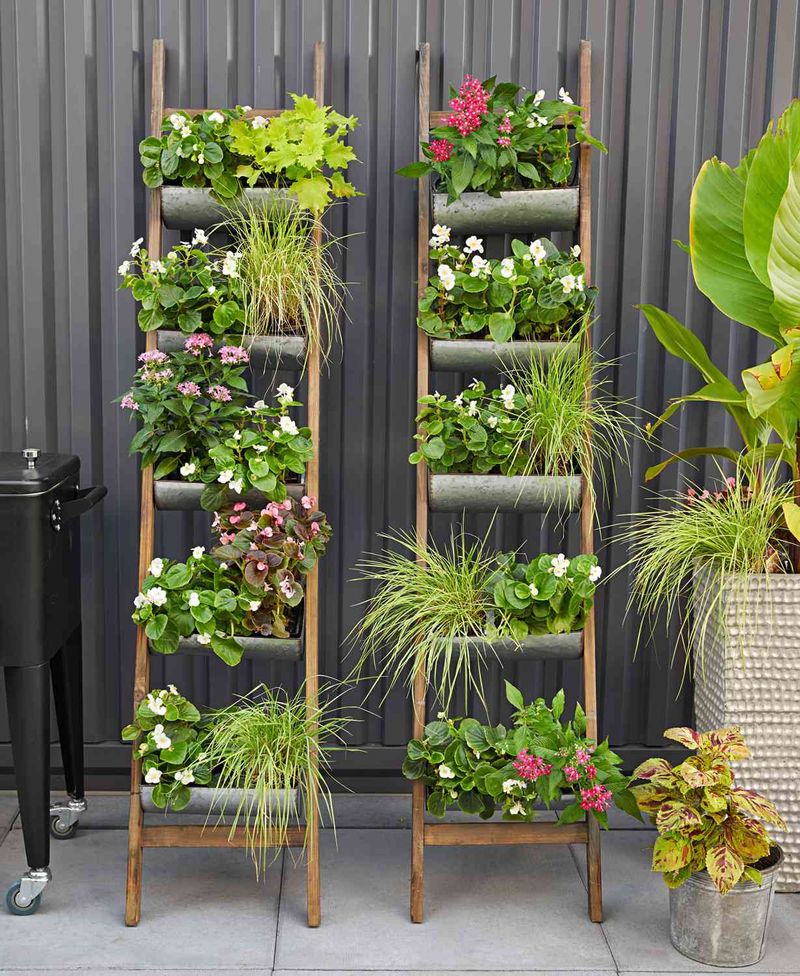
Imagine a tower of green elegance climbing upwards in your garden. Vertical plant towers offer a unique way to stack pots, creating height and visual interest. Perfect for small spaces, they draw the eye upwards, making a garden feel larger. Consider incorporating trailing plants like ivy or petunias for a cascading effect. Mix different textures and colors to add depth. These towers not only save space but also facilitate easy watering and maintenance. Perfect for creating a lush, green corner on a patio or balcony. Did you know? Vertical gardens have been around since the Hanging Gardens of Babylon!
2. Color-Coordinated Clusters
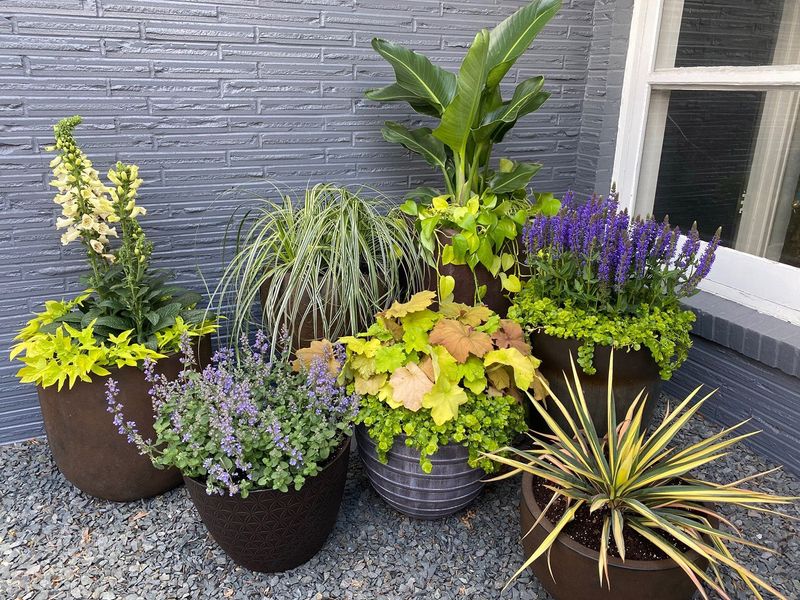
A splash of color can breathe life into any garden setting. By clustering pots of similar or complementary colors, you create a cohesive look that delights the eyes. Picture soft pastels or bold, contrasting hues, depending on your mood. Color-coordinated clusters provide a visual rhythm that’s pleasing and orderly. Incorporate plants with varied leaf shapes for extra appeal. This method allows for seasonal changes in color, keeping the display fresh and exciting year-round. Fun fact: Studies show that color can influence mood, making your garden not just beautiful but also emotionally uplifting.
3. Theme-Based Arrangements
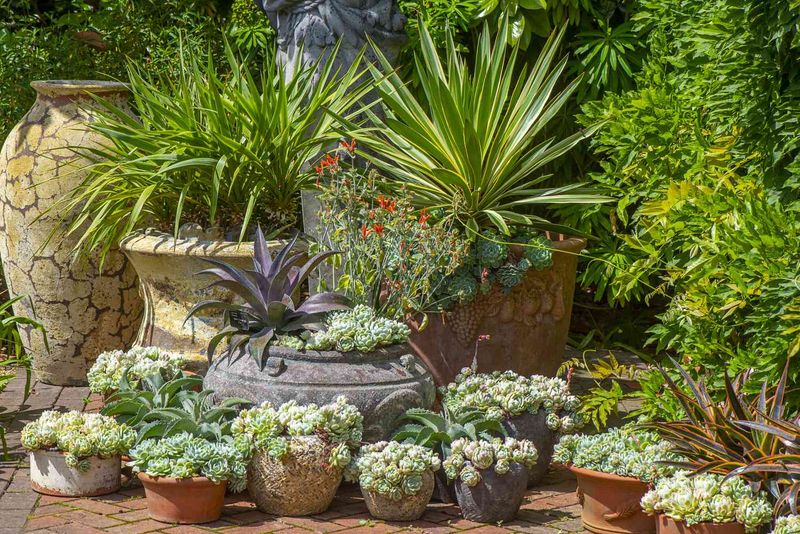
Travel the world through your garden by using theme-based pot arrangements. Think of Mediterranean vibes with terracotta pots, olive trees, and vibrant lavender. Or perhaps an Asian-inspired setting with bamboo and bonsai. Themes help guide plant selection, making the garden feel like a curated space. They also create a dialogue between the garden and its surroundings. This approach offers endless customization, allowing personal stories to be told through plants. Did you know? Themed gardens often reflect cultural identities and can serve as a living canvas for artistic expression.
4. Texture and Shape Play
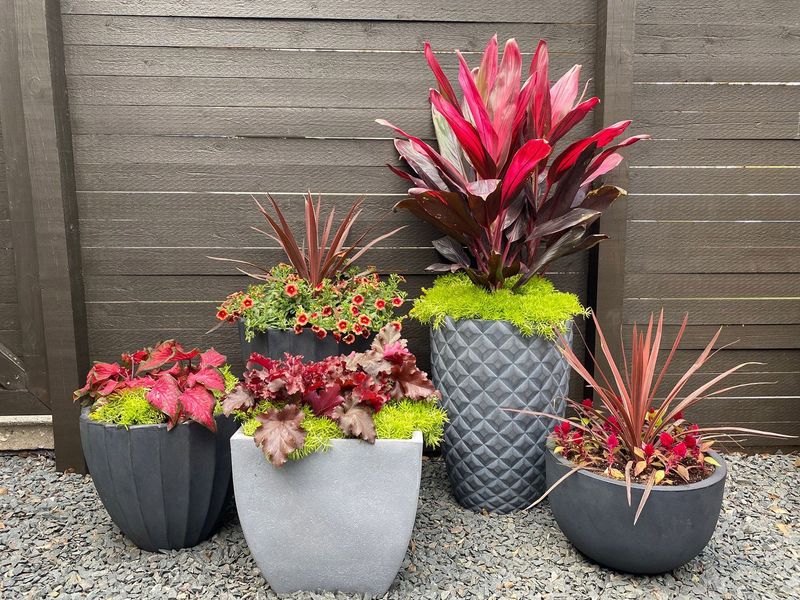
Dare to be different by playing with textures and shapes. Group pots with unique surfaces, like rough stone, smooth ceramic, or textured clay, and fill them with plants of varying heights and forms. This approach invites touch and encourages exploration. Mixing textures and shapes can evoke a sense of wonder and curiosity. The interplay between the plants and containers adds layers of interest, making the garden not just visually stimulating but also engaging on a tactile level. Did you know? Texture-rich gardens have been shown to enhance relaxation and reduce stress.
5. Edible Plant Pots
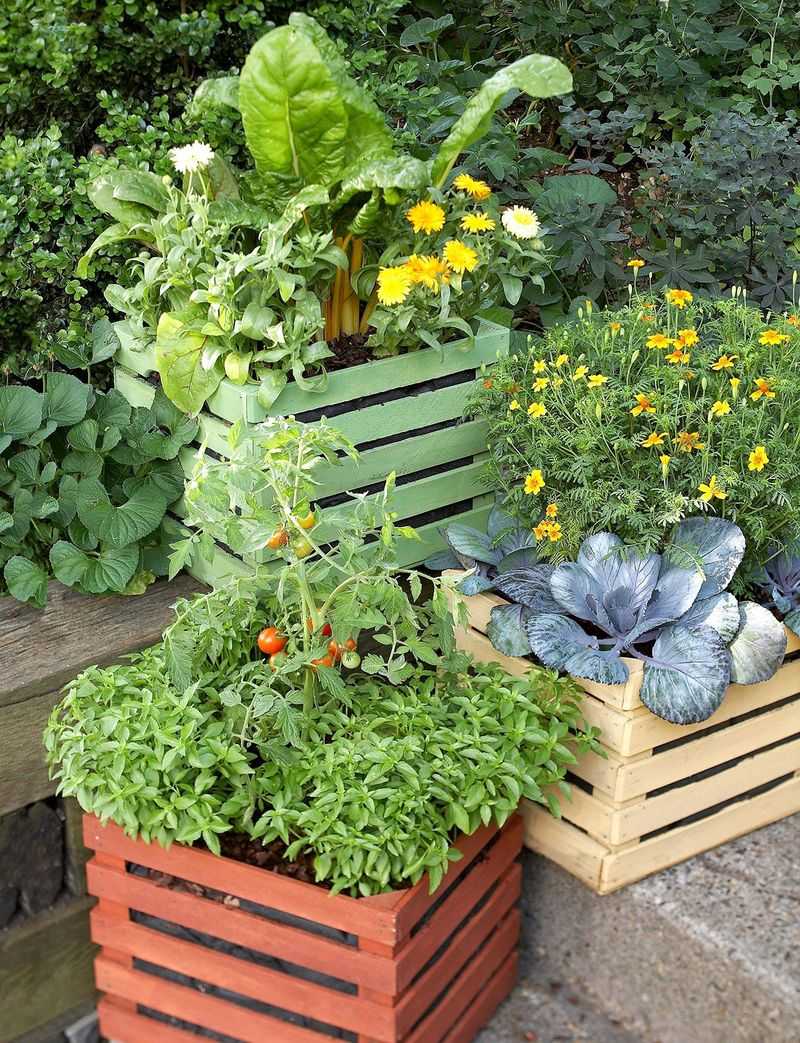
Why not blend beauty with utility? Edible plant pots allow you to enjoy fresh produce right from your garden. Imagine pots brimming with basil, cherry tomatoes, and hot peppers. These not only provide culinary delights but also add a fragrant and colorful display. Grouping edible plants strategically can maximize sunlight and water use. Consider mixing herbs with flowers for a delightful scent and look. Fun fact: Kitchen gardens have been utilized for centuries, providing sustenance and flavor right at home. This practice continues to thrive in modern urban settings.
6. Seasonal Sensations
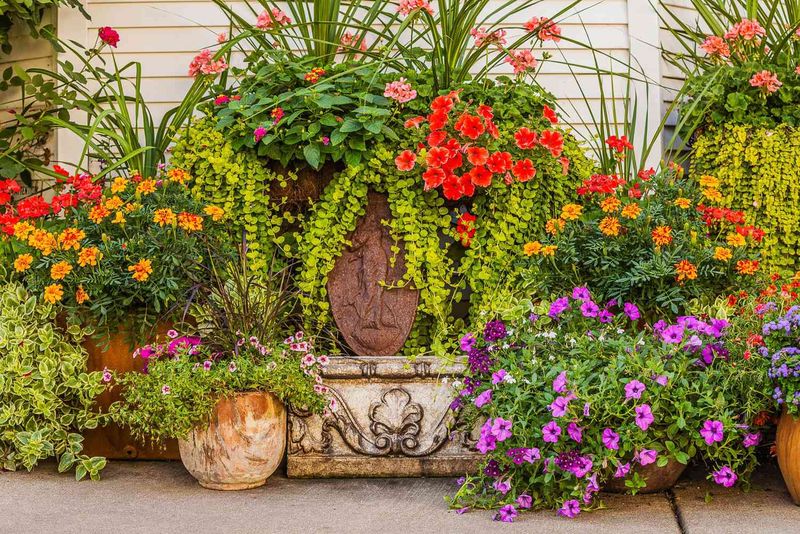
Celebrate the changing seasons with pots that reflect nature’s cycle. Plant spring bulbs like tulips for a splash of early color, or autumn mums for rich, warm tones. Seasonal pots keep the garden dynamic and ever-changing. They allow for creativity in plant selection, following nature’s rhythm. This approach keeps the garden lively and prevents monotony. Did you know? Seasonal gardening aligns with traditional agricultural practices, connecting us to the earth’s natural ebb and flow. Embrace the seasons and let your garden tell their ever-evolving story.
7. Symmetrical Arrangements
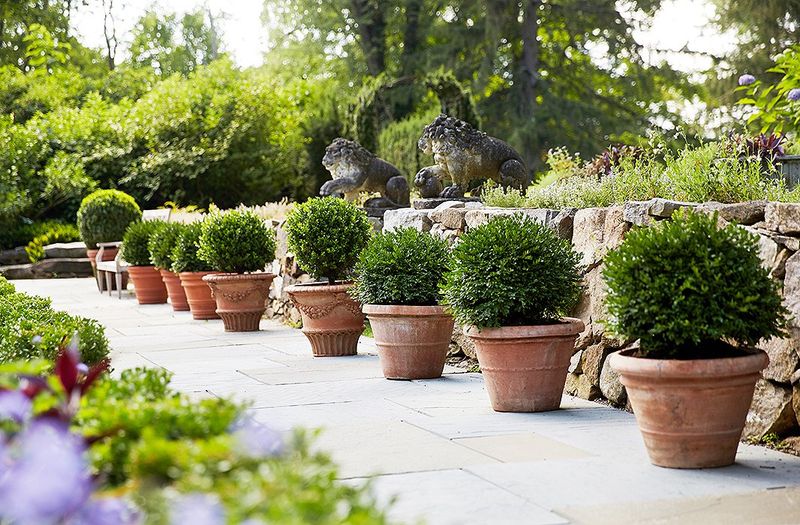
Symmetry in the garden offers a sense of balance and harmony. By arranging pots in mirrored patterns, you create a structured and elegant look. This technique works well for formal gardens or entryways, providing a welcoming atmosphere. Use identical pots and plants on either side of a path or doorway for a classic feel. The symmetry can also be an anchor in a more eclectic garden, offering order amidst chaos. Did you know? Symmetrical designs have been a staple in garden architecture since ancient times, symbolizing harmony and order.
8. Height Dynamics
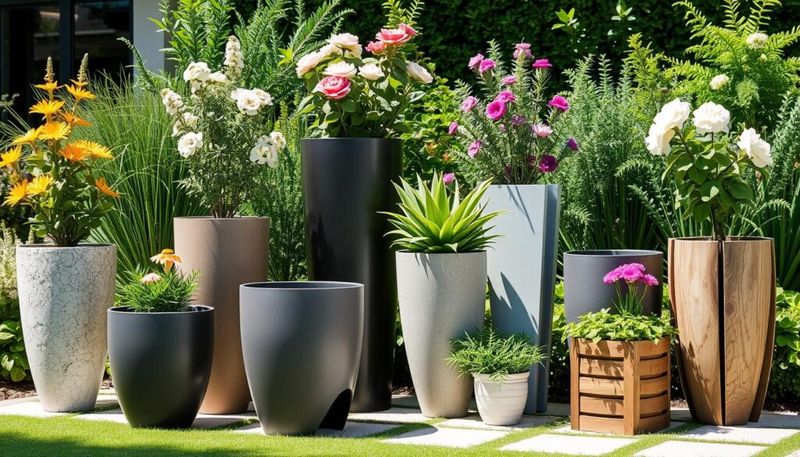
Height dynamics bring a sense of drama and interest to your container garden. Start with taller pots at the back, creating a layered effect with medium and smaller pots in front. This arrangement allows each plant to shine in its own space. By varying the height, you create depth and a sense of movement.
Consider using stands or pedestals for added elevation. As you play with heights, remember to contrast foliage textures and colors to amplify the visual impact. Mixing evergreen with seasonal flowers can keep the display lively year-round.
9. Contrasting Colors
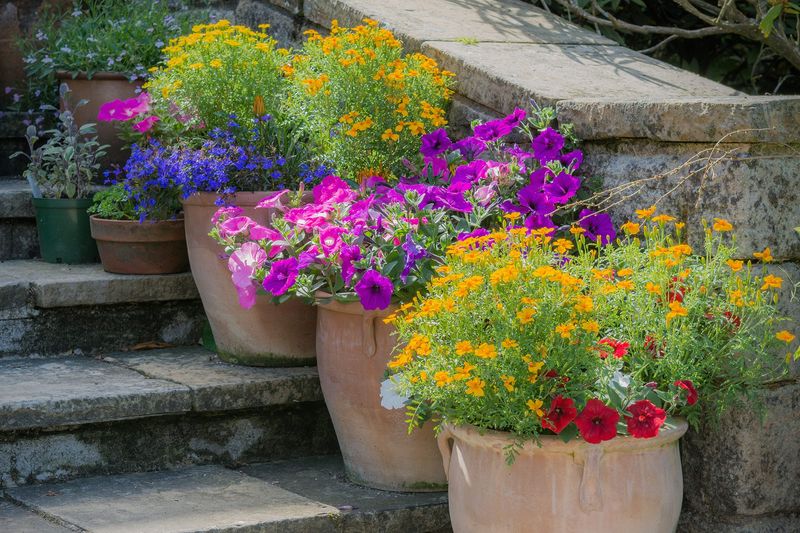
Color contrast can transform a simple arrangement into a vibrant spectacle. Think of pairing fiery reds with cool blues or sunny yellows with deep purples. This bold approach creates a striking visual impact that draws the eye.
When selecting plants, consider their blooming seasons to ensure continuous color throughout the year. Intersperse foliage plants with vibrant flowers for a balanced look. Experiment with different color combinations to see what resonates best with your style and garden backdrop.
10. Scented Symphony
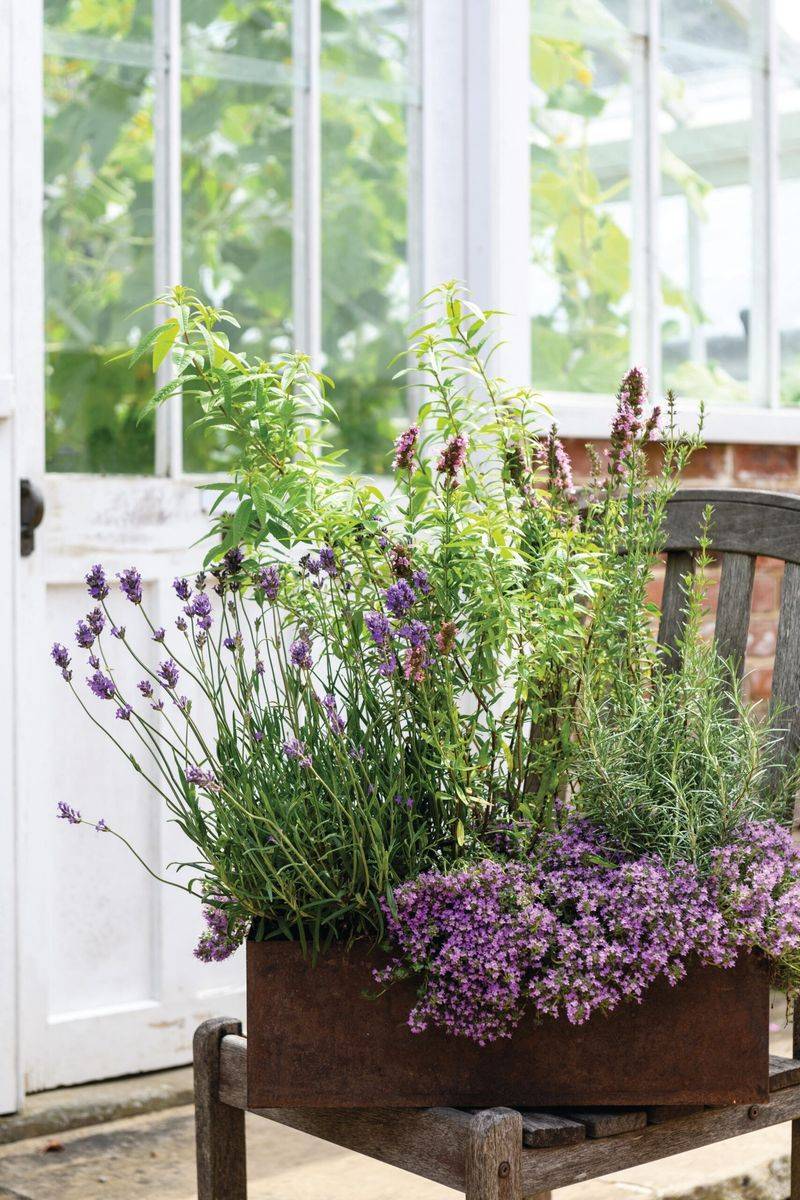
Imagine walking through a garden filled with delightful scents. Grouping pots with aromatic plants creates a scented symphony that enchants the senses. Choose plants like lavender, rosemary, and mint, which not only smell wonderful but also attract pollinators.
Strategically place these pots near pathways or seating areas to fully enjoy their fragrance. Mixing scented flowers with herbs adds both beauty and functionality, as these plants can be used in cooking. This aromatic approach to pot grouping offers both sensory and practical benefits.
11. Wildlife Welcome
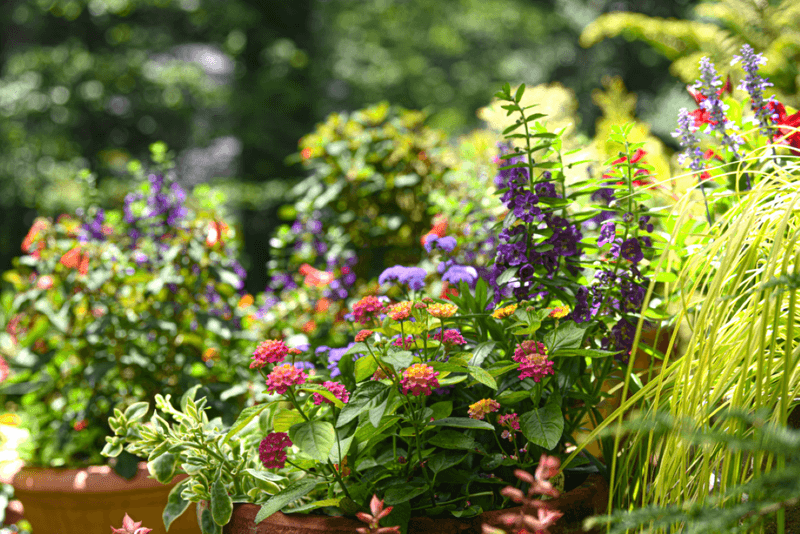
Creating a wildlife-friendly container garden is a rewarding endeavor that supports biodiversity. Incorporate plants that attract bees, butterflies, and birds, such as daisies and butterfly bushes. These species provide essential nectar and pollen sources.
To enhance the habitat, include a shallow water dish for drinking and bathing. Such arrangements contribute to a thriving ecosystem, inviting delightful wildlife interactions. This approach not only beautifies your garden but also supports environmental health.
12. Succulent Oasis
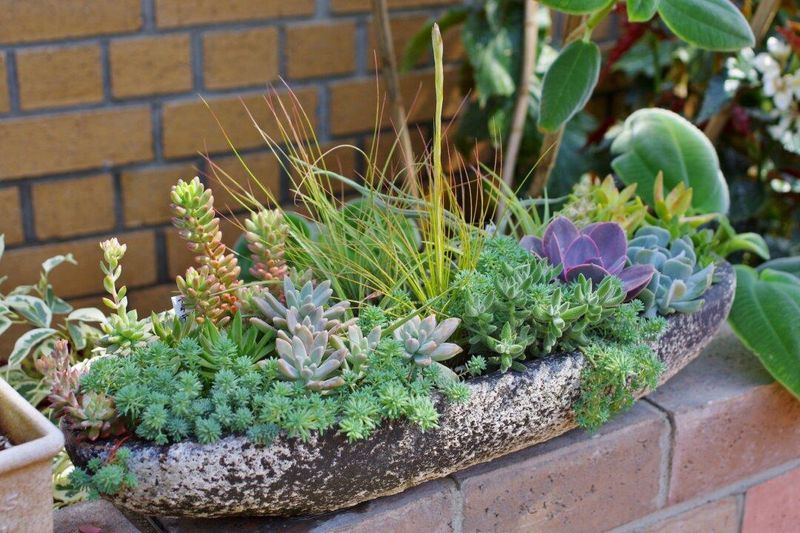
For a low-maintenance yet striking display, consider a succulent oasis. These hardy plants come in a range of shapes, sizes, and colors, offering endless design possibilities. Arrange a mixture of tall and trailing succulents to create visual interest.
Succulents thrive with minimal care, making them ideal for busy gardeners. Use pots in neutral tones to highlight the plants’ natural beauty. This arrangement not only saves time but adds an exotic touch to your garden.
13. Vintage Charm
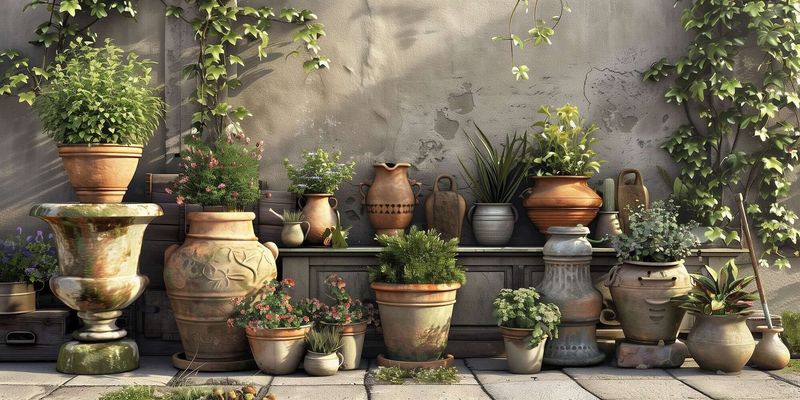
Embrace vintage charm by using reclaimed pots to add character to your garden. Think old watering cans, barrels, and rustic containers that tell a story. Plant with vibrant flowers and lush greens to create a harmonious blend of old and new.
This approach adds a personal touch and can be a conversation starter. Mixing different materials and designs provides texture variation, offering both visual and historical appeal. It’s an eco-friendly way to garden with style.
14. Cultural Fusion
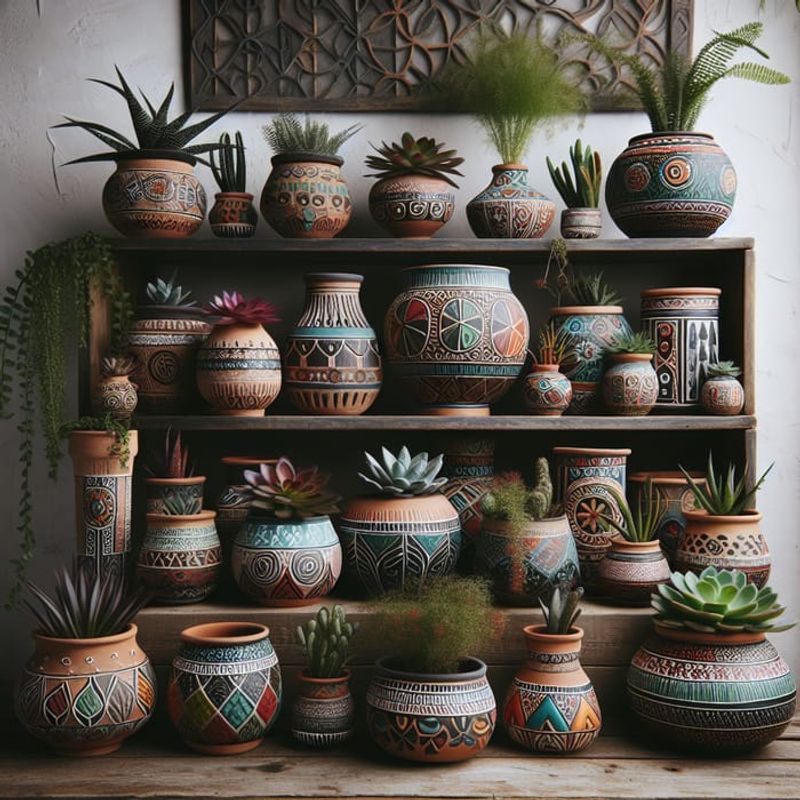
Explore the world in your garden with cultural fusion pots. Incorporate traditional designs from various cultures, filled with exotic plants to create a global theme. This approach celebrates diversity and offers a unique aesthetic.
Pair pots with matching motifs or colors to maintain harmony. This style not only adds intrigue but also provides an educational experience, connecting you to different traditions and stories through plants.
15. Water-Wise Wonders
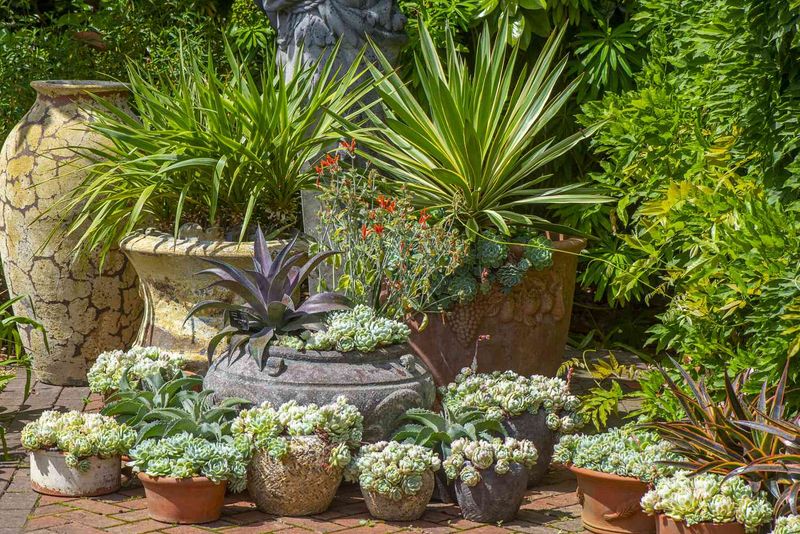
Water-wise wonders are perfect for eco-conscious gardeners. Use drought-tolerant plants like lavender, sage, and succulents in stylish pots to conserve water. These plants require minimal watering, reducing your environmental footprint.
Arrange these pots in sunlit areas to maximize growth and efficiency. This sustainable approach ensures a thriving garden even during dry spells. It’s an aesthetically pleasing way to contribute to water conservation while enjoying a beautiful outdoor space.