
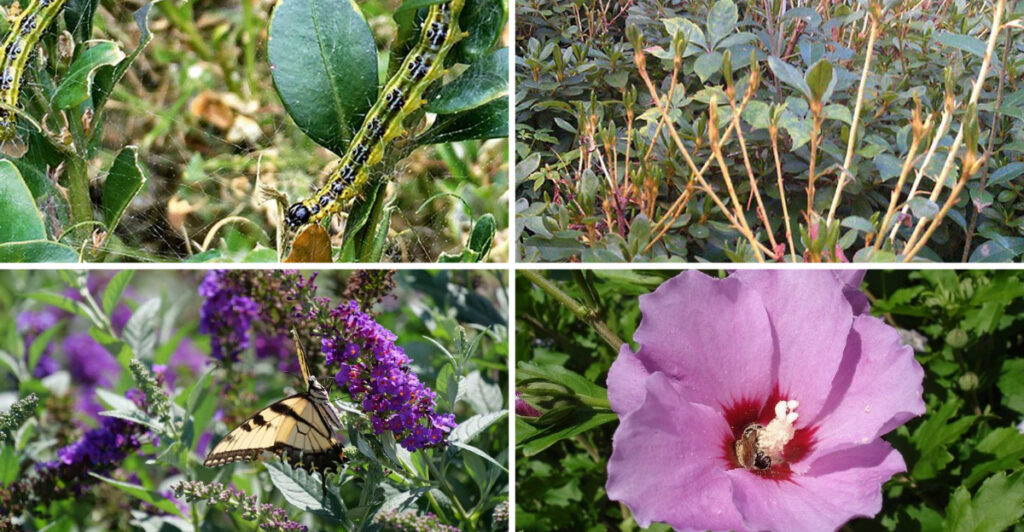
In the delicate balance of nature, not every plant is a gardener’s friend. Certain shrubs, although delightful to the human eye, seem to call out to caterpillars like an all-you-can-eat buffet. These caterpillars, while integral to the ecosystem, can wreak havoc on your garden’s aesthetics and health. If you’re looking to maintain a pristine landscape, knowing which shrubs to avoid can save you both headache and heartache. Here’s a detailed guide on twenty shrubs that might just invite these leaf-munching visitors more than you’d prefer.
1. Butterfly Bush
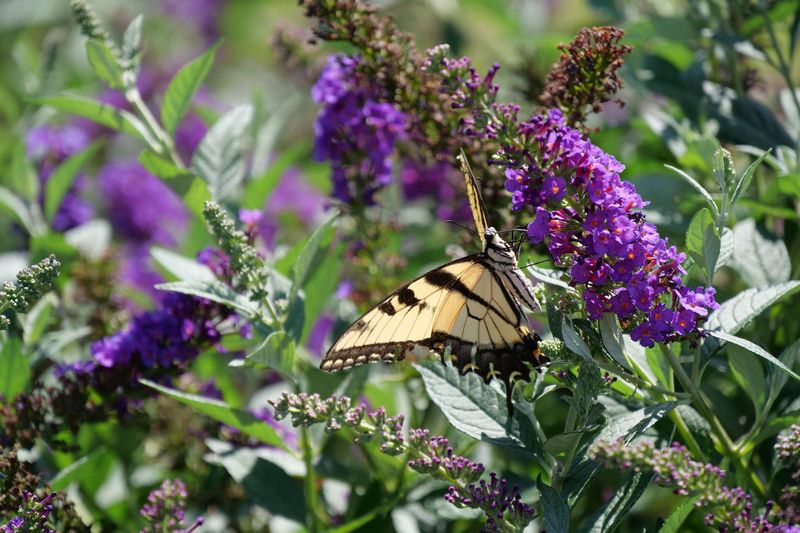
The butterfly bush might seem like a dream with its stunning purple flowers and sweet aroma. But this shrub doesn’t just attract butterflies. It is a magnet for caterpillars who feast on its tender leaves. While its beauty is undeniable, your garden may suffer from unwanted guests if you plant this bush.
The vibrant blossoms serve as a beacon for these pests, turning your garden into a feeding ground. If you’re not keen on sharing your landscape with caterpillars, consider alternative flowering shrubs.
2. Rose of Sharon
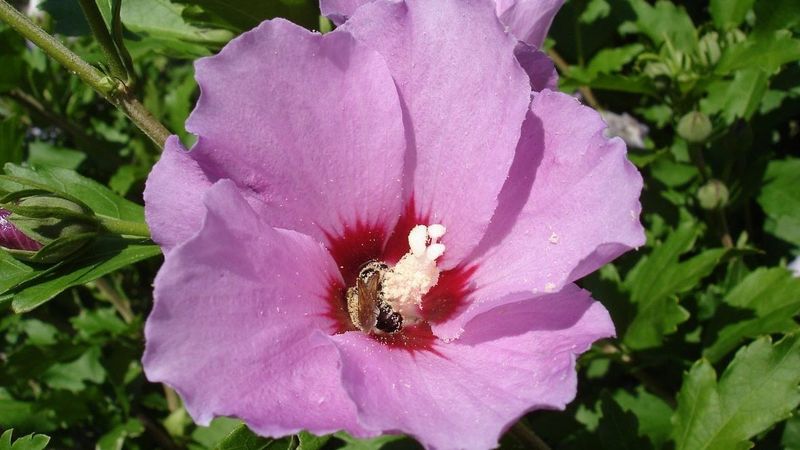
With its lush blossoms, the Rose of Sharon is often a gardener’s pride. However, the same blossoms that captivate humans are irresistible to caterpillars. These tiny creatures feast on the plant, leaving behind a trail of destruction.
While its exotic appearance might be tempting, consider the potential caterpillar invasion. For those wanting a pristine garden, this shrub may be more trouble than it’s worth.
3. Forsythia
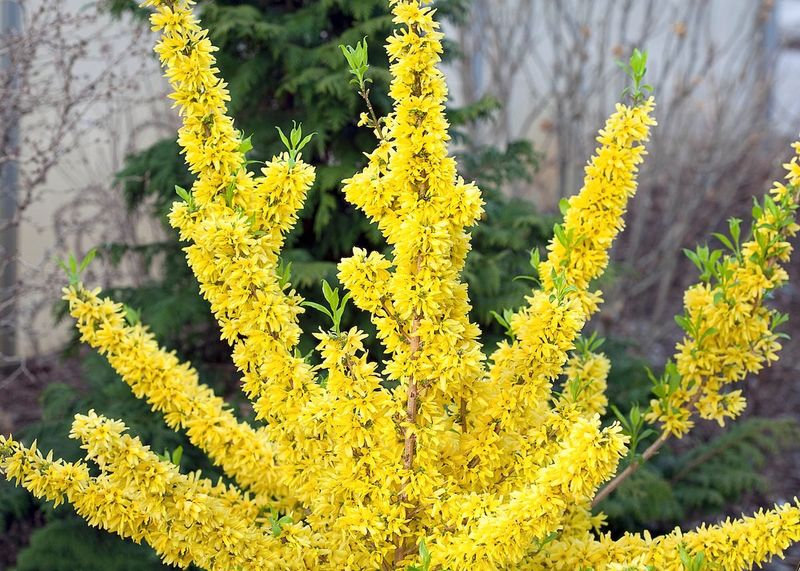
Forsythia’s cheerful yellow blooms signal the arrival of spring. Yet, beneath this sunny facade lies a secret: caterpillars love it. The same bright flowers that herald warmer days also invite these leaf-eating guests.
Gardeners might find themselves battling a caterpillar army if they’re not careful. While lovely, Forsythia could become more of a hassle than a highlight in your yard.
4. Honeysuckle
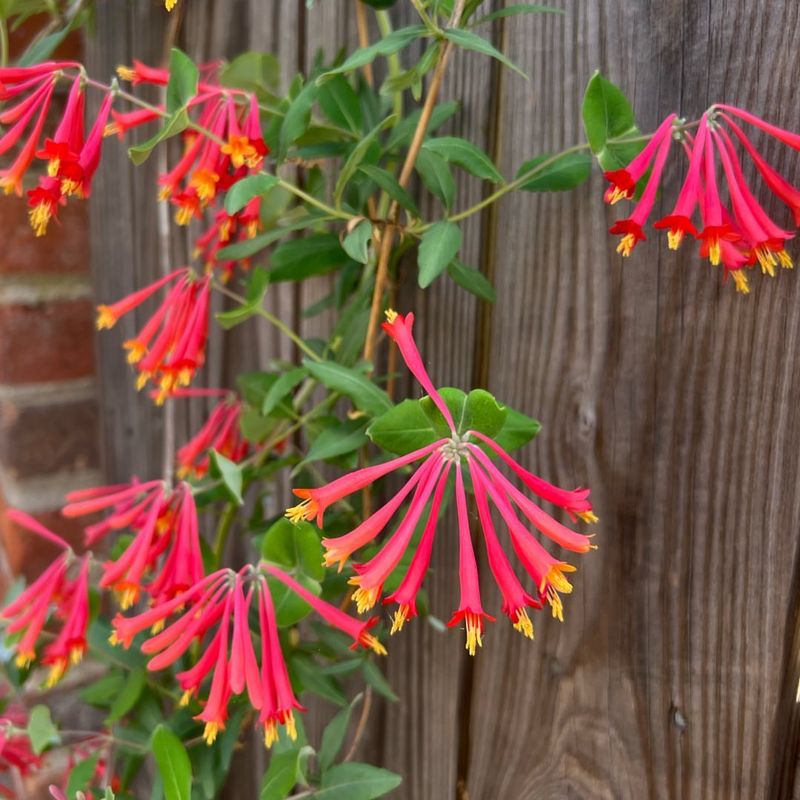
Honeysuckle’s sweet scent is beloved, but it comes with a catch. Caterpillars are drawn to it like bees to honey, feeding on its leaves with zeal. This can lead to a garden overrun by these hungry guests.
Its climbing nature might add charm, but it also provides caterpillars with easy access. For a caterpillar-free zone, honeysuckle may not be the best choice.
5. Lilac
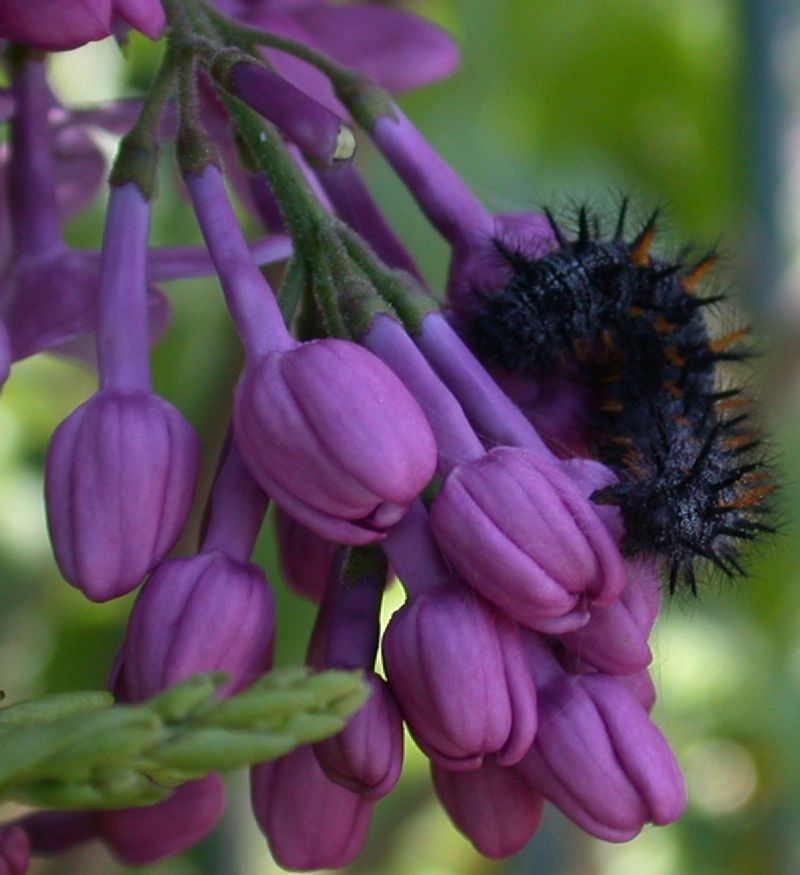
The fragrant lilac is a spring favorite, yet it has a hidden downside. Caterpillars feast on its leaves, turning this aromatic delight into their personal buffet. The lovely scent may bring joy, but not without consequences.
Gardeners hoping for an unspoiled display might need to look elsewhere. Despite its charm, the lilac can become a caterpillar magnet.
6. Privet
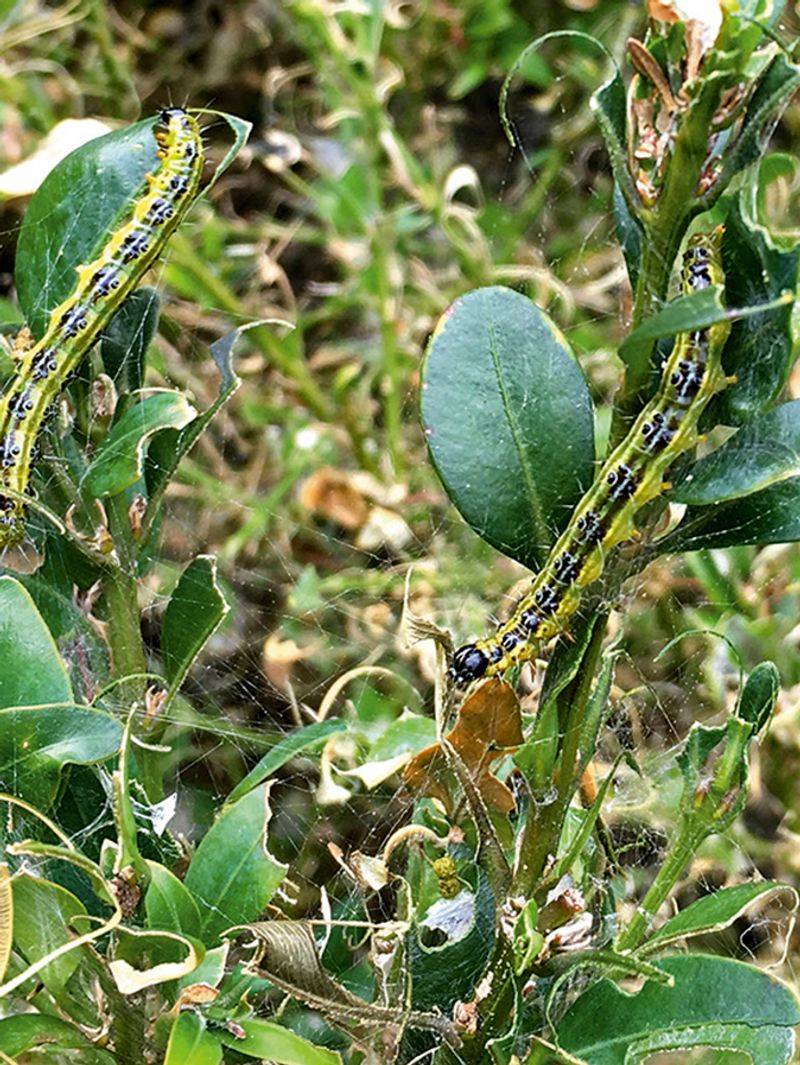
Privet hedges offer a classic look, but they come with an issue. Caterpillars find these shrubs irresistible and can quickly infest, leaving them looking ragged. Their dense foliage becomes a playground for these pests.
While they can create a lush border, the caterpillar risk is significant. For a tidy garden, privet might prove more of a chore than a choice.
7. Euonymus
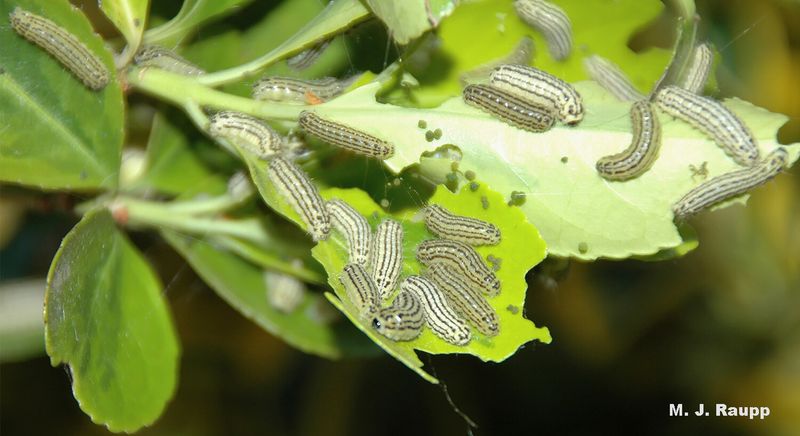
The Euonymus shrub captivates with its colorful foliage, yet caterpillars find it just as appealing. These pests eat away at the leaves, diminishing the plant’s vibrant display.
For gardeners eager to maintain a lively landscape, the Euonymus may invite more than its fair share of caterpillars. Despite its allure, it can become a high-maintenance addition.
8. Azalea
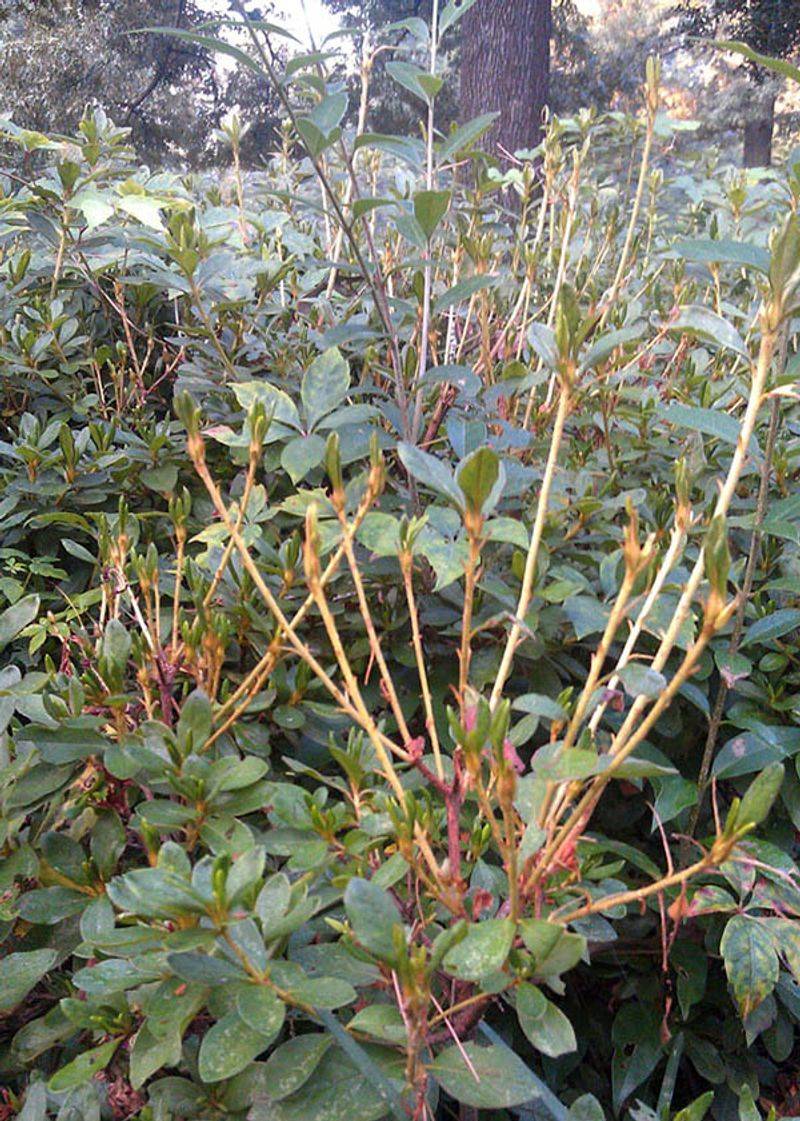
Azaleas are known for their vibrant blooms, but caterpillars see them as an open invitation. The colorful flowers and lush leaves attract these pests, leading to potential infestations.
While their beauty is hard to resist, gardeners may find themselves battling caterpillars more than they’d like. Azaleas, though stunning, may not suit a caterpillar-conscious garden.
9. Buddleia
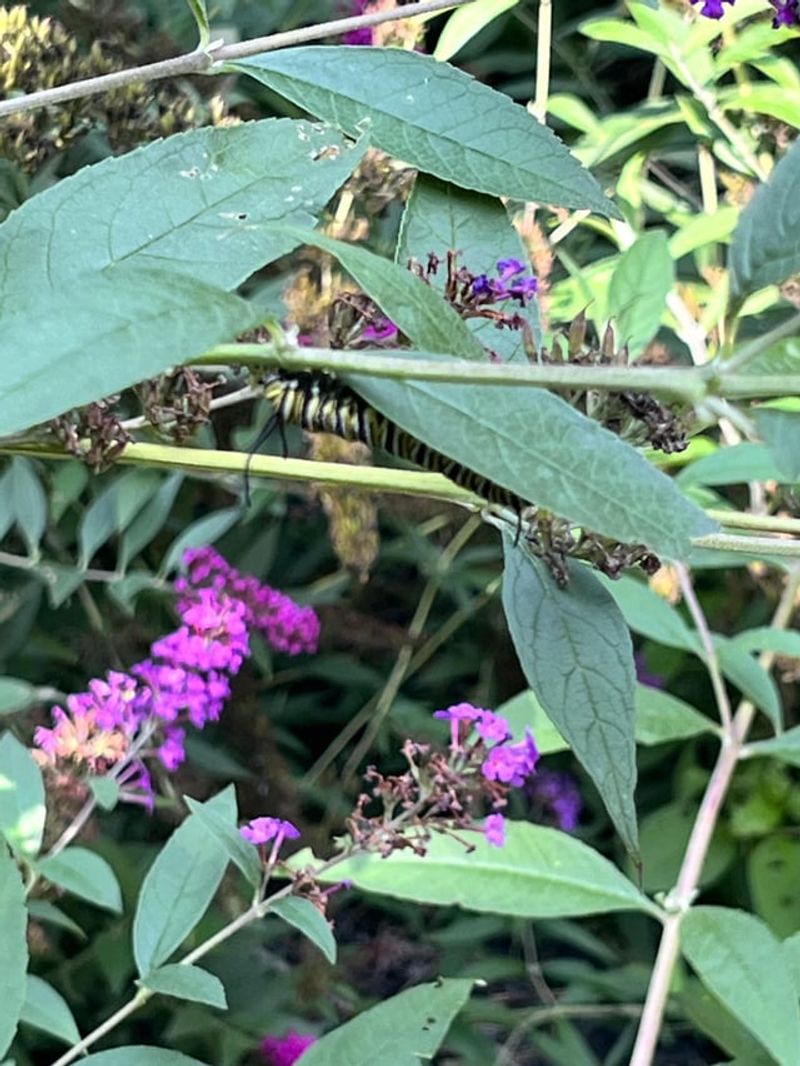
Known as the butterfly bush, Buddleia’s allure extends to caterpillars too. Its enticing blooms provide an abundant food source, attracting a swarm of these garden intruders.
Though its beauty is tempting, gardeners should be wary of the potential caterpillar invasion. This shrub, while lovely, might invite more pests than pleasure.
10. Spirea
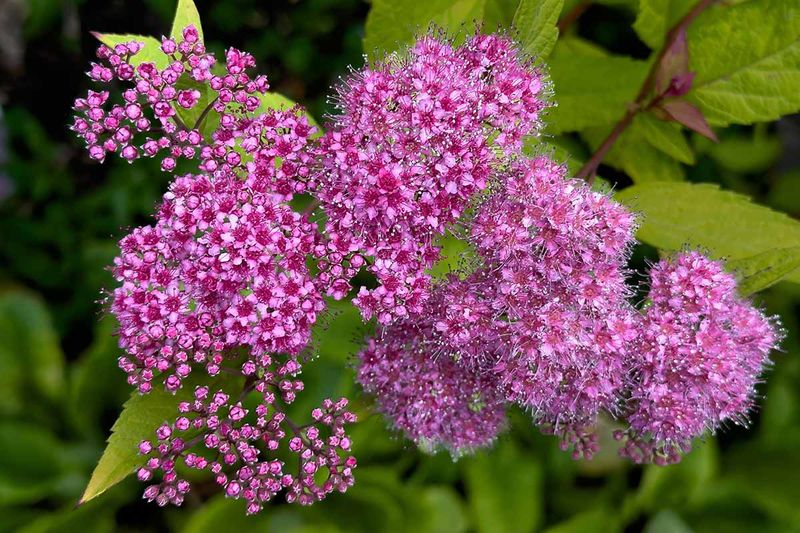
Spirea’s charming blossoms are a sight to behold, but they also catch the eye of caterpillars. These pests feast on the leaves, leaving behind a trail of destruction.
Though the blooms are delightful, gardeners may find themselves dealing with more caterpillars than they’d like. Spirea’s appeal comes with a caterpillar caveat.
11. Weigela
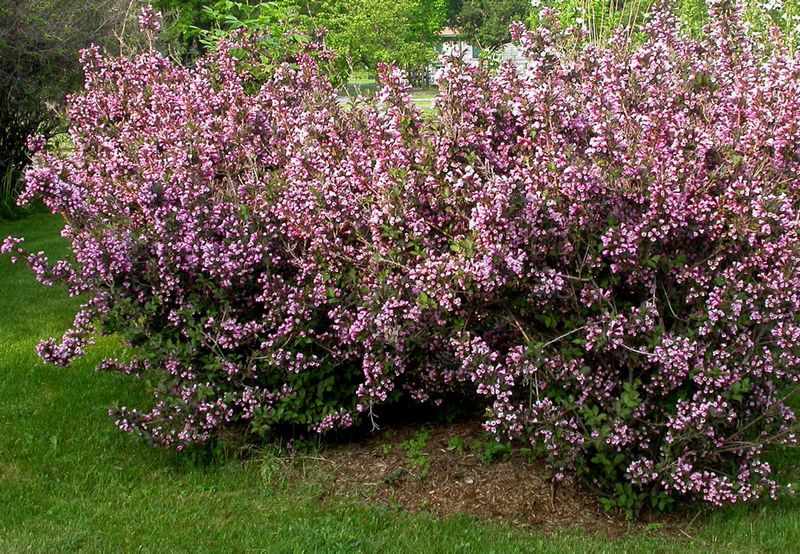
Weigela’s vibrant flowers bring color to any garden, but they also attract caterpillars in droves. These pests feast on the leaves, leaving the plant looking worse for wear.
While its beauty is undeniable, the potential caterpillar problem is a consideration. Gardeners may need to weigh Weigela’s appeal against its pest propensity.
12. Viburnum
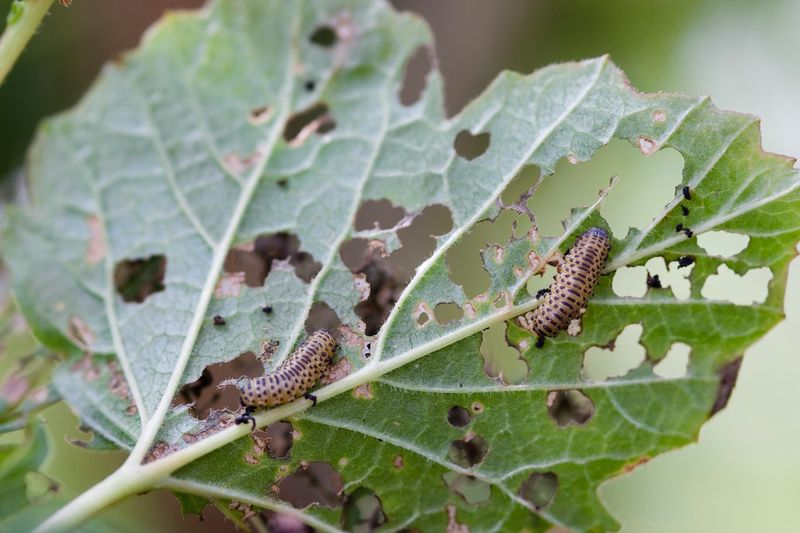
Viburnum’s lush foliage and delicate flowers are a gardener’s dream, yet they draw caterpillars like a magnet. These pests munch on the leaves, disturbing the plant’s natural beauty.
While Viburnum offers visual delight, gardeners should consider the caterpillar impact. Its charm may come with a caterpillar cost.
13. Dogwood
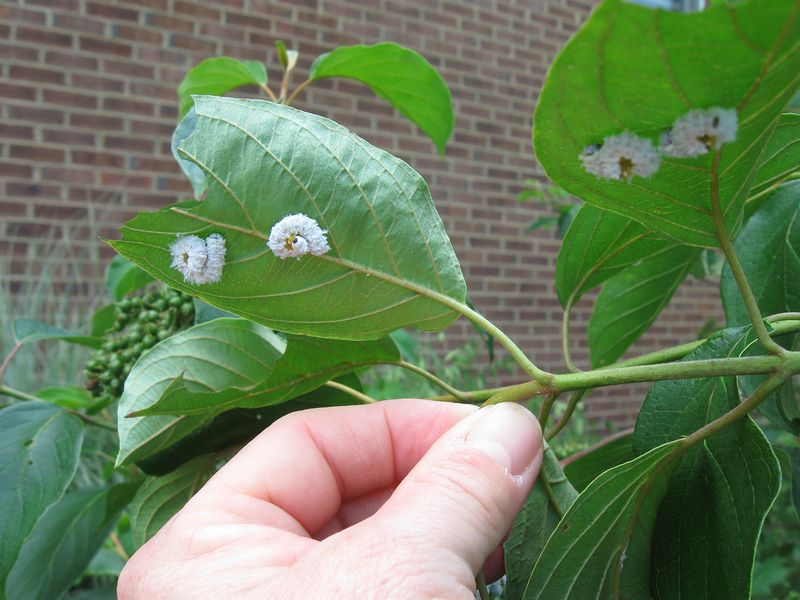
Dogwood shrubs add elegance with their blossoms, but caterpillars see them as a feast. These pests target the leaves, leaving the plant looking unkempt.
Though their beauty is evident, the caterpillar problem can be a nuisance. For those aiming for a pristine garden, Dogwood might be a challenging choice.
14. Camellia
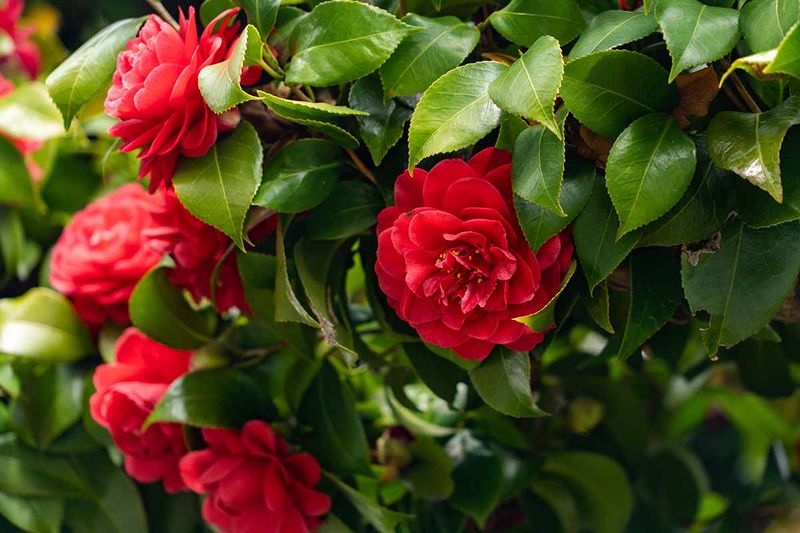
Camellia’s lush blooms are a garden favorite, but they also attract caterpillars. These pests feast on the foliage, causing potential damage to the plant’s appearance.
Gardeners may admire Camellia’s beauty, but the caterpillar issue is a concern. Its charm might come with more maintenance than expected.
15. Hydrangea
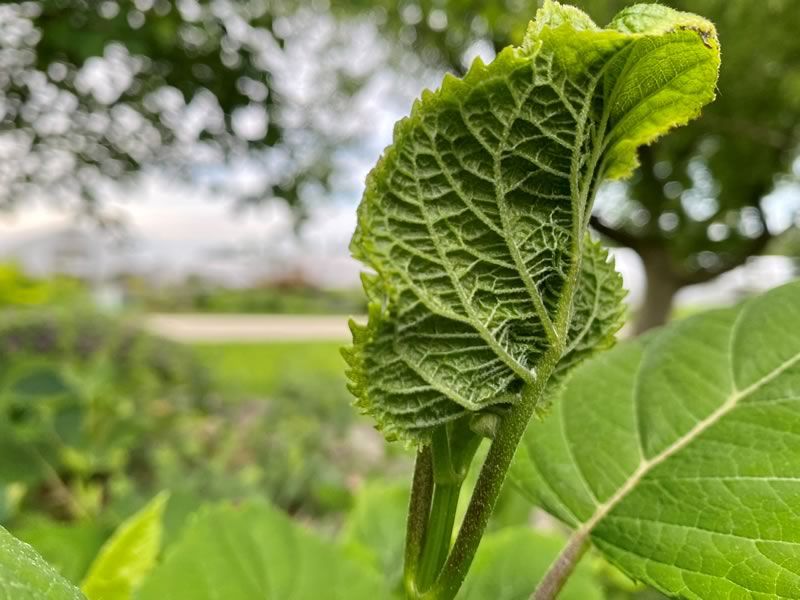
Hydrangea’s big blooms captivate, yet they also catch the attention of caterpillars. These pests munch on the leaves, potentially hindering the plant’s growth.
While their beauty is undeniable, the risk of caterpillar infestation is real. Hydrangeas might require extra care to keep caterpillars at bay.
16. Crape Myrtle
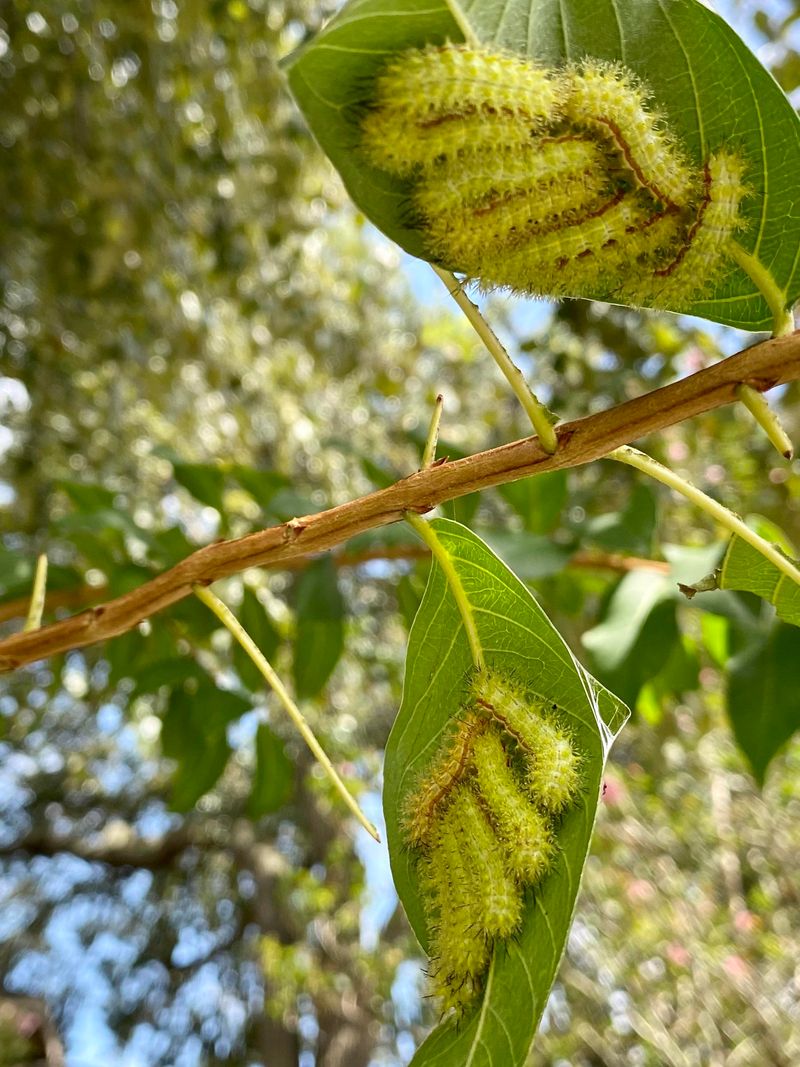
Crape Myrtle’s stunning flowers are a summer highlight, but caterpillars think so too. They feed on the foliage, leaving the plant looking less than its best.
Though its blooms are striking, the potential caterpillar problem is something to consider. Gardeners may need to balance beauty with pest control.
17. Boxwood
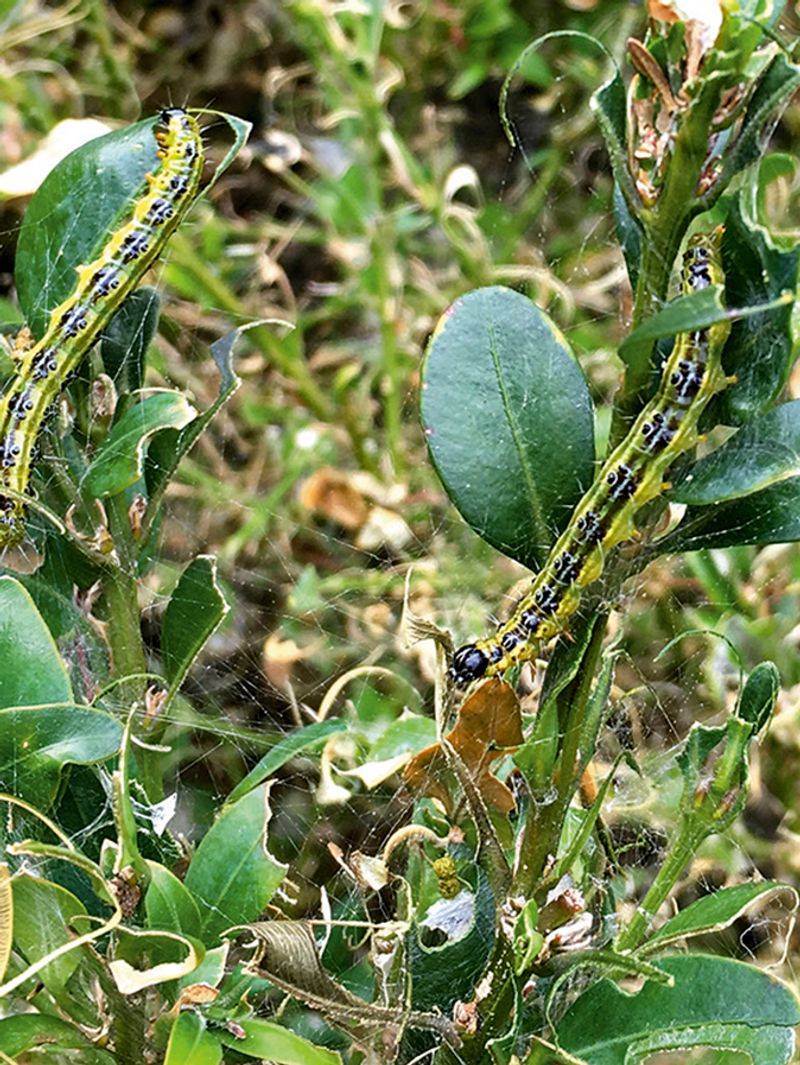
Boxwood’s dense foliage makes it a popular choice for hedges, yet caterpillars find it irresistible. They nestle in the leaves, potentially causing significant damage.
While Boxwood offers a classic look, the caterpillar issue can be a headache. Maintaining its pristine appearance may require extra effort.
18. Rhododendron
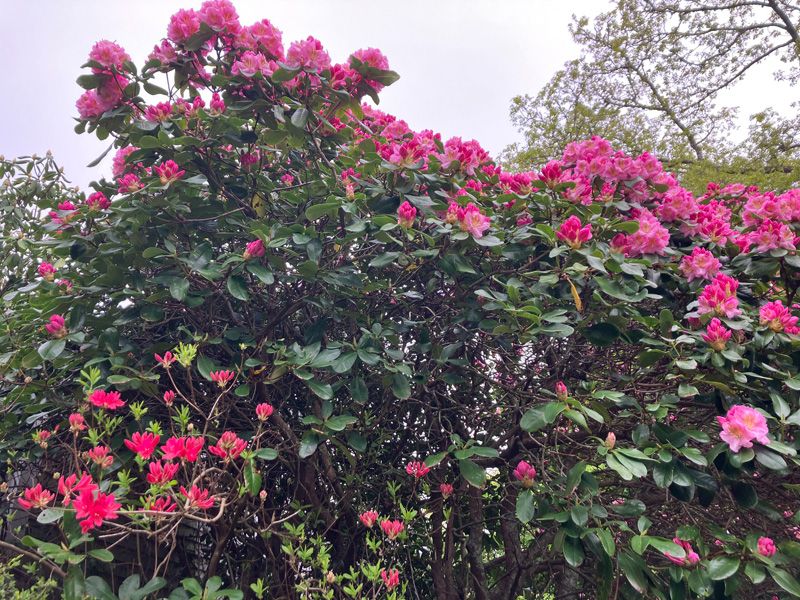
Rhododendron’s stunning flowers captivate, but caterpillars are equally enthralled. These pests feast on the plant’s leaves, detracting from its visual appeal.
Though its beauty is alluring, the caterpillar problem is a real concern. Gardeners may need to weigh its charm against potential pest issues.
19. Hibiscus
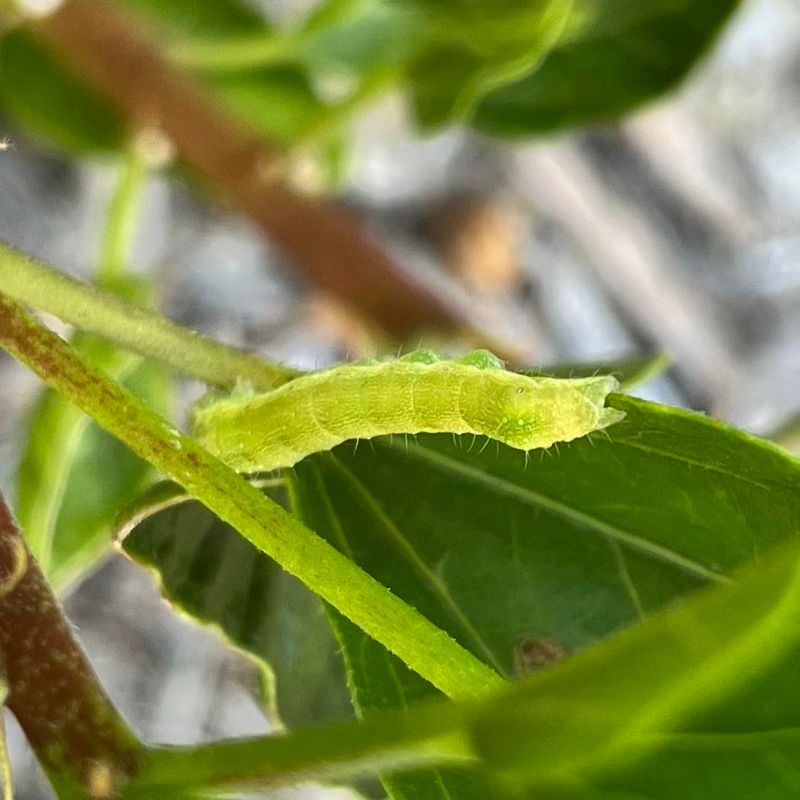
Hibiscus plants boast large, showy flowers, but caterpillars view them as a buffet. These pests munch on the leaves, leaving the plant less vibrant.
While their flowers are captivating, gardeners may face a caterpillar challenge. Hibiscus might require vigilant care to remain pristine.
20. Yew
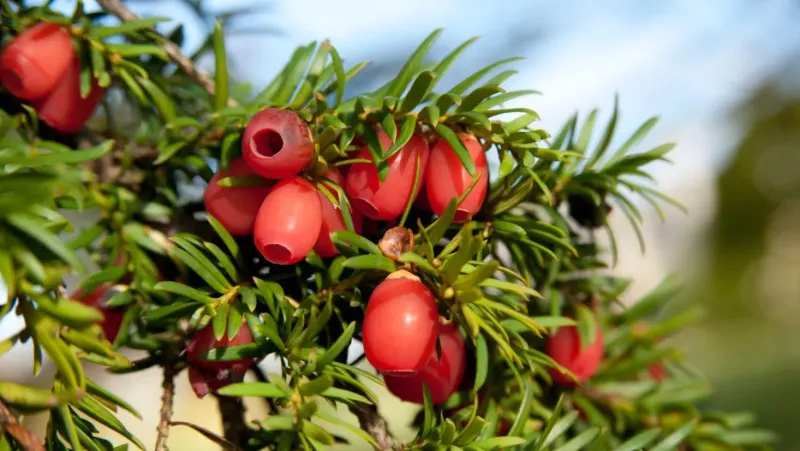
Yew shrubs are admired for their lush, evergreen appearance, but caterpillars find them appealing too. These pests nestle within its needles, causing potential damage.
Although Yews offer year-round greenery, the caterpillar issue is worth noting. Maintaining their beauty might demand extra attention.