
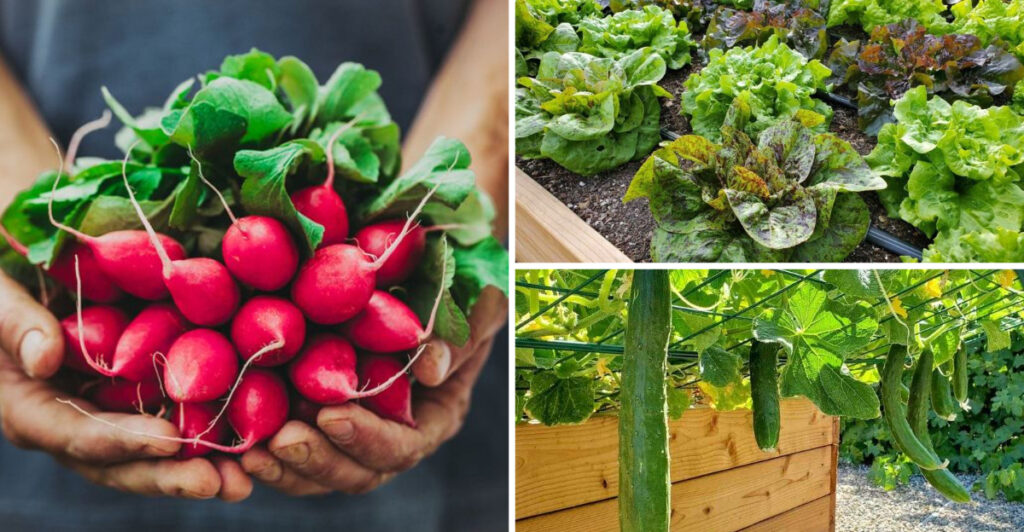
Gardening can be a rewarding hobby both in terms of personal satisfaction and financial savings. Many vegetables are cheaper to grow at home than to purchase from the grocery store. Here, we explore 17 vegetables that experts recommend cultivating in your garden to save money.
1. Lettuce
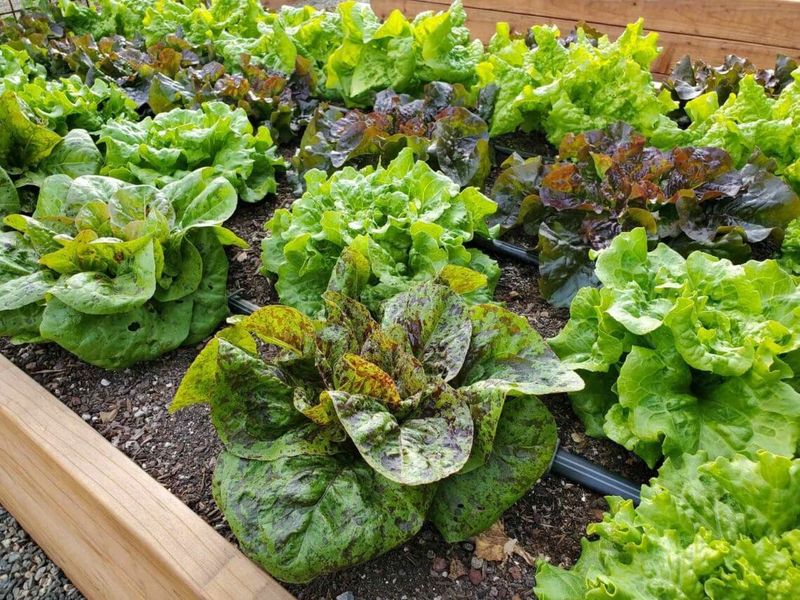
Lettuce is a staple in many households, providing fresh greens for salads and sandwiches. It grows quickly and requires minimal space, making it perfect for small gardens or containers. Lettuce thrives best in cool weather, allowing gardeners to enjoy multiple harvests in a single season.
While grocery store prices fluctuate, homegrown lettuce remains a cost-effective choice. Its crisp texture and fresh taste far surpass store-bought options, offering both economic and culinary benefits. With various types to choose from, such as romaine, butterhead, and leaf lettuce, gardeners can enjoy a diverse harvest.
Did you know? Lettuce was first cultivated by the ancient Egyptians, who considered it a sacred plant.
2. Tomatoes
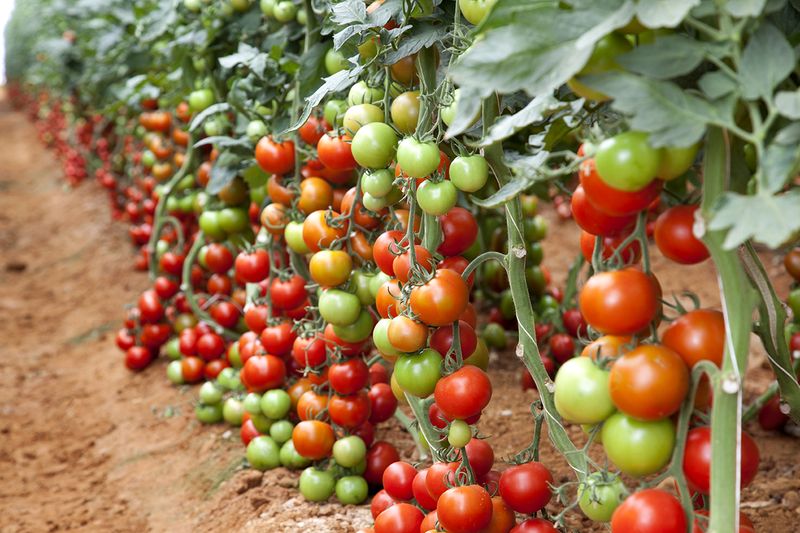
Tomatoes are the crown jewel of many home gardens, offering rich flavors that far outshine their store-bought counterparts. These versatile fruits thrive in warm conditions, rewarding gardeners with bountiful yields throughout the summer.
Growing tomatoes at home offers significant savings, especially given their high market prices. Varieties like cherry, beefsteak, and heirloom each bring unique flavors to the table, enhancing every dish they touch. Planting tomatoes encourages a deeper appreciation for seasonal eating.
Fun fact: Tomatoes were once thought to be poisonous and were called “love apples” when first introduced to Europe.
3. Carrots
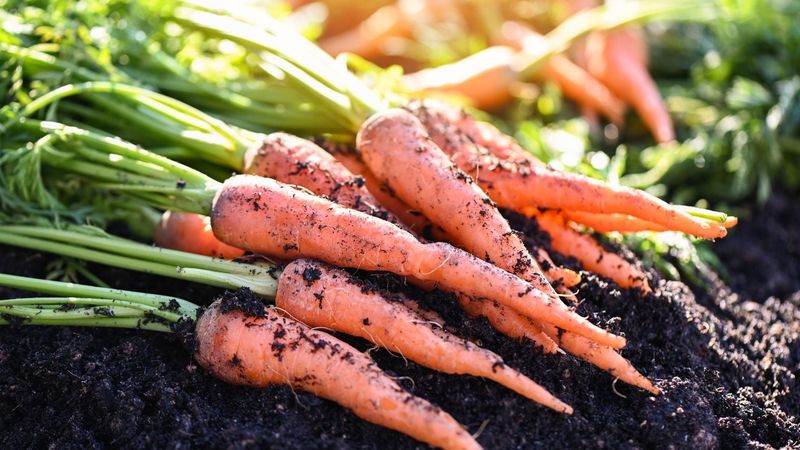
Carrots are a root vegetable that brings both sweetness and nutrition to the table. They are remarkably easy to grow, even for novice gardeners. Carrots require loose, sandy soil to grow properly, which can easily be achieved with proper garden preparation.
Homegrown carrots not only save money but also offer superior taste and texture. Their sweet flavor is a delightful contrast to the often bland, store-bought variety. With the ability to store well, carrots provide long-term value for any home gardener.
Did you know? Carrots were originally purple or white before the orange variety became popular in the 17th century.
4. Zucchini
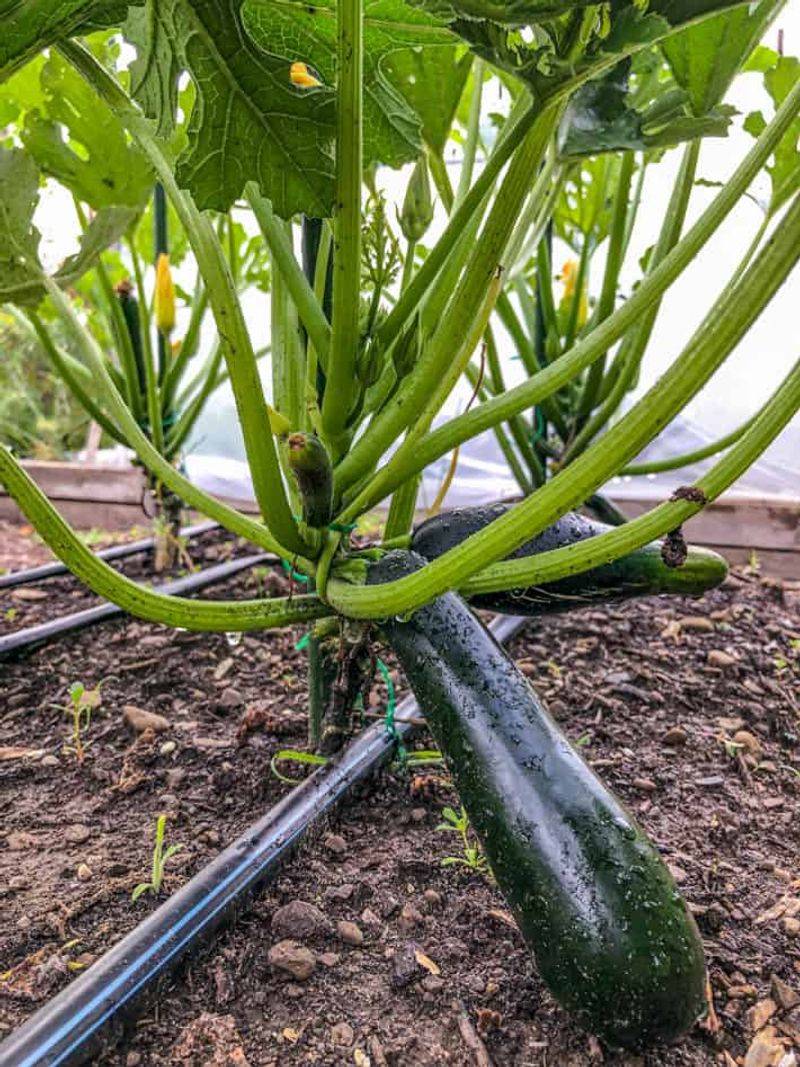
Zucchini is a prolific producer, making it an economical choice for gardeners looking to save on grocery bills. The plant’s robust growth can easily overwhelm a garden space, yielding abundant harvests.
Known for its versatility, zucchini can be used in countless dishes, from savory to sweet, enhancing its value. The plant’s quick growth means you’ll soon have zucchinis to pick, ensuring constant supply during the growing season.
Fun fact: The world’s largest zucchini on record was over 8 feet long and weighed nearly 30 pounds!
5. Spinach
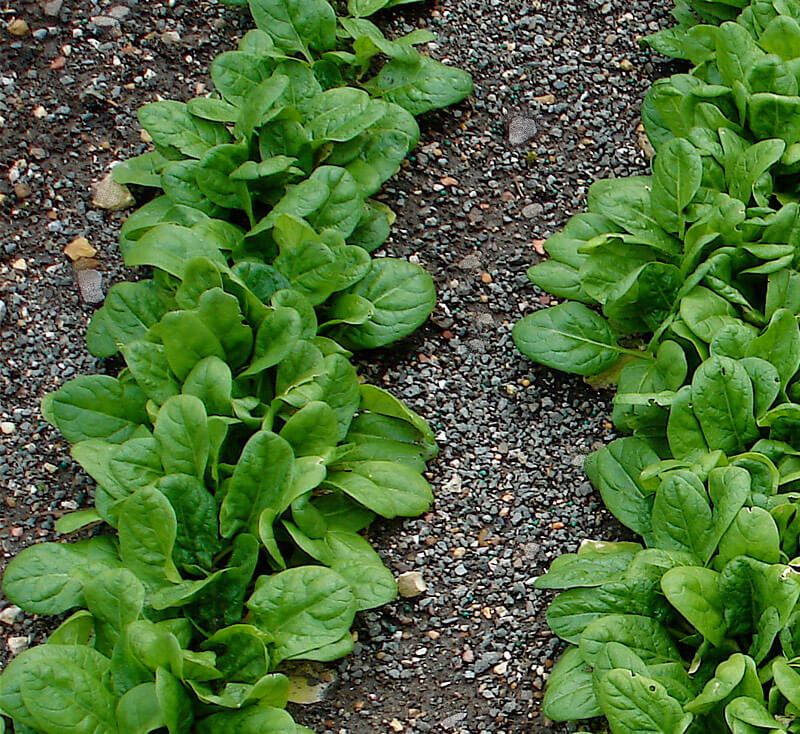
Spinach is a nutritional powerhouse that flourishes in the home garden. It prefers cooler climates and can be harvested multiple times in a season, offering gardeners a steady supply of fresh greens.
Growing spinach at home significantly cuts costs and ensures a fresher, richer taste compared to store-bought varieties. Its tender leaves are perfect for salads, soups, and smoothies, adding both flavor and nutrition.
Historical tidbit: Spinach gained popularity in the Western world after being brought from Persia, where it was highly prized for its medicinal properties.
6. Cucumbers
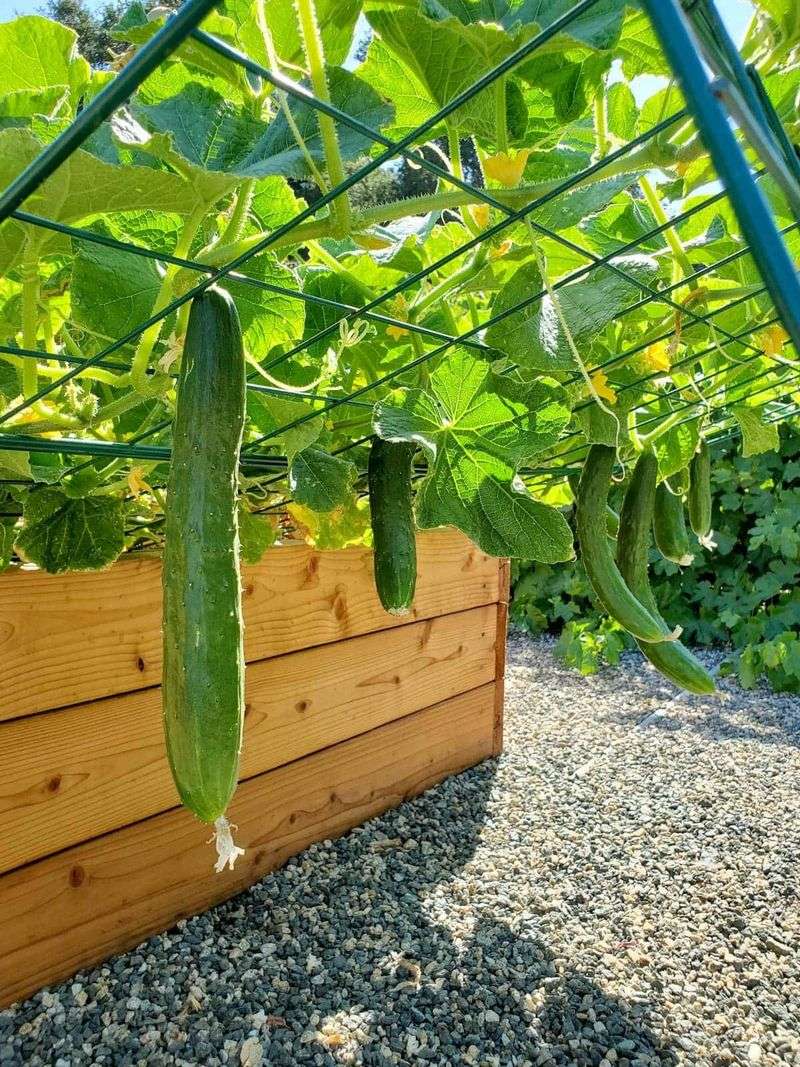
Cucumbers are a refreshing addition to any garden, known for their crisp texture and hydrating properties. They can be grown vertically, saving space while providing ample yield.
Growing cucumbers at home ensures a supply that is fresher and more flavorful than store-bought, often at a fraction of the cost. Their versatility in culinary uses—from salads to pickles—makes them a favorite among gardeners.
Fun fact: Cucumbers are technically fruits, belonging to the same botanical family as melons.
7. Peppers
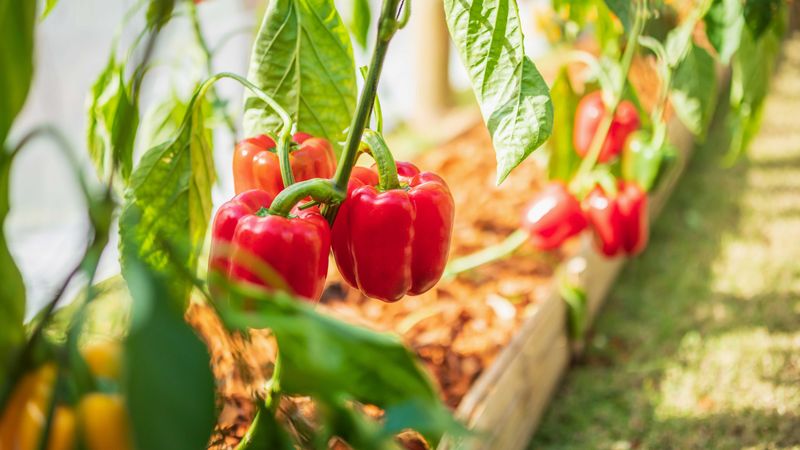
Peppers, whether sweet or spicy, are a vibrant and flavorful addition to any garden. These plants thrive in warm conditions, producing colorful fruits that brighten dishes and gardens alike.
Homegrown peppers offer substantial savings, especially given their often high market price. The taste of freshly picked peppers is unmatched, enhancing salsas, salads, and stir-fries with their rich flavors.
Fun fact: The heat of a pepper is measured in Scoville units, a scale named after its creator, Wilbur Scoville.
8. Radishes
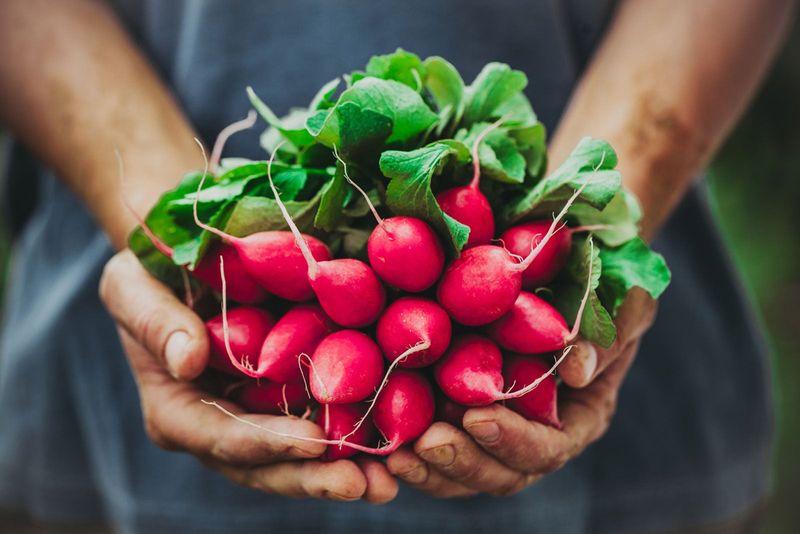
Radishes bring a spicy, crunchy bite to salads and sandwiches, and they grow with impressive speed. These root vegetables can be harvested in as little as three weeks from planting.
Growing radishes is a cost-effective way to add variety to meals, with their peppery flavor and crisp texture shining in homemade dishes. Their rapid growth cycle makes them ideal for succession planting.
Did you know? Radishes were one of the first European crops brought to the Americas, arriving with early settlers.
9. Beets
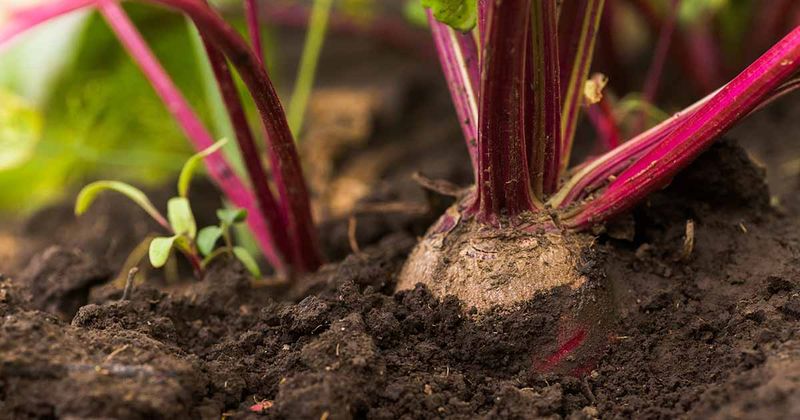
Beets are known for their sweet, earthy flavor and vibrant color. They thrive in cooler climates, making them a versatile addition to any garden.
Homegrown beets offer both economic and nutritional benefits, as they are rich in vitamins and minerals. Their robust flavor enhances everything from salads to baked goods, offering a farm-to-table experience.
Historical note: Beets have been cultivated since ancient times, with both Romans and Greeks valuing them for their medicinal properties.
10. Onions
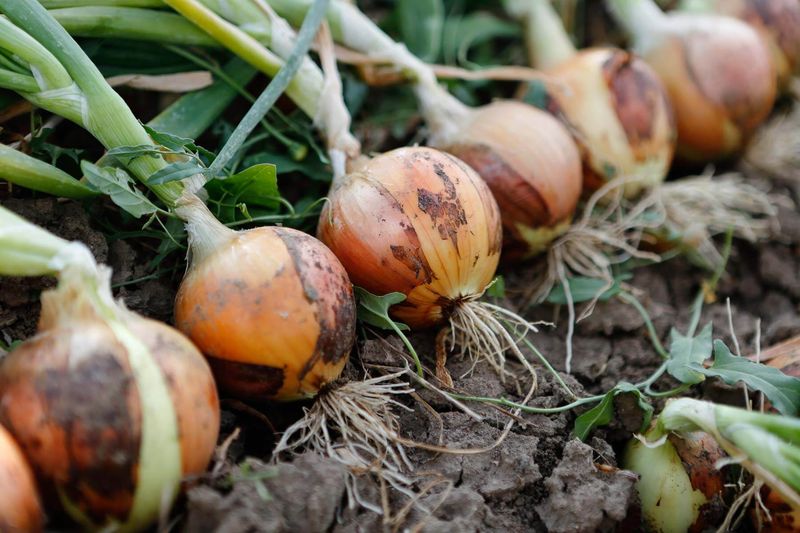
Onions are a kitchen staple that add depth and flavor to countless dishes. They are surprisingly easy to grow, requiring little maintenance once planted.
Growing onions at home can lead to significant savings, especially for those who use them frequently. The satisfaction of pulling a crisp onion from the soil is matched only by its superior taste.
Fun fact: Onions have been used in traditional medicine for centuries, believed to ward off ailments and enhance health.
11. Garlic
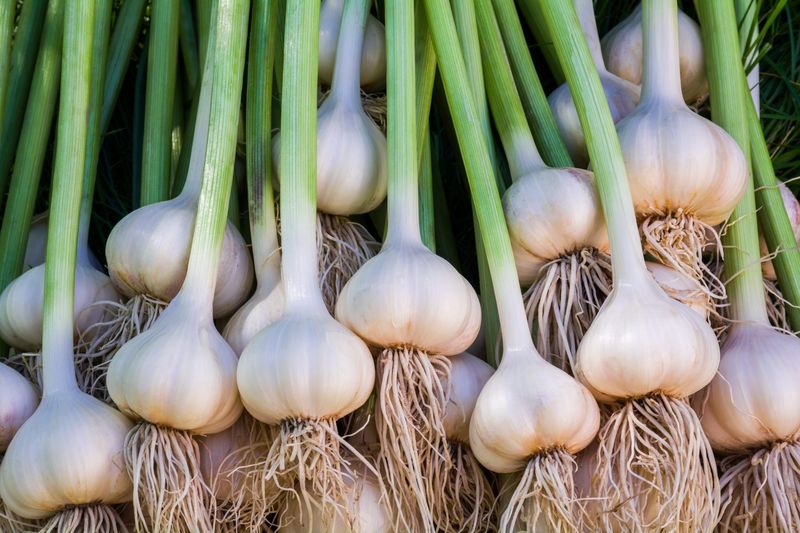
Garlic is a widely used culinary herb that offers significant savings when homegrown. Planting garlic is a rewarding process, with each clove promising a full bulb come harvest time.
Homegrown garlic boasts a richer, more robust flavor than store-bought varieties, enhancing any dish it graces. With its long shelf life, garlic proves to be an economical choice for gardeners.
Interesting fact: Garlic has been revered for its medicinal properties since ancient times, often called “the stinking rose.”
12. Green Beans
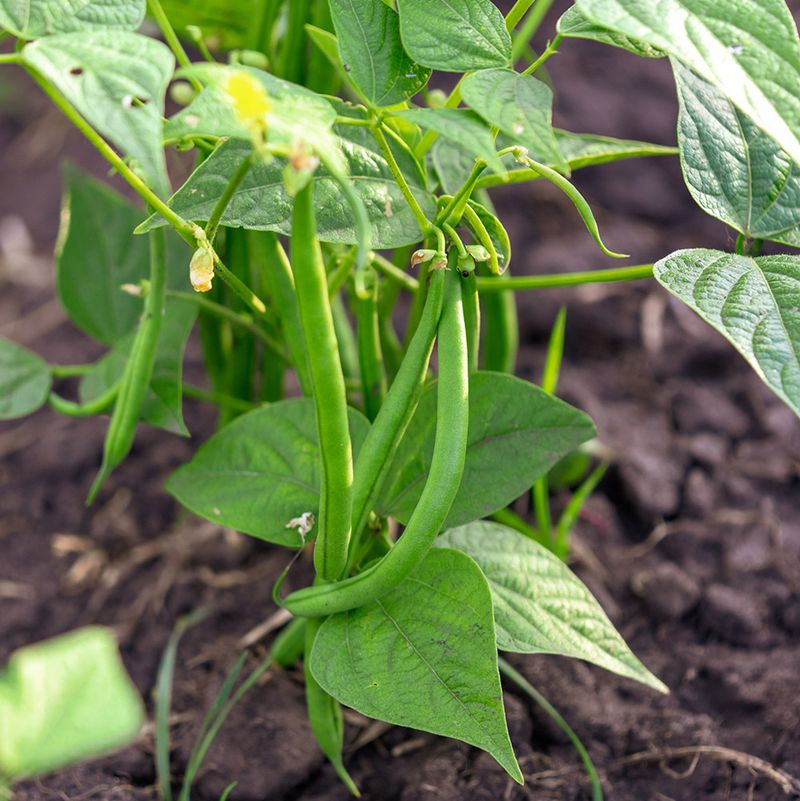
Green beans are a staple vegetable known for their crisp texture and vibrant color. They grow prolifically, providing abundant harvests throughout the growing season.
Cultivating green beans at home ensures a fresh, constant supply that surpasses store-bought quality. Their versatility in dishes, from salads to casseroles, makes them a valuable garden addition.
Fun Fact: Green beans were first domesticated in Peru and spread throughout the Americas by migrating peoples.
13. Peas
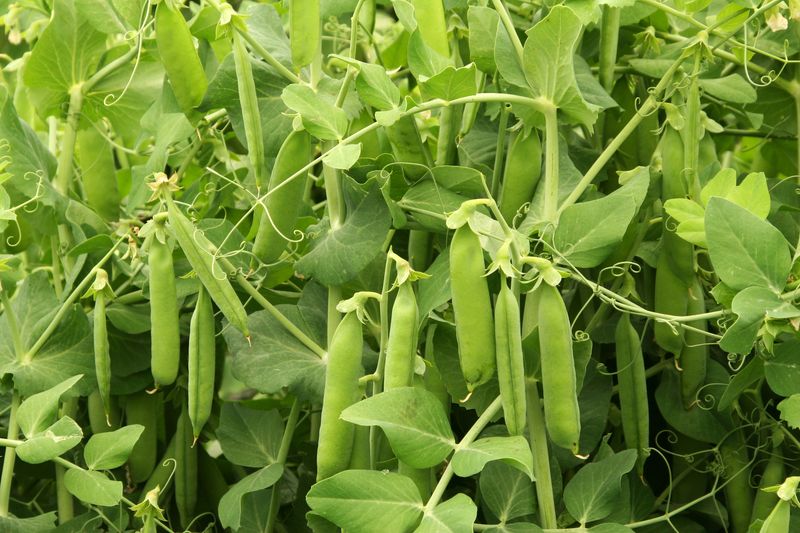
Peas are a delightful and rewarding addition to any garden, offering sweetness and a pop of color. They thrive in cooler temperatures, allowing gardeners to enjoy early harvests.
Growing peas at home is a cost-effective way to enjoy their fresh flavor, a stark contrast to often bland, store-bought options. Their tender texture and sweet taste enhance a variety of dishes.
Did you know? Peas have been cultivated for thousands of years, with evidence of their growth dating back to ancient Egypt.
14. Kale
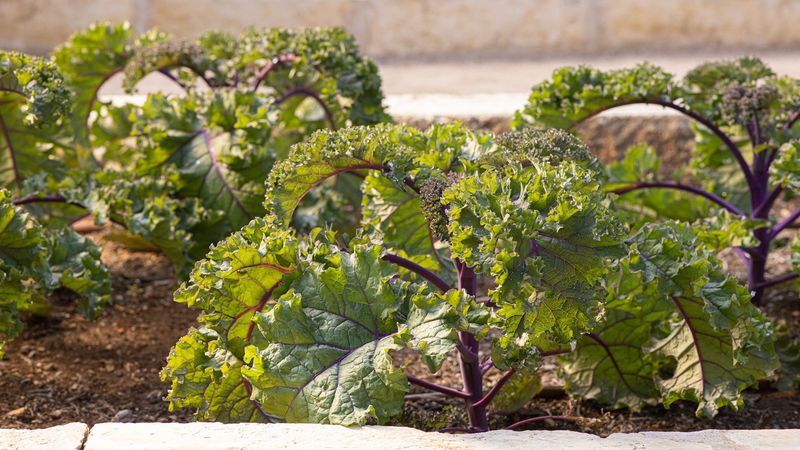
Kale is a resilient leafy green that packs a nutritional punch. Its robust nature allows it to thrive in various climates, providing gardeners with multiple harvests.
Homegrown kale is not only cost-effective but also offers a fresh, earthy flavor that enhances salads, soups, and more. Its versatility and hardy nature make it a beloved choice among gardeners.
Fun fact: Kale has been cultivated for over 2,000 years, originally grown in the eastern Mediterranean and Asia Minor.
15. Celery
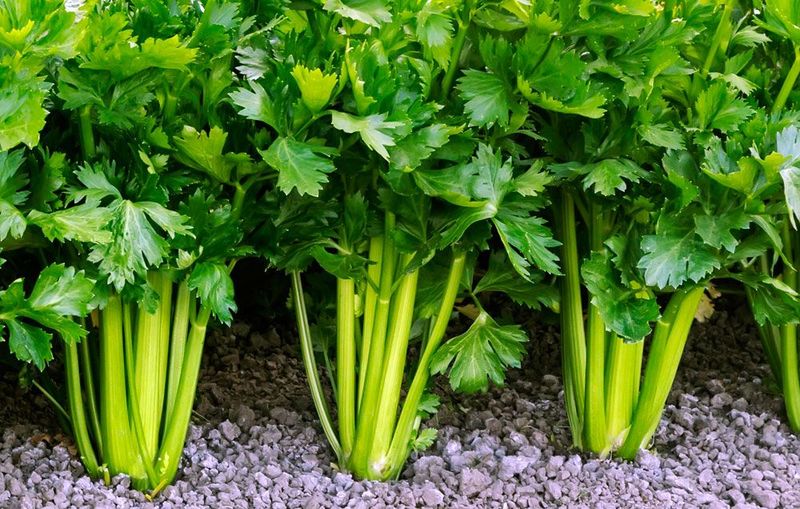
Celery is a crisp, flavorful vegetable that enhances any dish with its fresh taste. While often overlooked in home gardens, it offers great savings and a superior flavor when grown at home.
Cultivating celery requires patience, but the rewards are plentiful. Homegrown celery is packed with more flavor and nutrients than its store-bought counterparts.
Did you know? Celery was highly valued by ancient Greeks and Romans, often used in their cuisine and as a medicinal herb.
16. Basil
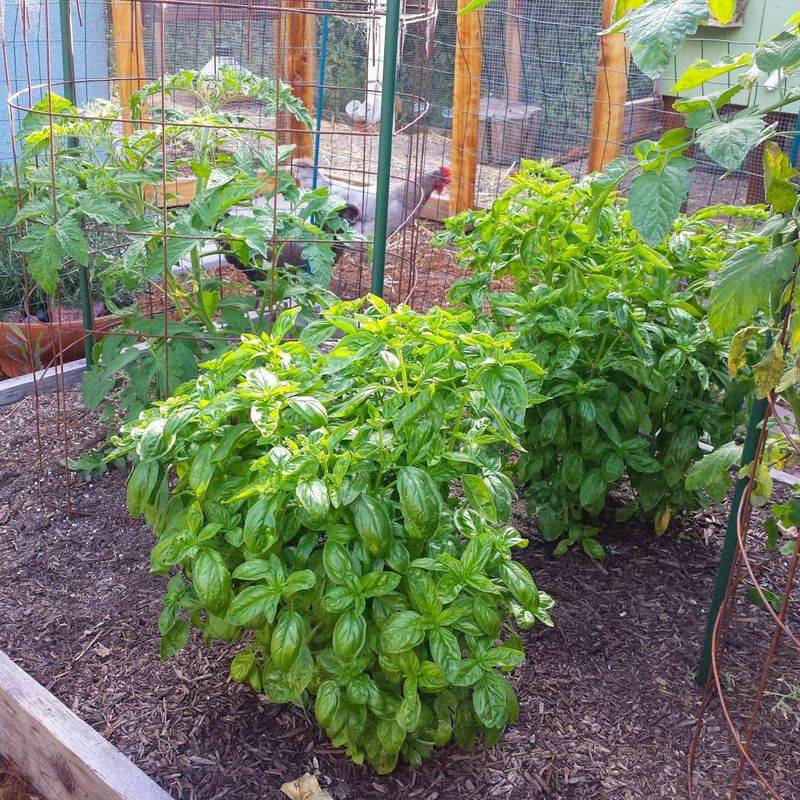
Basil, with its aromatic leaves, is a favorite among home cooks and gardeners alike. It grows well in warm, sunny environments and can be harvested continuously.
Growing basil at home provides a constant supply of fresh herbs that greatly enhance culinary dishes. Its rich fragrance and flavor surpass any dried or store-bought options, adding depth to sauces, salads, and more.
Fun fact: Basil is considered a symbol of love and has been used in various cultural rituals for centuries.
17. Swiss Chard
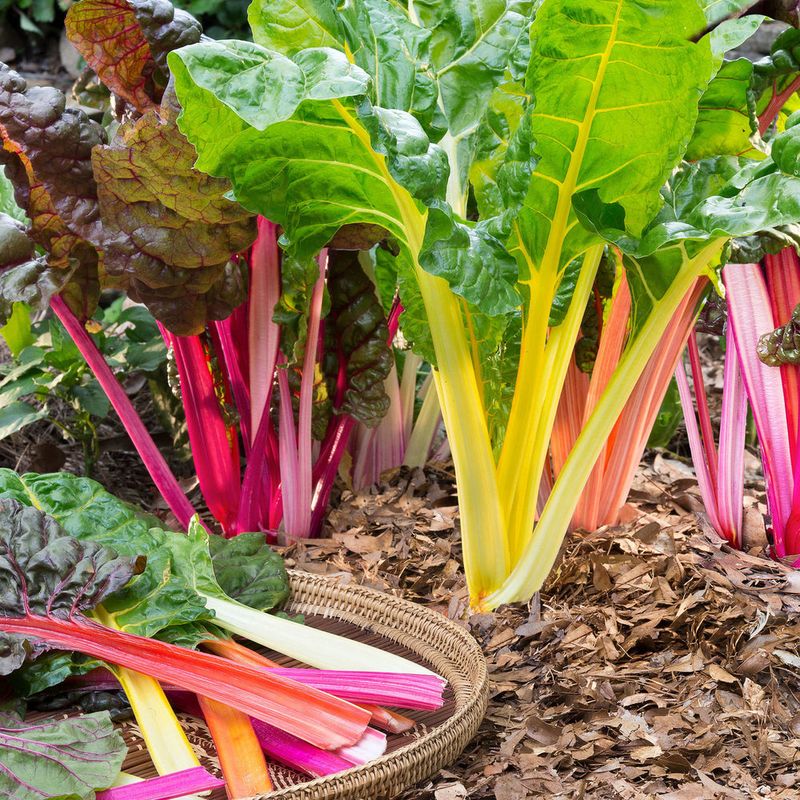
Swiss chard stands out in the garden with its colorful stems and lush leaves. A versatile green, it is rich in nutrients and can be harvested multiple times.
Growing Swiss chard at home offers significant savings over grocery-store pricing. Its mild, slightly sweet flavor pairs well with a variety of dishes, from sautés to casseroles.
Interesting tidbit: Swiss chard is not actually Swiss. It was named by a Swiss botanist but is native to the Mediterranean region.