
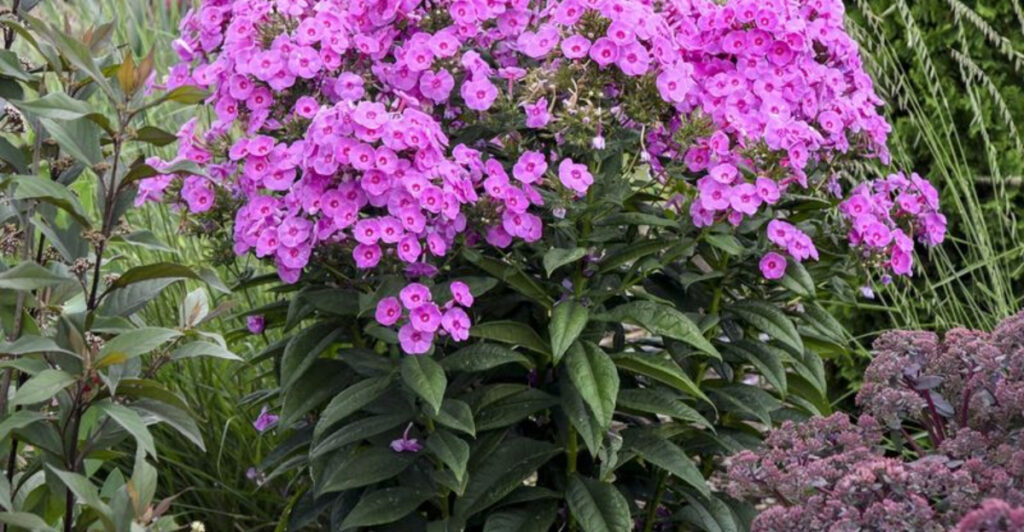
Explore a captivating array of plants that grace gardens with their vibrant flowers from the sunny days of summer to the chilly breaths of the first frost. These 18 long-blooming plants not only add color and charm to landscapes but also create a lively atmosphere that lasts for months. Perfect for garden enthusiasts and nature lovers alike, these flowering wonders promise a garden filled with beauty and life. Each plant has its unique characteristics, contributing to the diverse tapestry of summer’s floral display. Whether you prefer bold colors or delicate hues, these plants offer something special for every gardener.
1. Black-eyed Susan (Rudbeckia)
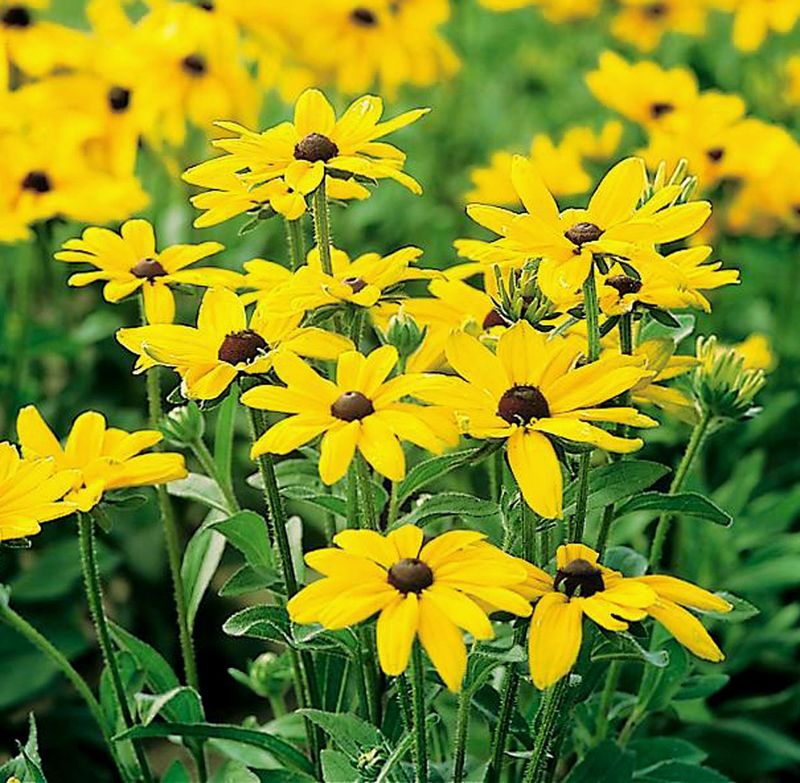
Black-eyed Susans are the epitome of summer charm. Their bright, daisy-like flowers with bold yellow petals and deep brown centers capture the essence of sunny days. These resilient blooms thrive in both gardens and wildflower meadows, attracting butterflies and other pollinators.
Rudbeckias are low maintenance and drought-resistant, making them an excellent choice for novice gardeners. As a native North American plant, they play a crucial role in local ecosystems.
Did you know? Black-eyed Susans are the state flower of Maryland, symbolizing hope and encouragement.
2. Coneflower (Echinacea)
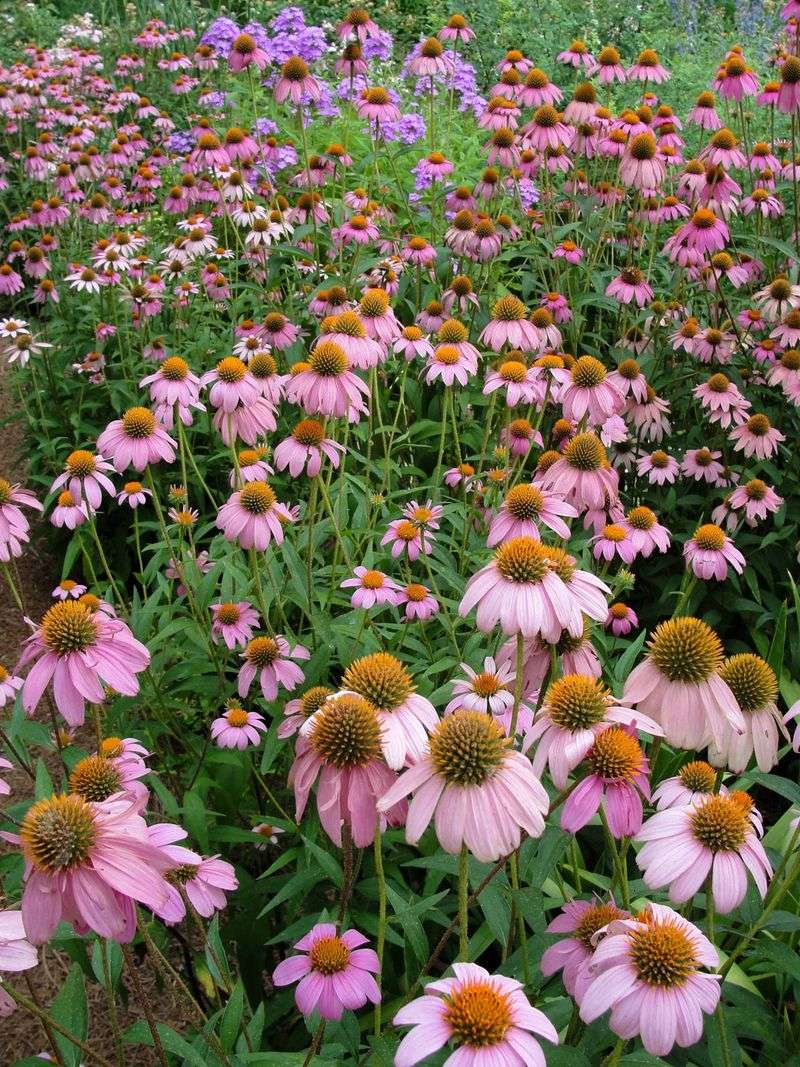
Coneflowers, known for their striking appearance, grace gardens with their pink, purple, or white petals surrounding a spiky cone center. These sturdy plants are not only beautiful but also beneficial for attracting pollinators like bees and butterflies.
Echinacea is renowned for its medicinal properties, often used in teas and supplements to boost immunity. The plant’s vibrant blooms can last well into fall, creating a lively atmosphere.
Fun fact: Coneflowers are native to North America and have been used by Indigenous peoples for centuries for their healing properties.
3. Russian Sage (Perovskia atriplicifolia)
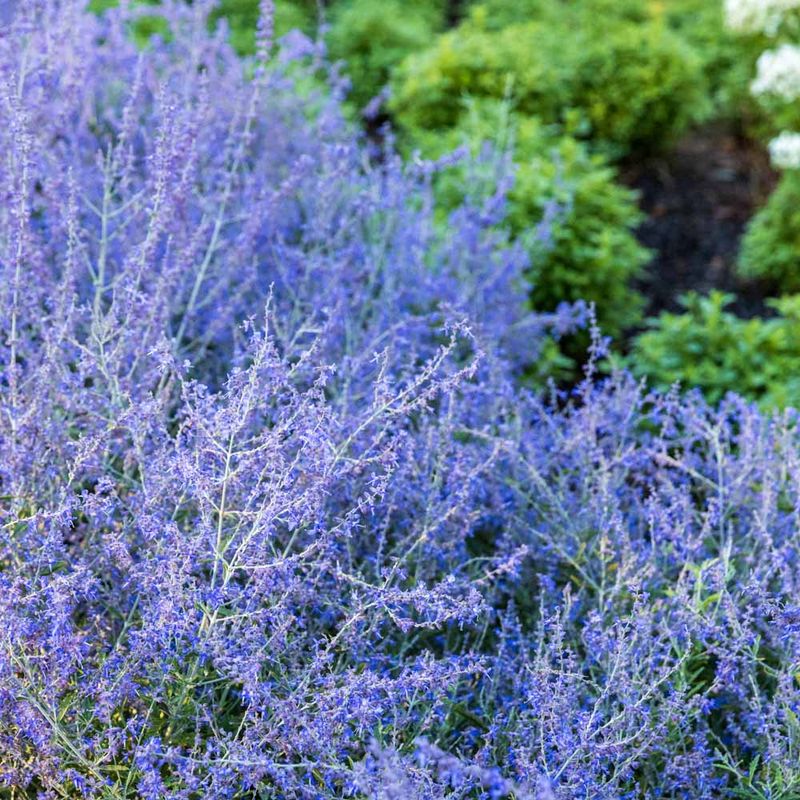
With its silvery foliage and lavender-blue flowers, Russian Sage adds an ethereal quality to any garden. This hardy plant thrives in full sun and well-drained soil, providing a striking contrast against green backdrops.
The aromatic leaves release a soothing fragrance, making it a favorite among gardeners seeking sensory delights. Russian Sage is also deer-resistant and drought-tolerant.
An interesting tidbit: Despite its name, Russian Sage is not actually native to Russia but to central Asian countries like Afghanistan and Pakistan.
4. Shasta Daisy (Leucanthemum x superbum)
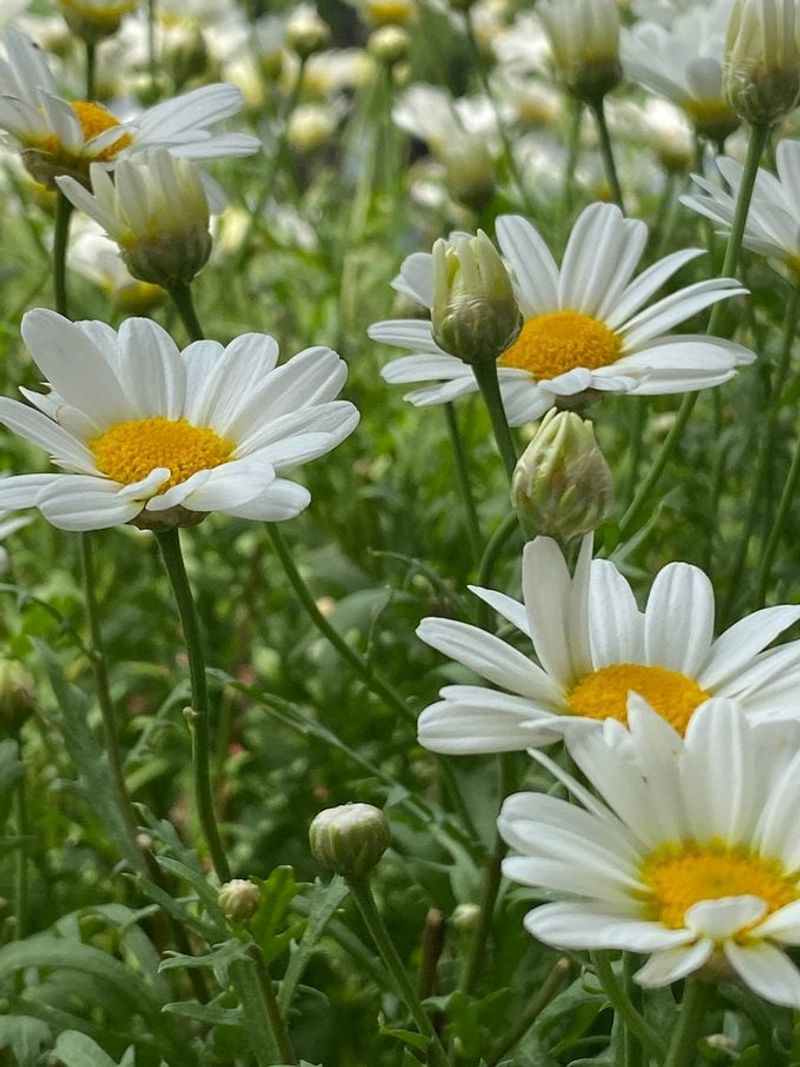
Shasta Daisies bring classic beauty to gardens with their simple white petals and cheerful yellow centers. These perennials are known for their long blooming period, brightening up landscapes from summer into early fall.
Easy to grow, they thrive in various soil types and are excellent for creating eye-catching borders. Their cut flowers make delightful indoor bouquets as well.
Did you know? The Shasta Daisy was bred by American horticulturist Luther Burbank, named after Mount Shasta in California due to its snowy white blooms.
5. Garden Phlox (Phlox paniculata)
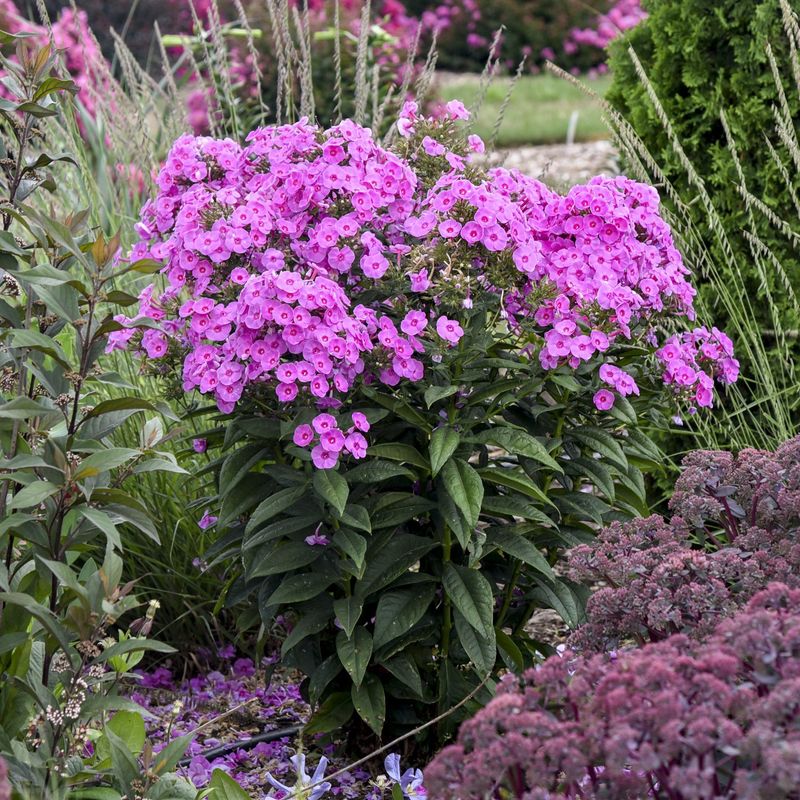
Garden Phlox offers a burst of color with its clusters of fragrant blooms in shades of pink, purple, and white. These perennials flourish in sunny spots and are perfect for adding height to garden beds.
Phlox is loved not only for its vibrant colors but also for its ability to attract butterflies and hummingbirds, creating a lively garden ecosystem.
Fun fact: Native to North America, Garden Phlox has been a staple in cottage gardens for generations, admired for its versatility and enduring beauty.
6. Bee Balm (Monarda)
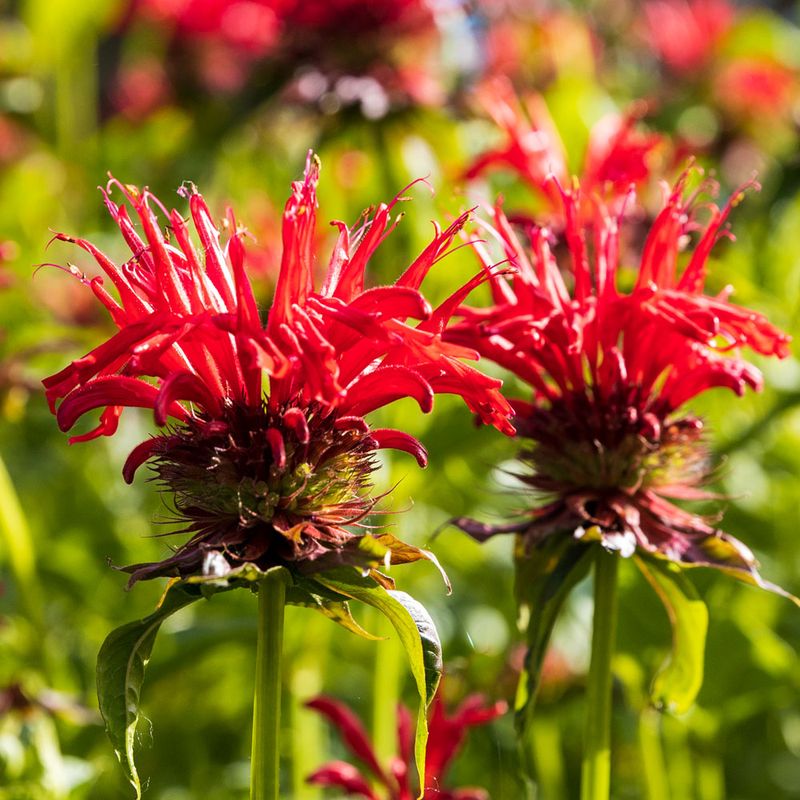
Bee Balm captivates with its vibrant red, pink, or purple tubular flowers and minty fragrance. These perennials are a magnet for pollinators, attracting hummingbirds, bees, and butterflies.
Thriving in sunny to partially shaded areas, Bee Balm adds a burst of color and a touch of wild beauty to gardens. It’s also known for its medicinal uses, such as soothing teas.
Did you know? Native Americans used Bee Balm for its antiseptic properties, and it was a key ingredient in Oswego tea, a substitute for black tea during the Boston Tea Party.
7. Coreopsis (Tickseed)
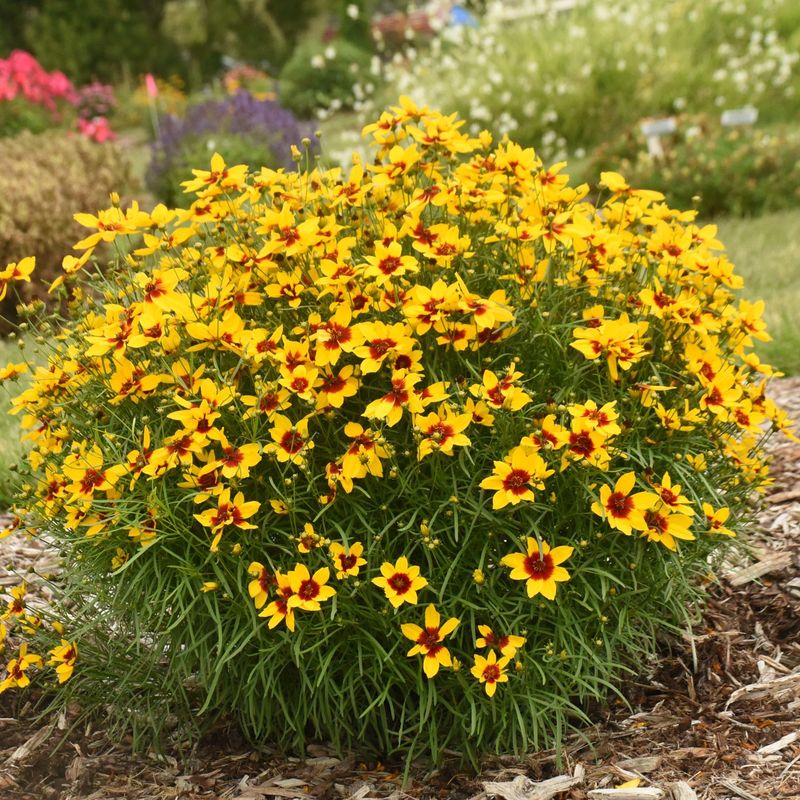
Coreopsis, commonly known as Tickseed, brings sunshine to gardens with its bright yellow, daisy-like flowers. These cheerful perennials are easy to grow and drought-resistant, ideal for both beginner and seasoned gardeners.
Coreopsis is prized for its long blooming period and versatility, fitting well in borders, containers, or wildflower gardens. The blooms attract bees, butterflies, and other beneficial insects.
Fun fact: The name “Tickseed” comes from the resemblance of its seeds to ticks, although the plant itself is a delightful addition to any garden.
8. Daylily (Hemerocallis)
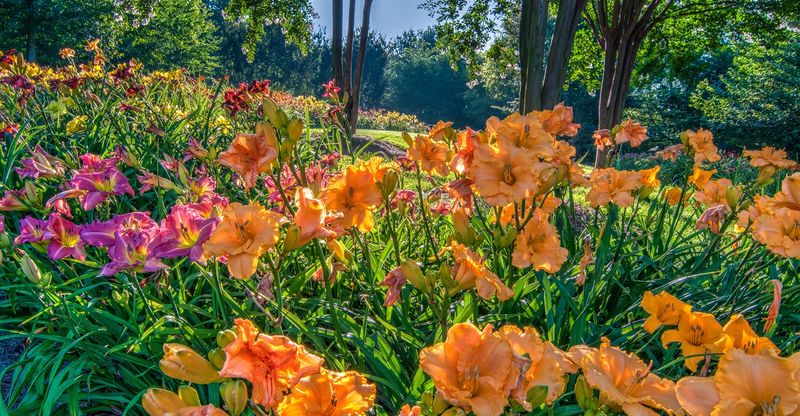
Daylilies, with their graceful trumpet-shaped flowers, offer a stunning display in hues ranging from yellow to red. Known for their hardiness, they can thrive in diverse environments, from full sun to partial shade.
These perennials are low maintenance and deer-resistant, making them a favorite among gardeners looking for reliable blooms. Each flower lasts only a day, but the plants produce new blossoms daily.
Interestingly, Daylilies have been cultivated for centuries, with origins tracing back to China, where they were valued not only for beauty but also for culinary purposes.
9. Helenium (Sneezeweed)
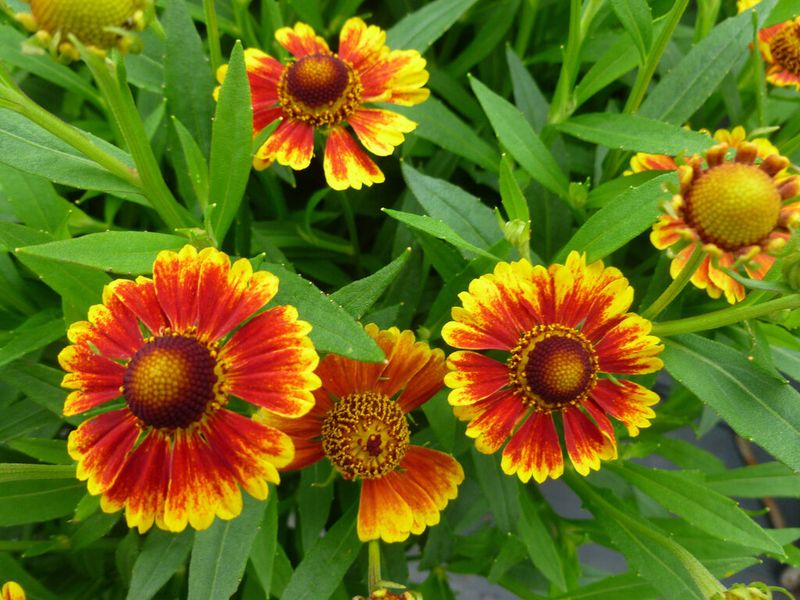
Helenium, commonly known as Sneezeweed, lights up gardens with its vibrant yellow, orange, or red flowers. These perennials thrive in sunny environments, providing color from midsummer to late fall.
Despite its name, Helenium does not cause sneezing; it was once used in snuff, leading to the misconception. The plant is loved for its ability to attract pollinators.
Fun fact: The name “Helenium” is derived from the Greek legend of Helen of Troy, said to have sprouted from where her tears fell, adding a touch of mythic beauty to gardens.
10. Lavender (Lavandula)
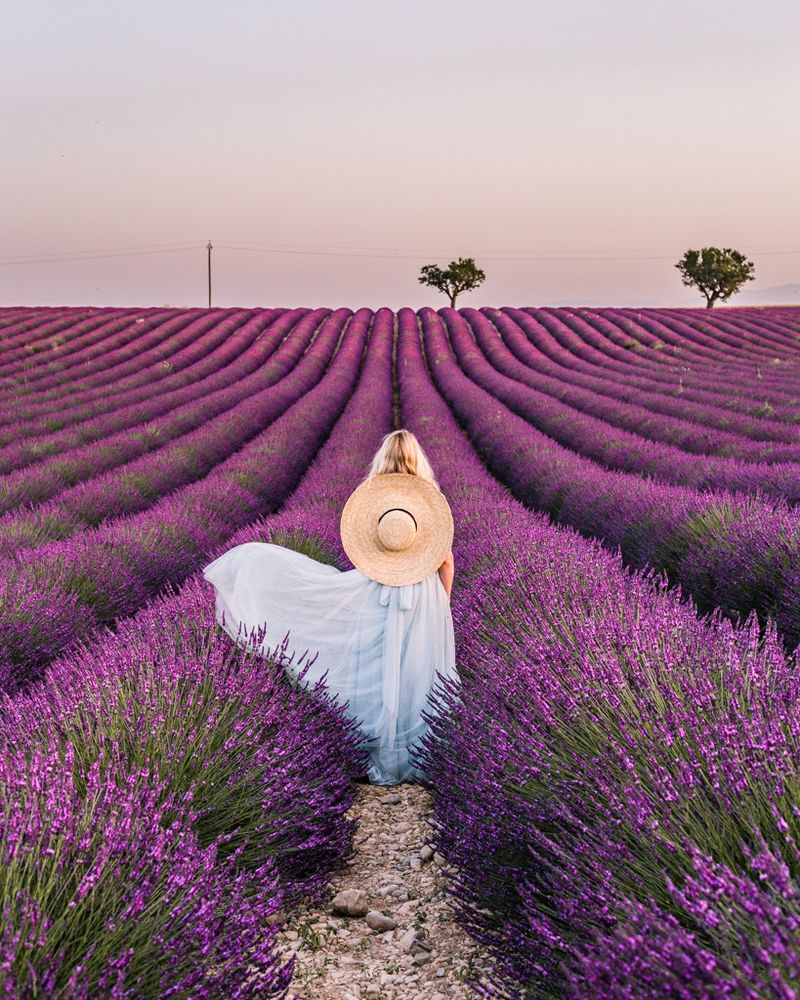
Lavender, with its iconic purple spikes and soothing fragrance, evokes the charm of the Mediterranean. These perennials are perfect for sunny gardens, providing both beauty and a calming scent.
Lavender’s aromatic qualities make it popular for essential oils and sachets, while its flowers attract bees and butterflies. It’s a versatile plant that can be used in borders, rock gardens, or as a fragrant hedge.
Did you know? Lavender was used in ancient times for mummification and perfume by Egyptians, due to its pleasant aroma and preserving properties.
11. Gaillardia (Blanket Flower)
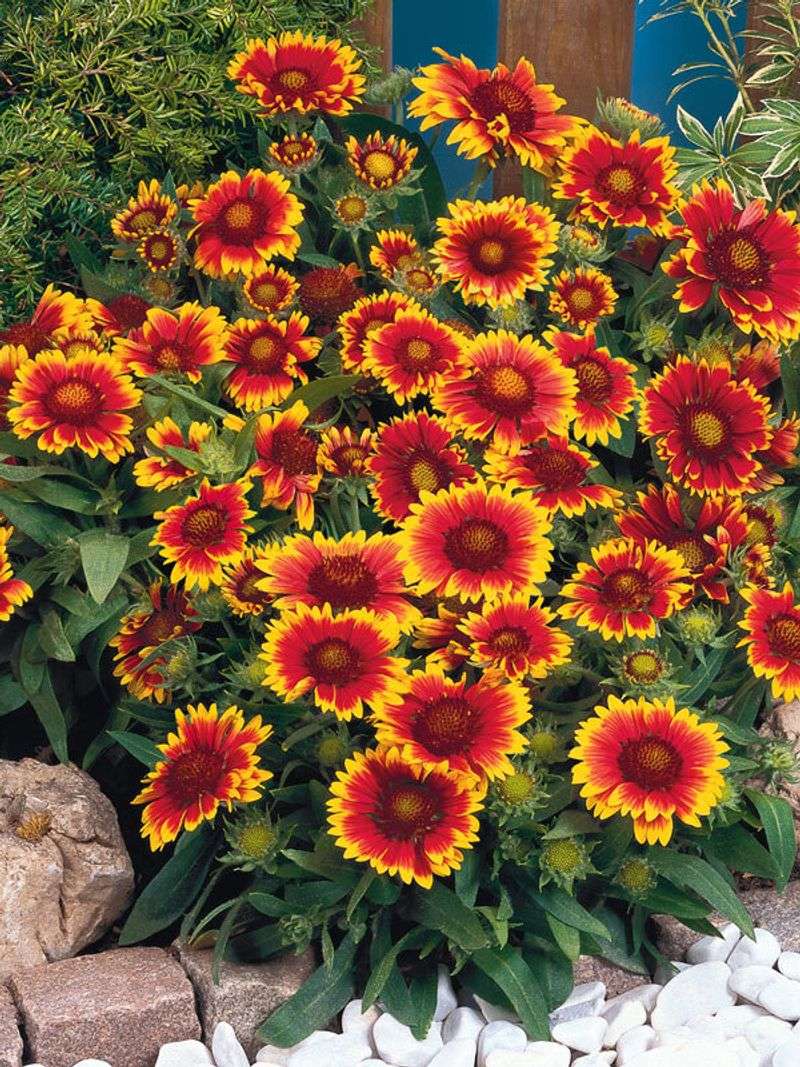
Gaillardia, also known as Blanket Flower, brings a splash of warmth with its red and yellow blooms. These sun-loving perennials are drought-tolerant and thrive in poor soils, making them easy to care for.
The flowers resemble vibrant blankets, hence the name, and attract a host of pollinators. Gaillardia’s long blooming season ensures continuous color in gardens.
Fun fact: Gaillardia is named after the French magistrate M. Gaillard de Charentonneau, a patron of botany, adding a touch of history to its vivid appearance.
12. Salvia (Sage)
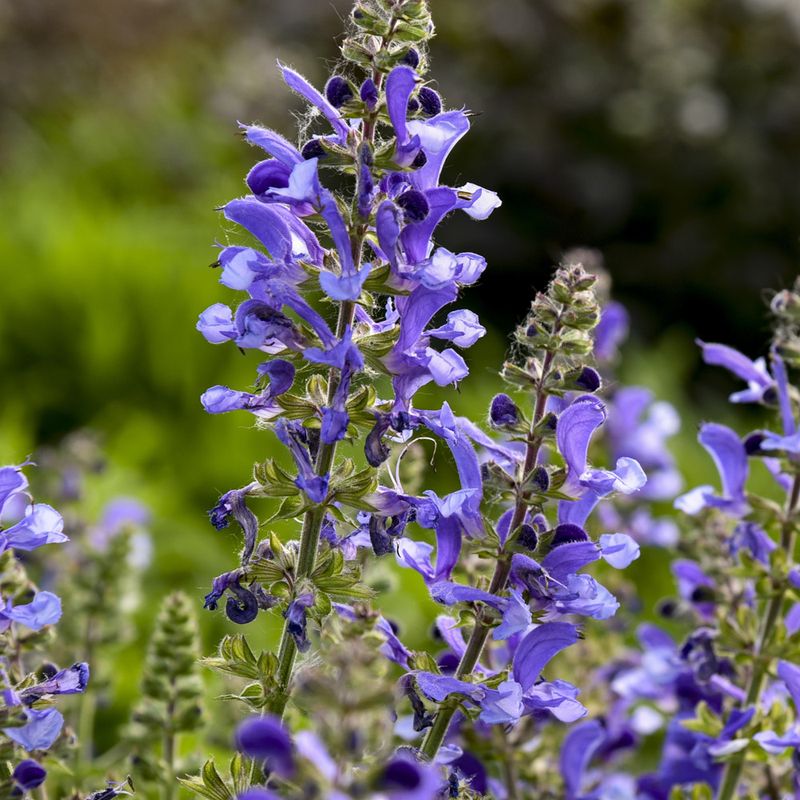
Salvia, commonly known as Sage, is adored for its tall flower spikes in shades of blue, purple, and red. These perennial plants are celebrated for their beauty and ability to attract hummingbirds and bees.
Thriving in sunny locations, Salvia is also drought-tolerant, making it a practical choice for low-maintenance gardens. Its aromatic leaves add an extra sensory layer to the garden experience.
Did you know? The genus name “Salvia” is derived from the Latin word “salvare,” meaning “to heal,” reflecting its use in traditional medicine for its purported healing properties.
13. Lantana
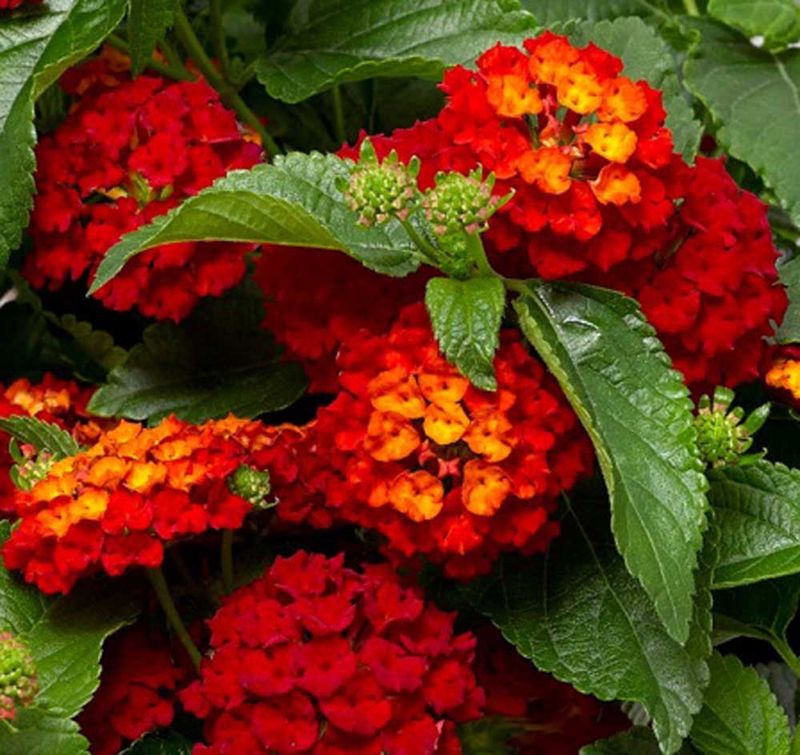
Lantana, with its cheerful clusters of multi-colored flowers, is a garden favorite for adding vibrancy and attracting wildlife. These sun-loving shrubs bloom continuously from summer to fall.
Known for their resilience, Lantanas can thrive in tough conditions, from drought to poor soils. The flowers change colors as they age, adding an ever-changing palette to gardens.
Fun fact: Lantana is often used in butterfly gardens, as its nectar-rich flowers are particularly attractive to butterflies, making it a vital plant for pollinator gardens.
14. Zinnia
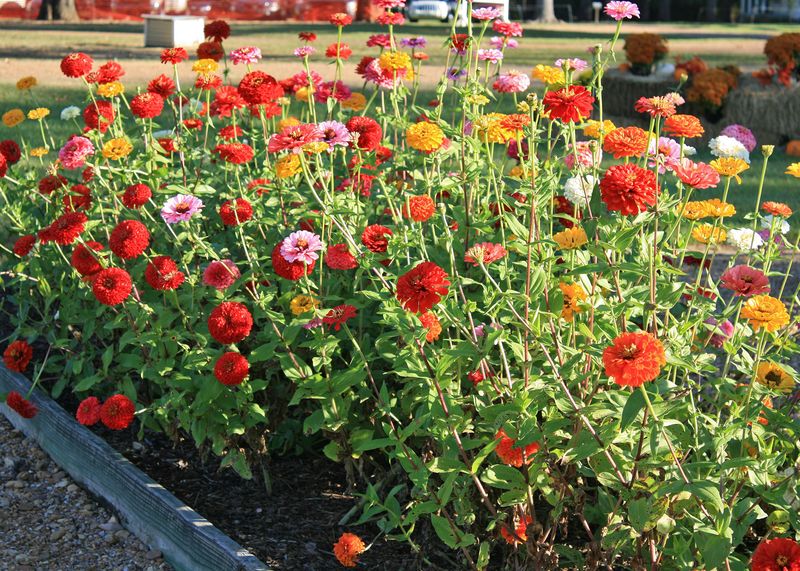
Zinnias are a burst of color in any garden, with bold blooms ranging from red to pink and orange. Known for their ability to thrive in hot, sunny conditions, these annuals are easy to grow from seed.
Their long-lasting flowers attract butterflies, making gardens lively with activity. Zinnias are perfect for cutting gardens, as their vibrant blooms make excellent bouquets.
Did you know? Zinnias are named after the German botanist Johann Zinn, reflecting their enduring popularity and significance in horticultural history.
15. Verbena
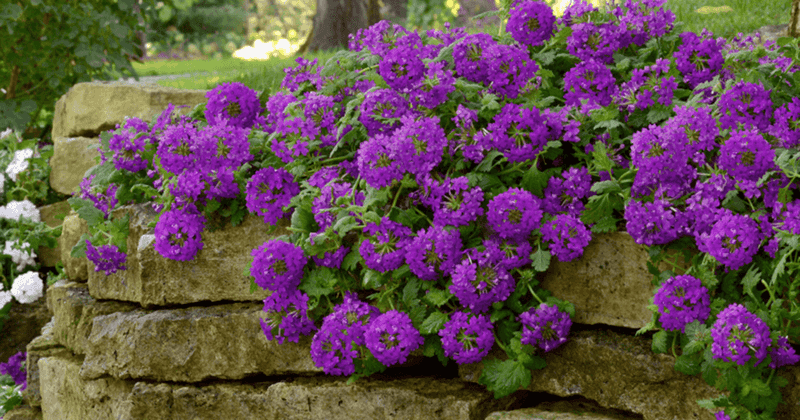
Verbena is celebrated for its clusters of tiny, vibrant flowers in shades of purple, pink, and red. These perennials flourish in sunny locations, providing a continuous display of color throughout the summer.
Verbena’s low-growing habit makes it ideal for ground cover or cascading over garden edges. The flowers attract pollinators, adding ecological value.
Fun fact: Verbena has a rich history and was considered sacred by ancient Egyptians, who believed it could protect against evil and bring blessings, enhancing its presence in gardens worldwide.
16. Petunia
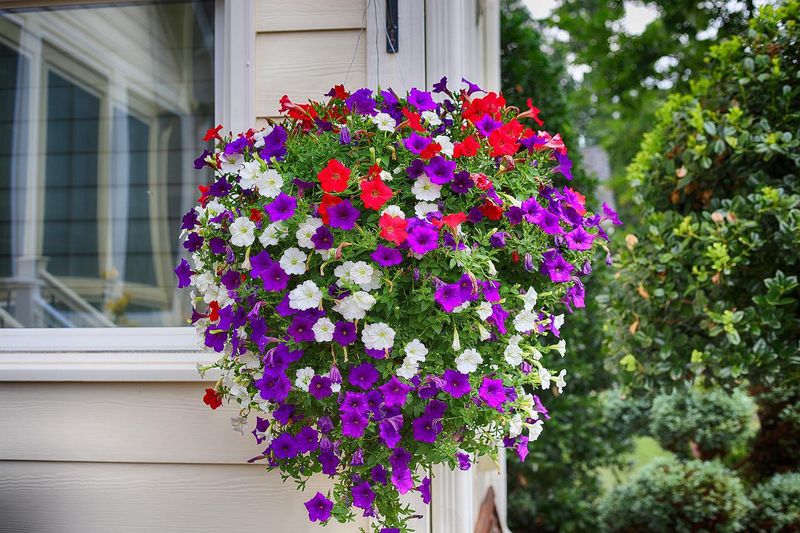
Petunias are a staple in summer gardens, known for their large, colorful blooms and trailing habit. Available in a variety of colors and patterns, they create stunning displays in hanging baskets and containers.
These annuals are easy to grow and care for, providing continuous color well into fall. Petunias also attract hummingbirds, adding dynamic movement to gardens.
Did you know? Petunias are related to tobacco, tomatoes, and chili peppers, all part of the nightshade family, showcasing the diversity of this plant group.
17. Marigold (Tagetes)
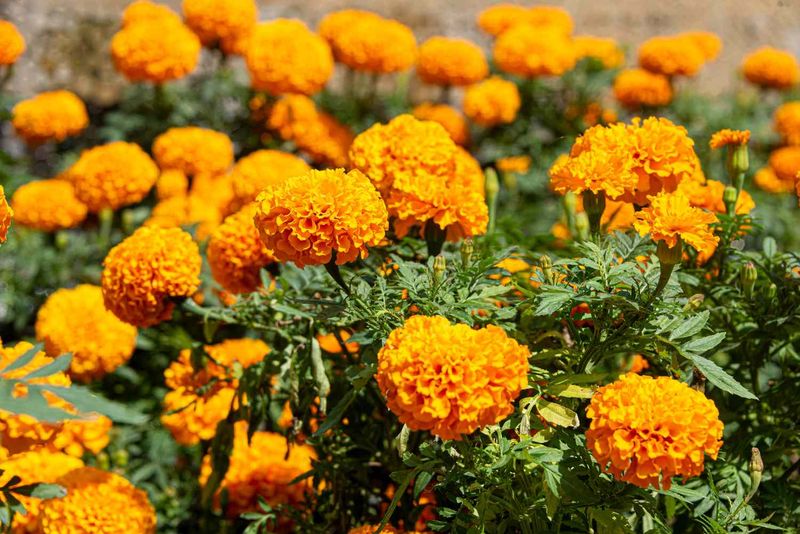
Marigolds, with their bright orange and yellow blooms, are garden classics known for their vibrant color and pest-repellent properties. These annuals are easy to grow and flourish in sunny spots.
Marigolds are often used in companion planting to deter pests, making them a practical addition to vegetable gardens. Their long blooming period ensures continuous color.
Fun fact: Marigolds are integral to cultural festivals, such as Mexico’s Día de los Muertos, where they’re used to honor ancestors, adding cultural depth to their bright appeal.
18. Japanese Anemone
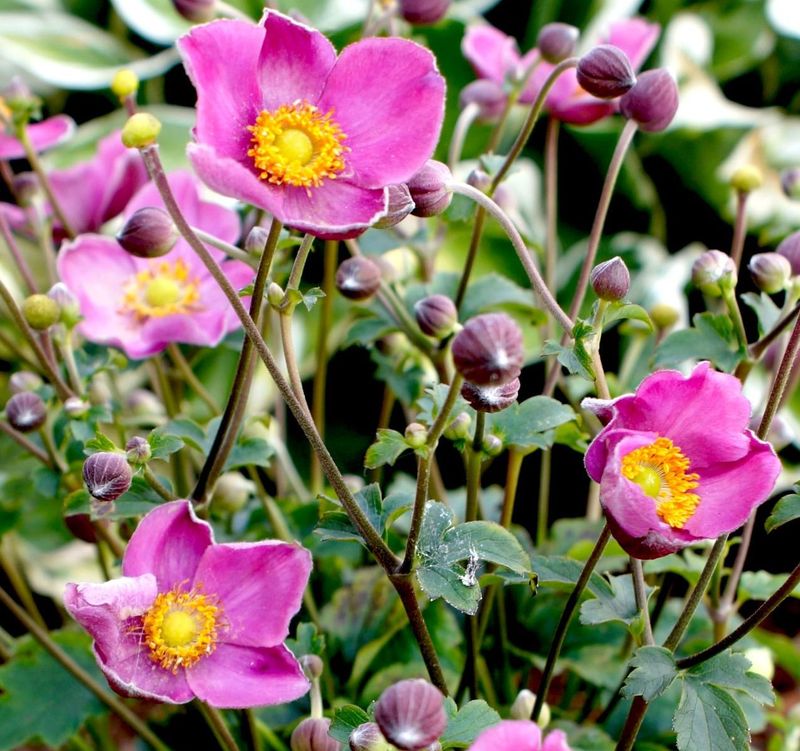
Japanese Anemone, with its elegant grace, captures the heart of any garden enthusiast. Known for its delicate pink petals and vibrant yellow centers, this plant becomes a focal point in late summer.
Imagine strolling through a garden where these blooms dance gently in the breeze, offering a sense of peace and tranquility. As autumn approaches, their beauty never fades, providing a stunning display until the first frost.
Fun fact: Despite its name, the Japanese Anemone actually hails from China, bringing an exotic touch to gardens worldwide. A must-have for any floral admirer.