
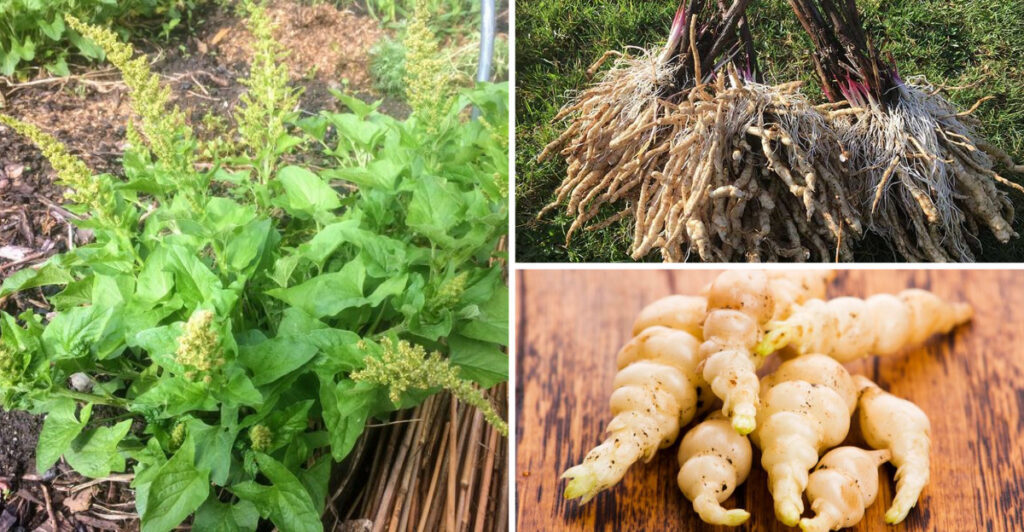
In times of hardship, our ancestors relied on a variety of resilient vegetables to sustain their families. These old-world crops, though forgotten by many today, were crucial in providing nutrition and sustenance during tough periods. Here’s a look at 10 such vegetables that played a vital role in helping our grandparents survive.
Salsify
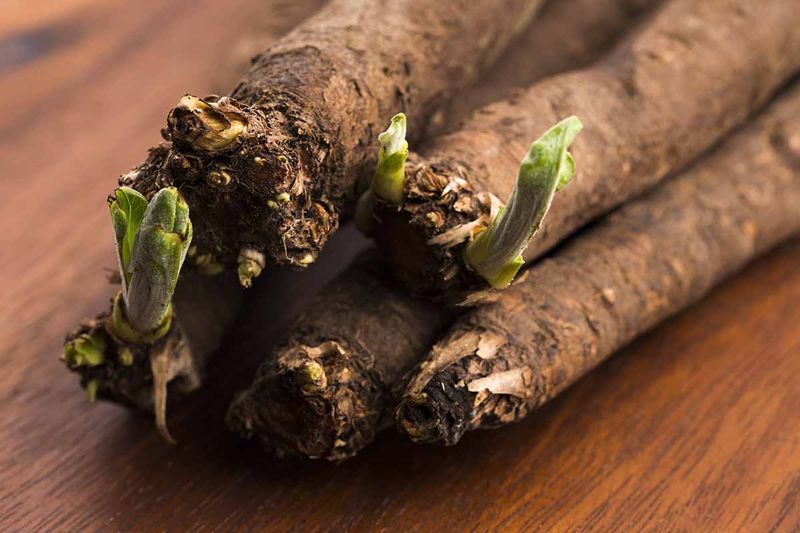
Once a staple in European kitchens, salsify, also known as the oyster plant, offers a distinct flavor reminiscent of oysters. This hardy root vegetable thrives in poor soil, making it perfect for tough times.
Salsify’s versatility shines in soups and stews, where it absorbs surrounding flavors beautifully. Its creamy texture when cooked added substance to meals that might otherwise feel meager.
Despite its appearance, salsify is rich in nutrients, providing a good source of fiber and vitamin C. It’s a reminder of how our ancestors made do with what was available, turning simple ingredients into nourishing meals.
Skirret
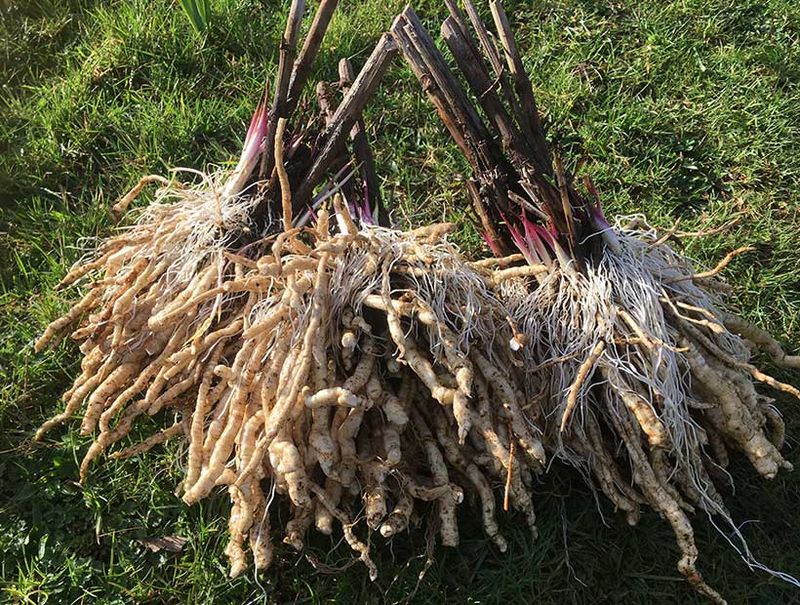
Skirret, often overshadowed by more popular roots, was a favorite in medieval times. This ancient vegetable boasts a sweet, nutty flavor, once prized for its taste and adaptability.
Growing in a variety of conditions, skirret was a reliable crop when other vegetables failed. Its sweetness provided a natural way to sweeten dishes in an era with limited sugar access.
With roots that can be boiled, roasted, or fried, skirret added diversity to our grandparents’ tables. It’s a testament to the ingenuity of past generations, turning humble roots into delightful culinary experiences.
Crosne
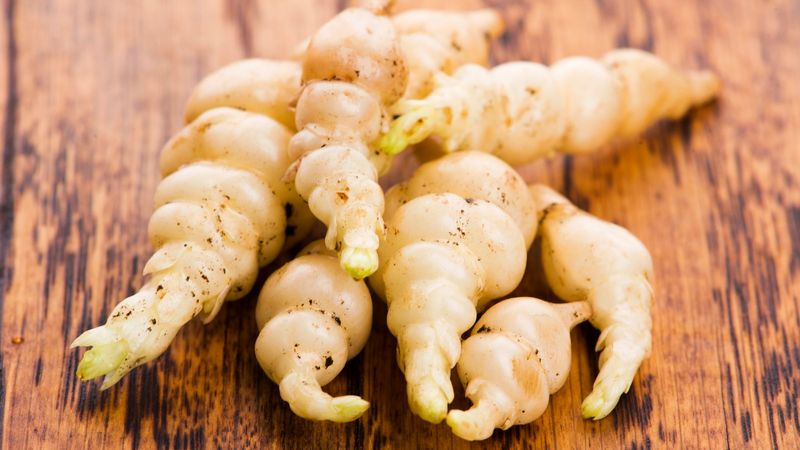
Crosne, native to Asia, found its way into European gardens and became a cherished delicacy. With a crunchy texture and mild, nutty flavor, crosne added interest to meals.
During hard times, its resilience and ability to grow in poor soil made it an invaluable resource. Its unique appearance intrigued many, offering a break from the monotony of other vegetables.
Crosne’s small tubers were often pickled, providing a tangy addition to meals. Our ancestors embraced its distinctive look and taste, transforming ordinary dishes into something memorable.
Good King Henry
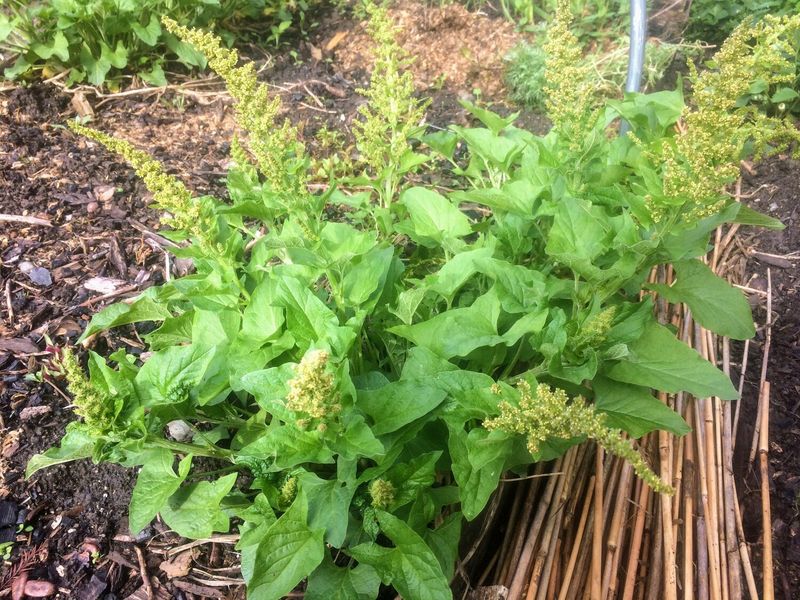
Good King Henry, dubbed the poor man’s asparagus, thrived in the gardens of the past. Its leafy greens were a nutritious substitute for more expensive vegetables.
In times of scarcity, Good King Henry provided essential vitamins and minerals, supporting health and wellbeing. Its leaves could be cooked like spinach, offering versatility in the kitchen.
Known for its hardiness, this plant grew where others could not, making it a lifeline for many. Our grandparents turned to Good King Henry not just for nourishment, but for its familiar, comforting presence in meals.
Scorzonera
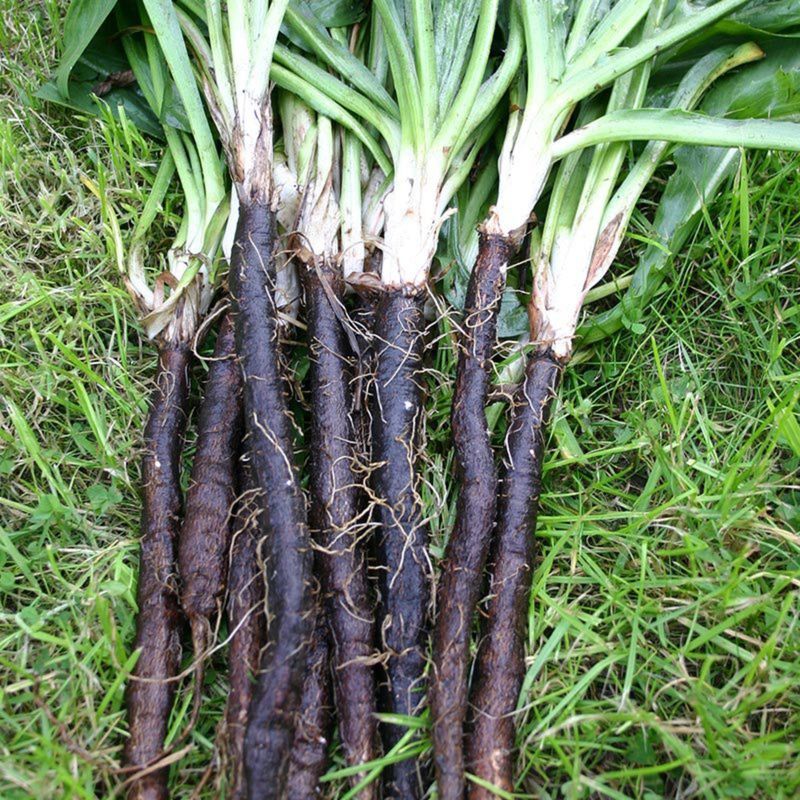
Scorzonera, with its long black roots, might seem unusual, but it was a common sight in the gardens of yesteryear. Its sweet, slightly earthy taste made it a favorite in soups and stews.
During challenging times, its ability to grow in various conditions ensured a steady supply. Scorzonera’s roots, when boiled or roasted, transformed into a delicacy, elevating simple meals.
Rich in nutrients such as iron and potassium, it provided much-needed sustenance. Our ancestors cherished scorzonera not just for its taste, but for its role in keeping families healthy and fed.
Chicory

Chicory, with its striking blue flowers, brought color and nutrition to fields and tables alike. Known for its slightly bitter leaves and roots, it was a staple in many households.
In scarcity, chicory offered a coffee substitute, its roasted roots brewing a familiar flavor. This versatility was invaluable to those who could not afford luxury imports.
Chicory leaves, used in salads, provided vitamins and minerals absent in other foods. Our grandparents valued chicory’s adaptability, using every part of the plant, ensuring nothing went to waste.
Jerusalem Artichoke
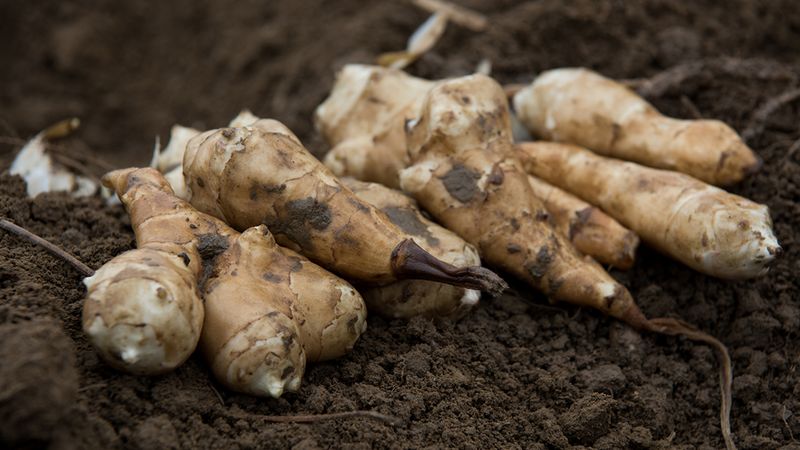
Jerusalem artichokes, with their knobby exterior, were once a common sight in pantry stores. Their sweet, nutty flavor added depth to meals, particularly during the colder months.
Known for their resilience, these tubers flourished in various soils, providing a reliable food source when others were scarce. They could be roasted, boiled, or mashed, offering versatility in cooking.
Rich in inulin, they provided health benefits, including supporting digestion. Our ancestors embraced the Jerusalem artichoke for its taste and nutritional value, a testament to their resourcefulness in challenging times.
Parsnip
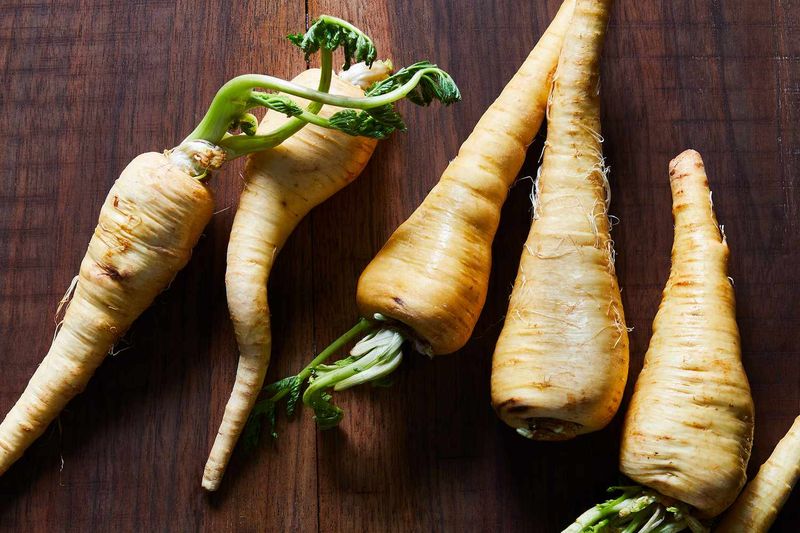
Parsnips, with their sweet, earthy flavor, have long been a beloved root vegetable. During hard times, their ability to withstand cold weather made them a staple in many households.
Their sweetness intensified after frost, making them an exceptional ingredient in winter stews and roasts. Parsnips offered a comforting taste when other ingredients were limited.
Rich in vitamins and fiber, parsnips supported health and vitality. Our grandparents relied on their dependable presence in the garden, knowing that even in the harshest conditions, parsnips would endure.
Rutabaga
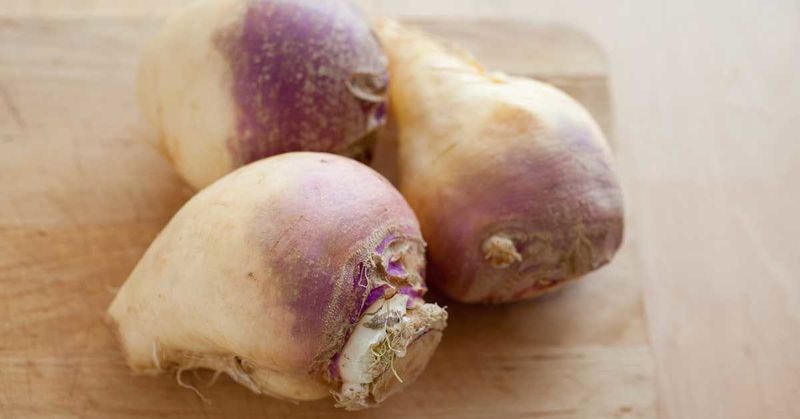
Rutabaga, often confused with turnips, played a crucial role in wartime diets. Its robust nature and long storage life made it a valuable asset in any larder.
With a flavor profile that melds sweetness with a peppery bite, rutabaga was a versatile vegetable, used in soups, stews, and mashes. It provided sustenance when food supplies were uncertain.
Packed with nutrients, including vitamin C and potassium, rutabaga bolstered immune systems. Our grandparents appreciated its utility and taste, making the most of this humble vegetable in challenging times.
Kohlrabi
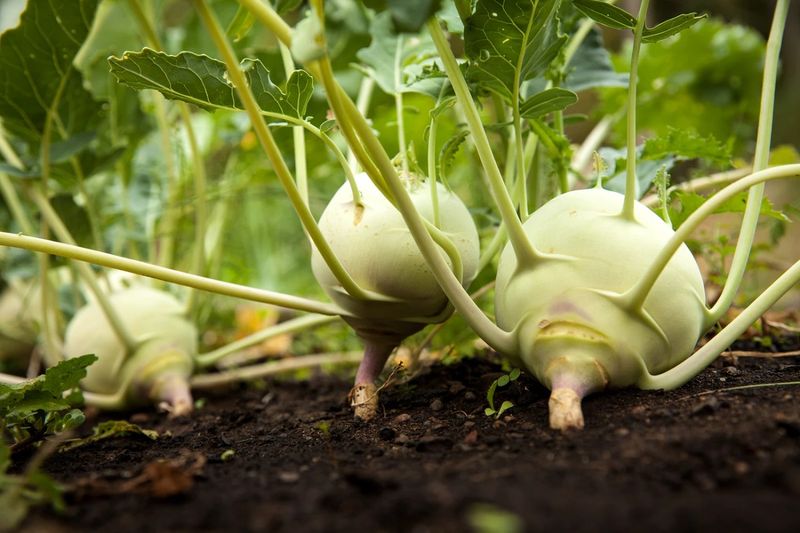
Kohlrabi, with its unique, bulbous shape, was a staple in many gardens. Its crunchy texture and mildly sweet flavor brought variety to meals during lean periods.
Adapting to various climates, kohlrabi thrived where others couldn’t, ensuring a continuous food source. Its leaves and bulbs were both edible, maximizing its utility.
Rich in vitamins and antioxidants, kohlrabi supported overall health. Our grandparents valued its resilience and unique taste, transforming this often overlooked vegetable into a key player in their culinary repertoire.
Celeriac
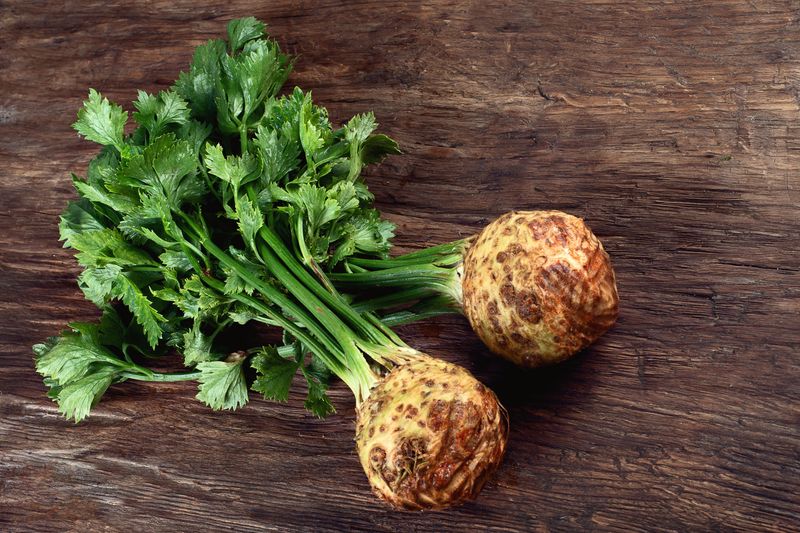
Celeriac, also known as celery root, might not win any beauty contests, but its versatility more than compensates. With a subtle, nutty flavor, it served as a staple in soups and stews during lean times.
This root vegetable, easy to store and rich in vitamins, provided an excellent alternative to potatoes.
Did you know it was once used as a medicinal plant in ancient times? Celeriac’s low-calorie content and high fiber make it a nutrition powerhouse.
Today, it’s making a comeback in gourmet kitchens worldwide.
Cardoon
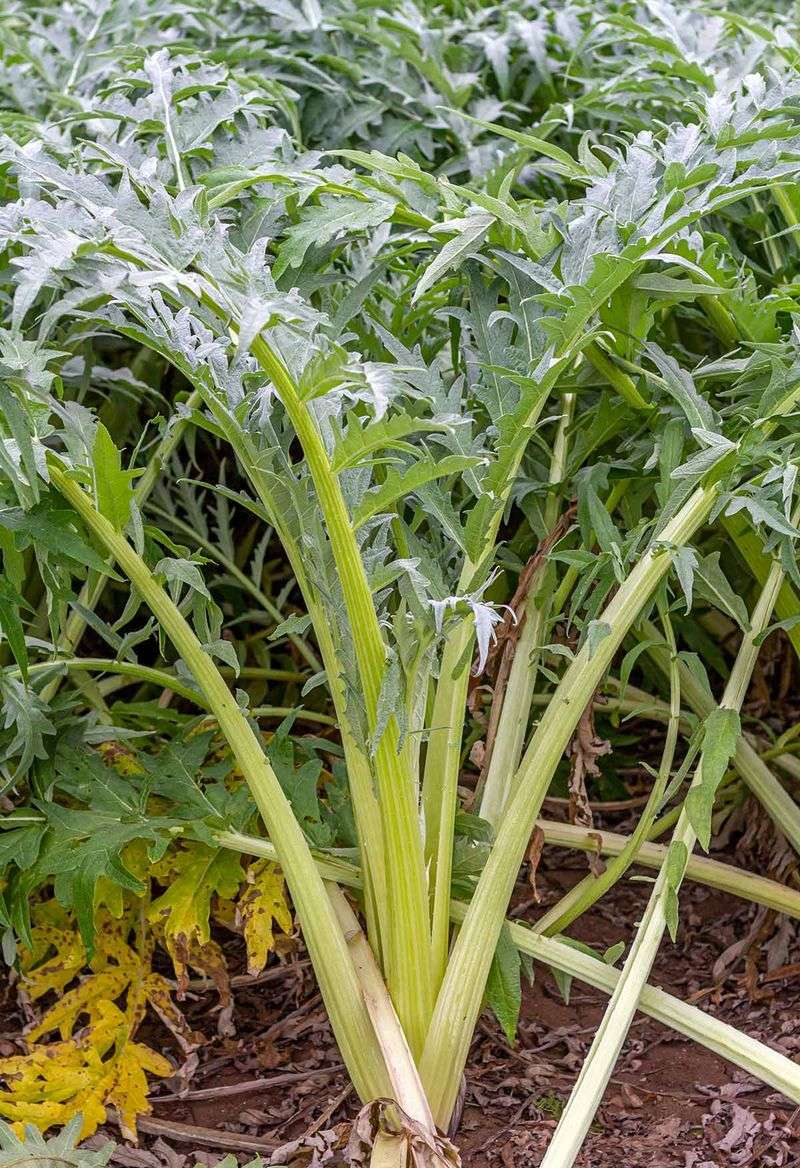
Cardoon, a close relative of the artichoke, was a cherished vegetable in Mediterranean cuisines. Its unique, slightly bitter taste adds depth to various dishes, especially during sparse harvests.
The plant’s ability to thrive in poor soil made it a reliable crop for our ancestors.
Often blanched and roasted, cardoons were a winter staple across Europe. Historically, they symbolized resilience and resourcefulness, embodying the spirit of survival in hard times.
Cardoon is now rediscovered by chefs seeking to revive traditional flavors.
Salsify
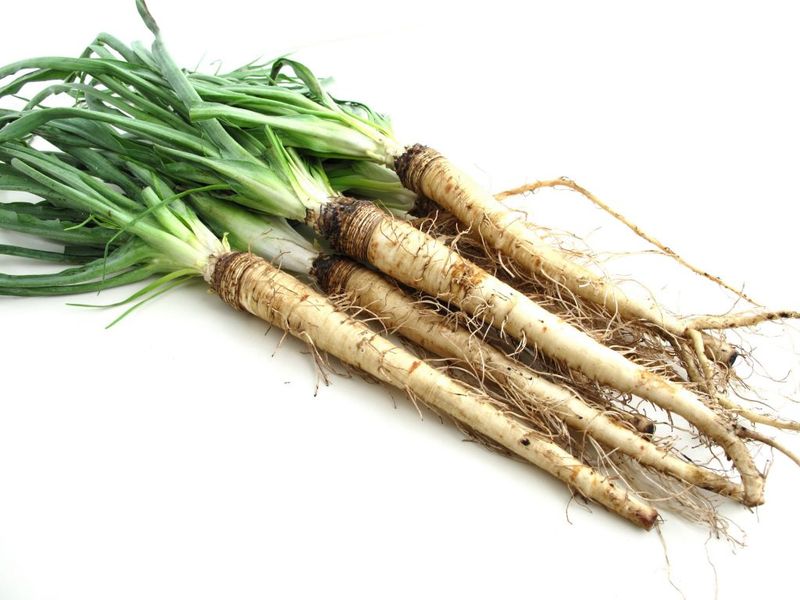
Salsify, often dubbed the “oyster plant” for its subtle seafood flavor, was invaluable during the lean months. Its long, thin roots were easy to cultivate, providing a reliable food source.
When cooked, salsify develops a creamy texture, perfect for soups or as a potato substitute.
During wartime, it became a go-to vegetable when other supplies dwindled.
Today, salsify is experiencing a resurgence as chefs embrace its unique taste. It reminds us of culinary ingenuity in the face of adversity.
Sorrel
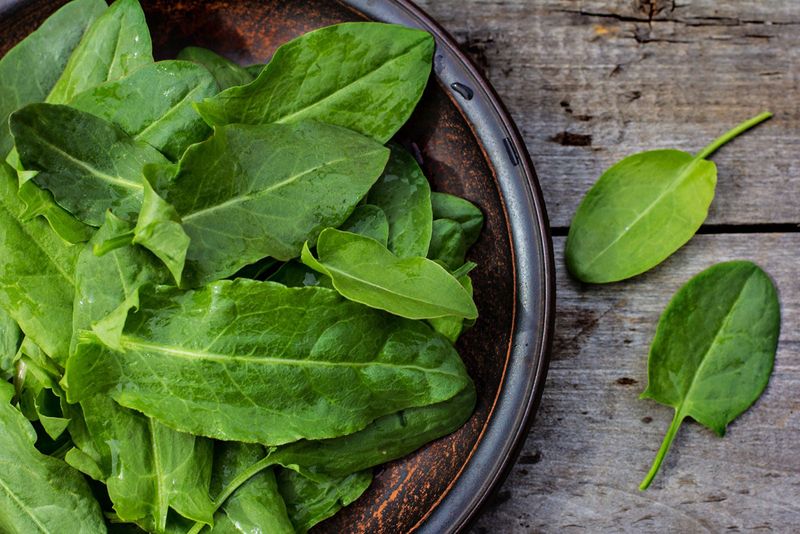
With its tart, lemony flavor, sorrel was a refreshing addition to many recipes in simpler times. This perennial herb thrived in various climates, making it accessible to many.
Sorrel’s high vitamin C content was vital for preventing scurvy, especially during long winters.
Whether used in soups, salads, or sauces, it brought a burst of brightness to otherwise plain meals.
Today, sorrel is celebrated for its health benefits and culinary versatility, a testament to its enduring appeal.
Hamburg Parsley
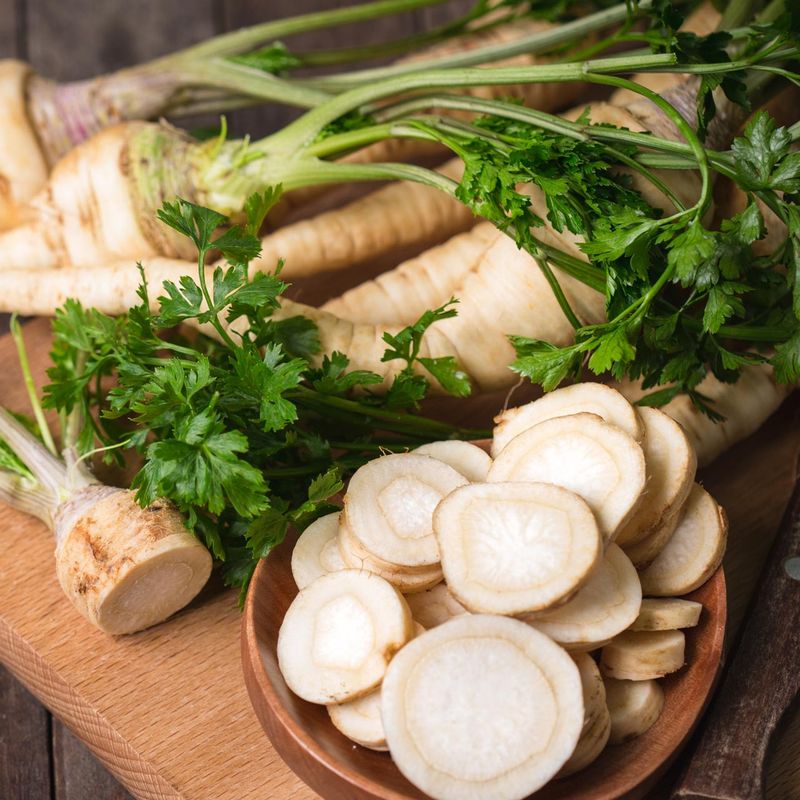
Hamburg parsley, cherished for both its root and leaf, was a dual-purpose plant that thrived in tough conditions. The roots, resembling parsnips, provided a hearty base for stews.
Its leaves, akin to flat-leaf parsley, added fresh, herbal notes to meals. This vegetable’s adaptability made it a favored choice in many households.
It serves as a reminder of our ancestors’ ingenuity in utilizing every part of a plant. Hamburg parsley is slowly making its way back into modern gardens for its rich flavors.
Lovage

Lovage, known for its bold celery-like flavor, was a staple in European kitchens. Its tall, vibrant plants offered both culinary and medicinal benefits.
During times of scarcity, lovage flavored broths and soups, enhancing the simplest ingredients. The entire plant, from root to seed, was used, reflecting a no-waste ethos.
This versatile herb not only enriched meals but also served as a remedy for digestive issues. Lovage’s comeback in herbal medicine and gastronomy highlights its timeless value.
Mangelwurzel

Mangelwurzel, with its robust size and sweet taste, was a reliable food source, especially for livestock during harsh winters. However, in times of need, it also graced the human table.
Its rich, earthy flavor made it a versatile addition to meals, often roasted or mashed.
The vegetable’s ability to grow in poor soil conditions proved invaluable. Today, mangelwurzel is gaining attention among gardeners and cooks alike, eager to explore its historical significance and unique taste.