
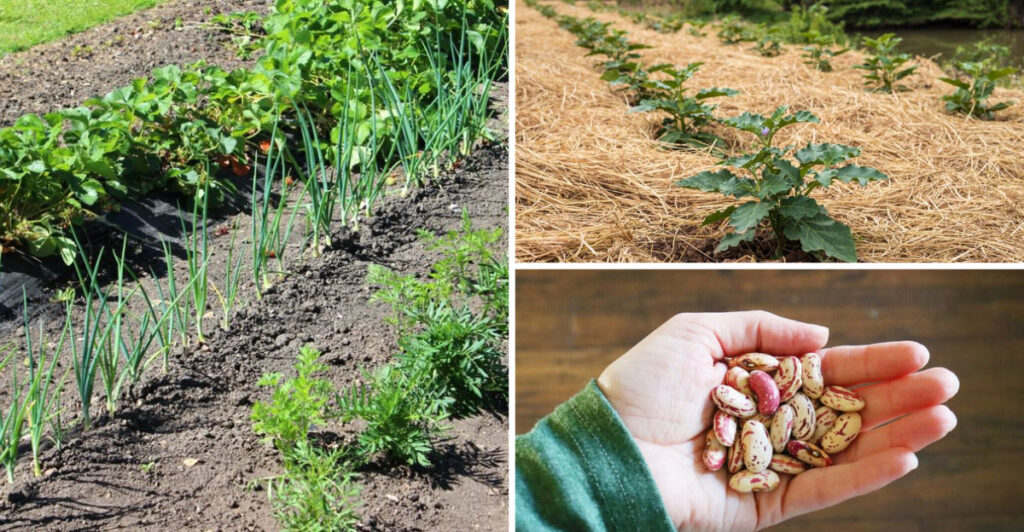
The Great Depression was a time of economic hardship, yet people found innovative ways to make the most of what they had. Gardening was a crucial activity that not only provided food but also fostered a sense of community and resilience. This blog post explores 18 frugal gardening tricks from that era, showcasing how resourcefulness and creativity helped many survive and thrive.
1. Companion Planting
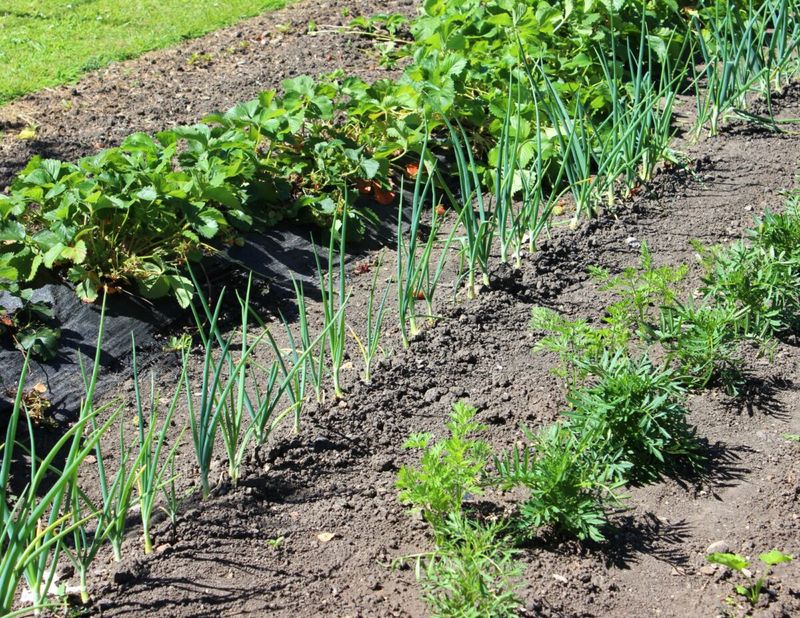
During the Great Depression, gardeners discovered the benefits of companion planting. By grouping plants that support each other, they enhanced growth and deterred pests naturally. For instance, planting basil alongside tomatoes not only improved the latter’s flavor but also kept harmful insects at bay. Many families turned small garden plots into productive spaces by understanding plant relationships. This method, rich in tradition, reminded people of the wisdom in working with nature’s design. Such ingenuity ensured bountiful harvests, even in challenging times. The simple act of combining plants became a symbol of collaboration and cleverness.
2. Composting with Scraps
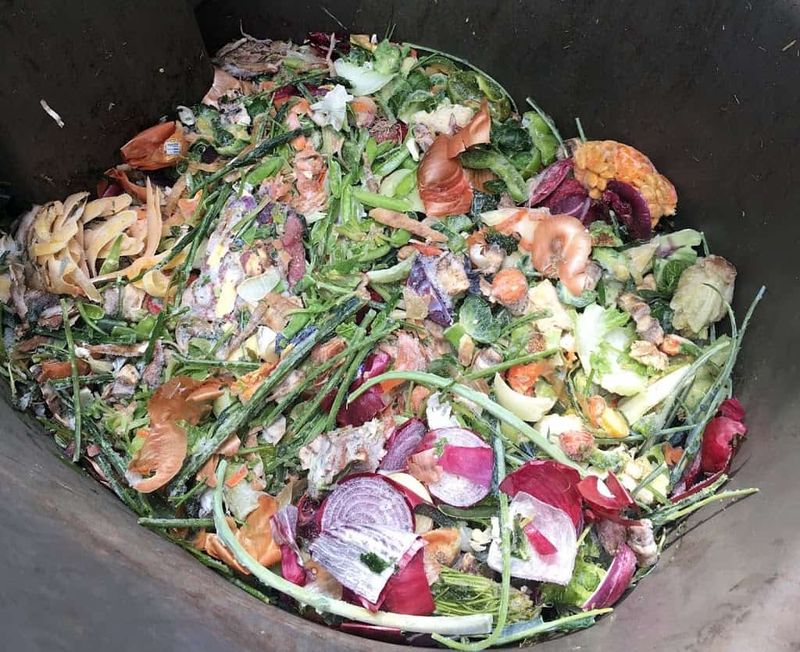
Composting was a common practice among Great Depression gardeners. Utilizing kitchen scraps and garden waste, they created nutrient-rich soil to enhance plant growth. Families collected vegetable peels, eggshells, and coffee grounds to make homemade compost. This frugal method reduced waste and improved soil quality without buying fertilizers. It was a sustainable approach that fostered a deeper connection to the earth. By turning waste into resources, gardeners demonstrated resilience and adaptability. The tradition of composting remains relevant today, reflecting a time when resourcefulness was necessary for survival.
3. Rainwater Harvesting
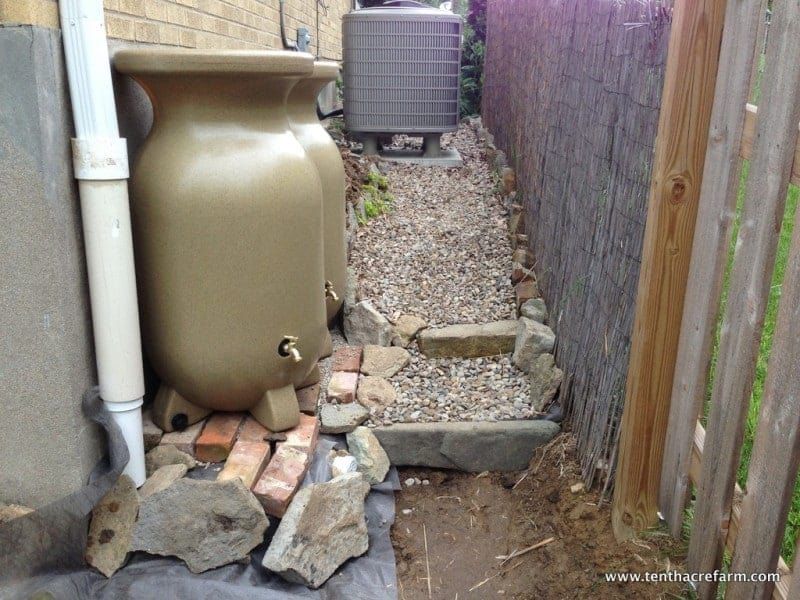
In the 1930s, rainwater harvesting was a vital practice for gardeners. With limited access to fresh water, they collected rain in barrels, utilizing rooftops as catchment areas. This method conserved water and reduced dependency on municipal supplies. Gardeners wisely used this precious resource to irrigate their crops, enabling them to thrive even in dry spells. The practice of harvesting rainwater was not only cost-effective but also environmentally sound. It represented a harmonious way to manage resources, echoing the self-sufficiency cherished during the Depression era.
4. Seed Saving Traditions
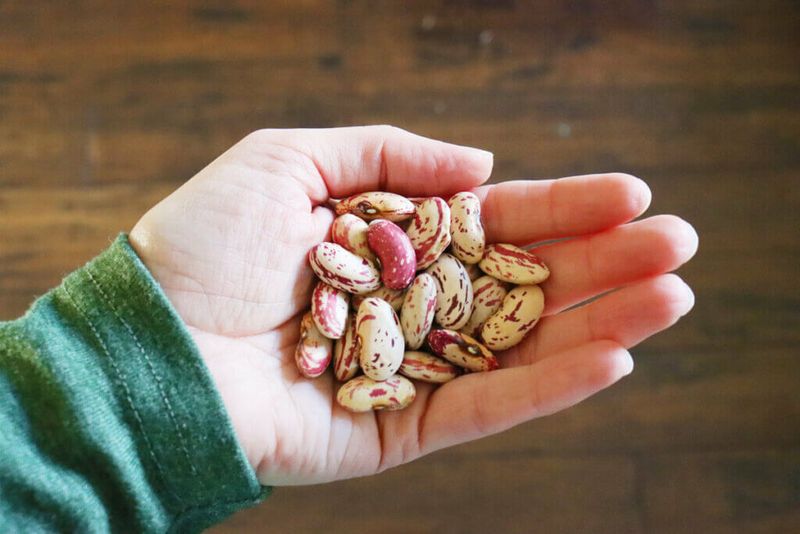
Seed saving was a cherished tradition during the Great Depression. Families preserved seeds from their best crops, ensuring a reliable source for the next planting season. This practice allowed them to maintain diverse and resilient gardens. By sharing seeds within communities, they fostered connections and mutual support. The careful selection and storage of seeds became an essential skill that strengthened food security. It was a testament to human ingenuity and foresight, preserving genetic diversity and cultural heritage. Seed saving continues today, inspired by the wisdom of past generations.
5. Mulching for Moisture
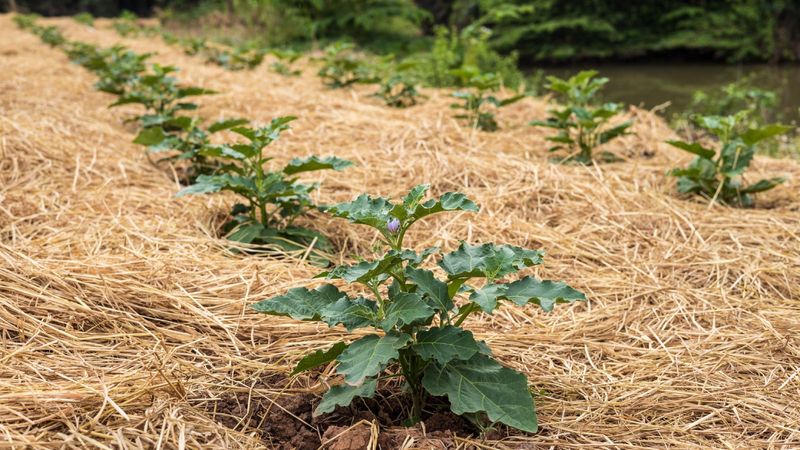
Mulching was a key strategy for gardeners in the 1930s. By covering soil with materials like straw, leaves, or grass clippings, they conserved moisture and suppressed weeds. This frugal technique allowed gardens to flourish, even during dry periods. Mulching reduced the need for frequent watering, preserving precious resources. It also enriched the soil as the organic material broke down. This practice symbolized a commitment to working with nature, maximizing each resource’s potential. Mulching embodies the ingenuity and practicality that defined Depression-era gardening, a legacy that endures in modern horticulture.
6. Victory Gardens
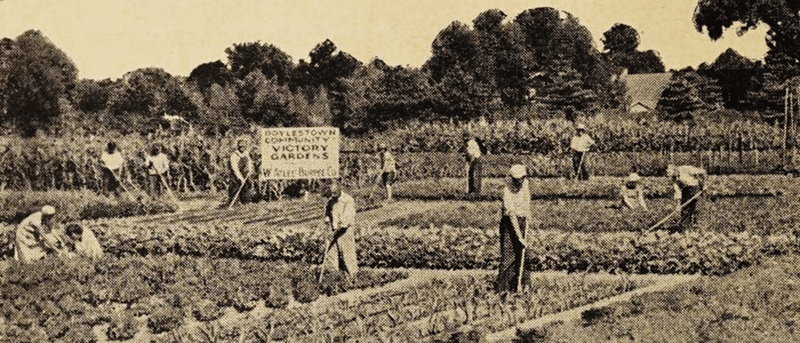
Victory gardens flourished during the Great Depression, turning urban backyards into productive food sources. Citizens planted vegetables and herbs, reducing reliance on commercial produce. These gardens were symbols of patriotism and self-reliance, fostering community spirit. Neighbors shared tips and seeds, creating a network of support. Victory gardens not only provided fresh food but also boosted morale. They demonstrated how collective effort could overcome adversity. This movement inspired future generations, showcasing the power of unity and determination. The legacy of victory gardens continues to inspire urban gardening initiatives today.
7. Preserving and Canning
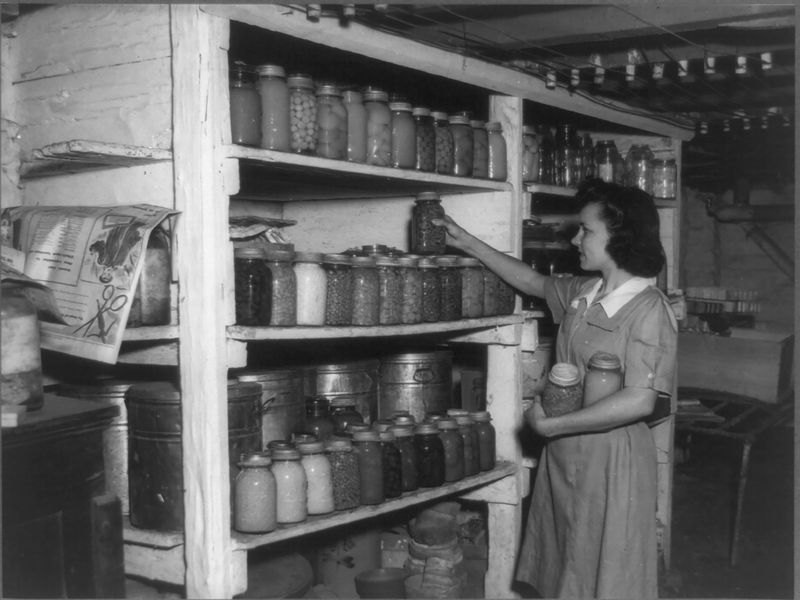
Canning and preserving were essential skills during the Great Depression. Families used these methods to store surplus produce, ensuring a steady supply of food year-round. By boiling fruits and vegetables and sealing them in jars, they extended their shelf life. This practice was both economical and practical, reducing waste and maintaining nutrition. Canning became a communal activity, with neighbors gathering to share equipment and recipes. It fostered collaboration and resourcefulness, turning seasonal abundance into lasting sustenance. The art of preserving continues to be a valuable tradition, inspired by past resilience.
8. Crop Rotation Practices
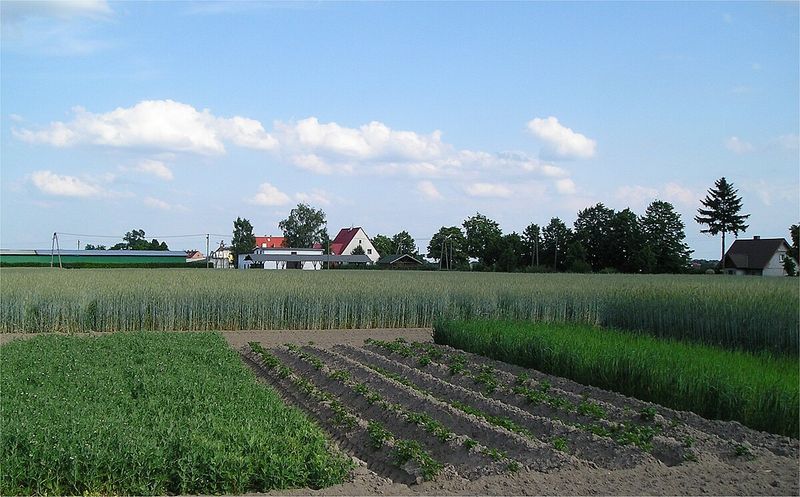
Crop rotation was a crucial practice for Depression-era gardeners. By alternating crops in different sections of their gardens, they maintained soil fertility and reduced pest problems. This method prevented soil depletion and promoted healthy plant growth. Gardeners carefully planned their rotations, balancing nutrient-demanding plants with those that replenished the soil. Crop rotation exemplified the thoughtful management of resources, reflecting a deep understanding of nature’s cycles. It was an essential strategy for sustainable agriculture, ensuring long-term productivity. This practice remains vital today, rooted in the wisdom of earlier generations.
9. Sharing Tools and Resources
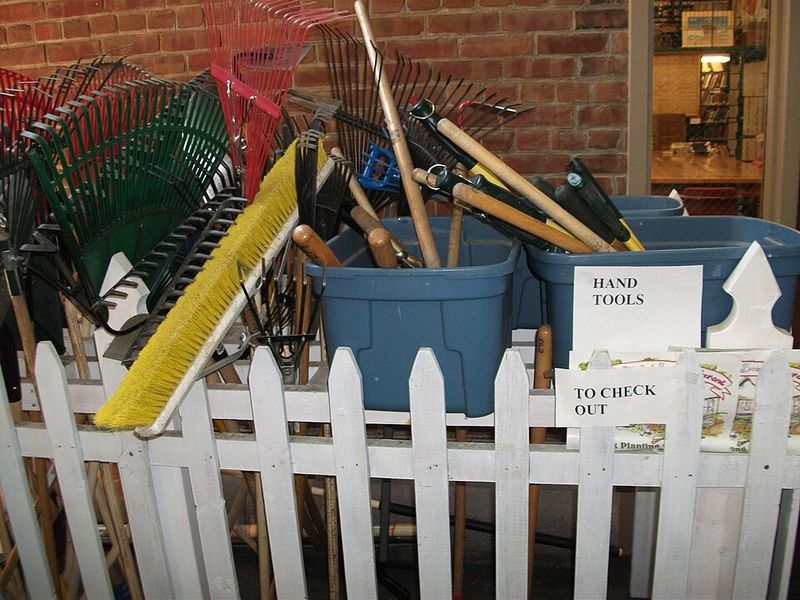
During the Great Depression, communities often shared tools and resources. This collaborative spirit reduced individual costs and fostered strong community bonds. Neighbors would form cooperative groups, pooling their resources for the benefit of all. Shared tools meant that everyone could access what they needed without purchasing expensive equipment. This practice encouraged trust and cooperation, turning adversity into an opportunity for unity and innovation. By working together, communities strengthened their resilience and resourcefulness, setting an example that resonates even today. Sharing became a testament to human solidarity in challenging times.
10. Utilizing Natural Pest Repellents
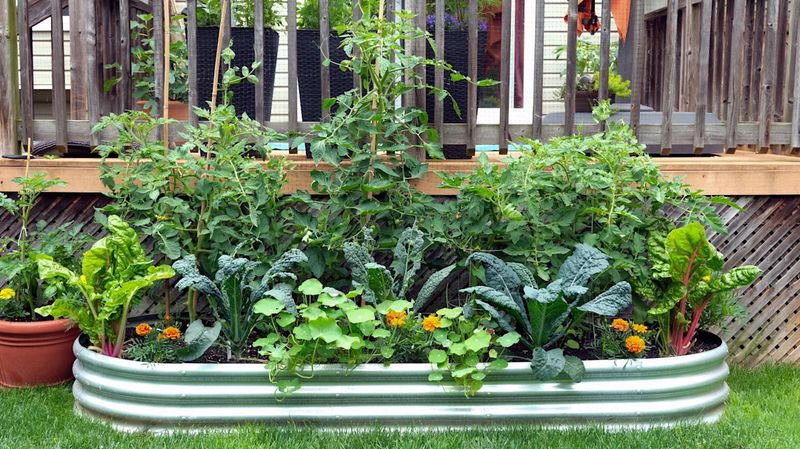
Natural pest repellents were a staple in Great Depression gardens. Instead of buying chemical pesticides, gardeners used plants like marigolds, garlic, and chives to deter insects. These natural solutions were effective and safe, preserving the garden’s health. By understanding the properties of different plants, gardeners created protective barriers against pests. This approach was cost-effective and aligned with sustainable practices. It demonstrated a keen awareness of nature’s offerings, transforming potential challenges into opportunities for creativity. The use of natural repellents remains a popular and environmentally friendly practice, rooted in historical wisdom.
11. Window Box Gardens
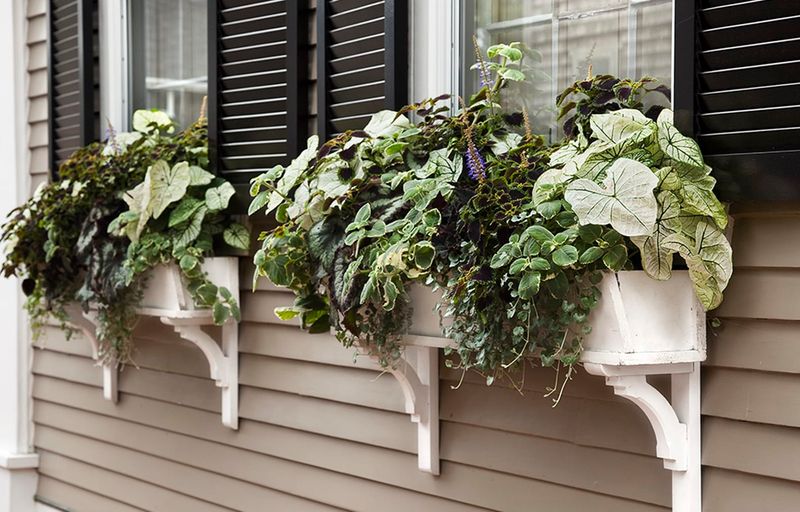
Window box gardens became popular during the Great Depression as a way to maximize limited space. City dwellers turned windowsills into mini-gardens, growing herbs and small vegetables. These portable plots allowed even those in urban environments to cultivate fresh produce. Window boxes were both practical and decorative, adding greenery to otherwise stark surroundings. This creative use of space symbolized adaptability, demonstrating that no area was too small for cultivation. The tradition of window box gardening continues, reflecting a timeless ingenuity that transforms constraints into possibilities.
12. Building Cold Frames
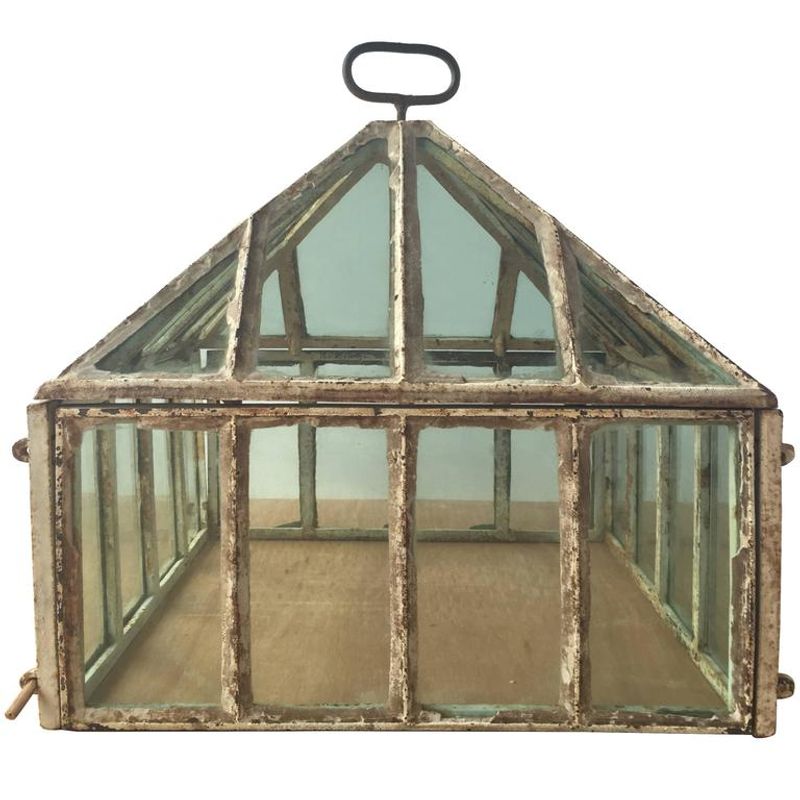
Cold frames were essential for extending the growing season during the Great Depression. Gardeners constructed them from salvaged windows and wood, creating mini-greenhouses. These structures protected seedlings from frost, allowing for earlier planting and later harvesting. By trapping heat from the sun, cold frames enabled gardeners to grow a wider variety of crops. This method exemplified resourcefulness, using available materials to overcome climatic challenges. The practice of building cold frames continues to be a valuable technique for gardeners seeking to maximize their growing potential. It’s a legacy of innovation and perseverance.
13. Using Manure as Fertilizer
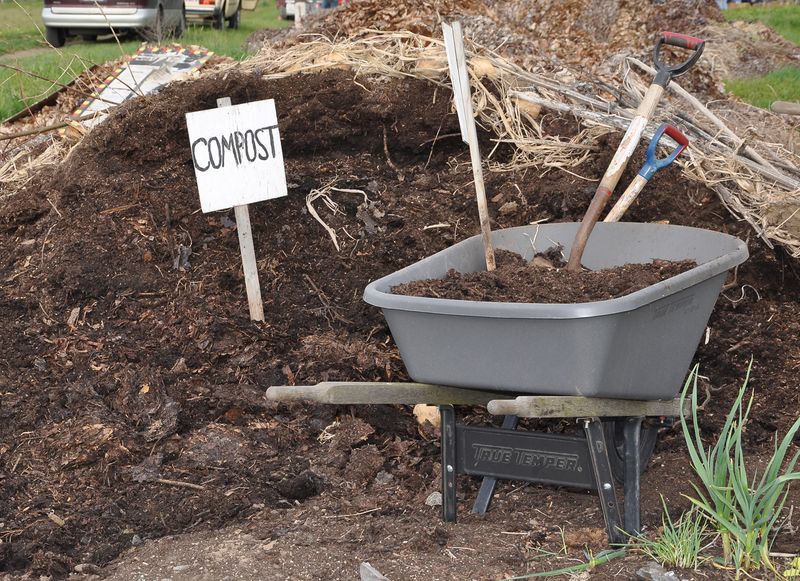
Manure was a widely used fertilizer during the Great Depression. Farmers and gardeners collected animal waste to enrich their soil naturally. This practice provided essential nutrients, promoting healthy plant growth. By using manure, they reduced the need for commercial fertilizers, aligning with the frugal mindset of the era. Manure application required careful management, ensuring it was well-composted to prevent plant damage. This method demonstrated an understanding of natural cycles, turning waste into a valuable resource. Using manure remains a sustainable agricultural practice, rooted in the ingenuity of past generations.
14. Creating Root Cellars
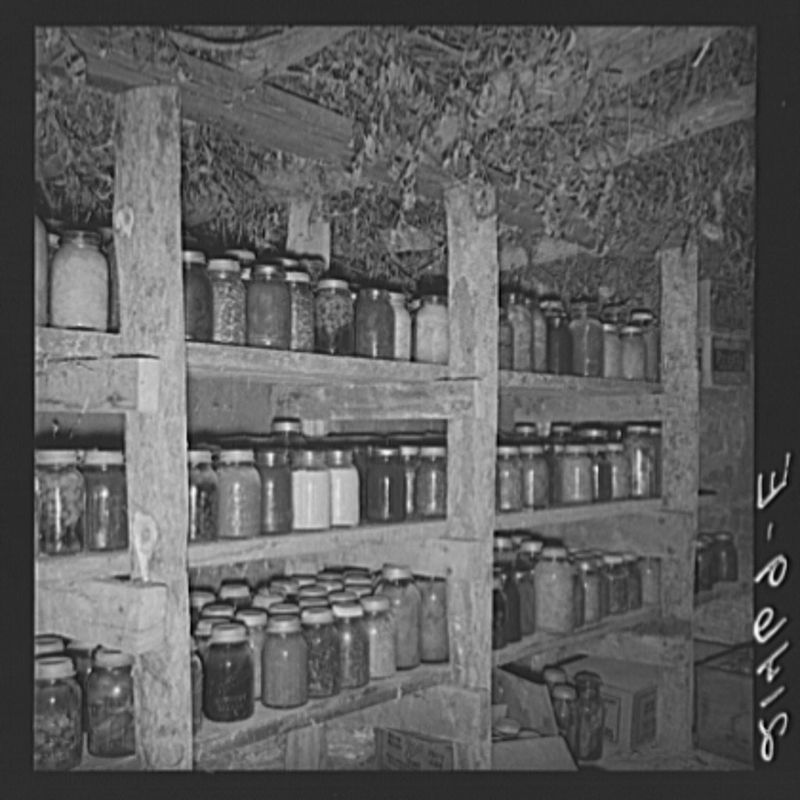
Root cellars were a common feature during the Great Depression, used to store vegetables and preserves. These underground storage spaces maintained cool, stable temperatures, prolonging the shelf life of produce. Families built root cellars into hillsides or beneath homes, creating natural refrigeration. This method allowed them to keep food fresh throughout the year, reducing waste and reliance on external supplies. Root cellars symbolized self-sufficiency and practicality. They were a testament to the ingenuity of the time, providing a reliable solution for food preservation that continues to inspire today.
15. Soil Testing for Nutrients
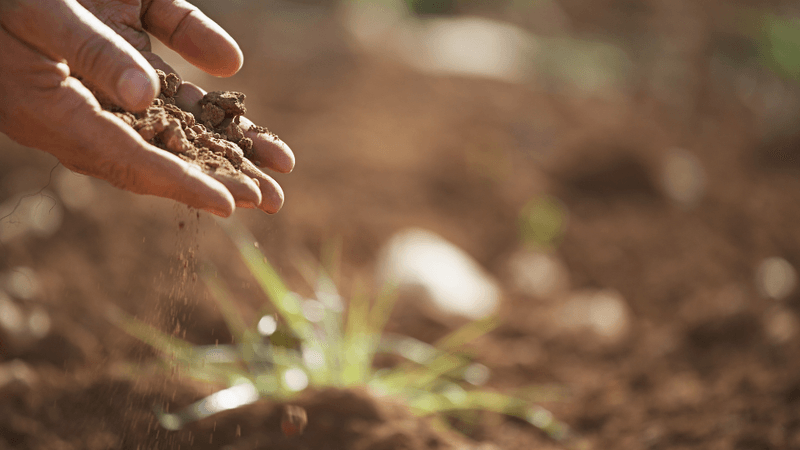
Soil testing was an essential practice for Depression-era gardeners. By analyzing their soil’s nutrient content, they tailored their planting strategies to ensure healthy growth. Simple tools and observation helped them understand their soil’s needs. This method optimized resource use, avoiding unnecessary amendments. By maintaining soil health, gardeners supported robust plant development. Soil testing reflected a deep connection to the land, emphasizing the importance of nurturing the earth. It was a practice grounded in observation and adaptation, contributing to sustainable gardening. Today, soil testing remains a vital tool for successful cultivation.
16. Frugal Watering Techniques
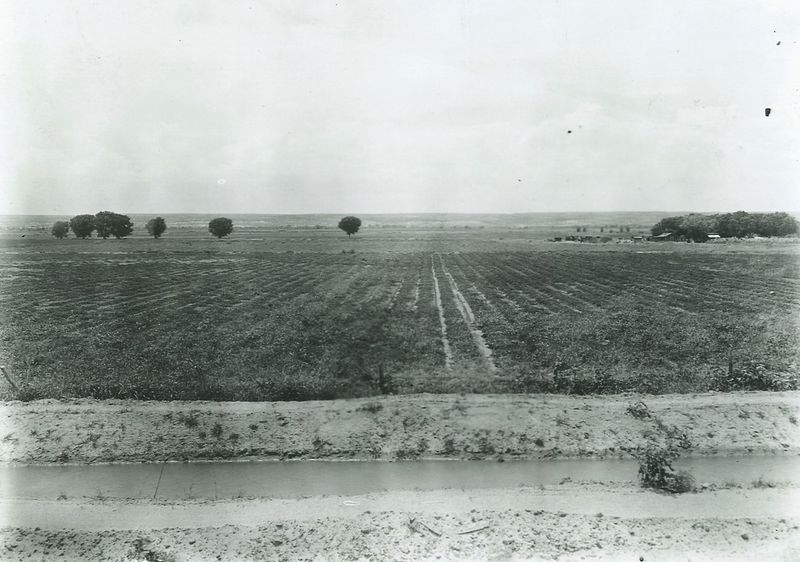
Water conservation was crucial during the Great Depression. Gardeners employed frugal watering techniques to make the most of limited resources. One method involved using clay pots buried in the soil, allowing gradual water release to plant roots. This slow-release system minimized evaporation and ensured efficient water use. By focusing on targeted hydration, gardeners maintained vibrant growth despite shortages. These practices reflected a mindful approach to resource management, aligning with the sustainable ethos of the era. Frugal watering techniques continue to offer valuable lessons in efficiency and environmental stewardship.
17. Creating Homemade Fertilizers
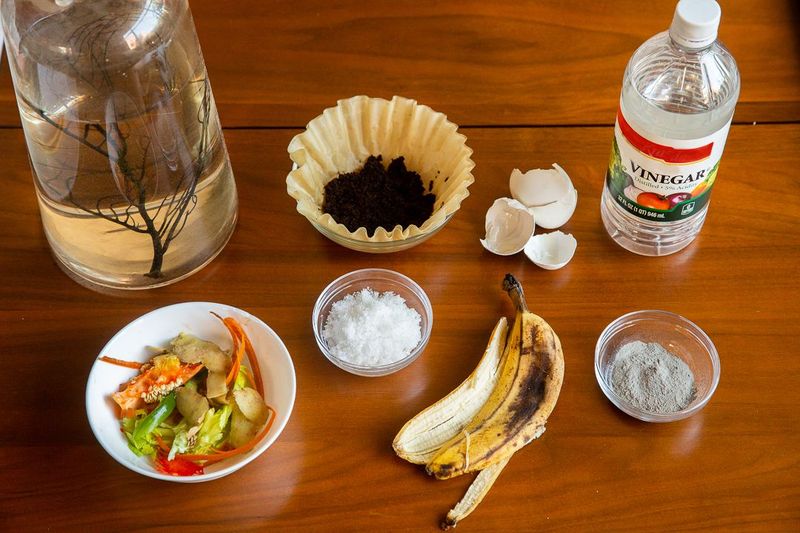
Homemade fertilizers were a staple for Depression-era gardeners. By utilizing common household items, they enriched their soil cost-effectively. Crushed eggshells, banana peels, and wood ash became valuable nutrient sources. These natural additives improved soil health and supported plant growth without commercial products. Making fertilizers at home symbolized creativity and thriftiness, turning everyday waste into a boon for gardens. This practice fostered a sustainable mindset, emphasizing the potential in overlooked resources. The tradition of homemade fertilizers persists, inspired by the resourcefulness of past generations.
18. Using Broken Pots for Drainage
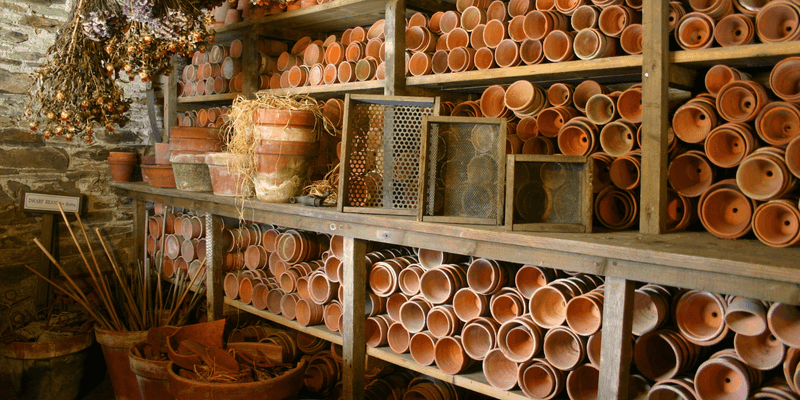
In the era of the Great Depression, every item had a second life, even broken pots. Gardeners cleverly used shards to enhance drainage in plant containers. This prevented water from pooling at the base, protecting roots from rot.
Repurposing broken bits became a creative outlet, turning mishaps into opportunities. It was a simple yet effective method, requiring no extra spending. Imagine the satisfaction of turning a shattered pot into a practical asset.
In today’s world, this technique remains a sustainable choice, echoing the resourcefulness of those resilient individuals. It’s a testament to seeing value where others might see waste.