 Complete Gardening
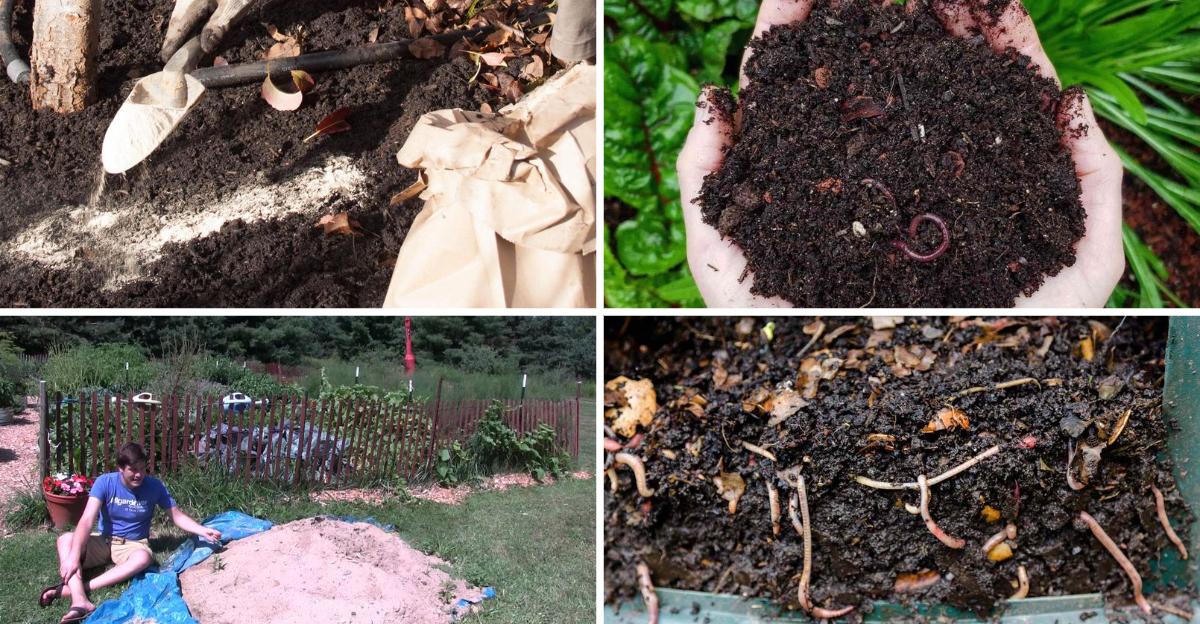
Filling your raised garden bed effectively is key to a bountiful harvest. By utilizing diverse materials and methods, you can enhance soil fertility, improve drainage, and support healthy plant growth. This guide explores 16 innovative ways to fill your raised garden bed, ensuring a thriving garden.
1. Lasagna Layering
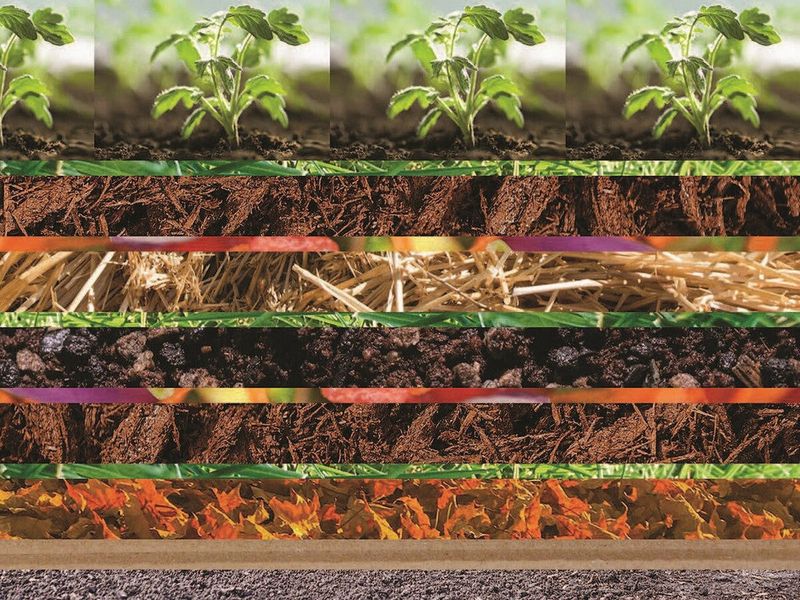
Imagine crafting a lasagna, but with garden materials. Lasagna layering involves alternating between brown and green organic matter to build a rich, fertile environment. Start with a layer of cardboard or newspaper to suppress weeds. Follow with alternating layers of compost, straw, and grass clippings. This technique boosts soil fertility by decomposing over time. As the materials break down, they enhance nutrient availability, supporting robust plant growth. Lasagna layering is a space-efficient and low-maintenance method, making it ideal for gardeners seeking a lush yield. It’s a simple, yet effective way to transform your garden bed.
2. Hugelkultur Approach
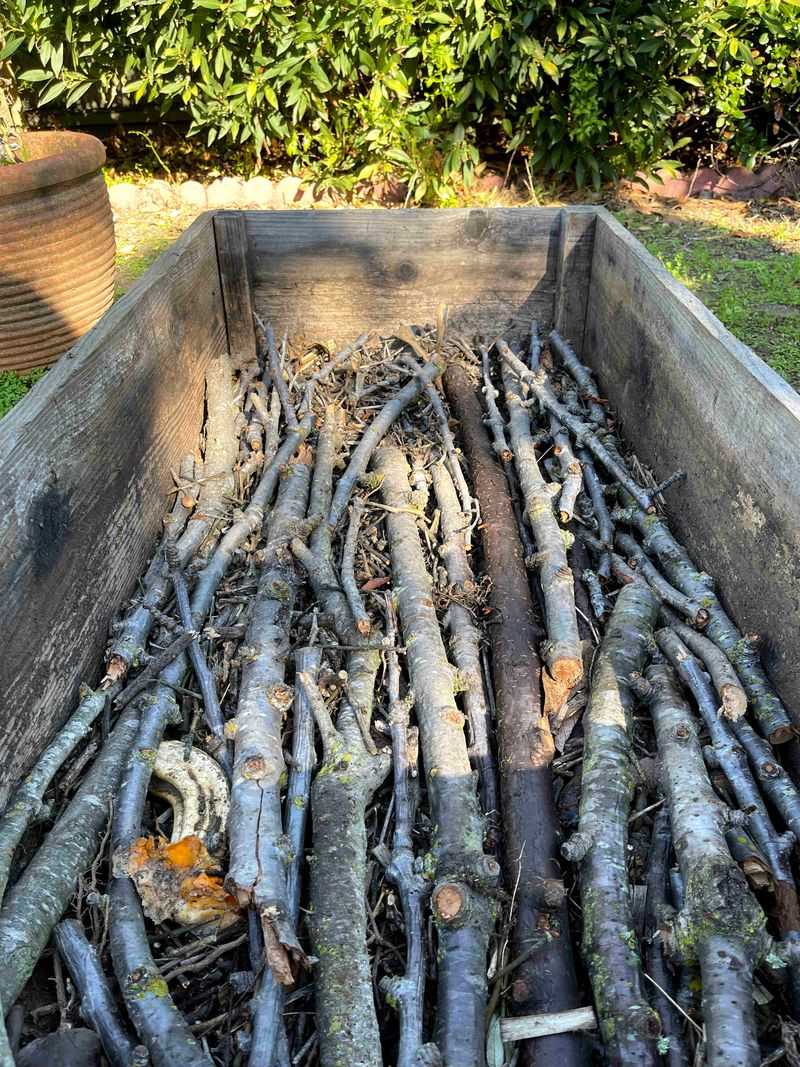
Originating from Eastern Europe, the hugelkultur method brings a touch of ancient wisdom to modern gardening. This technique uses logs and branches buried under soil to create a self-sustaining ecosystem. As the wood decomposes, it acts like a sponge, retaining water and releasing nutrients slowly. This minimizes the need for frequent watering and fertilization. Hugelkultur beds create a thriving microhabitat, encouraging beneficial organisms. With its eco-friendly approach, hugelkultur is perfect for sustainable gardeners. Not only does it conserve resources, but it also enhances the biodiversity of your garden.
3. Straw Bale Filling
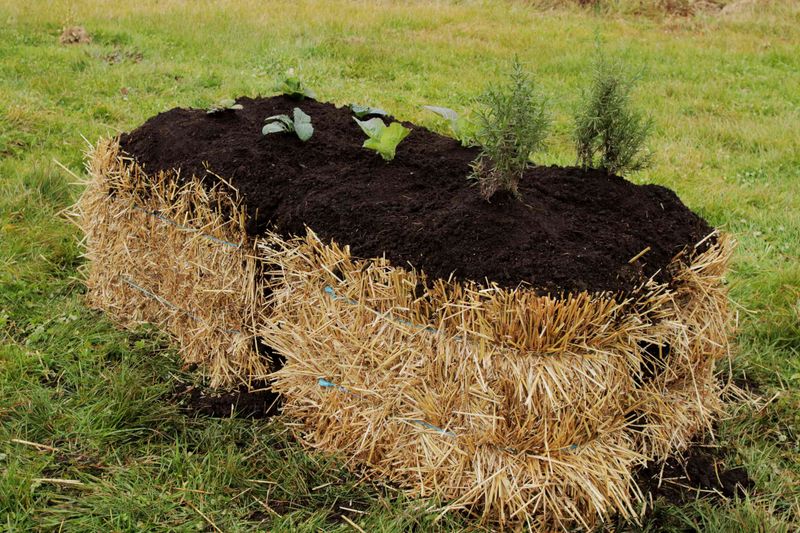
Straw bales are not just for barn dances; they’re a gardener’s ally. By using straw bales as the core of your garden bed, you create a lightweight, airy environment that promotes root growth. Over time, the straw decomposes, enriching the soil with organic matter. It provides excellent drainage and insulation, protecting plants from temperature extremes. This technique is particularly beneficial in regions with poor soil quality. Straw bale gardening is adaptable and budget-friendly, making it a popular choice among both novice and seasoned gardeners. It’s a practical way to maximize your garden’s potential.
4. Compost Core
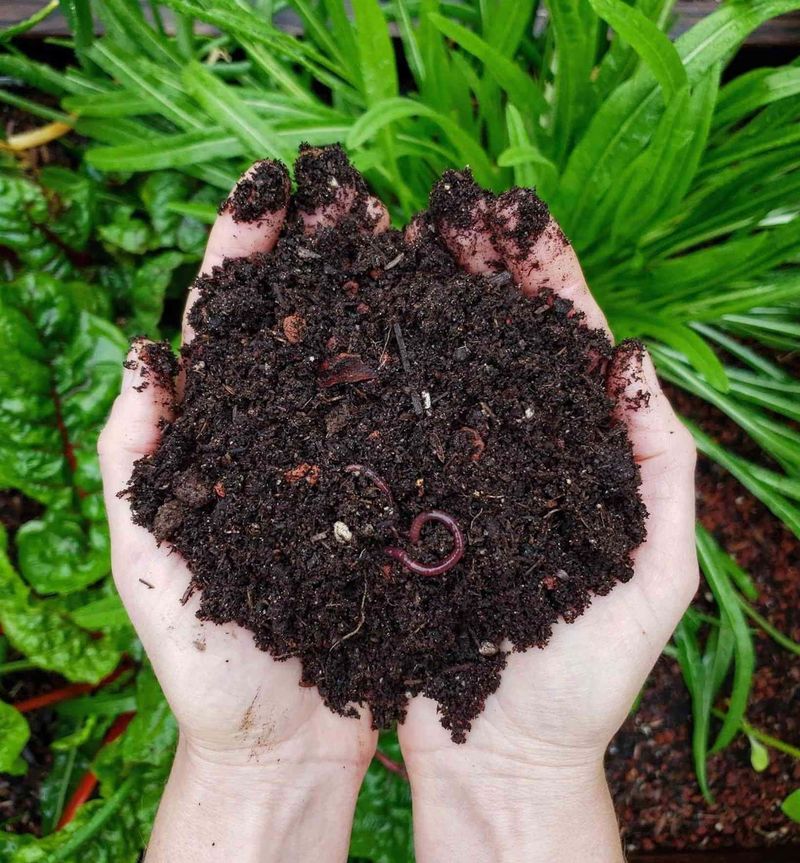
Centering your garden bed around a compost core transforms waste into wealth. By placing compost in the middle, nutrients are evenly distributed as it breaks down. This method acts as a continuous feeder for your plants, promoting vigorous growth. Composting in place reduces the need for external fertilizers, making gardening more sustainable. It also fosters a thriving soil ecosystem, with earthworms and microorganisms working tirelessly. This technique is perfect for those looking to minimize waste and enhance soil health naturally. It’s an eco-conscious choice that supports a productive and resilient garden.
5. Vermiculture Addition
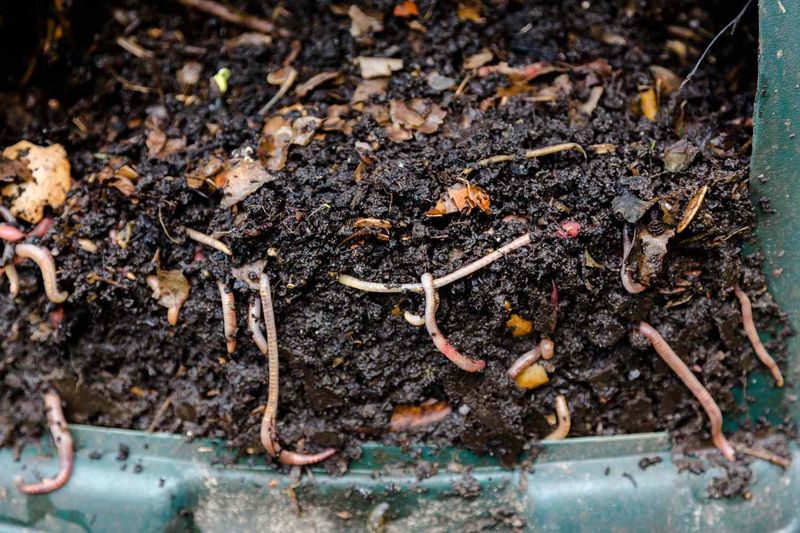
Worms are nature’s diligent decomposers, and introducing them to your garden bed can work wonders. Vermiculture, or worm farming, enriches the soil with castings, which are nutrient-rich. This technique accelerates the composting process, providing plants with a steady supply of nutrients. Worms aerate the soil, improving water infiltration and root penetration. Vermiculture is a low-maintenance, eco-friendly approach suitable for all garden sizes. For gardeners seeking a natural boost, this method offers a harmonious balance between plant health and soil vitality. It’s a symbiotic relationship that cultivates a thriving garden.
6. Biochar Boost
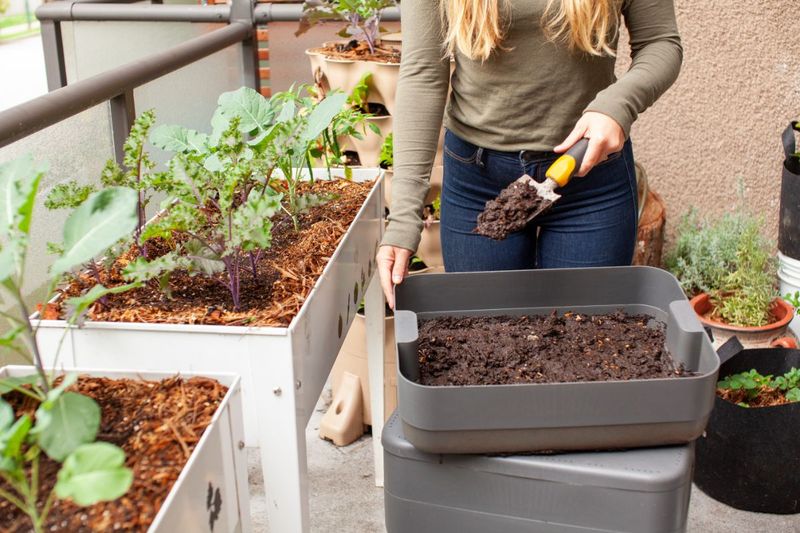
Biochar, a form of charcoal, boosts soil health by enhancing nutrient retention and improving drainage. This ancient technique has been rediscovered for its ability to enrich garden beds. By incorporating biochar into the soil, you create a stable carbon reservoir that supports beneficial microbes. This method reduces the need for chemical fertilizers and improves soil structure, leading to healthier plants. Biochar is particularly useful in revitalizing depleted soils, making it a sustainable choice for environmentally conscious gardeners. With its long-lasting benefits, biochar turns your garden into a fertile oasis.
7. Leaf Mold Magic
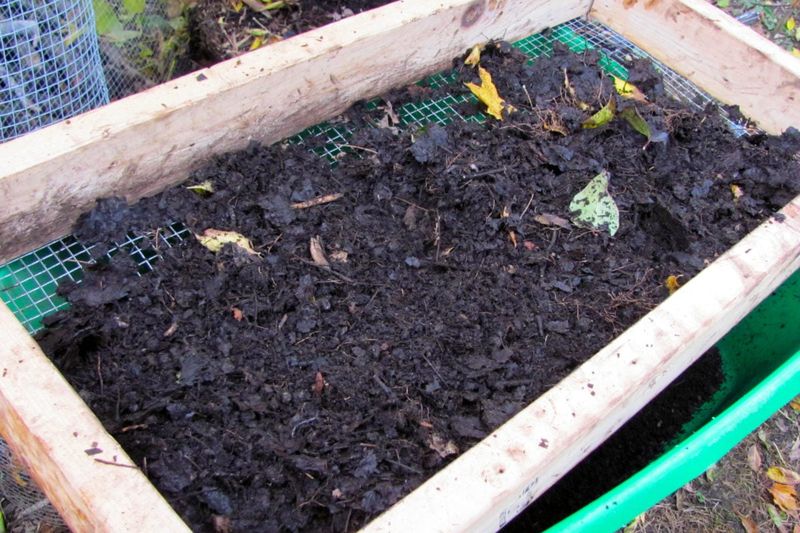
Transform fallen leaves into garden gold with leaf mold. By composting leaves over time, you create a rich, crumbly substance that improves soil structure and water retention. Leaf mold enhances the garden bed’s ability to retain moisture, reducing the need for frequent watering. This technique is especially beneficial in sandy soils, where water can quickly drain away. Leaf mold supports a diverse soil ecosystem, encouraging beneficial organisms. It’s a cost-effective and sustainable way to enrich your garden soil naturally. For gardeners who value resourcefulness, leaf mold offers a magical touch.
8. Peat Moss Enrichment
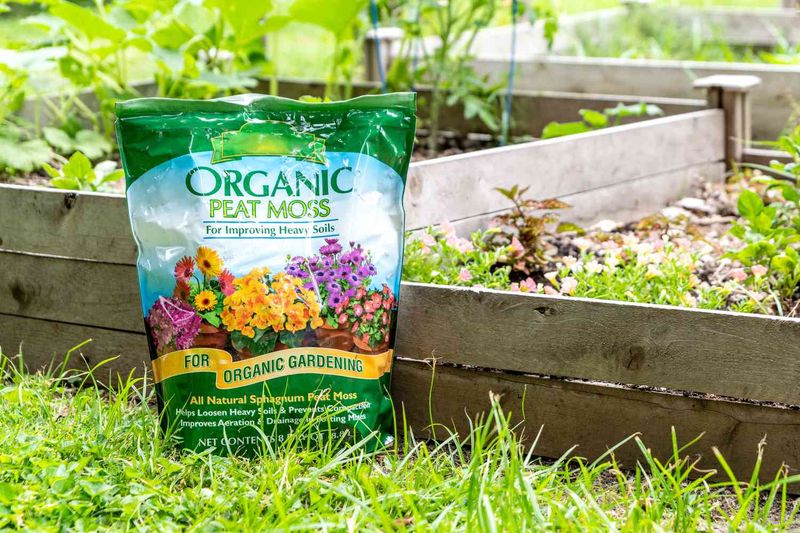
Peat moss is a gardener’s secret weapon, prized for its ability to improve soil aeration and moisture retention. By adding peat moss to your garden bed, you create an environment where roots can thrive. This technique is particularly effective in clay soils, where compaction is an issue. Peat moss lightens the soil, enhancing drainage and reducing waterlogging. It also provides a sterile medium, free from weeds and pathogens. While peat moss is a valuable addition, it’s essential to use it responsibly, given its environmental impact. For those seeking balanced soil, peat moss is a trusty ally.
9. Rock Phosphate Addition
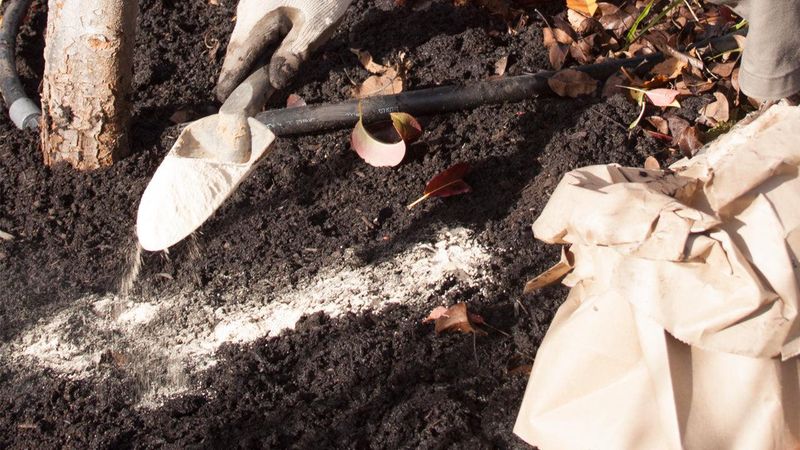
Rock phosphate is a natural mineral that provides a steady release of phosphorus, essential for plant development. By incorporating it into your garden bed, you promote strong root growth and flowering. This technique is particularly beneficial for fruiting plants that have high phosphorus needs. Rock phosphate improves soil fertility over time, contributing to sustained plant health. It enhances the soil’s ability to support a diverse range of plant species. As a long-term investment in your garden’s productivity, rock phosphate is an excellent choice. Its natural properties align with organic gardening principles.
10. Perlite Aeration
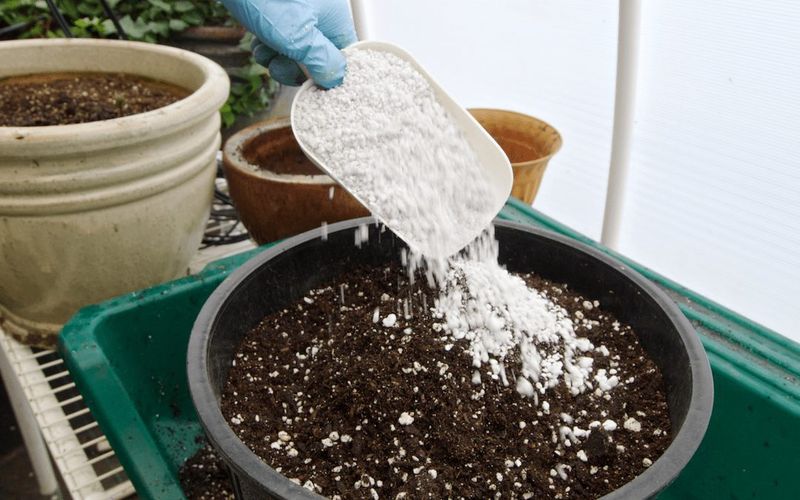
Perlite, a volcanic mineral, lightens heavy soils by improving aeration and drainage. Adding perlite to your garden bed creates a porous structure that encourages healthy root development. This technique is ideal for gardeners dealing with compacted or clay soils. Perlite’s lightweight nature makes it easy to mix into the soil, enhancing its texture and reducing waterlogging. It’s an inert material, meaning it won’t decompose or alter soil pH. For those aiming to create a well-aerated environment, perlite provides a practical solution. Its benefits extend to both potted plants and expansive garden beds.
11. Coconut Coir Wonder
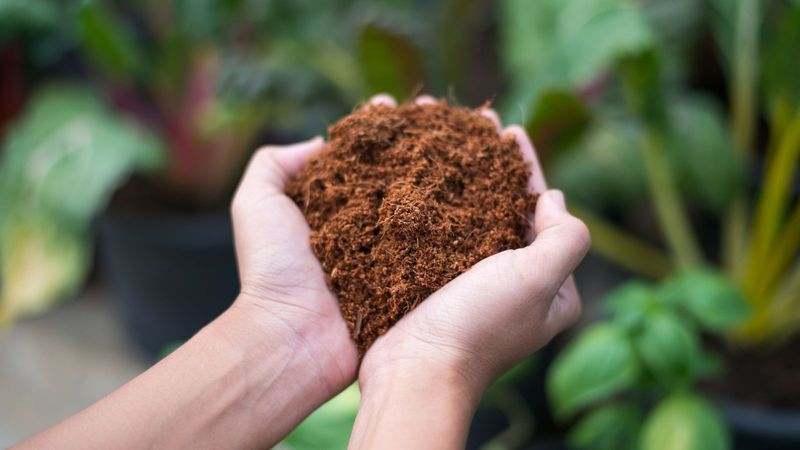
Coconut coir, derived from coconut husks, is a sustainable alternative to peat moss. This fibrous material enhances soil aeration and moisture retention, creating an ideal environment for plant roots. Coconut coir is pH-neutral and free from pathogens, making it a safe choice for all garden types. Its water-holding capacity reduces the need for frequent irrigation, conserving resources. This eco-friendly option is perfect for gardeners seeking a renewable alternative. Coconut coir’s versatility and benefits make it a wonder material for garden bed filling. It’s a sustainable choice that nurtures a thriving garden.
12. Green Manure Crops
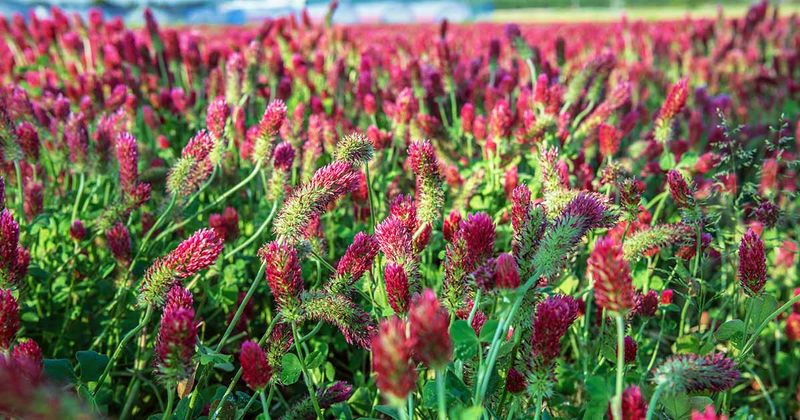
Green manure crops, like clover and vetch, enrich the soil with nutrients while suppressing weeds. By growing these crops in your garden bed, you create a living mulch that protects and nourishes the soil. When plowed back into the soil, green manures release nitrogen, promoting healthy plant growth. This technique improves soil structure and fertility, reducing the need for chemical fertilizers. Green manure crops are a sustainable choice for gardeners aiming to build soil health naturally. They provide a cover that prevents erosion, making them valuable for long-term soil management.
13. Charcoal Additive
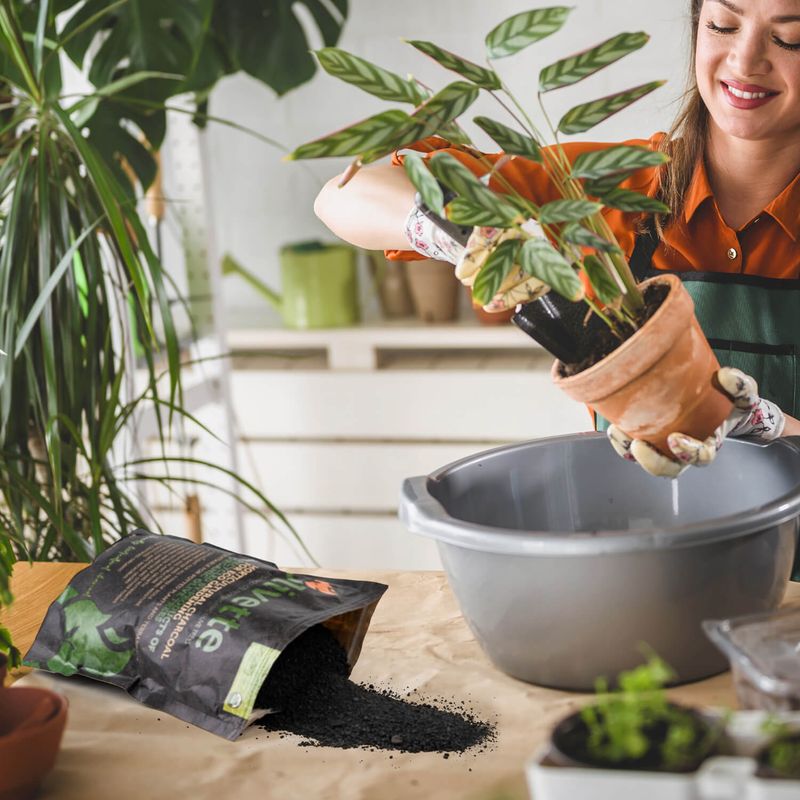
Charcoal isn’t just for barbecues; it’s a gardener’s ally. Adding charcoal to your garden bed enhances soil structure by improving aeration and drainage. This technique creates a stable environment for beneficial microbes, supporting healthy plant growth. Charcoal’s porous nature allows it to absorb and retain nutrients, making them available for plant uptake. It’s a long-lasting soil amendment, reducing the need for frequent replenishment. Charcoal is especially beneficial in acidic soils, where it helps balance pH levels. For gardeners seeking a resilient, productive garden, charcoal is a valuable addition.
14. Wood Chip Mulch
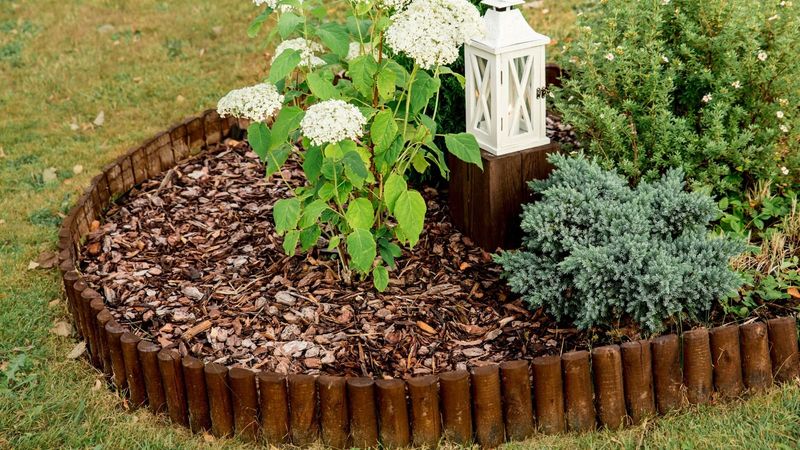
Wood chips offer more than a rustic touch; they act as a natural mulch that retains soil moisture and suppresses weeds. By covering your garden bed with wood chips, you create a protective barrier that conserves water and reduces evaporation. As they decompose, wood chips enrich the soil with organic matter, enhancing fertility. This technique is beneficial for both ornamental and vegetable gardens, providing a clean, aesthetic appearance. Wood chips also moderate soil temperature, protecting plants from extreme conditions. For eco-conscious gardeners, wood chips offer a sustainable way to nurture a thriving garden.
15. Sand Integration
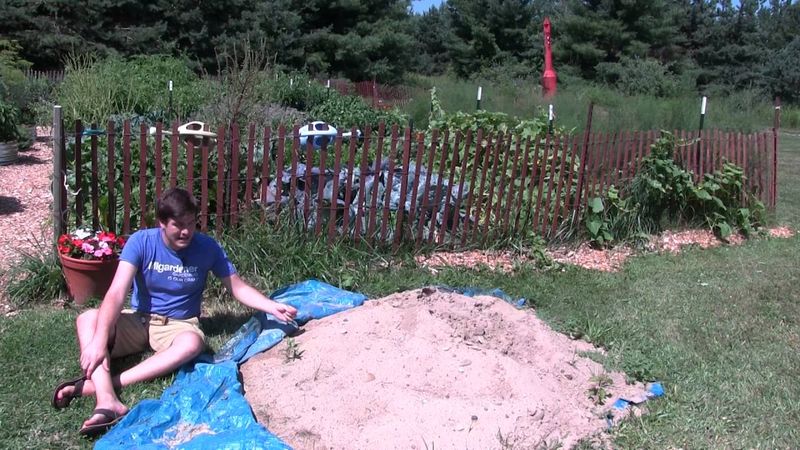
For gardeners battling heavy clay soils, sand offers a practical solution. By integrating sand into your garden bed, you improve drainage and prevent waterlogging. This technique lightens the soil, making it easier to work with and enhancing root penetration. Sand’s gritty texture creates air pockets that promote healthy root growth and soil aeration. It’s an effective way to modify soil structure, especially in gardens prone to compaction. While sand should be used judiciously, it can significantly improve soil conditions in challenging environments. It’s a straightforward method to transform your garden’s potential.
16. Eggshell Enrichment
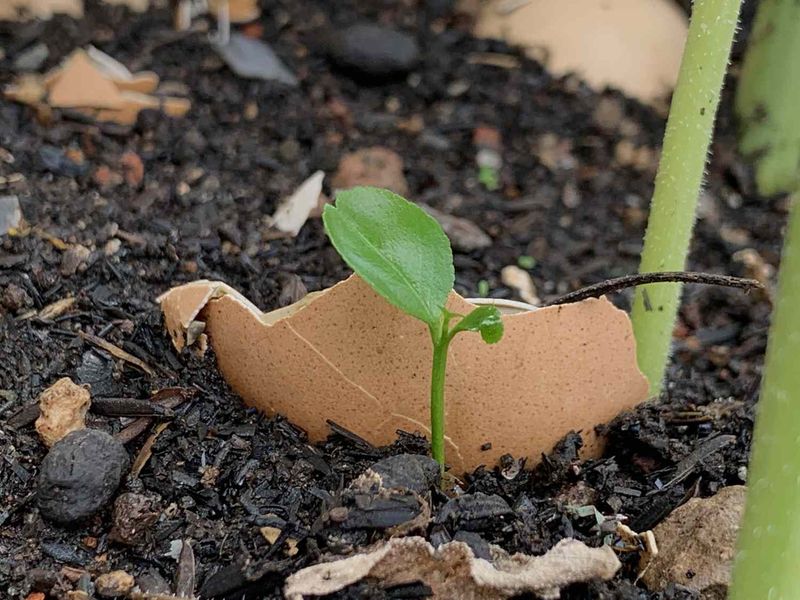
Did you know that eggshells can revitalize your garden soil? Rich in calcium carbonate, they provide essential nutrients that strengthen plant cell walls.
Crushing them into small pieces and mixing them into the soil, helps improve its structure and drainage. This not only aids root development but also deters pests with their sharp edges.
Moreover, eggshells can raise soil pH, balancing acidity levels for optimal plant growth. So, next time you crack an egg, remember its shell’s potential to transform your garden into a thriving oasis.