 Complete Gardening
In the ever-evolving world of landscape design, garden enthusiasts and professionals alike are always on the lookout for the latest trends that can transform a simple green space into an oasis. This year, garden designers have highlighted 15 essential trends that are making waves, alongside 5 that are seeing a decline. Whether you’re looking to revamp your backyard or simply stay informed, these insights offer a blend of innovation and practicality for every gardener.
1. Dark Foliage & Moody Blooms
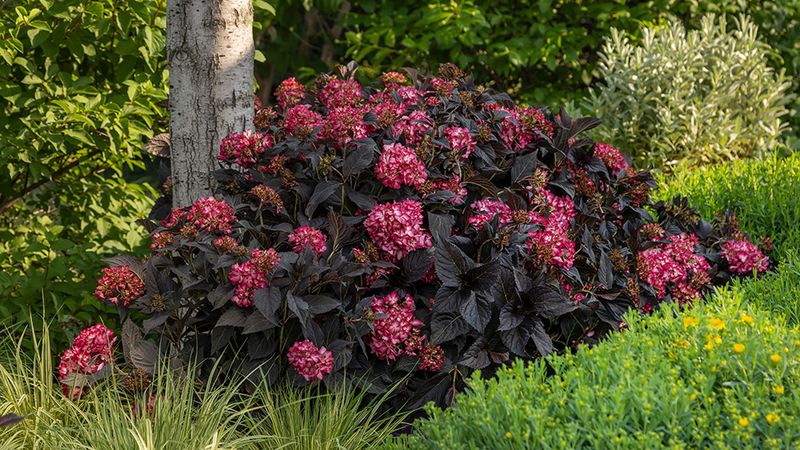
Dark foliage and moody blooms are taking center stage in gardens, adding an air of mystery and drama. Deep purples, blacks, and burgundies, such as Black Mondo Grass or ‘Black Prince’ Echeveria, introduce a bold and theatrical touch to any landscape.
Pair these intense hues with silver or lime-green plants to establish an eye-catching contrast that captivates. This trend is perfect for those who wish to create a garden with a unique personality, where every corner tells a story.
Embrace the dark side of nature and watch as your garden transforms into a living masterpiece.
2. No-Lawn Landscapes
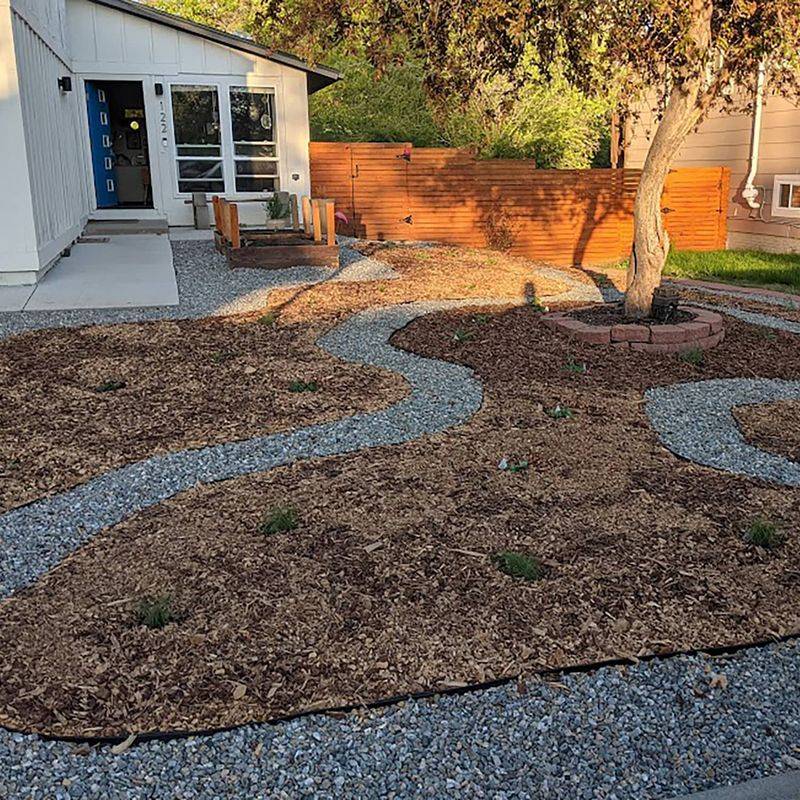
As water conservation becomes more crucial, no-lawn landscapes are gaining popularity. Traditional lawns are being replaced by drought-friendly alternatives like clover, moss, or creeping thyme that require less water and maintenance.
This shift not only benefits the environment but also invites more pollinators into your garden, promoting biodiversity. Imagine a space where the hum of bees replaces the drone of a lawnmower, creating a peaceful and sustainable retreat.
No-lawn landscapes are ideal for those looking to reduce their environmental footprint while enjoying a verdant and lively garden.
3. Cottagecore Chaos
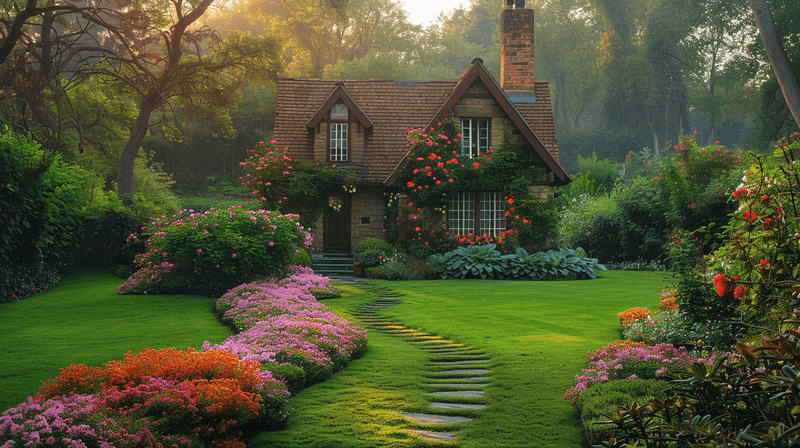
Cottagecore chaos is a celebration of nature’s wild beauty, where the imperfect becomes perfect. This trend embraces a romantic mix of foxgloves, cosmos, and lavender, creating a garden that’s both enchanting and whimsical.
It’s an ode to the simplicity and charm of rural life, where flowers grow freely and paths meander without purpose. This style encourages gardeners to let go of rigid designs and embrace a more organic approach.
For those yearning for a touch of romance and nostalgia, cottagecore chaos offers a delightful escape into a world of natural wonders.
4. Mini Food Forests
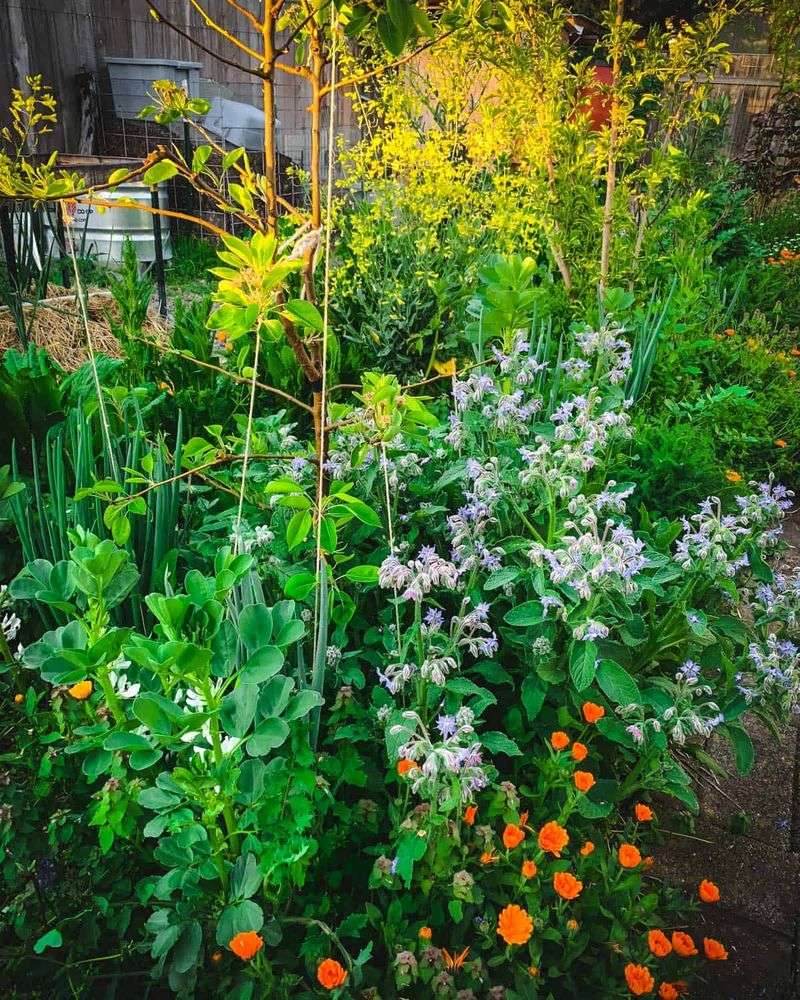
Imagine stepping into a mini food forest, where every plant is both beautiful and bountiful. This trend focuses on edible landscaping, featuring dwarf fruit trees, berry bushes, and herbs that create a productive yet aesthetically pleasing garden.
It’s a sustainable and practical approach, allowing homeowners to enjoy fresh produce right from their backyard. Whether it’s picking a juicy apple or snipping fresh basil, a mini food forest turns gardening into a rewarding experience.
For those who love the idea of an edible paradise, this trend offers a harmonious blend of utility and beauty.
5. Garden Rooms
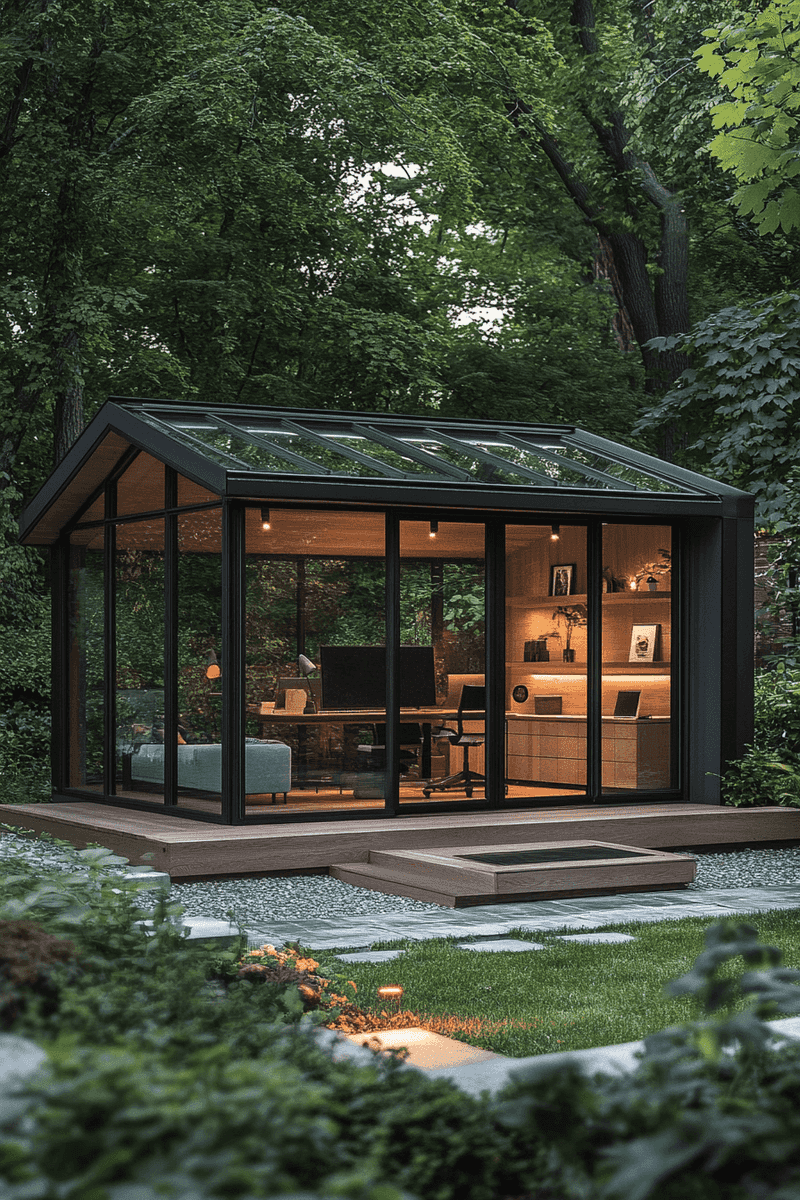
Garden rooms take the concept of outdoor living to new heights, transforming ordinary gardens into multifaceted spaces. By using hedges, pergolas, or tall grasses, homeowners can create distinct ‘rooms’ within their gardens for relaxation, dining, or play.
This trend offers privacy and functionality, making the garden an extension of the home. Imagine enjoying a morning coffee in a secluded nook or hosting a dinner party under a vine-covered pergola.
Garden rooms provide endless possibilities for creativity, offering a personalized touch to any outdoor space.
6. Dark-Colored Hardscaping
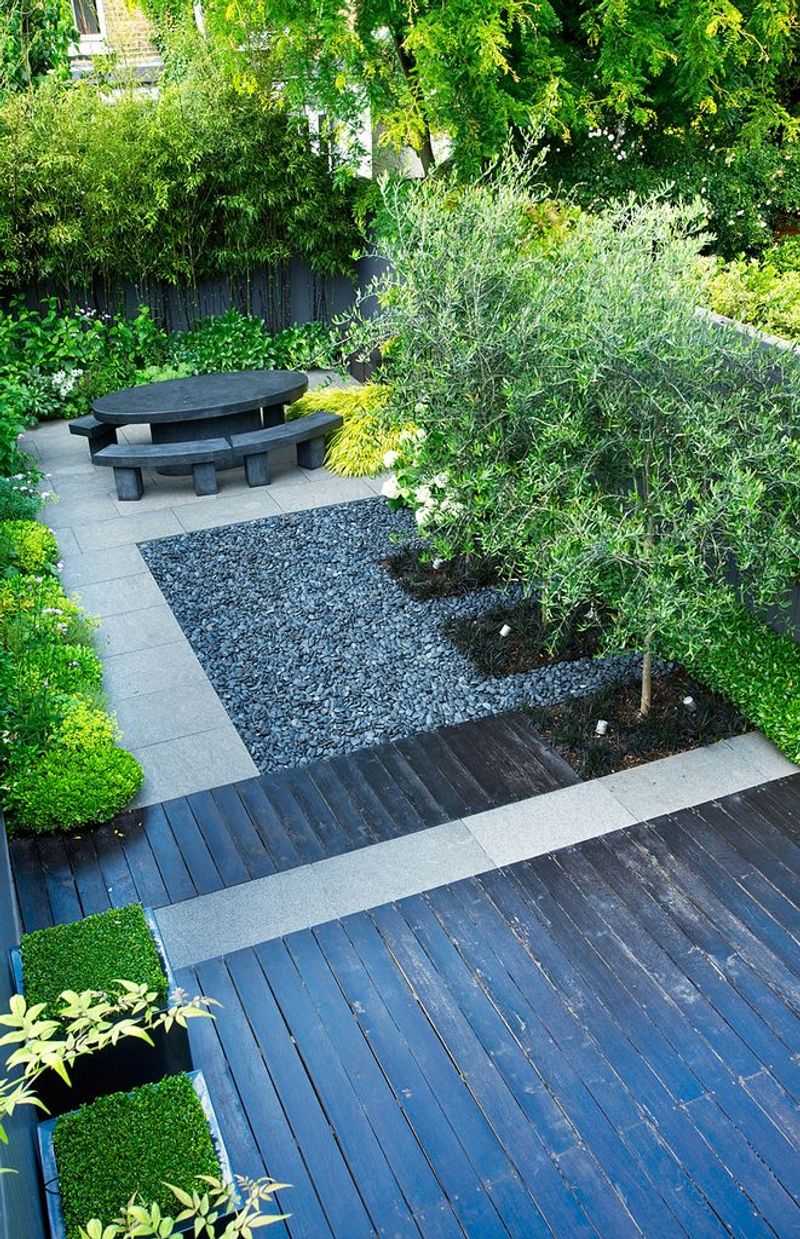
Dark-colored hardscaping brings a touch of modern elegance to gardens with elements like charcoal pavers, black mulch, and slate paths. These dark hues not only provide a sleek and sophisticated look but also cleverly hide dirt, maintaining the garden’s pristine appearance.
This trend is perfect for those who appreciate a minimalist aesthetic, where every element serves both form and function. The contrast between dark hardscaping and vibrant greenery creates a striking visual impact.
For a garden that exudes contemporary charm, dark-colored hardscaping is the way to go.
7. Bat & Bee Hotels
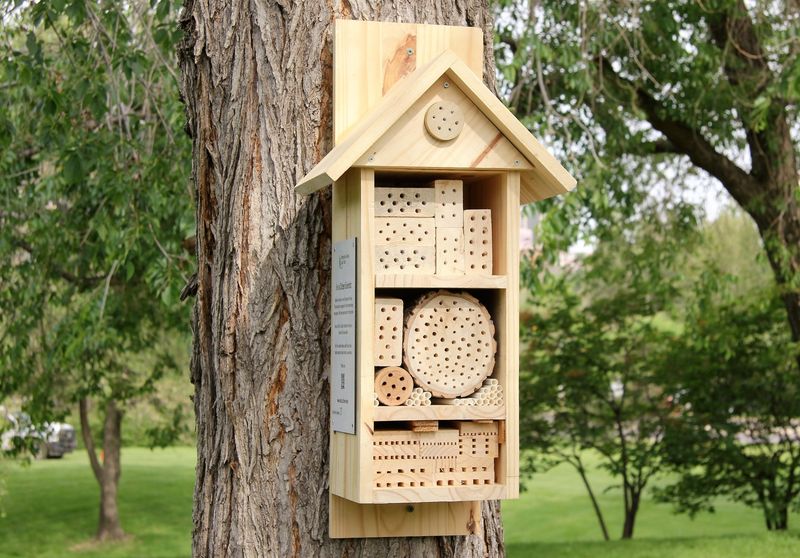
Bat and bee hotels are the epitome of eco-chic gardening, offering safe havens for these vital creatures. Bats contribute to natural pest control, while bees are essential pollinators that boost biodiversity.
By installing these wildlife shelters, gardeners can support local ecosystems while adding an educational and engaging element to their outdoor space. Watching these animals thrive provides a unique connection to nature.
For those passionate about wildlife conservation, bat and bee hotels make a significant yet simple impact on environmental health.
8. Rain Chains Over Downspouts
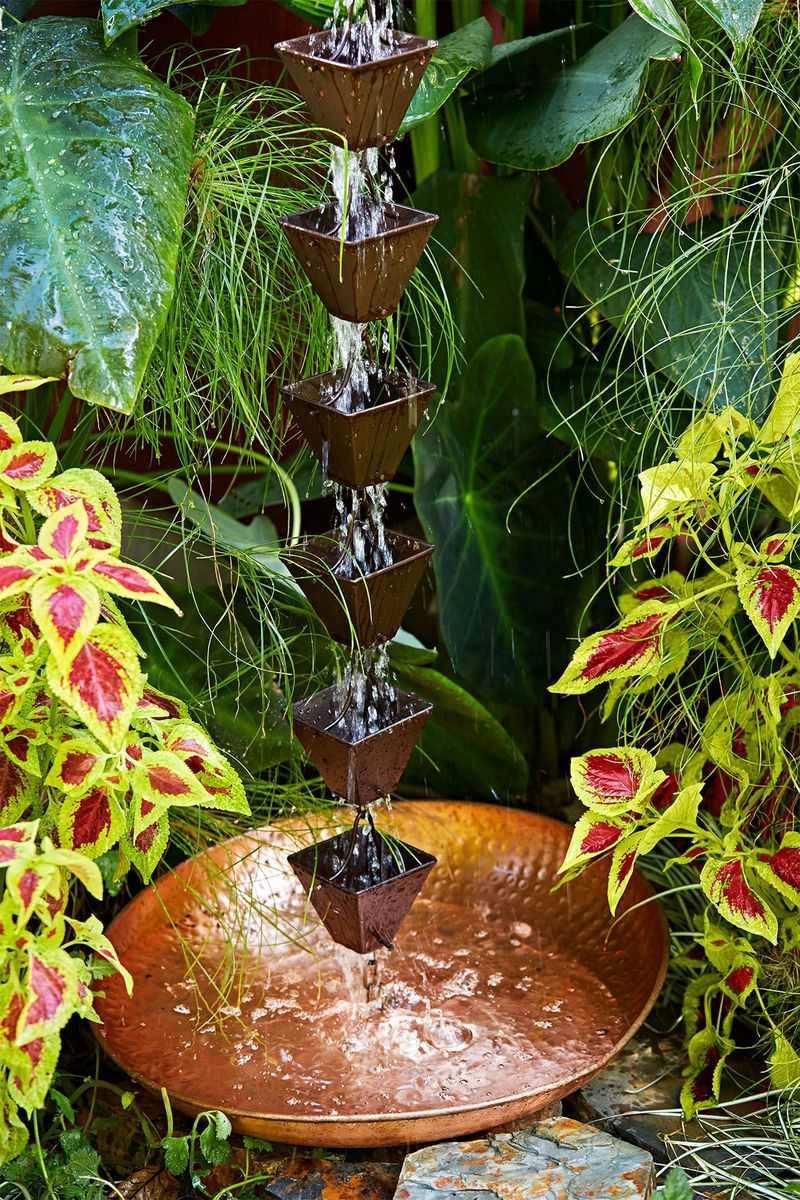
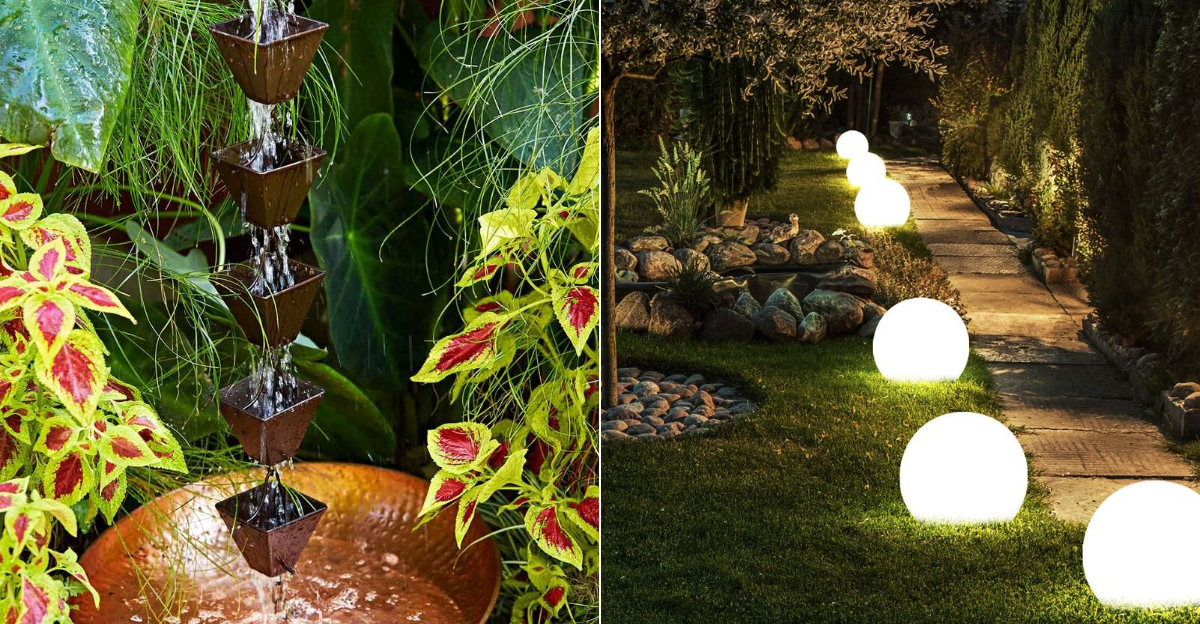
Replace traditional downspouts with decorative rain chains to elevate both the beauty and function of a garden. These chains guide rainwater into barrels, serving as both an artistic feature and a practical water-saving solution.
The gentle sound of water trickling down the chain creates a soothing ambiance, enhancing the sensory experience of the garden. It’s an elegant way to embrace sustainable practices without sacrificing style.
For those looking to add a unique and functional element to their garden, rain chains offer a perfect blend of form and eco-conscious design.
9. Neon & Glow-in-the-Dark Accents
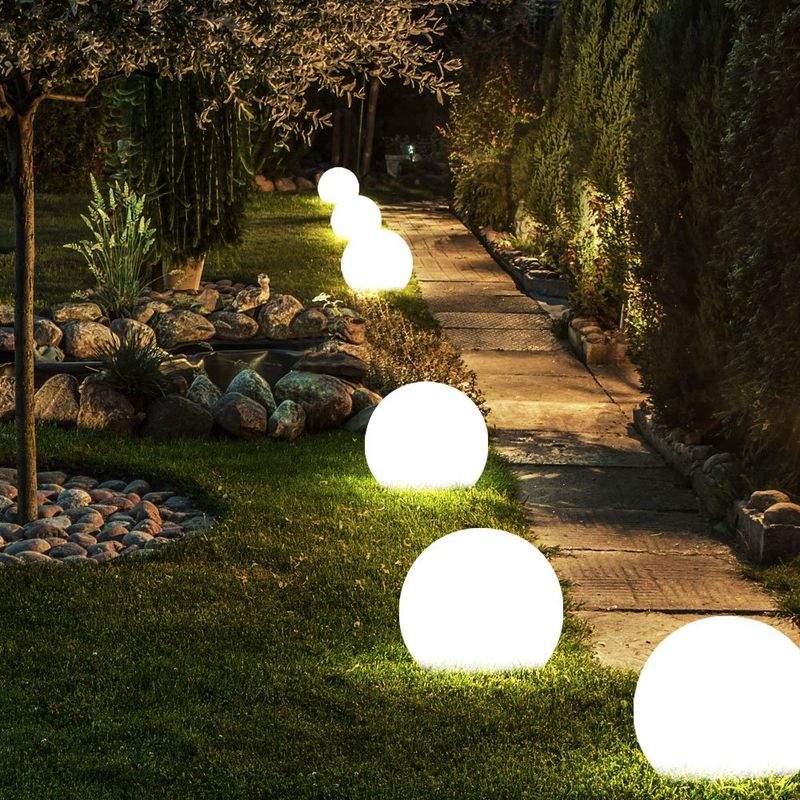
Bring a touch of magic to gardens with neon and glow-in-the-dark accents. Solar-powered LED pebbles and fluorescent planters add a playful and whimsical touch, transforming an ordinary garden into an enchanting nighttime wonderland.
These glowing elements come to life as the sun sets, creating a captivating atmosphere that’s both inviting and visually stunning. It’s a trend that appeals to those who love experimenting with light and color.
For a garden that dazzles after dark, neon and glow-in-the-dark accents offer a vibrant and imaginative solution.
10. Spiller-Thriller-Filler Pots
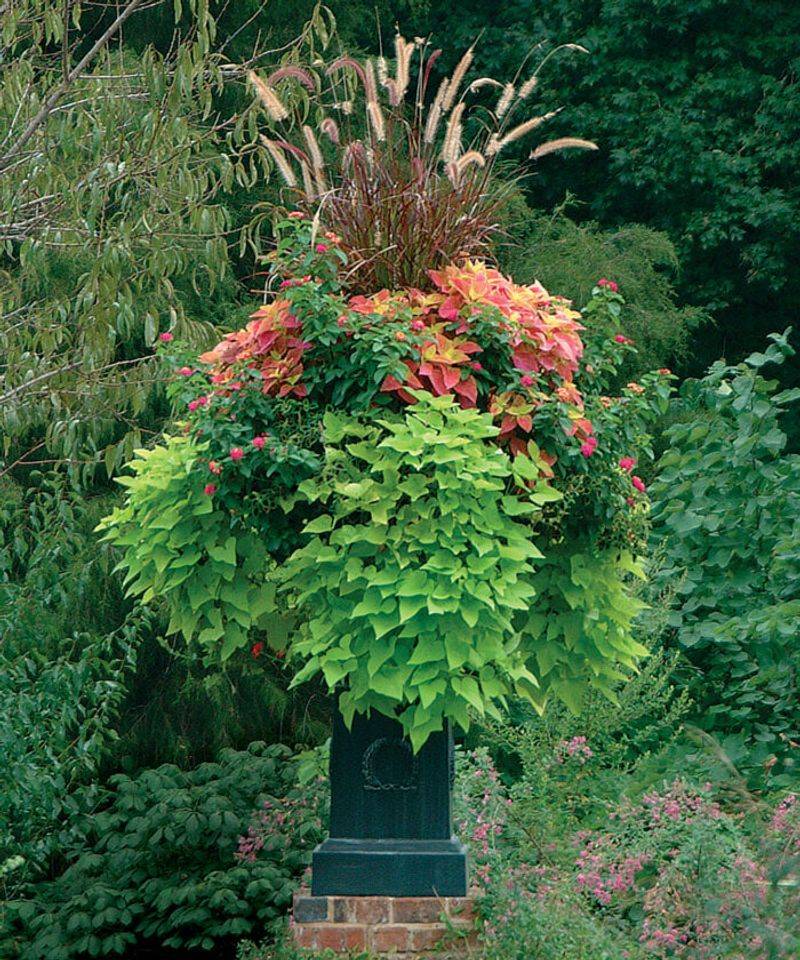
The spiller-thriller-filler pot technique is a delightful approach to container gardening. By combining a ‘thriller’ plant like purple fountain grass with ‘spiller’ ivy and ‘filler’ petunias, gardeners create lush and dynamic arrangements that capture attention.
This method allows for creativity and personalization, as different plant combinations can produce varied effects. It’s perfect for those who love experimenting with textures and colors in limited spaces.
For a container garden that stands out, the spiller-thriller-filler technique offers endless possibilities for unique and eye-catching displays.
11. Mini Ponds & Bog Gardens
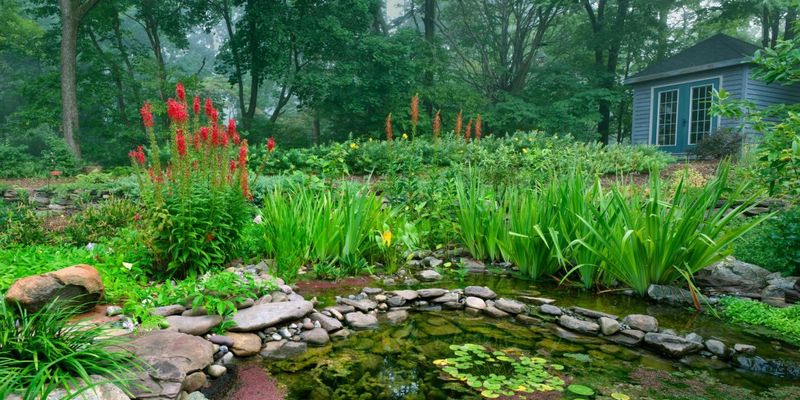
Mini ponds and bog gardens provide a serene escape within the garden, attracting dragonflies, frogs, and other wildlife. Even a simple whiskey barrel pond can host a vibrant ecosystem, turning a small space into a diverse habitat.
These water features offer both visual and auditory delight, with the gentle ripple of water adding tranquility to any garden setting. They also support local biodiversity, providing habitats for various species.
For nature lovers seeking to enhance their garden’s ecological value, mini ponds and bog gardens offer a beautiful and practical solution.
12. Moss Graffiti

Moss graffiti transforms ordinary walls into living canvases, where art meets nature. By blending moss with yogurt, gardeners can ‘paint’ designs onto walls, creating living murals that evolve over time.
This trend combines creativity with environmental consciousness, as moss naturally purifies the air and provides insulation. It’s an artistic expression that encourages sustainable practices while adding a unique aesthetic touch.
For those drawn to innovative and eco-friendly art forms, moss graffiti offers an exciting way to bring walls to life.
13. Fire-Resistant Landscaping
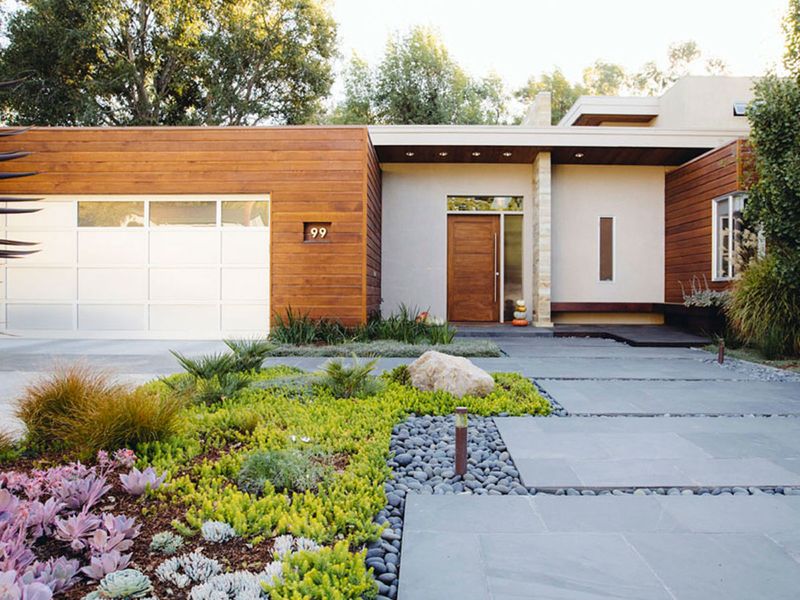
In fire-prone areas, fire-resistant landscaping is a crucial trend that combines safety with style. Gravel beds, succulent borders, and stone paths not only enhance a garden’s beauty but also provide essential protection against wildfires.
This approach minimizes flammable materials and incorporates fire-resistant plants, creating a defensible space around the home. It’s an important consideration for those living in vulnerable regions, offering peace of mind without sacrificing design.
For homeowners prioritizing safety and aesthetics, fire-resistant landscaping provides a smart and attractive solution.
14. AI Garden Assistants
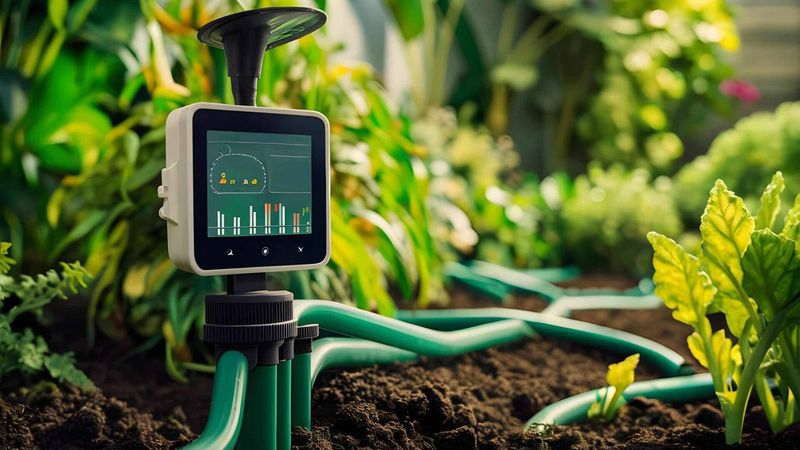
AI garden assistants are revolutionizing the way we care for plants by merging technology with nature. Smart sensors that track soil moisture and sunlight levels help gardeners maintain optimal growing conditions with ease.
This tech-savvy approach simplifies gardening tasks, allowing for more precise care and healthier plants. It’s ideal for those who embrace innovation and want to enhance their gardening experience through technology.
For tech enthusiasts looking to modernize their green spaces, AI garden assistants offer a cutting-edge solution that combines convenience with nature’s beauty.
15. “Ugly” Wildlife Gardens
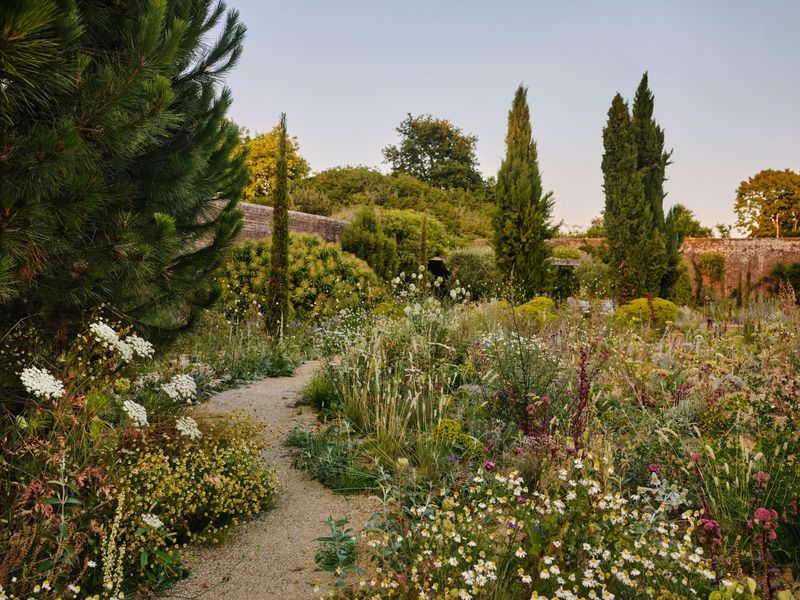
Embrace the beauty of “ugly” wildlife gardens, where messiness becomes a virtue. By leaving seed heads, logs, and leaf piles undisturbed, gardeners create welcoming habitats for critters, fostering a thriving ecosystem.
This intentional untidiness supports biodiversity, offering food and shelter to various creatures. It’s a trend that challenges traditional notions of garden aesthetics, celebrating nature’s wild side.
For those committed to environmental stewardship, “ugly” wildlife gardens provide a meaningful way to connect with nature and support local wildlife.
1. Perfectly Manicured Lawns
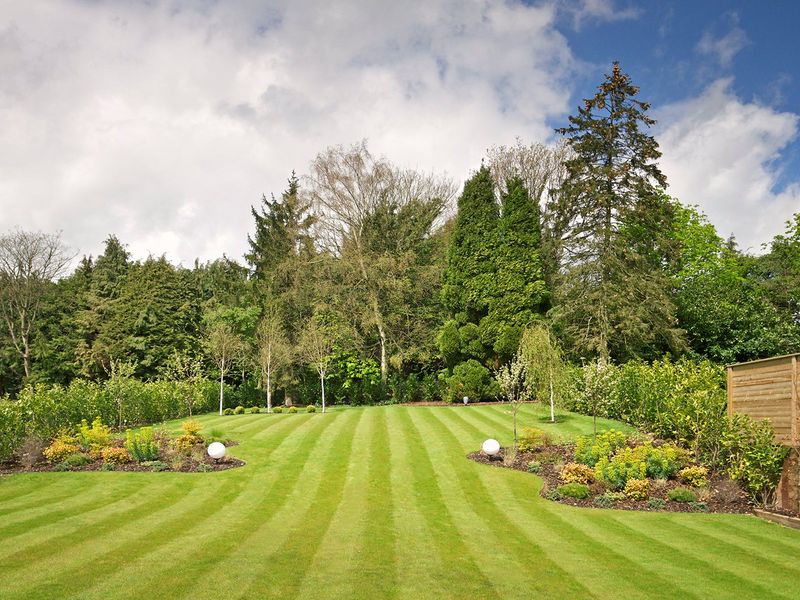
Once a symbol of pristine beauty, perfectly manicured lawns are now considered outdated. Their high water and maintenance demands make them unsustainable in today’s eco-conscious world.
Replacing traditional lawns with clover or native grasses offers a more environmentally friendly alternative, conserving water and reducing upkeep. This shift reflects a growing awareness of the need for sustainable practices in landscaping.
For those looking to align their gardens with modern values, moving away from manicured lawns is a step in the right direction.
2. Over-Designed Symmetry
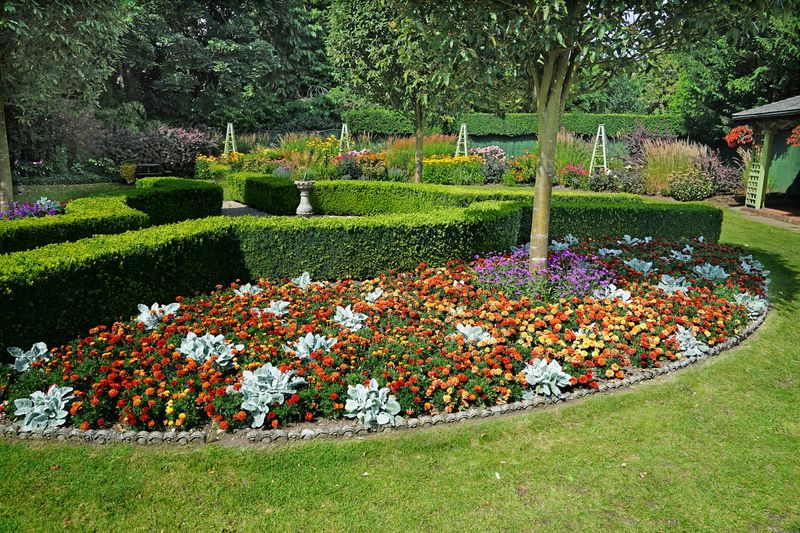
Over-designed symmetry, once a staple of garden elegance, now feels stiff and outdated. The rigid, matchy-matchy arrangements conflict with contemporary tastes that favor more natural and organic designs.
Today’s gardens celebrate diversity and spontaneity, moving away from controlled symmetry towards a freer expression of nature. This shift reflects a broader cultural appreciation for authenticity and individuality.
For those seeking to modernize their outdoor spaces, breaking away from over-designed symmetry offers a fresh and dynamic alternative.
3. Plastic Outdoor Furniture
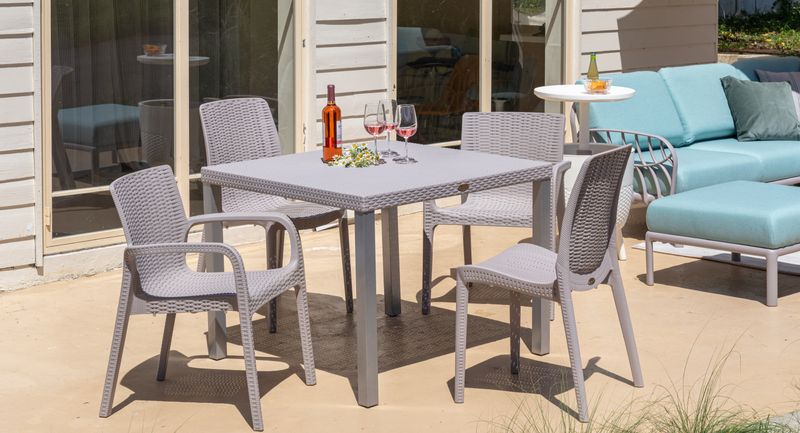
Plastic outdoor furniture is falling out of favor, as its tendency to fade and crack detracts from garden aesthetics. Homeowners are now opting for more durable and environmentally friendly materials like teak, metal, or recycled options.
This shift not only enhances the visual appeal of outdoor spaces but also supports sustainable practices by reducing plastic waste. It’s a trend that combines style with ecological responsibility.
By choosing alternatives to plastic, gardeners can create inviting and eco-conscious outdoor environments that stand the test of time.
4. Invasive Ornamentals
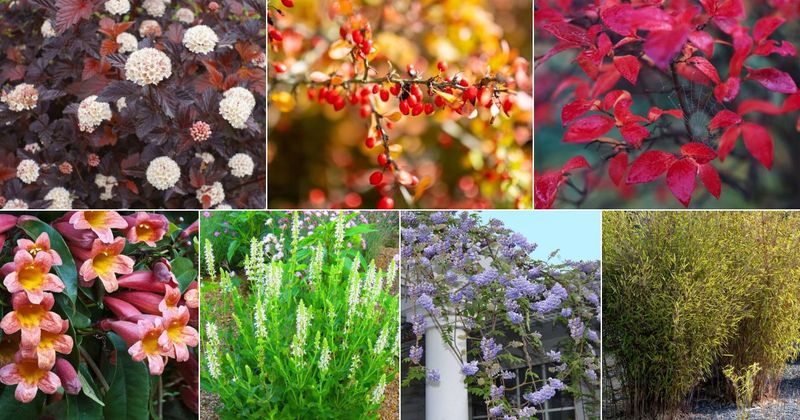
Invasive ornamentals, such as English ivy, bamboo, and Bradford pears, are losing their appeal due to their harmful impact on ecosystems. These plants often overrun native species, disrupting local biodiversity.
Gardeners are increasingly aware of the importance of choosing native or non-invasive plants that support, rather than hinder, environmental health. This trend reflects a growing commitment to ecological responsibility and sustainability.
For those passionate about preserving natural habitats, avoiding invasive ornamentals is a key step towards creating a harmonious garden.
5. All-White Gardens
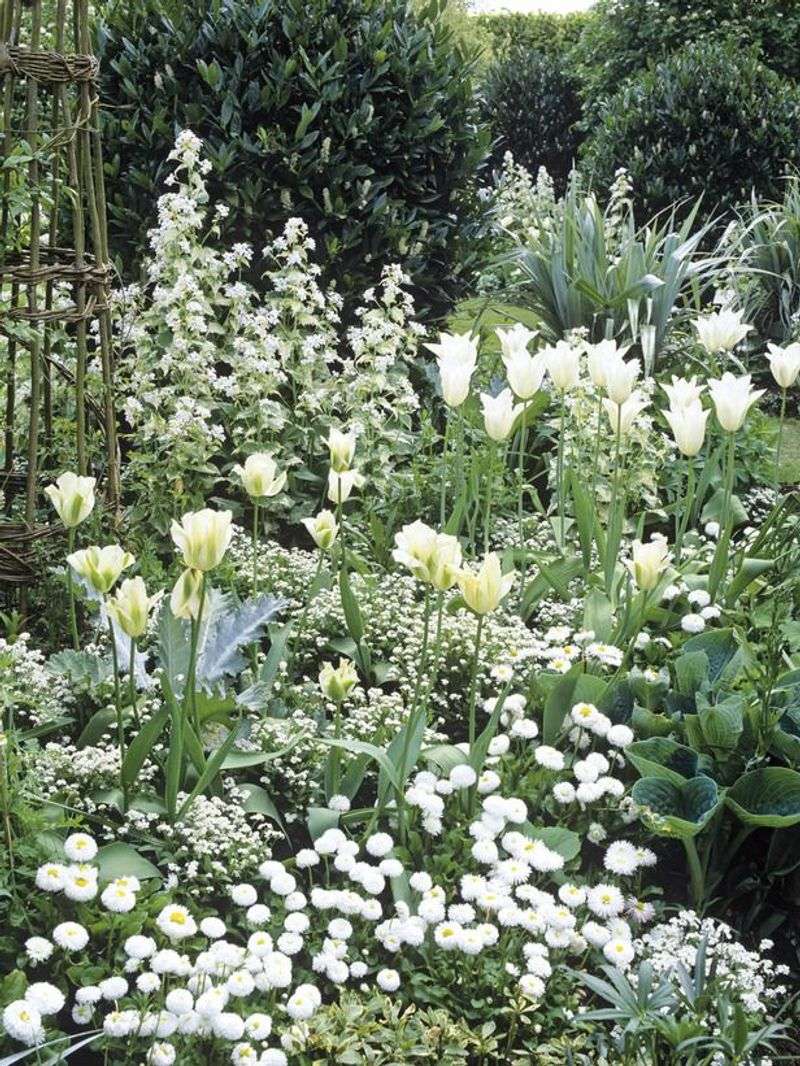
All-white gardens, once a symbol of elegance, are now seen as too sterile and uninviting. The lack of color diversity limits the garden’s vibrancy and ability to support a variety of pollinators.
Incorporating warm creams, yellows, and moody hues can transform these spaces, adding depth and energy. This shift towards richer palettes reflects a desire for more dynamic and life-filled gardens.
For those looking to infuse their gardens with warmth and vitality, moving beyond all-white designs offers a refreshing and colorful change.