
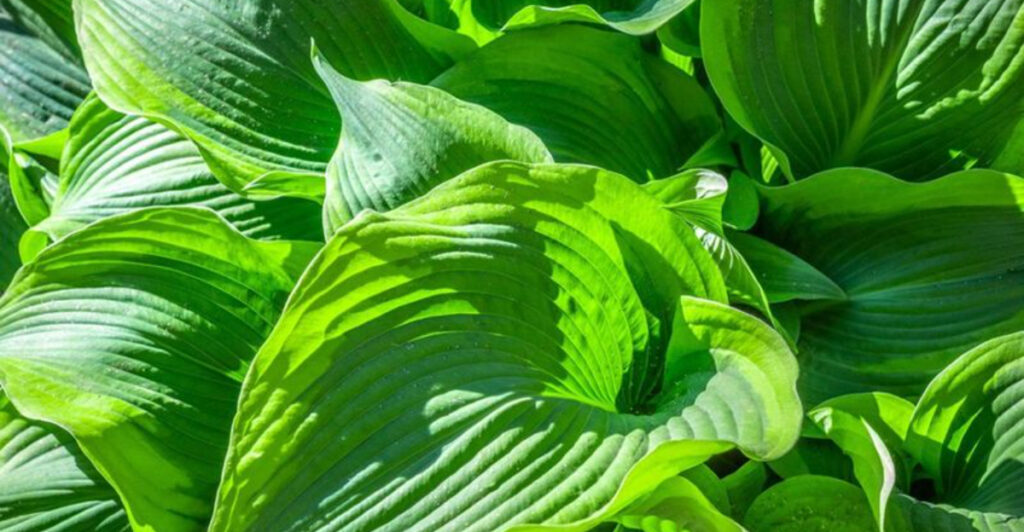
Discover the secrets to maintaining your hostas’ vibrant appearance even in the summer heat with these ten expert tips.
From watering techniques to pest control, each suggestion is designed to ensure your hostas remain lush, green, and beautiful throughout the season.
1. Water Deeply and Consistently
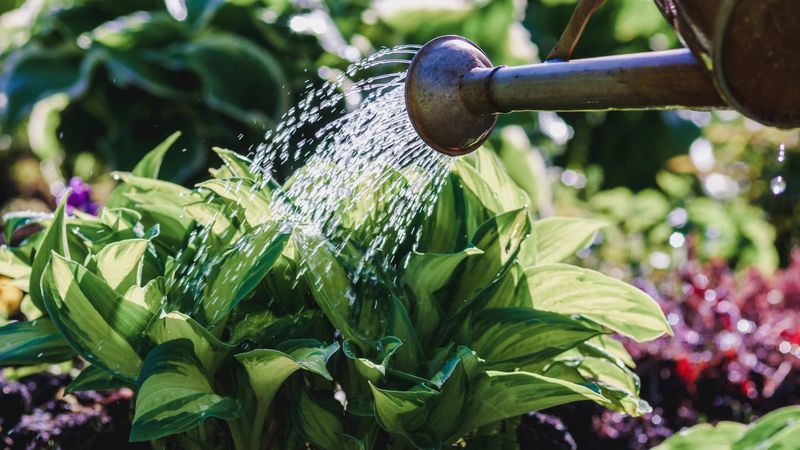
Hostas thrive with consistent deep watering, needing about an inch per week, more during dry spells. Watering in the early morning helps prevent fungal issues and leaf scorch. Use soaker hoses to direct water to the roots, encouraging them to grow deeper and more resilient. This method ensures that the plants remain hydrated and robust, even in hot weather. Deep watering creates a strong, healthy foundation for hostas, allowing them to flourish. The practice of early morning watering also shields the leaves from burning. By maintaining this routine, your hostas will stay lush and verdant throughout summer.
2. Provide Afternoon Shade
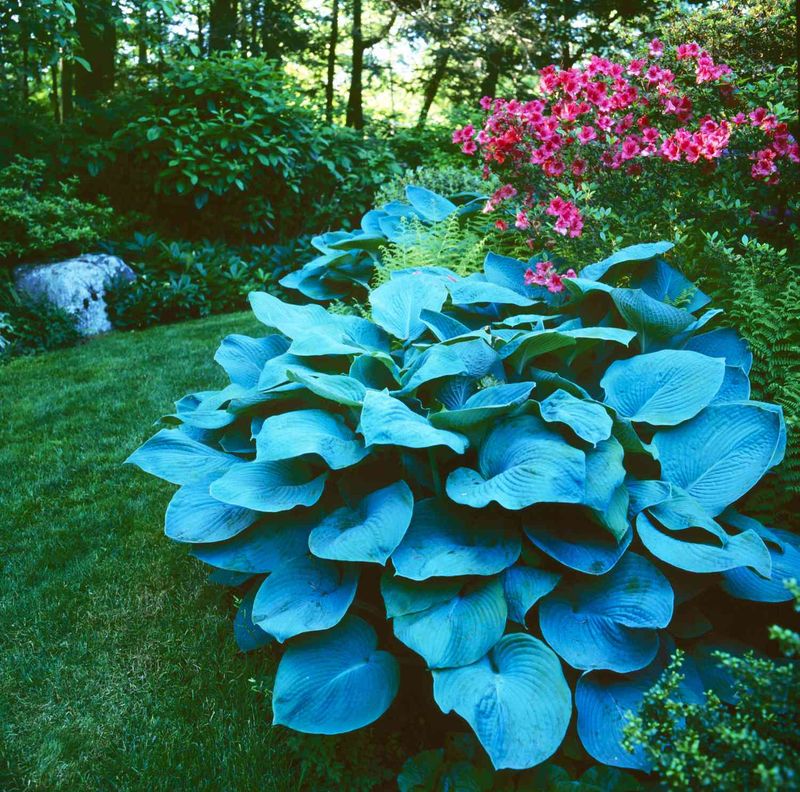
Hostas, while tolerant of some morning sun, require afternoon shade to prevent leaf burn. Positioning them under taller plants or trees creates a perfect environment for their growth. The dappled shade mimics their natural woodland habitat, offering protection from the harsh midday sun. This gentle cover helps preserve their lush, green leaves during summer. Selecting the right location ensures that hostas do not suffer from sunburn or dehydration. The addition of other shade-loving plants enhances the garden’s aesthetic. Providing shade is crucial for maintaining the visual appeal and health of your hostas. This simple step keeps them thriving.
3. Mulch to Lock In Moisture
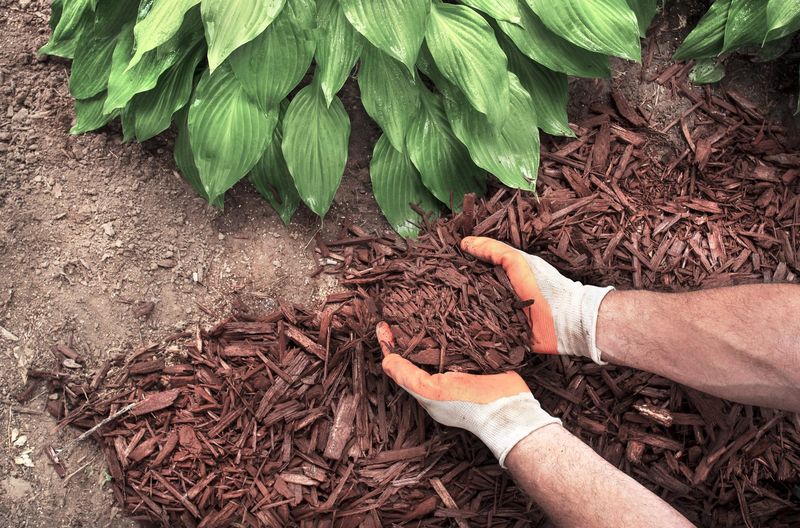
Applying a 2-3 inch layer of organic mulch around hostas locks in moisture and keeps roots cool. This practice is integral to maintaining their vibrant appearance, especially during hot summer months. Mulch not only conserves water but also deters weeds, reducing competition for resources. It provides an insulating barrier against temperature fluctuations. Shredded bark or compost works well without touching plant stems. By mulching, you create a stable environment conducive to growth. This simple addition enhances the hostas’ overall resilience, aiding in their continuous lush, green display. It’s a gardening strategy that offers multiple benefits.
4. Feed With a Balanced Fertilizer
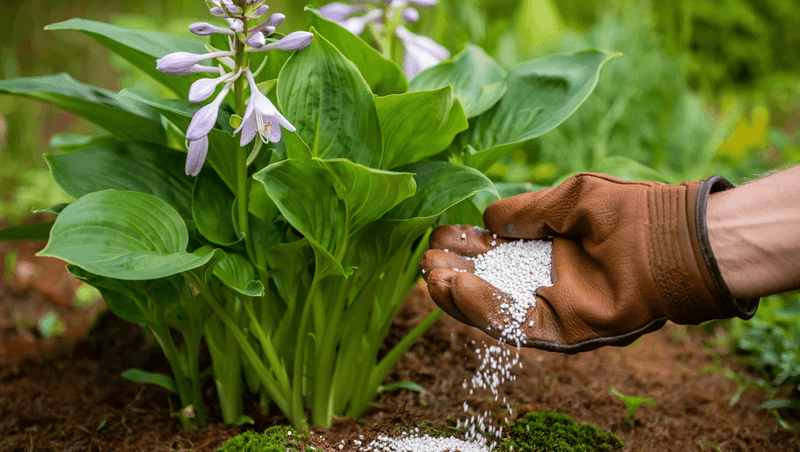
Hostas are heavy feeders and thrive with a balanced, slow-release fertilizer like 10-10-10. Early summer feeding supports lush leaf growth, ensuring vibrant green foliage. Over-fertilizing can burn roots, so moderation is key. Applying fertilizer boosts nutrient levels, aiding in robust development. By feeding your hostas, you’re providing essential nutrients that enhance their natural beauty. The right balance of nutrients fosters strong, sturdy plants. This care practice is crucial in maintaining their health and visual appeal. It’s a proactive approach to gardening that ensures your hostas remain lush and beautiful throughout the growing season.
5. Watch for Slugs and Snails
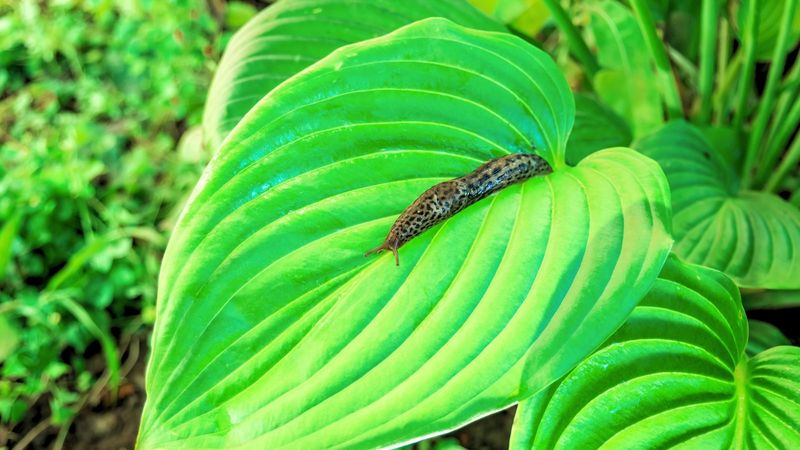
Slugs and snails are notorious for damaging hosta leaves, leaving unsightly holes. Combat these pests by using slug bait, copper tape, or beer traps. Maintaining a clean garden with minimal mulch thickness reduces hiding spots for these creatures. Vigilance in pest control ensures your hostas stay lush and attractive. By addressing this issue, you preserve the plant’s aesthetic integrity. The use of natural deterrents protects the environment while safeguarding your plants. Monitoring for slugs and snails is an essential part of hosta care, preventing significant damage and keeping your garden vibrant and healthy.
6. Deadhead Spent Flowers
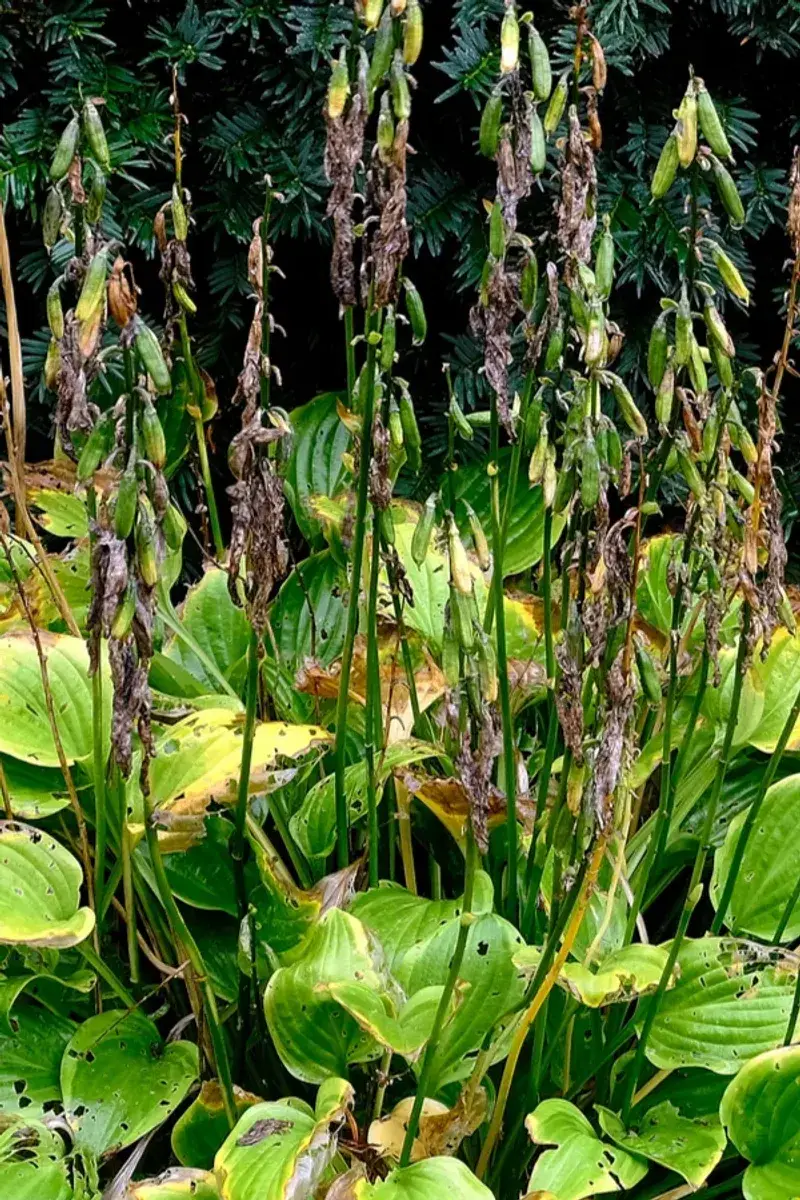
Deadheading spent flowers redirects energy back into foliage, enhancing the hostas’ appearance. Once blooms fade, cut back flower stalks to promote a tidy, robust look. This practice encourages the plant to focus on leaf growth, improving its overall health and aesthetic. Deadheading is a straightforward process that contributes to tidy, vigorous hostas. Removing spent blooms prevents seed formation, allowing the plant to conserve energy. This gardening technique is essential for maintaining lush, green leaves. By concentrating on foliage, you uphold the hostas’ visual appeal, ensuring they remain a standout feature in your garden throughout summer.
7. Divide Overcrowded Plants
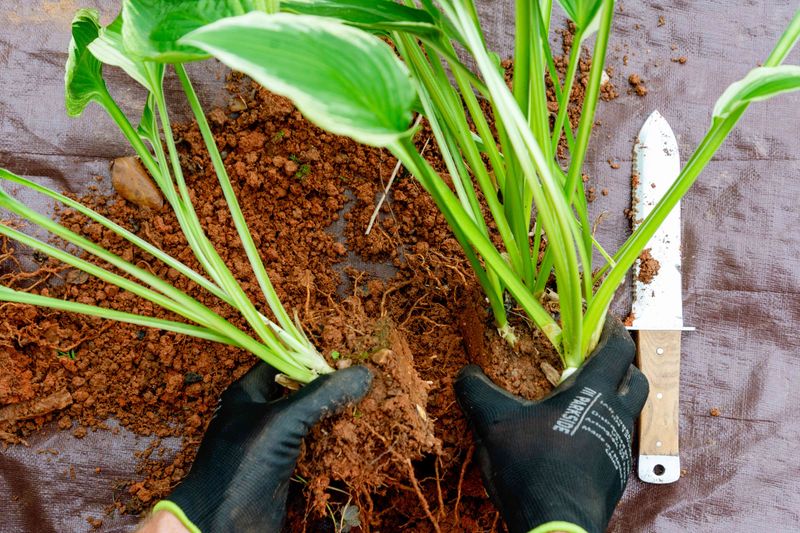
Overcrowded hostas may look tired or have dying centers, indicating it’s time to divide. Every 3-5 years, dividing these plants rejuvenates growth and boosts airflow. This process involves carefully separating clumps to encourage new growth and vitality. It enhances the garden’s overall appearance by promoting healthier plants. Dividing hostas is a rewarding task that breathes new life into your garden. By replanting sections, you maintain lush, attractive foliage. The action prevents diseases and encourages robust growth, allowing your garden to thrive. This proactive approach ensures that your hostas remain lush and vibrant for years to come.
8. Remove Damaged or Yellowing Leaves
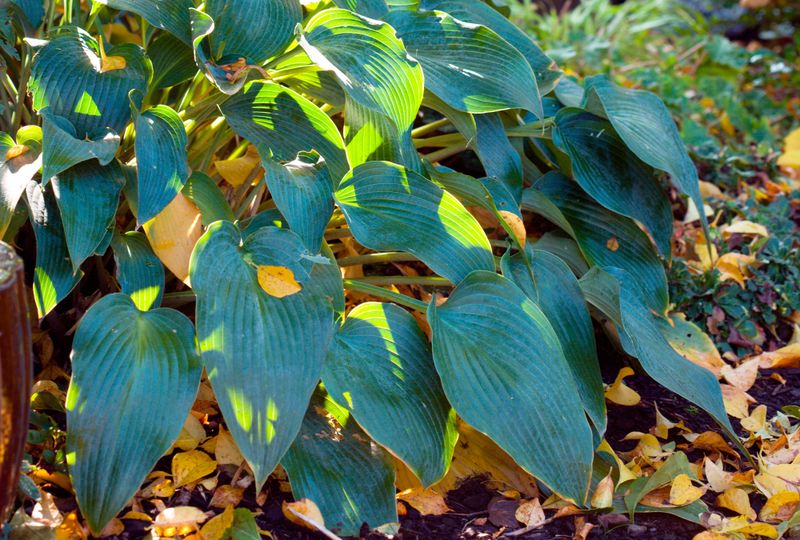
Pruning damaged or yellowing leaves keeps hostas looking fresh and prevents disease spread. Using clean shears, remove any wilted or burned leaves. This maintenance task enhances the plant’s overall appearance and health. By eliminating unsightly foliage, you focus the plant’s energy on healthy growth. Regular pruning is a simple way to maintain your hostas’ lush, green look. It ensures that the plants receive adequate sunlight and airflow, vital for their development. Addressing damaged leaves promptly safeguards the plant’s health and visual appeal, making them a standout feature in your garden landscape.
9. Choose Sun-Tolerant Varieties

Selecting sun-tolerant hosta varieties like ‘Sum and Substance’ and ‘Guacamole’ helps them thrive in partial sun areas. These varieties withstand brighter spots without scorching, maintaining their lush appearance. The right choice in hosta varieties ensures a vibrant garden, even in challenging conditions. This adaptability makes them suitable for diverse planting areas. By choosing these hardy varieties, you enhance your garden’s resilience and beauty. They provide a solution for spaces with more sun exposure, allowing you to enjoy hostas in various settings. This selection process is key to sustaining a lush, appealing garden.
10. Watch for Fungal and Virus Signs
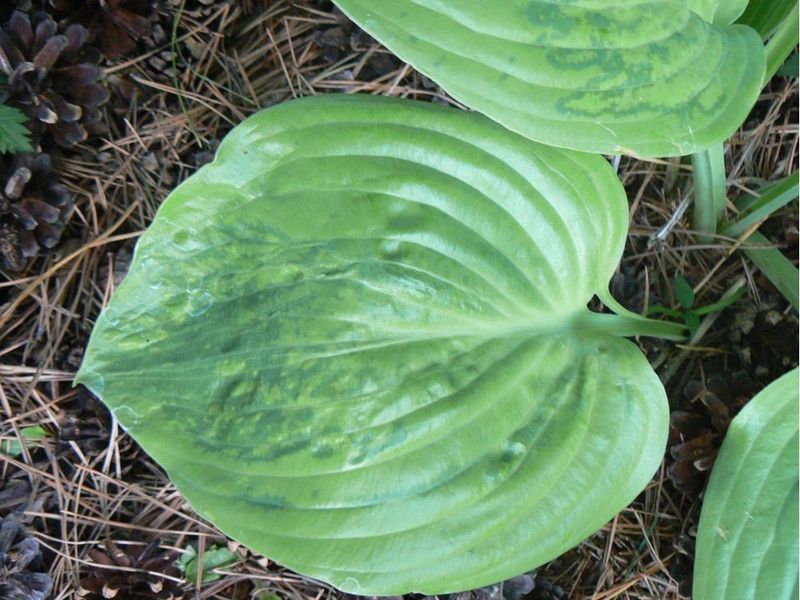
Monitoring for fungal and viral signs like streaked or puckered leaves is vital in hosta care. Hosta Virus X requires removal of infected plants to prevent spreading. Regular inspection helps maintain the health of your garden. Sanitizing tools between cuts avoids contamination. Vigilance in spotting these issues ensures your hostas remain lush and healthy. Early detection and action are crucial in preserving the plant’s vitality. By addressing potential threats promptly, you safeguard your garden’s beauty. This proactive stance in gardening keeps your hostas thriving and ensures a vibrant, disease-free environment.