
Tomato plant leaves curling is a common issue that gardeners face, often leading to unnecessary stress and concern.
Understanding the reasons behind this phenomenon, and how to address them effectively, can ensure your tomato plants thrive.
Below are seven key causes of leaf curl and actionable solutions to fix each problem swiftly.
1. Environmental Stress (Most Common Cause)
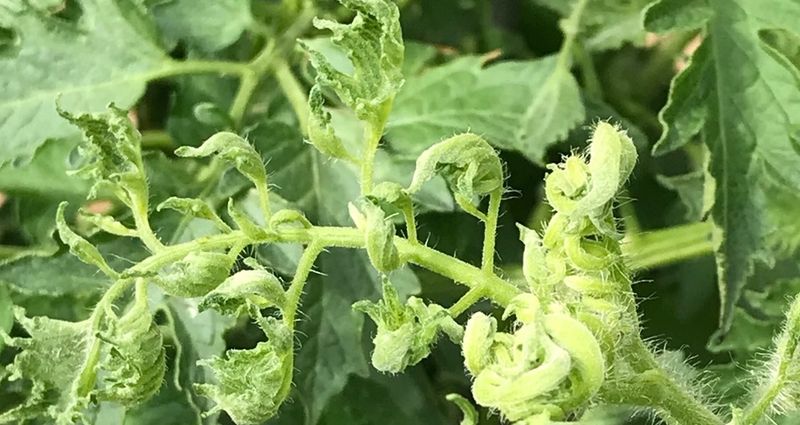
In the scorching heat, tomato plants may react by curling their leaves inward or upward to conserve moisture. This defensive mechanism, akin to drawing curtains against blazing sun, highlights the plant’s resilience.
To alleviate this condition, water the plants deeply in the early morning, ensuring the moisture reaches the roots. Adding mulch can also aid in retaining soil moisture, creating a more hospitable environment for the plant.
During extreme heat, consider using row covers or shade cloth to provide necessary protection. These simple steps can help your plants flourish despite environmental stress.
2. Overwatering or Poor Drainage
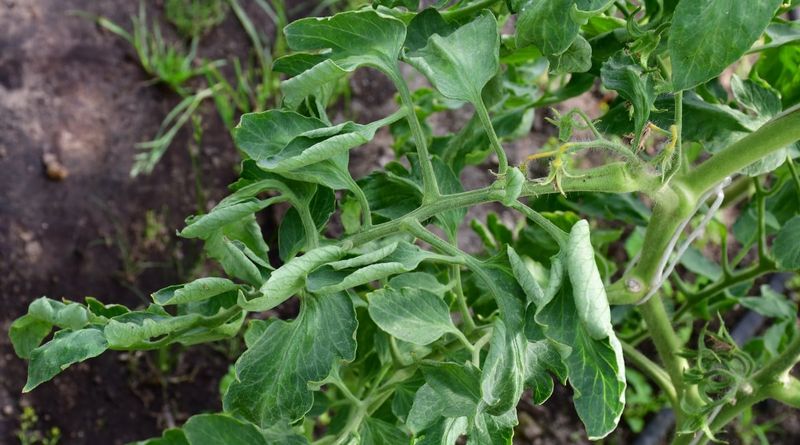
Sometimes, love for your plants can lead to overwatering, a common mistake among gardeners. Tomato leaves may curl downward and turn yellow, signaling distress from waterlogged roots.
To remedy this, allow the soil to dry slightly between waterings. Ensure your containers have adequate drainage holes to prevent water accumulation.
Improve the soil’s structure by mixing in compost or perlite to enhance drainage. By moderating watering habits and enhancing soil quality, you can restore balance and vitality to your tomato plants.
3. Herbicide Damage
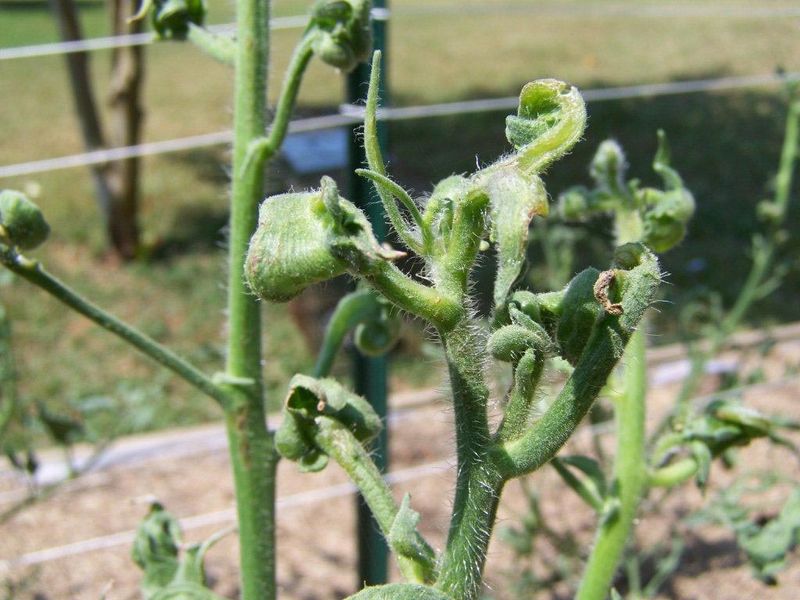
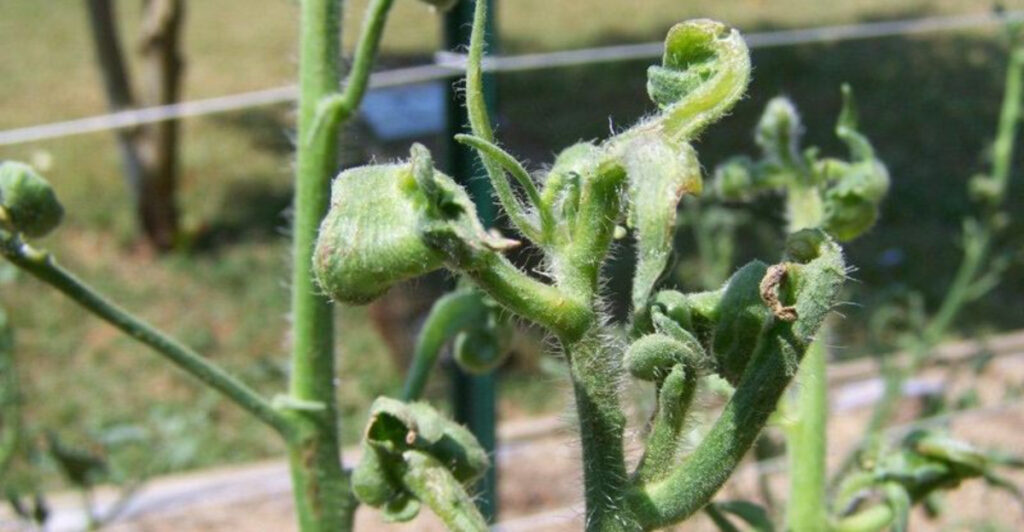
Herbicides can be a gardener’s best friend or worst enemy. When drift from weed killers strikes, tomato leaves may curl, twist, or become deformed. Identifying and eliminating the source is crucial.
If compost is contaminated, cease its use immediately. Unfortunately, severe herbicide damage can be irreversible, leaving no room for recovery.
Choose your weed management strategies wisely to prevent collateral damage to your beloved tomato plants.
4. Pest Infestations (Like Aphids or Whiteflies)
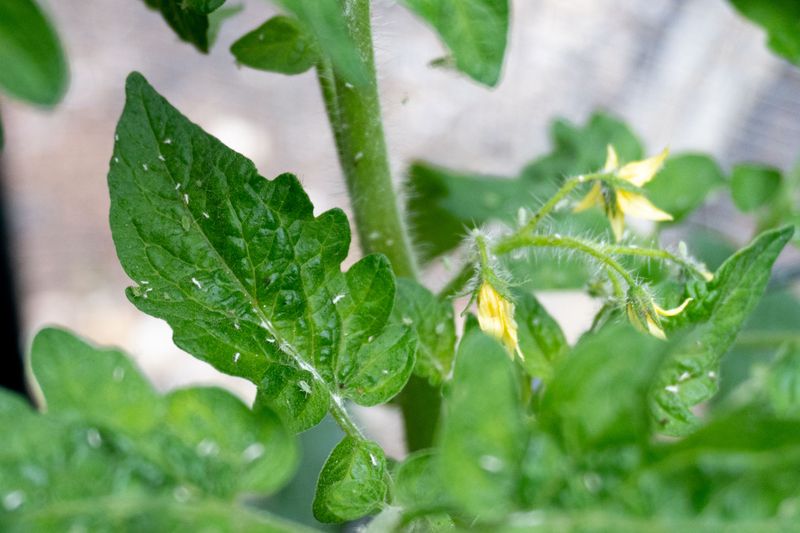
Aphids and whiteflies might be tiny, but their impact on tomato plants can be monumental. These pests extract sap, causing leaves to curl and become sticky or misshapen.
Regularly inspect the undersides of the leaves where these intruders often hide. Spraying with neem oil or insecticidal soap can help combat these pests.
Yellow sticky traps can also be employed to monitor and reduce whitefly populations. Vigilance and prompt action can keep your tomato plants healthy and pest-free.
5. Viral Infections
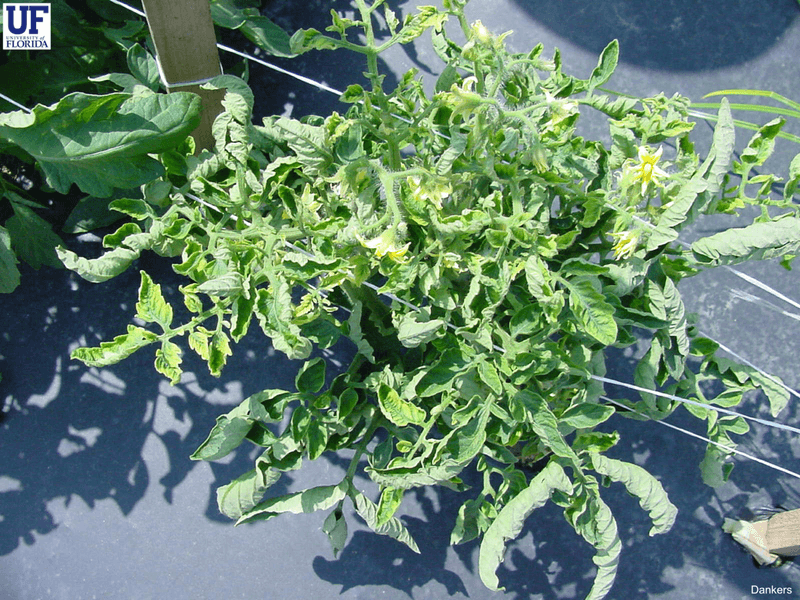
When viral infections strike, the result is often devastating for tomato plants. Diseases like the Tomato Yellow Leaf Curl Virus lead to leaf distortion and plant stunting.
Regrettably, these viral infections are incurable, demanding the removal of infected plants to halt further spread.
Sanitizing tools before and after use is vital to prevent contamination. Understanding and acting swiftly can mitigate these viral threats to your garden.
6. Nutrient Imbalance
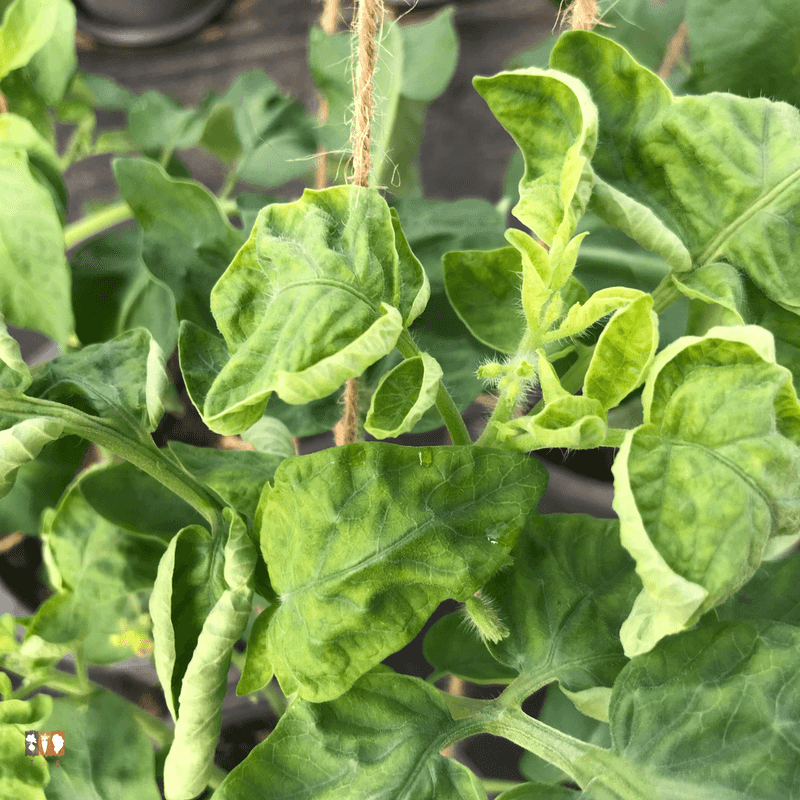
Nutrient imbalances, particularly calcium or magnesium deficiencies, can lead to curling leaves. Imagine a plant signaling its craving for a balanced diet.
To correct this, apply a well-rounded tomato fertilizer to meet the plant’s nutrient needs. If magnesium is lacking, consider adding Epsom salts—one tablespoon per gallon of water.
These steps can enrich the soil, allowing your plants to thrive with vigor and resilience.
7. Transplant Shock
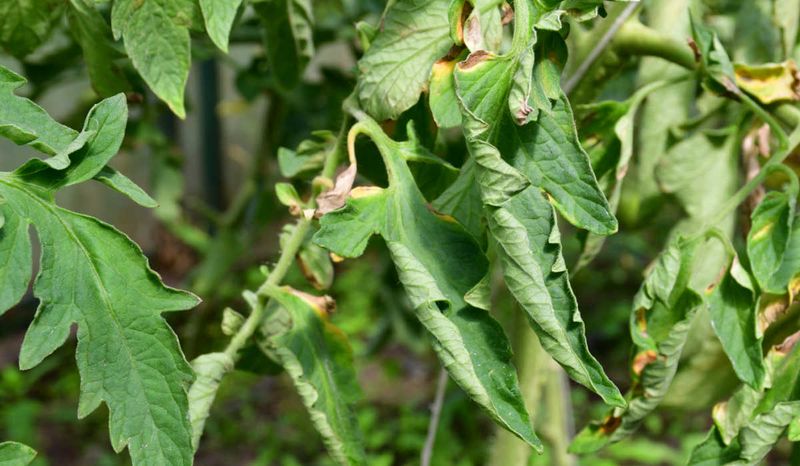
Moving to a new environment can be taxing, even for plants. After transplanting, tomatoes may show signs of stress through curled leaves as they adjust to new conditions.
To ease this transition, water the plant thoroughly and consistently to maintain soil moisture. Gradually exposing seedlings to outdoor conditions before planting can also help.
These measures can smooth the transition, helping your tomato plants settle into their new home with ease.