
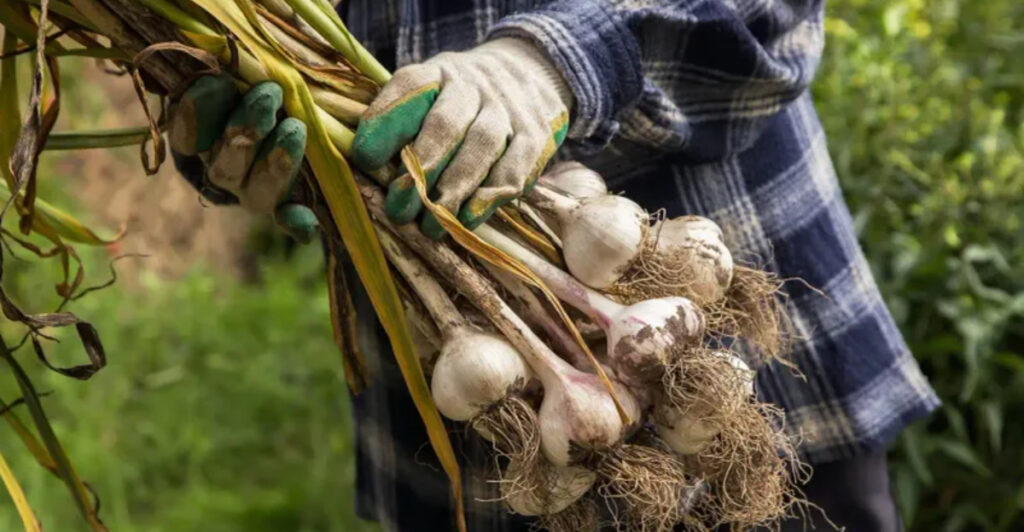
In times of crisis, having a sustainable source of nutrition is crucial. Growing your own garden crops is not only a rewarding endeavor but also a vital step towards self-sufficiency. This guide explores 30 essential crops that thrive in various conditions, providing nourishment and resilience. From fast-growing greens to hardy perennials, these plants offer a diverse bounty, ensuring you have the resources needed to sustain yourself and your family.
1. Radishes (25-30 days)
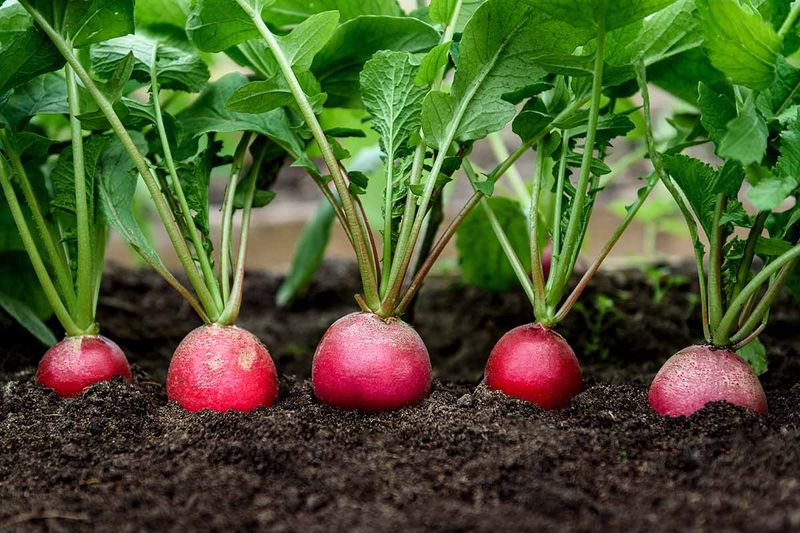
In just under a month, radishes spring to life, offering vibrant color and crisp texture. Their small size makes them perfect for tight spaces, and they thrive in almost any soil. Radishes not only provide quick nourishment but also add a peppery zing to salads.
2. Spinach (30-45 days)
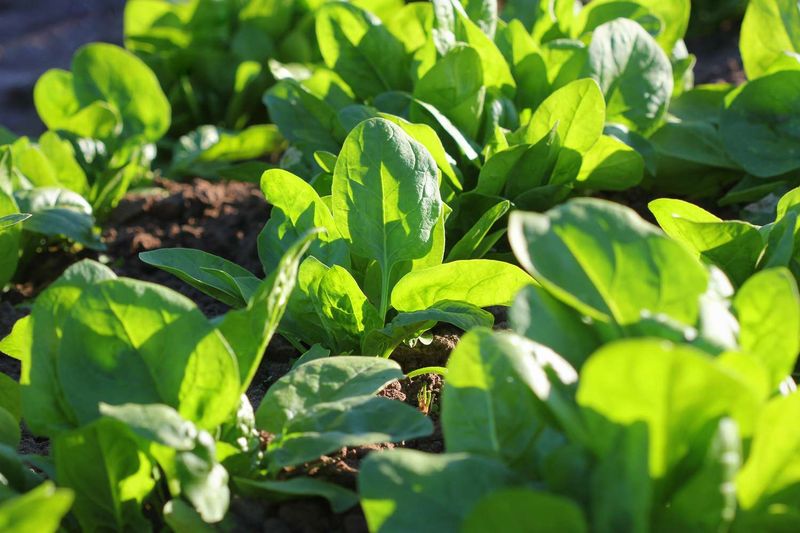
Spinach stands as a cold-hardy powerhouse, rich in iron and essential vitamins. Its lush, green leaves are perfect for fresh salads or cooked dishes. Spinach’s resilience makes it a favorite for many gardeners seeking nutrition and taste.
3. Lettuce (30-50 days)
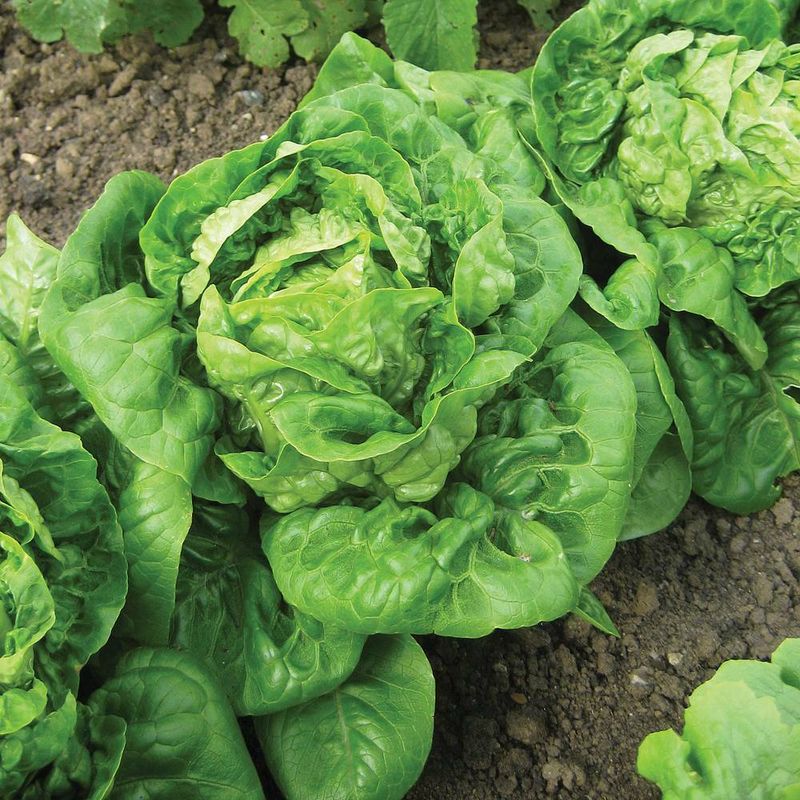
Lettuce is the epitome of a versatile garden staple, with cut-and-come-again varieties that regrow after each harvest. Its mild flavor complements an array of dishes, making it indispensable in salads and wraps.
4. Arugula (30-40 days)
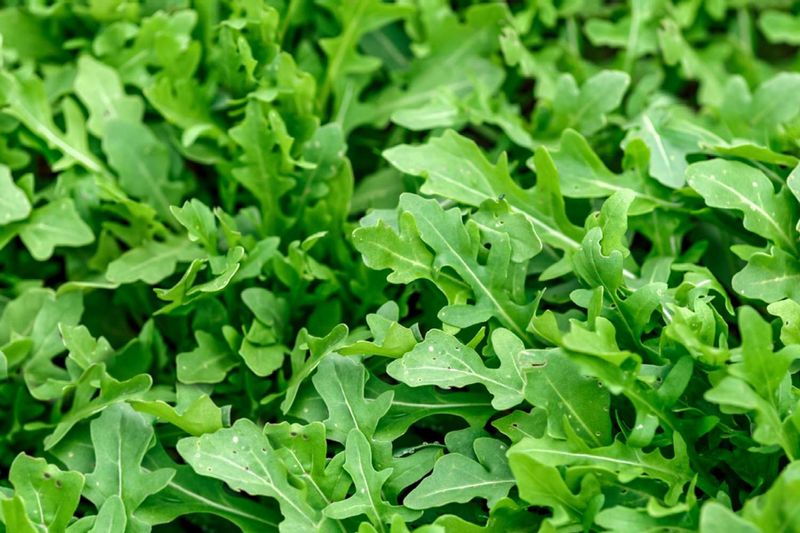
Arugula’s peppery greens bring a unique zest to the table, known for their robust flavor. As a self-seeding plant, arugula returns year after year, offering a perpetual harvest. It’s a perfect choice for those who love a bit of spice.
5. Bok Choy (30-45 days)
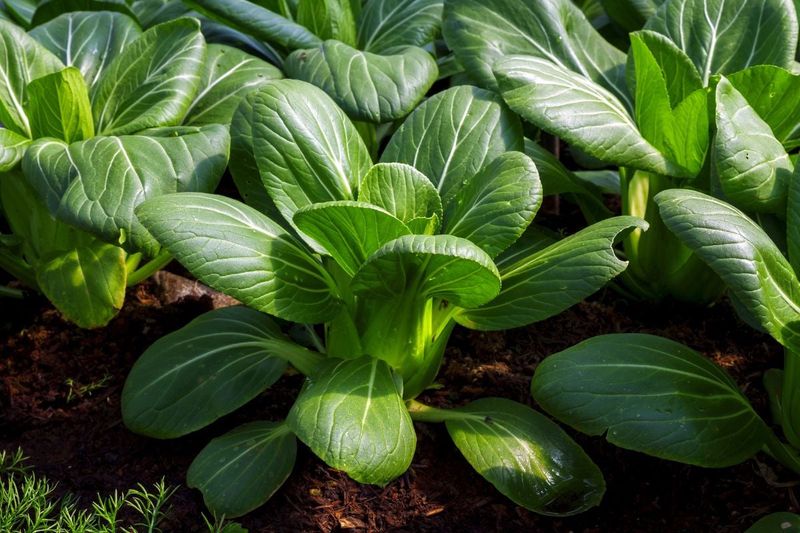
Bok Choy, a nutrient-dense Asian green, delights with its crunchy texture and subtle flavor. Its rapid growth and adaptability to various climates make it a reliable choice. Enjoy it steamed, stir-fried, or fresh.
6. Green Onions (30-60 days)
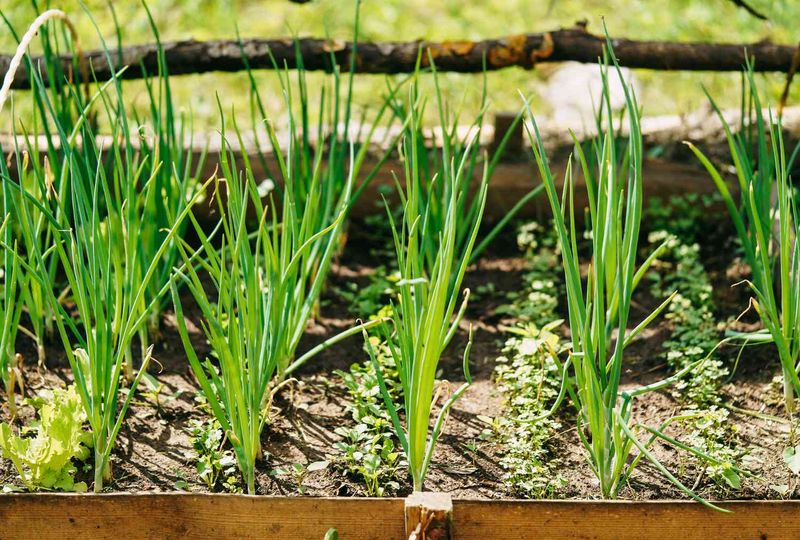
Green onions are the gift that keeps on giving, regenerating from scraps and offering an endless supply. Their mild yet flavorful taste enhances countless dishes, making them a kitchen staple.
7. Kale (50-60 days)
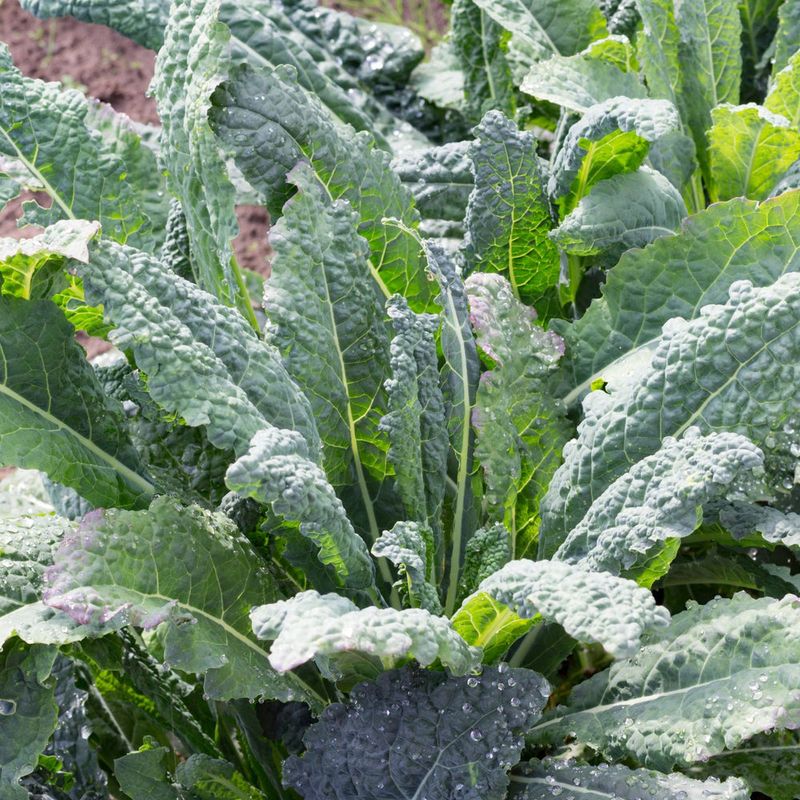
Kale reigns supreme among cold-tolerant vegetables, packed with nutrients and robust flavor. Its versatility in the kitchen makes it a favorite for smoothies, salads, and more. Kale’s resilience means it can withstand chilly conditions, ensuring a hearty harvest.
8. Mustard Greens (30-40 days)
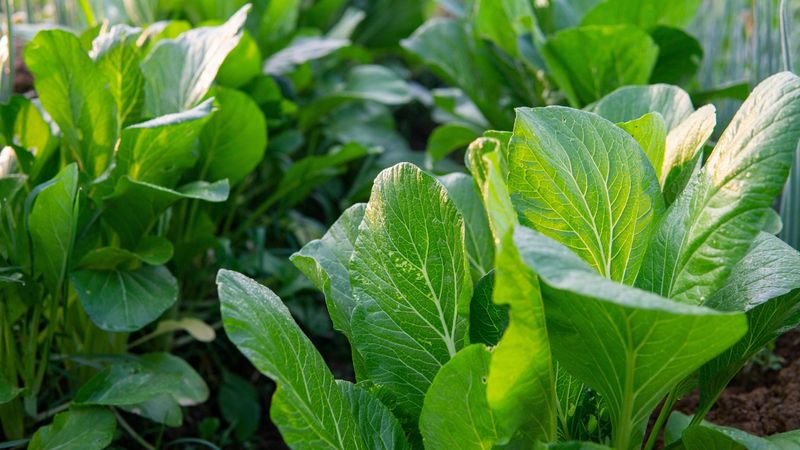
Mustard greens offer a spicy kick, growing rapidly in a variety of soils. Their unique flavor profile makes them a standout addition to salads and sautés. Mustard greens are known for their quick growth and nutritional benefits.
9. Turnips (40-60 days)
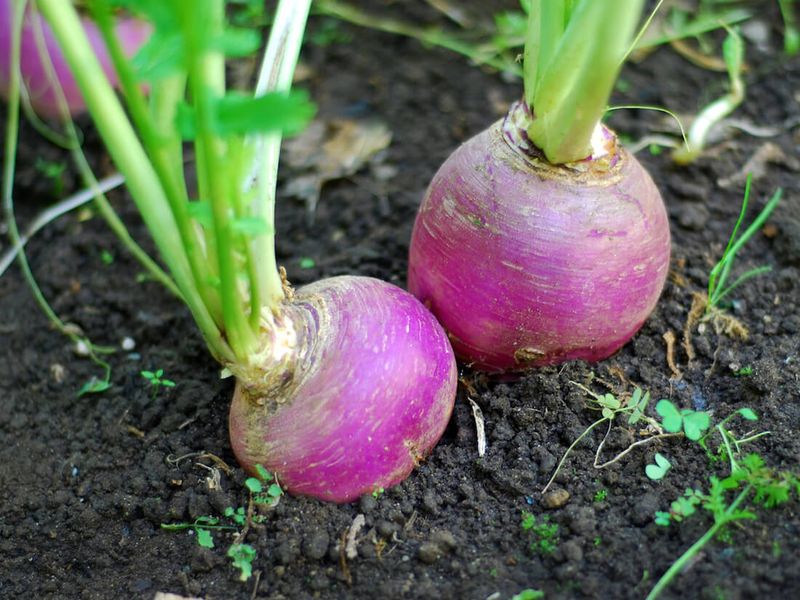
Turnips boast dual benefits with edible greens and roots, providing diverse culinary applications. Their mild, slightly sweet flavor enhances both raw and cooked dishes. Turnips are a versatile and rewarding crop for any gardener.
10. Beets (50-60 days)
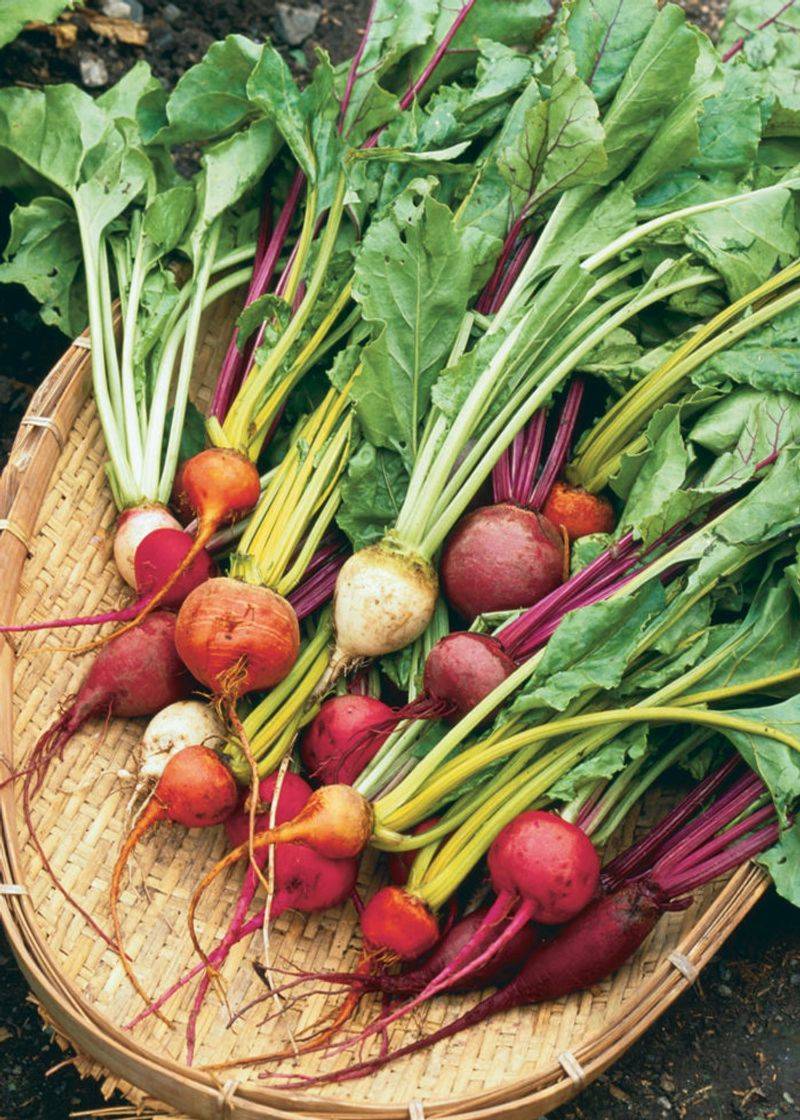
Beets are a gardener’s delight, known for their earthy sweetness. While waiting for the roots, enjoy the nutritious greens. Beets’ vibrant color and flavor make them a staple in both salads and roasted dishes.
11. Potatoes (70-120 days)
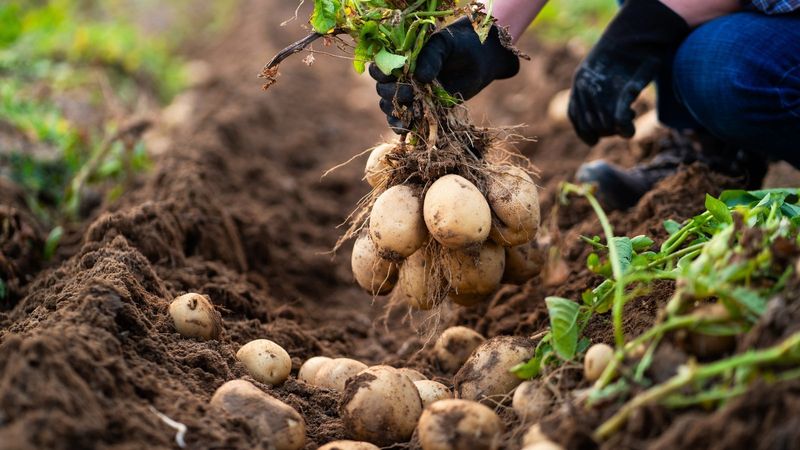
Potatoes are a high-calorie staple, essential for sustenance with their hearty texture and flavor. Their ability to store well makes them a vital crop for long-term survival. From mash to fries, potatoes offer a comforting meal.
12. Sweet Potatoes (90-120 days)
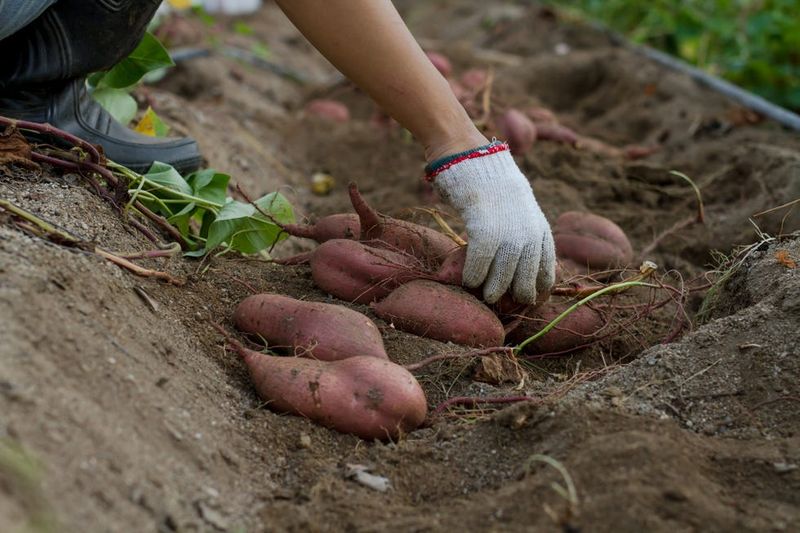
Sweet potatoes thrive in drought conditions, offering a nutritious, sweet flavor. Their vibrant orange flesh is packed with vitamins, making them a healthy choice. These tubers store well, providing sustenance throughout the year.
13. Winter Squash (80-120 days)
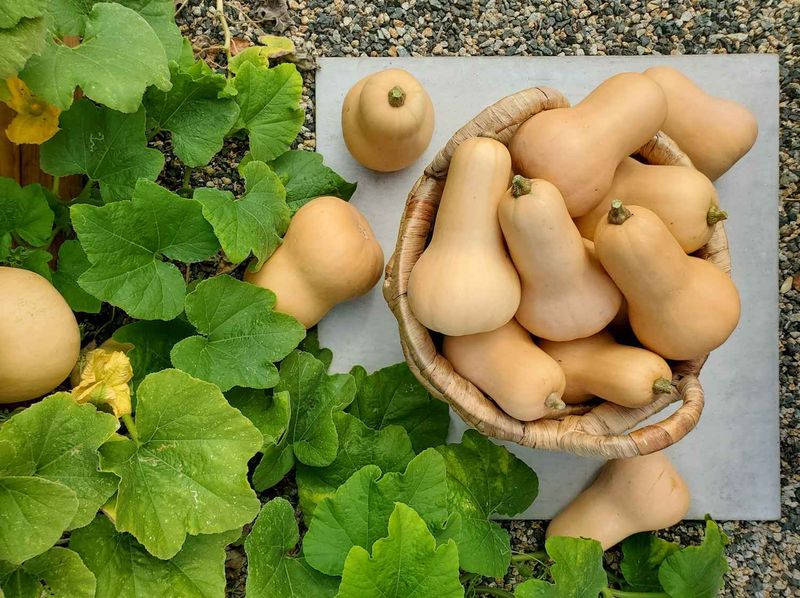
Winter squash stands out with its firm texture and sweet, nutty flavor. Its long shelf life makes it ideal for storage, providing nourishment for months. Whether baked, roasted, or pureed, winter squash is a versatile and satisfying crop.
14. Beans (50-70 days)
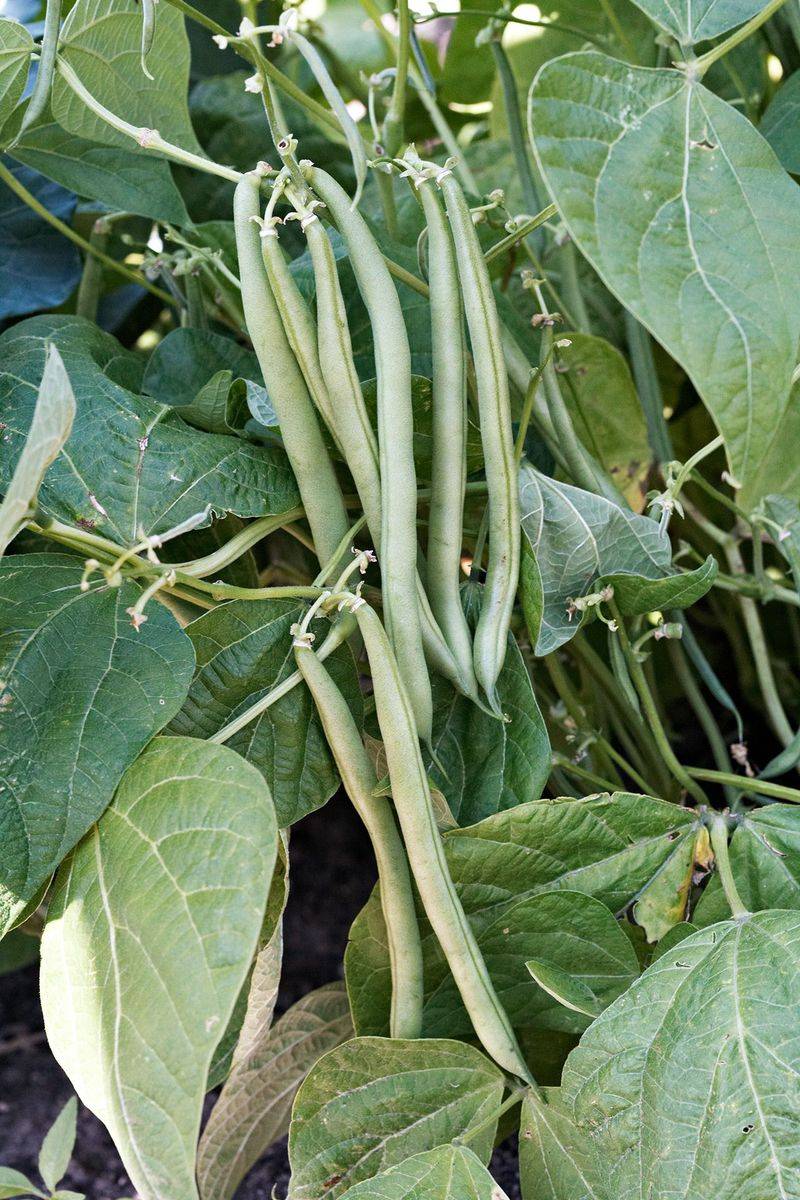
Beans, whether bush or pole, are a garden’s treasure, offering fast growth and high yield. They are rich in protein and fiber, making them a staple in many diets. Versatile and easy to grow, beans adapt well to various climates.
15. Peas (60-70 days)
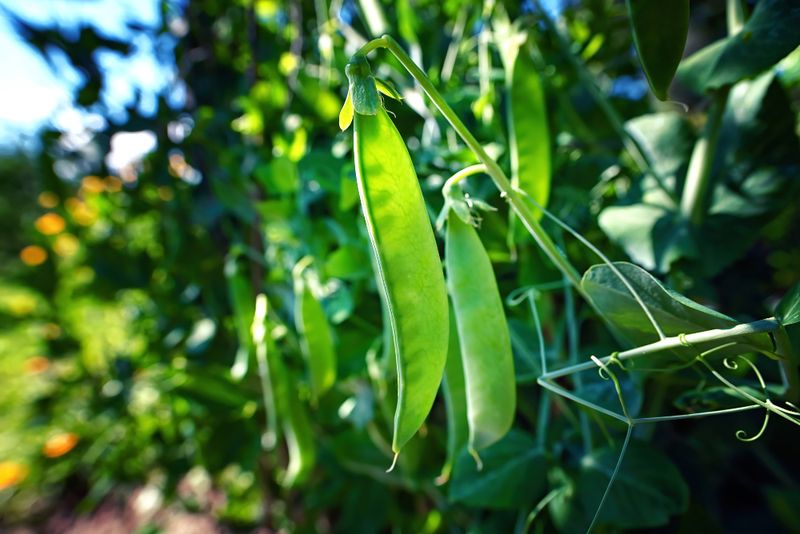
Peas bring a touch of sweetness and are perfect for spring and fall planting. Their cold-hardiness makes them reliable, offering a crisp, fresh taste. Whether in soups or salads, peas enrich the culinary experience with their vibrant flavor.
16. Corn (60-100 days)
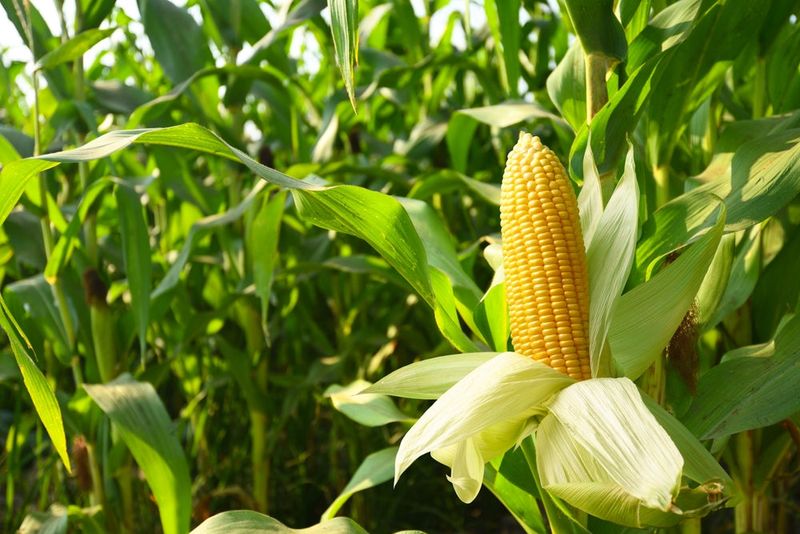
Corn is more than just a summer staple; it’s a cornerstone for sustenance, pairing with beans for a complete protein. Its sweet kernels are a delight, eaten raw or cooked. Corn’s towering presence in the garden makes it a visually striking crop.
17. Carrots (50-80 days)
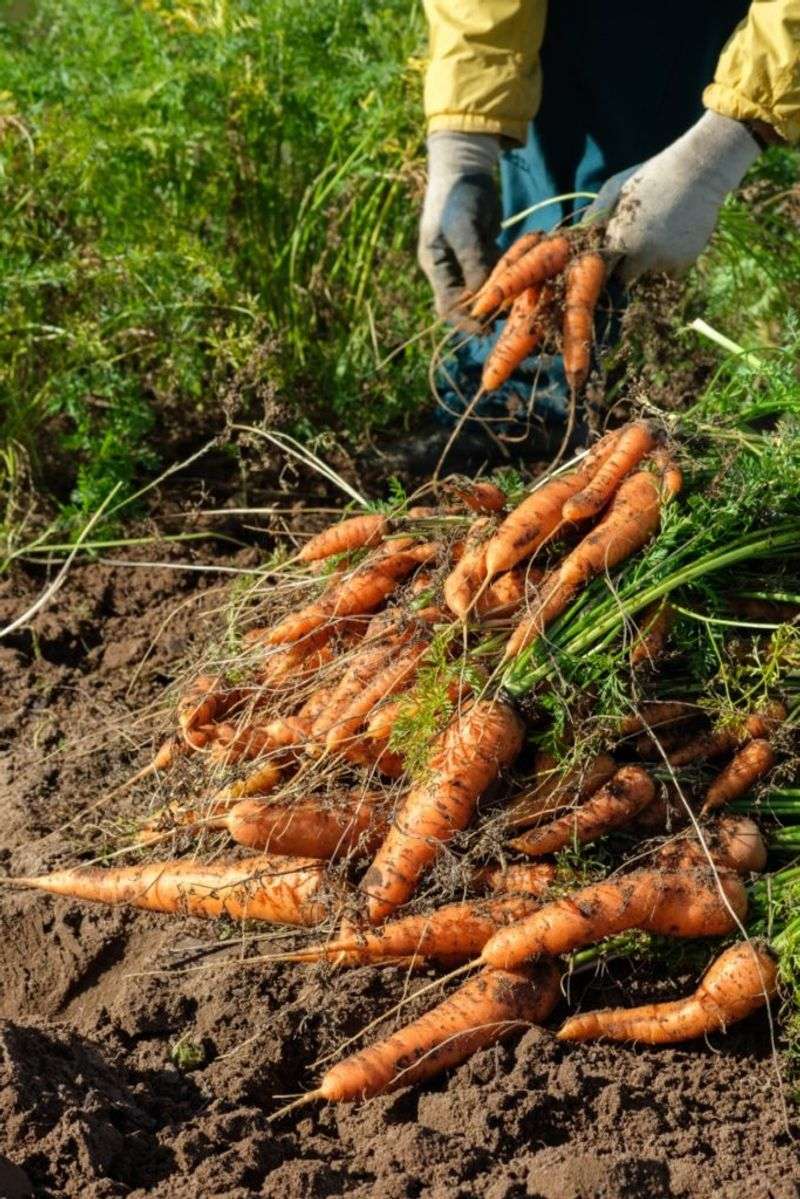
Carrots entice with their crisp texture and rich beta-carotene content. Their long storage life ensures a steady supply of nutrients. Whether raw or cooked, carrots add vibrant color and sweetness to meals.
18. Garlic (90-120 days)
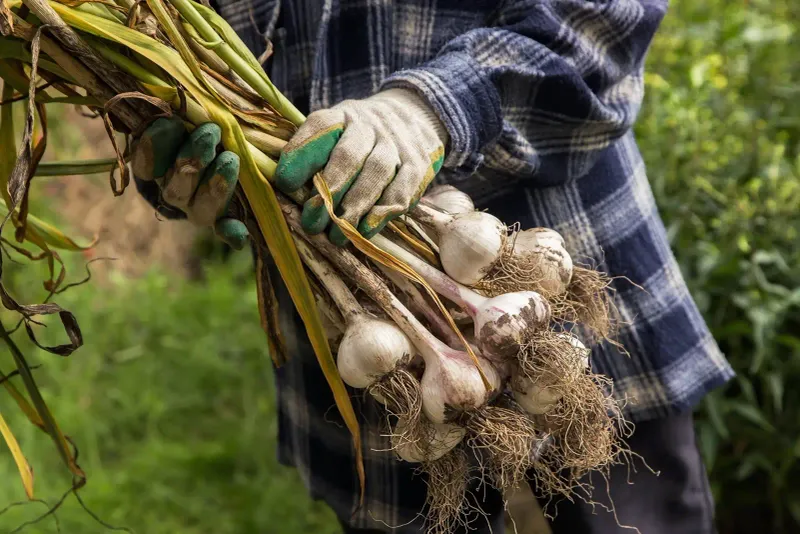
Garlic is nature’s antibiotic, renowned for its robust flavor and health benefits. Its long storage life makes it a kitchen essential and a must-have for any garden. From flavoring dishes to medicinal uses, garlic stands out as a versatile crop.
19. Onions (90-120 days)
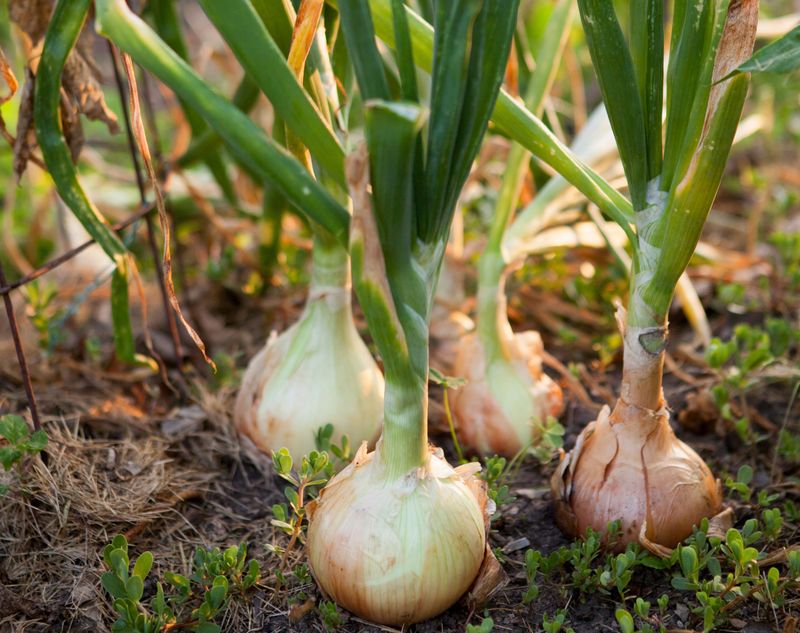
Onions are indispensable for flavor and preservation, adding depth to countless dishes. Their ability to store for long periods makes them a crucial crop. Onions’ robust nature ensures they thrive in a variety of climates.
20. Cabbage (60-100 days)
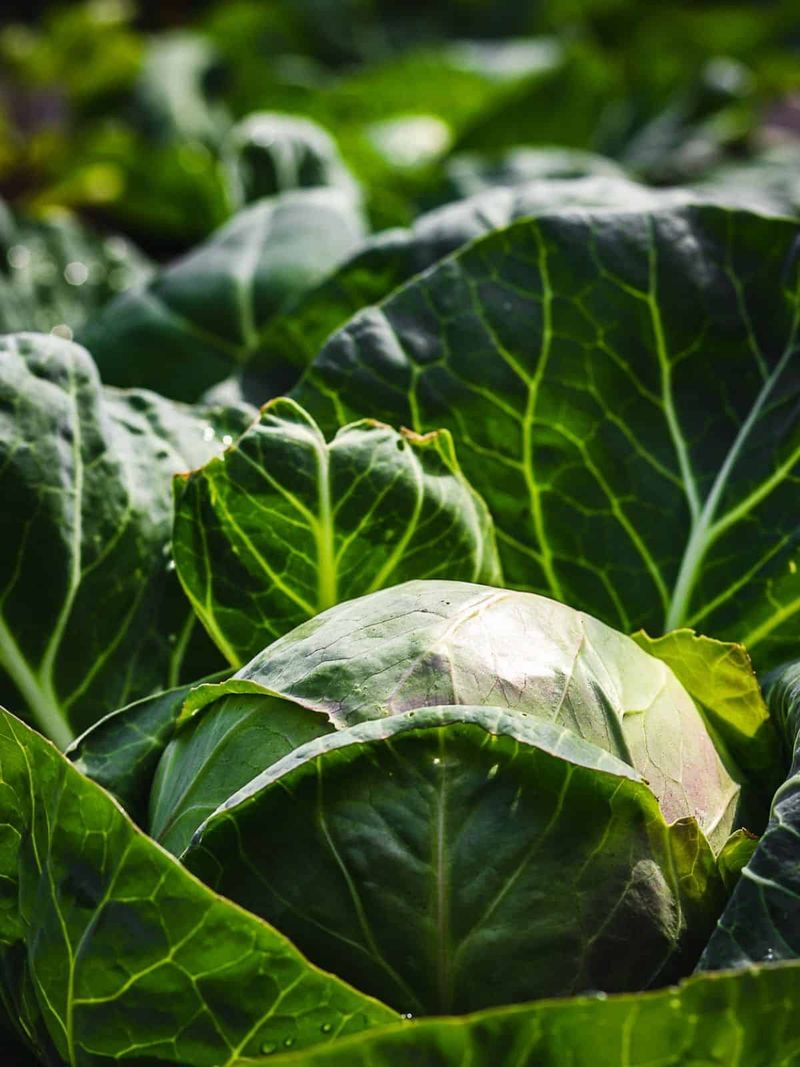
Cabbage is a hardy crop, capable of being transformed into sauerkraut for long-term storage. Its crisp texture and mild taste make it versatile in the kitchen. Whether fresh or fermented, cabbage provides essential nutrients and flavors.
21. Swiss Chard (50-60 days)
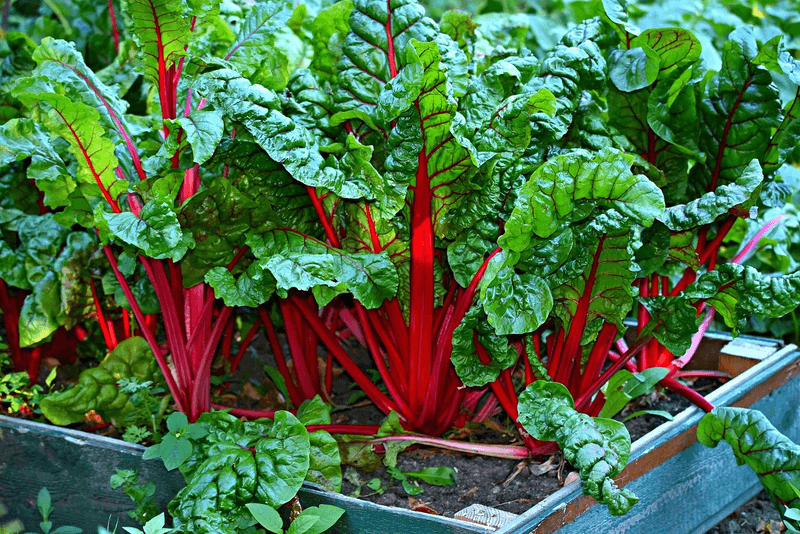
Swiss chard dazzles with its colorful stalks and nutritious leaves. As a cut-and-come-again plant, it offers repeated harvests and endures both heat and cold. Its mild flavor complements an array of dishes, making it a garden favorite.
22. Collards (60-75 days)
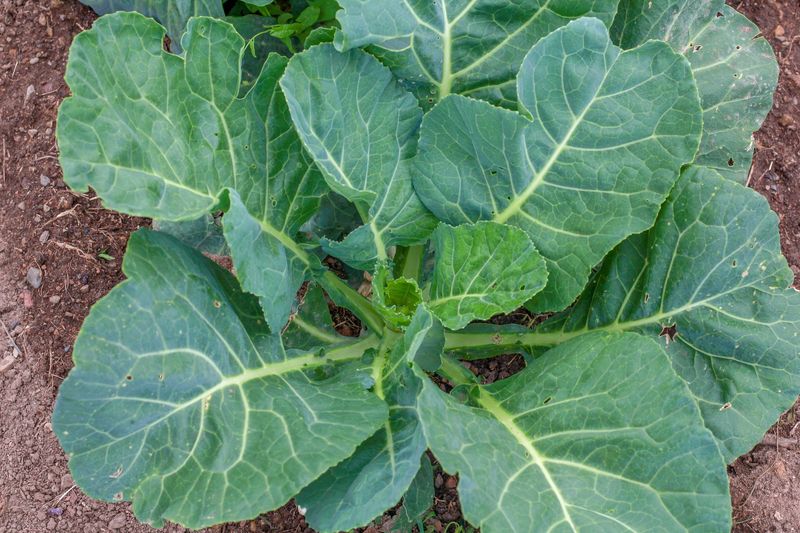
Collards are a champion of resilience, surviving frost and offering a wealth of nutrients. Their strong, earthy flavor enhances traditional dishes. Collards’ ability to thrive in cooler climates makes them a reliable and nutritious crop.
23. Perennial Herbs (Rosemary, Thyme, Oregano)
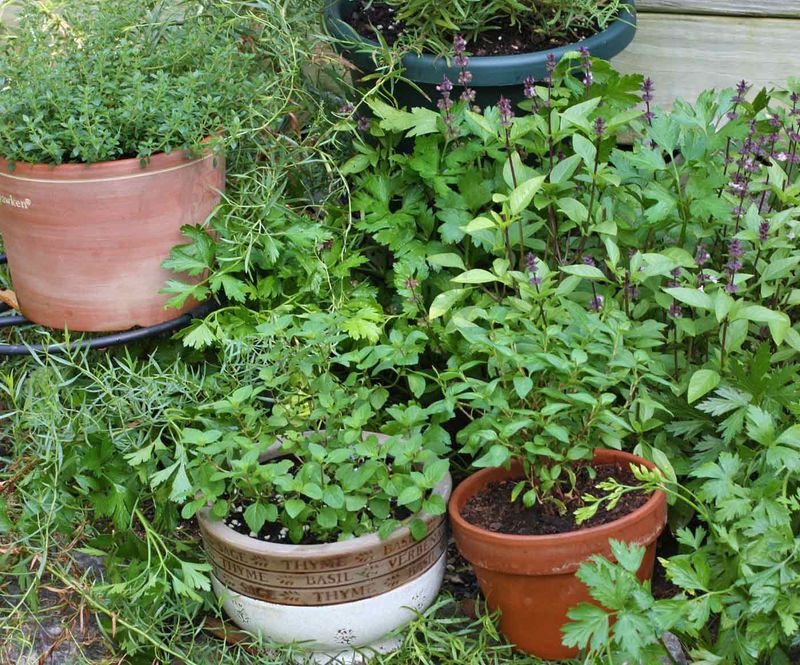
Perennial herbs like rosemary, thyme, and oregano are the backbone of culinary and medicinal uses. Their aromatic presence enhances dishes and supports wellness. These herbs require minimal maintenance, providing continuous harvests year after year.
24. Jerusalem Artichokes (Sunchokes)
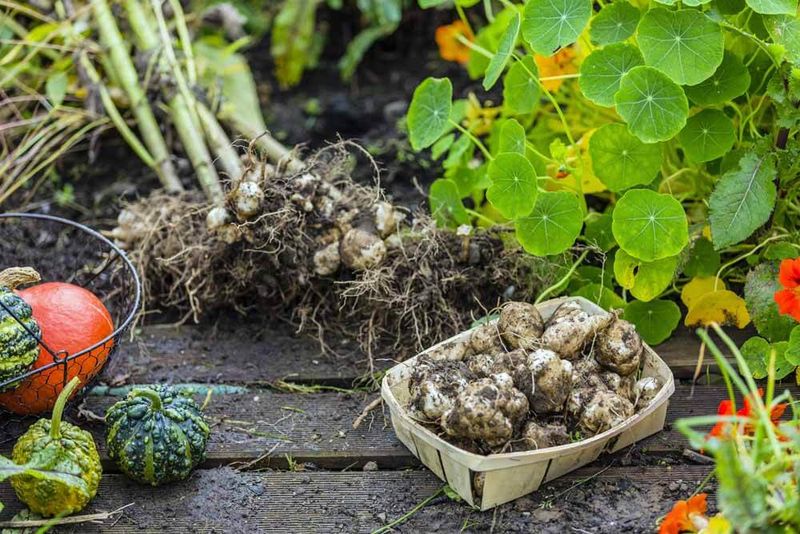
Jerusalem artichokes, known for their weed-like growth, are high in inulin and promote digestive health. Their nutty flavor and versatility in cooking make them an intriguing choice. These tubers thrive in various conditions, ensuring a bountiful harvest.
25. Asparagus
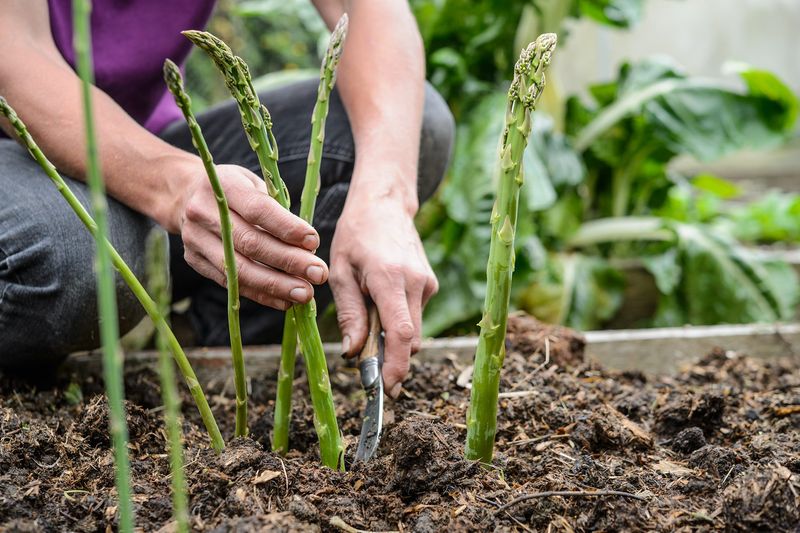
Though requiring patience, asparagus rewards with decades of harvests once established. Its tender spears are a springtime delicacy, offering unique flavor and nutrition. As a perennial crop, asparagus is a long-term investment in your garden’s bounty.
26. Rhubarb
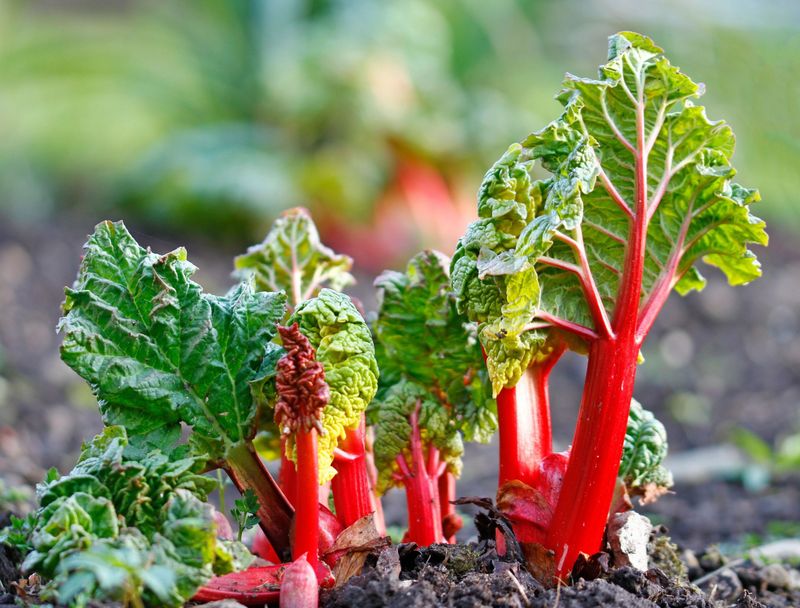
Rhubarb, with its hardy nature, is beloved for pies and preserves. Its tart flavor adds a unique twist to desserts and sauces. Rhubarb’s perennial growth makes it a reliable crop, returning each year to offer its distinctive taste.
27. Berry Bushes (Raspberries, Blackberries)
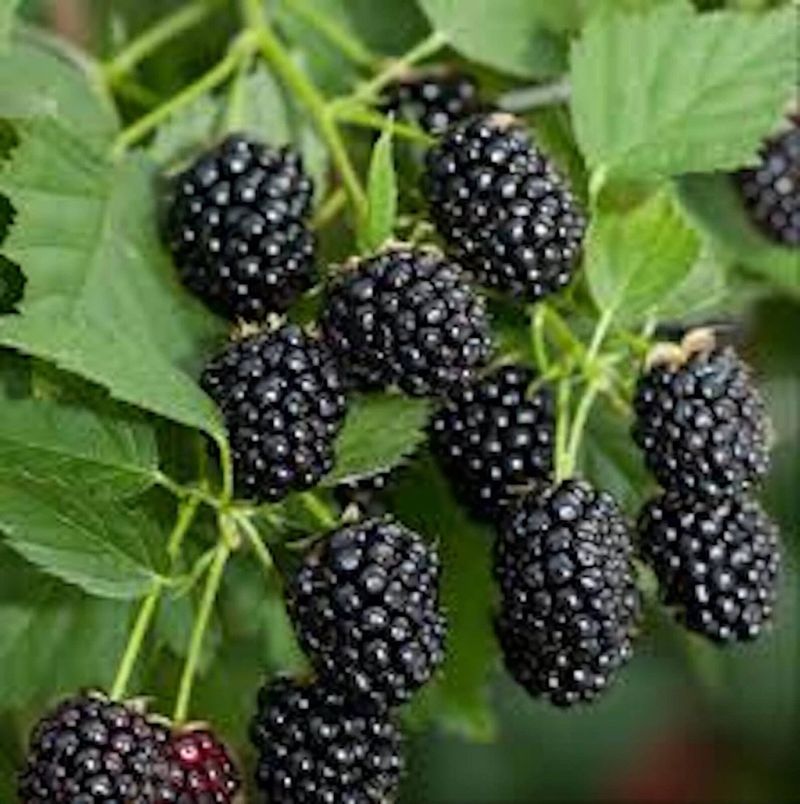
Berry bushes like raspberries and blackberries are nature’s antioxidant-rich treats. Their sweet, tangy flavors delight the palate, whether fresh or preserved. These perennial fruits provide abundant harvests, enriching your garden’s diversity.
28. Fruit Trees (Dwarf Varieties)
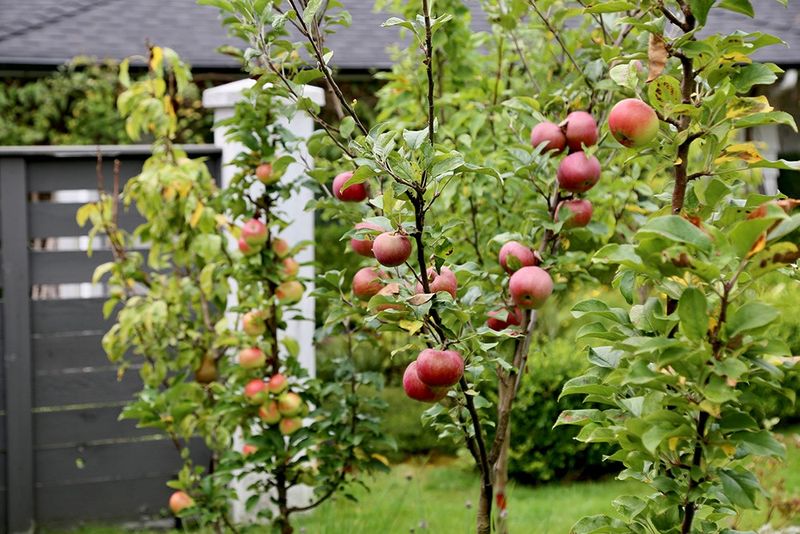
Dwarf fruit trees such as apples, pears, or figs bring orchard bounty to small spaces. Their compact size doesn’t compromise the sweetness and juiciness of the fruit. These trees provide seasonal harvests, contributing to your garden’s abundance.
29. Sunflowers
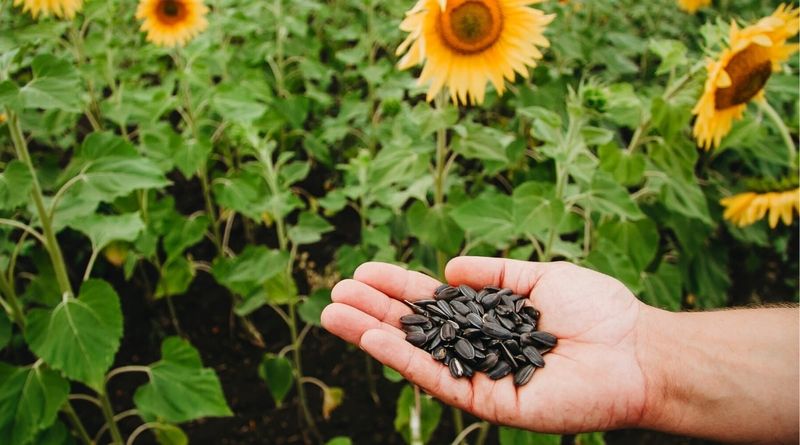
Sunflowers are more than just a pretty face; their seeds offer nourishment and oil, while petals can feed chickens. Their towering presence adds visual interest to gardens, and they thrive in various conditions, making them a versatile crop.
30. Pumpkins
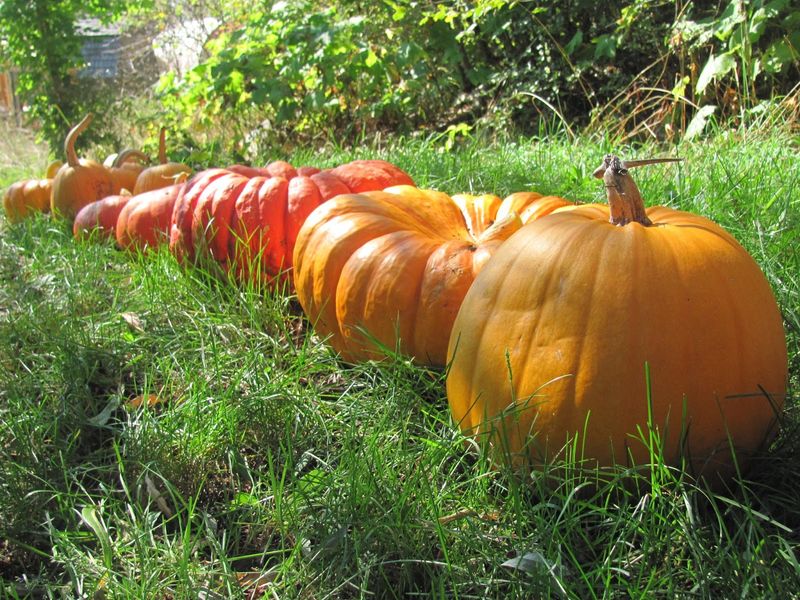
Pumpkins serve a triple purpose with edible flesh, seeds, and impressive storage life. Their sweet flavor and festive appearance make them a fall favorite. From soups to pies, pumpkins offer culinary versatility and joy in the garden.