
Explore the fascinating world of bizarre yet brilliant plants that defy conventional botany norms. This collection introduces 17 extraordinary plants, each with unique adaptations and characteristics that captivate and astonish. From the towering “Corpse Flower” to the mysterious “Suicide Palm,” these plants showcase nature’s wild creativity and diversity, challenging our perceptions and inspiring curiosity. Whether through their strange appearances, unusual survival strategies, or unexpected uses, these plants offer more than meets the eye, enticing botanists, gardeners, and nature enthusiasts alike to delve deeper into their intriguing stories.
1. The “Corpse Flower” (Amorphophallus titanum)
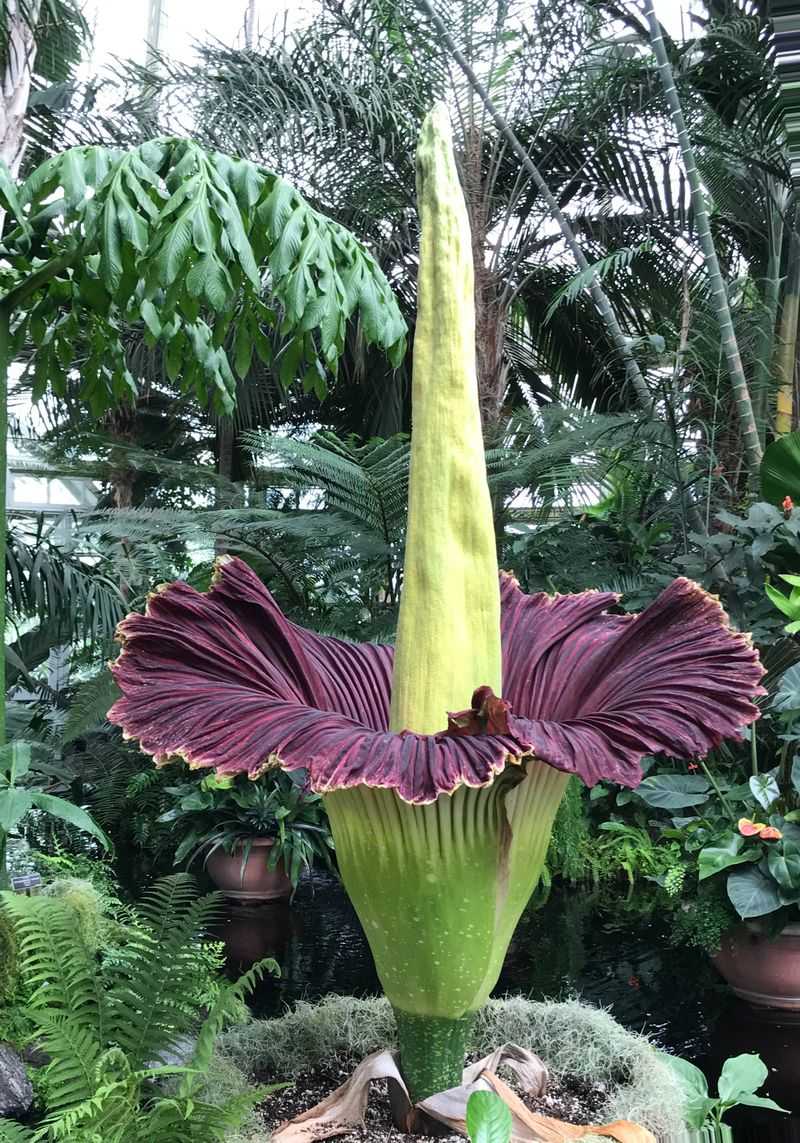
The “Corpse Flower” is famed for its vast inflorescence, reaching up to 10 feet in height. Its distinctive smell, akin to decaying meat, is nature’s clever trick to lure carrion beetles for pollination. Despite its odor, this plant captivates botanists and plant lovers alike. Native to the rainforests of Sumatra, it blooms infrequently, adding to its allure and mystique. Its grandeur and peculiar fragrance make it a legend in the plant kingdom.
2. The “Bleeding Tooth” Fungus (Hydnellum peckii)
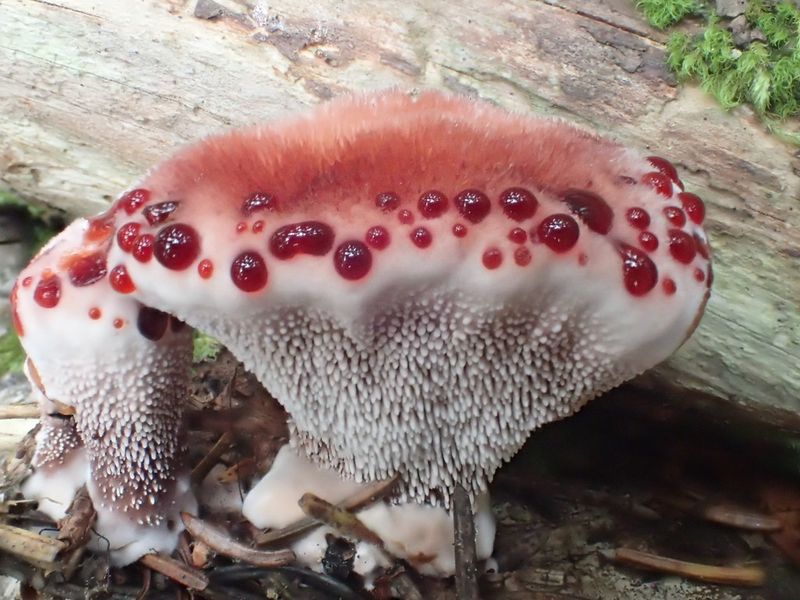
In the hidden corners of coniferous forests, the “Bleeding Tooth” Fungus emerges with its eerie appearance. Resembling a horror movie prop, this fungus oozes blood-red sap, a sight both unsettling and mesmerizing. Beyond its creepy facade lies a potential for medicine, as it contains anticoagulant compounds studied for therapeutic uses. This intriguing organism challenges our understanding of fungi, straddling the line between nature’s artistry and scientific potential. Its unique appearance and promising properties make it a subject of fascination for mycologists and nature enthusiasts alike.
3. The “Fire Lily” (Gloriosa superba)
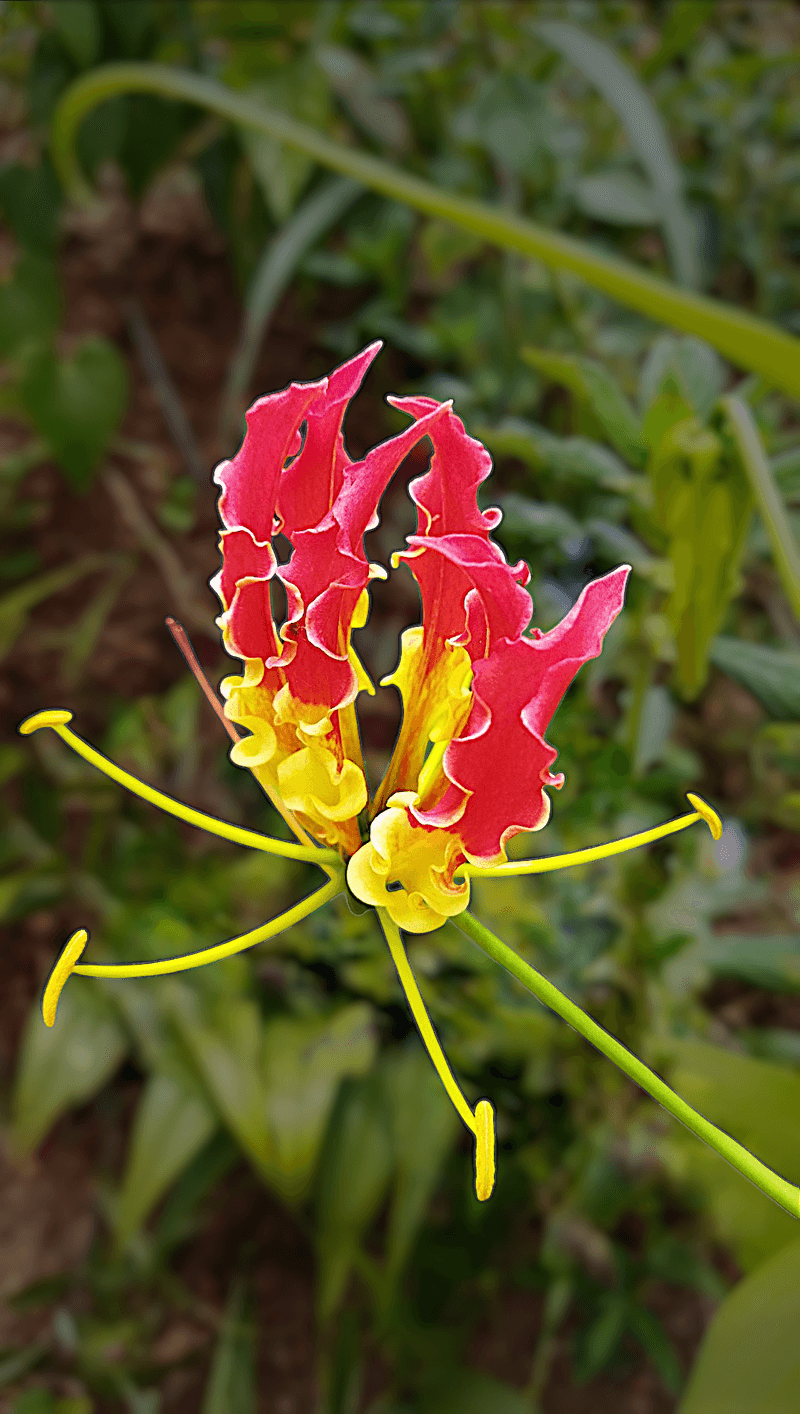
With its striking, flame-like petals, the “Fire Lily” stands as a botanical marvel. Its vivid hues and elegant curls make it a standout in any landscape, yet its beauty conceals a toxic secret. Consuming this plant can be hazardous, a reminder of nature’s duality of allure and danger. Despite this, it’s revered in traditional medicine, offering relief for ailments such as gout and arthritis. This duality of beauty and utility captures the essence of the “Fire Lily,” a plant that dazzles and heals, embodying the complexity of the natural world.
4. The “Hooker’s Lips” Plant (Psychotria elata)
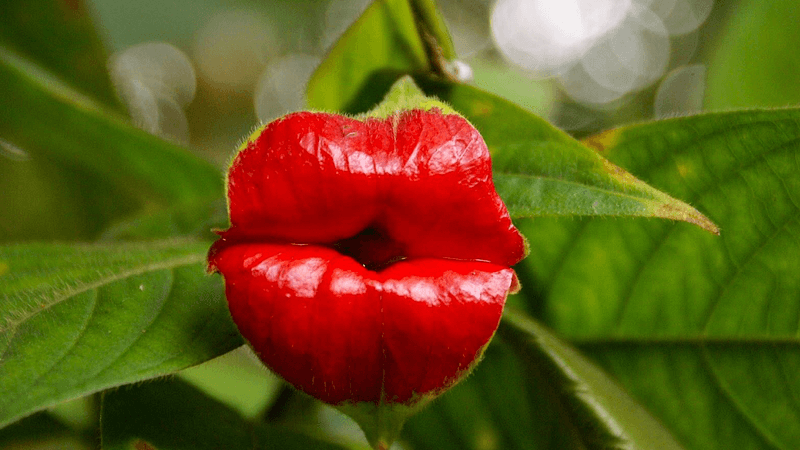
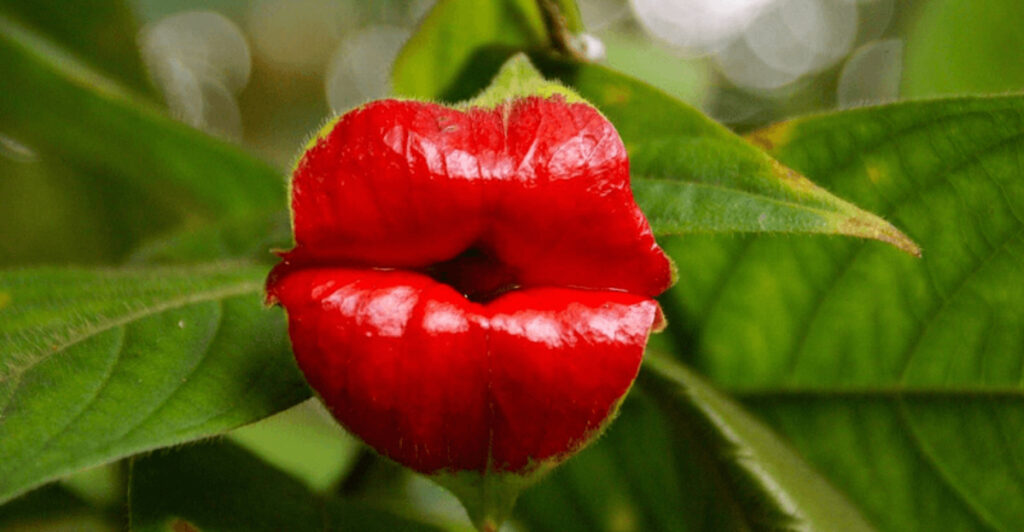
A kiss from nature, the “Hooker’s Lips” plant boasts bright red bracts that resemble luscious lips. This unique feature not only draws attention but also serves a vital role in its ecosystem. The plant attracts hummingbirds and butterflies, essential pollinators that ensure its survival. Found in the tropical forests of Central and South America, it thrives in moist, shaded environments. The “Hooker’s Lips” is more than a quirky botanical oddity; it’s a vibrant participant in its habitat, contributing to the rich tapestry of tropical biodiversity.
5. The “Living Stones” (Lithops spp.)
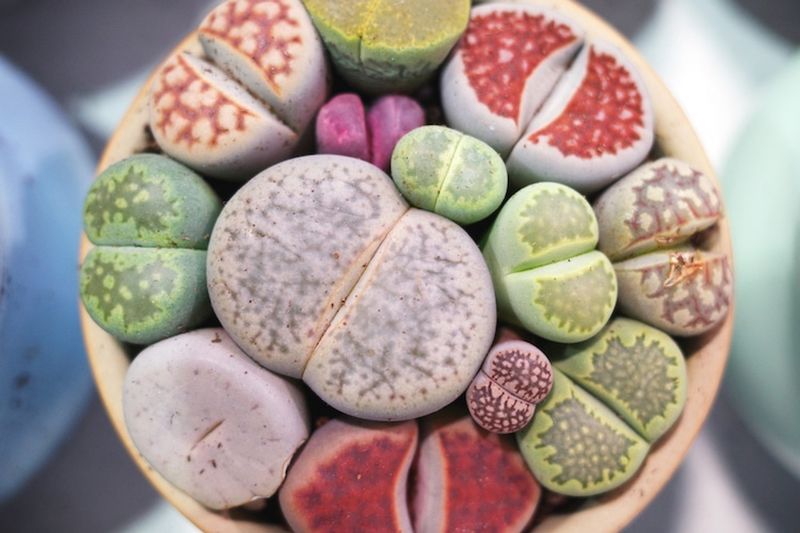
Camouflaged among pebbles and stones, the “Living Stones” are masters of deception. These succulents have evolved to mimic their rocky surroundings, deterring herbivores and conserving resources. Their water-storing leaves allow them to endure harsh, arid climates, showcasing nature’s ingenuity in survival strategies. Native to southern Africa, they bloom with delicate flowers, a surprising contrast to their rugged appearance. The “Living Stones” intrigue with their adaptive prowess, embodying the subtle beauty and resilience found in desert ecosystems. Their appearance and adaptability make them a favorite among succulent enthusiasts.
6. The “Bat Flower” (Tacca chantrieri)
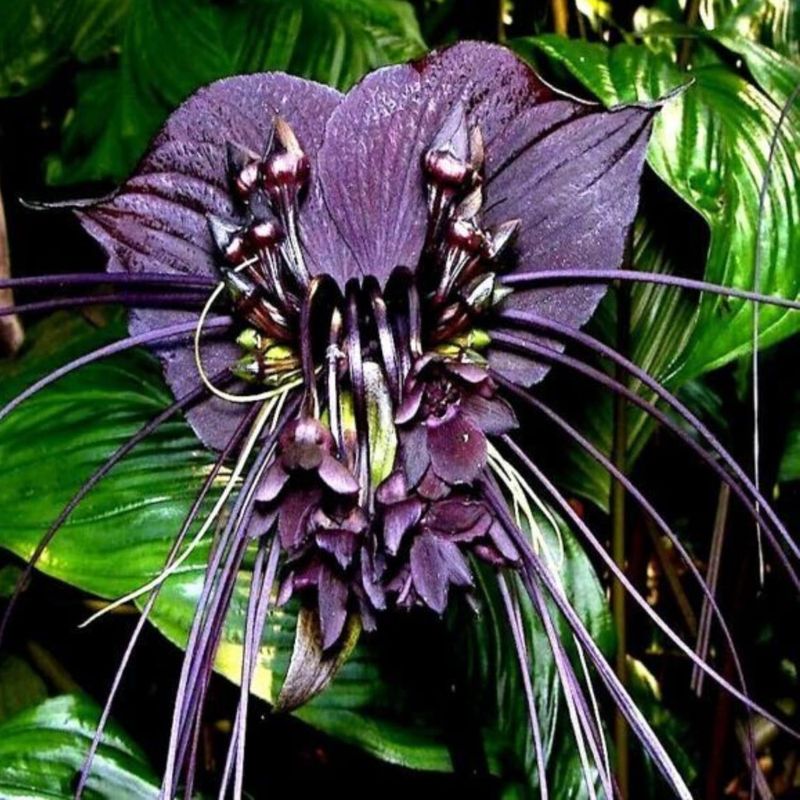
In the shadows of dense, tropical canopies, the “Bat Flower” unfurls its mysterious charm. With striking black petals and elongated whiskers, it resembles a bat in flight, earning its eerie name. Thriving in deep shade, this plant defies typical flowering plant behavior, adding to its allure. Beyond its gothic appearance, the “Bat Flower” plays a crucial role in its ecosystem, attracting specific pollinators adapted to its unique structure. This plant embodies the beauty of darkness, offering a glimpse into the wonders of evolution and adaptation.
7. The “Dragon’s Blood Tree” (Dracaena cinnabari)
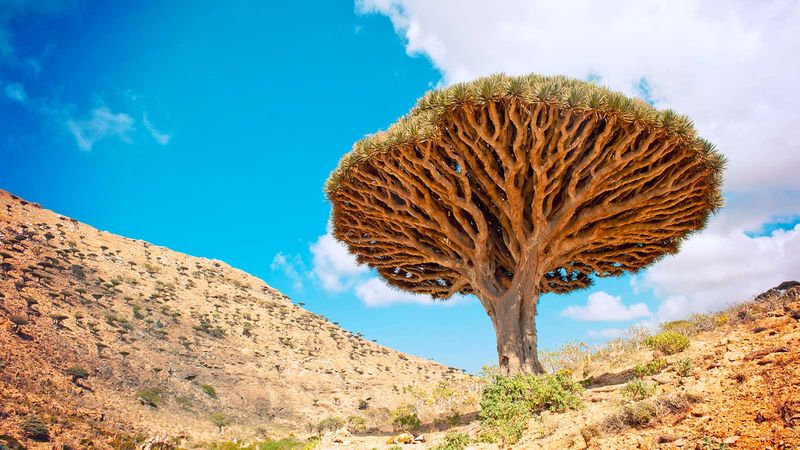
Perched on the rocky landscapes of Socotra, the “Dragon’s Blood Tree” stands as a natural monument. Its umbrella-like crown and blood-red sap have fascinated cultures for centuries, used as dye and medicine. This tree’s ability to survive harsh desert conditions is a testament to nature’s adaptability. Its unique shape and storied history make it an icon of resilience, drawing botanists and travelers alike. The “Dragon’s Blood Tree” is more than a botanical curiosity; it’s a symbol of survival and a testament to the ingenuity of life in challenging environments.
8. The “Snake Fruit” (Salacca zalacca)
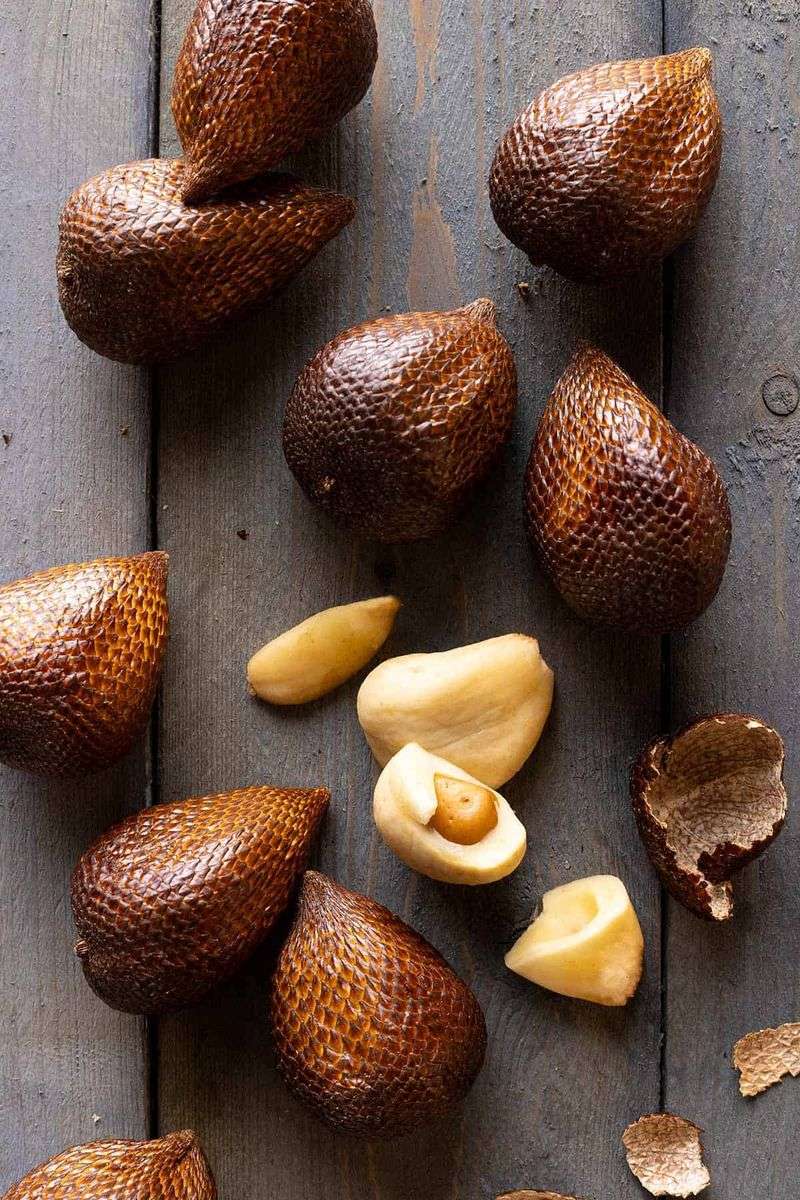
Wrapped in scaly armor, the “Snake Fruit” intrigues with its unusual appearance. Beneath its rough exterior lies a sweet, tangy delight, a surprise for those who dare to taste it. Native to Southeast Asia, this fruit is celebrated for its antioxidant-rich flesh, offering health benefits alongside its unique flavor profile. Its distinctive look and juicy interior make it a popular treat in local markets and a curiosity for travelers. The “Snake Fruit” invites exploration, challenging perceptions with its blend of exoticism and nutritional value.
9. The “Doll’s Eyes” Plant (Actaea pachypoda)
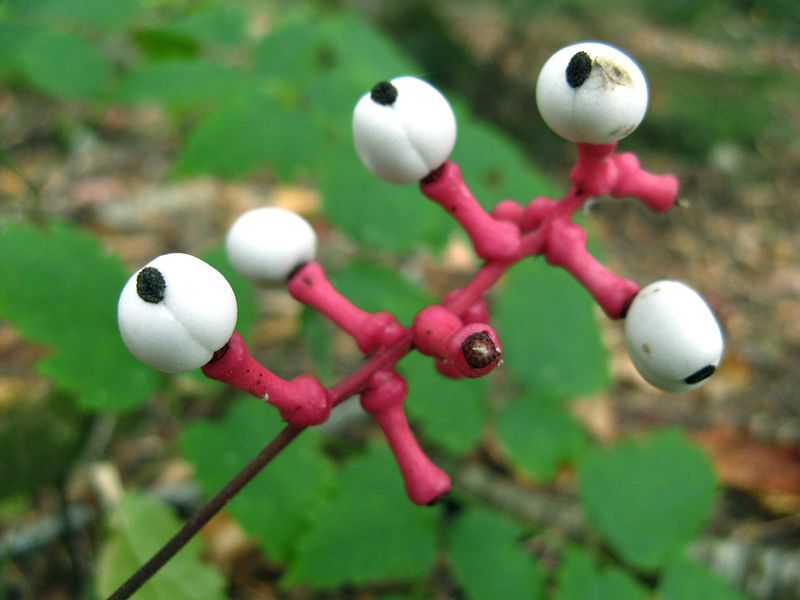
In the shaded woodlands of North America, the “Doll’s Eyes” plant presents a haunting spectacle. Its white berries, marked with black “pupils,” resemble eerie eyes. Though visually captivating, these berries are highly poisonous, a deterrent to predators but a safe haven for seed dispersal by birds. This duality of allure and danger adds to the plant’s mysterious charm. The “Doll’s Eyes” captivates with its ghostly appearance and complex ecological role, offering a glimpse into the intricate relationships within forest ecosystems.
10. The “Fiddlehead Fern” (Matteuccia struthiopteris)
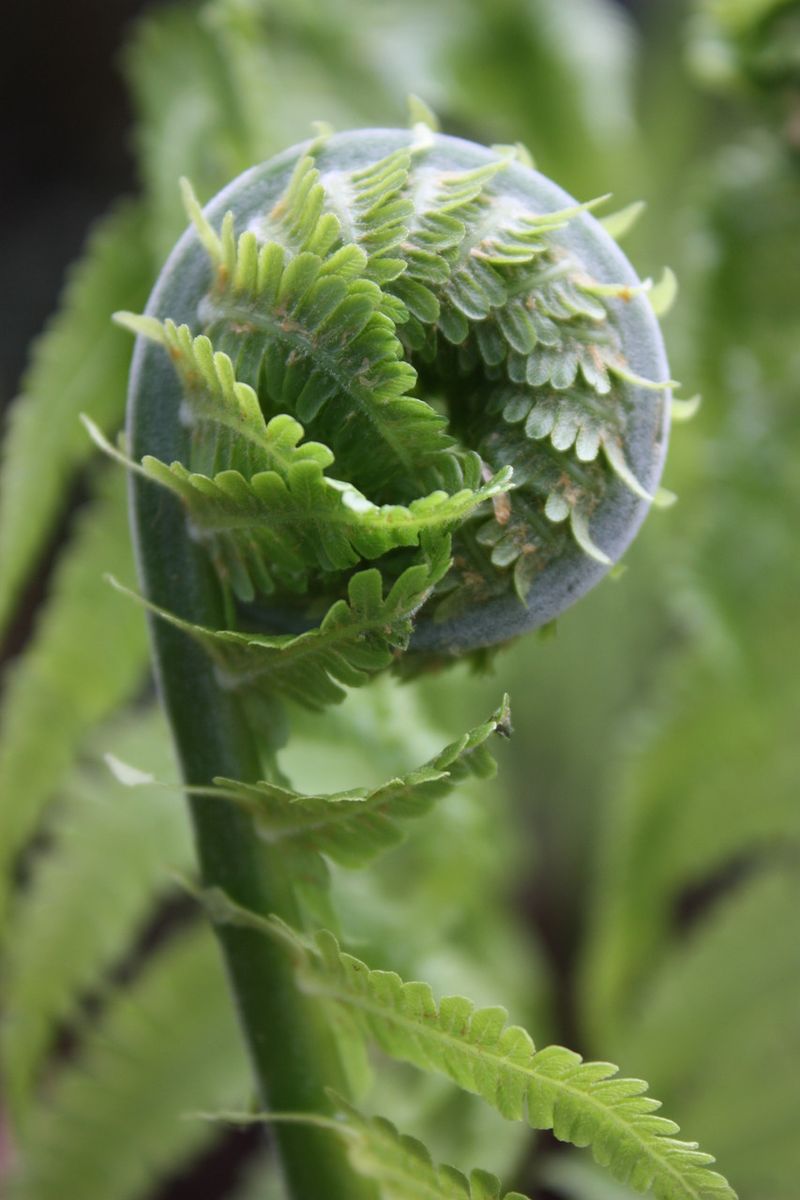
In the fresh growth of spring, “Fiddlehead Ferns” emerge, coiled like the scroll of a violin. These young fronds are not just a visual delight but a culinary one, treasured as a delicacy in gourmet cuisine. Properly cooked, they offer a unique taste reminiscent of asparagus and spinach. Their seasonal emergence and distinctive form have made them a symbol of renewal and natural abundance. The “Fiddlehead Fern” enchants with its blend of beauty, edibility, and symbolism, a true delight for foragers and food enthusiasts alike.
11. The “Spider Flower” (Cleome hassleriana)
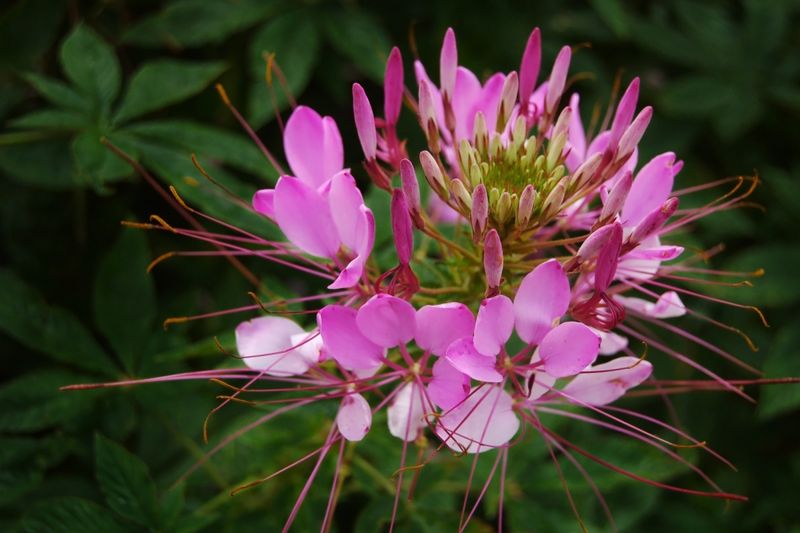
In a dance of botanical elegance, the “Spider Flower” captivates with its spidery stamens and vibrant blooms. These delicate flowers, with their elongated “legs,” attract pollinators from afar, ensuring their perpetual propagation. Native to South America but widely cultivated, they add a touch of whimsy and grace to gardens worldwide. Their ability to thrive in various climates and attract beneficial insects makes them a gardener’s ally. The “Spider Flower” enchants with its ethereal beauty and practical benefits, a testament to nature’s creativity and resilience.
12. The “Dancing Plant” (Codariocalyx motorius)
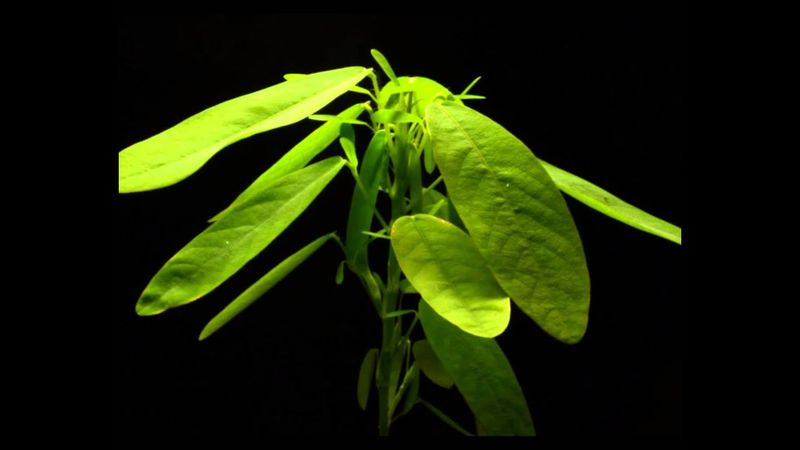
Beneath the sunlight’s warm embrace, the “Dancing Plant” performs a silent ballet. Its leaves move rhythmically, responding to light and stimuli, a behavior that fascinates scientists and plant lovers alike. This movement, akin to dancing, hints at a primitive form of sensory response, sparking curiosity about plant intelligence. Native to South and Southeast Asia, it thrives in warm climates, offering a glimpse into the wonders of plant behavior. The “Dancing Plant” enchants with its unique movement, a living testament to the dynamic and responsive nature of plant life.
13. The “Buddha’s Hand” Citrus (Citrus medica var. sarcodactylis)
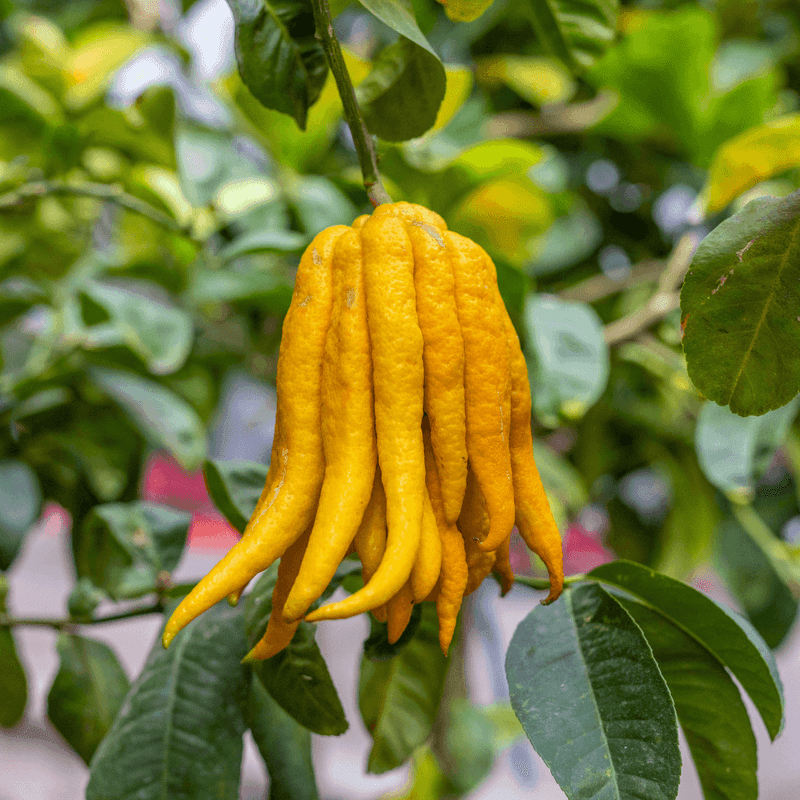
In the realm of citrus, the “Buddha’s Hand” stands out with its finger-like segments. This unusual fruit, resembling a yellow octopus, is more than a visual curiosity. Its fragrant peel is prized in perfumes, while its zest adds a unique flavor to Asian cuisines. Beyond culinary and aromatic uses, it symbolizes happiness and longevity in various cultures. The “Buddha’s Hand” intrigues with its mystic appearance and cultural significance, capturing the imagination of chefs and perfumers. It embodies the fusion of aesthetic appeal and practical use.
14. The “Slime Mold” (Physarum polycephalum)
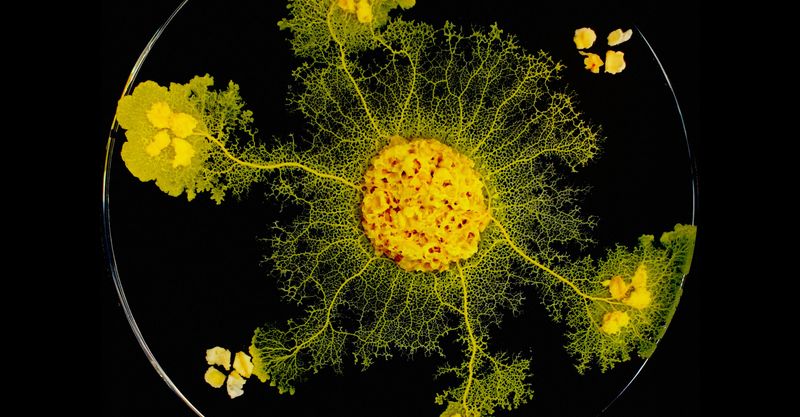
Not quite a plant or a fungus, the “Slime Mold” intrigues with its amorphous form and problem-solving prowess. This brainless organism can navigate mazes and optimize nutrient paths, inspiring studies in bio-computing and AI. Its vibrant yellow network spreads across forest floors, drawing interest from scientists and naturalists. Though lacking a nervous system, it exhibits behaviors reminiscent of intelligent life, challenging our understanding of cognition. The “Slime Mold” fascinates with its biological enigmas, offering insights into non-neuronal intelligence and resilience in nature.
15. The “Lizard Tail” Plant (Saururus cernuus)
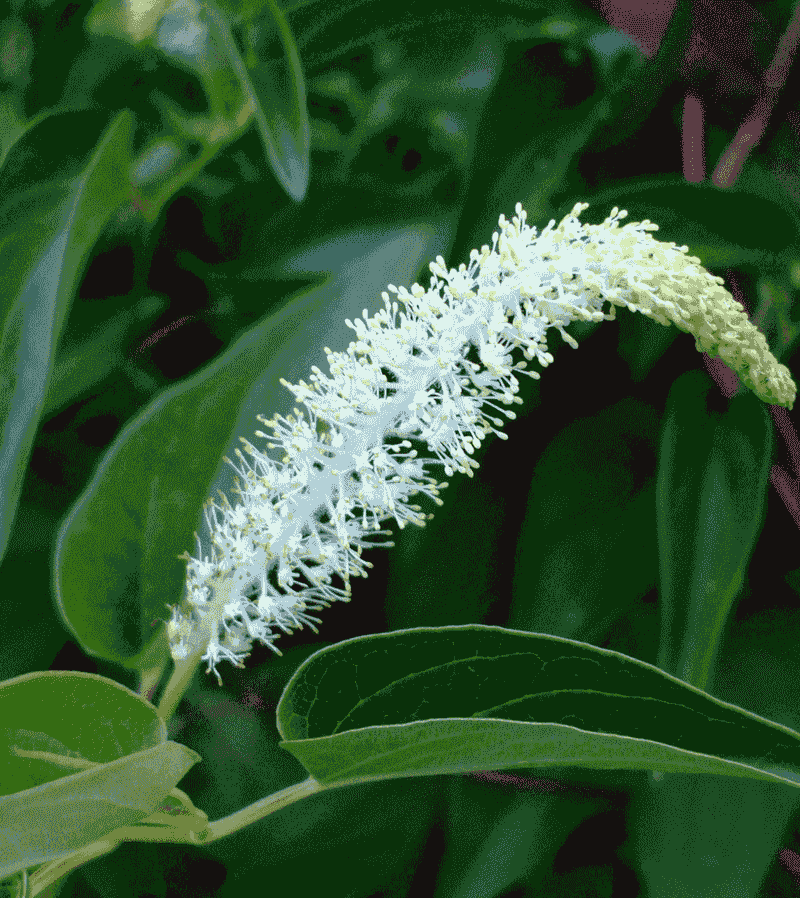
In the serene wetlands, the “Lizard Tail” plant sways with elegance. Its flower spikes, reminiscent of lizard tails, add a playful touch to its aquatic habitat. Beyond its whimsical appearance, it serves an essential ecological role, purifying water and providing habitat for wildlife. Native to North American wetlands, it thrives where few others do, embodying adaptability and ecological importance. The “Lizard Tail” captivates with its unique form and environmental contributions, a symbol of the intricate balance within wetland ecosystems.
16. The “Butterfly Iris” (Dietes grandiflora)
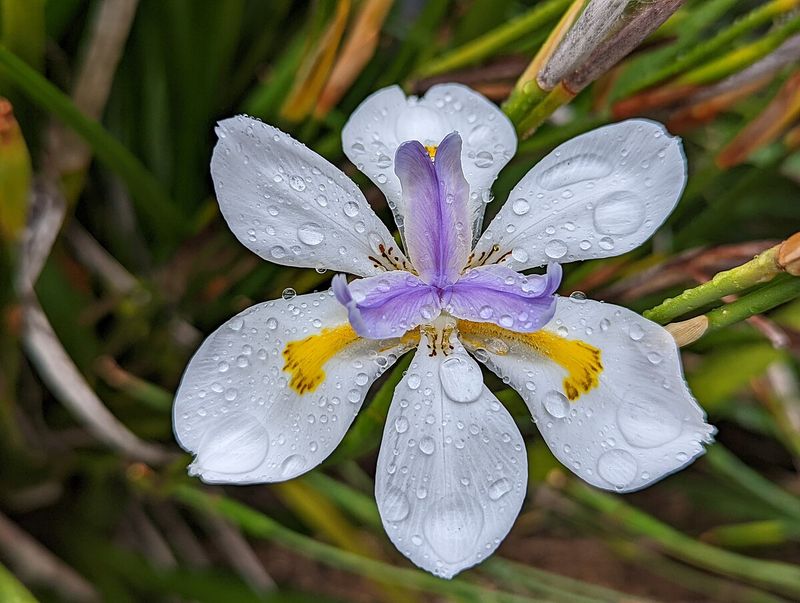
In a flutter of floral beauty, the “Butterfly Iris” enchants with its delicate petals and vibrant “eyes.” These flowers, reminiscent of butterflies, grace gardens with their elegance and resilience. Drought-resistant and deer-proof, they thrive in diverse climates, offering both beauty and practicality. Their striking appearance and hardy nature make them a favorite among gardeners, adding a touch of grace to any landscape. The “Butterfly Iris” delights with its harmonious blend of form and function, a celebration of nature’s artistry and endurance.
17. The “Suicide Palm” (Tahina spectabilis)
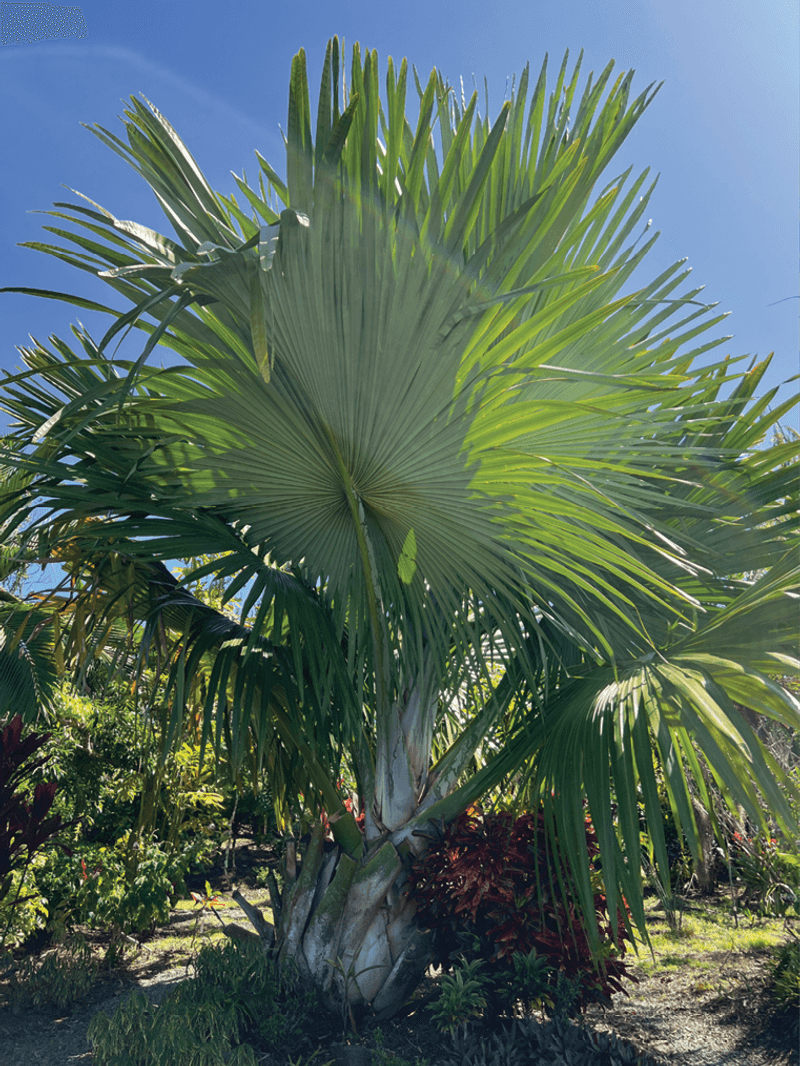
In the remote landscapes of Madagascar, the “Suicide Palm” makes its grand, albeit final, appearance. It flowers once in a century, sending up a towering spike before perishing, a spectacle of life’s fleeting beauty. Discovered only in 2008, it remains one of the planet’s rarest palms, captivating botanists with its dramatic life cycle. This plant’s unique reproductive strategy and late discovery highlight the mysteries still hidden in nature. The “Suicide Palm” stands as a poignant reminder of nature’s cyclical beauty and the endless wonders awaiting discovery.