
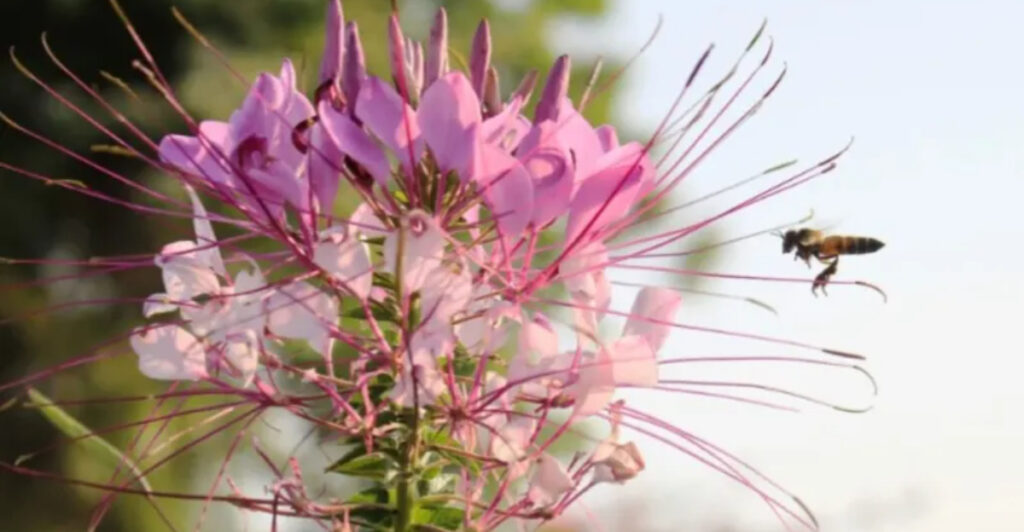
Nature never ceases to amaze us, and among its countless wonders, dancing plants hold a special place. These plants exhibit movements that are not only fascinating but also serve various adaptive purposes. From sun-tracking flowers to leaves that react to touch, these plants challenge our understanding of the plant kingdom. Explore these 17 unique plants that seem to defy the static image we typically associate with flora.
1. The Dancing Plant (Codariocalyx motorius)
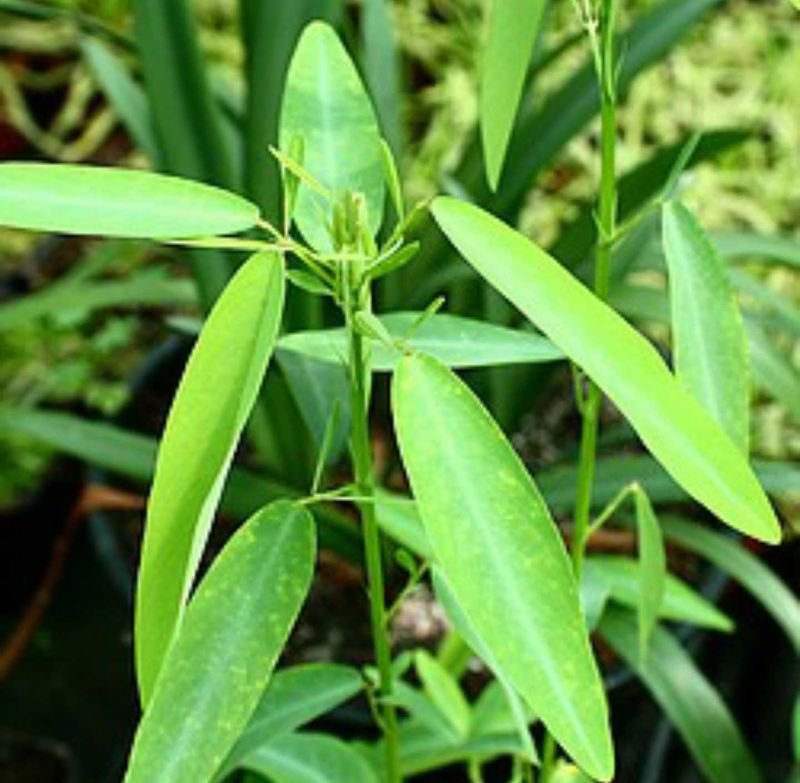
The Dancing Plant, or Codariocalyx motorius, does exactly that. Its leaves move rhythmically in response to sunlight, like tiny solar-powered dancers swaying to an invisible tune. This movement, known as nyctinasty, is thought to optimize light absorption for the plant. It’s not just a visual marvel but a functional adaptation that enhances the plant’s survival. The Dancing Plant serves as a reminder of nature’s intricate designs and the dynamic lives of plants.
2. The Sensitive Plant (Mimosa pudica)
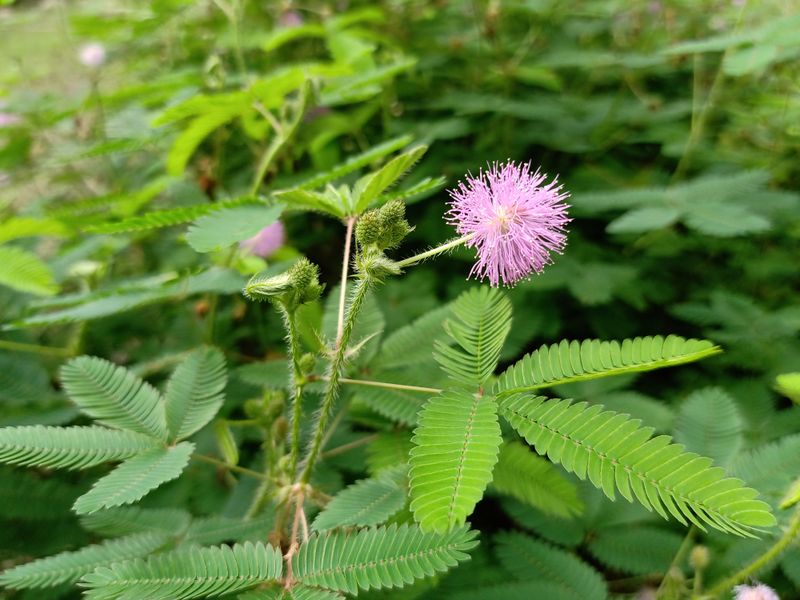
Touch the leaves of the Sensitive Plant, and witness an instant reaction. Mimosa pudica folds its leaves when touched, as if playing dead to deter predators. This rapid movement, a form of thigmonasty, acts as a defense mechanism, startling herbivores and curious humans alike. The Sensitivity of this plant is a stunning example of how plants can interact with their environment. It’s a living testament to the complexity and adaptability of nature.
3. The Moonflower (Ipomoea alba)
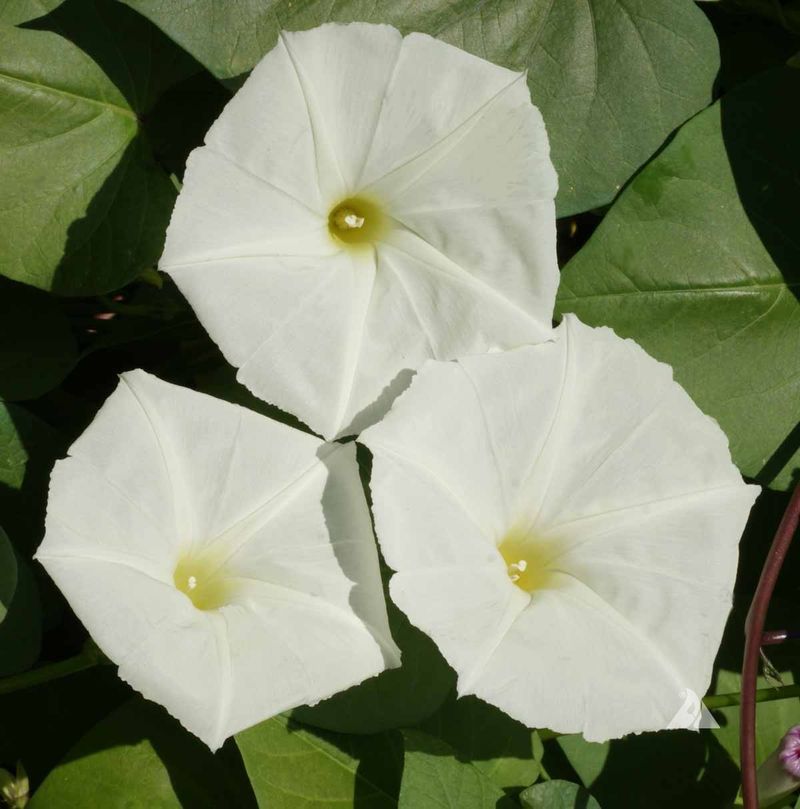
Under the cloak of night, the Moonflower reveals its beauty. Ipomoea alba blooms only after dusk, its petals twisting open with an eerie grace. This nocturnal bloom aligns perfectly with its pollinators, moths, showcasing an evolved timing mechanism. The Moonflower’s mysterious night dance adds a touch of magic to gardens, inviting night-time pollinators with its intoxicating scent. It is a symbol of nature’s synchrony and the hidden wonders that unfold after dark.
4. The Twisting Passionflower (Passiflora)
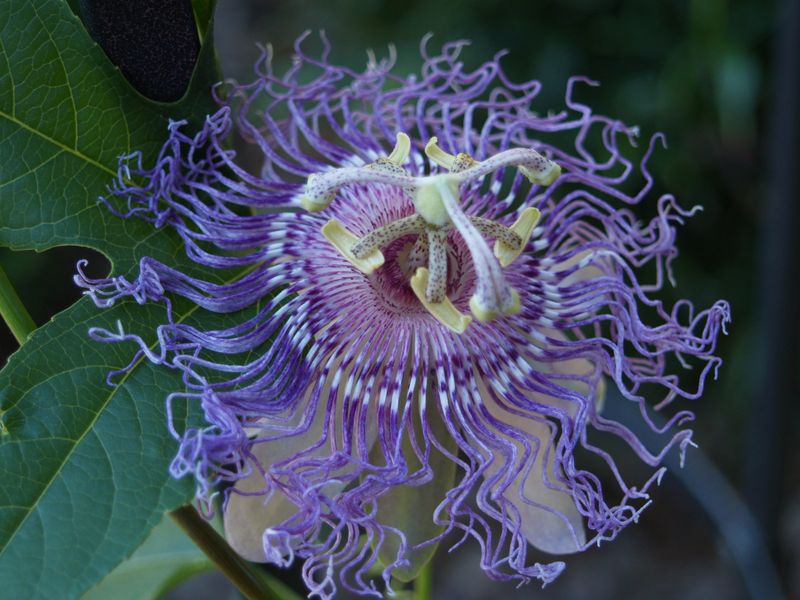
Watch as the Twisting Passionflower reaches out with tendrils that spiral like springs. This climbing mechanism allows Passiflora to latch onto supports effortlessly, a graceful dance of growth and adaptation. The spiraling tendrils are not only functional but also add aesthetic beauty to gardens. They embody the resilience and resourcefulness of plants as they find their way to sunlight.
5. The Telegraph Plant (Codariocalyx motorius)
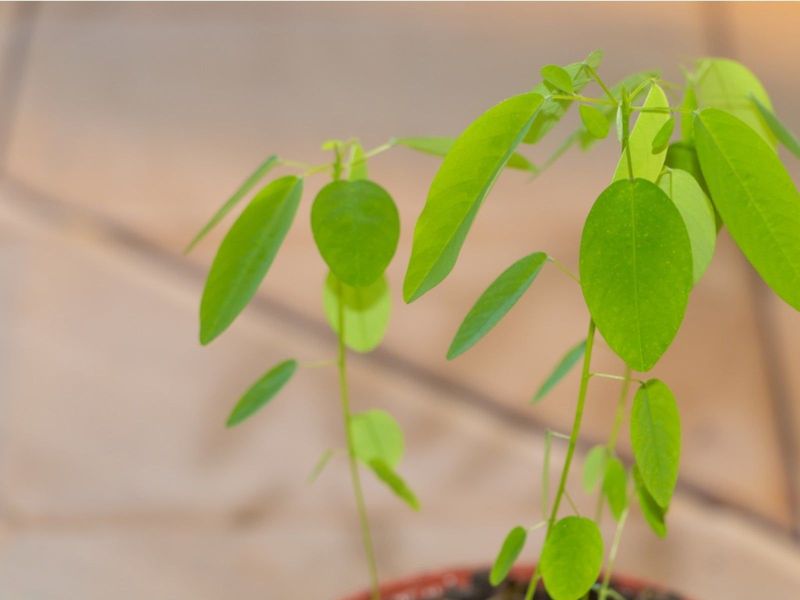
In the quiet of a garden, the Telegraph Plant seems to dance to its own beat. Known scientifically as Codariocalyx motorius, its small leaflets flutter ceaselessly. This continuous movement might serve to deter insects or perhaps even communicate with nearby plants. The Telegraph Plant’s enigmatic dance keeps botanists intrigued and adds a playful animation to its surroundings.
6. The Venus Flytrap (Dionaea muscipula)
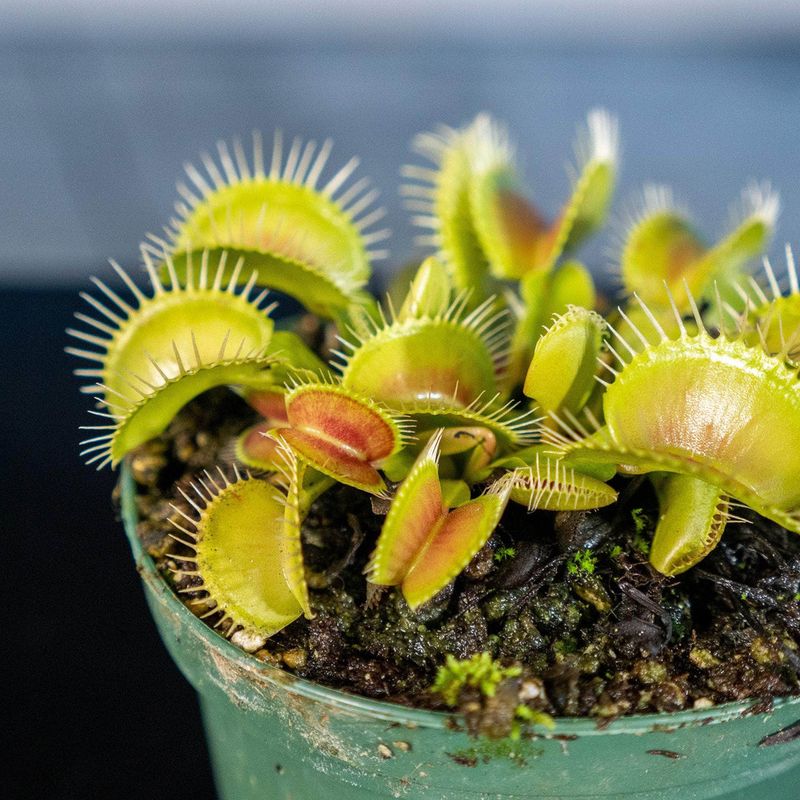
A captivating predator in the plant world, the Venus Flytrap’s “jaws” snap shut in the blink of an eye. Within 0.1 seconds, it captures unsuspecting prey, showcasing one of nature’s fastest movements. This extraordinary mechanism is triggered by hairs inside the trap, acting like motion sensors. The Venus Flytrap is a marvel of evolution, turning the tables on the typical plant-insect dynamic.
7. The Prayer Plant (Maranta leuconeura)
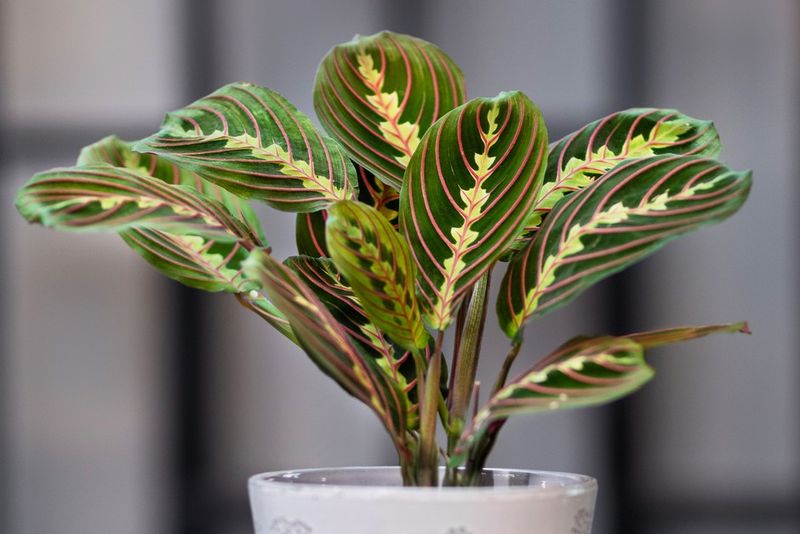
As dusk falls, the Prayer Plant folds its leaves upward, resembling hands in prayer. This nightly ritual, known as nyctinasty, is believed to conserve moisture and warmth. Maranta leuconeura’s unique behavior adds a meditative quality to any space. Its rhythm of opening and closing connects it deeply with the natural world, reflecting the cycles of day and night.
8. The Seaweed “Dancer” (Macrocystis pyrifera)
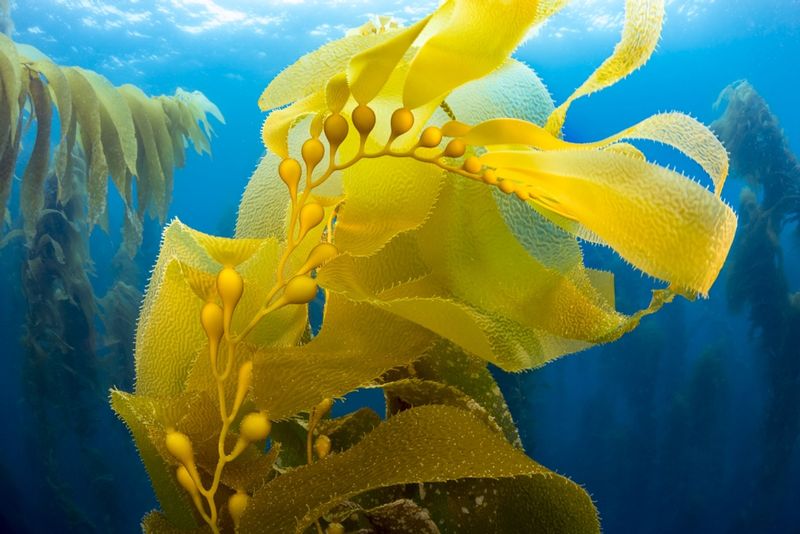
Beneath the waves, the Seaweed “Dancer” performs an underwater ballet. Giant kelp, or Macrocystis pyrifera, sways hypnotically in ocean currents. Its flexible stems are designed to prevent breakage, showcasing an adaptive dance with the sea. This movement is not just for show; it allows the kelp to thrive in its aquatic environment, providing shelter for marine life.
9. The Whirling Seeds (Maple Samaras)
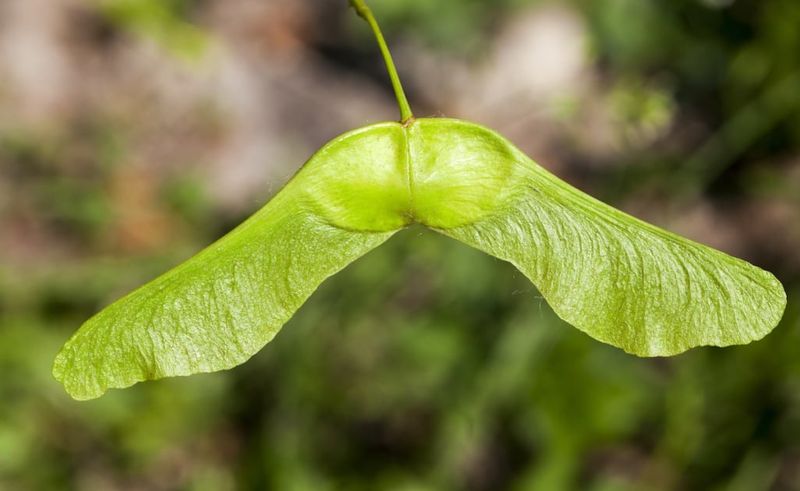
In autumn, the air is filled with the whirl of Maple Samaras. These winged seeds spin like helicopters as they fall, a mesmerizing sight. This ingenious design helps the seeds travel farther from the parent tree, ensuring wider dispersal. The whirling motion is a ballet of nature’s engineering, turning a simple act of seed drop into a captivating display.
10. The Dancing Spider Flower (Cleome hassleriana)
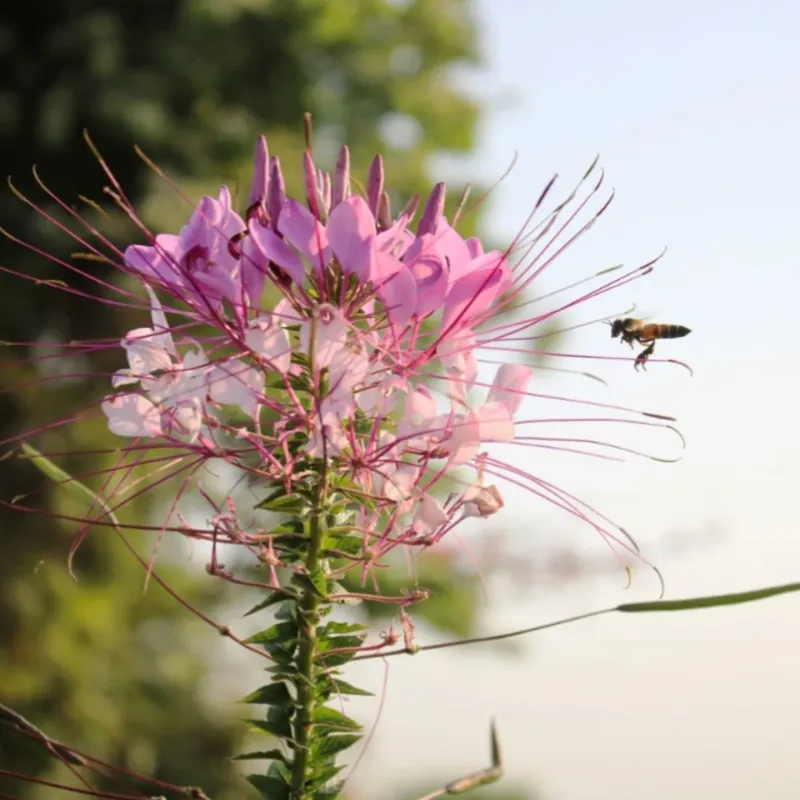
The Dancing Spider Flower captivates with its long stamens that wave like spider legs. Cleome hassleriana’s unique design attracts pollinators from afar, ensuring successful reproduction. Its swaying motion in the breeze adds a whimsical charm to gardens. This plant is a testament to nature’s creativity, blending form and function in a delightful spectacle.
11. The Rain-Dancing Fern (Woodsia obtusa)
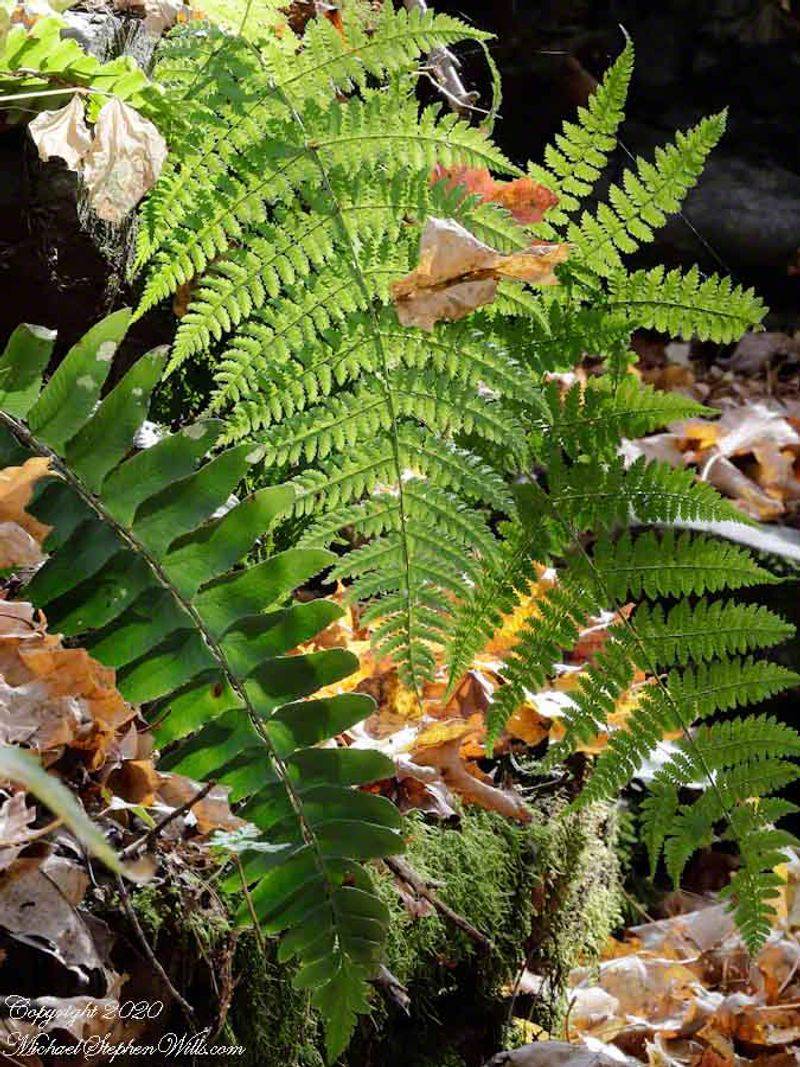
On a rainy day, the Rain-Dancing Fern becomes a living barometer. Woodsia obtusa’s fronds curl and uncurl with changes in humidity, preventing water loss. This responsive dance is a survival strategy that highlights the fern’s adaptability. It’s a subtle reminder of how plants interact with their environment, responding to even the slightest shifts in weather.
12. The Rotating Sundew (Drosera)
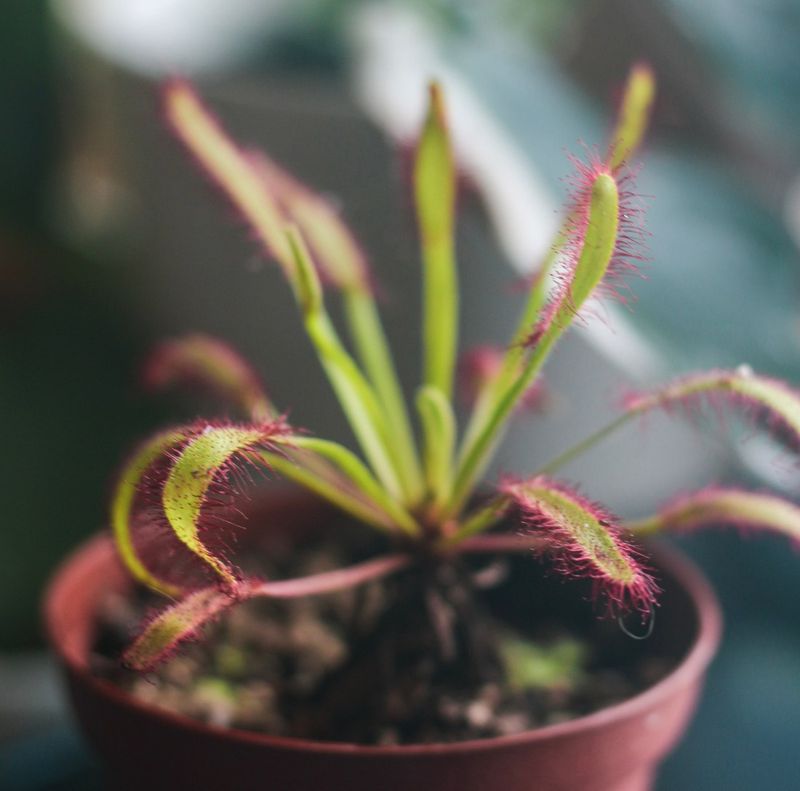
Amidst the dewy grass, the Rotating Sundew performs a slow, deliberate dance. Its sticky tentacles curl around trapped insects, a digestive adaptation that provides nutrients. Drosera’s intricate movement is a macabre ballet, turning predation into an art form. The plant’s ability to capture and consume prey challenges traditional perceptions of plant life.
13. The Solar-Powered Sunflower (Helianthus annuus)
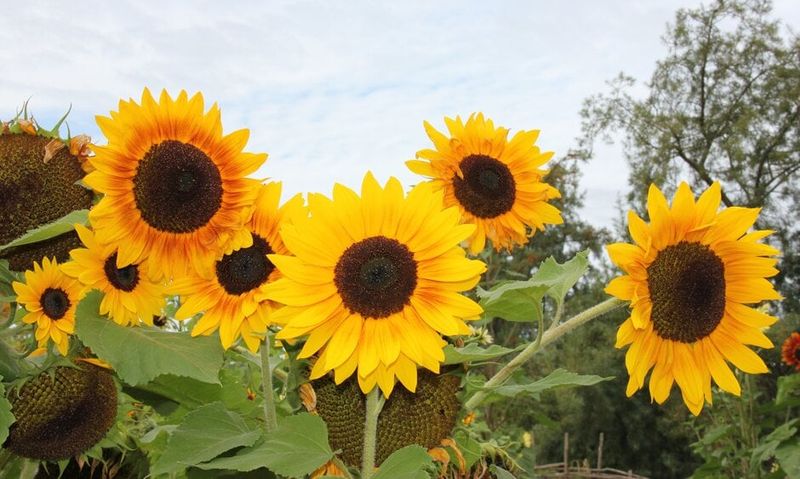
As the sun moves across the sky, young Sunflowers follow its path. Helianthus annuus exhibits heliotropism, maximizing photosynthesis by tracking sunlight. This solar-powered dance is a brilliant adaptation that enhances growth and energy efficiency. The sunflower’s rhythmic alignment with the sun is a testament to nature’s ingenuity, making it a symbol of vitality.
14. The Fluttering Bamboo (Bambusa vulgaris)
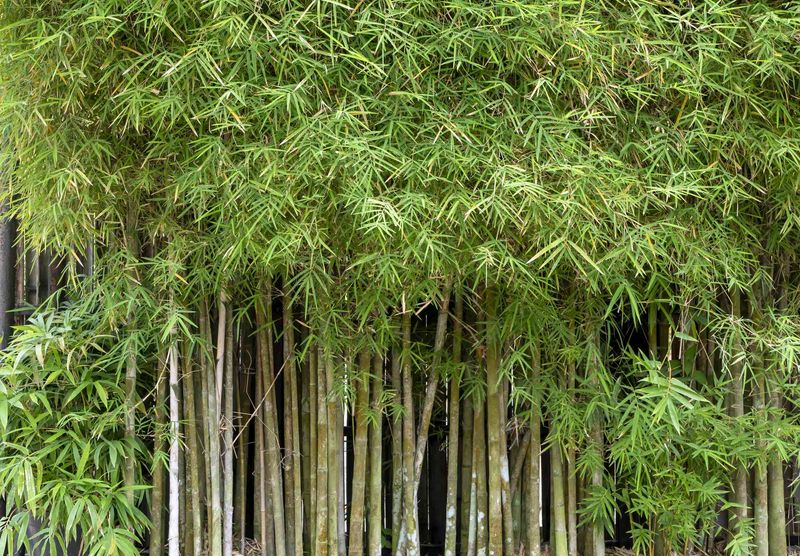
In a gentle breeze, the Fluttering Bamboo sways in rhythmic harmony. Bambusa vulgaris’s flexible structure prevents snapping, turning wind into a dance partner. This graceful movement is both functional and aesthetic, adding a dynamic element to landscapes. The bamboo’s resilience and grace make it a captivating feature in gardens and natural settings alike.
15. The Dove Orchid (Peristeria elata)
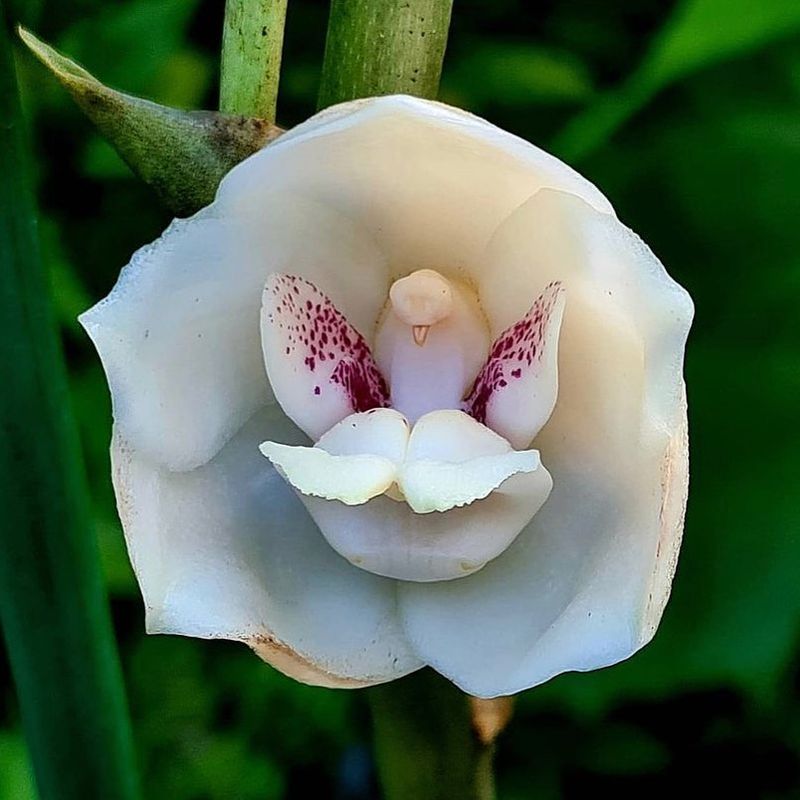
Amid delicate petals, the Dove Orchid reveals its secret. Peristeria elata’s flowers resemble fluttering doves, a mimicry that attracts pollinators. This elegant design is nature’s artistry at its finest, blending form and function seamlessly. The orchid’s beauty and mimicry make it a sought-after addition to collections, embodying the allure of exotic flora.
16. The Fiddlehead Fern (Matteuccia struthiopteris)
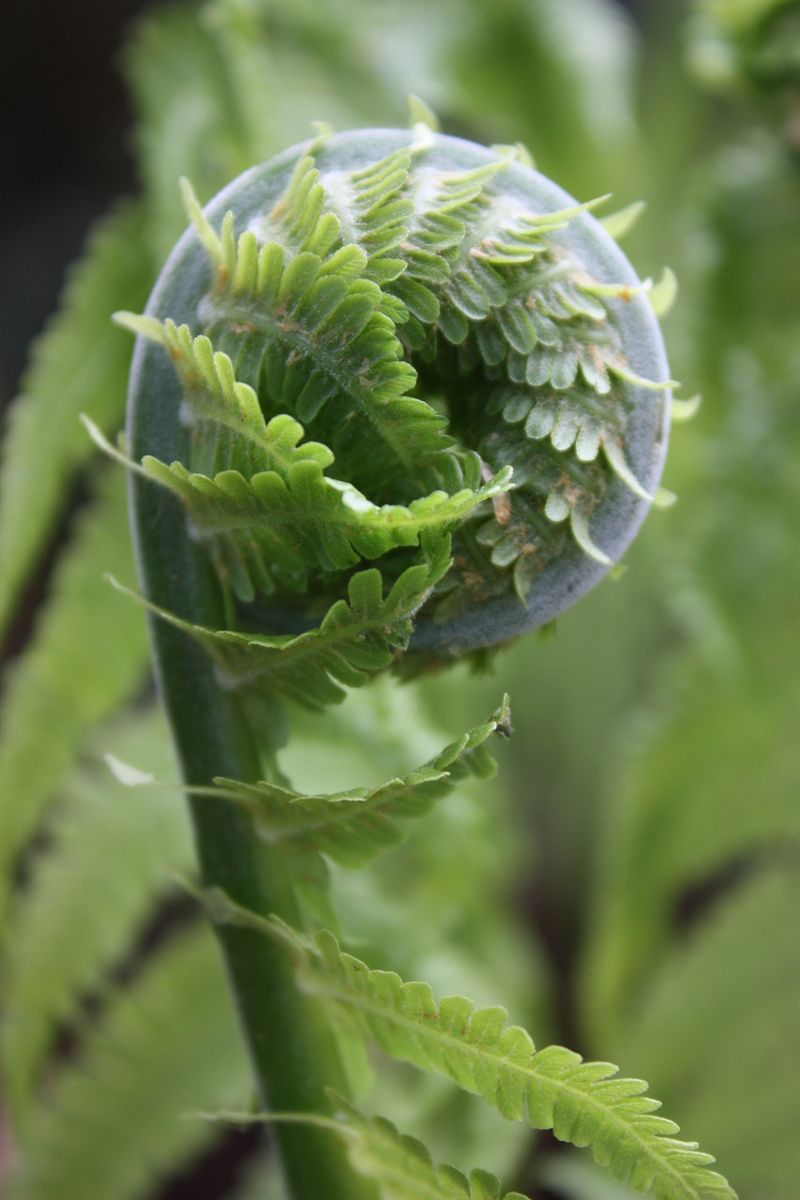
A symbol of new beginnings, the Fiddlehead Fern unfurls its young fronds like coiled springs. Matteuccia struthiopteris protects its delicate new growth in this spiral form, a dance of renewal and protection. The unfolding fronds are a visual delight, representing the cyclical nature of life. This fern’s graceful emergence is a reminder of the resilience and beauty inherent in growth.
17. The Synchronized Dancing Grass (Desmodium gyrans)
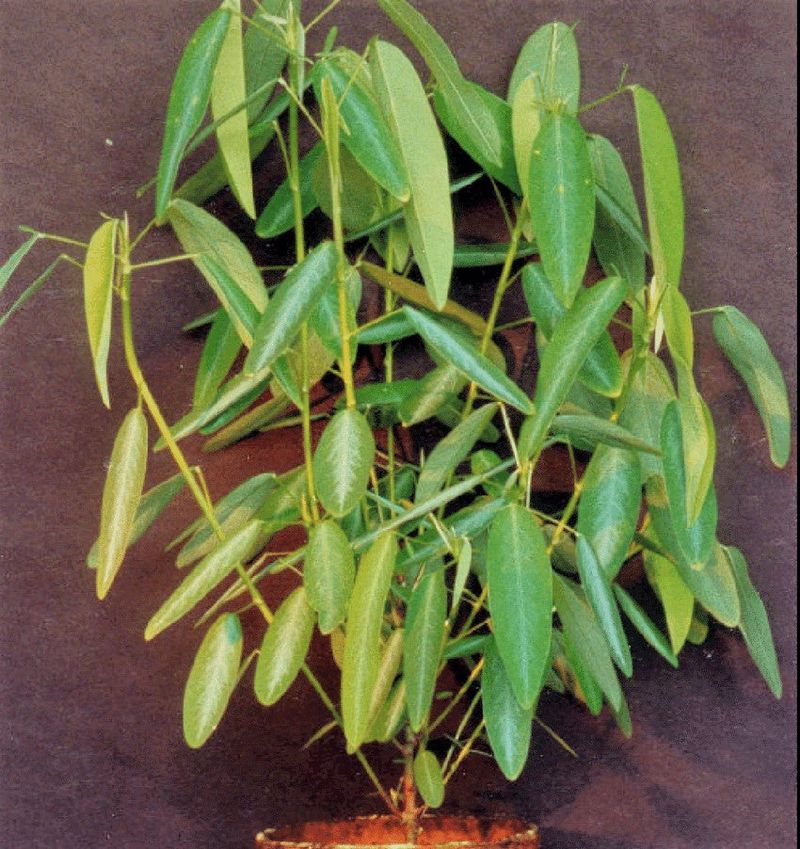
In a seemingly still world, the Synchronized Dancing Grass moves to an unseen rhythm. Desmodium gyrans’s leaves sway gracefully, without any external influence. This mysterious dance has puzzled botanists, sparking curiosity and wonder. Some believe it might be a primitive form of communication or a response to environmental stimuli. The grass’s enigmatic movement invites us to ponder the hidden complexities of plant life.