
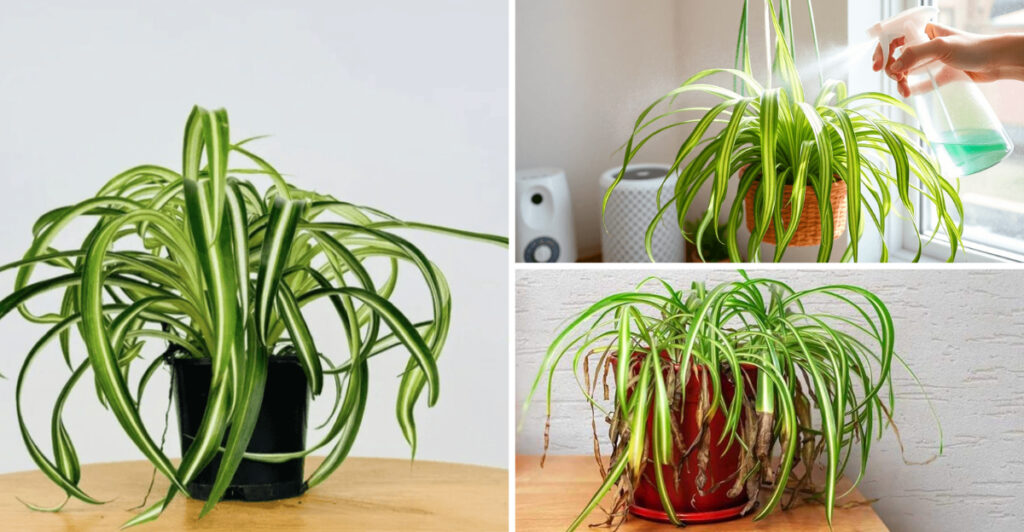
Spider plants are known for their resilience and ability to thrive in various conditions. However, low humidity can be a silent threat, causing subtle yet significant signs of distress. Understanding these warning signs can help you take timely action to ensure your spider plant remains lush and healthy. From browning tips to wilted leaves, these indicators reveal the impact of dry air on your beloved greenery. This guide delves into the 17 key signs that your spider plant is suffering from low humidity, offering insights and solutions to restore your plant’s vitality.
1. Browning Leaf Tips
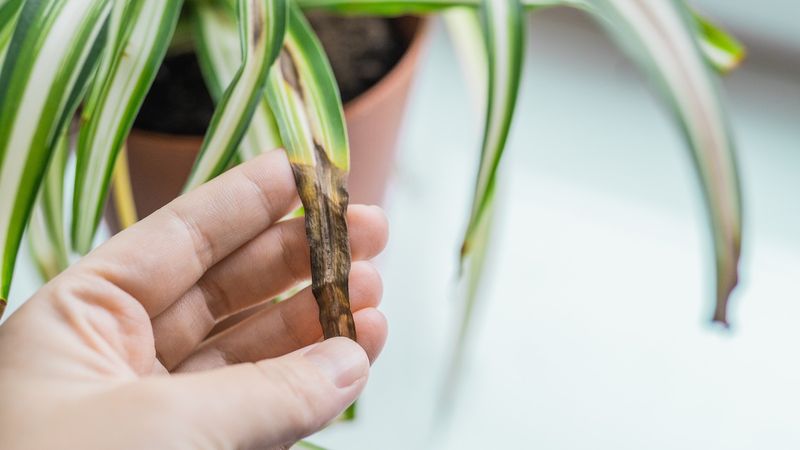
Notice the leaf tips turning brown and crispy? This is a common sign of low humidity affecting your spider plant. The dry air causes moisture loss, leading to dehydration at the leaf’s end. Initially, it might appear as slight discoloration, but it can progress to more severe browning.
Ensure your plant is not near heat sources like radiators, as they exacerbate the dryness. Providing a humidifier or misting the leaves can help alleviate this condition. Regularly check the moisture levels in the air to prevent recurrence. A lush green tip is a sign of a healthy plant.
2. Wilted Leaves

Ever seen your spider plant’s leaves drooping like they’re exhausted? This wilting can be a direct response to insufficient humidity. The plant struggles to retain water in dry conditions, causing the leaves to lose their firmness and vitality.
Place your plant in a more humid environment or use a pebble tray to boost moisture around it. Keeping the soil consistently moist can also help counteract wilting. Avoid overwatering, though, as it can lead to root rot. With proper care, your plant will perk up, regaining its lively demeanor.
3. Leaf Curling
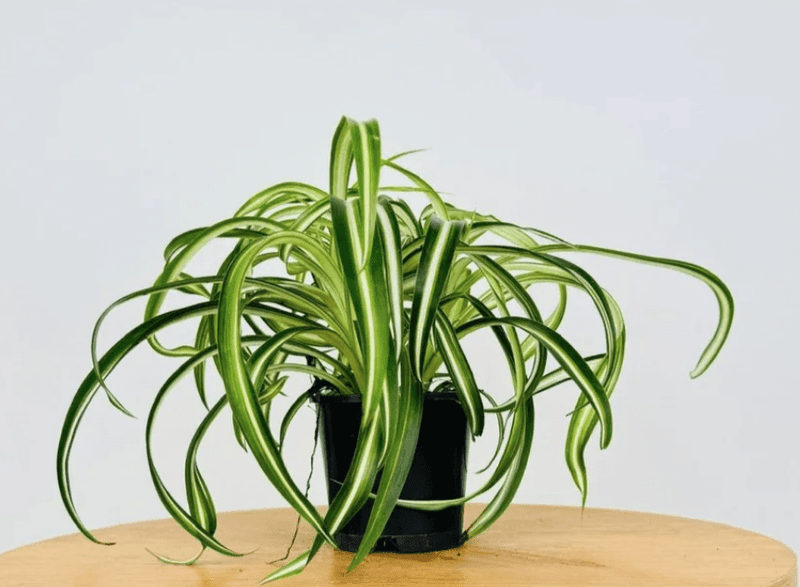
Curled leaves signal distress in your spider plant, often caused by low humidity levels. The curling happens as the plant tries to minimize water loss through its surface. It’s a natural defense but indicates a struggle to thrive.
To combat this, increase ambient humidity with regular misting or a humidifier. Consider grouping plants together to create a microclimate. Ensure the plant isn’t exposed to cold drafts or air conditioning, which can exacerbate the issue. With optimal conditions, leaves will unfurl, showing robust growth.
4. Stunted Growth
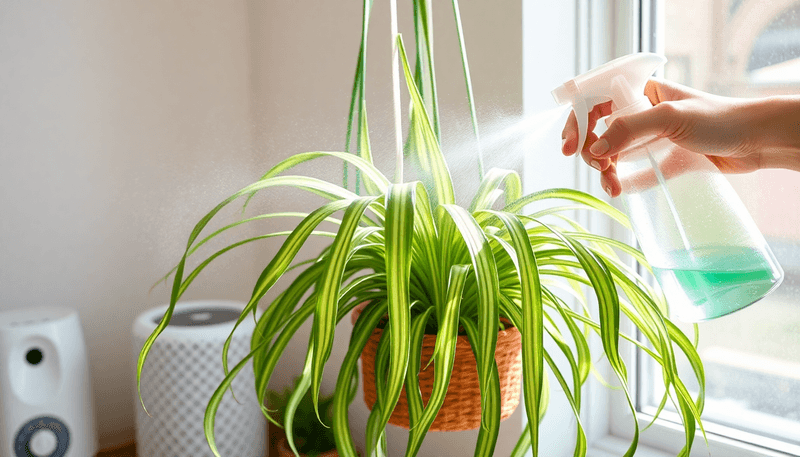
Find your spider plant not growing as expected? Low humidity could be the culprit. Dry air affects the plant’s ability to perform photosynthesis efficiently, stunting overall growth.
Introduce a consistent watering schedule and increase air moisture to stimulate healthy development. You might also use diluted fertilizers to encourage leaf expansion and new shoots. Keep the plant away from drying elements like fans or air vents. Soon, you’ll notice a burst of new growth, a sure sign of recovery.
5. Yellowing Leaves
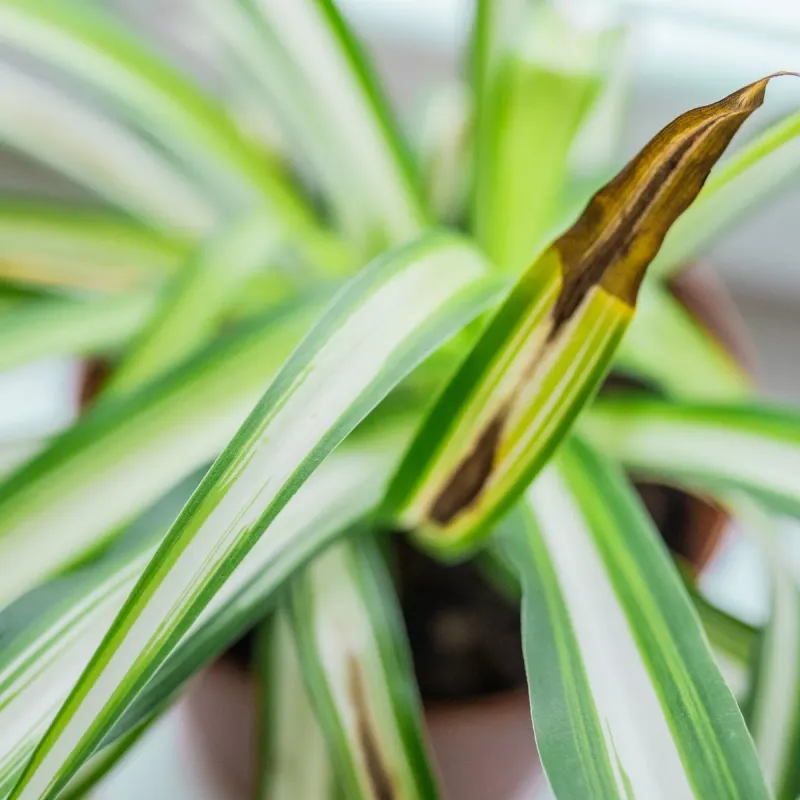
Yellowing leaves may seem alarming, but they often indicate the plant’s response to dry air. The lack of humidity disrupts nutrient absorption, leading to chlorosis or yellowing.
To remedy this, increase humidity levels and ensure your plant is well-nourished with balanced fertilizers. Check for pests that might exploit stressed plants. Regular inspections and care adjustments can prevent further yellowing. Once corrected, your plant should return to a vibrant green, signaling improved health.
6. Brown Spots on Leaves
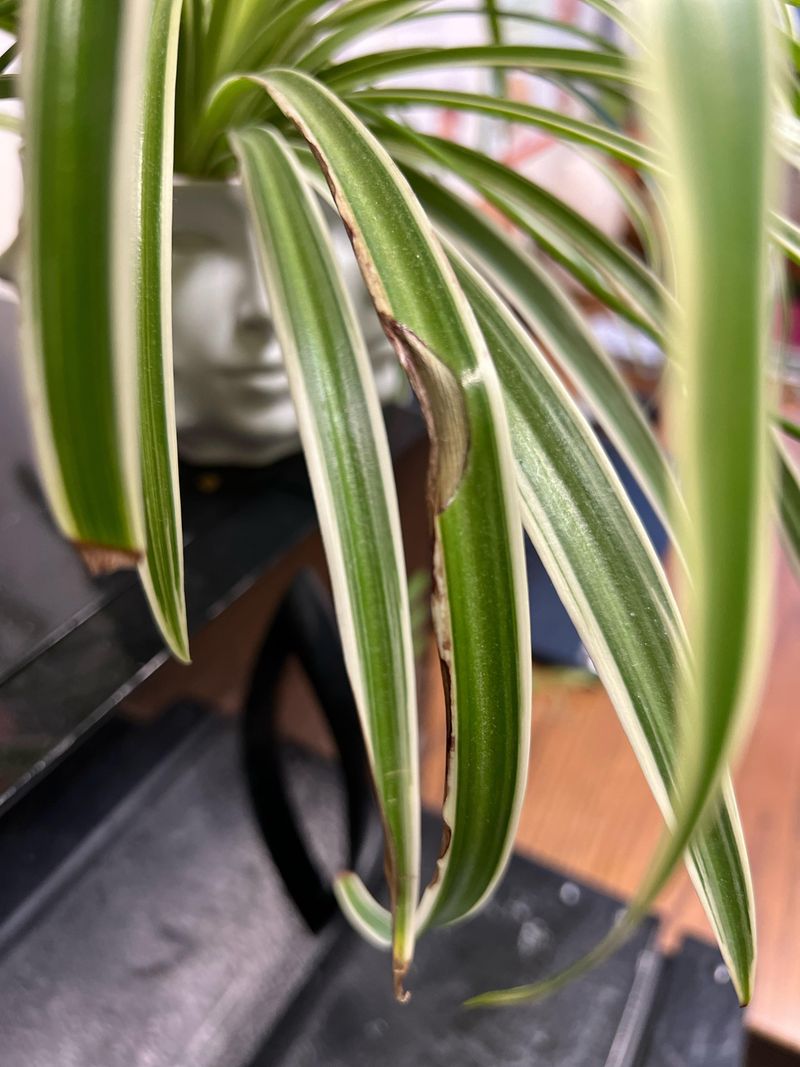
Brown spotting on leaves is often a sign of humidity stress. The dryness causes the plant to lose moisture rapidly, resulting in unsightly spots.
Address this by enhancing humidity through misting or placing a humidifier nearby. Ensure your plant is not under direct sunlight, as this can compound the issue. Adequate hydration and protection from heat sources are key. With these adjustments, the brown spotting should diminish, restoring the plant’s aesthetic appeal.
7. Leaf Drop
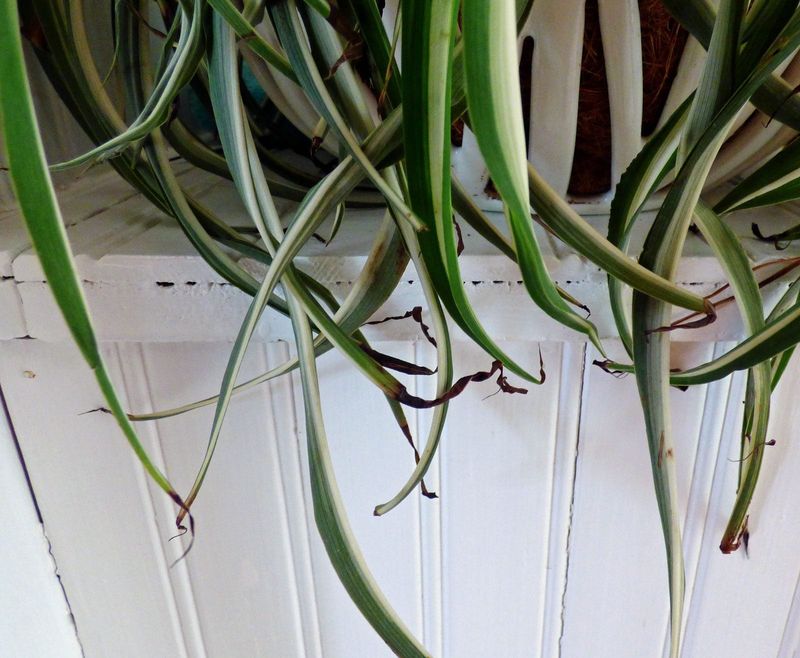
If leaves are dropping, your spider plant might be responding to low humidity. This condition forces the plant to shed leaves to conserve moisture.
Boost humidity levels and check soil moisture to prevent further loss. Ensure your plant is not experiencing temperature extremes, which can worsen leaf drop. With consistent humidity and care, remaining leaves will stay put, and new ones will grow to replace those lost.
8. Delayed New Shoots
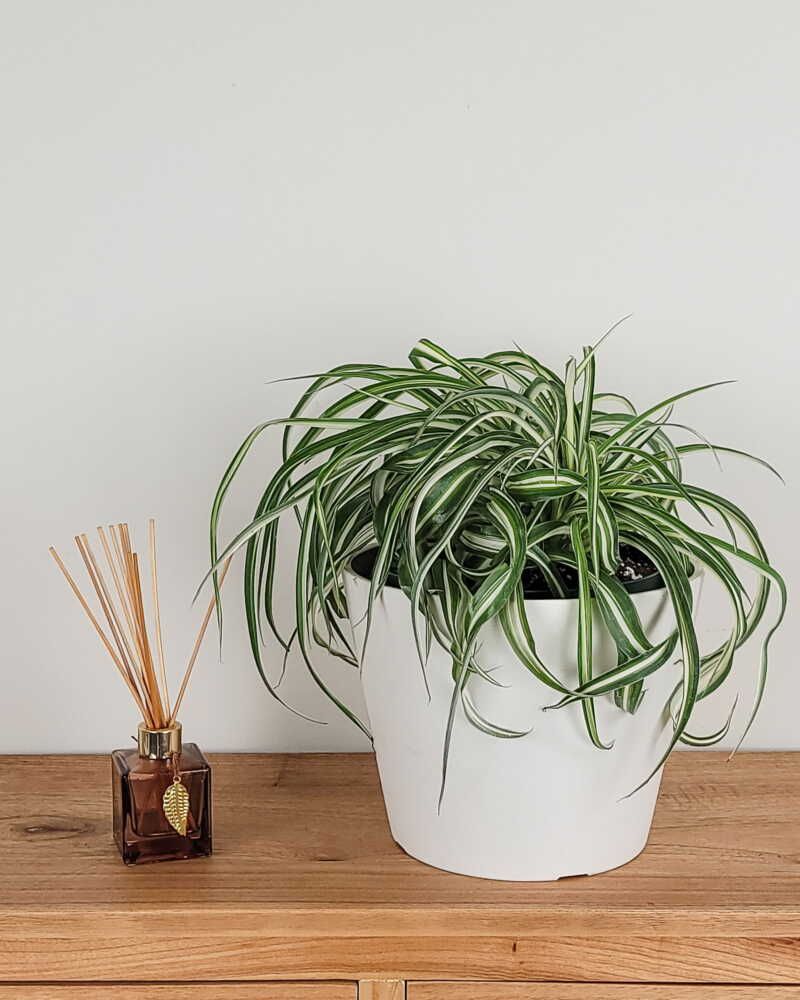
New shoots taking longer to appear? This delay is often due to low humidity hindering growth. The plant focuses on survival rather than expansion in dry conditions.
Increase humidity using pebble trays or humidifiers to support new growth. Regular feeding with diluted nutrients can also promote development. With an improved environment, you’ll soon see new shoots flourishing, marking the plant’s revival.
9. Weak Root System
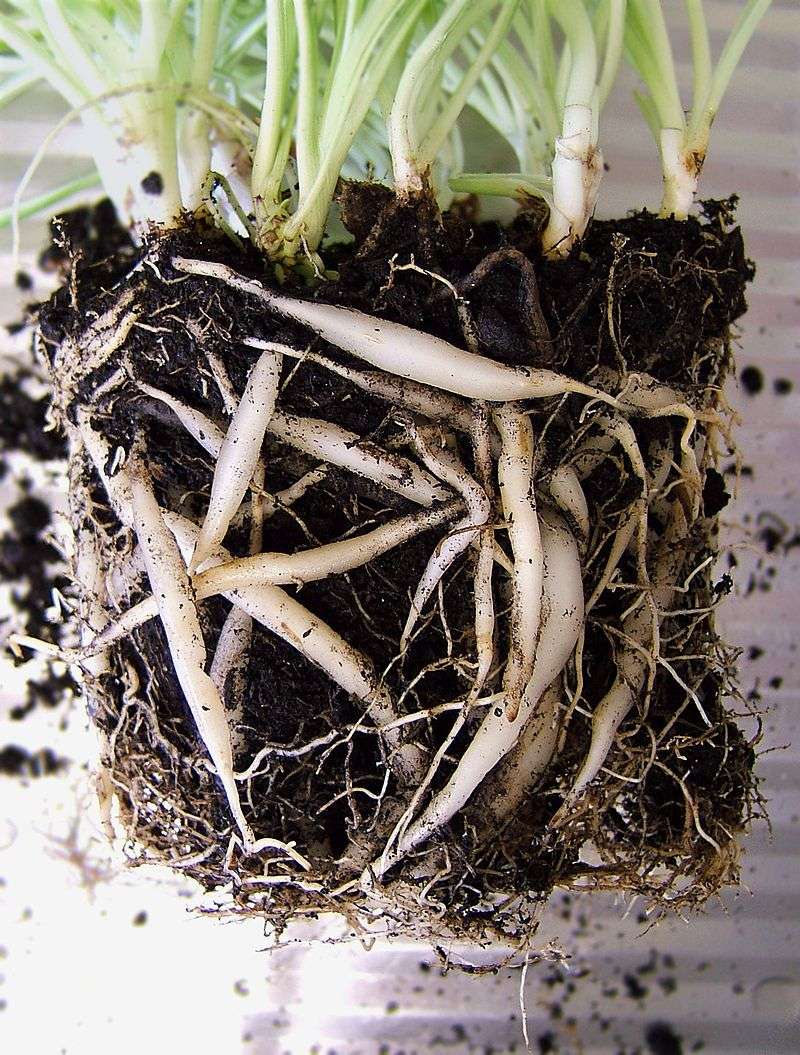
Underdeveloped roots can be a hidden consequence of low humidity. The plant’s energy is diverted from root growth to maintaining leaf integrity in dry conditions.
To strengthen roots, ensure consistent moisture in the soil and increase ambient humidity. Transplanting to a larger pot may also encourage root expansion. Once stability is achieved, the roots will grow robustly, providing a solid foundation for the plant.
10. Lack of Flowering

Wondering why your spider plant isn’t flowering? Low humidity might be the reason. Flowers require optimal conditions to bloom, and dry air hinders this process.
To encourage blooming, enhance humidity levels and ensure your plant receives adequate indirect sunlight. Regular feeding and care adjustments can foster a flowering environment. With patience and proper conditions, you’ll soon enjoy the plant’s delicate blossoms.
11. Cracked Soil Surface
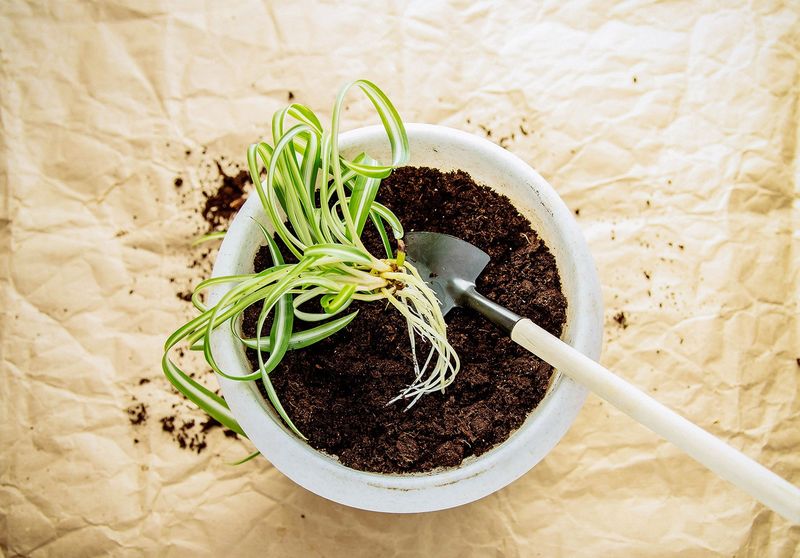
Cracked soil indicates a lack of moisture not just for the plant but for the environment. The arid conditions cause the soil to dry out and crack, affecting root health.
Regular watering schedules can keep the soil moist and prevent cracks. Complement this with increased room humidity to support overall plant health. Avoid letting the soil dry completely between waterings. Soon, you’ll notice a healthier, more cohesive soil structure.
12. Increased Pest Activity
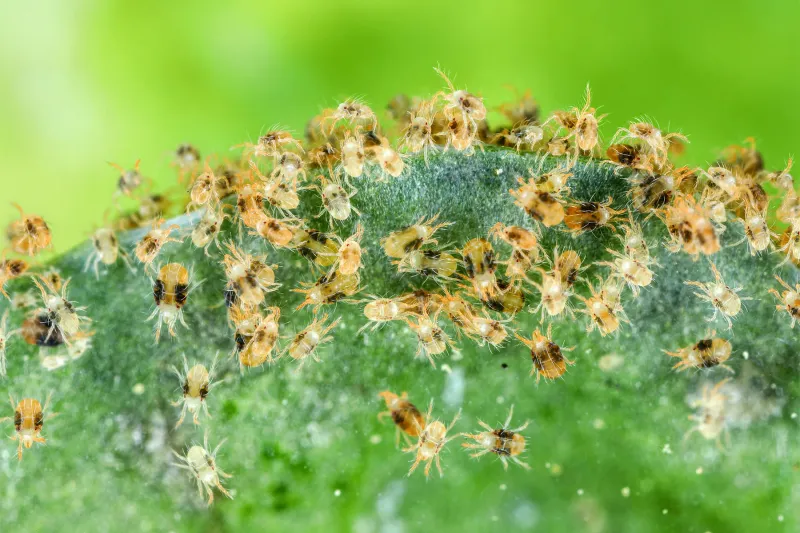
Low humidity can lead to increased pest activity as plants become more vulnerable. Pests like spider mites thrive in dry conditions, preying on stressed plants.
Enhancing humidity can deter these pests and strengthen the plant’s defenses. Regular inspections and organic treatments can further protect your plant. Maintaining an ideal environment will significantly reduce pest presence, ensuring your plant remains vibrant and healthy.
13. Brittle Leaves
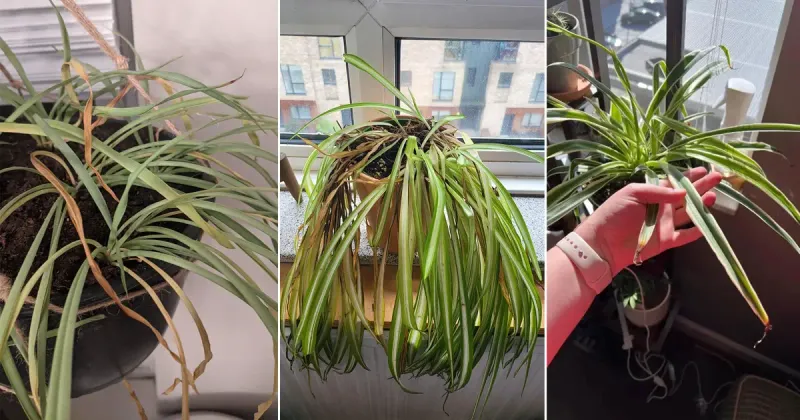
Brittle leaves are symptomatic of low humidity, as the plant’s moisture retention is compromised. The leaves become fragile and prone to breaking.
Enhance the air’s moisture content around the plant with a humidifier or regular misting. Avoid handling the leaves roughly to prevent breakage. With proper care, the leaves will regain their flexibility and strength.
14. Color Fading
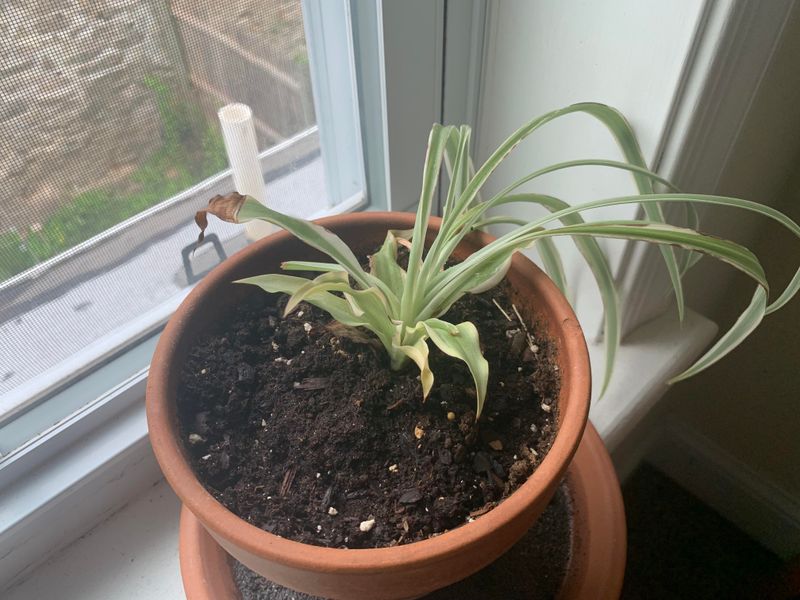
Color fading is a subtle yet telling sign of low humidity stress. The plant loses its vibrant green hue as chlorophyll production is disrupted by dry air.
Regularly misting the plant or using a humidifier can help restore its color. Ensure the plant gets enough indirect sunlight to aid chlorophyll production. Reviving its environment will bring back the plant’s lush, green appearance.
15. Root Rot

Root rot might seem contradictory in dry conditions, but overwatering in an attempt to combat low humidity can lead to this issue. Soggy roots rot easily, damaging the plant.
Balance is key: maintain a consistent yet moderate watering routine and improve humidity levels. Repotting in fresh soil may be necessary to stabilize the plant. As conditions improve, healthy root growth will follow.
16. Uneven Leaf Color
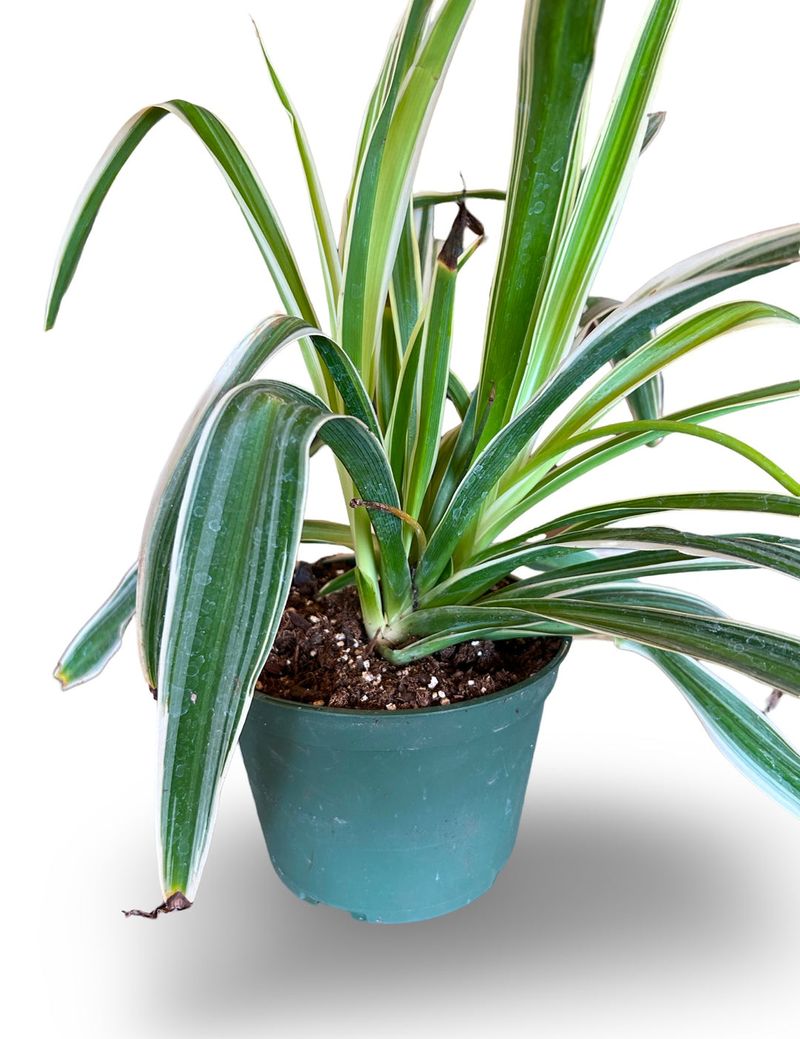
Uneven leaf color often indicates fluctuating humidity levels. The plant may develop patches of lighter or darker green as it struggles to adapt.
Consistency in humidity can help even out the color. Using a humidifier or regular misting will provide stability. With these adjustments, the plant’s coloration will become uniform, showcasing its natural beauty.
17. Fragile New Growth
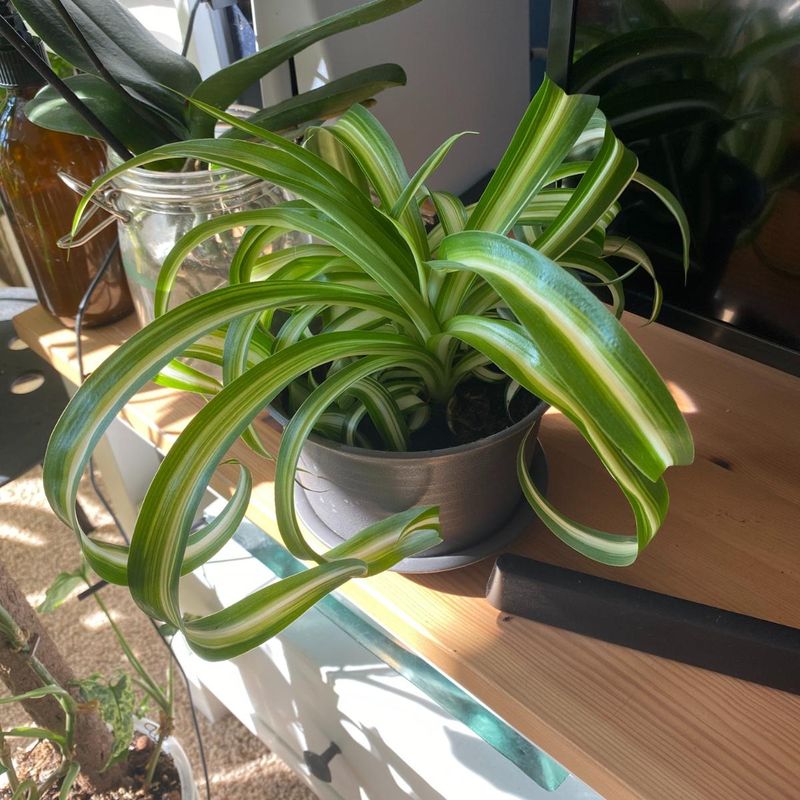
Fragile new growth is a clear sign of low humidity. The young leaves lack the robustness needed to thrive, appearing flimsy and delicate.
Ensuring a humid environment will support the development of strong, healthy new leaves. Regular misting and proper watering can aid in this process. Soon, the new growth will strengthen, contributing to the plant’s overall vigor.