 Complete Gardening
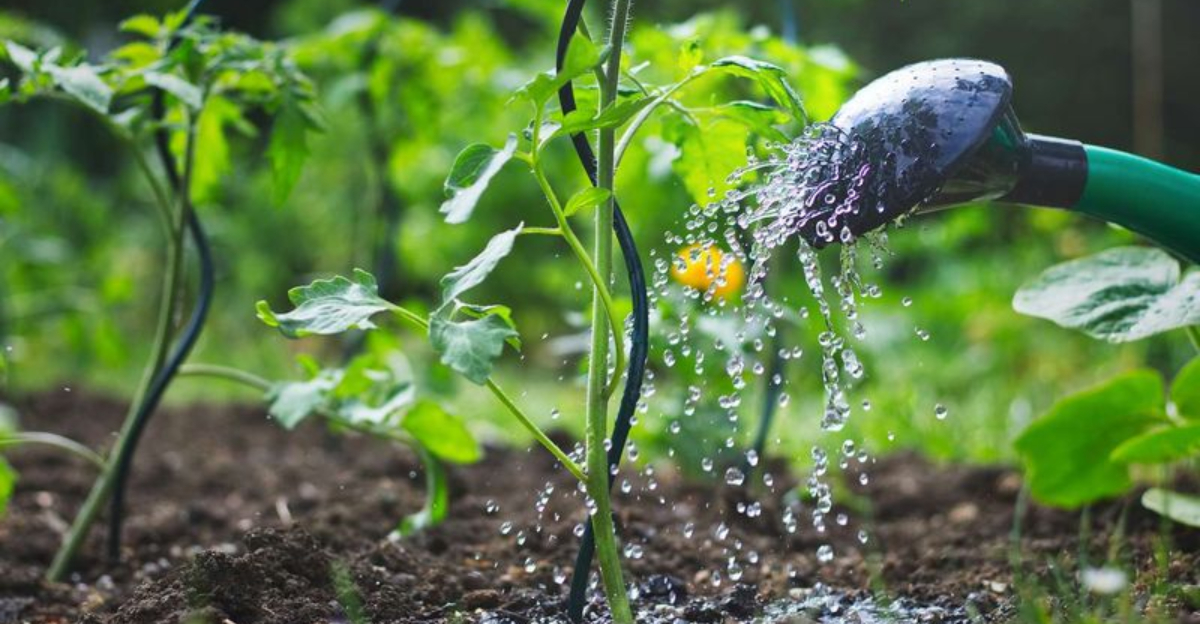
Transplanting tomatoes can be a delicate process that requires proper attention to detail. Many gardeners, whether beginners or veterans, often find themselves making common mistakes that affect the growth and yield of their beloved plants. This guide highlights the top 20 transplanting mistakes and offers practical, easy-to-implement solutions to ensure a thriving tomato garden.
1. Planting Too Early
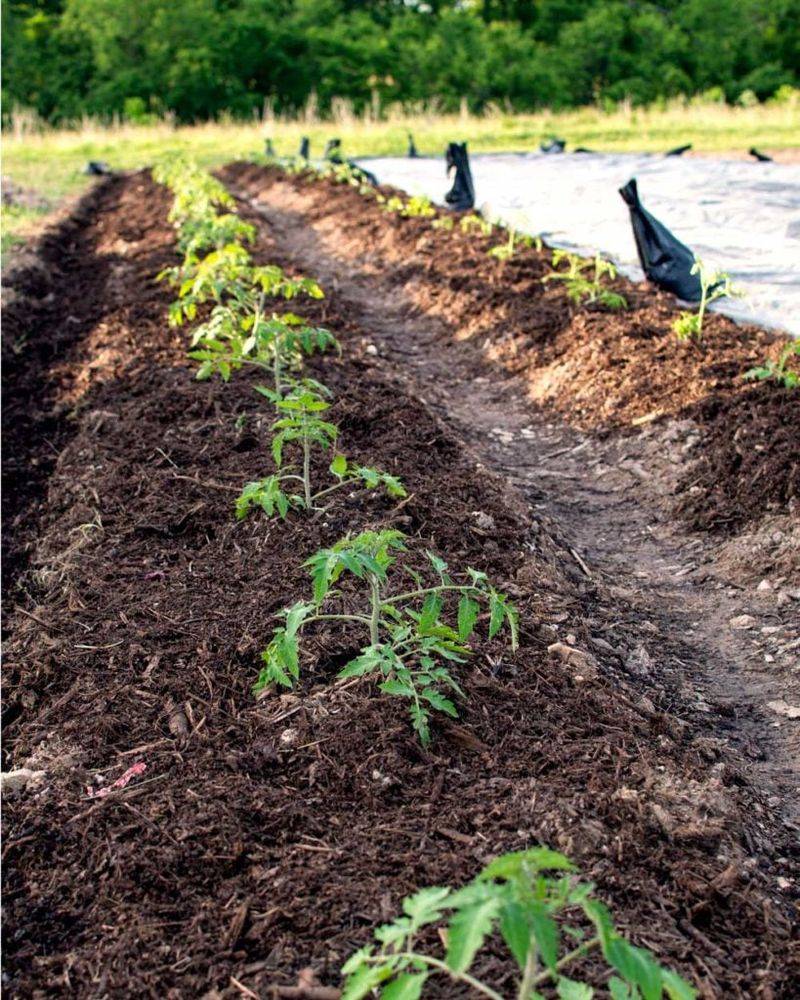
Starting off tomato transplanting too early? It’s a common mistake. Early planting might expose delicate seedlings to unexpected frost, jeopardizing their growth. Consider local climate patterns; wait until temperatures support thriving development.
Protect young plants with frost covers if unexpected cold fronts occur. Create a warm, nurturing environment for the tender seedlings.
Patience pays off: waiting for favorable conditions ensures robust growth and bountiful harvests. Your tomatoes will thank you for avoiding the chilly shock of an early spring.
2. Shallow Planting Depth
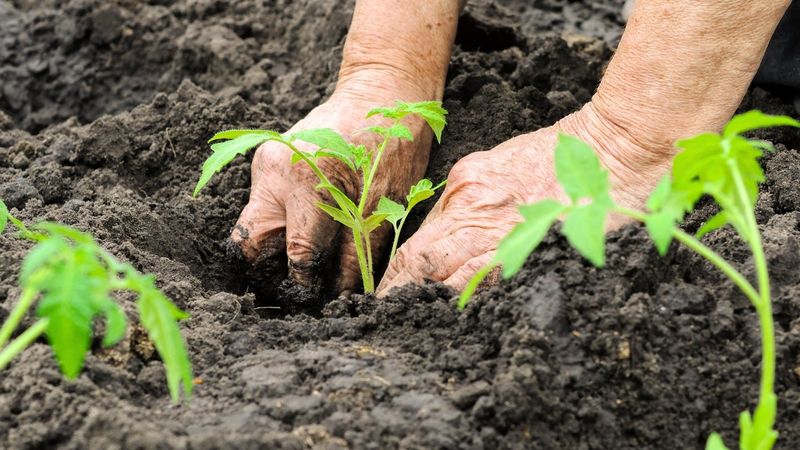
Imagine roots yearning for stability. Shallow planting restricts root expansion, leading to weak plants vulnerable to wind and drought. Proper depth allows roots to anchor securely, drawing essential nutrients.
Aim for the first set of true leaves to be barely above ground. Deep planting encourages robust root systems, crucial for healthy growth.
Ensure the soil is well-prepared, offering a firm foundation for roots to explore. This simple adjustment paves the way for a thriving, resilient plant.
3. Ignoring Soil Quality
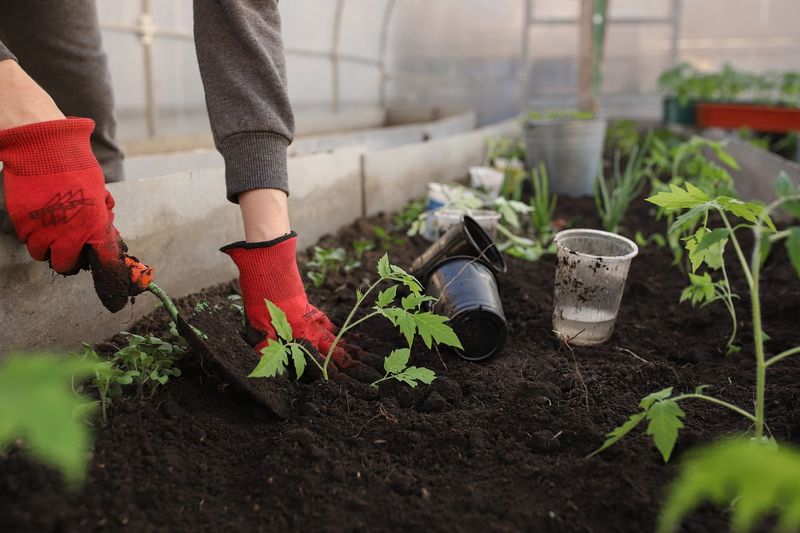
Overlooking soil quality can lead to disappointing results. The secret to successful tomatoes lies in nutrient-rich soil that supports healthy growth.
Conducting a soil test reveals pH levels and nutrient deficiencies. Amend soil with compost, improving texture and fertility.
A lush, productive garden begins with the ground beneath your feet. Taking time to enrich the soil ensures your plants receive the best start possible.
4. Overcrowding Plants
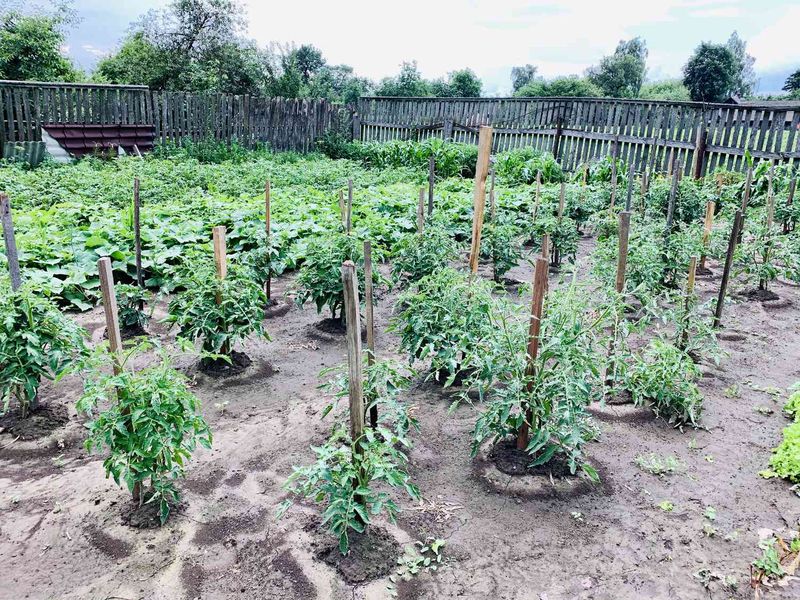
Imagine a party where everyone’s elbow-to-elbow. Overcrowding plants limits airflow, increasing disease risk and hindering growth. Each tomato plant needs space to breathe and soak up sunlight.
Provide at least 18-24 inches between plants. This spacing helps prevent fungal infections and ensures sunlight penetration.
A well-planned layout fosters a healthy, vigorous crop, maximizing your harvest potential. Give your tomatoes room to grow and flourish.
5. Neglecting Proper Watering
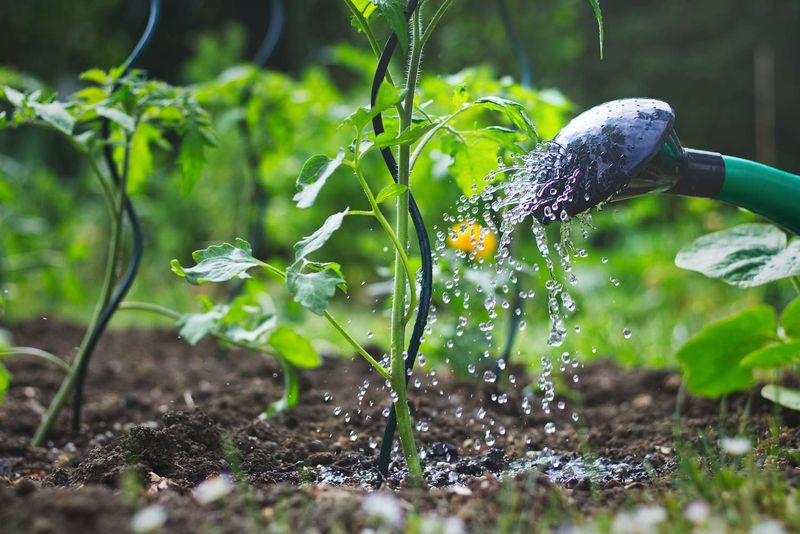
Tomatoes thirst for the right amount of hydration. Neglecting proper watering can lead to stunted growth or blossom-end rot. Consistent moisture is key to preventing these issues.
Water deeply but less frequently, allowing roots to access water reservoirs. Maintain even soil moisture without over-saturation.
With careful attention to watering practices, your tomatoes will thrive, rewarding you with juicy, flavorful fruits.
6. Using Contaminated Tools
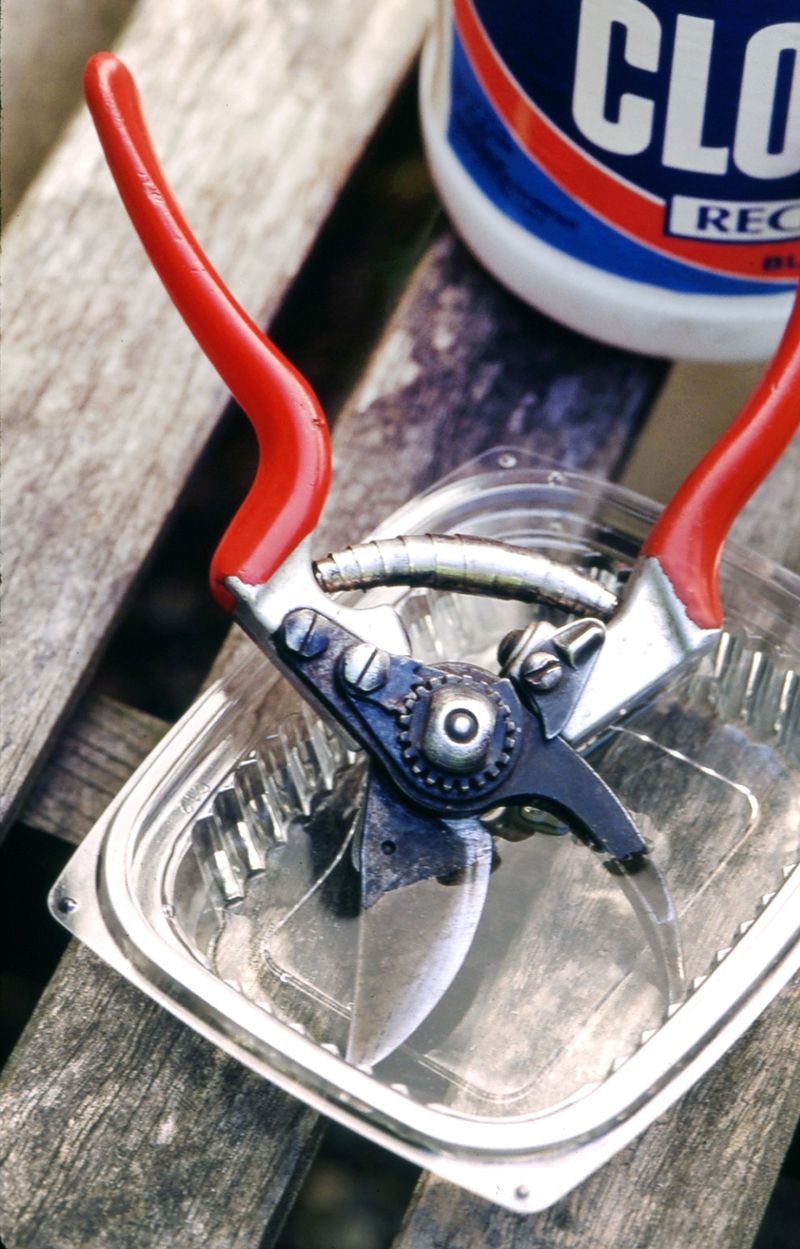
Unseen to the naked eye, contaminated tools can carry diseases that devastate tomato plants. Cleanliness is next to garden prosperity.
Regularly sanitize tools with a mild bleach solution to prevent the spread of pathogens. Sterilization protects your plants from harmful diseases.
Investing time in tool hygiene ensures a healthier garden and a more bountiful harvest. Don’t let dirty tools sabotage your tomato dream.
7. Planting in Poor Drainage Areas
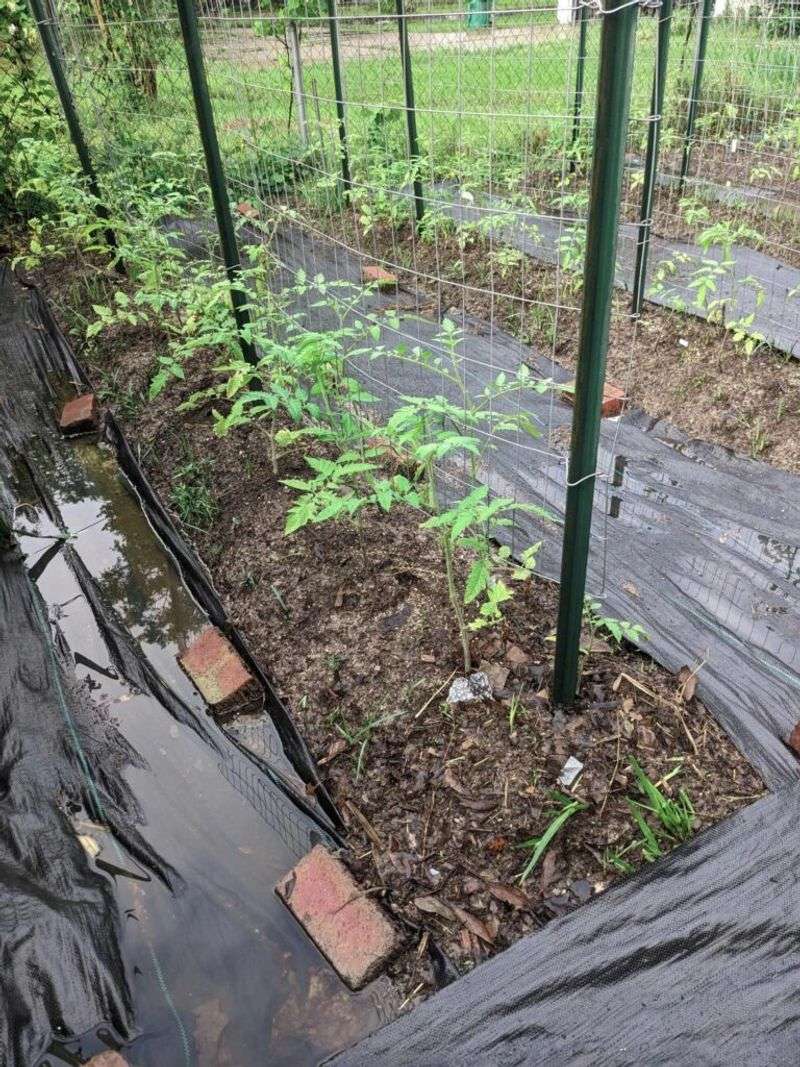
Waterlogged roots can lead to rot. Choosing a planting site with poor drainage suffocates and weakens plants. A well-drained spot promotes healthy growth.
Raised beds or mounds improve drainage, preventing water accumulation. Add sand or organic material to enhance soil structure.
By ensuring proper drainage, your tomato plants will enjoy a vibrant, healthy growing season, free from soggy woes and root rot.
8. Forgetting Mulching
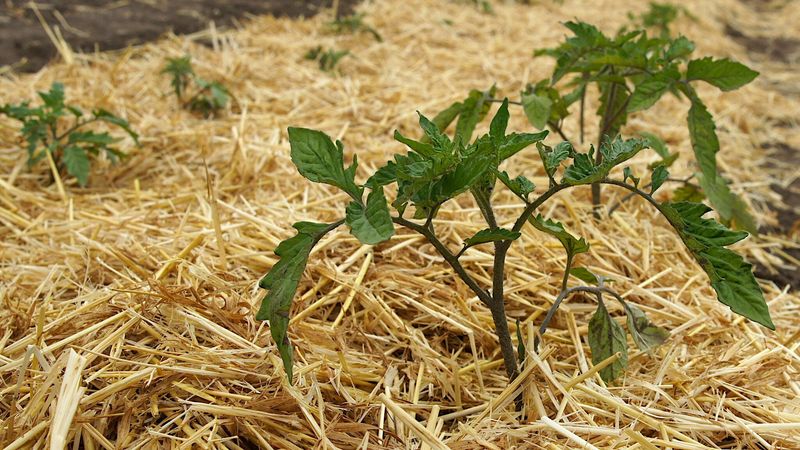
Mulch is a tomato plant’s silent ally. Forgetting to mulch leaves soil exposed, leading to moisture loss and temperature fluctuations.
Apply a layer of organic mulch to conserve moisture, regulate temperature, and suppress weeds. Mulching nurtures a stable growing environment.
With mulch, your tomatoes gain a protective barrier against harsh conditions, thriving in a consistently supportive habitat.
9. Transplanting Root-Bound Seedlings
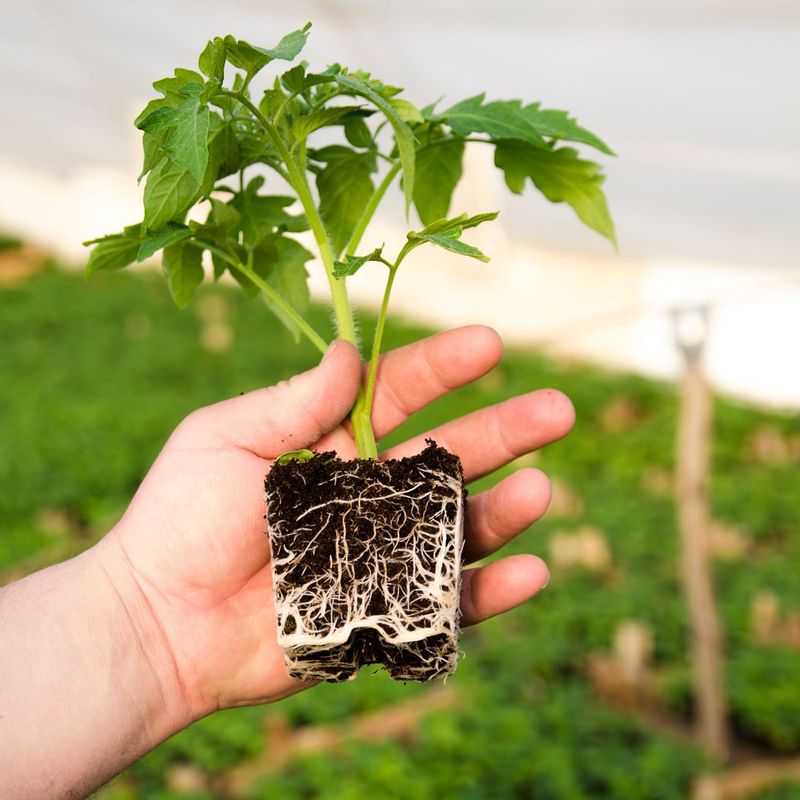
Trapped roots struggle. Transplanting root-bound seedlings hinders their ability to establish in new soil. Gently untangle roots before planting.
Loosening compacted roots allows them to spread and adapt. A well-established root system supports vigorous growth.
Care for the roots, and you’ll nurture a robust, productive tomato plant ready to flourish in its new home.
10. Ignoring Pest Prevention
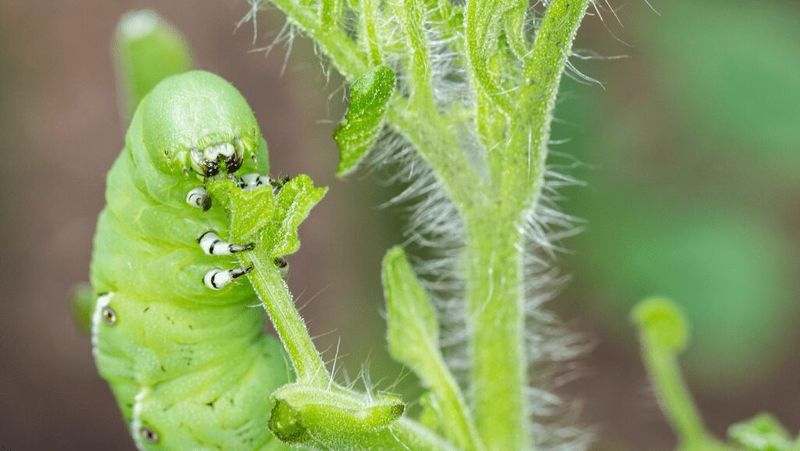
Unwanted guests like aphids can ravage your tomato plants. Ignoring pest prevention can lead to severe damage.
Monitor plants regularly for signs of pests. Natural solutions like neem oil or insecticidal soap offer effective control.
A vigilant gardener keeps pests at bay, ensuring healthy, thriving plants that produce abundant yields.
11. Improper Fertilization
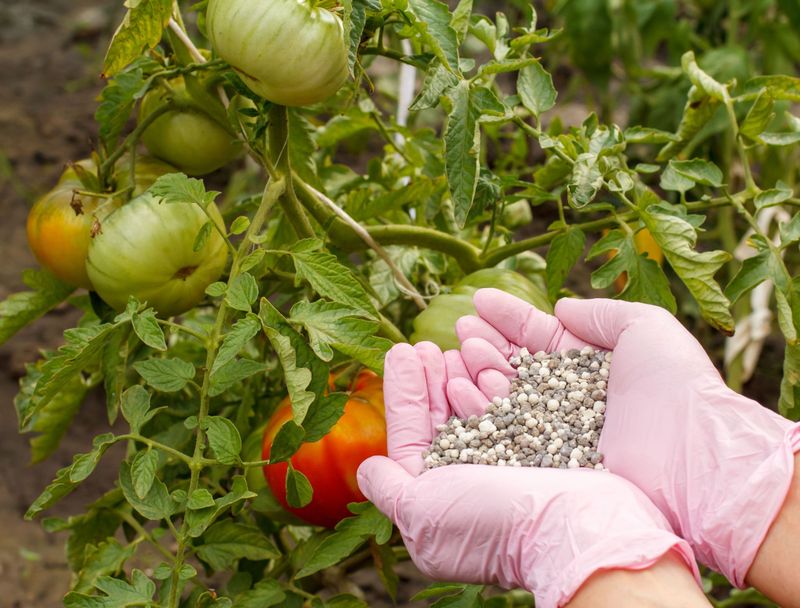
Fertilization is an art, not just a science. Improper fertilization can lead to nutrient deficiencies or toxic buildup.
Use a balanced, tomato-specific fertilizer to support growth. Follow package instructions to avoid over-fertilization.
Nourish your plants correctly, and they’ll reward you with robust growth and a generous harvest season after season.
12. Transplanting at the Wrong Time of Day

Timing is everything. Transplanting tomatoes during the heat of the day can cause stress and wilting.
Choose early morning or late afternoon for transplanting, when temperatures are cooler. This minimizes plant stress and facilitates recovery.
With mindful timing, your tomatoes transition smoothly, thriving in their new environment without unwelcome stress.
13. Overlooking Sunlight Needs
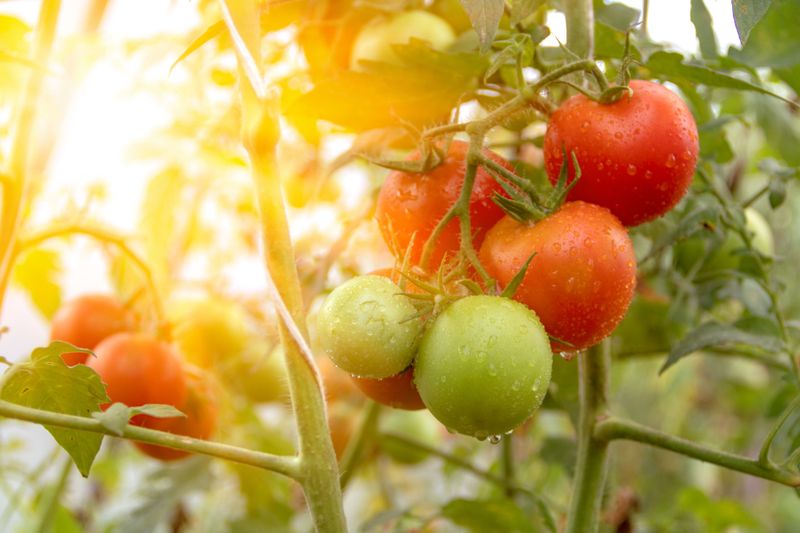
Sunlight fuels tomato growth. Positioning plants in shaded areas limits their potential.
Ensure tomatoes receive 6-8 hours of direct sunlight daily. This energizes them, promoting healthy foliage and fruiting.
With the right amount of sunlight, your plants will thrive, producing a delicious and plentiful harvest.
14. Not Hardening Off Seedlings
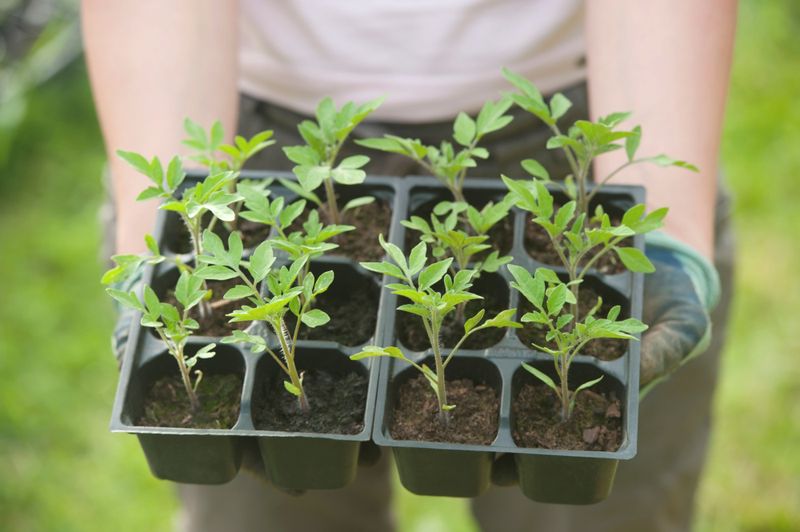
Seedlings need a gentle transition. Skipping the hardening-off process can shock them, causing setbacks in growth.
Gradually expose seedlings to outdoor conditions, increasing time outside daily. This strengthens them for full transplantation.
The extra effort ensures your tomatoes acclimate successfully, resulting in stronger, more resilient plants.
15. Misjudging Plant Support Needs
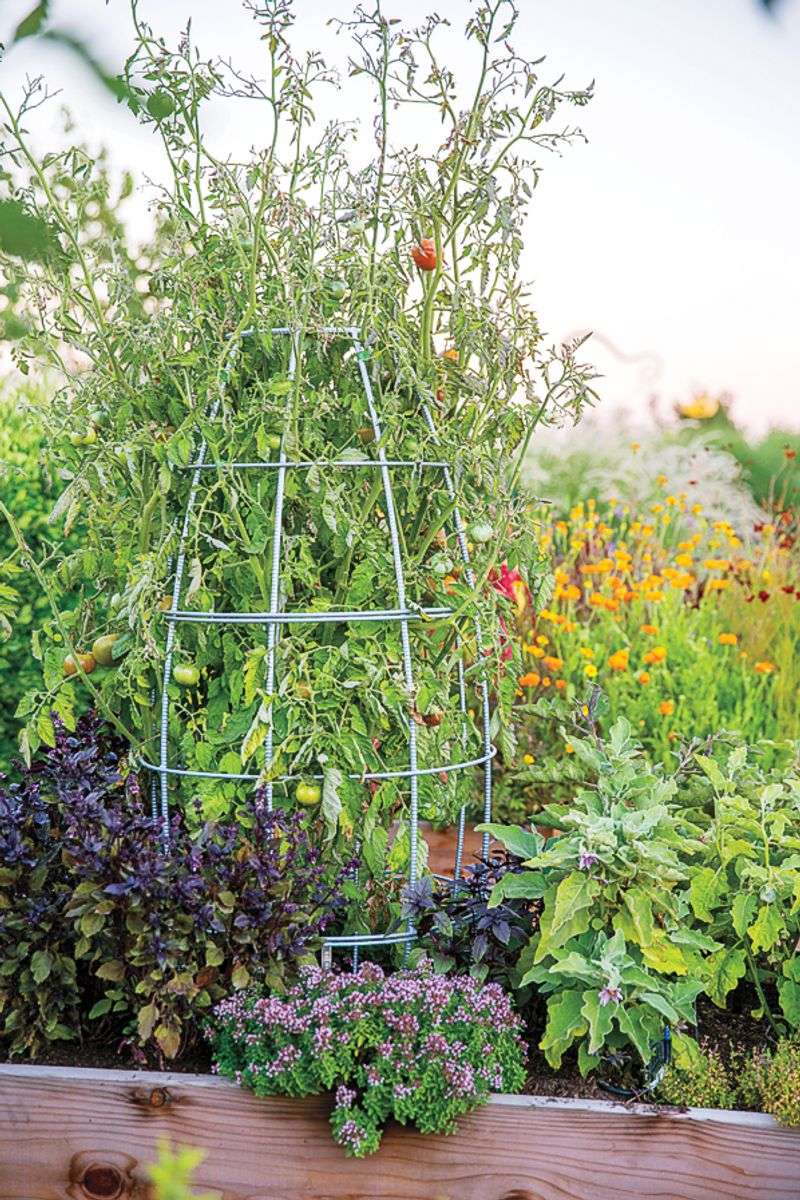
Tomatoes need guidance. Misjudging support needs can lead to broken branches and reduced yield.
Provide stakes or cages early to support growth. This prevents plants from collapsing under their own weight.
With proper support, your plants will stand tall, enabling ample fruit production and easier maintenance.
16. Skipping Crop Rotation
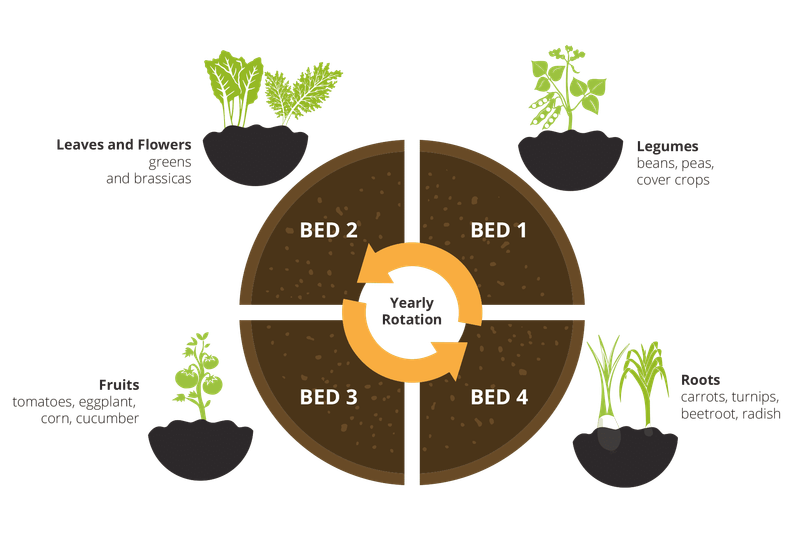
Repeating tomato planting in the same location invites soil-borne diseases.
Practice crop rotation, changing plant locations annually. This disrupts disease cycles and improves soil health.
With rotation, your garden remains vibrant, preventing depletion and ensuring a bountiful harvest.
17. Ignoring Companion Planting
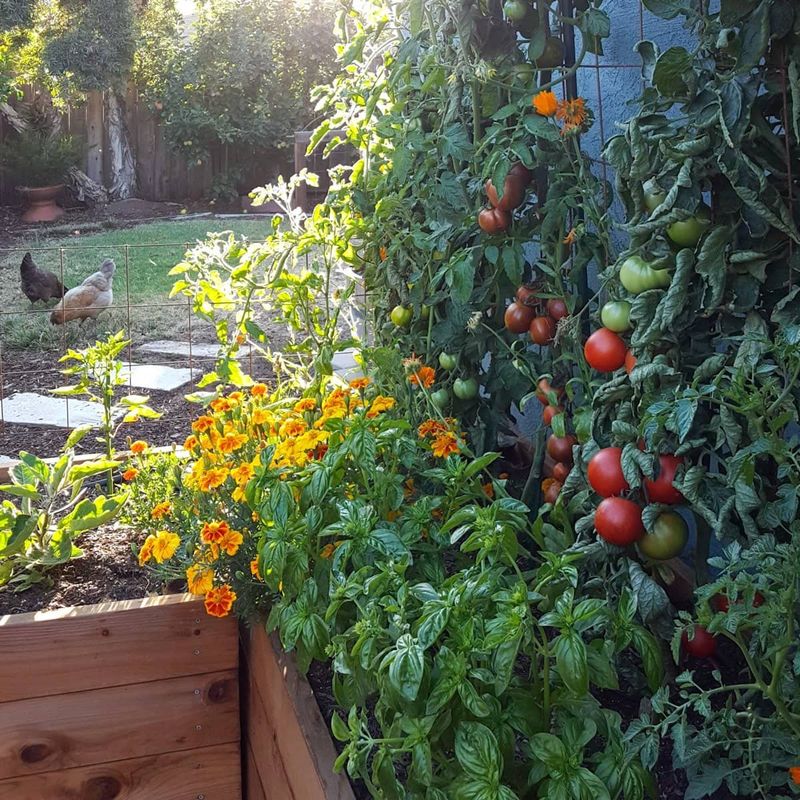
Friends matter. Overlooking companion planting misses out on natural pest deterrents and growth boosters.
Pair tomatoes with beneficial plants like basil or marigolds. These companions ward off pests and enhance flavor.
With careful pairing, your tomato garden becomes a thriving ecosystem of mutual support.
18. Replanting Sick Plants
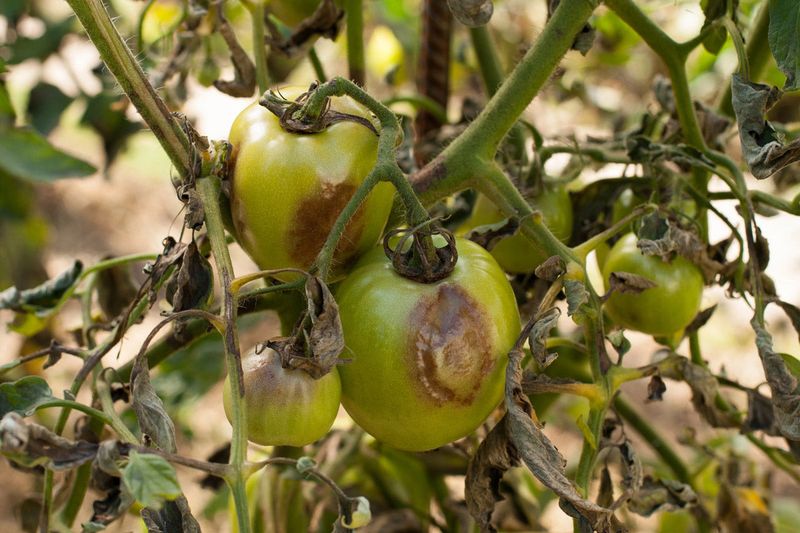
Replanting sickly tomatoes spreads disease, jeopardizing the entire garden.
Remove and dispose of diseased plants immediately, preventing the spread of pathogens.
Healthy beginnings ensure a robust, disease-free garden, offering a bountiful harvest in return.
19. Failing to Prune Properly
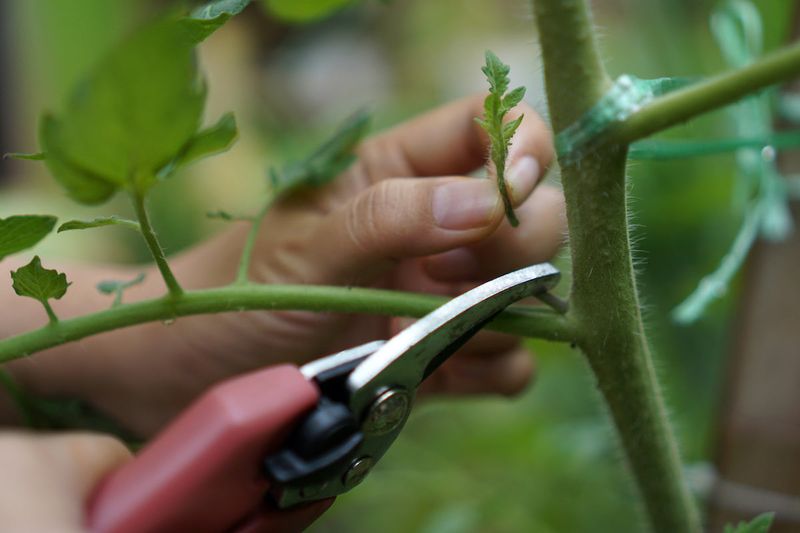
Pruning promotes vigor. Failing to prune results in tangled growth and poor fruit development.
Trim excess branches, focusing energy on productive shoots. This encourages healthy fruiting and air circulation.
With diligent pruning, your plants flourish, yielding abundant, quality tomatoes.
20. Overlooking Disease-Resistant Varieties
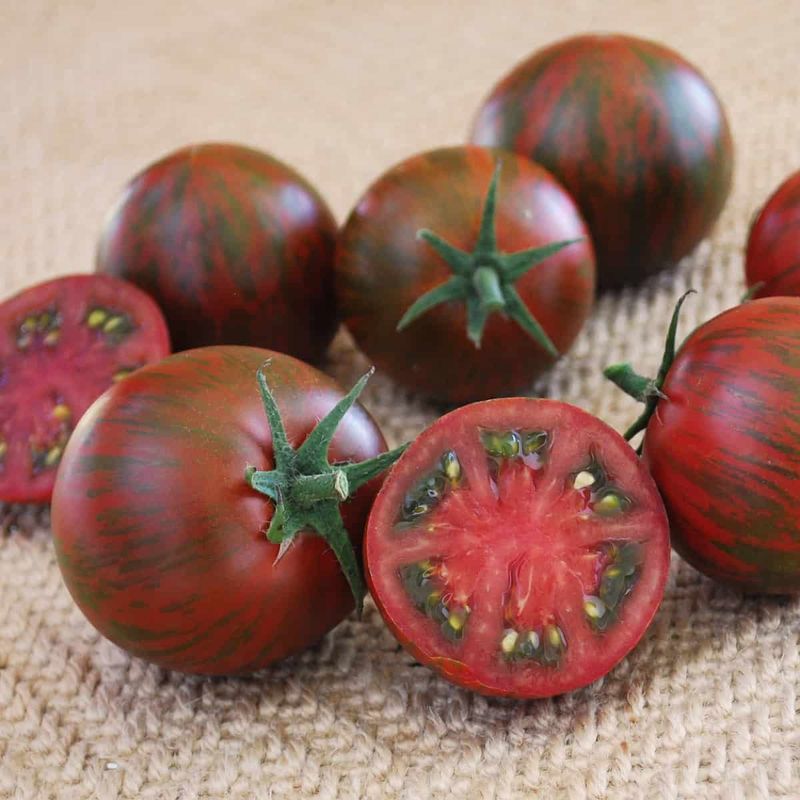
Why gamble with disease-prone varieties? Choosing disease-resistant tomatoes reduces risks and enhances success.
Select varieties bred for resistance to common ailments. This proactive step ensures greater resilience and productivity.
With the right choices, your tomato garden remains robust, promising fruitful rewards.