
Creating a bird-friendly environment in your yard can be both rewarding and enjoyable. Here, we explore 20 effective strategies to attract birds to your feeder and highlight two common mistakes to avoid. Each tip is crafted to enhance your backyard’s appeal to our feathered friends and ensure a lively and diverse bird community. Whether you’re a seasoned birdwatcher or a beginner, these insights offer practical ways to transform your outdoor space into a bird haven.
1. Choose the Right Feeder
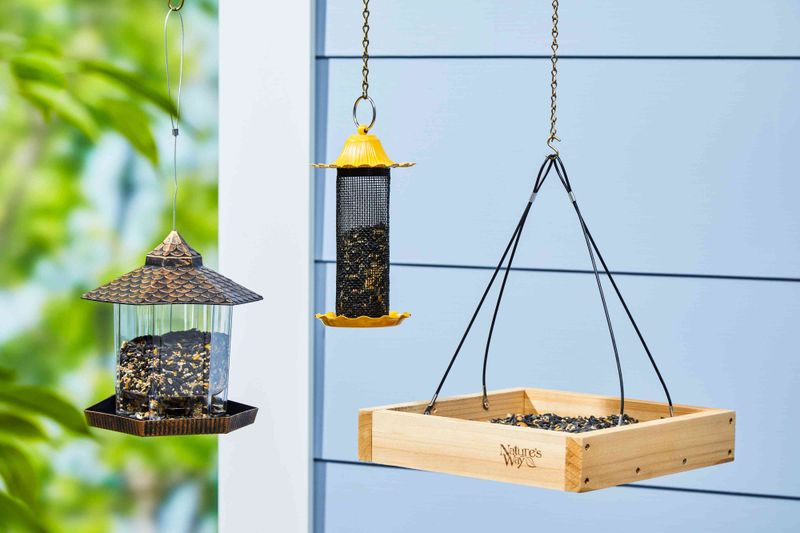
Selecting the appropriate feeder is essential for attracting various bird species. Tube feeders are excellent for small birds, while platform feeders can accommodate larger species. Consider the types of birds you wish to attract and choose feeders that cater to their specific needs. Placement is equally important; hang feeders in areas that provide safety from predators. Different designs can enhance the aesthetics of your yard while serving the nutritional needs of the birds. Investing in quality feeders ensures durability and a steady supply of visitors, creating a bustling birdwatching environment right in your backyard.
2. Offer Diverse Birdseed
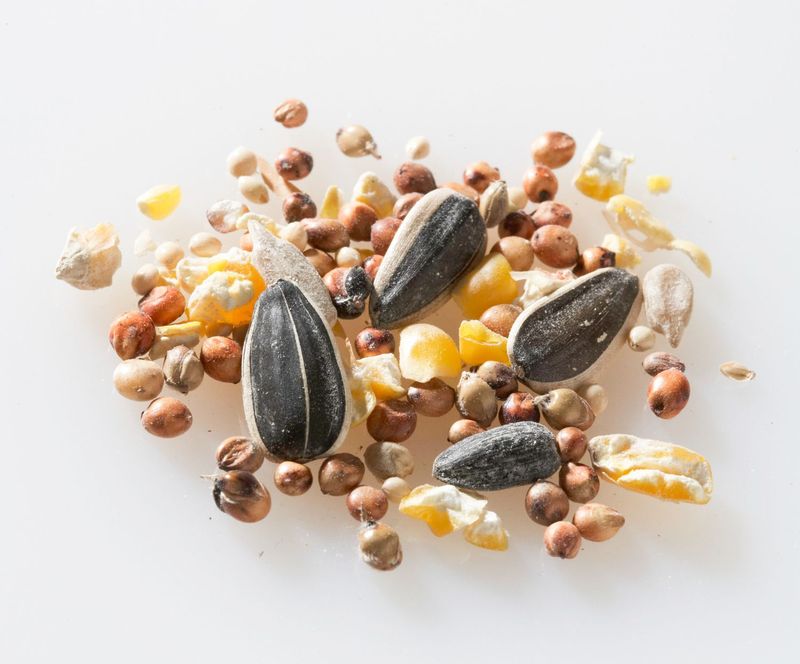
Birds have preferences, and offering diverse birdseed can attract a wider range of species. Black oil sunflower seeds are a favorite among many, while nyjer seeds appeal to finches. Mixing different seeds provides nutrition and satisfies diverse tastes. It’s crucial to keep the seed fresh and dry to prevent mold. By experimenting with various types, you can discover what works best for your local bird population. This approach not only entices more birds but also ensures they return regularly, knowing your feeder is a reliable source of nourishment.
3. Provide Fresh Water
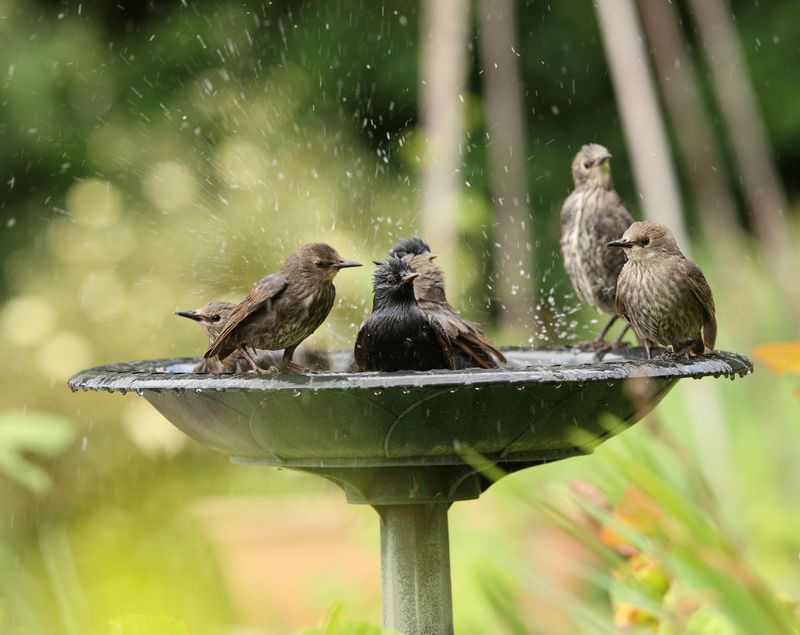
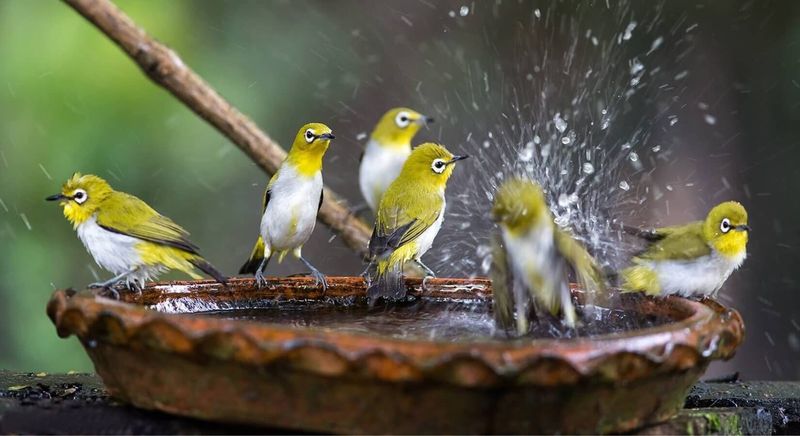
Water is essential for birds, and a fresh supply can be just as enticing as food. A birdbath placed strategically in your yard attracts those seeking a drink or a splash. Keep the water clean and free of algae or debris by changing it regularly. Birds are drawn to the sound of moving water, so consider adding a gentle fountain or dripper. This not only attracts birds but also adds a soothing element to your garden. Whether for drinking or bathing, water is a vital component of a bird-friendly habitat.
4. Create Shelter and Cover
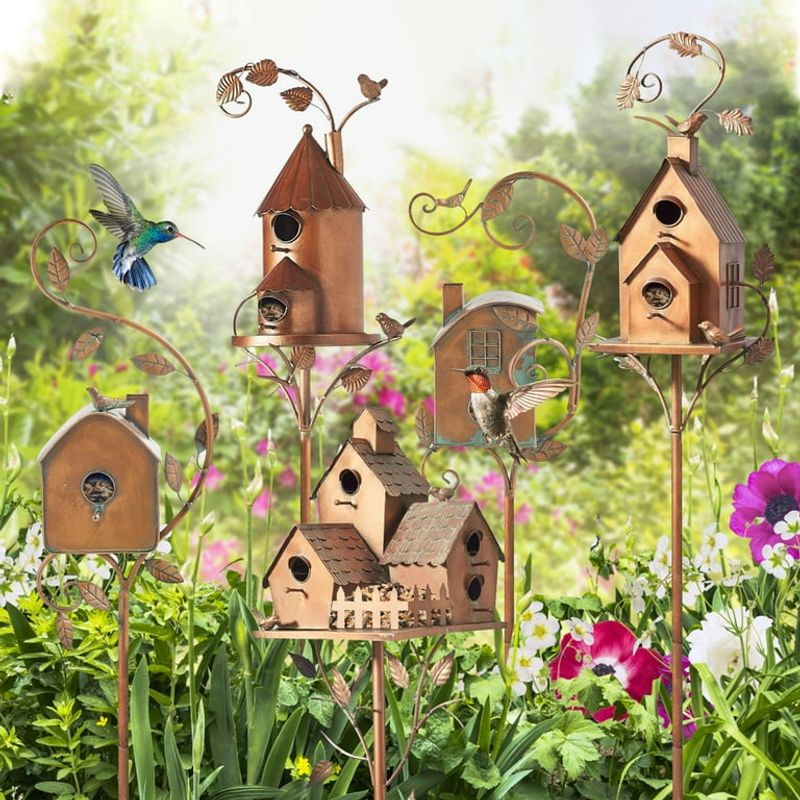
Birds need shelter for safety and nesting. Dense shrubs, trees, and well-placed birdhouses offer refuge from predators. Native plants are particularly beneficial, attracting insects and providing food sources. These natural havens create an appealing environment, promoting nesting and prolonged visits. Ensure there are various heights and types of vegetation to cater to different bird species. By integrating these natural elements, you create a sanctuary that appeals to birds’ survival instincts, encouraging them to settle and thrive in your yard.
5. Plant Native Vegetation
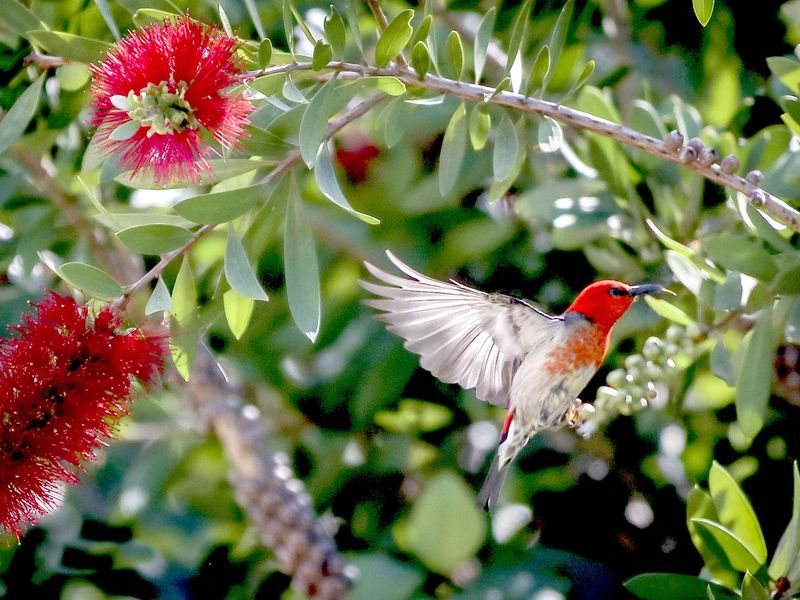
Native plants offer a natural food source and habitat for local birds. They attract insects and provide seeds and berries that are familiar to the species in your area. These plants require less maintenance and support the ecosystem. By choosing native vegetation, you align your garden with nature’s cycle, fostering a vibrant bird community. This creates a sustainable environment where birds can feed, nest, and flourish, enriching your birdwatching experience with local color and life.
6. Avoid Pesticides
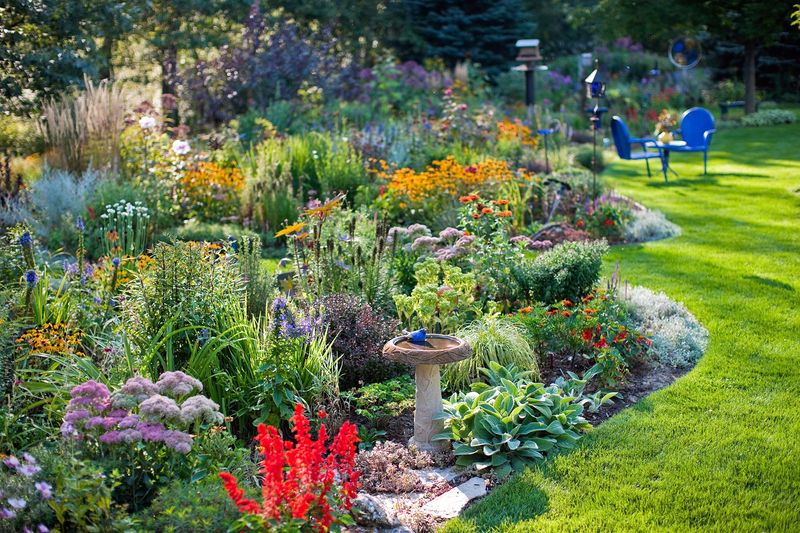
Pesticides can be harmful to birds, affecting their health and food sources. Opt for organic gardening methods to protect the birds visiting your feeder. Encourage natural predators like ladybugs to control pests. This approach not only keeps your garden healthy but also maintains a safe habitat for birds. By avoiding chemicals, you foster a thriving ecosystem where birds can safely feed and nest, enhancing the biodiversity of your yard and ensuring a healthy environment for all wildlife.
7. Install Nesting Boxes
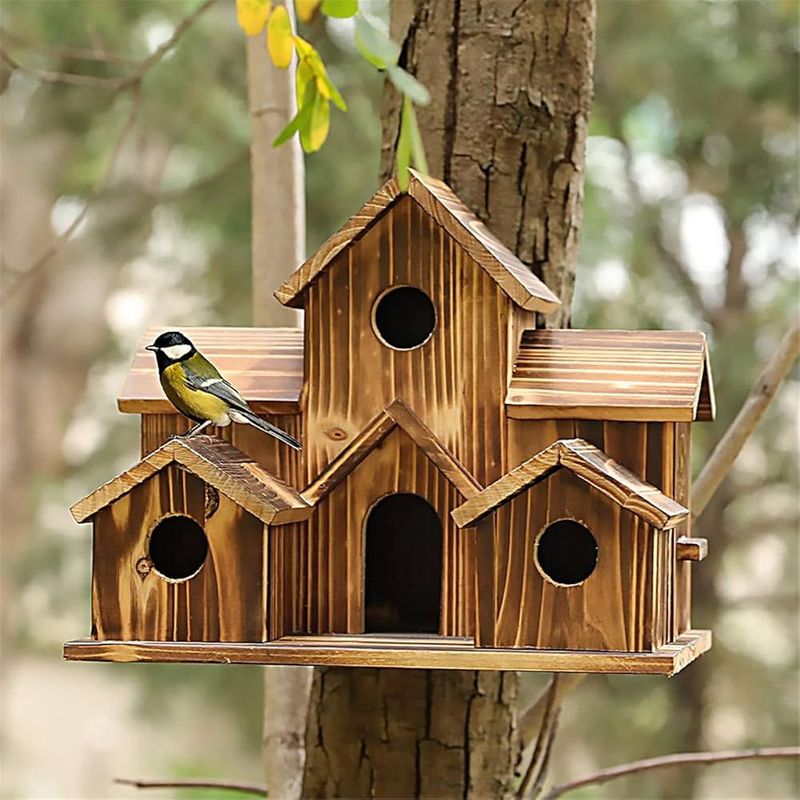
Nesting boxes provide secure places for birds to raise their young. Installing them in your yard encourages birds to settle and breed, increasing their presence. Choose boxes that suit the species you want to attract, ensuring proper size and ventilation. Placement is key; attach them to trees away from predators and in a quiet area. Regularly clean and maintain the boxes to keep them inviting. By offering these safe havens, you contribute to the conservation of bird populations and enjoy watching them grow.
8. Use Reflective Wind Chimes
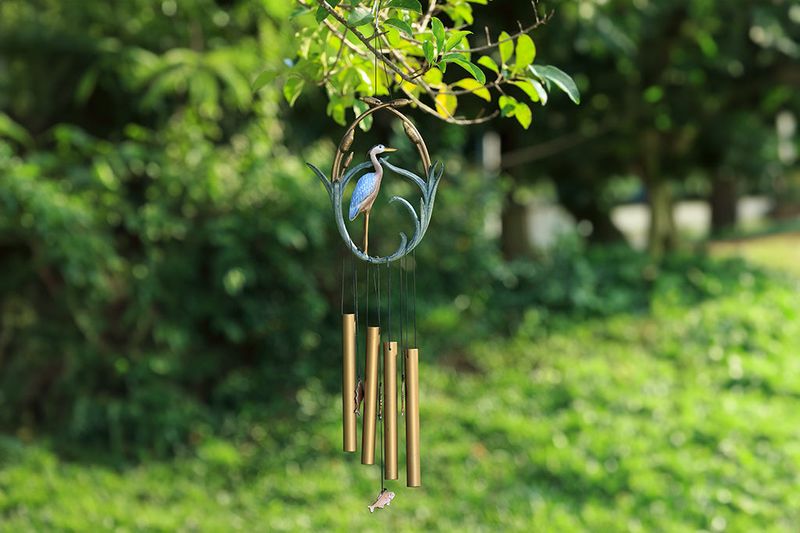
Reflective wind chimes add a unique dimension to your garden, attracting birds with both sound and sparkle. The gentle clinking and shimmering reflections can entice curious birds, drawing them toward your feeder. Position these chimes near feeding areas or hanging from trees to enhance their effect. Beyond their bird-attracting properties, wind chimes offer musical charm and movement to your outdoor space. This creative approach adds an element of enchantment, delighting both birds and humans alike.
9. Hang Fruit Garland
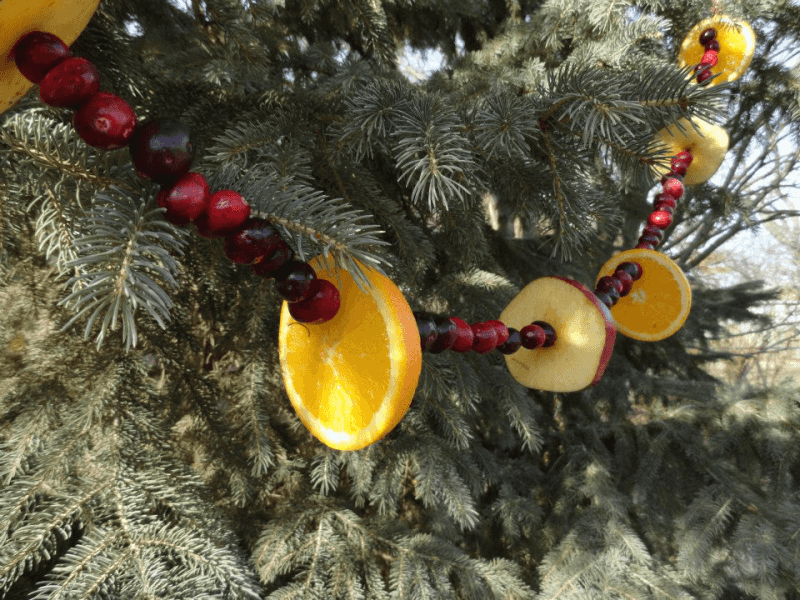
Fruit garlands provide an attractive and nutritious offering for fruit-loving birds. Hanging slices of apples, oranges, or grapes can draw species like orioles and tanagers. Securely string the fruit and hang it where birds can easily access it. This method adds visual appeal and encourages birds to explore different feeding options. Regularly refresh the fruit to maintain interest and prevent spoilage. By incorporating this simple yet effective strategy, you add variety to the birds’ diet and a splash of color to your garden.
10. Introduce Bird-Safe Glass
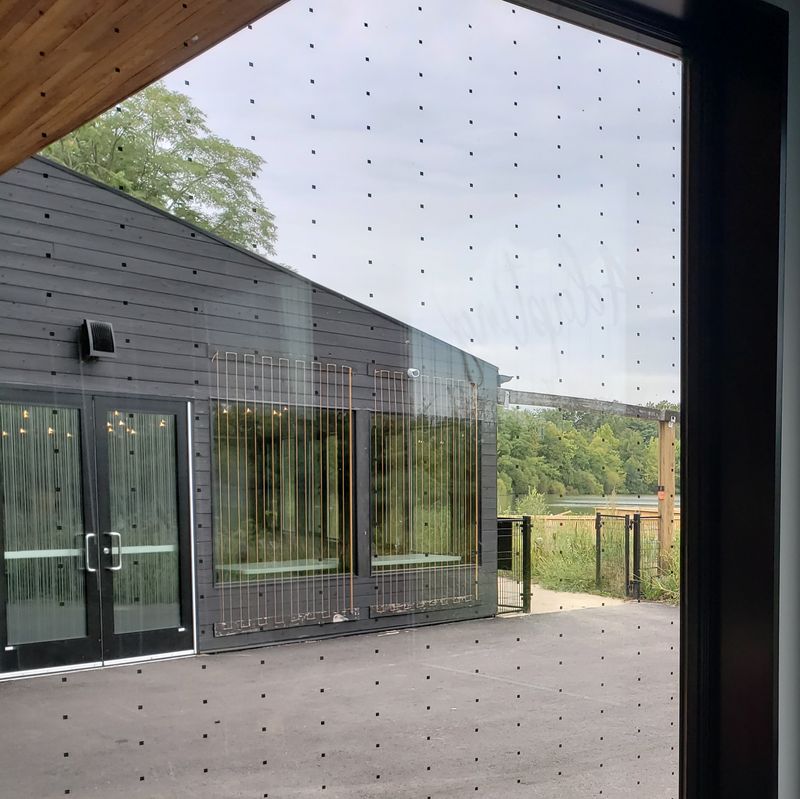
Glass can pose a danger to birds, leading to collisions. By using bird-safe glass or applying decals, you minimize this risk. These solutions break up reflections, helping birds recognize barriers. Installing such features near feeders ensures a safer environment, reducing bird injuries. This thoughtful adjustment demonstrates a commitment to bird safety, making your yard more inviting. It reflects an understanding of bird behavior and a dedication to preserving the health of visiting birds.
11. Maintain Clean Feeders
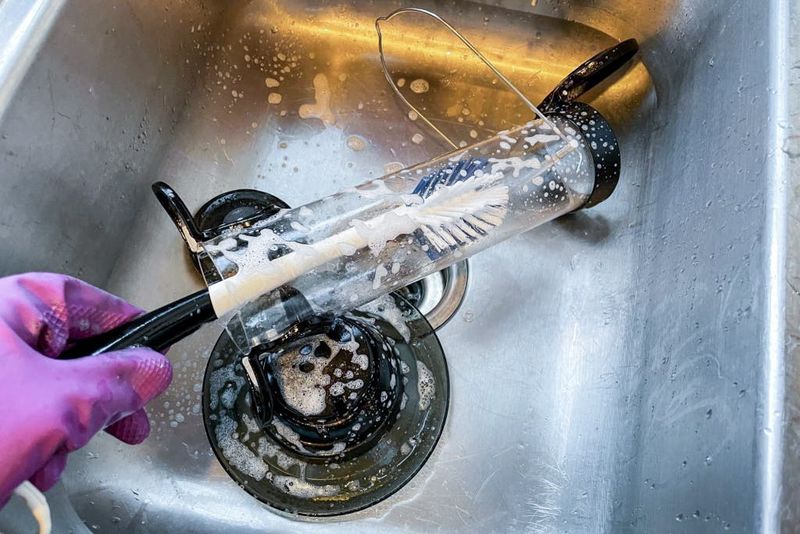
Cleanliness is vital for the health of birds. Regularly cleaning feeders prevents mold and disease, ensuring the birds receive safe nourishment. Use warm soapy water and rinse thoroughly. Dry the feeders completely before refilling to avoid damp seeds. This routine not only protects the birds but also maintains the appeal of your feeder. A clean environment reflects care and responsibility, encouraging more birds to visit. Keeping feeders in good condition promotes a thriving bird community in your yard.
12. Offer Suet in Winter
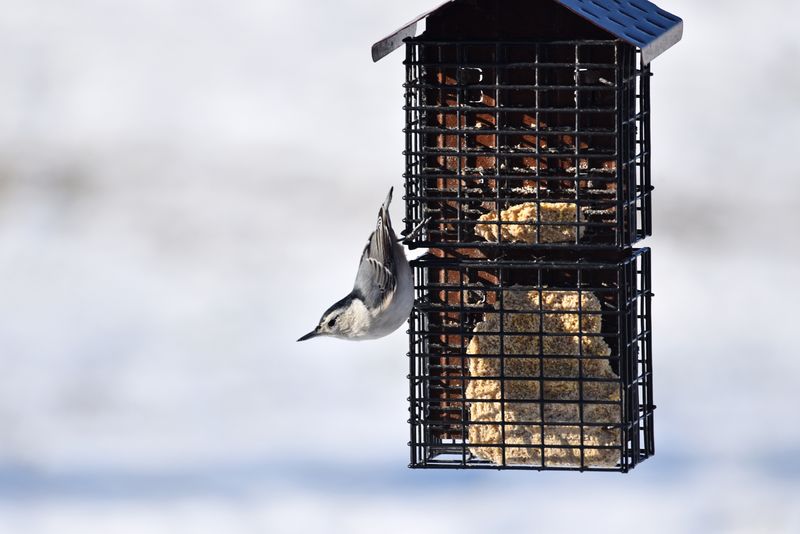
Winter poses challenges for birds, and suet is an excellent energy source during this time. Made from animal fat, suet provides vital calories that help birds endure cold weather. Hang a suet feeder in your yard to attract woodpeckers, chickadees, and other winter birds. Ensure it’s placed in a sheltered area to protect it from harsh elements. This seasonal treat supports birds’ nutritional needs, aiding their survival and encouraging regular visits. Suet feeding enhances your winter birdwatching experience.
13. Provide Nesting Materials
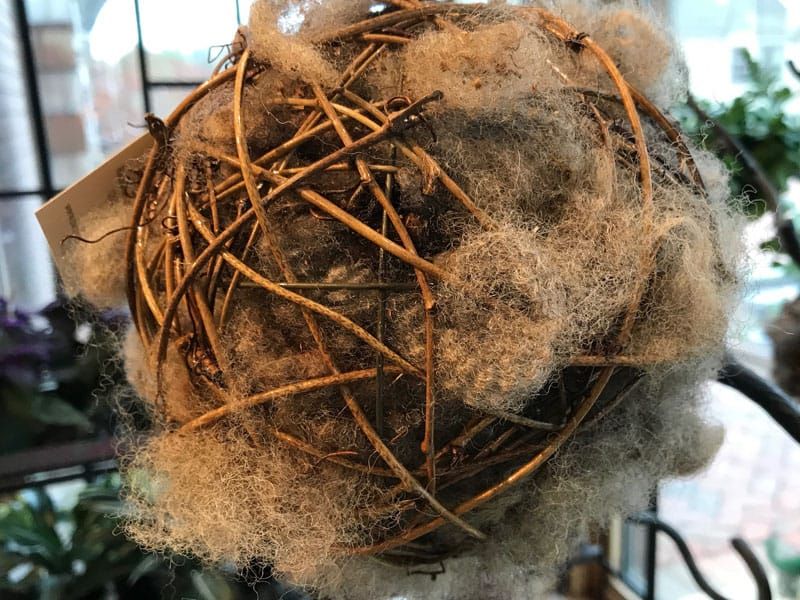
Supplying nesting materials supports birds during their breeding season. Offer items like twigs, feathers, and yarn in an open basket or mesh bag hung in your yard. Birds will pick and choose what they need, aiding their nest-building efforts. This thoughtful provision fosters a nurturing environment, encouraging birds to nest nearby. By facilitating their needs, you create a welcoming space for raising young birds, enhancing your connection to the wildlife around you.
14. Set Up a Dripper or Misting System
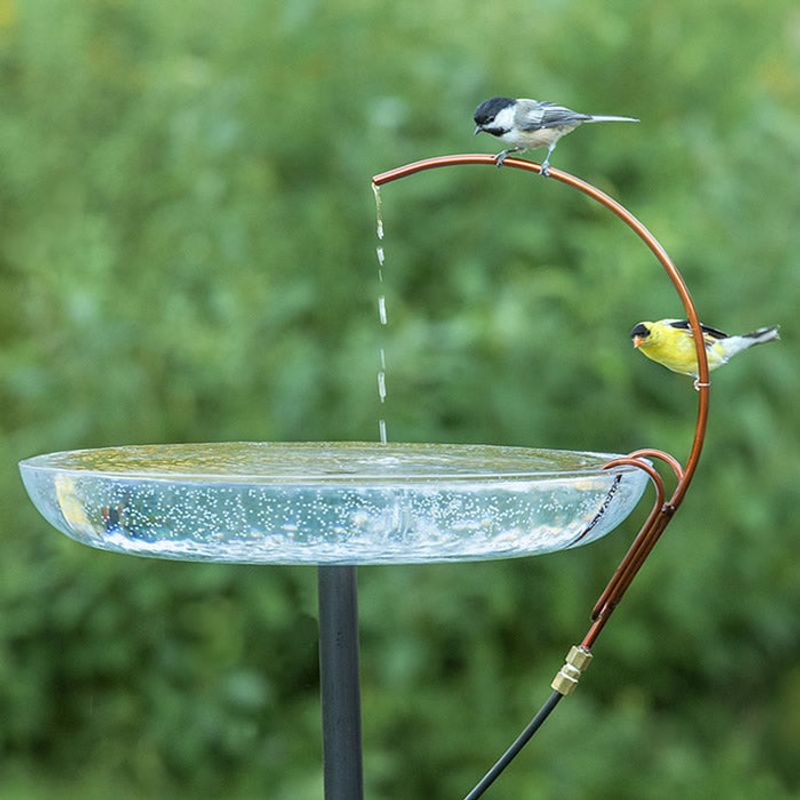
Drippers and misting systems add motion to your garden’s water features, attracting birds through sound and movement. These systems provide a gentle, constant supply of water, appealing to birds for drinking and bathing. Installation near feeders can increase bird traffic and create a lively focal point in your yard. The soothing sound of water enhances the garden’s ambiance, making it an inviting space for both birds and observers. This addition is both practical and aesthetically pleasing, enriching your bird-friendly environment.
15. Avoid Overcrowding Feeders
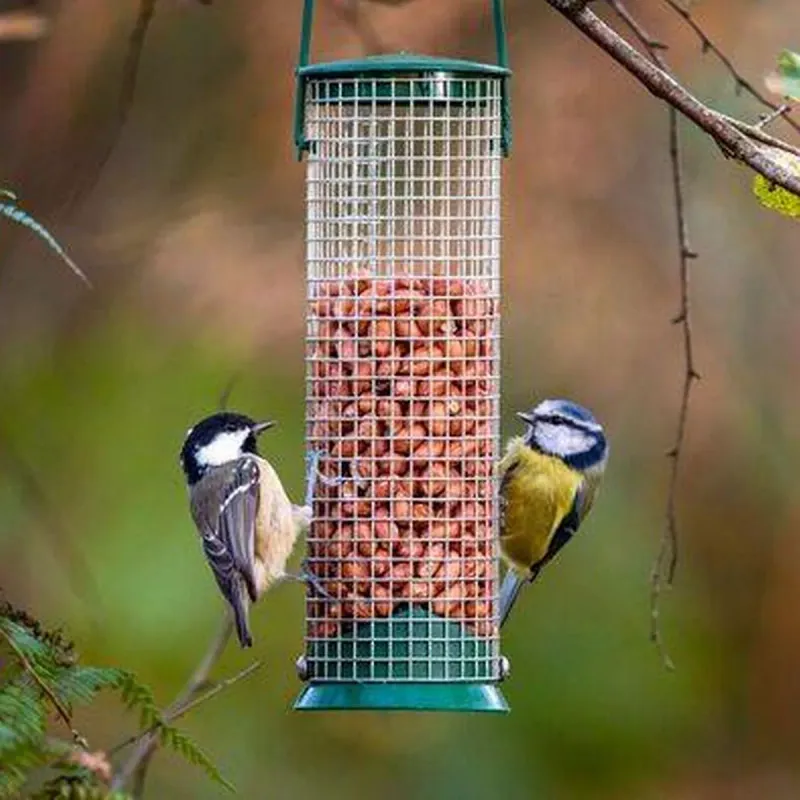
Overcrowding can deter birds from visiting your feeders. Arrange feeders with ample space between them to reduce competition and stress among birds. This thoughtful layout allows multiple species to feed simultaneously, fostering a harmonious environment. Ensuring sufficient distance reduces aggressive interactions and promotes diversity in your bird population. By considering the social dynamics of birds, you create a welcoming atmosphere that encourages more visitors and supports a peaceful coexistence.
16. Add Natural Perches
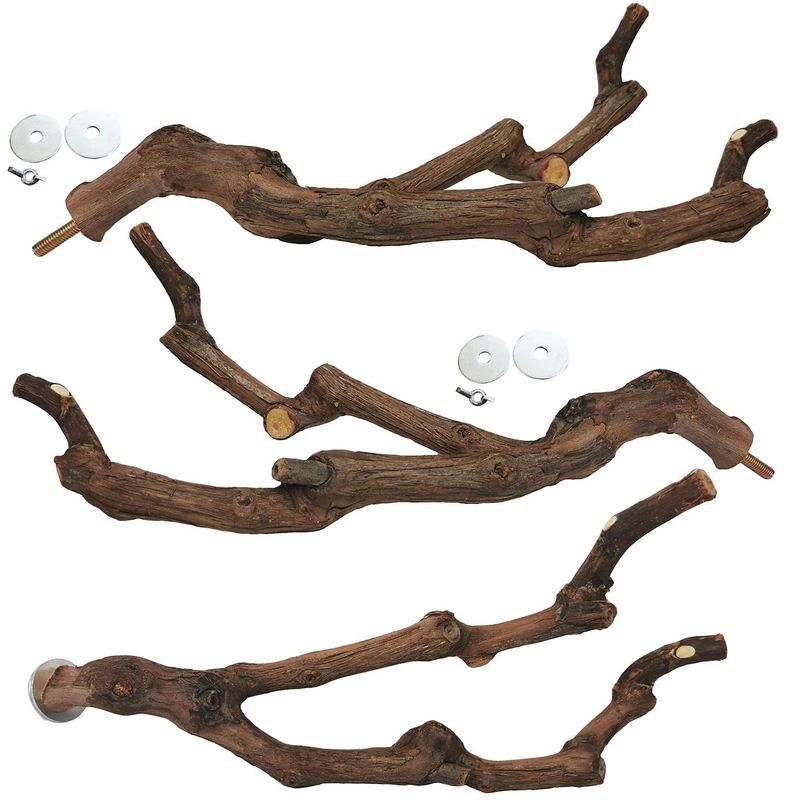
Natural perches provide convenient resting spots for birds near feeders. Strategically place branches or twigs around feeding areas, allowing birds to perch comfortably while waiting their turn. These perches offer a vantage point for observing surroundings and ensure safety from predators. Incorporating natural elements enhances the garden’s aesthetics, blending seamlessly with the landscape. By adding perches, you create a more accommodating and inviting environment, encouraging prolonged visits from your feathered friends.
17. Ensure Seasonal Variety
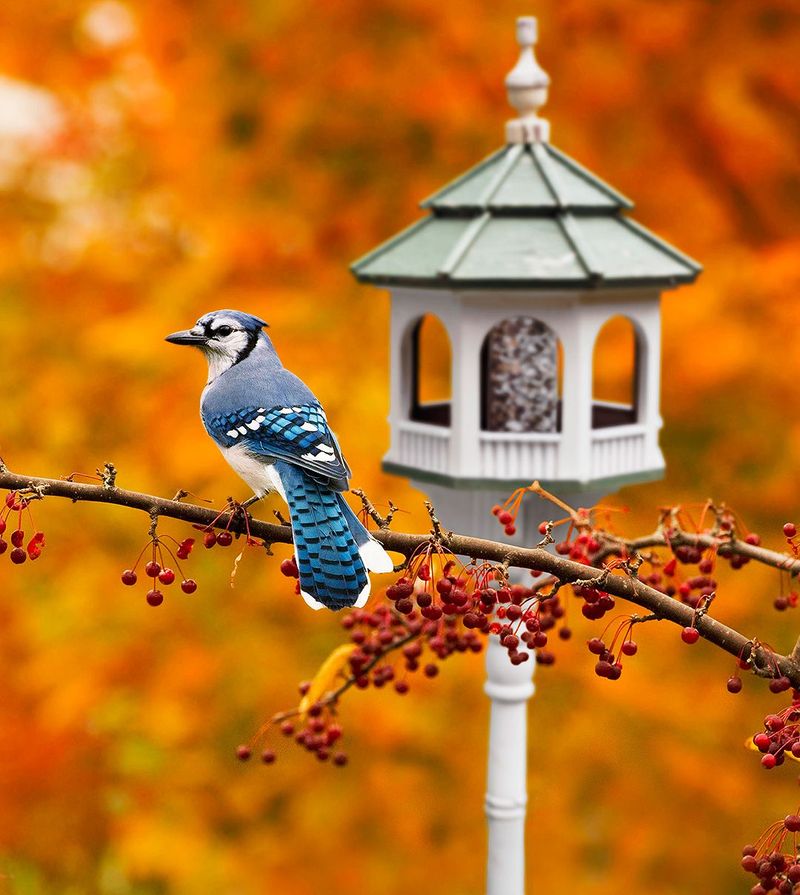
Seasonal variety in food and plants attracts diverse bird species throughout the year. Rotate birdseed types and introduce seasonal plants to provide continuous nourishment. This approach caters to migratory and resident birds, offering an ever-changing landscape. Seasonal adjustments reflect an understanding of birds’ needs and create a dynamic environment that supports constant activity. By aligning with nature’s cycles, you foster a lively and engaging birdwatching experience, appealing to both novice and seasoned enthusiasts.
18. Incorporate a Bird-Friendly Landscape

Designing a bird-friendly landscape involves layering vegetation, adding water features, and strategically placing feeders. This comprehensive approach creates a habitat that meets birds’ needs for food, water, shelter, and nesting. Use various plant heights and types to accommodate different species. A well-planned landscape fosters biodiversity and enhances the overall appeal of your yard. By integrating these elements, you transform your space into a sanctuary that attracts a wide range of birds and enriches your connection to nature.
19. Mistake: Using Artificial Food Coloring
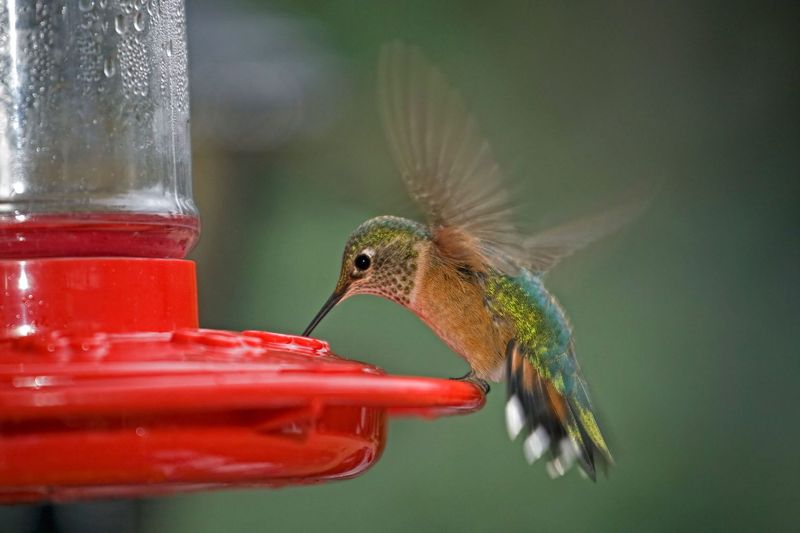
Artificial food coloring is unnecessary and potentially harmful to birds. Avoid adding it to nectar or other bird foods. Opt for natural ingredients that provide essential nutrients without risks. Simple sugar solutions suffice for hummingbirds, ensuring their health and well-being. This precaution reflects responsible feeding practices, prioritizing birds’ safety. By avoiding artificial additives, you promote a pure and healthy feeding environment, ensuring the well-being of your feathered visitors and fostering trust in your feeding stations.
20. Mistake: Ignoring Feeder Placement
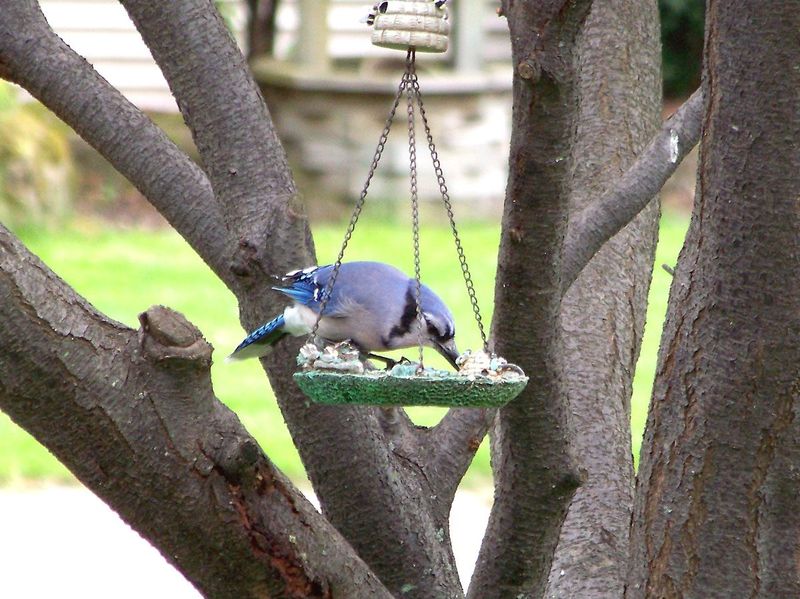
Feeder placement is crucial for attracting birds while keeping them safe. Position feeders near trees or shrubs to provide cover from predators. Avoid placing them in open, exposed areas where birds may feel vulnerable. Consider the view from your window for optimal birdwatching enjoyment. Thoughtful placement creates a secure and enticing environment, encouraging more frequent visits. By prioritizing strategic positioning, you enhance the safety and appeal of your feeders, supporting a thriving bird community in your yard.
21. Use Sound to Attract Birds
Imagine your garden coming alive with the sound of chirping birds. Sound plays a crucial role in attracting birds to your feeder. Try placing wind chimes near the feeding area. Their soft melodies can invite birds to explore.
Additionally, a small water fountain can add a soothing soundscape. Birds are naturally drawn to the sound of moving water, making your yard irresistible.
Did you know? Birds also use songs to communicate and attract mates. By creating a musical environment, you’re speaking their language.
22. Create a Bird-Safe Environment

Safety is paramount for our feathered friends. A bird-safe environment encourages them to visit regularly. Ensure there are no lurking predators by keeping your feeders away from thick bushes where cats might hide.
Incorporate safe plants that won’t harm birds if consumed. Providing shelters like bushes or small trees can offer refuge.
A fun tidbit: Some birds can recognize the safety of an environment simply by observing other birds’ behaviors. Creating a safe haven can lead to a thriving bird community.