
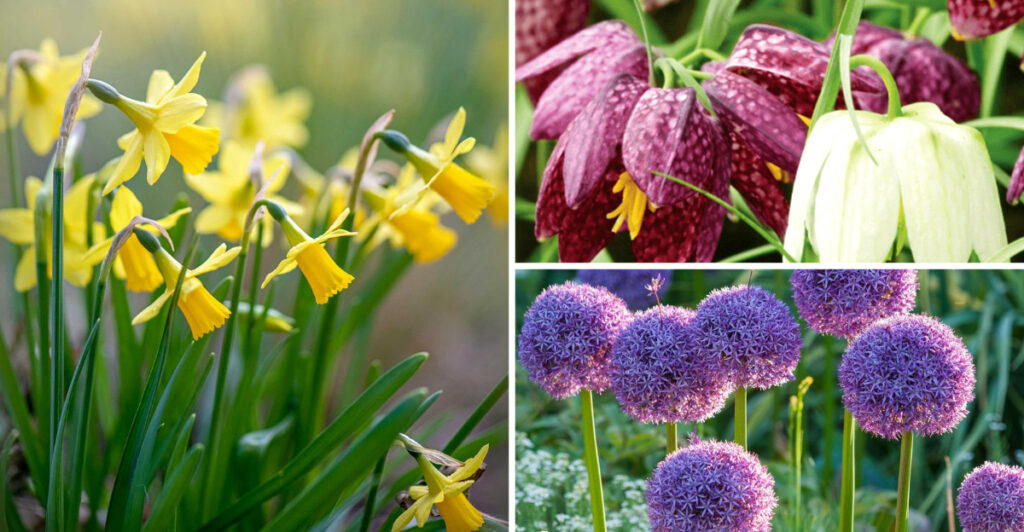
Gardens are a haven for nature lovers, but squirrels can often disrupt this tranquility by digging up bulbs and munching on leaves. However, nature provides a charming solution: certain plants not only beautify your garden but also deter these furry intruders. In this article, we explore 28 fascinating plants that serve as natural squirrel repellents, ensuring your garden remains a peaceful sanctuary.
1. Daffodils
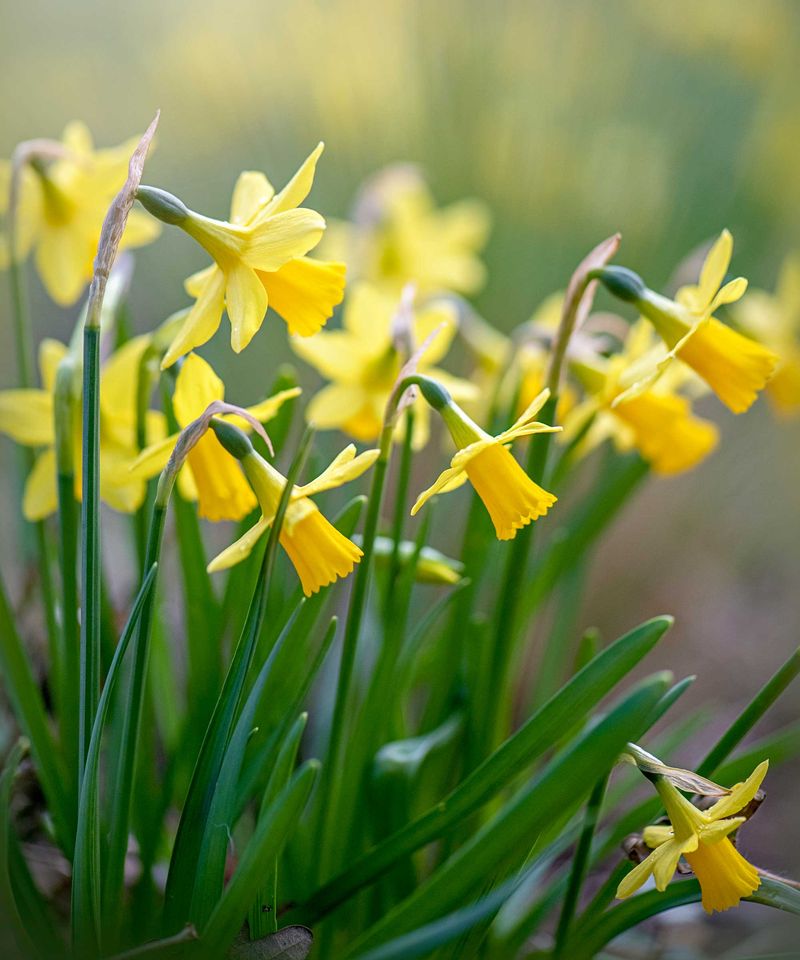
Daffodils are not just heralds of spring with their sunny blooms. These delightful flowers are also natural deterrents for squirrels, thanks to their unpalatable bulbs. Planted in clusters, daffodils create a cheerful border that squirrels find utterly unappetizing.
The alkaloids present in daffodil bulbs make them toxic to many animals, including squirrels. This toxicity ensures that these furry invaders steer clear, leaving your garden vibrant and undisturbed.
With their hardy nature, daffodils are easy to grow and maintain, adding both beauty and protection to your green spaces.
2. Fritillaria
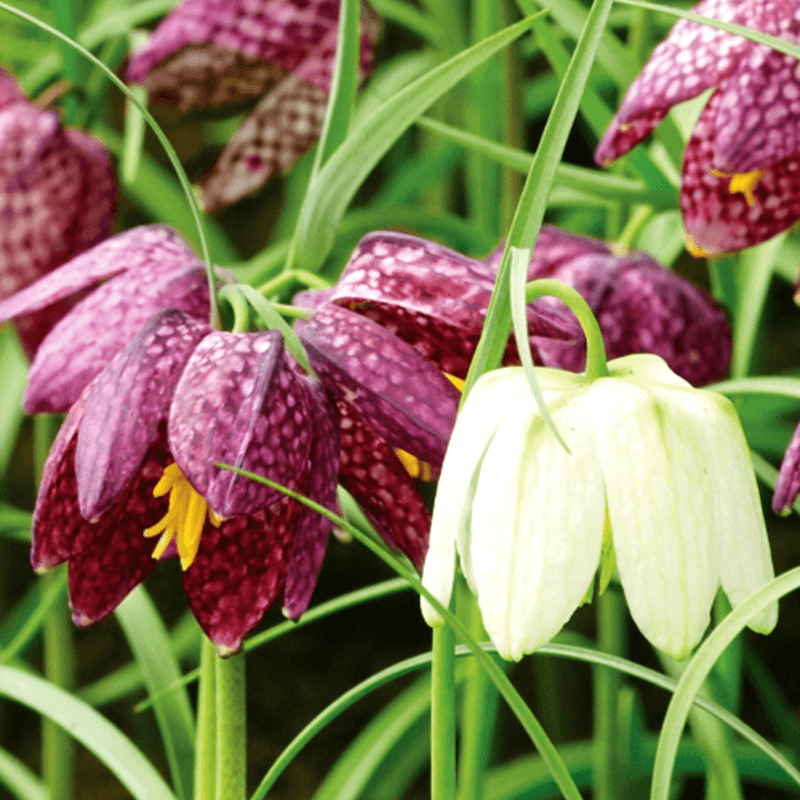
Fritillaria, with its unique checkered flowers, offers more than visual intrigue. These plants emit a distinct skunky odor that squirrels find unpleasant, acting as a natural deterrent.
The musky fragrance, while off-putting to squirrels, is subtle enough not to overwhelm human senses. This makes fritillaria a wise choice for gardeners seeking an elegant yet functional addition to their plant collection.
Beyond its practical uses, fritillaria adds an exotic touch to garden displays, with its pendulous blooms available in a variety of colors, from deep purples to sunshine yellows.
3. Alliums
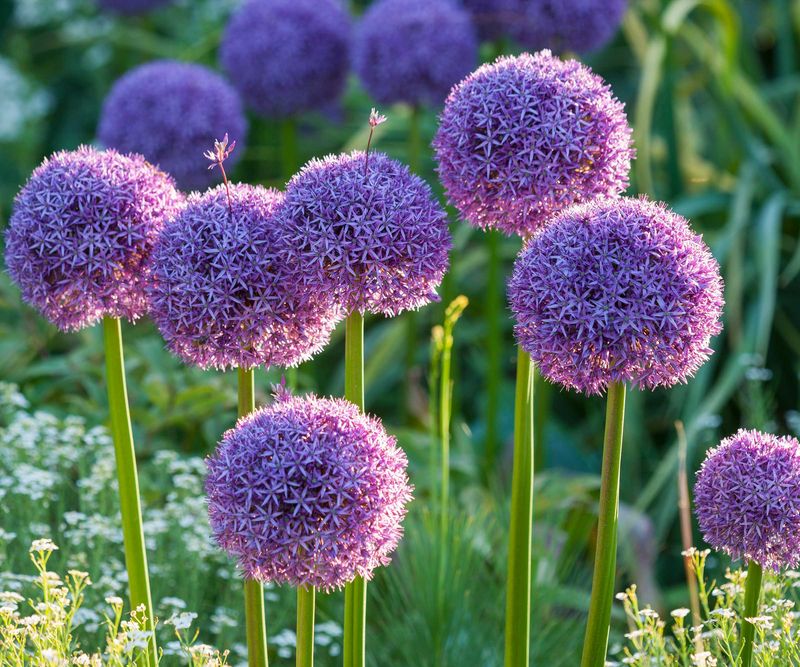
Alliums, known for their globe-like flowers, do more than adorn your garden with beauty. Their strong scent, reminiscent of onions and garlic, is disliked by squirrels, making alliums a perfect natural repellent.
These plants are easy to grow and offer a long-lasting display from spring to midsummer. Their tall stems and vibrant blooms make them an impressive addition to any garden, while effectively keeping squirrels at bay.
Whether clustered together or mixed with other flowers, alliums add height and texture, ensuring your garden remains both protected and picturesque.
4. Hyacinths
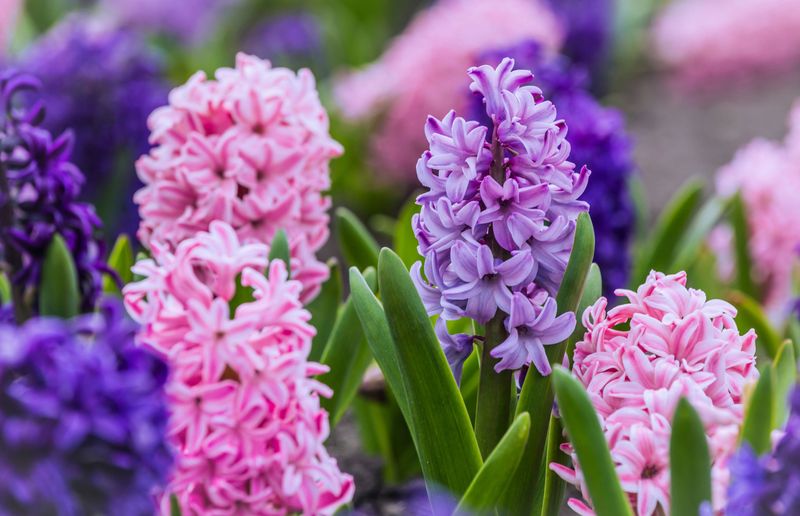
Hyacinths, with their intoxicating scent, offer more than just olfactory delight. These fragrant blooms are known to deter squirrels, who find their strong aroma overwhelming.
Planting hyacinths along borders or interspersed with other flowers can create a natural barrier against squirrels. Their vibrant colors and sweet fragrance transform gardens into sensory havens, while also safeguarding them.
With minimal care requirements, hyacinths thrive in various soil types, making them a versatile choice for gardeners looking to keep their spaces lively and squirrel-free.
5. Lily of the Valley
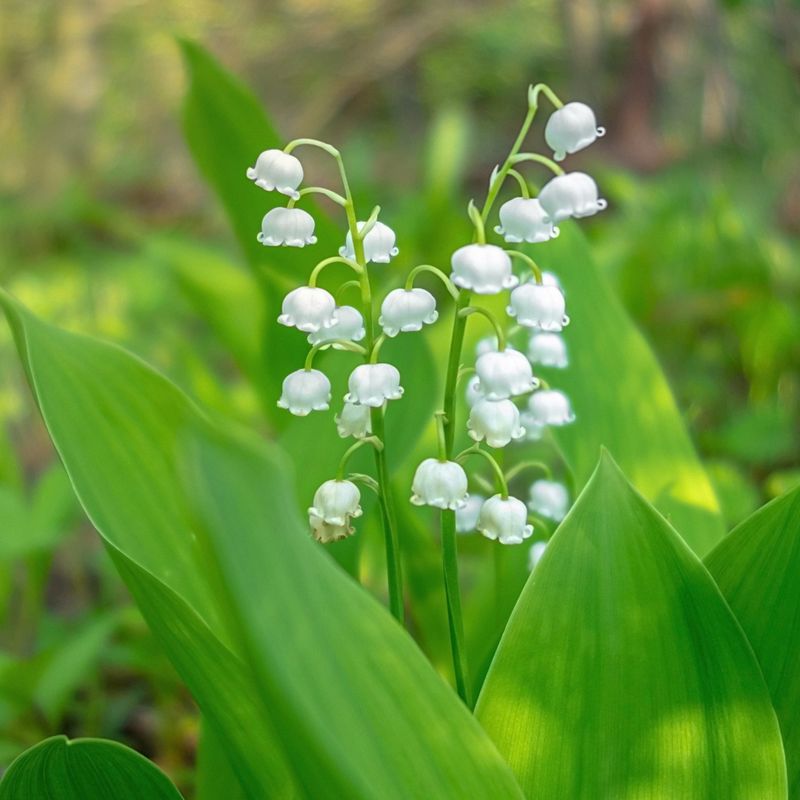
Lily of the Valley, with its delicate white bells, is a charming addition to shaded gardens. However, its beauty is matched by its ability to repel squirrels, who avoid it due to its toxicity.
The plant contains cardiac glycosides, which are poisonous to many animals, including squirrels. This ensures that your garden remains a safe haven for your plants, undisturbed by these furry pests.
Beyond its repellent properties, the sweet fragrance of Lily of the Valley creates a tranquil atmosphere, enhancing the serenity of your outdoor space.
6. Snowdrops
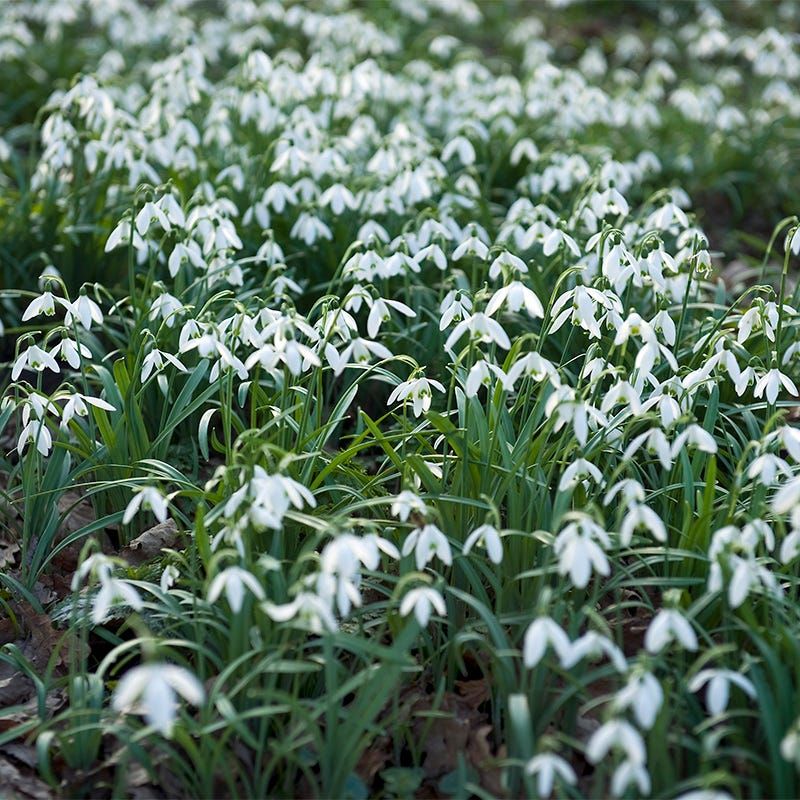
Snowdrops, the harbingers of spring, are more than just a pretty face. These early bloomers are known to deter squirrels, thanks to their bitter compounds.
Planted en masse, snowdrops create a stunning ground cover that squirrels tend to avoid. Their ability to thrive in cooler temperatures makes them perfect for gardens that experience harsh winters.
The elegant simplicity of their white blooms provides a peaceful aesthetic, ensuring your garden stays beautiful and free from squirrel disruptions year-round.
7. Marigolds
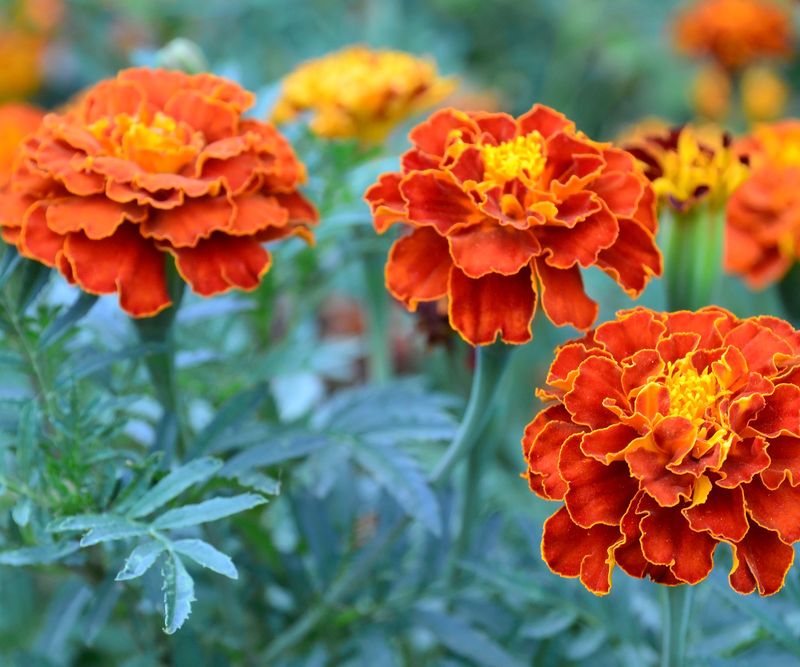
Marigolds are not just beloved by gardeners for their bright, cheerful flowers. Their strong scent and bitter taste make them unappealing to squirrels and other garden pests.
These hardy plants are easy to grow and maintain, thriving in sunny locations. Planting marigolds alongside vegetables can provide a protective barrier, keeping your garden bountiful and squirrel-free.
In addition to their repellent properties, marigolds attract beneficial insects, promoting a healthy, balanced ecosystem in your garden.
8. Mint
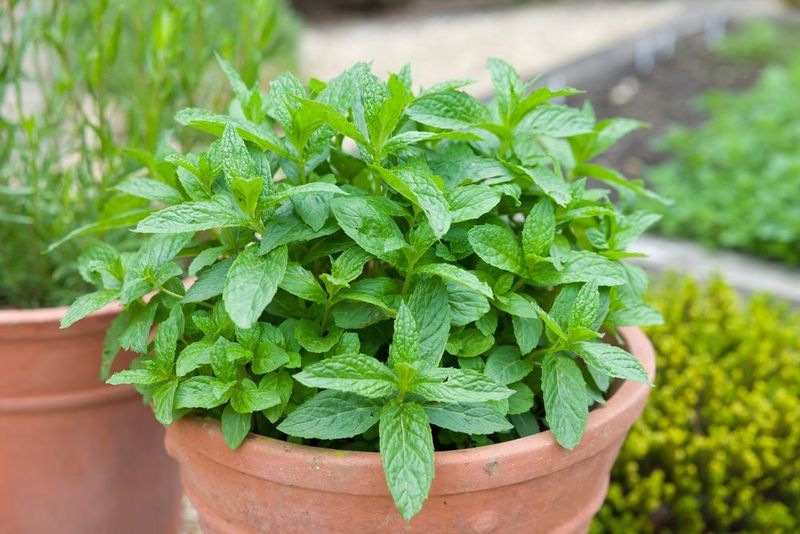
Mint, with its invigorating aroma, serves as a practical addition to any garden. Its strong scent is unpleasant to squirrels, effectively keeping them at bay.
This perennial herb is versatile and grows rapidly, making it suitable for both containers and garden beds. Its spreading nature ensures broad coverage, reinforcing its defensive capabilities.
Besides its repellent qualities, mint is a culinary delight, offering fresh flavors for teas and dishes, making it a must-have for garden enthusiasts.
9. Lavender
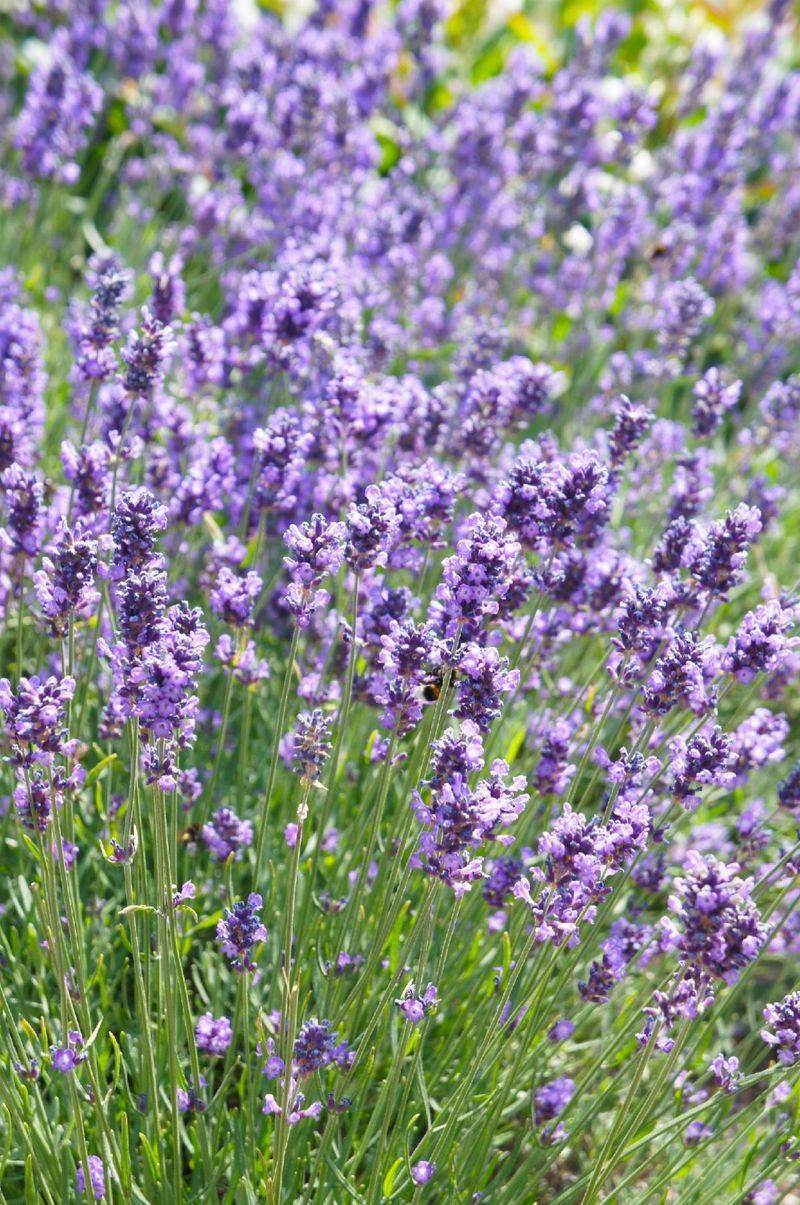
Lavender’s calming fragrance is a favorite among humans, but squirrels beg to differ. The aromatic oils found in lavender repel squirrels, making it a fragrant guardian for gardens.
This perennial plant is not only easy to care for, but it’s also drought-resistant, thriving in sunny, dry conditions. Its purple blooms add a splash of color and elegance to any garden setting.
Beyond its protective role, lavender attracts pollinators, promoting biodiversity and ensuring a thriving garden ecosystem.
10. Crown Imperial
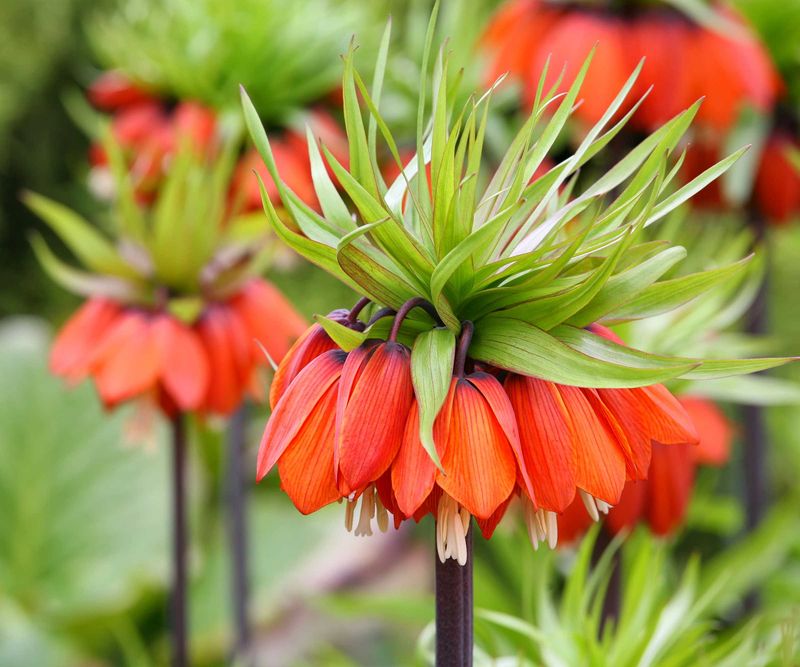
Crown Imperial, with its regal appearance, doubles as a natural squirrel deterrent. Its strong musky scent is unappealing to these critters, keeping them away from your cherished plants.
This striking bulbous plant thrives in well-drained soil and full sun, making it an excellent choice for adding height and drama to garden borders.
The bold blooms of Crown Imperial not only deter pests but also serve as a unique focal point, enhancing the visual appeal of your outdoor space.
11. Geraniums
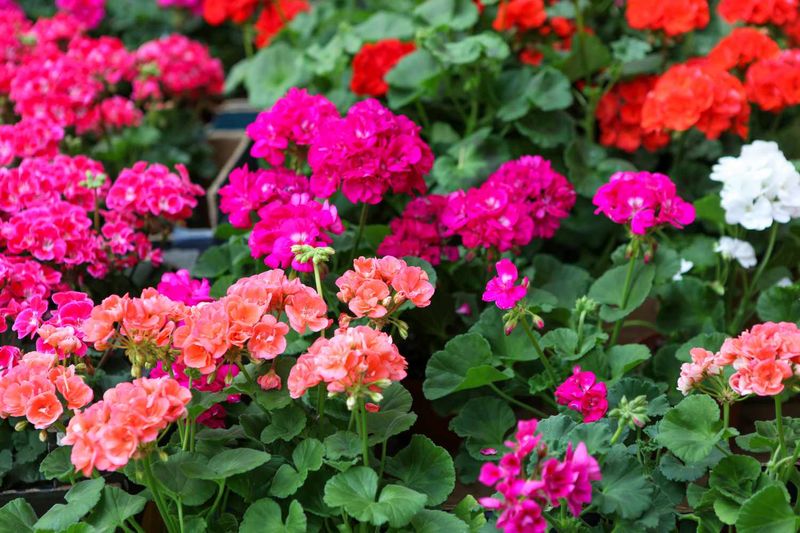
Geraniums, with their vibrant blossoms, are a staple in many gardens. Their strong, citrusy scent repels squirrels, preventing them from causing havoc among your plants.
These hardy perennials are perfect for pots, hanging baskets, or garden beds, offering versatility in garden design. Geraniums thrive in sunny spots, providing color and protection throughout the growing season.
In addition to their deterrent properties, geraniums attract beneficial pollinators, supporting a rich and diverse garden ecosystem.
12. Rosemary
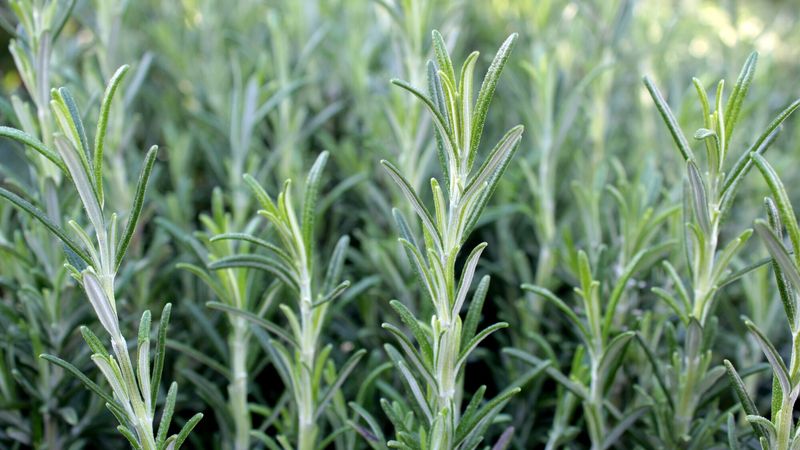
Rosemary, a beloved culinary herb, also serves a practical purpose in gardens. Its strong, aromatic oils repel squirrels, making it a dual-purpose plant.
This hardy shrub is easy to grow, requiring minimal care, and thrives in well-drained soil and sunny conditions. Its evergreen nature ensures year-round protection and greenery.
Aside from deterring pests, rosemary provides fresh flavors for cooking, adding both utility and fragrance to your garden.
13. Nasturtiums
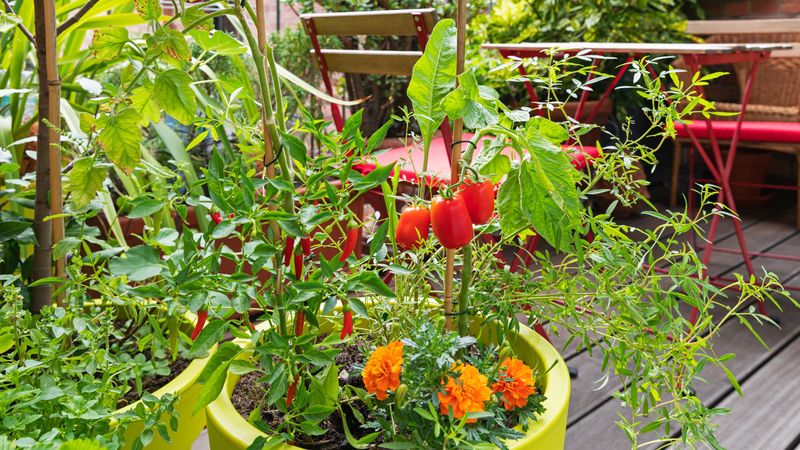
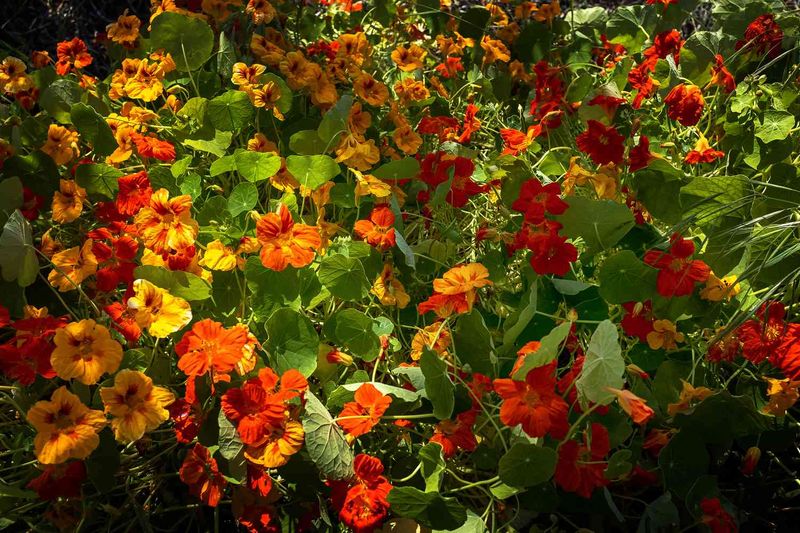
Nasturtiums, with their fiery blooms, offer more than visual appeal. Their peppery scent is disliked by squirrels, providing a natural barrier to protect your garden.
These hardy annuals thrive in poor soil, making them an ideal choice for areas where other plants struggle. Nasturtiums are easy to grow and provide bright color throughout the growing season.
In addition to their repellent properties, nasturtiums are edible, offering peppery leaves and flowers for culinary use, blending beauty and functionality.
14. Thyme
Thyme, a fragrant herb, does more than flavor your favorite dishes. Its aromatic oils are unappealing to squirrels, helping to keep them at bay.
This low-growing perennial is perfect for ground cover or as an addition to rock gardens. Thyme thrives in well-drained soil and full sun, offering versatility in garden design.
Beyond its repellent properties, thyme attracts pollinators and provides culinary benefits, making it a valuable addition to any garden space.
15. Grape Hyacinth
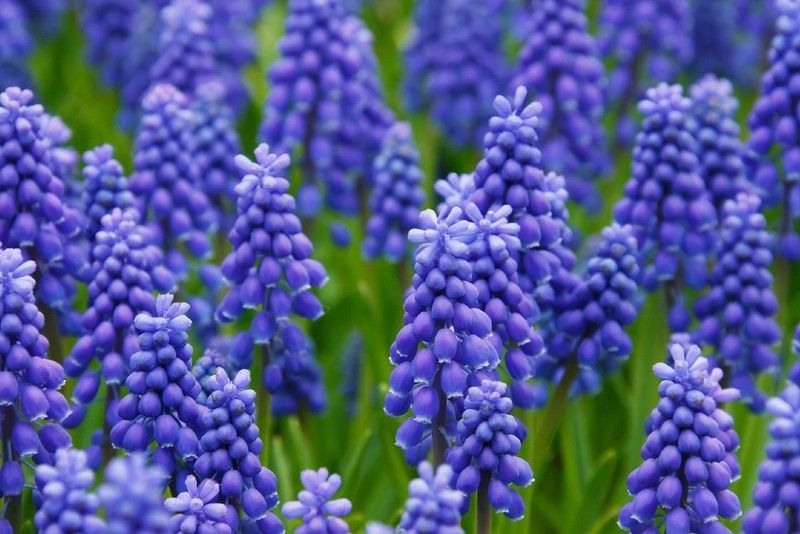
Grape hyacinths, with their striking blue blooms, bring more than beauty to your garden. Their bulbs contain compounds that are unpalatable to squirrels, acting as a natural deterrent.
These hardy perennials are easy to grow and provide a burst of color in early spring, often before other flowers have emerged. Grape hyacinths thrive in well-drained soil and full sun.
Besides repelling pests, they offer a charming carpet of color that complements other springtime blooms in your garden.
16. Peppermint
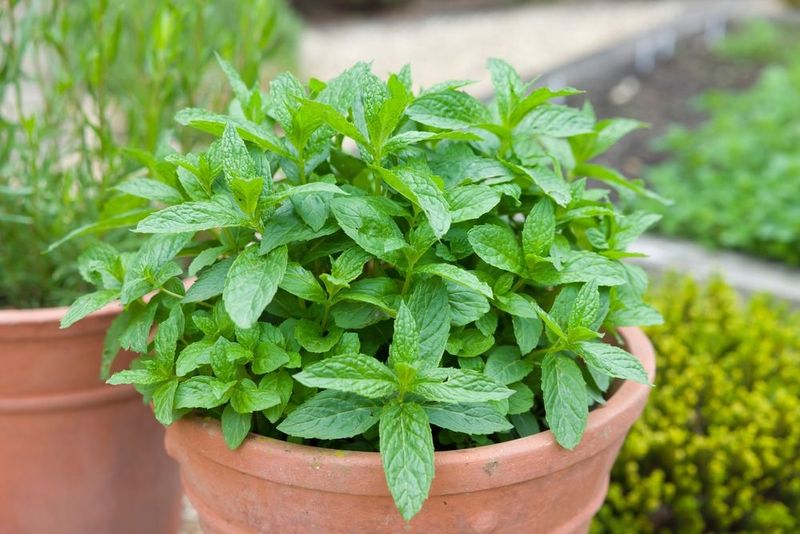
Peppermint, with its refreshing aroma, serves as a natural squirrel deterrent. The strong scent of its essential oils is unpleasant to these critters, keeping your garden safe.
This vigorous perennial spreads quickly, making it ideal for ground cover or container planting. Peppermint thrives in moist, shaded areas, providing versatility in garden design.
In addition to its repellent properties, peppermint offers culinary uses, making it a multifunctional addition to any herb garden.
17. Foxgloves
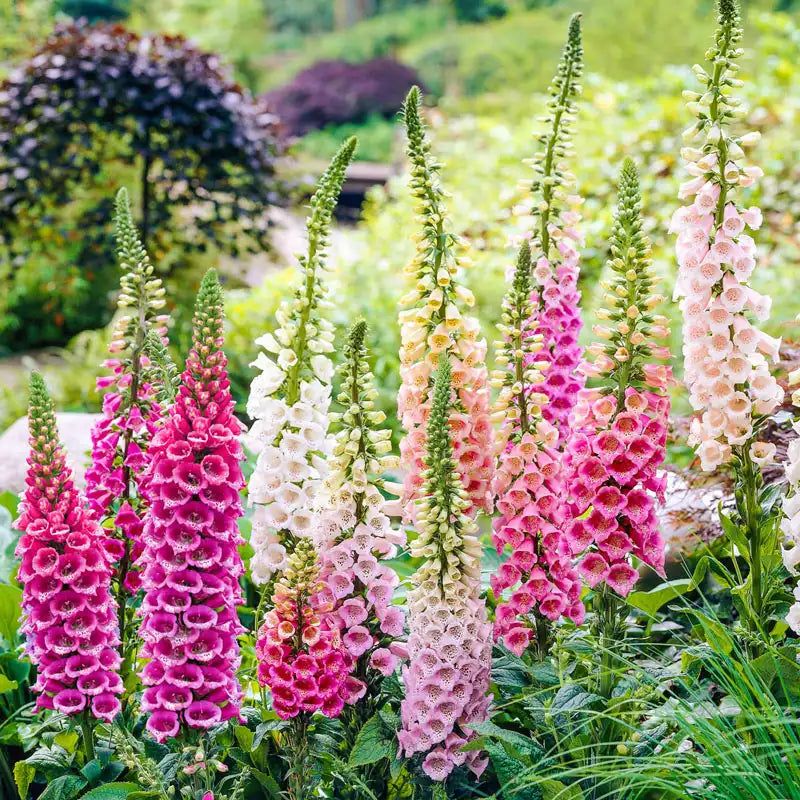
Foxgloves, with their towering spikes of bell-shaped flowers, are more than decorative. These plants contain toxic compounds that squirrels avoid, acting as a natural repellent.
These biennials thrive in a variety of soil types and prefer full sun to partial shade. Their tall, dramatic blooms add height and interest to garden borders.
In addition to their deterrent properties, foxgloves attract pollinators, supporting a healthy garden ecosystem and enhancing biodiversity.
18. Catnip
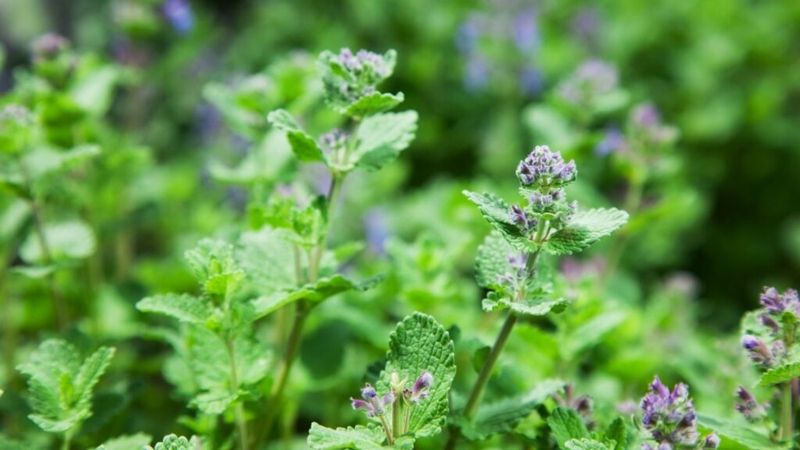
Catnip, known for its appeal to cats, serves a different purpose in the garden. Its scent is unappealing to squirrels, providing a natural deterrent to keep them away.
This hardy perennial is easy to grow and thrives in well-drained soil and sunny locations. Its spreading nature makes it ideal for ground cover or container planting.
Besides repelling pests, catnip offers entertainment for feline friends, adding a playful element to your garden space.
19. Oregano
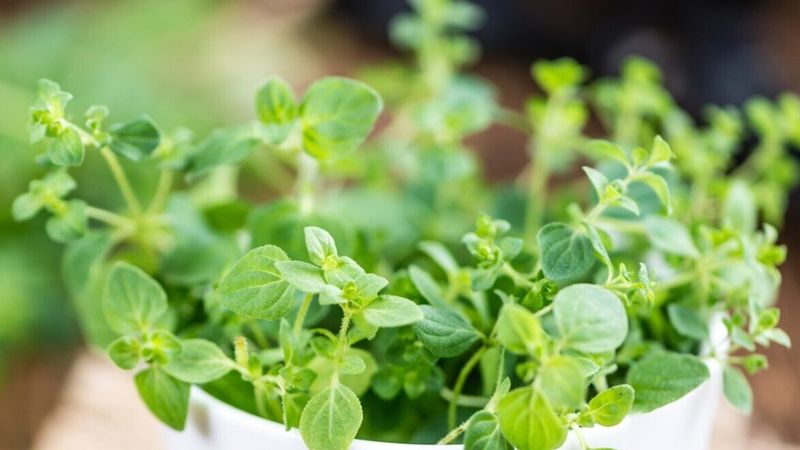
Oregano, a staple in Mediterranean cuisine, doubles as a natural squirrel repellent. The pungent aroma of its leaves deters these critters, protecting your garden.
This perennial herb is easy to grow and thrives in well-drained soil and full sun, making it a versatile addition to any garden. Oregano’s spreading habit ensures broad coverage, enhancing its protective role.
Beyond its repellent qualities, oregano offers culinary uses, providing fresh flavors for a variety of dishes.
20. Sage
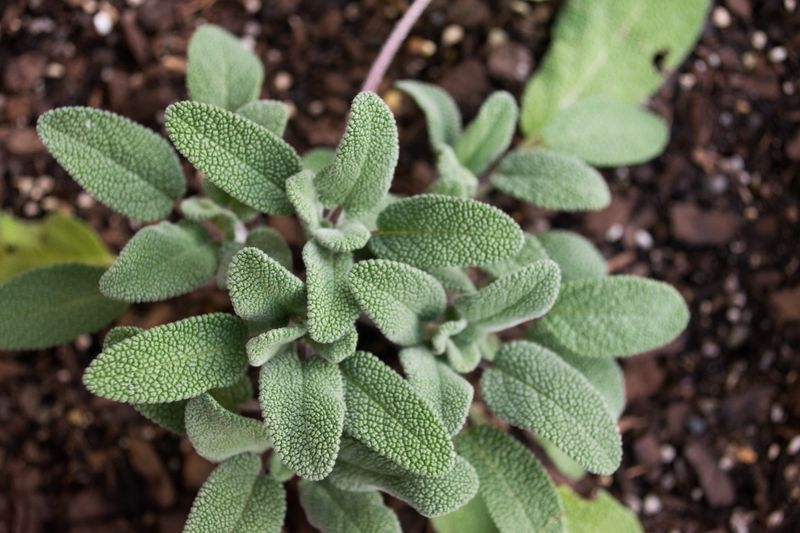
Sage, renowned for its culinary uses, also serves a practical purpose in gardens. Its strong, earthy aroma deters squirrels, ensuring your garden remains undisturbed.
This hardy perennial is easy to grow and thrives in well-drained soil and full sun. Sage’s evergreen nature provides year-round protection and adds a silvery touch to garden compositions.
In addition to its repellent properties, sage attracts beneficial insects, supporting a balanced and thriving garden ecosystem.
21. Coriander
Coriander, beloved in kitchens worldwide, offers more than just culinary delight. Its strong scent is disliked by squirrels, helping to keep these pests at bay.
This annual herb is easy to grow and thrives in well-drained soil and sunny locations. Coriander’s ability to reseed itself ensures a continuous presence in your garden.
Besides its repellent qualities, coriander adds fresh flavors to dishes, making it a valuable addition to both herb and vegetable gardens.
22. Petunias
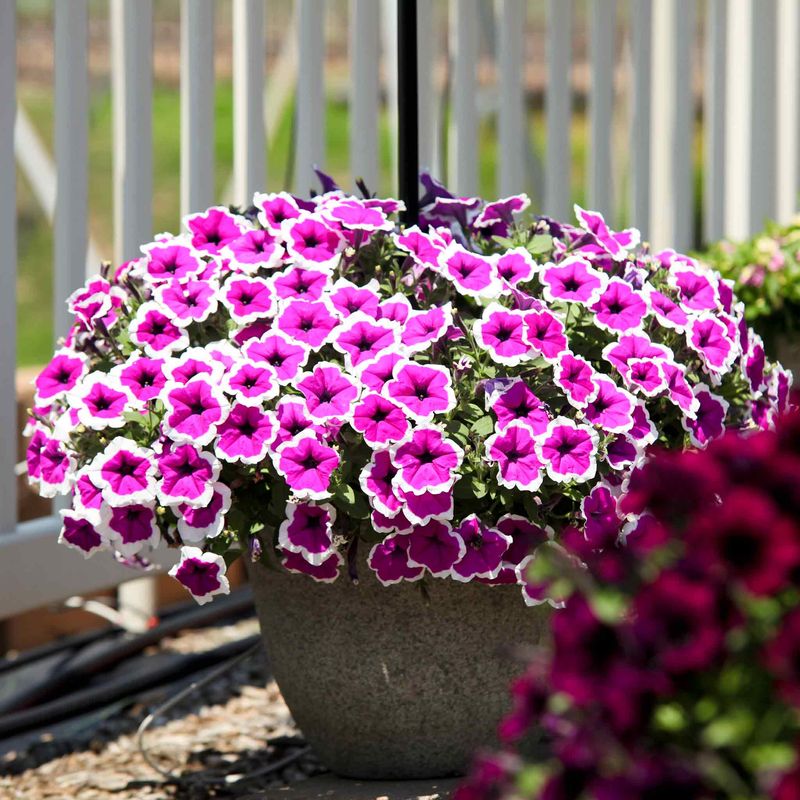
Petunias, with their showy blooms, offer more than just ornamental beauty. Their slightly sticky foliage is unappealing to squirrels, discouraging them from venturing into your garden.
These annuals are easy to grow and thrive in sunny locations, providing color from spring through fall. Their cascading habit makes them perfect for hanging baskets or window boxes.
In addition to repelling pests, petunias attract pollinators, enhancing biodiversity and ensuring a lively garden environment.
23. Basil
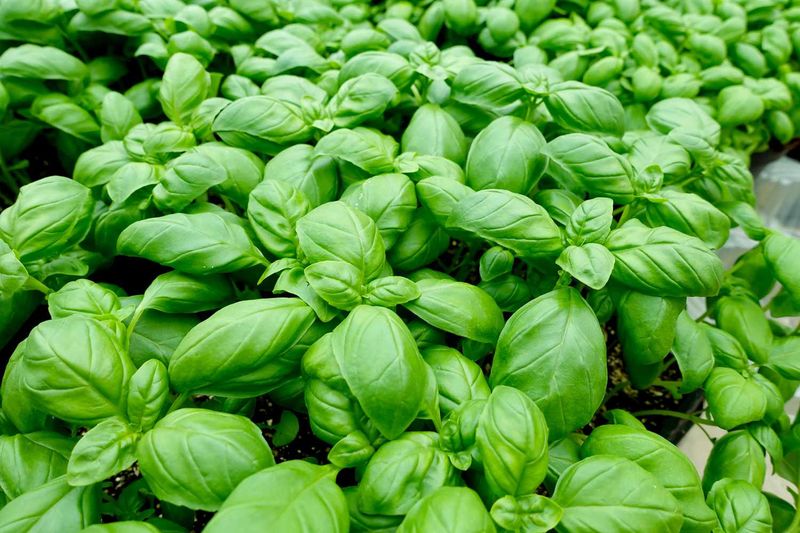
Basil, a favorite in culinary circles, also serves as a natural squirrel deterrent. Its aromatic oils are disliked by these critters, offering protection to your garden.
This annual herb is easy to grow and thrives in well-drained soil and sunny spots. Basil’s ability to pair well with other plants enhances its utility in companion planting.
Besides its repellent properties, basil provides fresh flavors for a variety of dishes, making it a must-have for garden and kitchen alike.
24. Zinnias
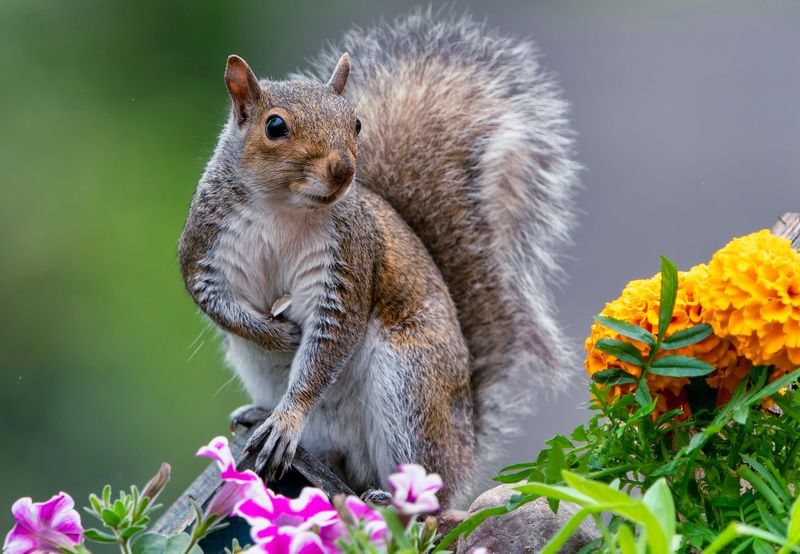
Zinnias, with their bold, cheerful flowers, are more than just eye-catching. Their bitter taste is unappealing to squirrels, keeping these pests away from your garden.
These annuals are easy to grow and thrive in sunny locations, providing vibrant color throughout the growing season. Zinnias’ versatility makes them perfect for borders, containers, or mixed flower beds.
In addition to their deterrent properties, zinnias attract pollinators, promoting a healthy and diverse garden ecosystem.
25. Chives
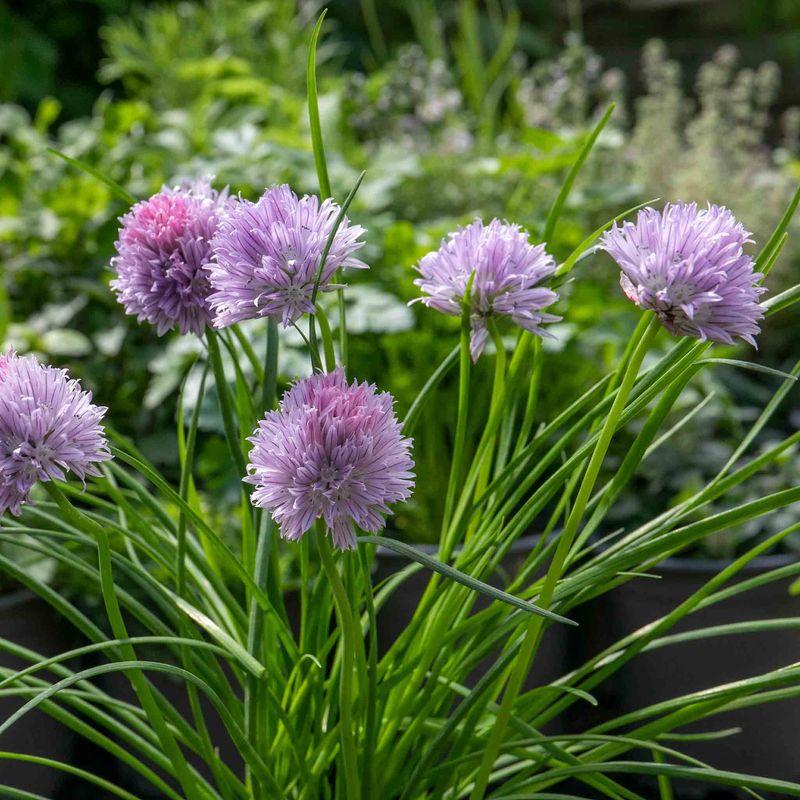
Chives, with their mild onion flavor, serve more than just culinary purposes. Their strong aroma is unappealing to squirrels, naturally deterring them from your garden.
These perennials are easy to grow and thrive in well-drained soil and sunny spots. Chives’ clumping habit makes them ideal for borders or as companions in vegetable gardens.
Besides their repellent qualities, chives offer fresh flavors for a variety of dishes, enhancing both garden and kitchen experiences.
26. Calendula
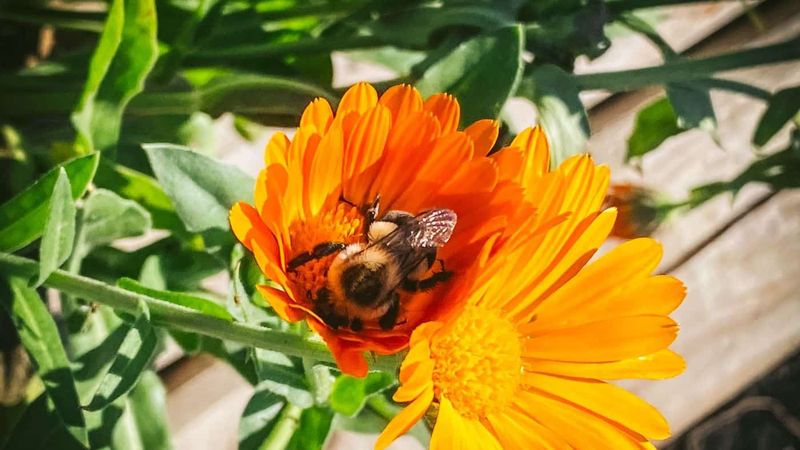
Calendula, with its bright orange blooms, offers more than visual appeal. Its pungent scent deters squirrels, keeping your garden safe from these pesky invaders.
These hardy annuals thrive in well-drained soil and sunny locations, providing a continuous display of color throughout the growing season. Calendula’s versatility makes it suitable for borders or mixed flower beds.
In addition to its repellent properties, calendula attracts pollinators, enhancing biodiversity and ensuring a vibrant garden environment.
27. Tansy
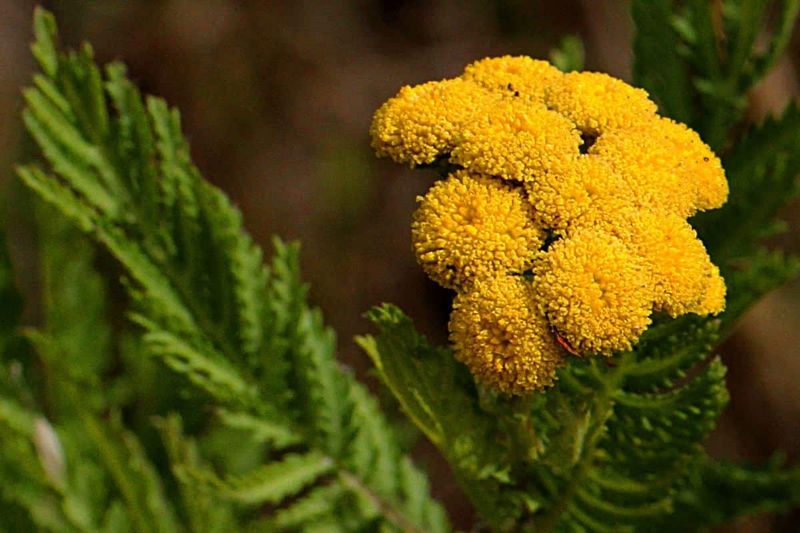
Tansy, known for its feathery foliage and bright yellow blooms, serves more than ornamental purposes. Its strong, bitter scent repels squirrels, safeguarding your garden.
This perennial thrives in well-drained soil and sunny areas, making it a low-maintenance choice for natural pest control. Tansy’s upright growth habit adds structure and interest to garden compositions.
Besides its deterrent properties, tansy attracts beneficial insects, promoting a balanced and thriving ecosystem within your garden.
28. Scilla Siberica
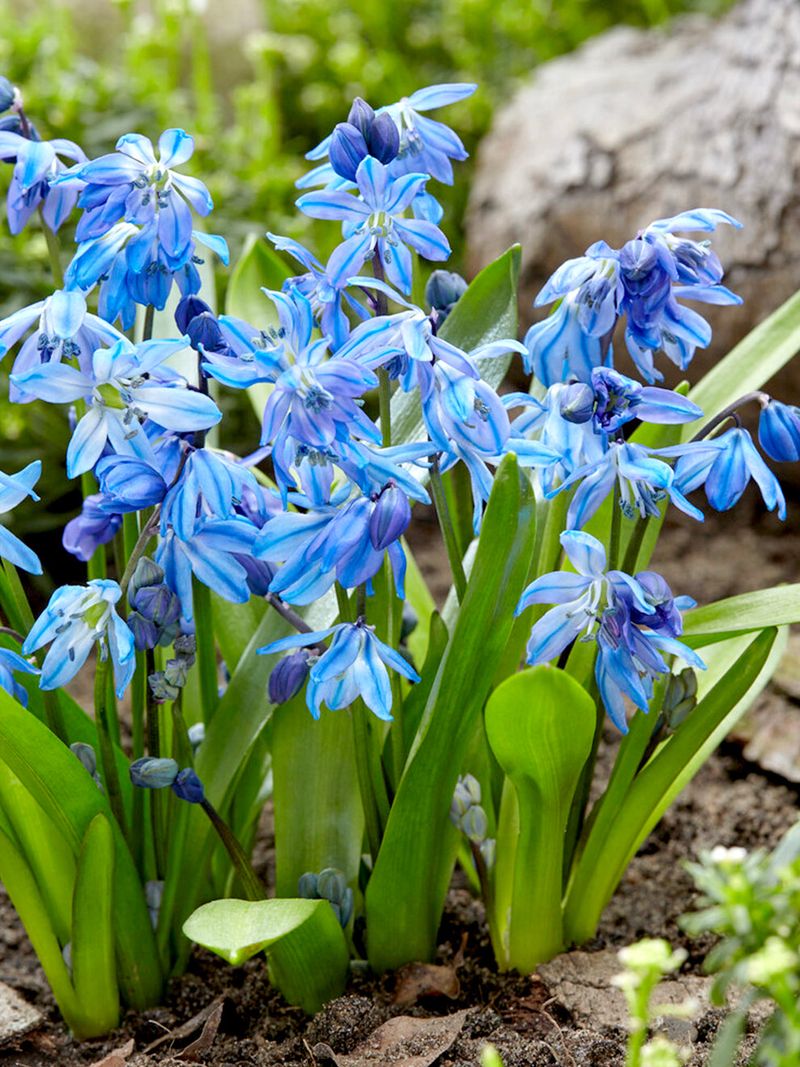
Scilla Siberica, often overlooked, offers a captivating solution to squirrel troubles. Its striking blue flowers, reminiscent of tiny stars, blossom early in spring. This hardy perennial, native to Siberia, thrives in a variety of conditions. Its robust nature deters squirrels with ease.
Planting Scilla Siberica is not only practical but also adds a splash of color to your garden. It harmonizes well with other early bloomers, creating a cheerful tapestry of hues. Interestingly, this plant has been part of European gardens for centuries, celebrated for its resilience and beauty.
Whether lining a pathway or gracing a pot, Scilla Siberica ensures your garden remains a squirrel-free oasis. Its unique charm and practicality make it a must-have addition for any garden enthusiast.