
Gardening can be a delightful hobby, but choosing the right plants is crucial for success. Some flowers may seem appealing yet demand intensive care and attention. Opting for hardy perennials can save time and ensure a thriving garden. Here’s a list of 10 finicky flowers to avoid and their robust perennial counterparts.
1. Delphinium
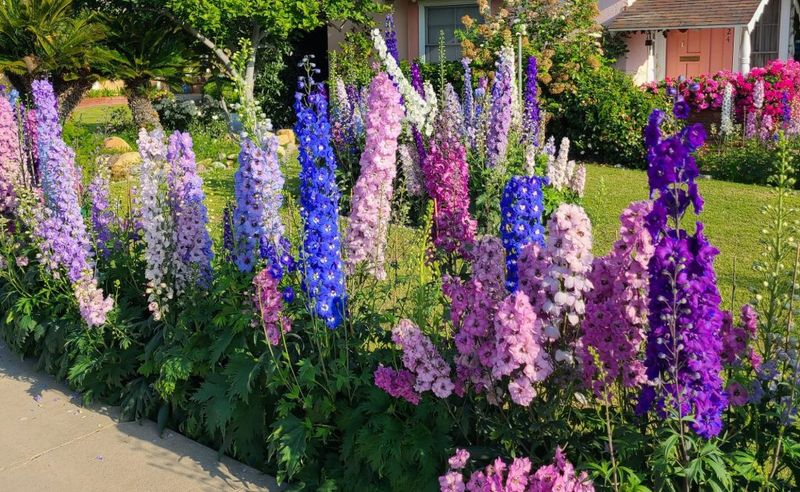
The delphinium is known for its stunning, tall spikes of blue flowers. These blooms are a sight to behold, capturing attention with their vibrant hues.
However, they demand a lot of attention, requiring moist soil, staking, and protection from slugs.
In windy areas, the tall stems are vulnerable to breaking, making them a challenging choice for any gardener.
2. Peony
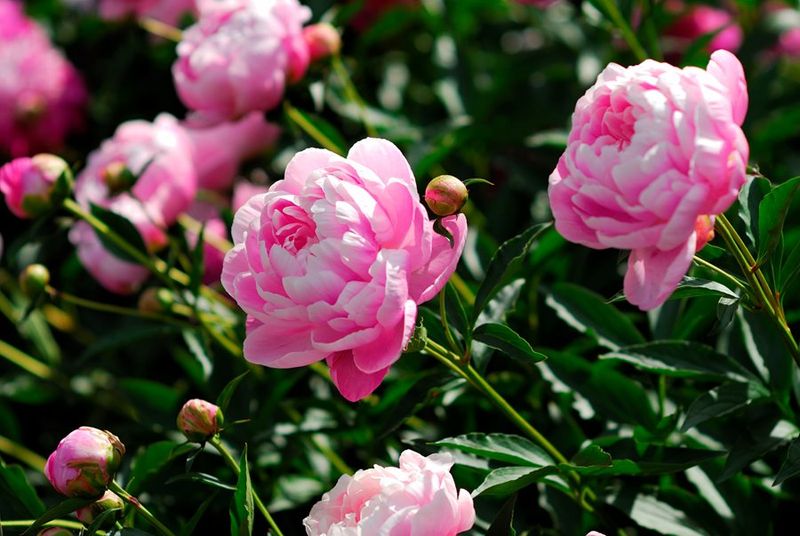
Peonies are loved for their large, lush blooms and sweet fragrance. Their appearance is truly captivating, often making them a favorite among gardeners.
Yet, they are finicky about their planting depth and susceptible to botrytis, a fungal disease that can ruin their beauty.
Their blooming period is short-lived, requiring patience and precision in care to enjoy their splendor.
3. Gardenia
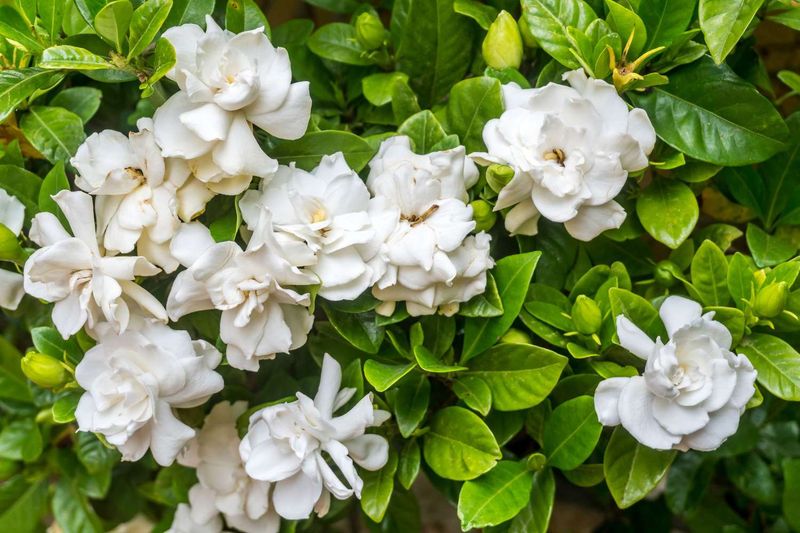
Gardenias offer intoxicating fragrance and exquisite white blooms. They are often associated with elegance in garden design.
Their care is tricky, needing acidic soil, high humidity, and protection from pests.
Any slight mishap in care can lead to yellowing leaves or bud drop, making them a challenging choice for casual gardeners.
4. Camellia
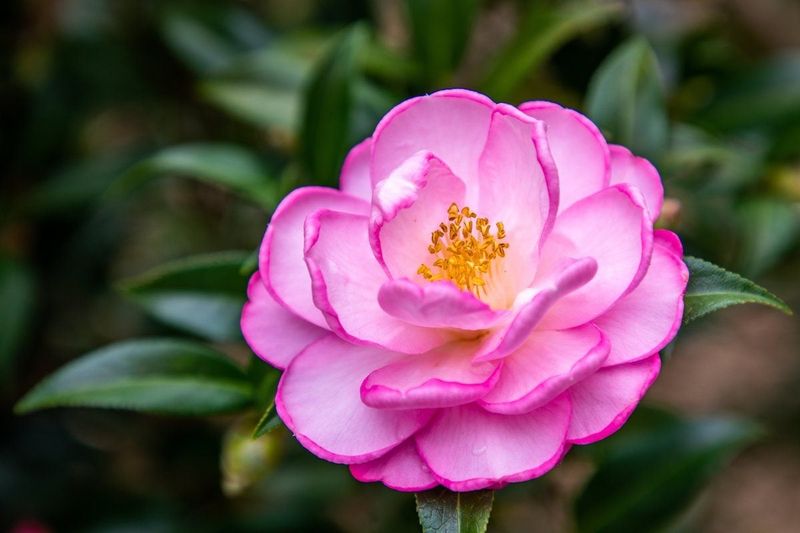
Camellias display a rich tapestry of blooms, with colors ranging from white to deep red. These flowers can bring a touch of the exotic to any garden.
Their finicky nature requires specific soil pH and careful watering to prevent root rot.
Frost can damage the buds, so they need a sheltered position, adding to their maintenance demands.
5. Dahlia
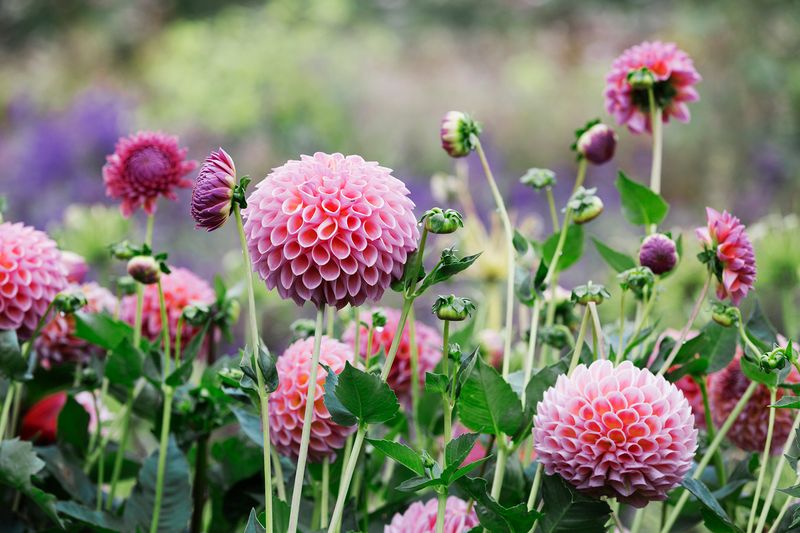
Dahlias are celebrated for their diversity in color and form, making them a show-stopping addition. They can transform a garden with their striking presence.
However, they need staking, regular feeding, and protection from frost.
Their tubers must be dug up and stored over winter, a task that can be laborious for many gardeners.
6. Fuchsia
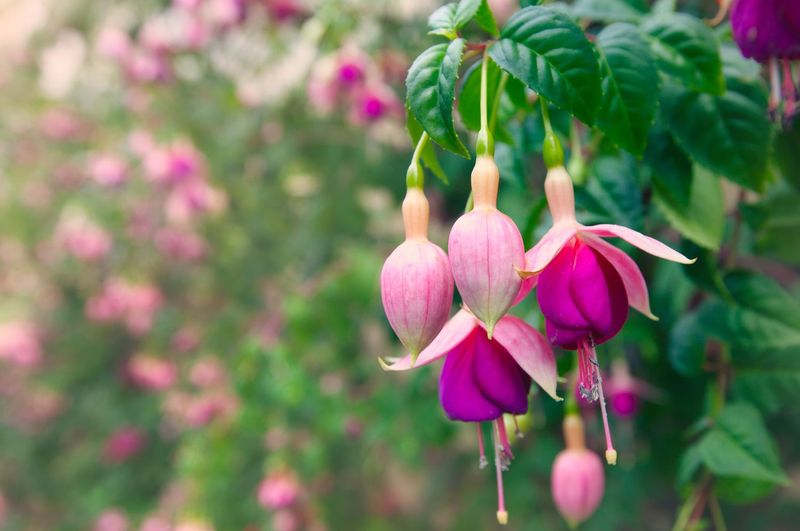
Fuchsias enchant with their delicate, pendulous flowers in striking pinks and purples. They can add a whimsical touch to garden arrangements.
They demand regular deadheading, precise watering, and protection from frost.
Their sensitivity to temperature and moisture makes them a tricky option for novice gardeners seeking an easy-care option.
7. Orchid
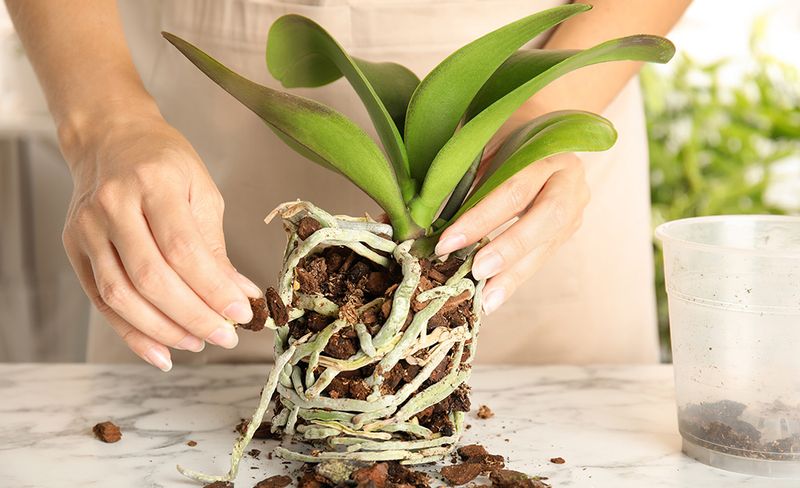
Orchids symbolize exotic beauty and come in a wide array of colors and forms. Their blooms are truly exquisite, often used in elegant displays.
Yet they require very specific humidity, light conditions, and feeding schedules.
Their care is delicate, and improper care can lead to failure in blooming or even plant death, deterring many from cultivating them.
8. Tulip
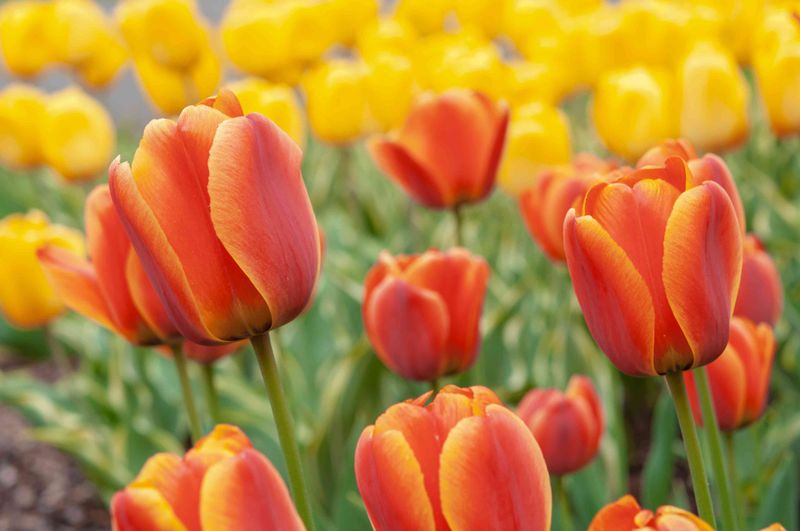
Tulips herald the arrival of spring with their bold colors and classic form. They are often associated with renewal and beauty.
However, they are susceptible to pests and diseases, requiring annual replanting.
Their bulbs can be short-lived if not cared for properly, making them a less sustainable choice for perennial-focused gardens.
9. Hydrangea
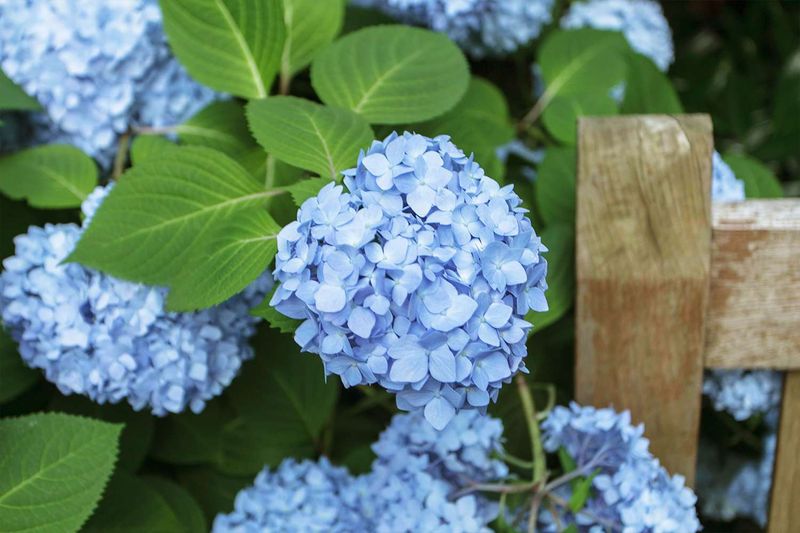
Hydrangeas boast large, lush flower clusters that can change color with soil pH. Their transformation adds intrigue to garden settings.
They require precise pruning and watering to maintain their health and beauty.
Their susceptibility to powdery mildew and leaf spots can frustrate gardeners aiming for low-maintenance blooms.
10. Lily
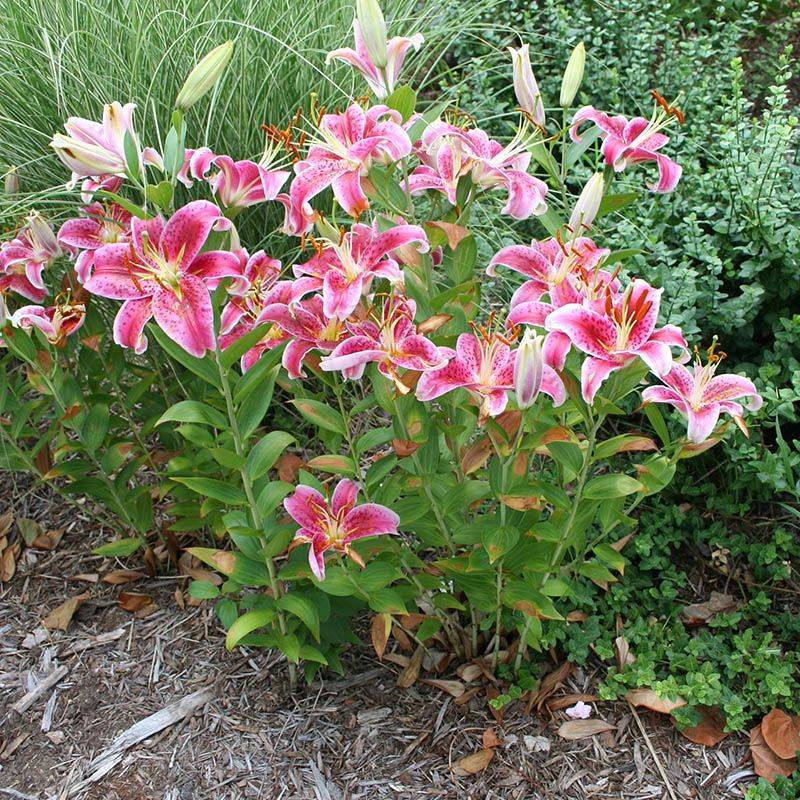
Lilies are admired for their dramatic, large blooms and sweet scent. Their elegant appearance often evokes feelings of luxury.
However, they can be toxic to pets and require careful staking and pest management.
Their bulbs are sensitive to overwatering, making them a delicate choice for those seeking a resilient garden plant.
11. Coneflower
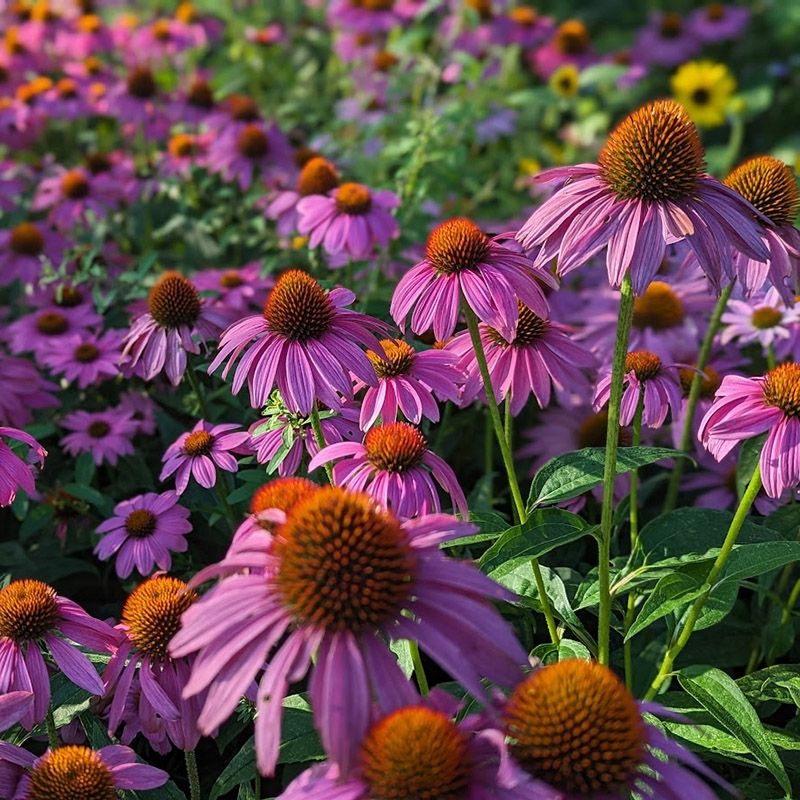
Coneflowers, or Echinacea, are beloved for their daisy-like appearance and vibrant colors. Their easygoing nature makes them a favorite.
They thrive in full sun and attract pollinators, adding life to the garden.
Their drought resistance and minimal care requirements make them perfect for gardeners seeking low-maintenance options.
12. Black-eyed Susan
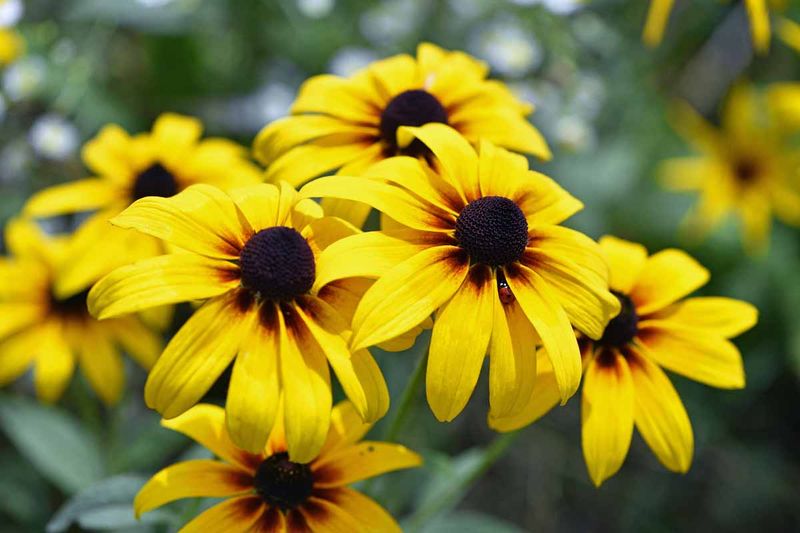
Black-eyed Susans charm with their bright yellow petals and contrasting dark centers. Their cheerful demeanor brightens any garden.
They are hardy, drought-tolerant, and attract beneficial insects to keep the garden lively.
With minimal care needs, they are an excellent choice for gardeners looking to minimize maintenance while maximizing beauty.
13. Daylily
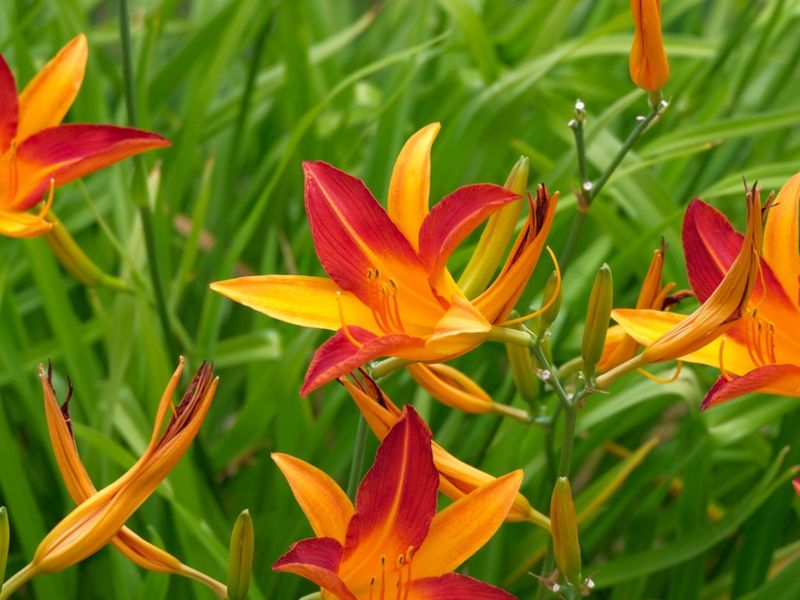
Daylilies grace gardens with their vibrant, trumpet-shaped blooms. Their resilience and adaptability are notable traits.
They thrive in various soil types and need little more than occasional division.
Their ability to bloom repeatedly through the season makes them a reliable choice for continuous color in any garden.
14. Sedum
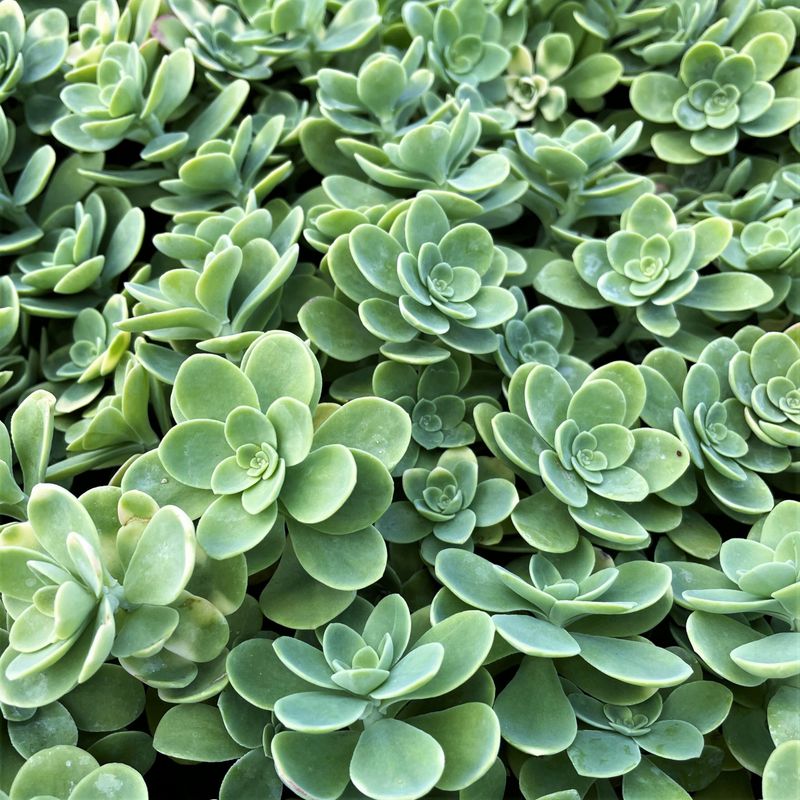
Sedum, or stonecrop, offers a unique appeal with its fleshy, succulent leaves. Their versatility makes them ideal for rock gardens.
They are incredibly drought-tolerant and require virtually no maintenance once established.
Their star-shaped flowers attract pollinators, adding ecological value to their aesthetic appeal.
15. Hosta
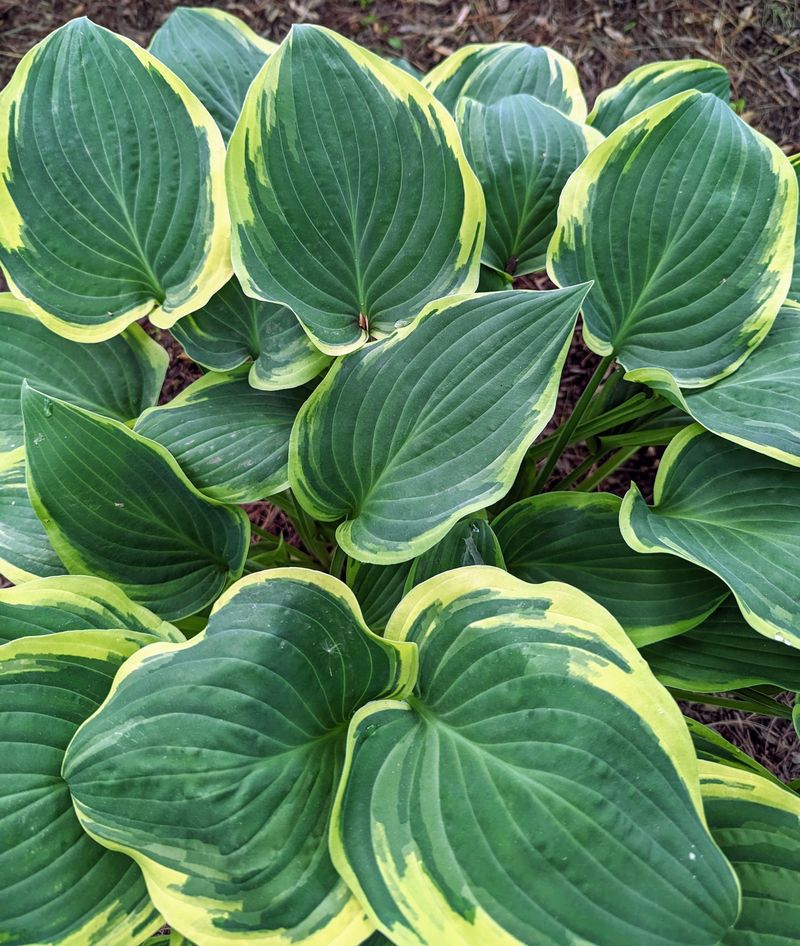
Hostas provide lush foliage with broad, variegated leaves. They offer texture and contrast in shaded garden areas.
Once established, they require little attention, thriving even in less-than-ideal soil conditions.
Their ability to suppress weeds while providing beauty makes them a gardener’s ally in maintaining a tidy garden space.
16. Russian Sage
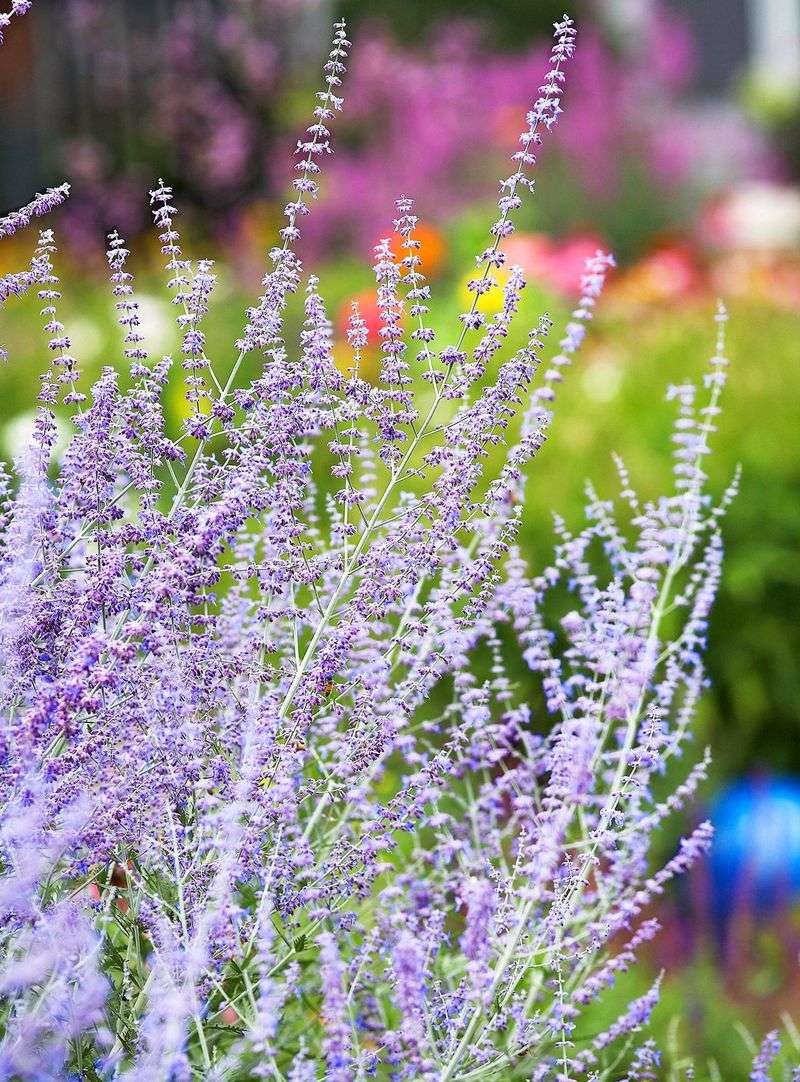
Russian sage delights with its silvery leaves and long-lasting purple spikes. Its aromatic foliage adds a sensory dimension to gardens.
It thrives in poor soil and full sun, making it a robust choice for challenging areas.
Its drought resistance and low maintenance needs align with the desires of gardeners seeking hassle-free beauty.
17. Yarrow
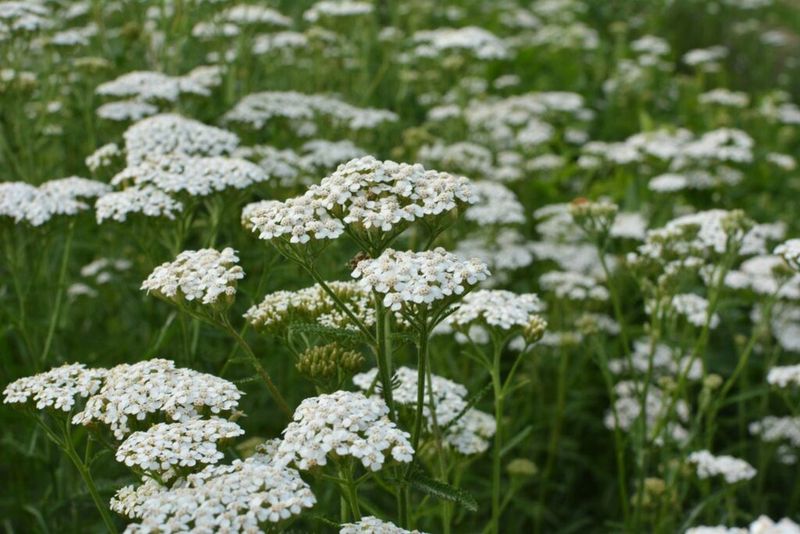
Yarrow captivates with its clusters of tiny flowers and feathery foliage. Their historical use in herbal remedies adds intrigue.
They are drought-tolerant and thrive in poor soil, making them resilient companions.
Their ability to attract beneficial insects while requiring minimal care makes them an ideal choice for eco-conscious gardeners.
18. Heuchera
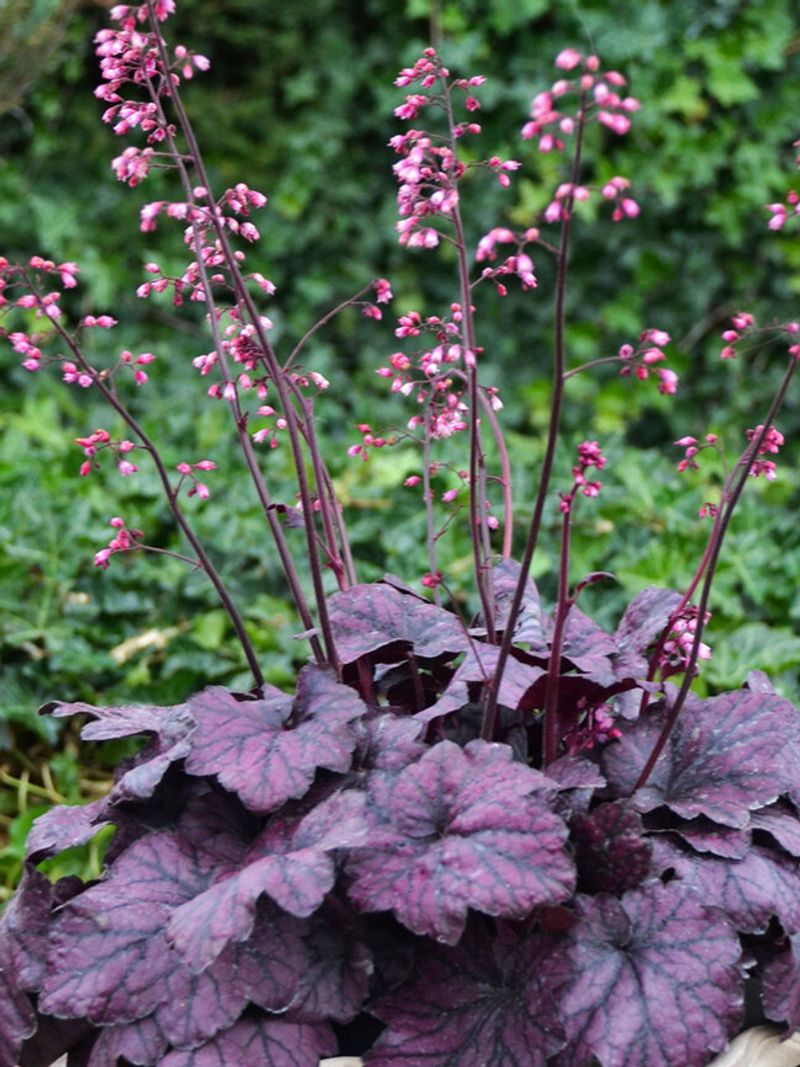
Heuchera, or coral bells, are known for their striking foliage that spans a rainbow of colors. Their leaves provide year-round interest.
They are easy to grow, requiring little more than periodic division to stay healthy.
Their ability to thrive in shade and partial sun makes them versatile additions to garden designs.
19. Lavender
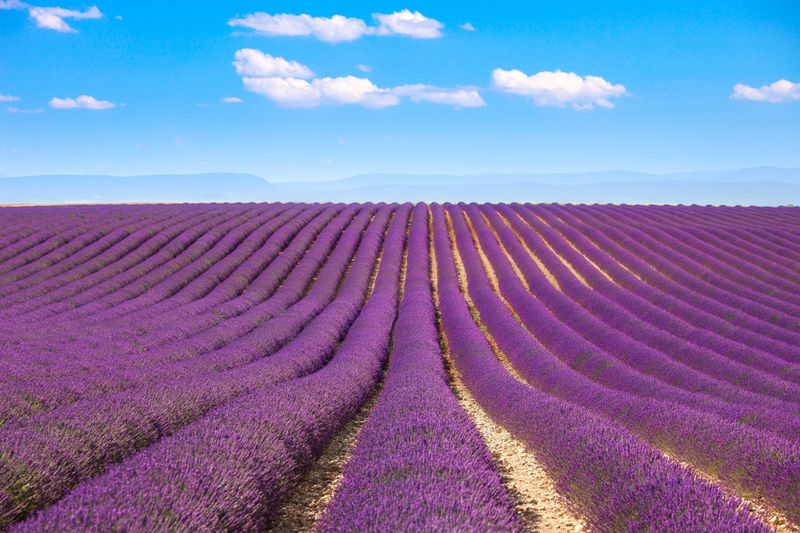
Lavender enchants with its calming scent and purple flower spikes. Its versatile use in cooking and crafts adds practical value.
Thriving in dry, sunny conditions, it is a low-maintenance choice for aromatic gardens.
Its drought resistance and ability to repel pests make it a functional yet beautiful addition to any landscape.
20. Coreopsis
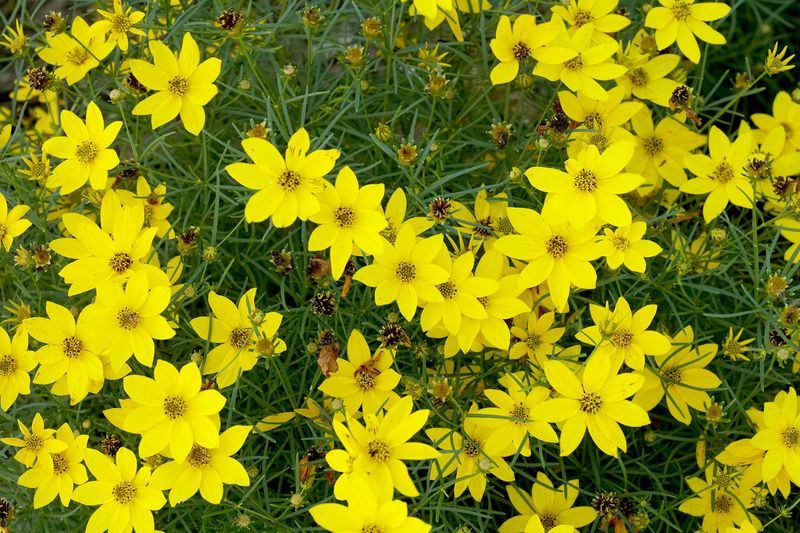
Coreopsis brightens gardens with its sunny yellow blooms and fine-textured foliage. Their cheerful presence can invigorate any space.
They are drought-tolerant and bloom prolifically, requiring little more than deadheading to sustain their vigor.
Their adaptability to various soil types makes them suitable for diverse garden settings.