 Complete Gardening
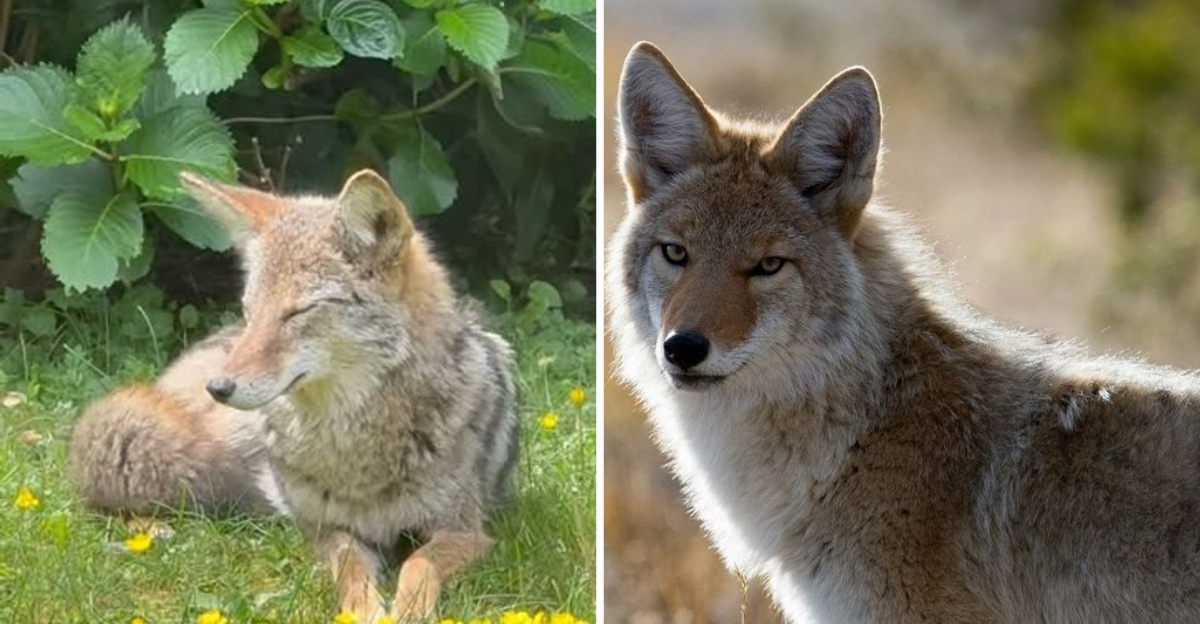
Encountering a coyote in your yard can be an unexpected and bewildering experience. These clever creatures have adapted to urban environments, making sightings more common. Understanding how to react can ensure safety for both you and the coyote. Here, we outline 15 essential actions to take, along with 3 critical mistakes to avoid, ensuring you handle the situation with confidence and care. By following these guidelines, you can protect yourself and maintain harmony with the wildlife in your community.
1. Stay Calm
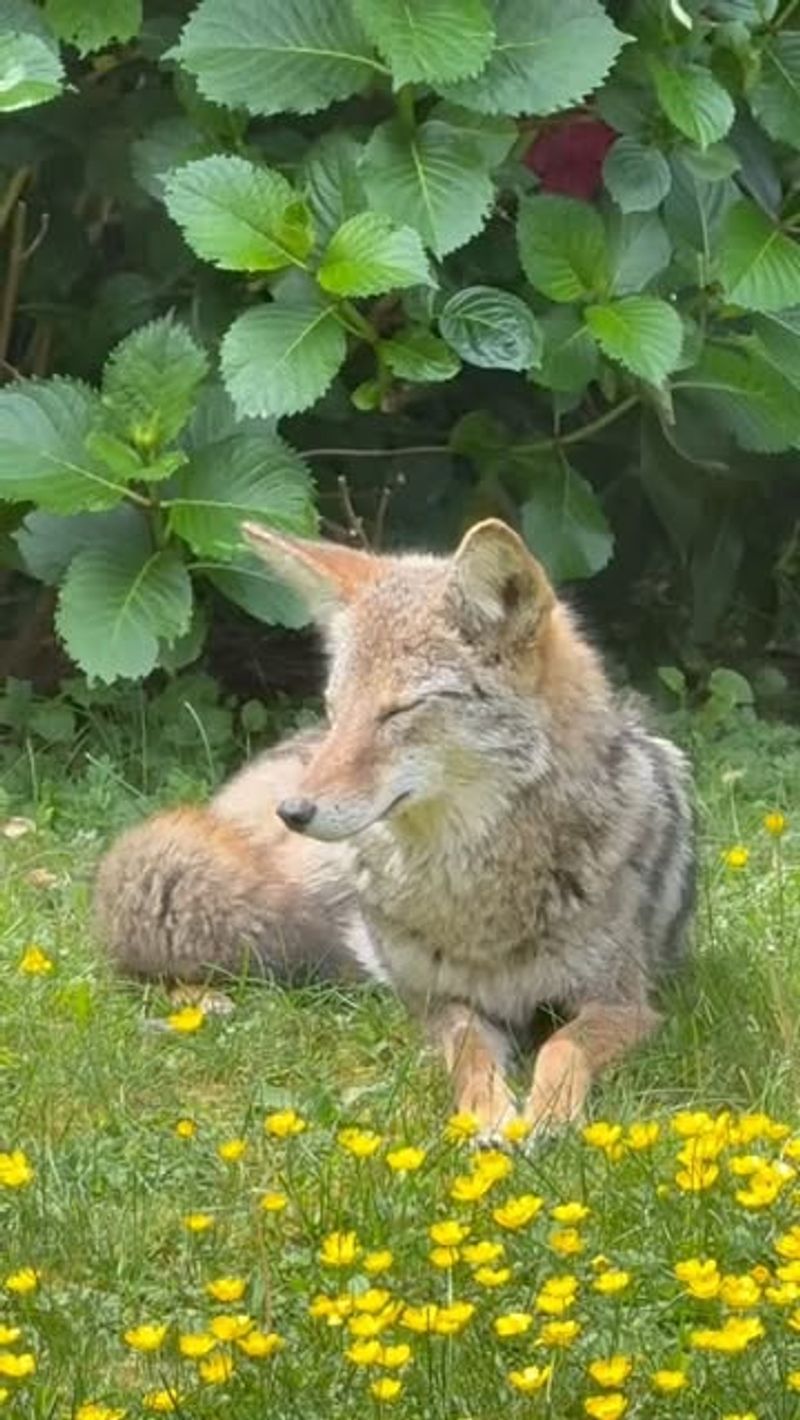
The sight of a coyote might be startling, but staying calm is crucial. Coyotes can sense fear and panic, which might provoke them. Take a deep breath and assess the situation from a safe distance. Maintaining composure helps in making clear decisions. Remember, coyotes are generally curious and tend to avoid humans if they don’t feel threatened. Respect their space and observe their behavior without sudden movements. By exuding calmness, you lessen the risk of escalating the encounter. This approach not only ensures your safety but also that of the coyote. A peaceful coexistence starts with a calm demeanor.
2. Make Yourself Big and Loud
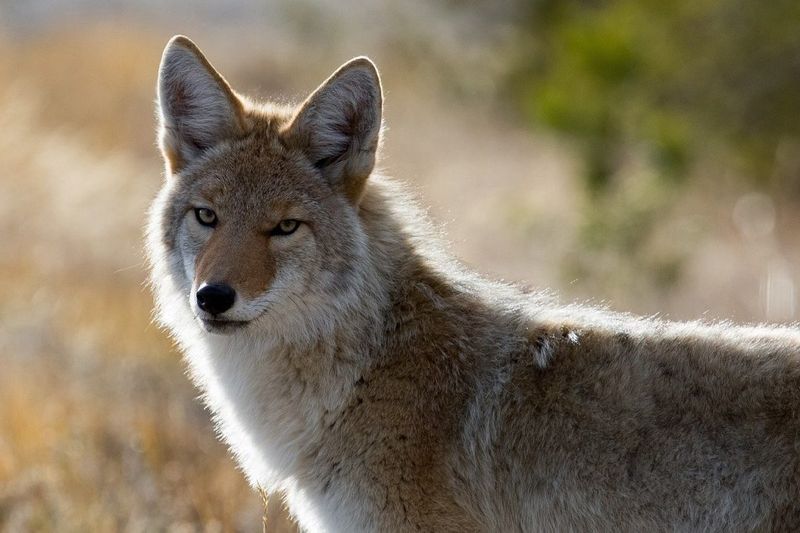
When encountering a coyote, make yourself appear larger and more intimidating. Stand tall, wave your arms, and use a firm voice. Shouting or clapping can also deter the animal. Coyotes are often intimidated by humans and will back away if they perceive you as a threat. This technique reinforces your dominance in the situation, helping to ensure the coyote retreats. By projecting confidence and control, you discourage the coyote from approaching. Remember, the goal is to assert presence without aggression. This method is effective in maintaining a safe distance between you and the coyote.
3. Secure Pets

Pets are often seen as potential prey by coyotes, so securing them is a priority. Bring your pets indoors immediately to prevent any interaction. If you can’t do so safely, keep them on a short leash and close to you. Coyotes might be attracted to their movements or noises, so minimizing exposure is essential. Protecting your pets not only shields them from harm but also reduces the coyote’s motivation to linger. Ensure that small pets, in particular, are closely monitored. Your proactive steps can prevent an unfortunate encounter between your beloved pet and a curious coyote.
4. Use Hazing Techniques
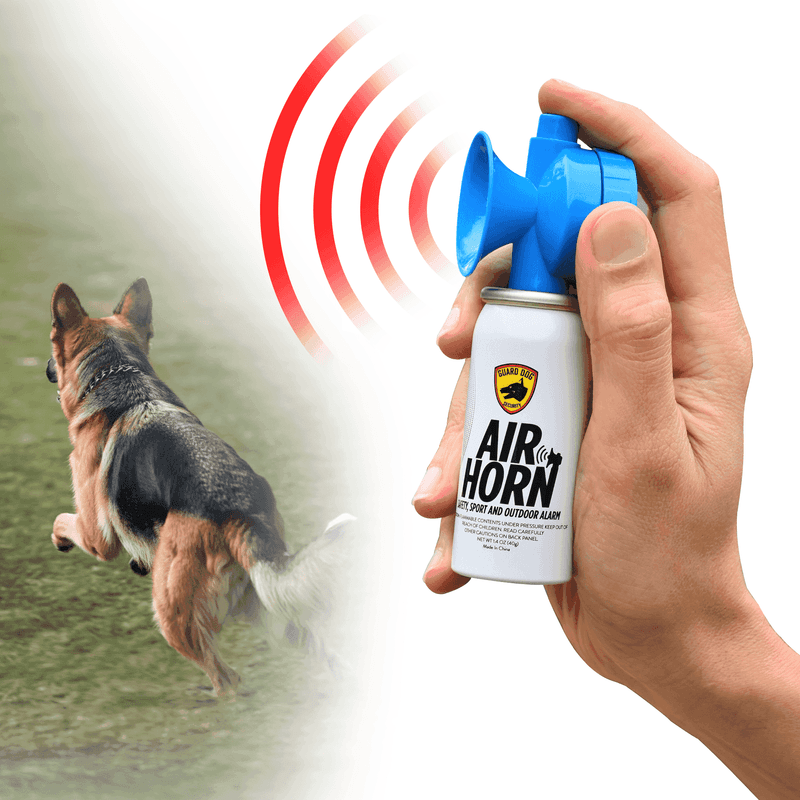
Hazing involves using deterrents like whistles, air horns, or spray bottles to frighten coyotes away. These methods are designed to create an unpleasant experience for the coyote, encouraging it to leave the area. Use these tools only if you feel safe doing so, and maintain a safe distance. Hazing is a non-lethal way to modify coyote behavior, teaching them to avoid human interaction. Always prioritize your safety and retreat if you feel uncomfortable. This technique helps reinforce boundaries and discourages coyotes from returning to your yard or neighborhood.
5. Remove Food Sources
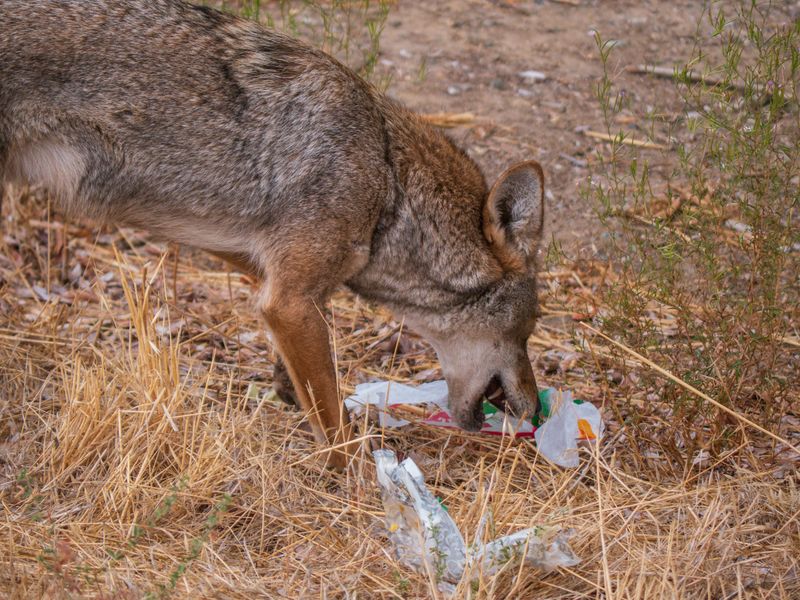
Coyotes are opportunistic feeders and are drawn to easily accessible food. Removing pet food, bird seed, and garbage from your yard can diminish their interest in your property. Secure trash cans with tight lids and clean up any fallen fruit from gardens. By eliminating these temptations, you reduce the likelihood of coyotes frequenting your area. It’s important to be vigilant about possible attractants and address them promptly. This proactive measure helps foster a safer environment for both humans and wildlife, reducing the chances of unwanted coyote encounters.
6. Install Motion-Activated Lights
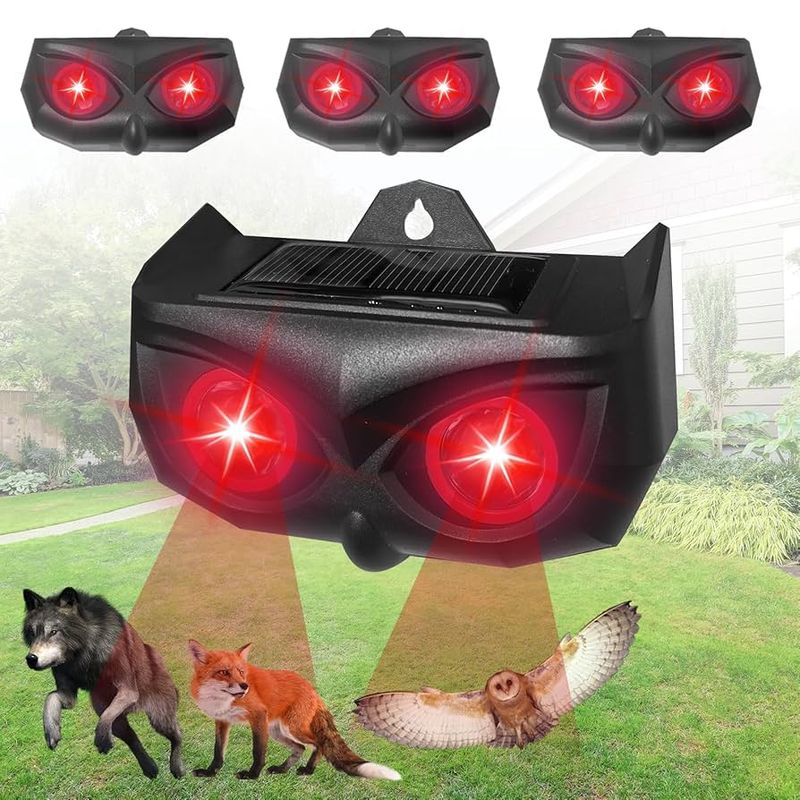
Installing motion-activated lights can deter coyotes by startling them as they approach. These lights serve as an unexpected interruption, making your yard less appealing. Coyotes prefer to operate under the cover of darkness, so sudden illumination can discourage them. This simple addition to your yard can enhance security, not only against coyotes but other nighttime intruders as well. Ensure these lights cover potential entry points and are positioned to maximize effectiveness. Motion-activated lights are a straightforward yet powerful tool in maintaining a coyote-free yard, offering peace of mind after sundown.
7. Repair Fences
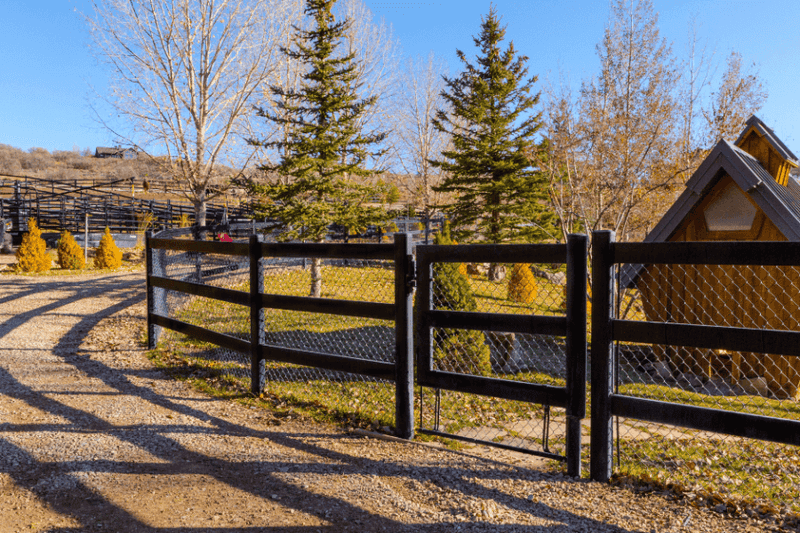
Coyotes are adept at finding entry points into yards, so maintaining your fence is vital. Inspect and repair any gaps, loose boards, or areas where a coyote could squeeze through. A well-maintained fence acts as a physical barrier, deterring coyotes from entering your property. Consider adding coyote rollers or extending the height for additional security. Regular maintenance ensures that your yard remains a safe space for you and your pets. By reinforcing these boundaries, you assert control over your environment, reducing the chances of unexpected coyote visits.
8. Keep a Safe Distance
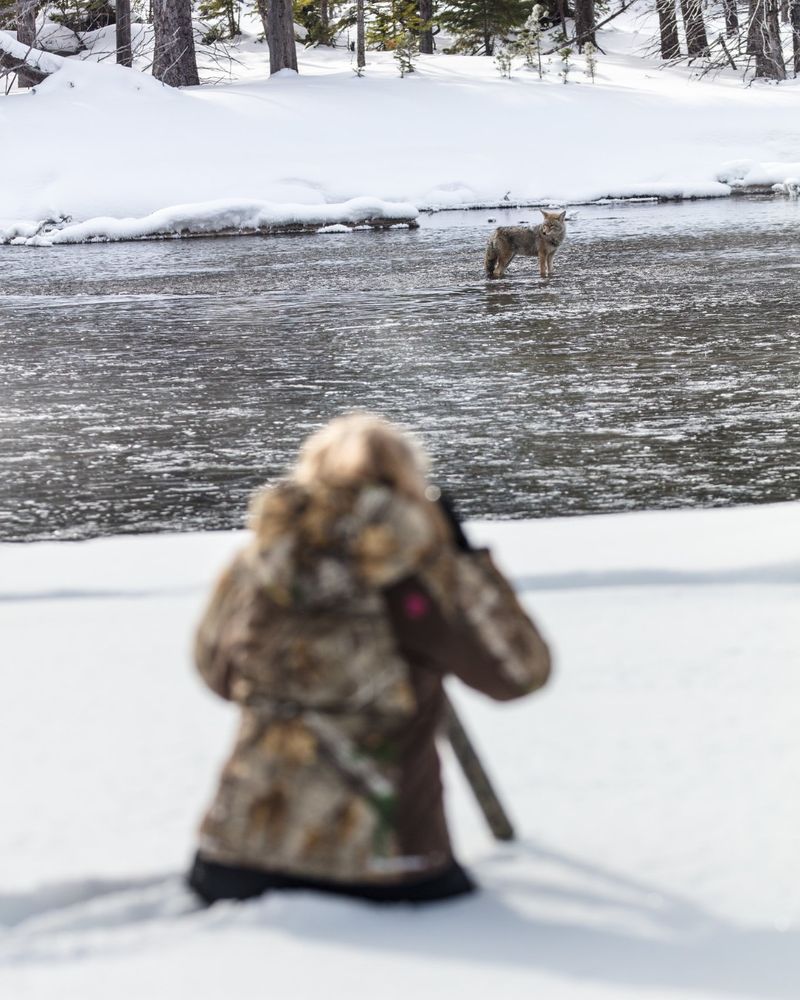
Maintaining distance is crucial when a coyote is in your yard. Use binoculars or stay at a distance where you feel comfortable observing the animal. Coyotes are naturally curious but will often retreat if they perceive humans nearby. Keeping a safe distance ensures that neither party feels threatened or cornered. This practice also allows you to monitor the coyote’s behavior without provoking it. By respecting boundaries, you create a harmonious situation where the coyote can safely leave the area. Ensure children and pets are kept away until the yard is secure.
9. Educate Your Neighbors
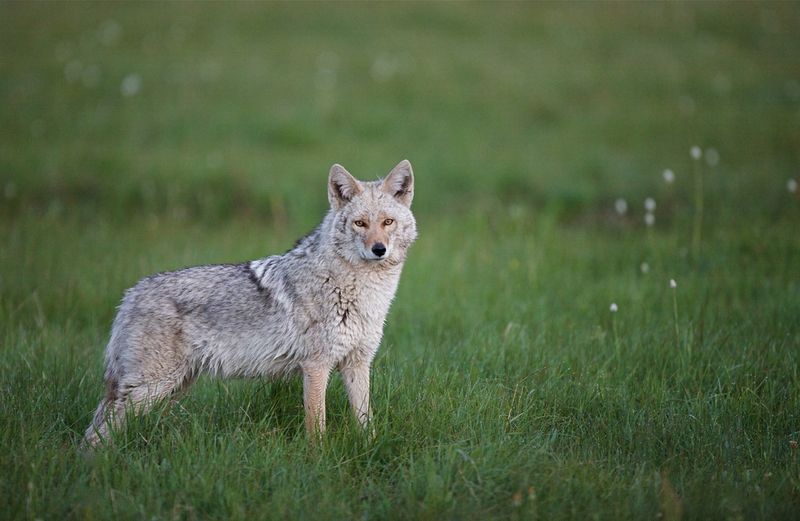
Sharing knowledge with neighbors about coyote safety can create a cohesive community response. Organize a meeting or distribute flyers detailing how to react in a sighting. A unified approach ensures everyone is aware and vigilant, reducing the chance of negative encounters. Neighbors can also help monitor the area for coyote activity and alert others if needed. By fostering a network of informed individuals, your neighborhood can manage coyote presence more effectively. This collective effort enhances safety for everyone, creating a supportive environment where wildlife and humans can coexist peacefully.
10. Remove Water Sources
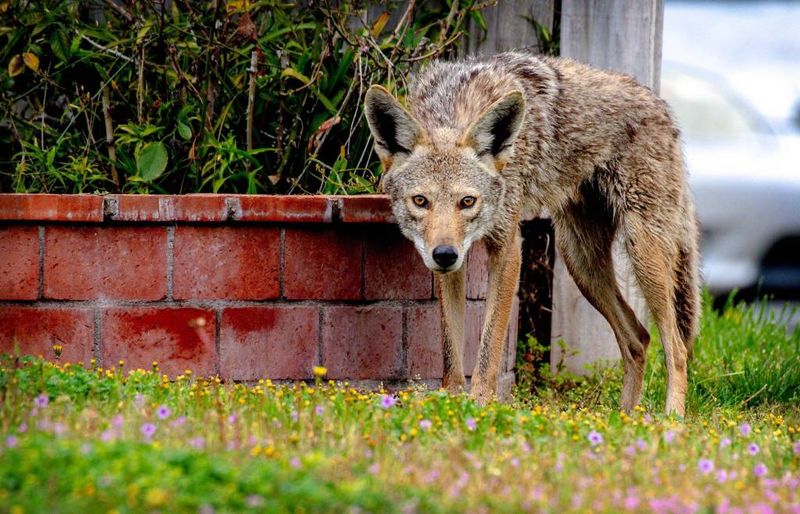
Coyotes are drawn to water sources, especially during dry spells. Removing standing water such as birdbaths or pet water bowls can make your yard less attractive. By limiting access to water, you decrease the chances of coyotes frequenting your property. Regularly check for and eliminate water collection points, like clogged gutters. This strategy is vital in areas prone to drought, where wildlife might seek alternative water sources. Ensuring your yard is free from these attractions helps maintain a safe distance between coyotes and residential areas.
11. Install Coyote Rollers
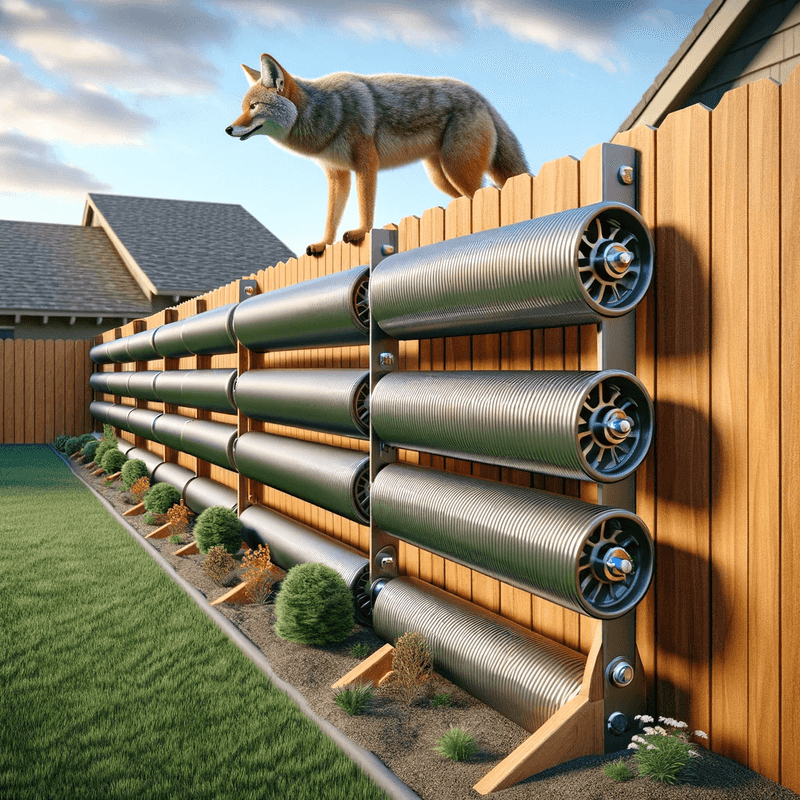
Coyote rollers are devices added to the top of fences to prevent climbing. They spin, making it difficult for animals to gain a grip and vault over. Installing these rollers is a proactive step to ensure coyotes stay out of your yard. They are particularly useful in areas with high coyote activity. By investing in this solution, you reinforce your property’s defenses, reducing the risk of coyote intrusions. This physical barrier is effective in maintaining the safety and privacy of your yard, allowing you to enjoy your space without unexpected wildlife visits.
12. Use Scare Tactics
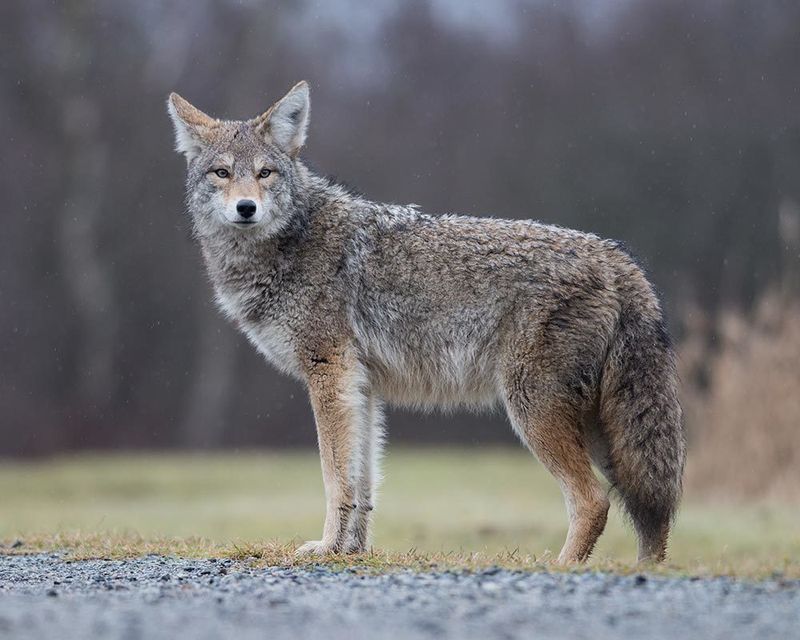
Scare tactics, like installing scarecrows or reflective objects, can deter coyotes by creating a sense of danger. These visual deterrents mimic human presence or unnatural elements, making your yard less inviting. Regularly change their position or appearance to maintain effectiveness. By employing scare tactics, you introduce an element of unpredictability that can keep coyotes at bay. This method complements other deterrents, creating a multi-layered approach to coyote prevention. It’s an innovative way to protect your yard while minimizing human-wildlife conflicts.
13. Do Not Feed Coyotes
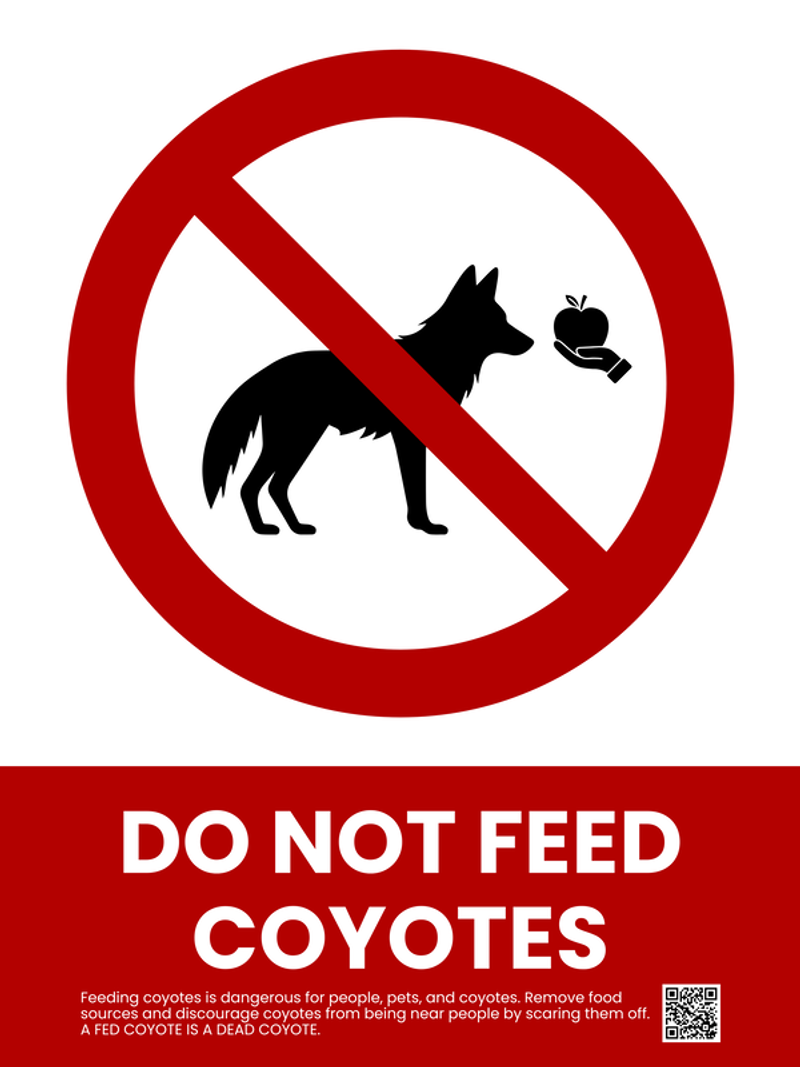
Feeding coyotes, intentionally or otherwise, is a significant mistake. Providing food encourages them to associate humans with easy meals, increasing the likelihood of future visits. If food is readily available, coyotes lose their natural wariness of humans, potentially leading to aggressive behavior. It’s crucial to educate household members about the risks of feeding wildlife. Ensuring that trash and potential food sources are secured is part of responsible yard management. By promoting this practice, you contribute to safer interactions and discourage habituation, supporting coexistence without direct engagement.
14. Contact Animal Control
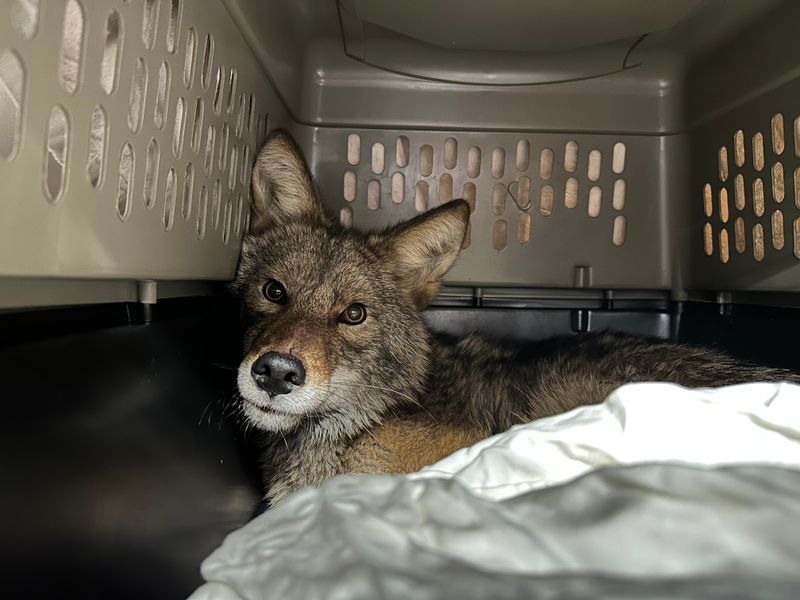
If a coyote poses a threat or seems injured, contacting local animal control is essential. Professionals have the tools and knowledge to handle wildlife situations safely. They can assess the coyote’s health and behavior, making informed decisions on how to proceed. It’s crucial not to approach or attempt to capture the animal yourself. Animal control services ensure the welfare of both the community and the wildlife involved. By involving experts, you mitigate risks and contribute to a responsible resolution of the situation.
15. Do Not Approach
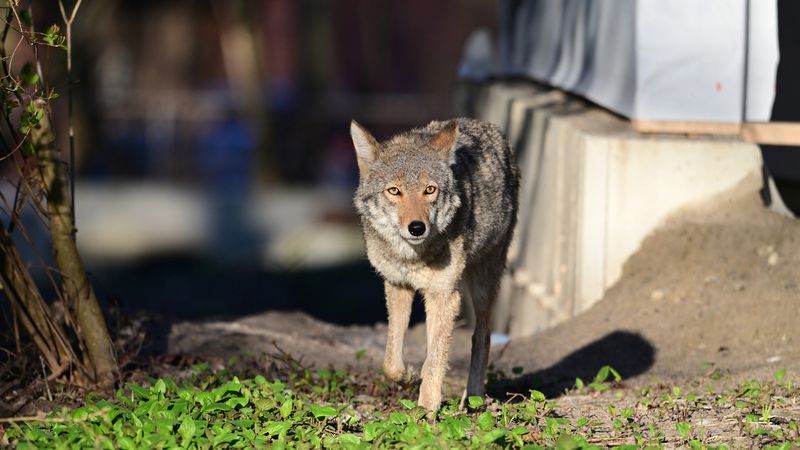
Approaching a coyote can provoke defensive behavior, putting both parties at risk. It’s vital to keep a respectful distance and avoid sudden movements that might startle the animal. Coyotes are more likely to retreat if not threatened. Communicate with others to maintain distance and observe from afar. This approach promotes safety by reducing stress for the coyote and preventing human-coyote conflicts. Always prioritize your safety by respecting wildlife and understanding their need for space. In doing so, you foster an environment of mutual respect and peaceful coexistence.
16. Do Not Corner
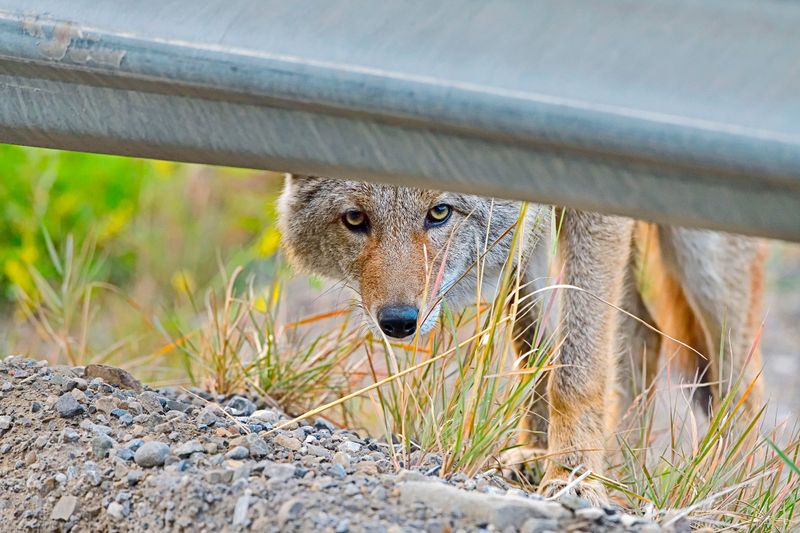
Avoid cornering a coyote, as it can lead to defensive aggression. Ensure the animal has a clear escape path to prevent it from feeling trapped. Coyotes, like many animals, prefer to flee rather than fight. If a coyote feels cornered, it may lash out as a last resort. By providing space, you allow the coyote to retreat safely, minimizing the chance of conflict. This understanding of animal behavior is key in managing encounters. Encourage others to do the same, ensuring that wildlife can navigate through human spaces without fear.
17. Document the Sighting
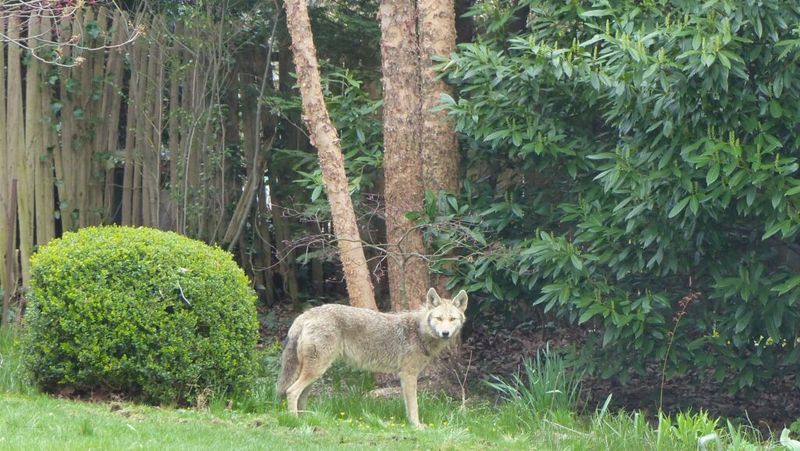
Keeping a record of coyote sightings provides valuable information for local wildlife management. Note the time, location, and behavior of the coyote. This data helps track patterns and inform community safety measures. Sharing this information with local authorities can aid in developing strategies to manage coyote presence. Documenting sightings contributes to a broader understanding of wildlife interactions in urban areas. It’s a proactive step in ensuring that both humans and coyotes can share environments safely and responsibly.
18. Plant Coyote-Repelling Vegetation

Imagine a garden that not only beautifies your home but also keeps unwanted visitors at bay. Planting coyote-repelling vegetation like marigolds and lavender can deter these creatures naturally. The strong scents of these plants can act as a barrier, making your yard less appealing to a curious coyote.
Incorporating these plants into your landscape design adds an aesthetic touch while serving a practical purpose. Coyotes rely heavily on their sense of smell, so a garden filled with aromatic deterrents can be effective.
Consider this a green solution to enhancing your yard’s security without disrupting the ecosystem.