 Complete Gardening
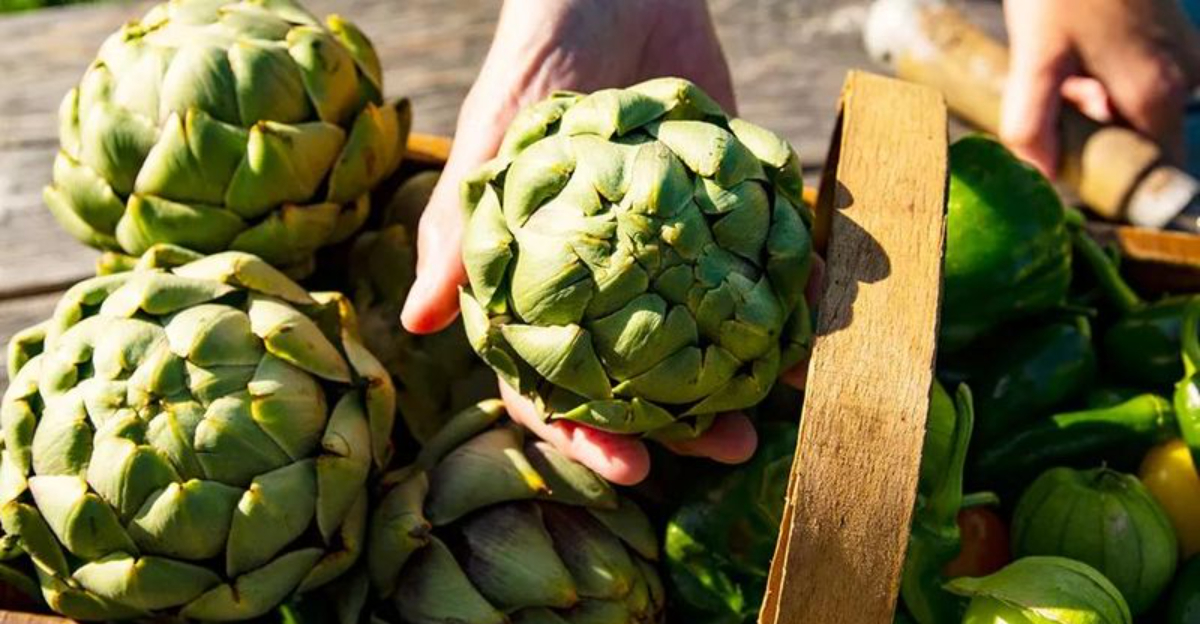
Vegetables are often underestimated in their ability to provide essential nutrients. This blog post explores 15 remarkable vegetables that offer more health benefits than you might expect.
From leafy greens to root vegetables, each entry highlights the unique properties that make these vegetables nutritional powerhouses.
Whether you’re seeking to boost your immunity, improve your digestion, or simply enjoy a healthier diet, these vegetables are sure to enrich your meals and your life.
1. Kale
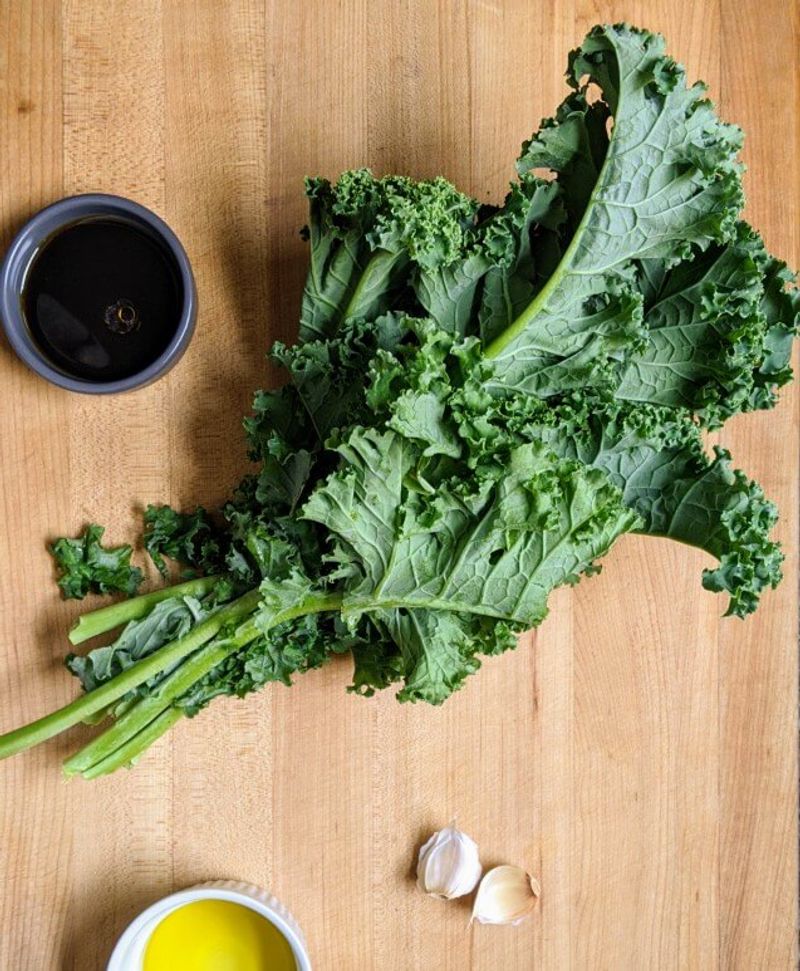
Kale, often labeled a superfood, is packed with vitamins and minerals that support overall health. Rich in Vitamin K, it aids bone health, while its high Vitamin C content boosts immune function. Kale’s fiber content supports digestion and keeps you feeling full longer.
Its slightly bitter taste can be softened by sautéing or blending into smoothies. Kale chips, a popular snack, offer a crunchy, healthy alternative to traditional chips. As part of the cabbage family, kale has been cultivated for thousands of years, providing nourishment to various cultures.
2. Spinach
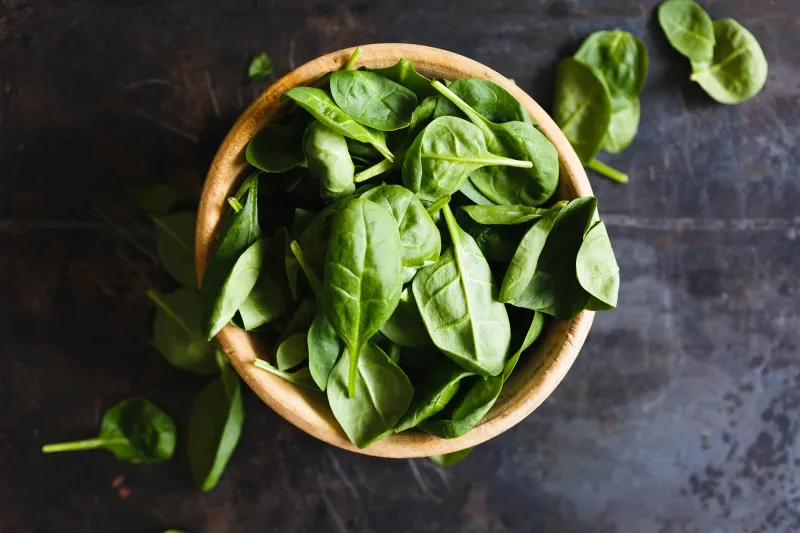
Spinach, known for its mild flavor and tender texture, is a versatile vegetable rich in iron and calcium. These nutrients are vital for maintaining healthy blood and bones. Spinach also contains antioxidants that protect the body from oxidative stress.
Whether enjoyed raw in salads or cooked in dishes like lasagna, spinach adds a nutrient boost without overpowering flavors. The history of spinach cultivation stretches back to ancient Persia, where it was prized for its health benefits. Its ability to adapt to diverse culinary traditions makes it a kitchen staple.
3. Broccoli

Broccoli, a member of the cruciferous family, is celebrated for its cancer-fighting properties due to compounds like sulforaphane. This vegetable is also high in fiber, supporting digestive health.
Steamed, roasted, or raw, broccoli maintains its nutritional value and complements a variety of dishes. Its unique tree-like appearance and slightly bitter taste make it a distinct addition to meals. Introduced to Europe in the 16th century, broccoli has since become a beloved part of global cuisine, admired for its versatility and health benefits.
4. Sweet Potato

Sweet potatoes are not just delicious; they’re incredibly nutritious, rich in beta-carotene, which converts to Vitamin A in the body. This nutrient supports vision and immune health.
The natural sweetness of this root vegetable enhances both savory and sweet dishes. Roasting sweet potatoes brings out their natural sugars, making them a favorite in many cuisines. Originating in Central and South America, sweet potatoes have been cultivated for thousands of years, offering sustenance and flavor to diverse cultures.
5. Carrot

Carrots are renowned for their high beta-carotene content, promoting good vision and skin health. These vibrant root vegetables are also a great source of dietary fiber, aiding digestion.
Enjoyed raw as snacks or cooked in a variety of dishes, carrots provide a sweet crunch to meals. They are often associated with eye health due to their Vitamin A content. Interestingly, purple and white carrots were more common in ancient times, with orange varieties becoming popular later. Carrots continue to be a staple in diets worldwide.
6. Brussels Sprouts

Brussels sprouts, often misunderstood, are nutritional dynamos rich in Vitamin C and K. These nutrients support immune function and bone health, respectively.
Roasting Brussels sprouts brings out their natural sweetness, making them a delightful addition to any meal. Their small, cabbage-like form and nutty flavor add visual and culinary interest. Originating from Belgium, where they were first cultivated, Brussels sprouts have gained popularity for their health benefits and unique taste.
7. Bell Pepper
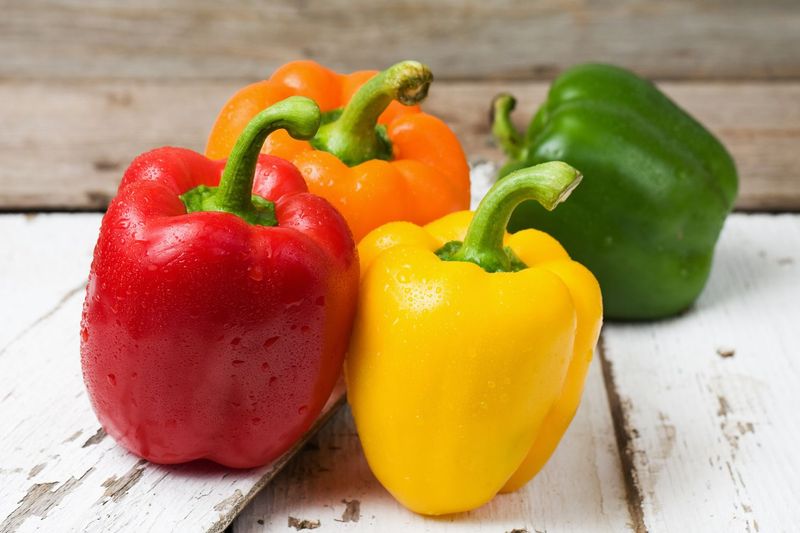
Bell peppers, with their sweet, crisp texture, are rich in Vitamin C, surpassing even oranges. This nutrient is crucial for immune health and skin repair.
Available in a spectrum of colors, each bell pepper offers a slightly different taste and nutrient profile. Whether eaten raw, grilled, or stuffed, they add vibrant color and crunch to dishes. Native to Central and South America, bell peppers have been cultivated for thousands of years, cherished for their flavor and nutritional value.
8. Cauliflower

Cauliflower, a versatile vegetable, is celebrated for its low-calorie content and high Vitamin C levels. It’s also a good source of fiber, supporting digestive health.
Often used as a substitute in low-carb recipes, cauliflower’s mild flavor makes it adaptable to various cuisines. From pizza crusts to mashed alternatives, its culinary versatility is impressive. Cultivated for centuries, cauliflower belongs to the Brassica family, sharing its lineage with broccoli and cabbage. Its ability to mimic textures and flavors makes it a favorite among health-conscious cooks.
9. Beetroot
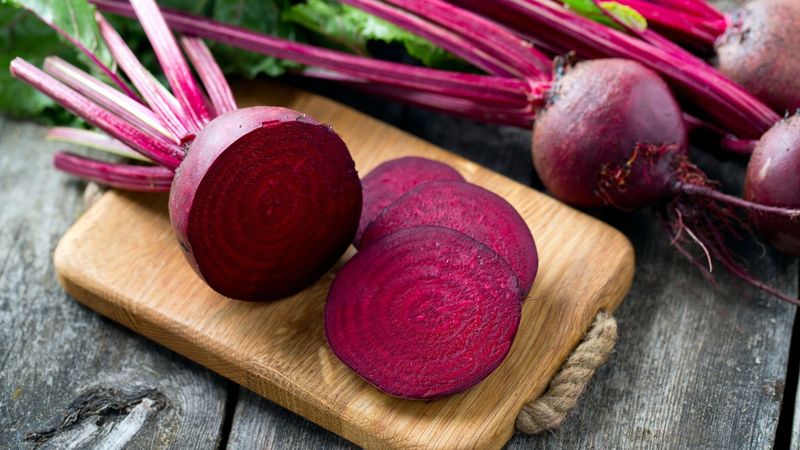
Beetroots, known for their earthy sweetness, are rich in nitrates that support blood flow and heart health. Their vibrant color signals a wealth of antioxidants.
Enjoyed roasted, pickled, or juiced, beetroots offer a unique flavor profile that complements both savory and sweet dishes. Historically, beets have been used not only as food but also for medicinal purposes. Their cultivation dates back to ancient times, with the Greeks and Romans utilizing them for their purported health benefits.
10. Asparagus
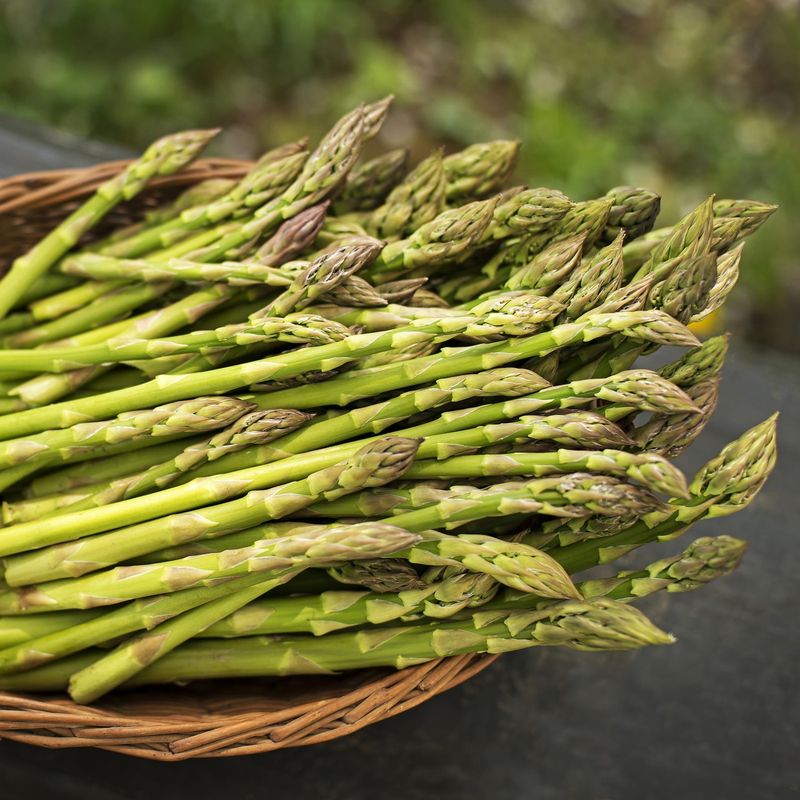
Asparagus is a springtime favorite, offering a unique flavor and tender texture. Rich in vitamins A, C, and E, asparagus supports immune health and skin vitality.
Grilled, roasted, or steamed, asparagus is a versatile addition to meals, known for its diuretic properties. Its cultivation dates back to ancient Egypt, where it was considered a delicacy. Today, asparagus continues to be celebrated for its nutritional benefits and distinct taste, enhancing dishes with its earthy, slightly nutty flavor.
11. Cabbage
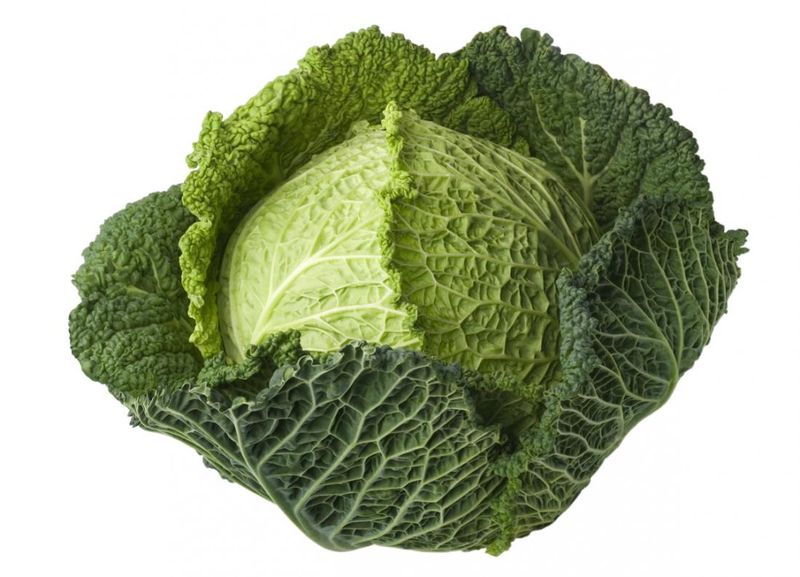
Cabbage, a staple in many cuisines, is known for its high Vitamin C and K content. These vitamins support immune function and bone health, respectively.
Fermented as sauerkraut or enjoyed fresh in salads, cabbage offers a crunchy texture and mild flavor. It has been cultivated for thousands of years, with early references in ancient Greek and Roman texts. Its role in traditional dishes across cultures highlights its versatility and nutritional value.
12. Zucchini

Zucchini, a summer squash, is low in calories but rich in essential nutrients like Vitamin A and potassium. These nutrients aid vision and heart health.
Its mild flavor and tender texture make zucchini a popular choice for grilling, baking, and stir-frying. First cultivated in Italy, zucchini has become a staple in Mediterranean and American cuisines. Its ability to absorb flavors and blend seamlessly into various dishes makes it a favorite for health-conscious cooks.
13. Radish

Radishes, with their peppery flavor and crisp texture, are a delightful addition to salads and dishes. They are rich in Vitamin C, supporting immune health.
Enjoyed raw or pickled, radishes offer a refreshing crunch and a burst of color. Their cultivation dates back to ancient Egypt, where they were prized for their quick growth and flavors. Today, radishes continue to be a favorite in global cuisines, adding zing and nutritional benefits to meals.
14. Pumpkin

Pumpkins are more than just a symbol of autumn; they are a nutrient powerhouse containing beta-carotene, which supports vision and immune health. Their seeds also offer a source of healthy fats and minerals.
Pureed pumpkin is a versatile ingredient in both sweet and savory dishes. Originating from North America, pumpkins have been cultivated for thousands of years, celebrated in various cultures for their nutritional richness and adaptability in cooking.
15. Artichoke
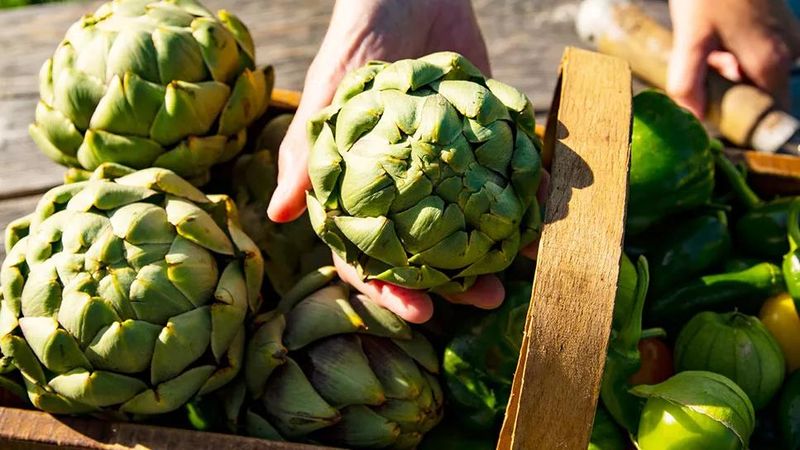
Artichokes are celebrated for their unique flavor and nutritional benefits, rich in fiber and antioxidants. These nutrients support liver health and digestion.
Steamed or grilled, artichokes require a bit of preparation but reward you with a tender, flavorful experience. Historically, artichokes were considered a delicacy in ancient Greece and Rome, often reserved for the elite. Today, they continue to be enjoyed worldwide, appreciated for their distinct taste and health-promoting properties.