
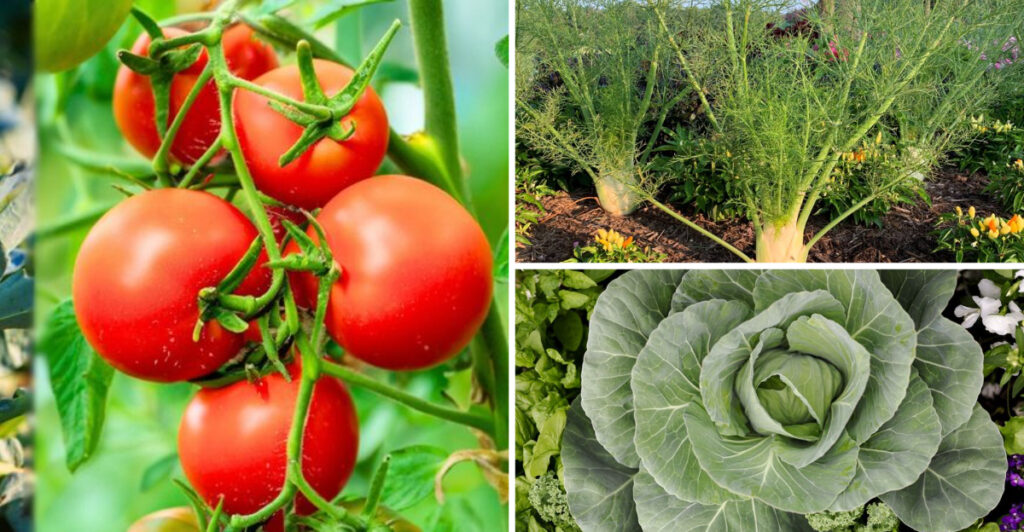
In the vibrant world of gardening, tomatoes often stand as a beloved staple. Yet, unbeknownst to many, certain plants can spell doom for these cherished vines. This blog unravels the mystery behind 19 such botanical foes, each with its unique way of undermining the health and vitality of tomato plants. By understanding these hidden threats, gardeners can make more informed choices to protect their crops.
1. Fennel
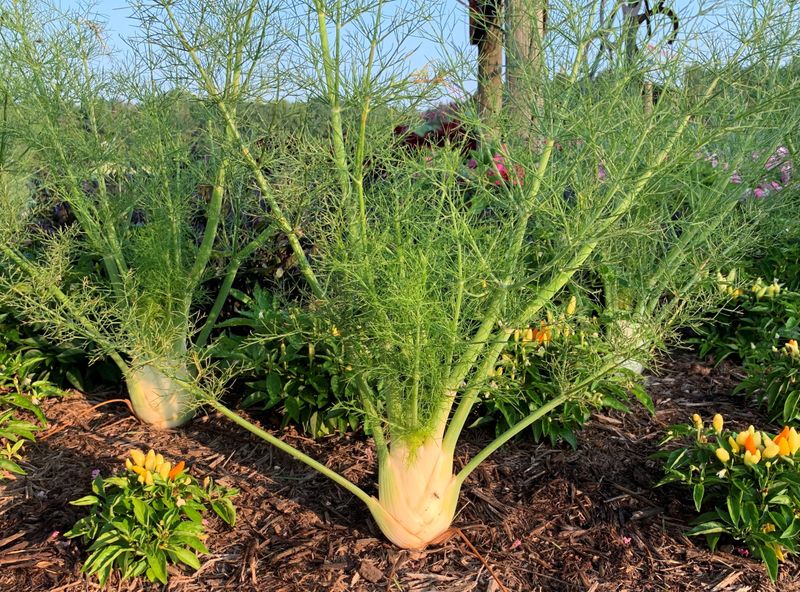
Fennel’s feathery fronds might seem unassuming, yet they harbor a secret: they exude chemicals that can stunt tomato growth.
While fennel is a culinary delight for many, it’s a nightmare for tomatoes. The plant releases allelopathic chemicals into the soil, which can inhibit the development of tomato roots and shoots.
For gardeners, this means that the flavorful and aromatic fennel should be kept at a safe distance from any tomato patch, as its presence can lead to reduced yield and weaker plants.
2. Walnut Trees
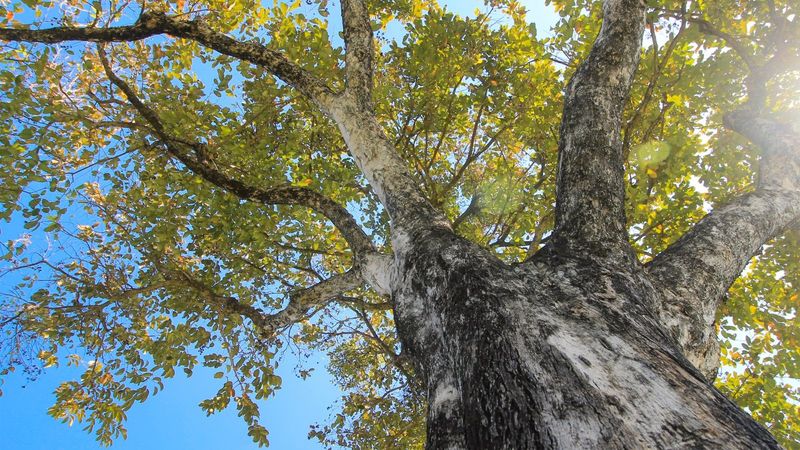
Beneath the regal branches of the walnut tree lies a hidden danger for tomatoes. Juglone, a chemical emitted by walnuts, is toxic to many plants, including tomatoes.
This natural defense mechanism allows walnut trees to thrive by suppressing the growth of surrounding vegetation. However, for tomato plants, it results in wilting and stunted development.
To ensure the health of tomatoes, gardeners need to plant them far away from the expansive reach of walnut trees.
3. Broccoli
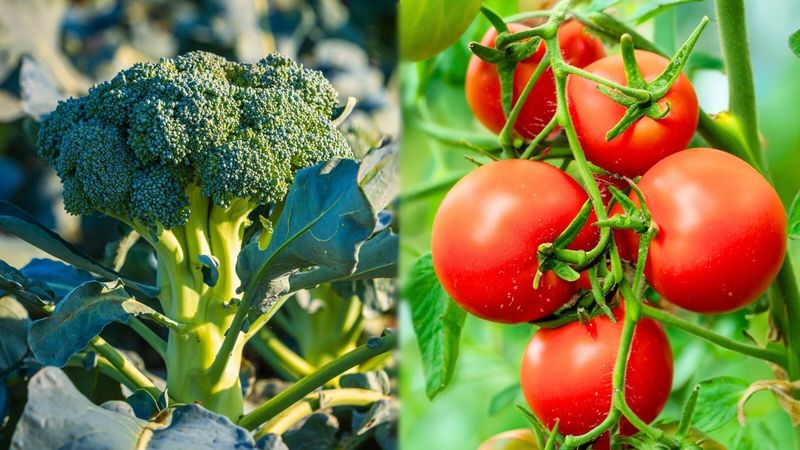
Broccoli might be a nutritious vegetable, but its presence can spell trouble for tomatoes.
Competing for nutrients and water, broccoli can overshadow tomatoes, depriving them of essential resources. This competition can lead to poor fruit development and reduced tomato health.
Gardeners should consider planting tomatoes and broccoli in separate areas to ensure both plants can flourish without hindrance.
4. Corn
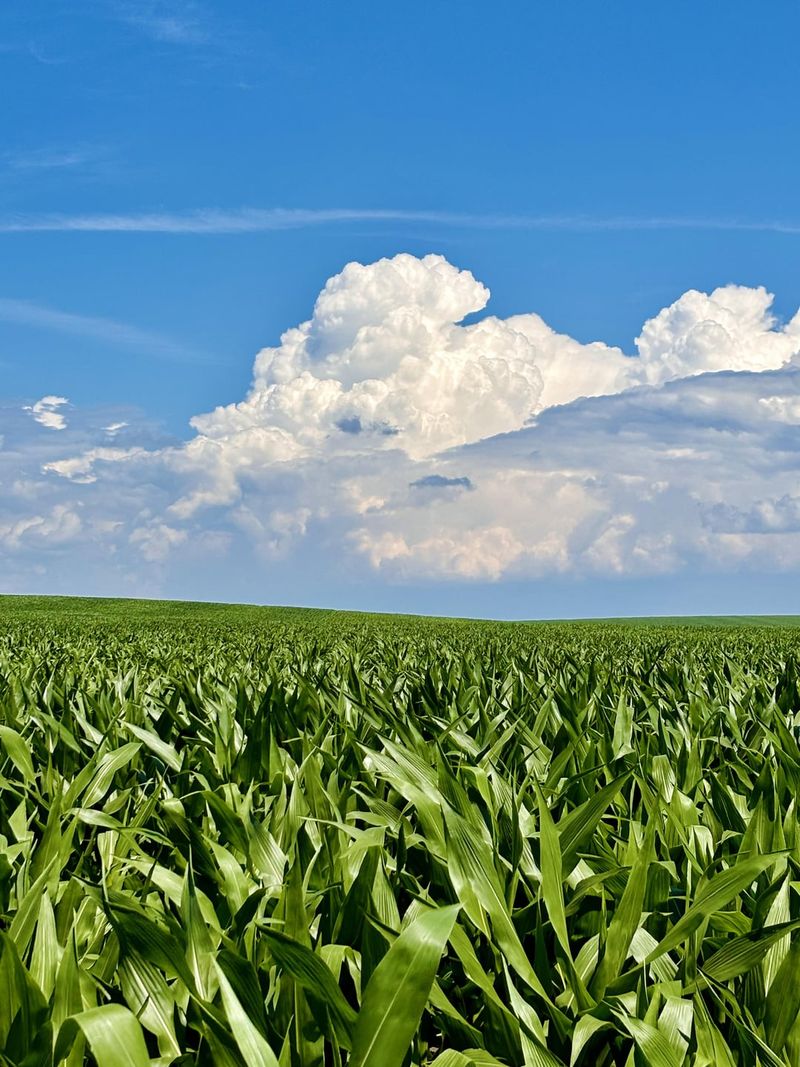
Corn’s towering height can overshadow nearby tomato plants, blocking sunlight vital for photosynthesis.
Moreover, both corn and tomatoes are heavy feeders, requiring significant nutrients from the soil. This competition can leave tomato plants lacking in essential elements, resulting in weak growth.
For a flourishing garden, it’s best to keep these two giants apart, allowing each the space to thrive independently.
5. Cabbage
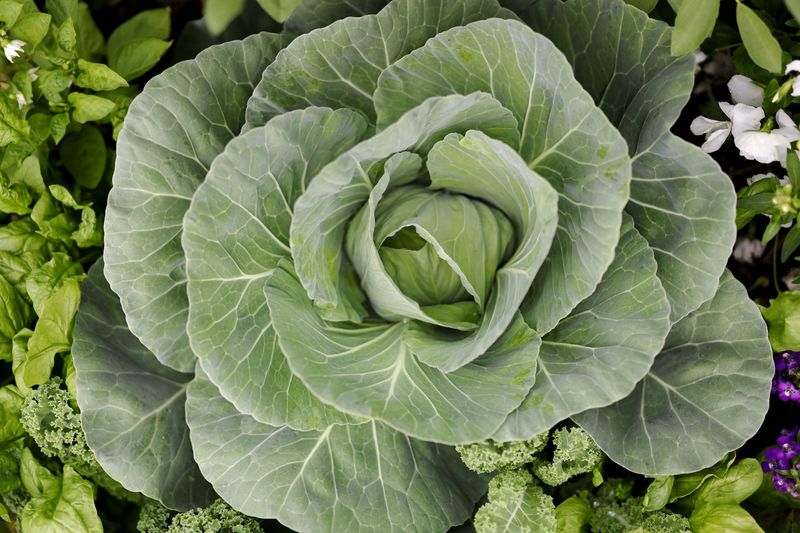
Cabbage may seem harmless, but its dense foliage can create a microenvironment unfavorable for tomatoes.
The large leaves of cabbage can restrict air circulation around tomato plants, fostering an environment where diseases like blight can thrive. Additionally, cabbage competes for similar nutrients, further straining tomato growth.
To maintain healthy tomato plants, it’s wise to give cabbage its own space in the garden.
6. Kohlrabi
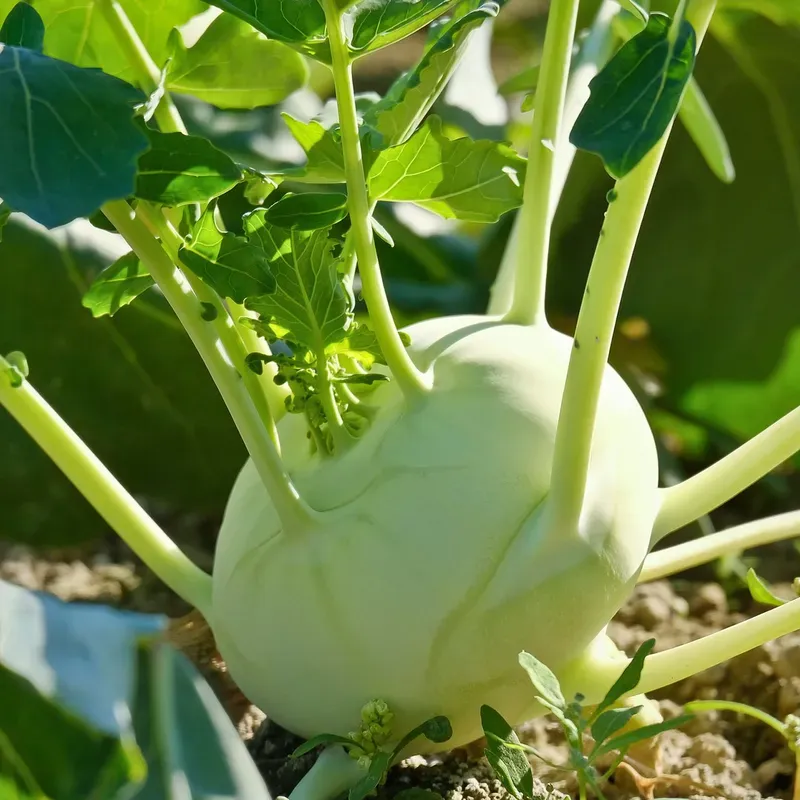
Kohlrabi’s unique appearance is matched by its impact on tomatoes. Both share susceptibility to similar pests, such as cabbage worms and aphids.
Planting them together can lead to increased pest pressure on tomatoes, as these insects find kohlrabi just as enticing.
For a pest-free garden, it’s advisable to separate these two, reducing the risk of infestation spreading from one to the other.
7. Potatoes
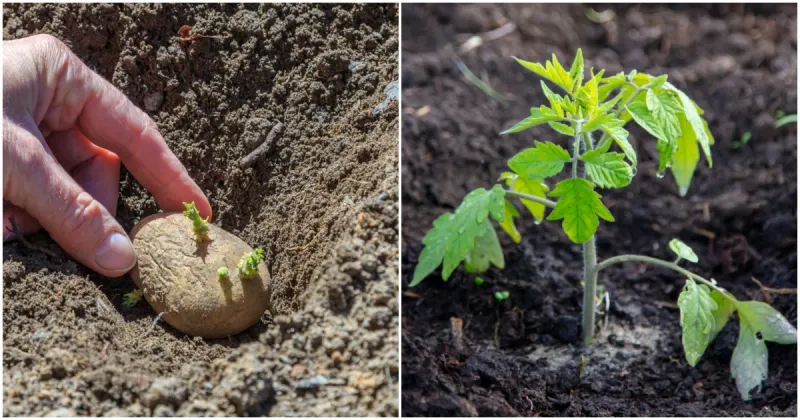
Potatoes and tomatoes might share family ties, but their relationship in the garden is fraught with issues. Both are susceptible to blight, a devastating disease that can ruin crops.
When planted together, the likelihood of blight spreading between the two increases dramatically, putting the entire yield at risk.
To safeguard tomatoes, it’s best to keep them away from potatoes, minimizing disease transmission.
8. Eggplant
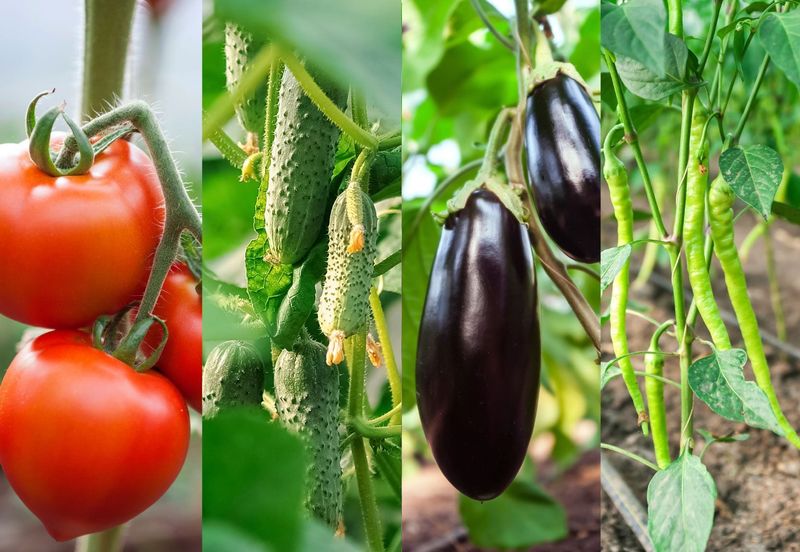
Eggplant, with its glossy fruits, shares the same family as tomatoes, leading to overlapping pest and disease threats.
The shared vulnerabilities mean that pests and pathogens attracted to eggplant can easily spread to tomato plants. This proximity can result in increased plant stress and reduced productivity.
For healthier crops, gardeners should consider growing eggplant and tomatoes in separate areas.
9. Peppers
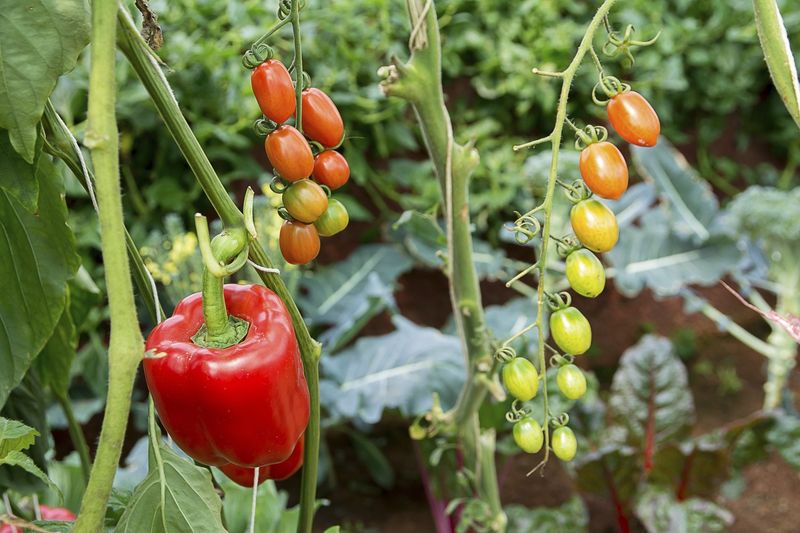
Peppers and tomatoes might seem like a spicy-sweet combination, but they can compete fiercely for resources.
Both plants require similar nutrients, which can deplete the soil and affect growth and yield. Additionally, they share vulnerabilities to certain diseases like bacterial spot.
To optimize their growth, it’s wise to allocate separate spaces for peppers and tomatoes in the garden.
10. Raspberry
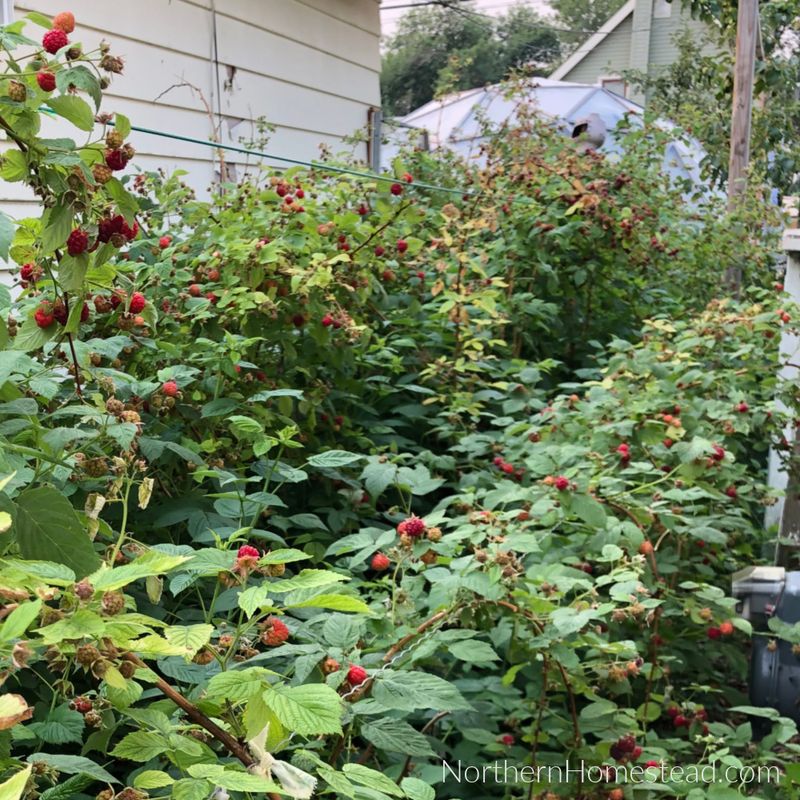
Raspberry bushes, with their tantalizing berries, can be more than just a sweet treat. Their aggressive growth habit can intrude upon tomato territories, overshadowing and competing for nutrients.
This competition can leave tomato plants struggling to thrive, as they are deprived of essential sunlight and resources.
Gardeners should be cautious of raspberry encroachment, ensuring tomatoes have ample space to grow.
11. Sunflowers
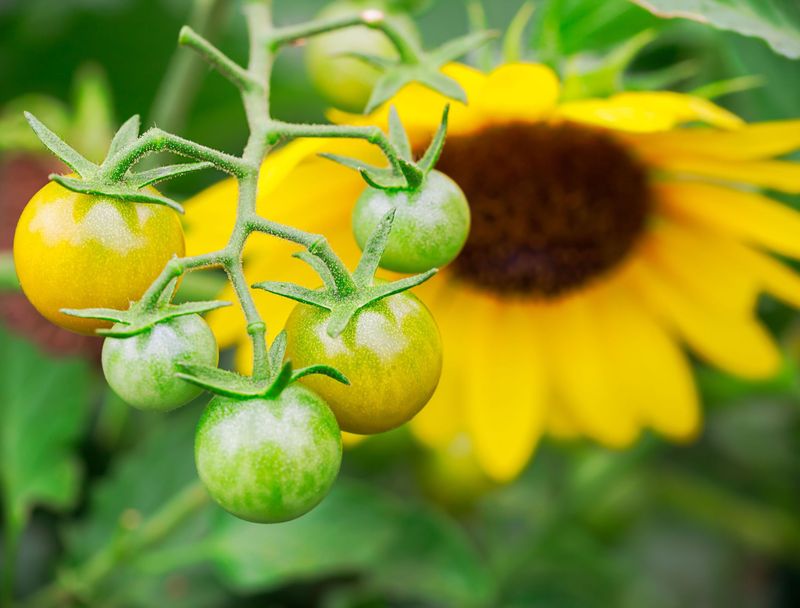
Sunflowers, with their cheerful faces, can cast long shadows over tomato plants, depriving them of sunlight.
Additionally, sunflowers can deplete soil moisture and nutrients, leaving tomatoes in a lurch. This can lead to stunted growth and poor fruit development.
To ensure both plants flourish, it’s advisable to plant sunflowers at a distance from tomato beds.
12. Mint
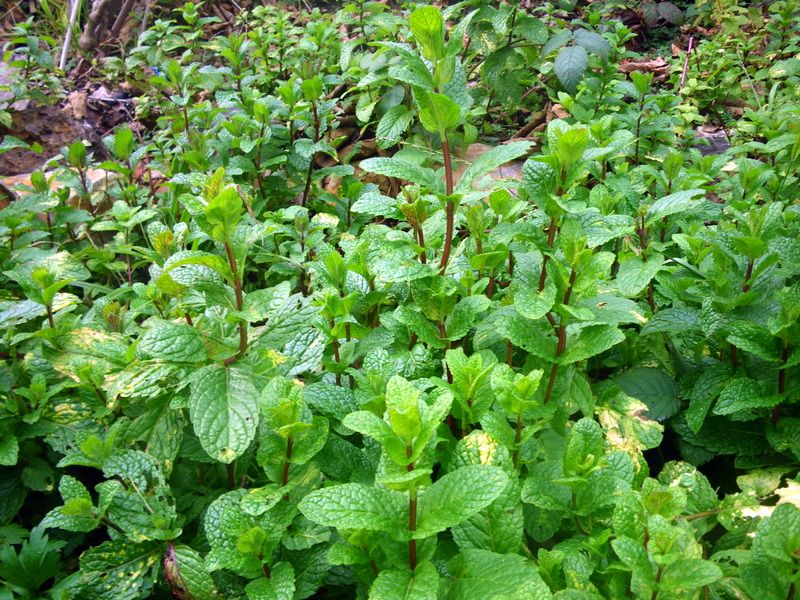
Mint’s aggressive nature can make it an unwelcome neighbor for tomato plants.
Known for its rapid spread, mint can quickly overtake garden space, limiting the area for tomatoes to grow. This competition can lead to reduced yields and stressed tomato plants.
To prevent mint from overshadowing tomatoes, it’s best to plant them in separate containers or areas.
13. Dill
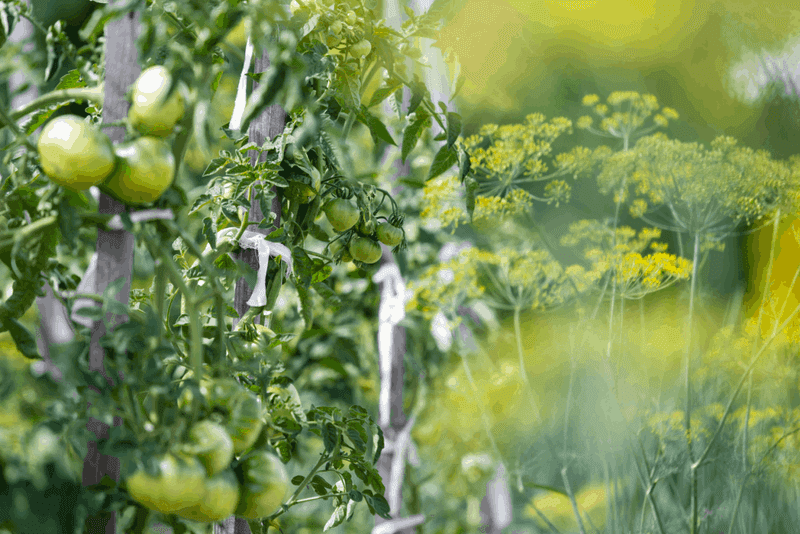
Dill’s wispy foliage may seem innocuous, but its presence can have unintended consequences for tomatoes.
While young dill plants can stimulate tomato growth, mature dill can have the opposite effect, hampering development and yield. This shift occurs as dill releases certain compounds into the soil.
For optimal growth, gardeners should carefully manage the proximity of dill and tomatoes.
14. Brussels Sprouts
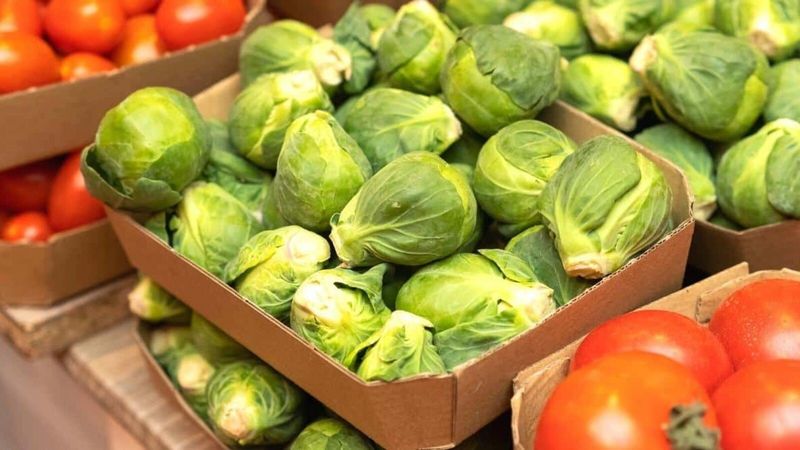
Brussels sprouts, with their robust stalks, can overshadow tomatoes, blocking essential sunlight.
Furthermore, they attract similar pests, such as cabbage loopers and aphids, which can migrate to nearby tomato plants. This shared threat can lead to increased pest pressure on tomatoes.
To maintain a healthy garden, it’s best to keep these crops at a fair distance from each other.
15. Pumpkins
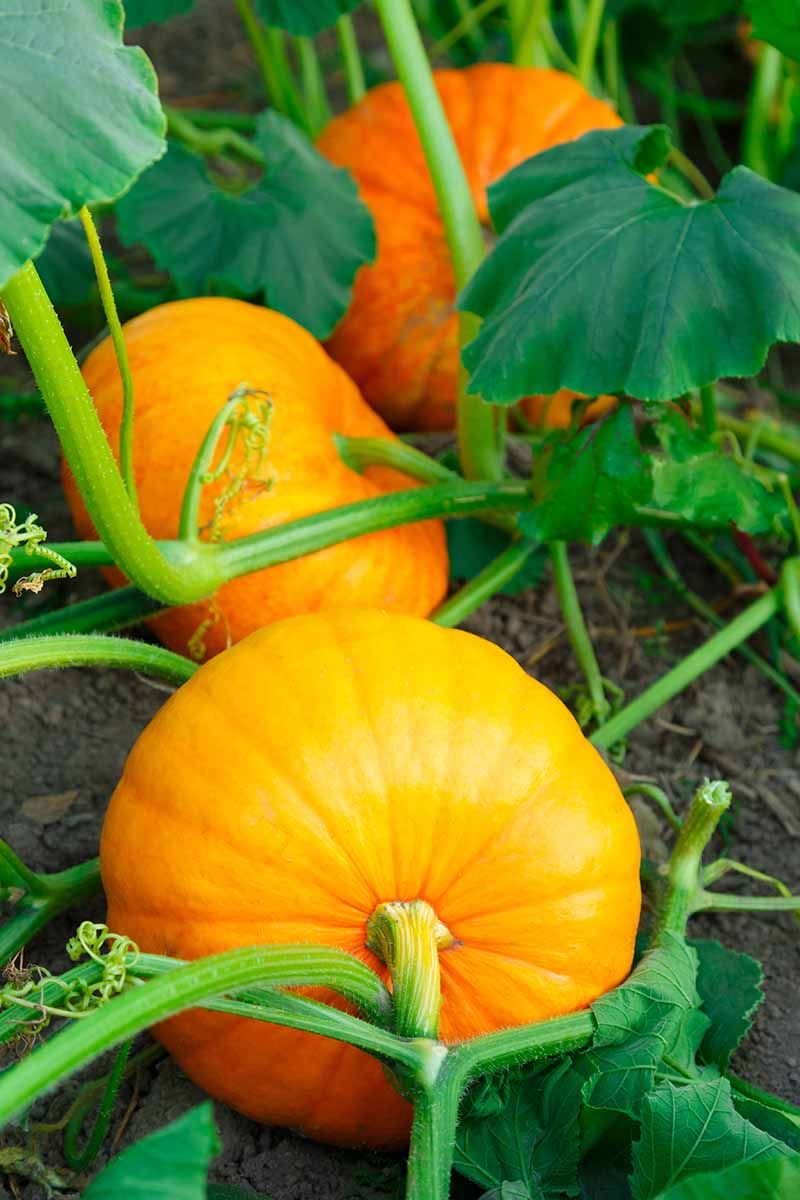
Pumpkins, with their sprawling growth habit, can easily encroach upon tomato territory, limiting their growth space.
Their large leaves can overshadow tomatoes, reducing the sunlight available for photosynthesis. This can lead to weaker plants and fewer fruits.
Gardeners should provide pumpkins with ample room to spread, ensuring they don’t crowd out tomato plants.
16. Cauliflower
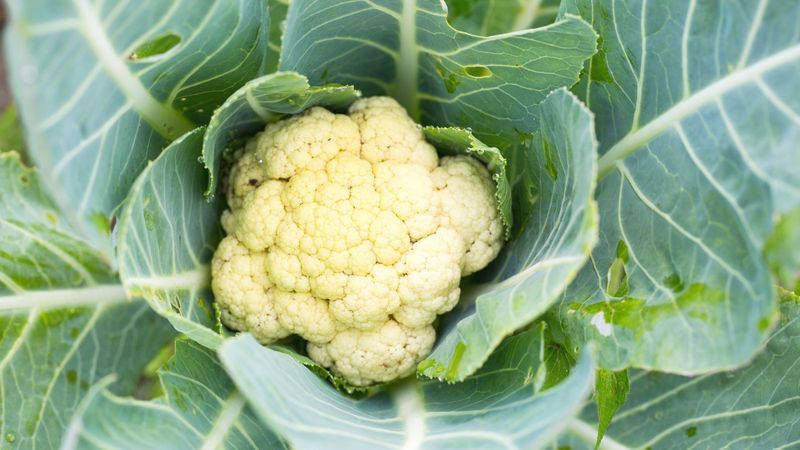
Cauliflower’s dense leaves create a microclimate that can be detrimental to tomatoes.
The restricted air flow and increased humidity can promote diseases such as blight, affecting tomato health. Additionally, both crops compete for similar nutrients, further straining the tomatoes.
For a successful garden, it’s wise to allocate separate areas for cauliflower and tomatoes.
17. Zucchini
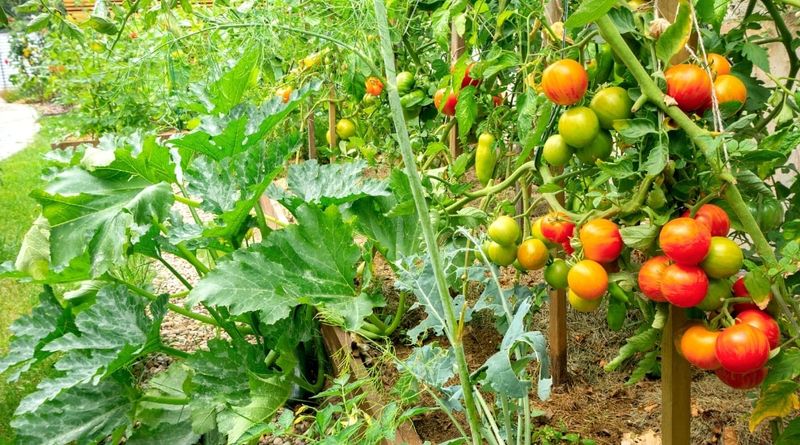
Zucchini’s rapid growth and large leaves can overshadow tomato plants, depriving them of necessary sunlight.
This competition for light and space can lead to reduced tomato growth and fruit production. Moreover, both plants are heavy feeders, which can deplete soil nutrients.
To ensure the success of both crops, gardeners should provide ample space between zucchini and tomatoes.
18. Lavender
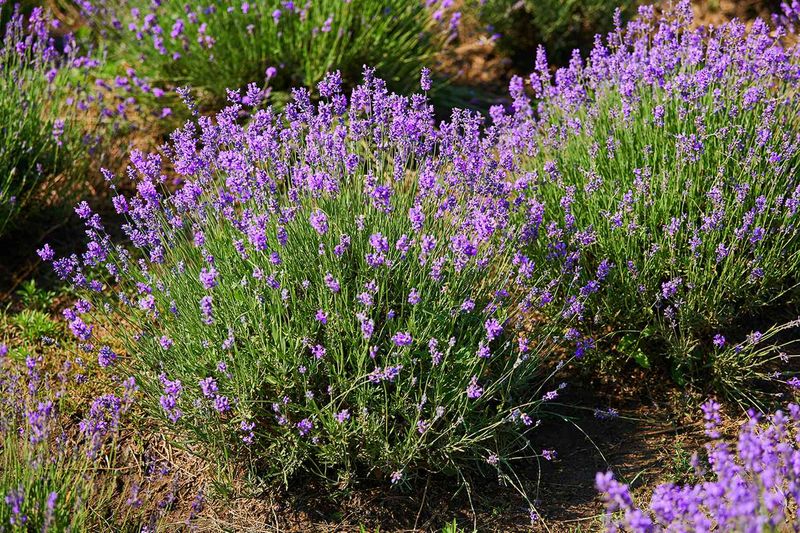
Lavender’s aromatic allure can mask its less friendly nature towards tomatoes.
Its preference for dry, well-drained soil contrasts with the moisture needs of tomatoes, making them incompatible companions. The differing environmental needs can lead to stressed and unhealthy tomatoes.
To keep both plants thriving, it’s best to plant lavender and tomatoes in environments suited to their specific requirements.
19. Cilantro
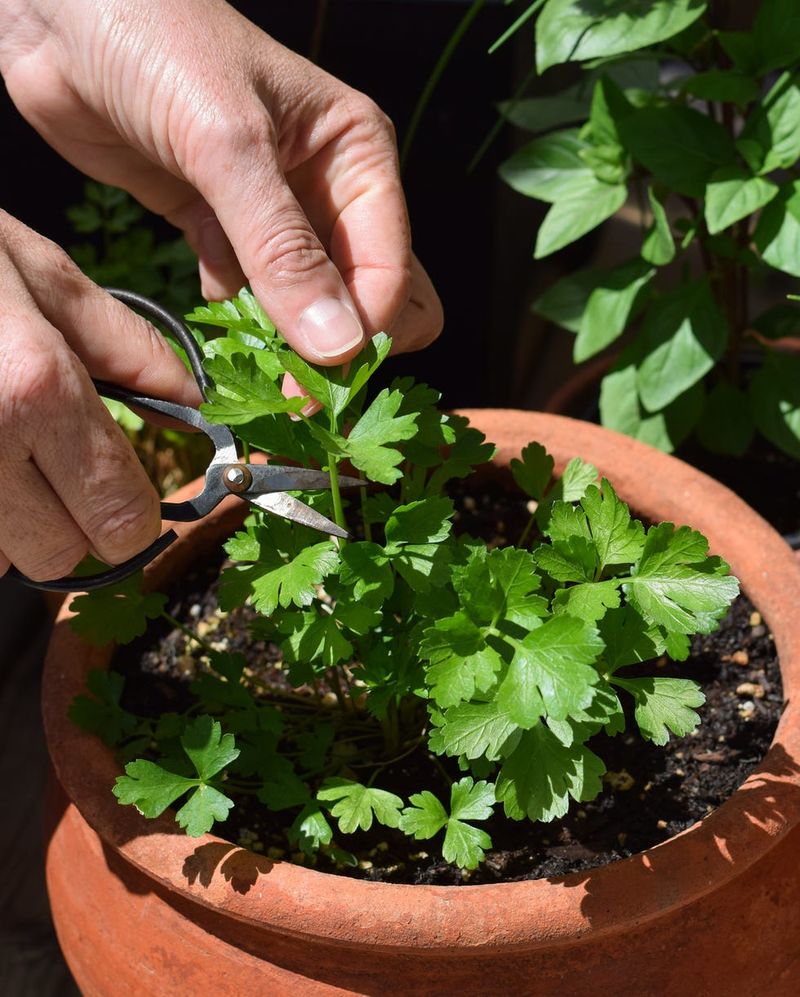
Cilantro’s fleeting presence in the garden can disrupt tomato growth cycles.
As cilantro bolts, it can attract pests that may migrate to nearby tomatoes. Its dense foliage can also hinder air circulation, promoting disease.
For a harmonious garden, consider placing cilantro at a distance from tomato plants, reducing the risk of pest and disease transfer.