
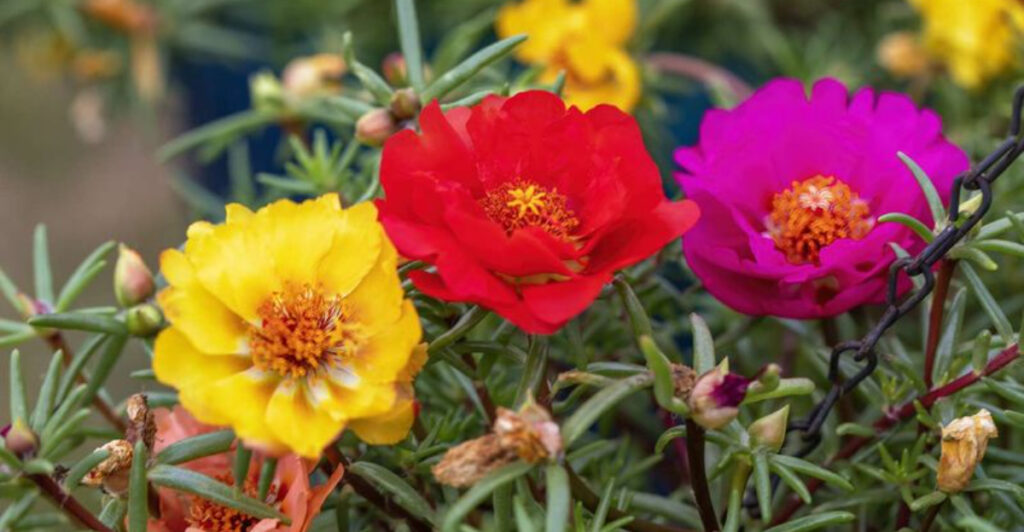
Explore the fascinating world of flowers with our curated list of 9 shade-tolerant blooms and 11 that demand full sun. Each flower is unique, thriving in its environment and offering beauty to your garden. Whether you’re looking for something to brighten a shady corner or a sun-loving diva, this guide will help you find the perfect floral additions. Discover surprising characteristics, care tips, and the ideal conditions for each flower, ensuring your garden is filled with vibrant colors and lively blossoms all year round.
1. Astilbe
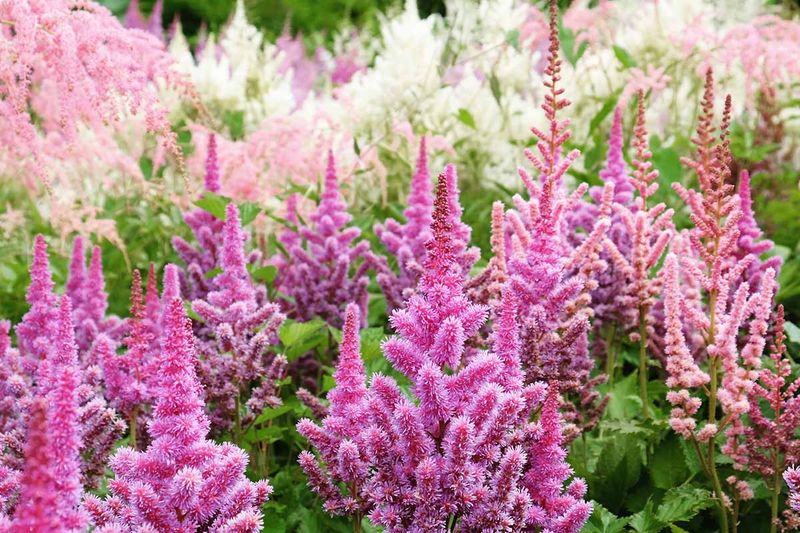
Astilbe shines with feathery plumes in hues of pink, white, or red. Known for its elegance, it thrives in damp, shady spots, bringing a burst of color where the sun rarely shines. Its foliage remains lush throughout the season, providing a constant backdrop to its vibrant flowers.
Perfect for woodland gardens or borders, Astilbe attracts both garden enthusiasts and pollinators alike. Its resilience to shade makes it a versatile choice for gardeners seeking beauty without direct sunlight.
Fun fact: Astilbe’s name comes from Greek, meaning ‘without brilliance,’ yet it defies this with its stunning blooms.
2. Bleeding Heart (Dicentra)
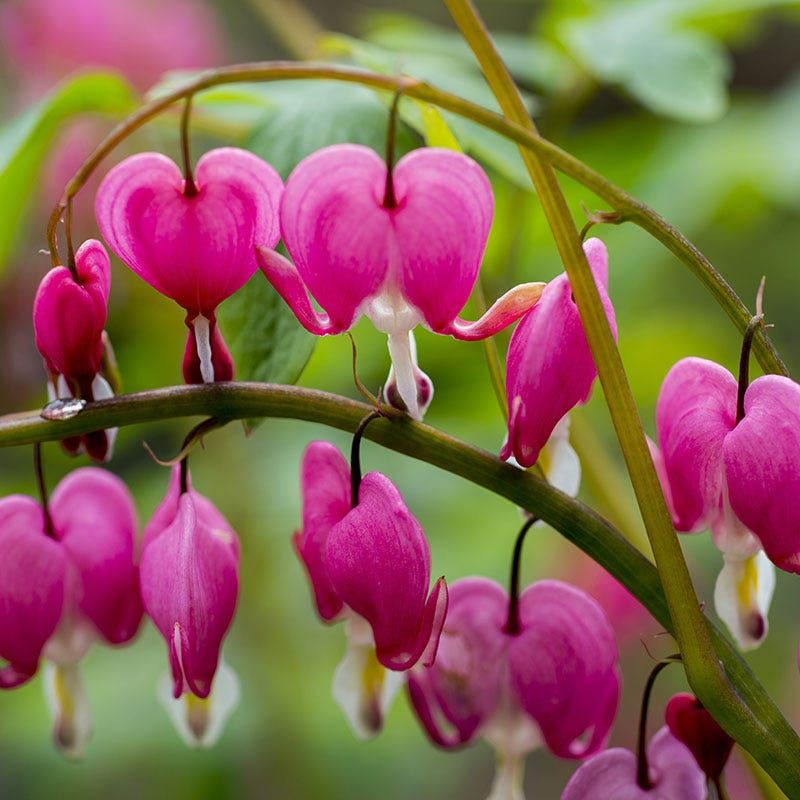
Bleeding Heart, a romantic favorite, enchants with its heart-shaped flowers that dangle like delicate earrings. Thriving under trees, it prefers cool, shady environments, making it a classic choice for cottage gardens.
With its graceful arching stems, Bleeding Heart adds an air of mystery and charm, blooming in spring when gardens are just waking up. Its soft pink and white colors create a soothing palette for tranquil spaces.
Did you know? Despite its fragile appearance, Bleeding Heart is surprisingly hardy, making it a lasting addition to your shaded garden.
3. Coral Bells (Heuchera)
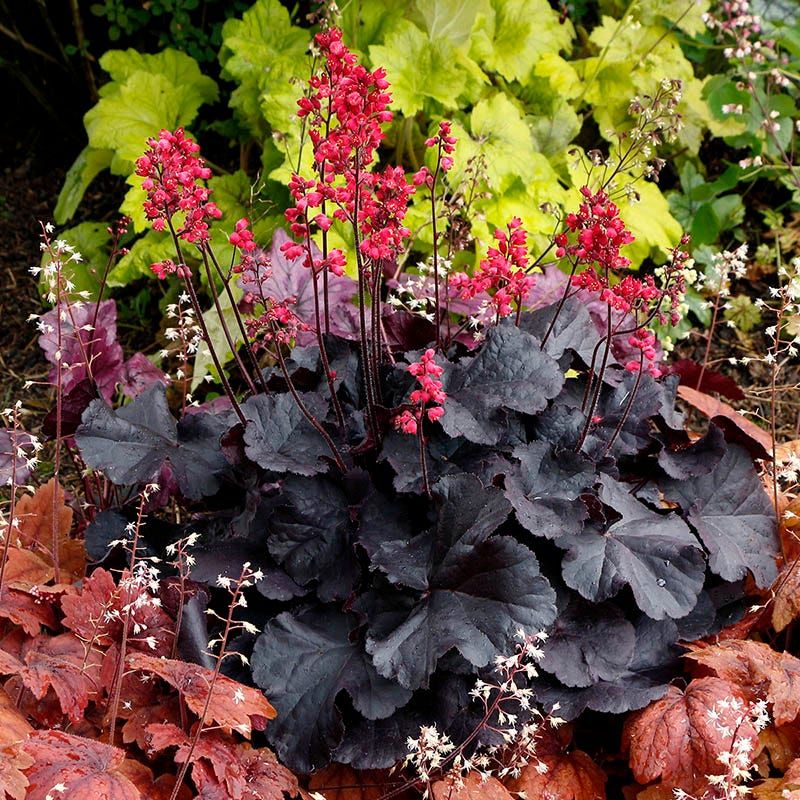
Coral Bells captivates with its striking foliage in hues of purple, lime, or bronze, complemented by delicate flower spikes. This versatile plant thrives in partial to full shade, adding both texture and color to shaded areas.
Ideal for borders or as a ground cover, Coral Bells demands little upkeep, making it perfect for busy gardeners. Its vibrant leaves remain colorful throughout the growing season, providing year-round interest.
Fun fact: Heuchera was named after Johann Heinrich von Heucher, an 18th-century German physician and botanist.
4. Foxglove (Digitalis)
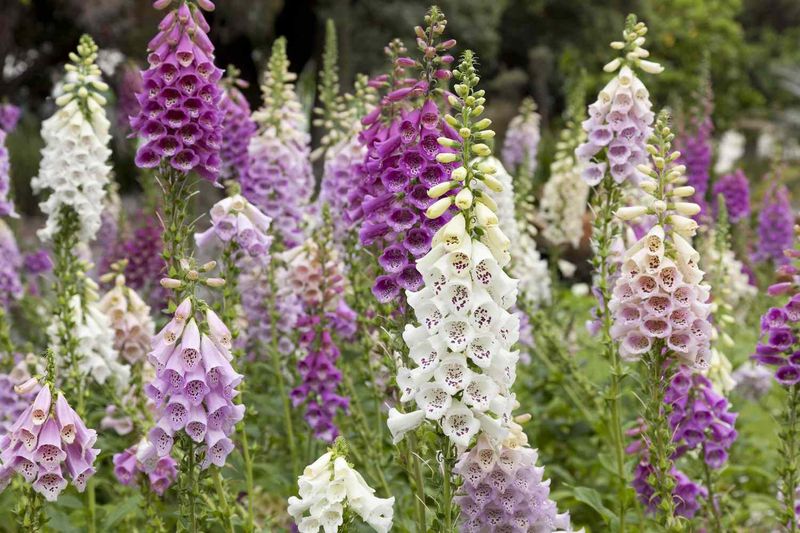
Foxglove stands tall with its towering spikes of bell-shaped blooms, making it a focal point in any garden. Preferring partial shade, it brings drama and height, attracting hummingbirds and bees with its vibrant pink and purple flowers.
Foxglove adds a vertical element to borders and woodland gardens, creating an eye-catching display. Although beautiful, keep in mind it’s toxic if ingested, so plant with care.
Interesting tidbit: Foxglove is the original source of the heart medication digitalis, highlighting its importance beyond the garden.
5. Hosta
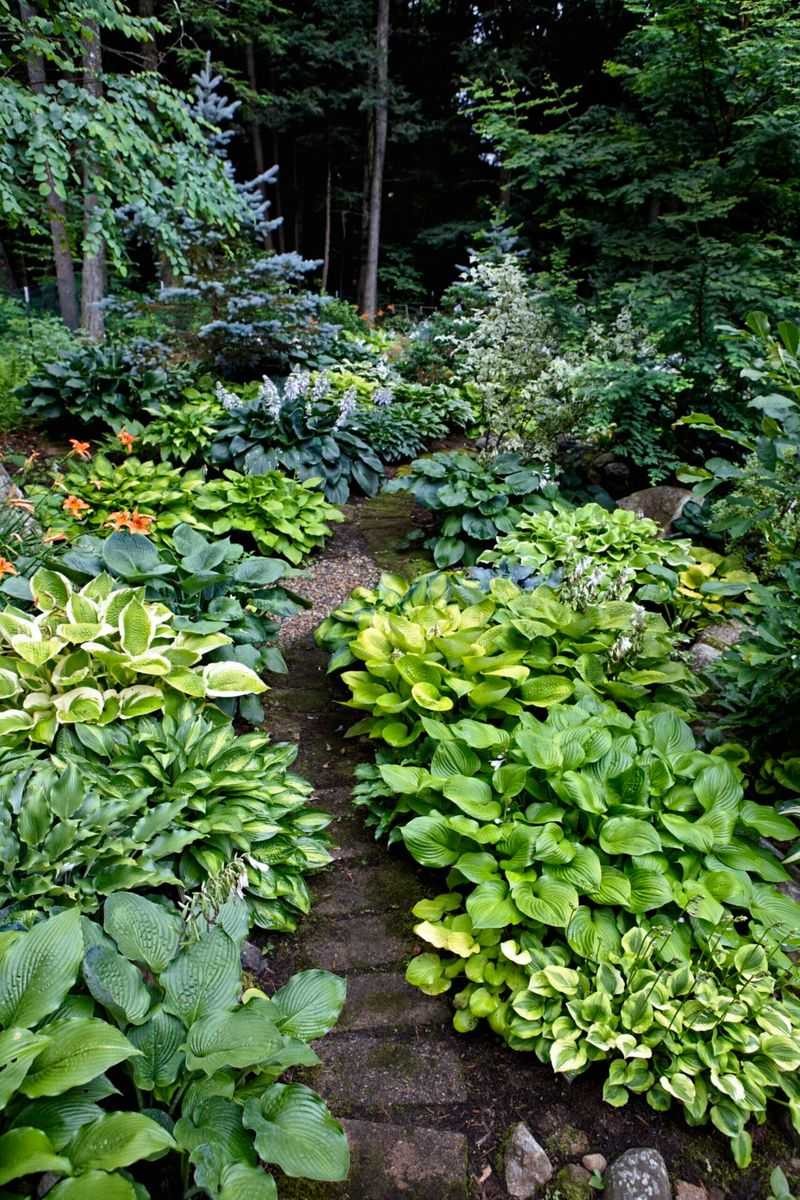
Hosta, often hailed as the queen of shade gardens, boasts lush, leafy textures that thrive in deep shade. With over 3,000 varieties, options abound for every palette, featuring leaves in greens, blues, and variegated patterns.
Beyond foliage, some Hostas produce fragrant flowers, adding a subtle scent to shaded spaces. Their robust nature makes them low-maintenance, perfect for gardeners seeking elegance with ease.
Did you know? Hostas are native to Northeast Asia, and their popularity has grown worldwide due to their adaptability in shaded environments.
6. Lungwort (Pulmonaria)
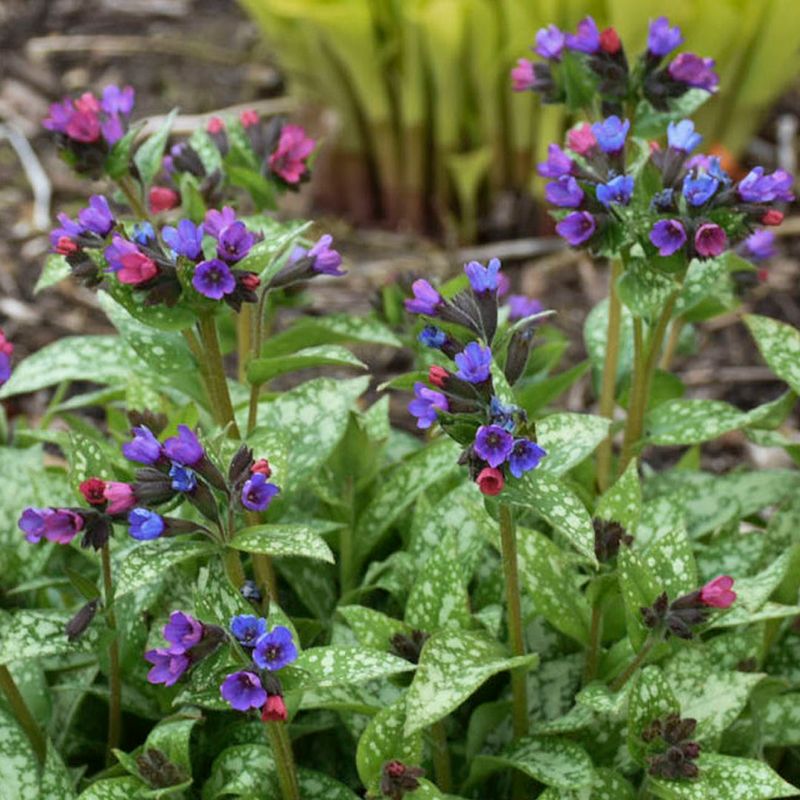
Lungwort intrigues with its silver-spotted leaves, providing a unique texture to shaded gardens. Its blooms start pink and transition to blue, creating a colorful spectacle in early spring.
This ground cover is perfect for woodland areas, thriving in shade while adding both beauty and biodiversity to the garden. Lungwort’s resilience to pests and diseases makes it a reliable choice for gardeners.
Fun fact: Lungwort’s name originates from the historical belief that it could treat lung diseases, a testament to its long-standing medicinal lore.
7. Toad Lily (Tricyrtis)
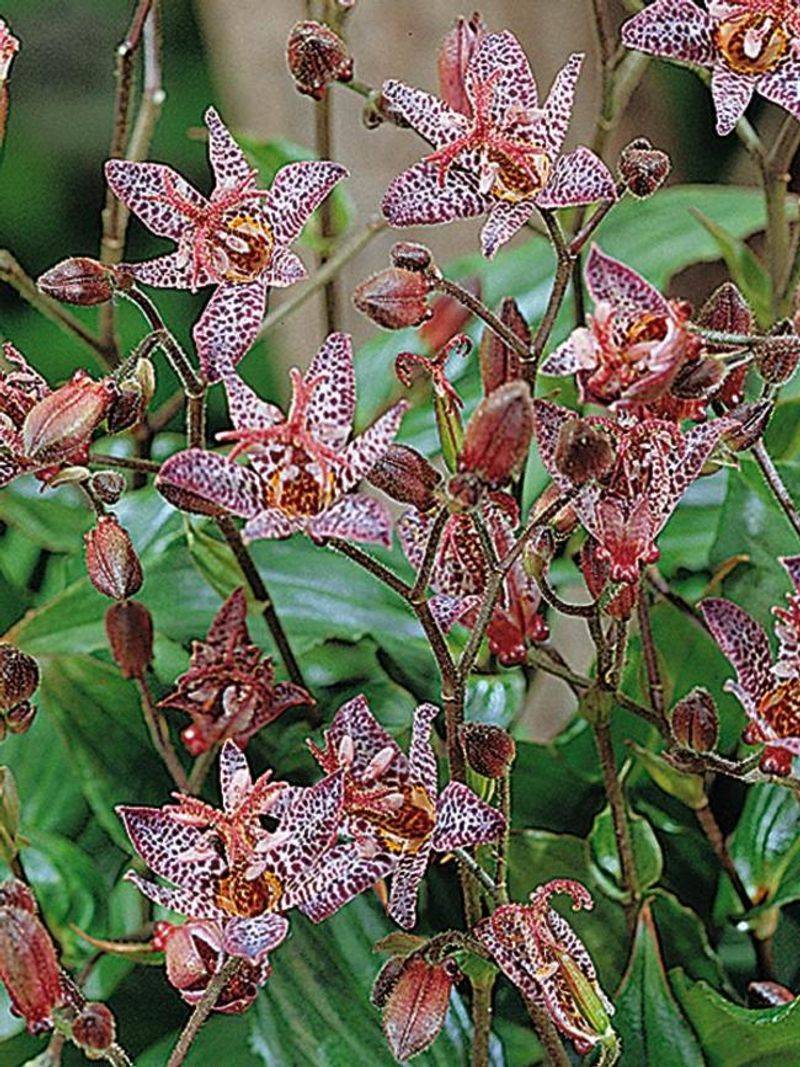
Toad Lily surprises with its exotic, orchid-like flowers that bloom in late-season shade, bringing unexpected beauty to gardens as summer wanes. Its delicate, speckled blooms captivate with their intricate patterns and colors.
Perfect for shady borders or woodland gardens, Toad Lily thrives where many other plants won’t, adding an element of surprise to shaded areas. Its late bloom time ensures continued interest long after many flowers have faded.
Fun fact: Toad Lily’s nickname allegedly comes from the belief that the plant’s freckled flowers resembled toads.
8. Japanese Anemone
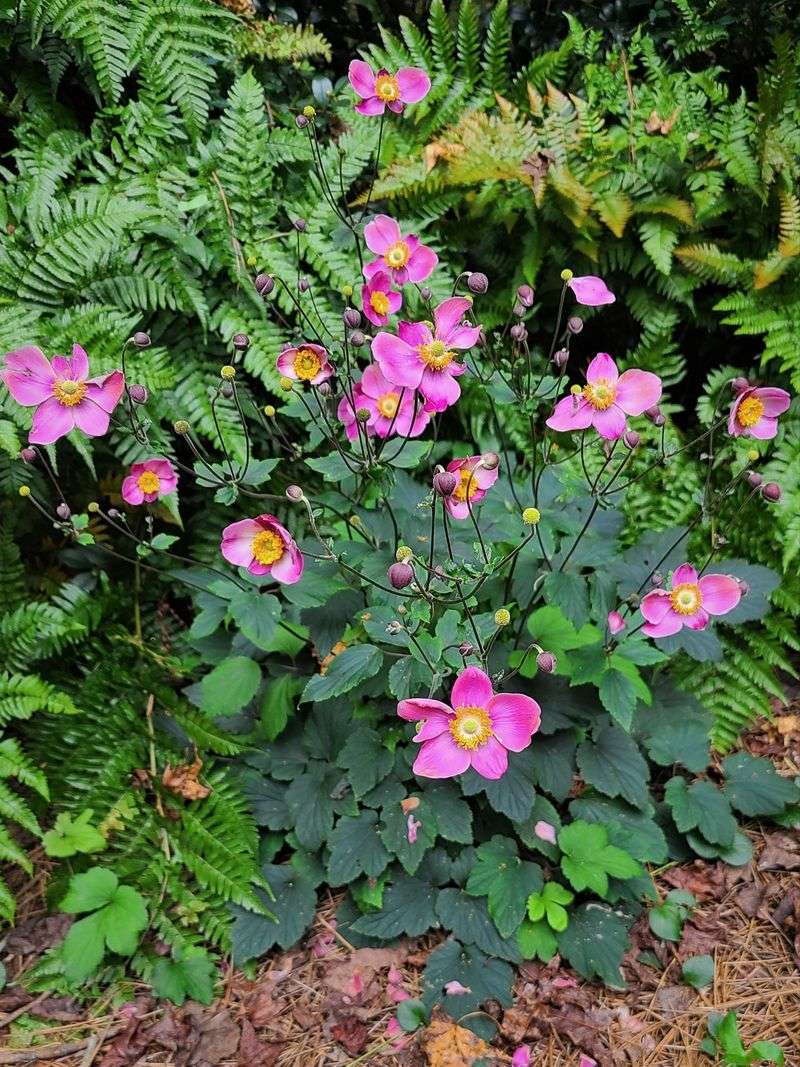
Japanese Anemone gracefully brightens fall gardens with its pink or white flowers, defying the notion that shade gardens must be dull. These elegant plants thrive in partial shade, offering a late-season display that captivates.
Their tall, slender stems dance in the breeze, adding movement and interest to garden beds or borders. Japanese Anemones are hardy, requiring minimal care, making them a favorite for gardeners seeking beauty with ease.
Did you know? Despite their name, Japanese Anemones originated in China, where they were cultivated before spreading to Japan and Europe.
9. Solomon’s Seal (Polygonatum)
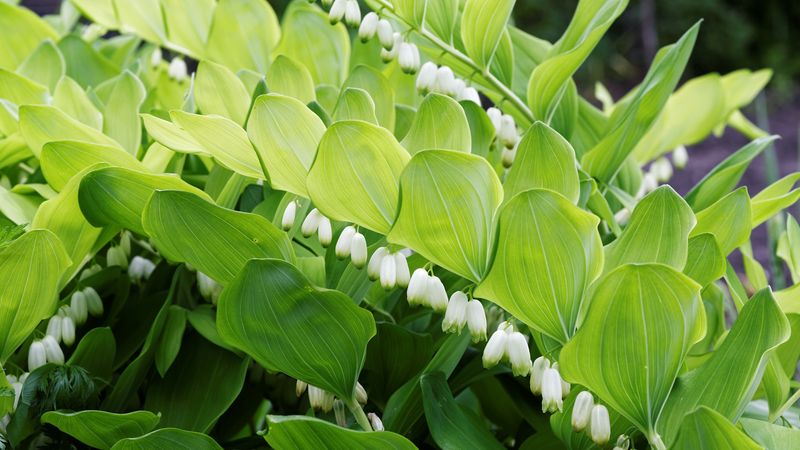
Solomon’s Seal exudes elegance with its arching stems and dangling white bell flowers. Perfect for woodland gardens, it thrives in shady conditions, offering a sophisticated presence.
Its foliage turns golden in the fall, providing seasonal interest beyond its spring blooms. This perennial is beloved for its graceful form and low-maintenance nature, appealing to both novice and seasoned gardeners.
Fun fact: The plant’s name comes from the seal-like impressions found on its rhizomes, historically believed to be the seal of King Solomon.
1. Sunflower (Helianthus)
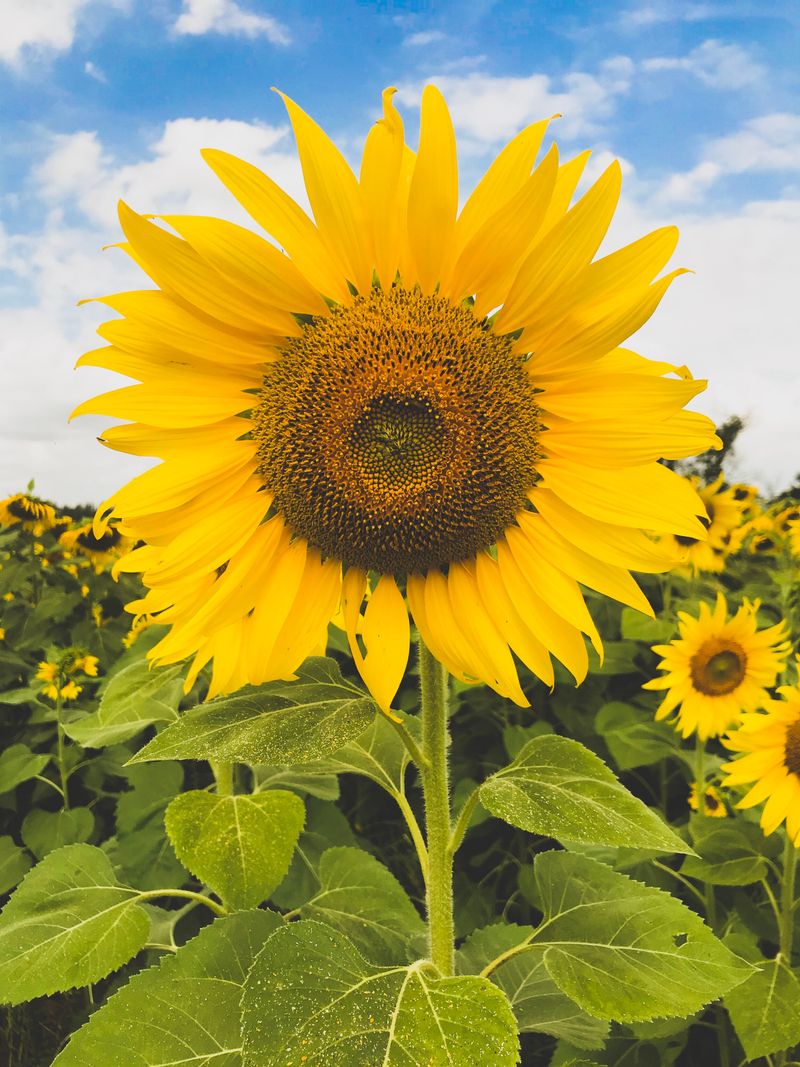
Sunflowers command attention with their towering presence and large, vibrant yellow blooms. They demand full sun, and without it, they struggle with stunted growth and weak blooms.
These iconic flowers not only bring cheer to gardens but also attract a host of pollinators, supporting the local ecosystem. Perfect for adding height and drama, sunflowers are a staple in sunny landscapes.
Interesting note: Sunflowers exhibit heliotropism, where their flower heads track the sun’s movement across the sky, optimizing light absorption.
2. Lavender (Lavandula)
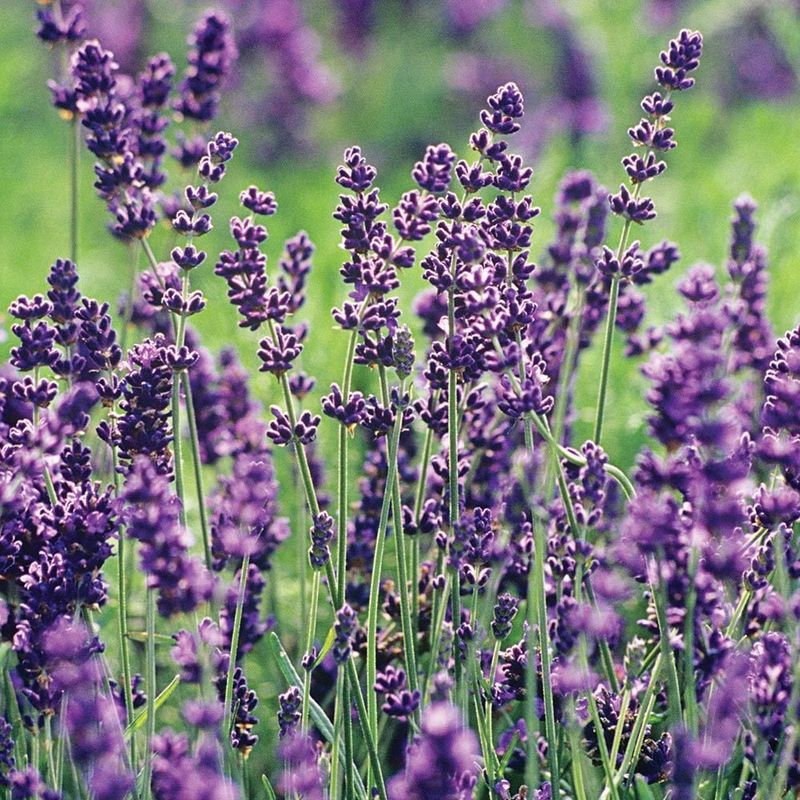
Lavender enchants with its fragrant purple blooms, thriving only in full sunlight. Without intense sunlight, lavender becomes leggy and loses its signature aroma.
Ideal for sunny borders or rock gardens, lavender adds both beauty and fragrance, creating a serene atmosphere. Its drought tolerance and versatility in landscapes make it a gardener’s favorite.
Did you know? Lavender’s name is derived from the Latin ‘lavare,’ meaning ‘to wash,’ reflecting its historical use in bathing rituals for its cleansing scent.
3. Zinnia
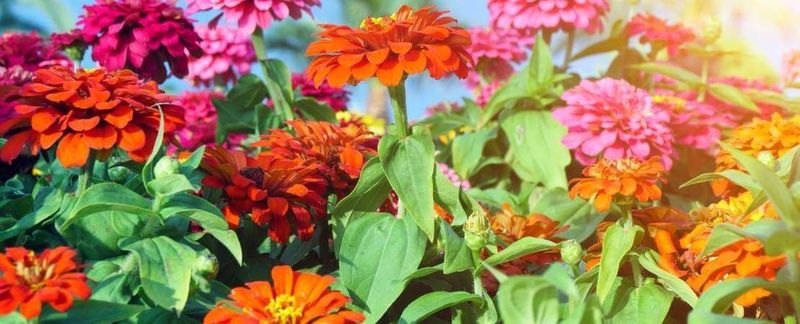
Zinnias dazzle with their kaleidoscope of colors, requiring full sun to produce their best blooms. In low light, they’re prone to mildew and produce fewer flowers.
These fast-growing annuals are perfect for adding vibrant color to sunny gardens, attracting butterflies and bees. With a wide range of colors and forms, zinnias fit any garden style, from formal beds to wildflower meadows.
Fun fact: Zinnias are native to Mexico and were named after German botanist Johann Gottfried Zinn, who first described the genus.
4. Marigold (Tagetes)
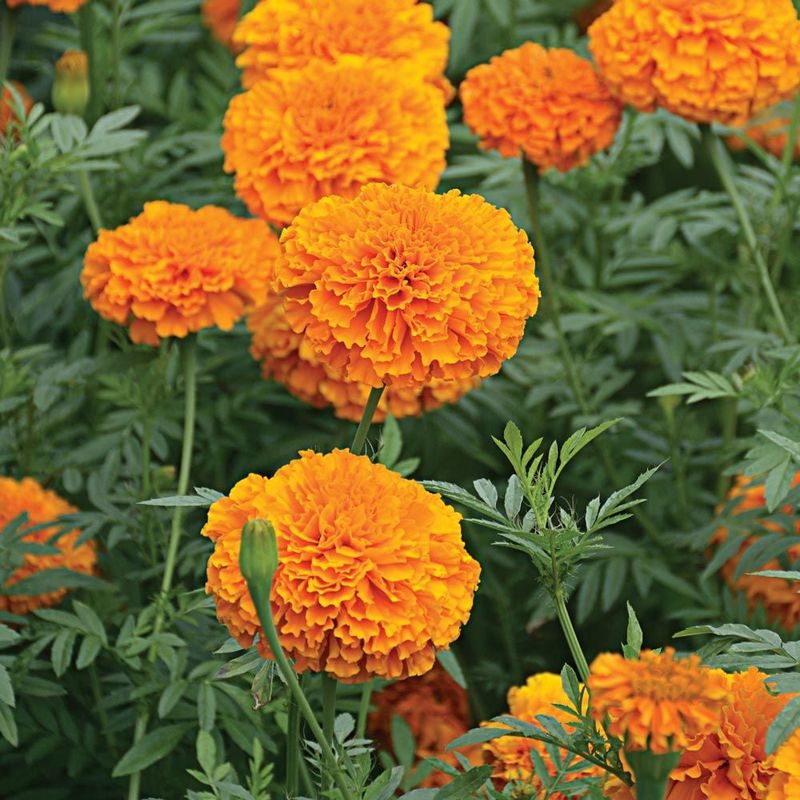
Marigolds shine brightly in shades of orange and yellow, but they need full sun to thrive. Without it, they fail to bloom vigorously and lose their signature vibrancy.
Perfect for edging paths or filling containers, marigolds are easy to grow and deter pests, offering both beauty and practicality. Their cheerful flowers bloom throughout the season, providing consistent color.
Fun fact: Marigolds are often associated with the Day of the Dead celebrations in Mexico, where they symbolize the sun’s light guiding spirits.
5. Cosmos
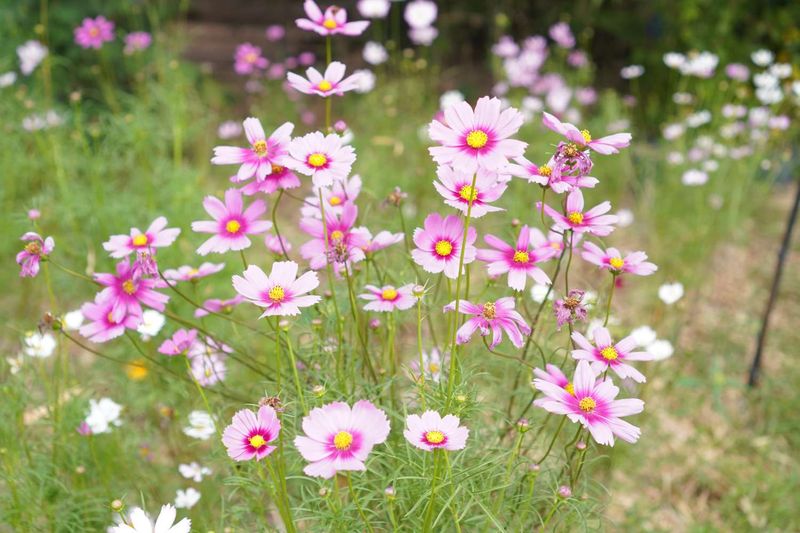
Cosmos blooms with airy grace, requiring full sun to achieve their signature elegance. In shade, they develop floppy stems and sparse flowers, losing their charm.
These tall, delicate flowers are ideal for cottage gardens or meadows, swaying gently in the breeze and attracting pollinators. Their easygoing nature makes them a favorite for gardeners seeking low-maintenance beauty.
Did you know? Cosmos are known as ‘the flower of love’ in Mexico, where they originated, symbolizing order and harmony in the universe.
6. Blanket Flower (Gaillardia)
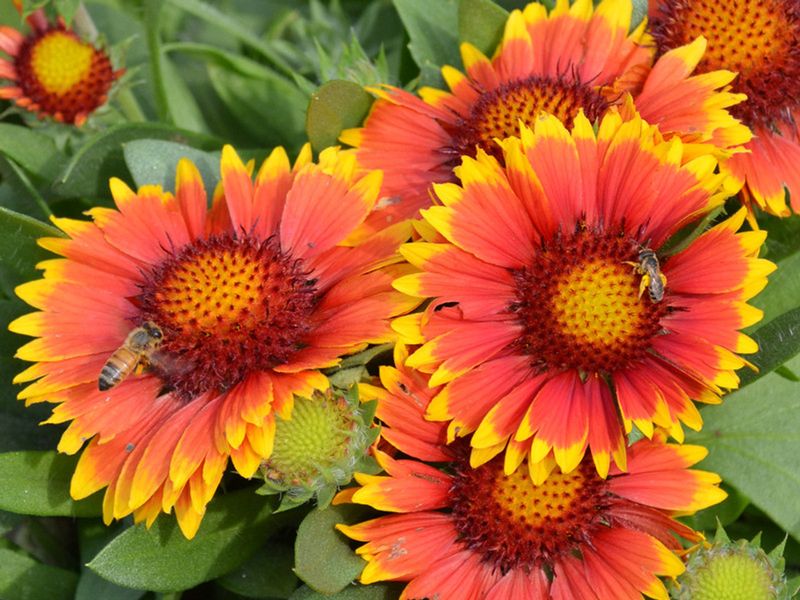
Blanket Flower bursts with vibrant red and yellow blooms, demanding full sun to maintain its brilliance. In shade, it fades and risks rotting in damp conditions.
These hardy perennials add a splash of color to sunny borders and attract pollinators, supporting garden biodiversity. Their long blooming season and drought resistance make Blanket Flowers a reliable choice for sustainable gardens.
Fun fact: Named for their resemblance to bright Native American blankets, Blanket Flowers are native to North and South America.
7. Coreopsis
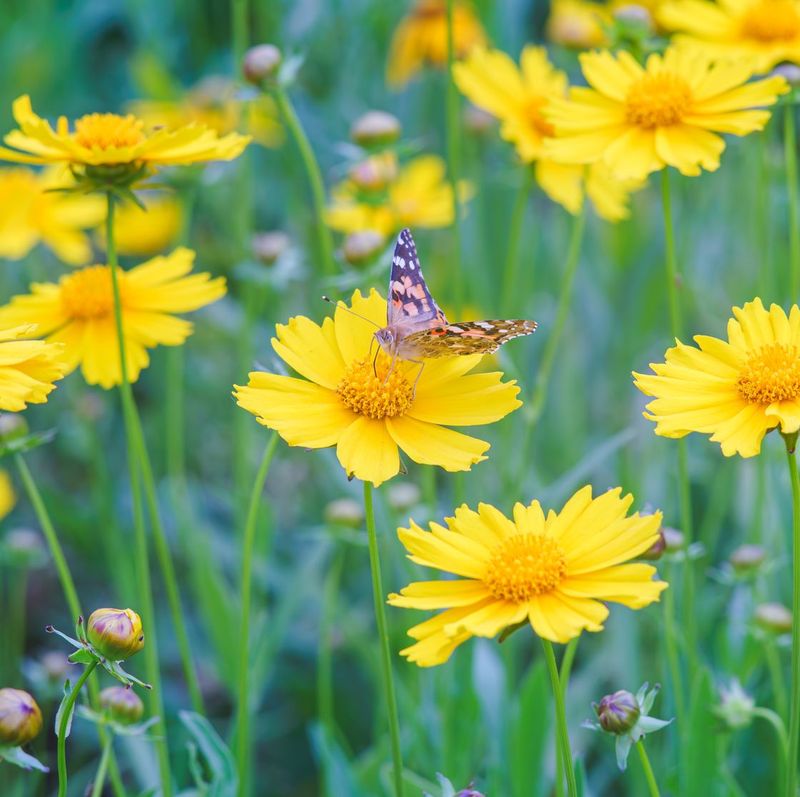
Coreopsis, with its cheerful yellow and pink blooms, thrives in full sun. In the shade, it struggles, producing fewer blooms and developing weak stems.
This hardy perennial is perfect for sunny borders or wildflower gardens, offering long-lasting color and attracting butterflies. Coreopsis is low-maintenance and drought-tolerant, ideal for gardeners seeking both beauty and resilience.
Did you know? Coreopsis, commonly known as ‘tickseed,’ gets its name from the shape of its seeds, which resemble ticks.
8. Salvia (Perennial & Annual)
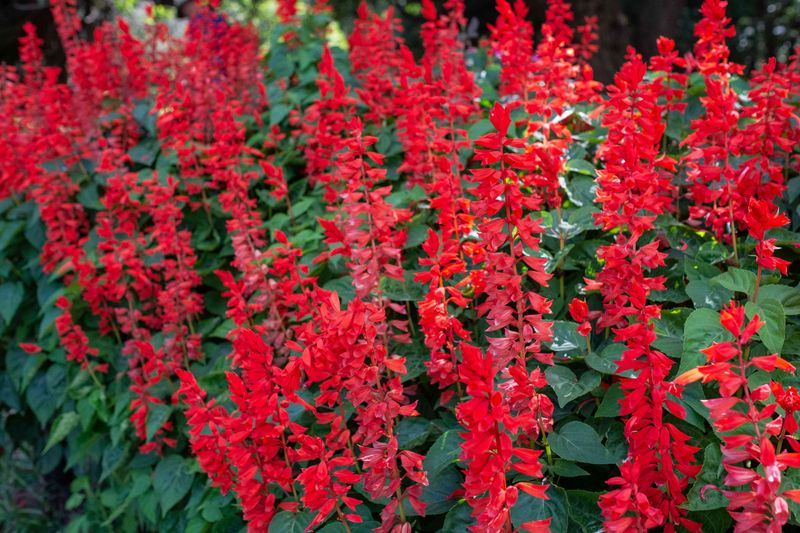
Salvia stands out with its vibrant red and blue flowers, demanding full sun for optimal growth. In the shade, it stretches awkwardly and flowers poorly, losing its visual appeal.
Ideal for sunny borders or pollinator gardens, Salvia attracts hummingbirds and bees, adding life and movement. Its drought resistance and long blooming period make it a versatile and valuable garden addition.
Fun fact: Salvia’s name comes from the Latin ‘salvere,’ meaning ‘to heal,’ reflecting its historical use in medicine.
9. Lantana
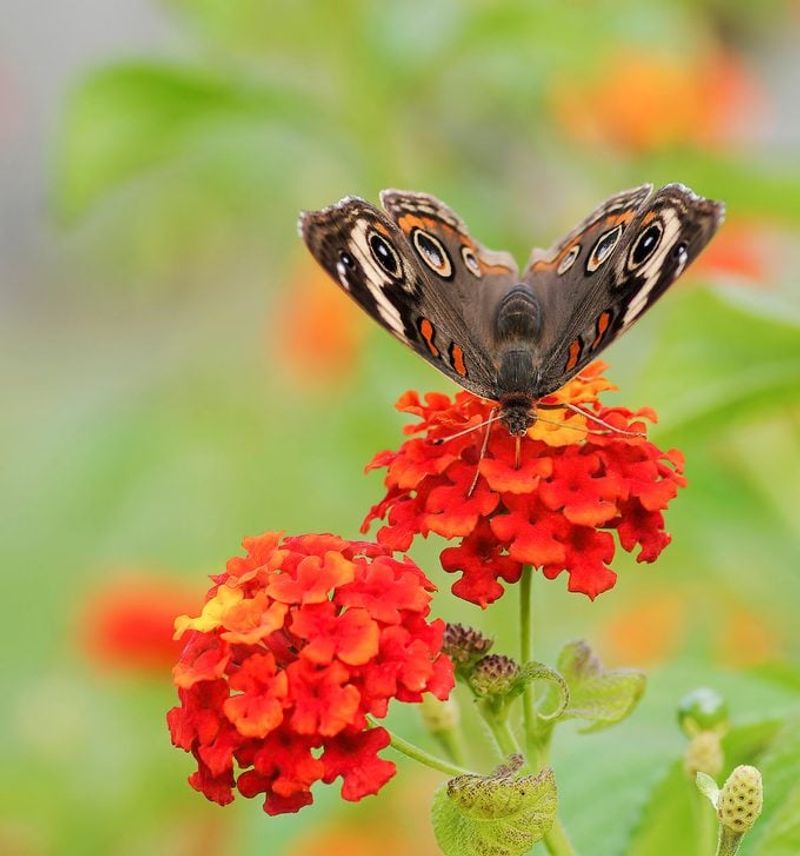
Lantana captivates with its vibrant clusters of pink, orange, and yellow flowers, needing full sun to maintain their color. In shade, they lose their vibrancy and stop blooming.
Perfect for hanging baskets or sunny borders, Lantana is both heat and drought-tolerant, making it a resilient choice for tough climates. Its ability to attract butterflies adds an additional layer of charm to any garden.
Interesting tidbit: Despite its beauty, Lantana is considered invasive in some regions due to its vigorous growth.
10. Portulaca (Moss Rose)
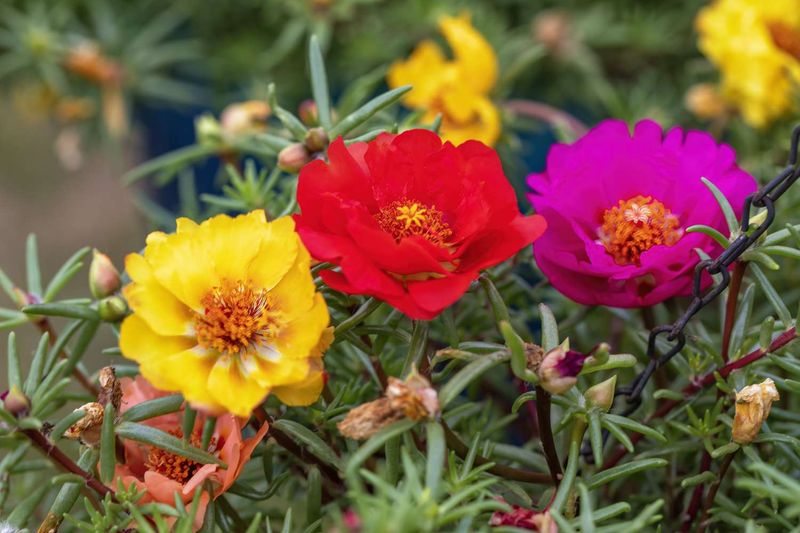
Portulaca, or Moss Rose, dazzles with its vibrant colors and succulent-like foliage, thriving in full sunlight. Without enough sun, its flowers stay closed, missing their opportunity to shine.
Ideal for rock gardens or sunny borders, Portulaca is drought-resistant and low-maintenance, perfect for busy gardeners or low-water landscapes. Its bright blooms attract pollinators, enhancing garden vitality.
Did you know? Portulaca’s drought resistance comes from its ability to store water in its fleshy leaves, allowing it to survive dry spells.
11. Russian Sage (Perovskia)
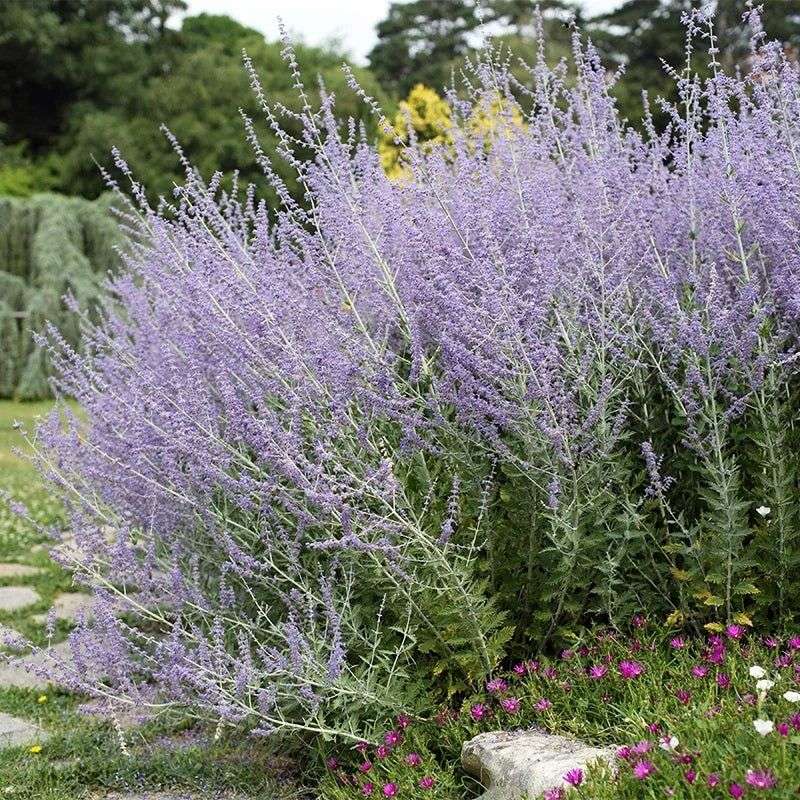
Russian Sage enchants with its tall, wispy lavender-blue flowers, requiring full sun to maintain its structure. In shade, it becomes floppy and sparse, losing its graceful elegance.
Perfect for adding texture and movement to sunny gardens, Russian Sage is drought-tolerant and deer-resistant, making it a practical choice for sustainable landscapes. Its aromatic foliage adds an extra sensory dimension.
Fun fact: Despite its common name, Russian Sage is not a true sage but is closely related to the mint family.