
Explore the art of placing plants in the right spot and discover those versatile species that can thrive just about anywhere. This detailed guide unveils eleven plants that are often misplaced, leading to their untimely demise, and provides guidance on how to nurture them correctly. Additionally, learn about nine resilient plants that will flourish regardless of their environment, making them perfect candidates for any home or garden.
1. Lavender ❌ In Shade or Wet Soil
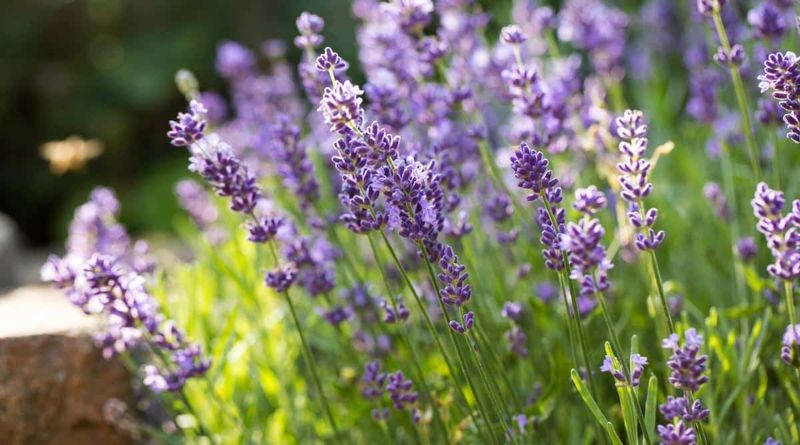
Lavender, with its soothing fragrance and vibrant blooms, craves sunshine like a sunbather on a summer’s day. Often, people mistakenly plant it in shady nooks or overly moist soils, leading to its decline. The key to achieving those iconic purple flowers lies in offering full sun and well-drained soil. A spot where rain dries quickly and the sun kisses the blooms results in happy, healthy plants. Lavender’s aroma is more potent when nurtured under these conditions. Did you know? Lavender has been cherished since ancient times for its calming effects and aromatic properties.
2. Hydrangeas ❌ In Full Sun (In Hot Climates)
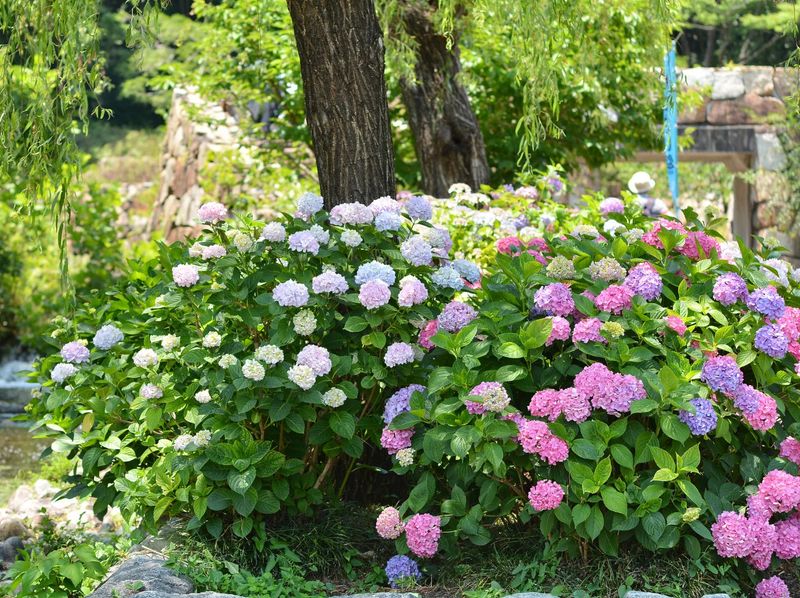
Hydrangeas bring joy with their large, colorful blooms, yet they can suffer in extreme heat. While some sunlight is beneficial, full exposure often leads to wilting in hot climates. They truly flourish with morning sun and afternoon shade, allowing them to retain moisture and display their vibrant hues. Providing consistent moisture without overwatering ensures their optimal growth. The variety of colors, from pink to blue, is influenced by soil pH, adding an intriguing element. Hydrangeas have been symbols of grace and beauty in gardens worldwide for centuries.
3. Ferns ❌ In Direct Sun or Dry Soil
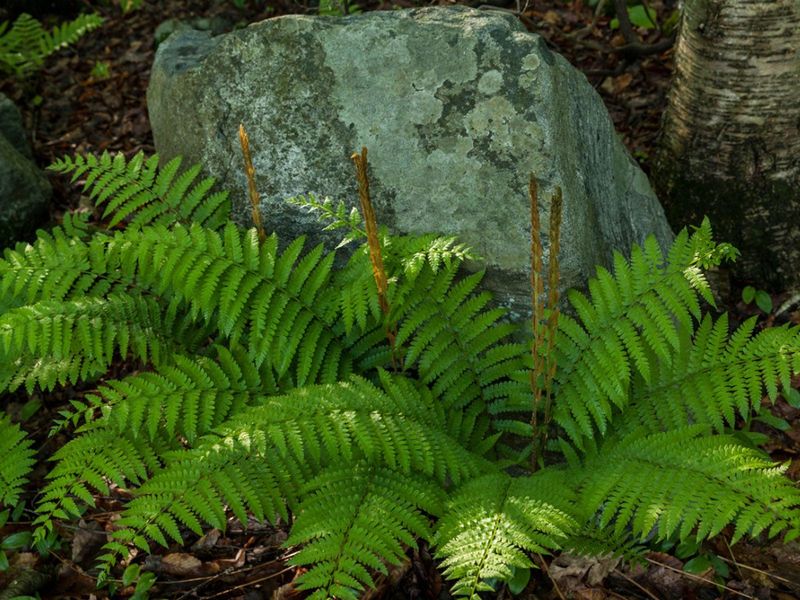
Ferns, with their delicate fronds, require a habitat reminiscent of a woodland sanctuary. Placing them under direct sunlight or in dry areas often results in brown, crispy leaves. These plants flourish in shaded environments where moisture is consistent, such as bathrooms or shaded gardens. The lush, green foliage of ferns adds a touch of wild beauty and freshness to any space. With origins tracing back millions of years, ferns are living relics of plant history, offering a serene, prehistoric vibe.
4. Succulents ❌ In Dark Corners
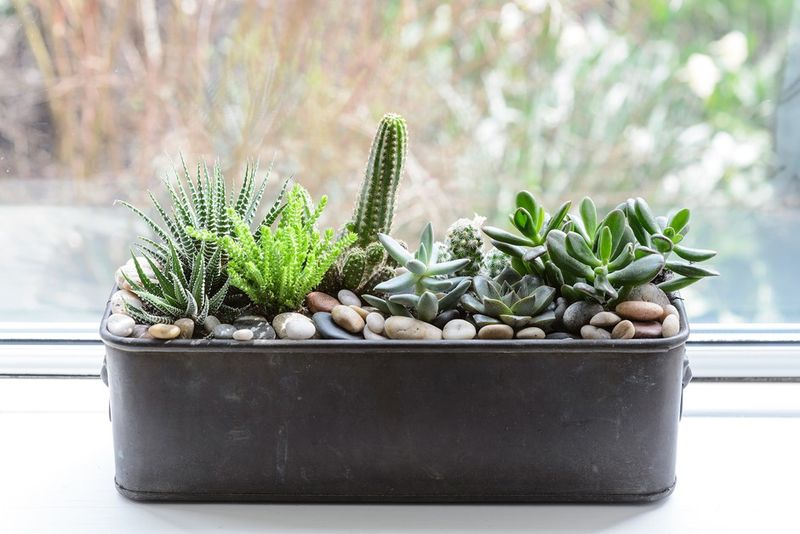
Succulents are nature’s artwork, with their unique shapes and hues. However, placing them in dark corners is a recipe for disaster. They need bright light to maintain their compact form and vibrant colors. Without it, they grow leggy and lose their charm. Position them on a sunny windowsill or in a bright room to witness their true beauty. Despite their desert origins, succulents bring a modern touch to home decor. These resilient plants have a fascinating ability to store water in their leaves, making them perfect for busy individuals.
5. Basil ❌ In Cold or Low Light
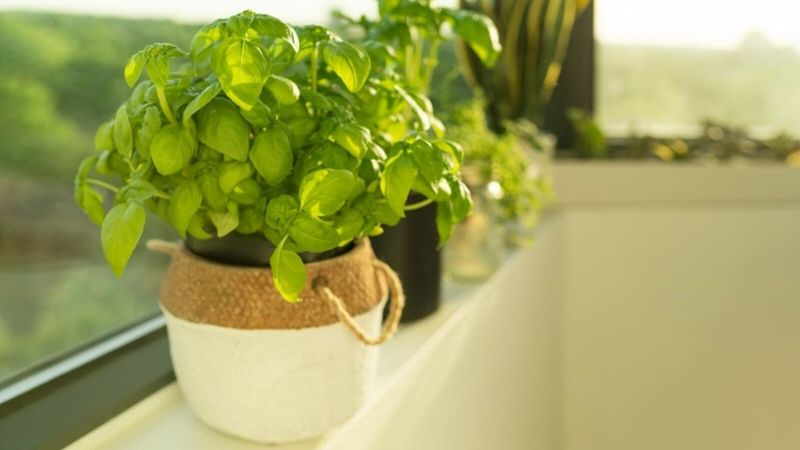
Basil, the fragrant herb loved by chefs, needs warmth and plenty of sunlight to thrive. In cold or dimly lit areas, basil becomes weak and lacks its vibrant green. Ensuring at least six hours of sun daily is crucial. This aromatic plant, a staple in various cuisines, adds a fresh, flavorful touch to dishes. Its origins can be traced back to tropical regions, which explains its preference for warm conditions. Basil embodies the essence of culinary gardens, transforming simple meals into gourmet experiences.
6. Peace Lily ❌ In Direct Sun
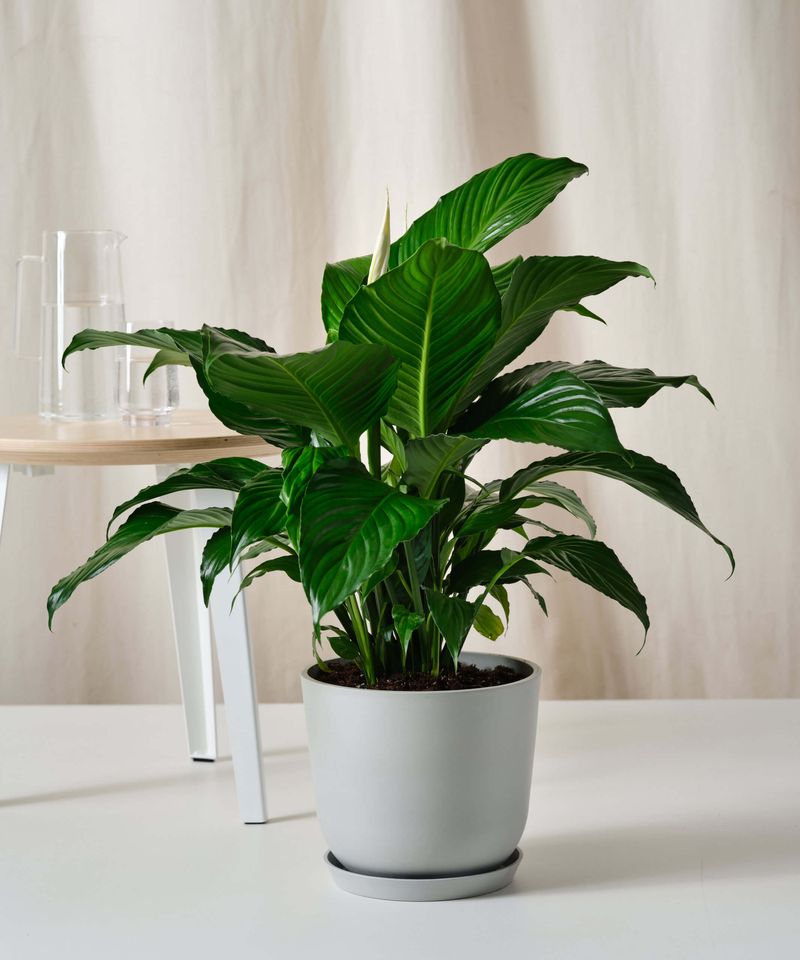
The elegant peace lily, with its striking white blooms, cannot withstand direct sunlight. Exposure to too much sun causes leaf burn and yellowing. Instead, it thrives in bright, indirect light, which supports its delicate nature. With proper care, peace lilies become the elegant centerpiece of any indoor space. Peace lilies are reputed for their air-purifying qualities, making them both a beautiful and practical choice for homes. They symbolize peace and prosperity, adding a serene vibe to interiors.
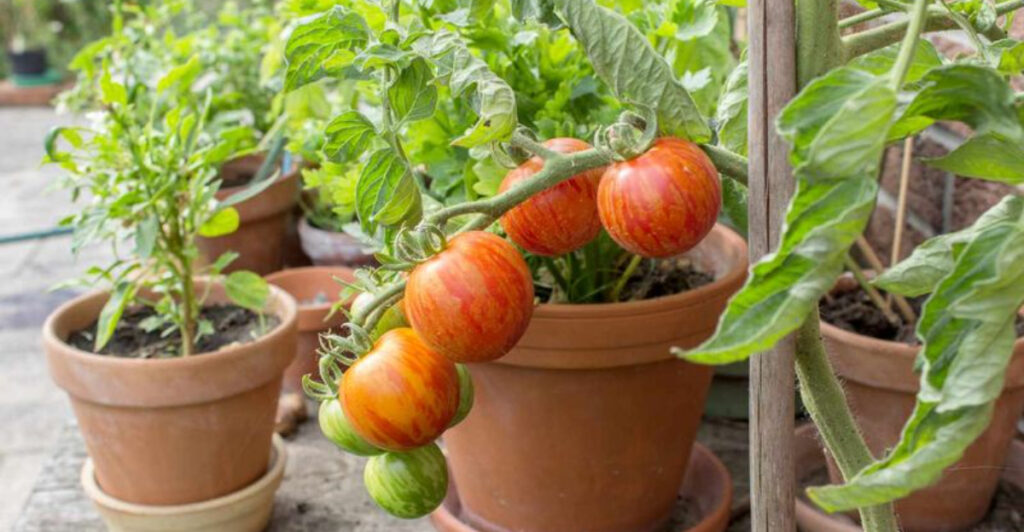
7. Tomatoes ❌ In Small Pots or Shade
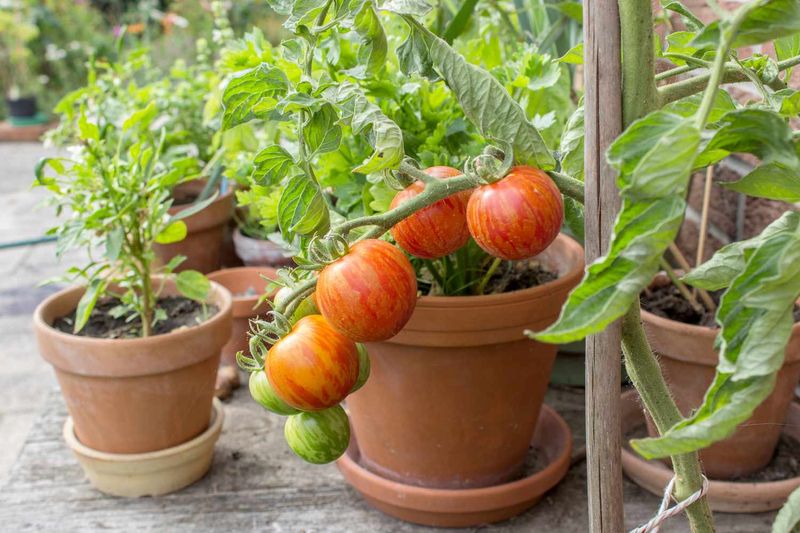
Tomatoes, the star of summer gardens, need room and sunlight to yield delicious fruit. Placing them in small pots or shady areas stunts their growth and fruit production. Deep pots and full sun are essential for robust plants and bountiful harvests. Proper support and regular watering ensure their success. These juicy fruits have a rich history, once considered poisonous, they are now a garden favorite. Embrace their vibrant color and flavor by giving them the right conditions.
8. Mint ❌ In Open Garden Beds
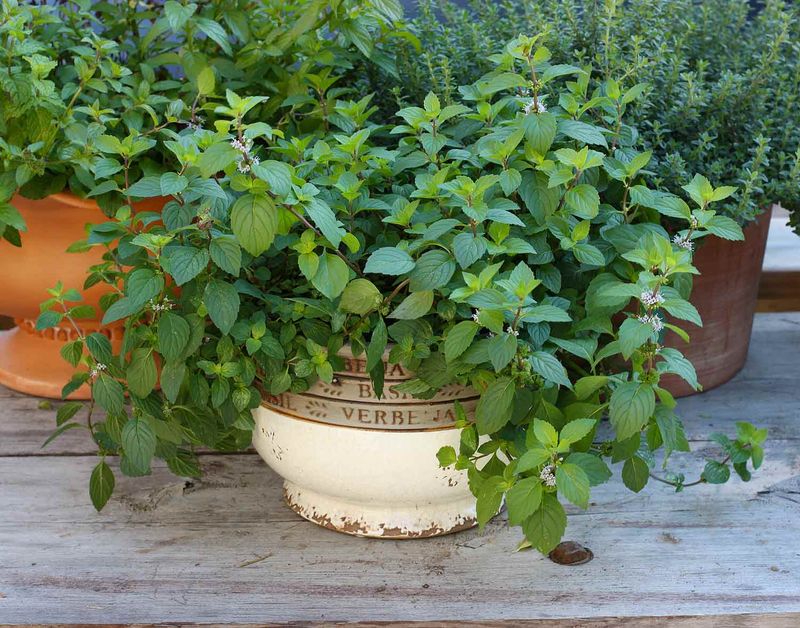
Mint’s refreshing aroma and culinary versatility make it a garden favorite, yet it possesses an invasive nature. Planting it in open garden beds allows it to overrun the space quickly. Containing mint in pots gives it the freedom to flourish without taking over. Its lush leaves and invigorating scent make it a kitchen staple, perfect for teas and garnishes. Historically, mint has been cherished for its medicinal properties, symbolizing hospitality and wisdom. Enjoy the benefits of mint while keeping it under control.
9. Orchids ❌ In Regular Potting Soil
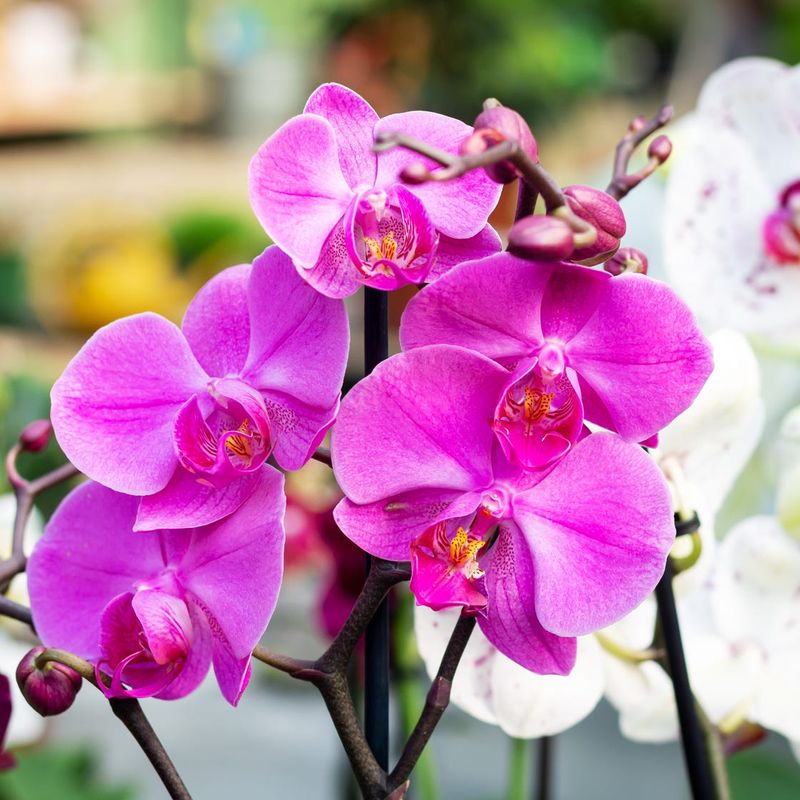
Orchids, symbols of elegance and luxury, cannot endure ordinary potting soil. They flourish in a specialized bark mix that mimics their natural growing conditions. Humidity is also crucial for orchids to thrive and bloom beautifully. Providing these conditions assures vibrant and prolific flowering. Orchids have captivated hearts for centuries, with a rich history in various cultures as symbols of beauty and refinement. Their exotic appearance and captivating blooms add a touch of sophistication to any setting.
10. Rosemary ❌ In Humid or Waterlogged Soil
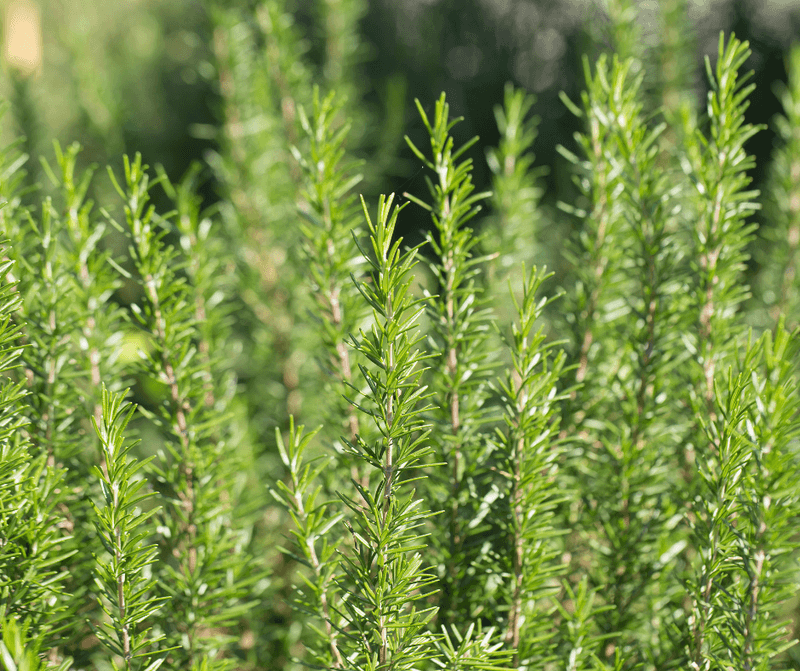
Rosemary, a fragrant herb with culinary and ornamental appeal, requires conditions reminiscent of its Mediterranean origins. Humid or waterlogged environments lead to rapid decline. Instead, it thrives in dry, sandy soil with ample sun. This setting brings out its aromatic oils and robust flavor. Rosemary has been used for centuries, not only for its taste but also for its health benefits. It symbolizes remembrance and fidelity, enhancing gardens with its presence and versatility, from kitchen use to garden aesthetics.
11. Fiddle Leaf Fig ❌ In Drafty or Dark Rooms

The fashionable fiddle leaf fig demands a stable environment to thrive. Drafty or dark rooms lead to leaf drop and unhappiness. Instead, it requires bright, consistent light free from cold drafts. This majestic plant, with its large, glossy leaves, makes a bold statement in modern home decor. Originating from West Africa, it has become a symbol of contemporary style. Providing the right conditions ensures it remains a stunning feature, adding vibrancy and elegance to any indoor space.
1. Snake Plant 🏆
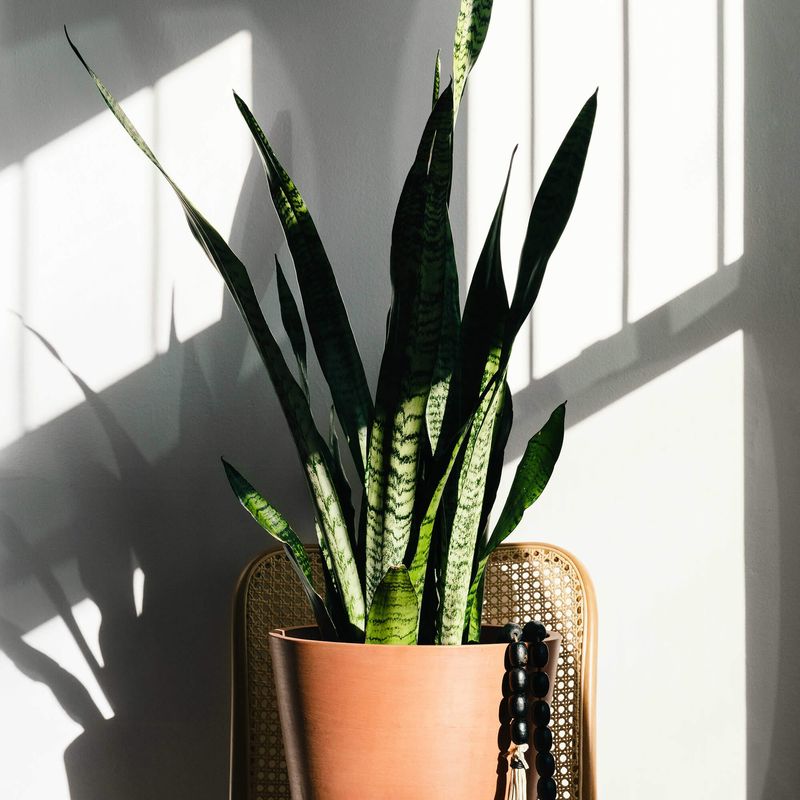
The Snake Plant, a symbol of resilience, thrives where others fail. Whether in dark corners or under bright light, it maintains its striking appearance. Its ability to survive droughts makes it ideal for those who may neglect watering. As an air purifier, it boosts indoor air quality, adding both style and health benefits. Known as “Mother-in-Law’s Tongue,” it offers an interesting conversational piece due to its name and durability. This plant’s hardy nature and minimal care requirements make it a favorite for any setting.
2. Pothos 🏆
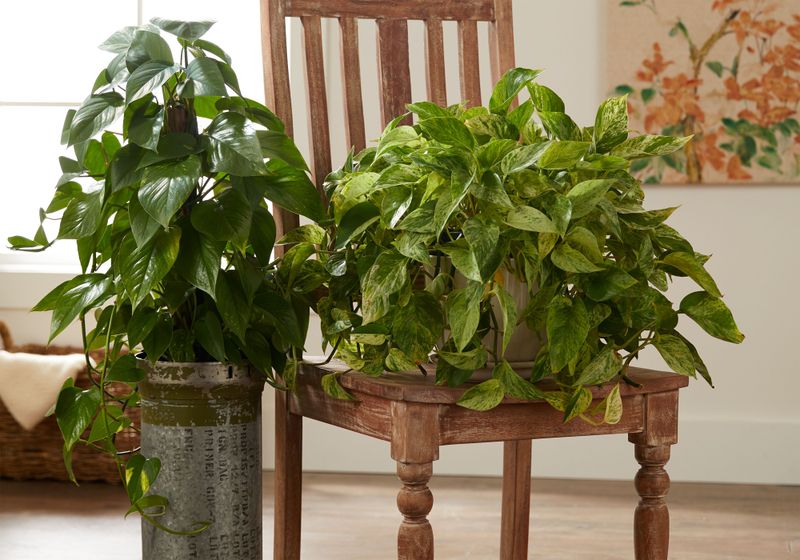
Pothos, the ultimate survivor, adapts to almost any environment. Whether rooted in water or soil, it flourishes under low light or with neglect. Its cascading vines and vibrant leaves create a lush, tropical feel indoors. Beyond aesthetics, Pothos is celebrated for its ability to purify air, enhancing indoor quality. Its forgiving nature makes it a top choice for beginners and busy individuals. Often called “Devil’s Ivy” due to its resilience, this plant continues to grow and thrive with minimal care, making it a household staple.
3. ZZ Plant 🏆
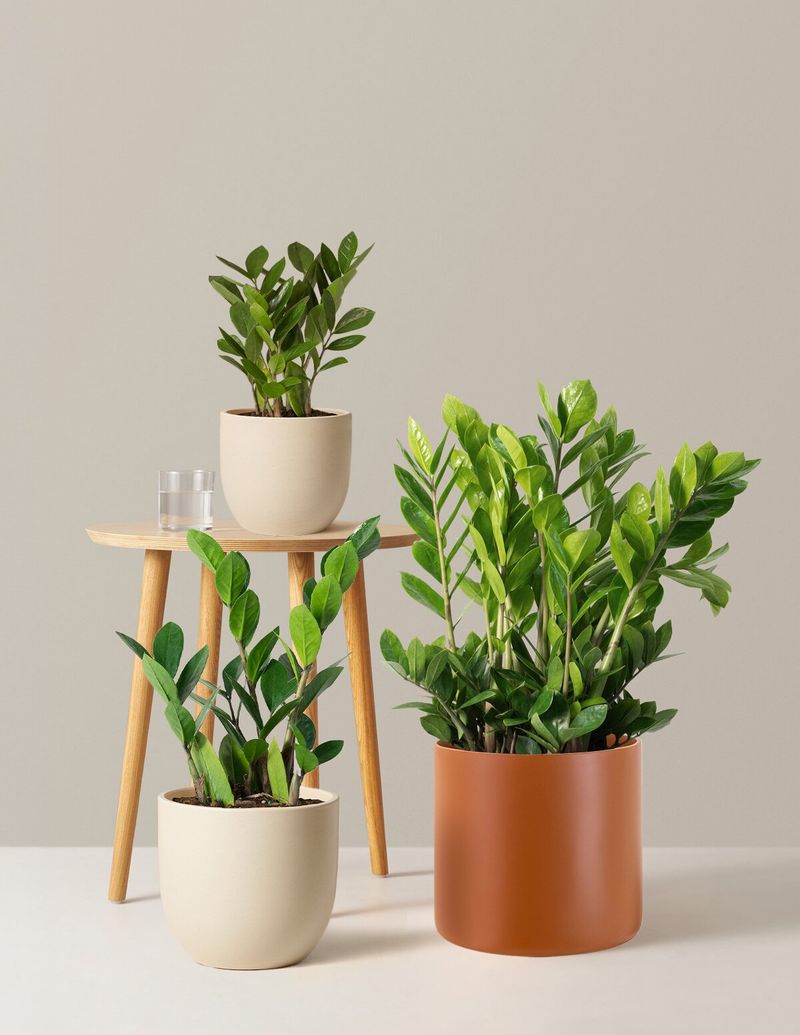
The ZZ Plant, renowned for its tolerance, flourishes where few others can. It endures low light and can go months without water, making it perfect for busy lifestyles. Its glossy leaves add an attractive shine to any space. As a low-maintenance plant, it suits both home and office environments, requiring minimal attention. Native to Eastern Africa, the ZZ Plant’s adaptability has made it a popular choice worldwide. Its robust nature and aesthetic appeal ensure it remains a favorite for plant enthusiasts and novices alike.
4. Spider Plant 🏆
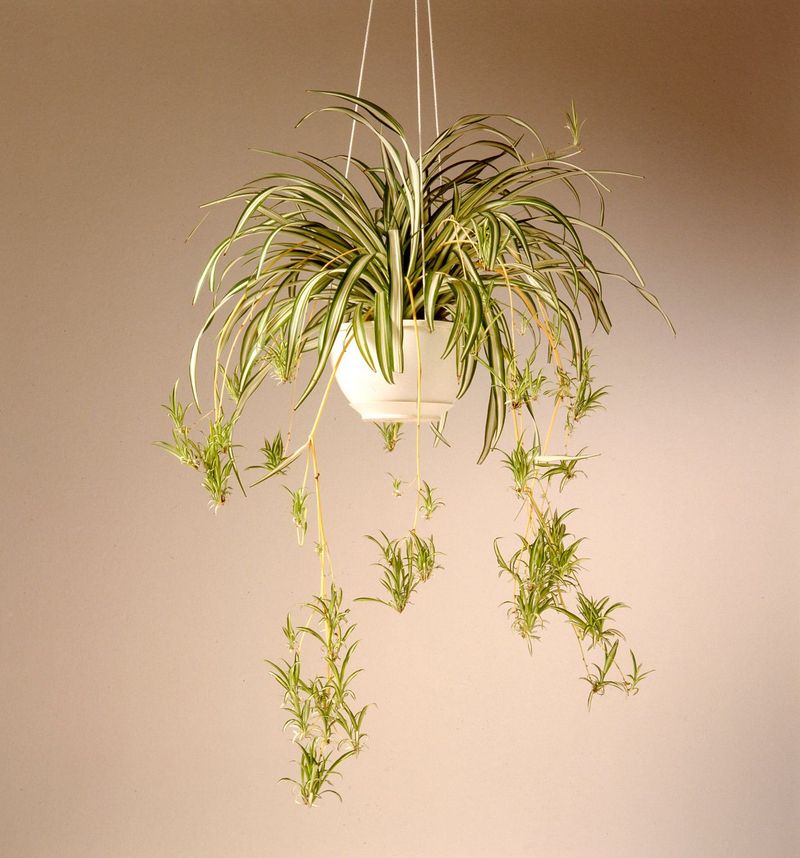
The Spider Plant, with its arching leaves and small white flowers, is a model of resilience. It thrives in varying light conditions and bounces back from occasional neglect. Its ability to produce “babies” or offshoots adds a playful touch to its appearance. Known for its air-cleaning properties, it improves indoor environments effortlessly. This plant’s origins in South Africa contribute to its adaptability and charm. Easy to propagate and care for, the Spider Plant has been a beloved household plant for generations.
5. Aloe Vera 🏆
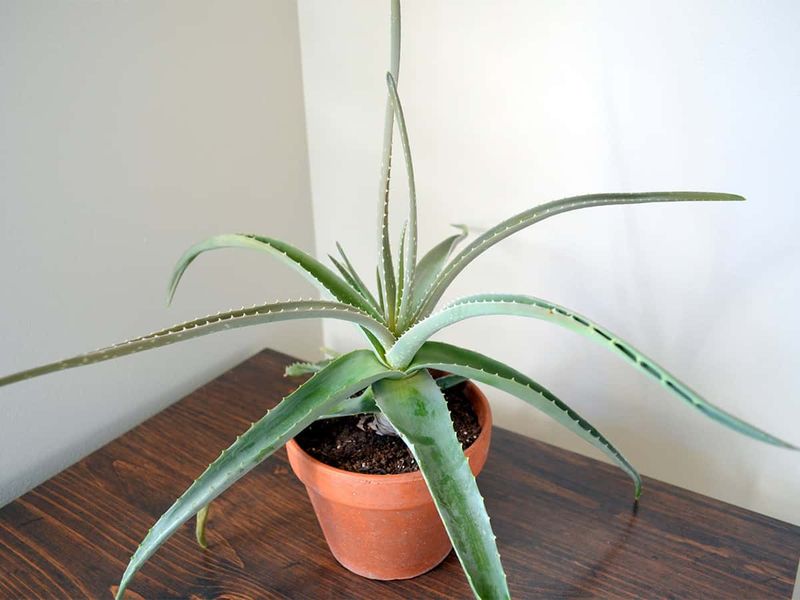
Aloe Vera, the soothing plant with a multitude of uses, is forgiving of neglect. While it needs bright light to thrive, it remains resilient even when waterings are missed. Its thick, fleshy leaves store water, making it drought-tolerant. The gel inside offers healing properties, from skin care to soothing burns. Often associated with medicinal benefits, Aloe Vera is a staple in homes worldwide. Its ease of care and practical uses make it a desirable plant for both health-conscious individuals and casual growers.
6. Hostas 🏆
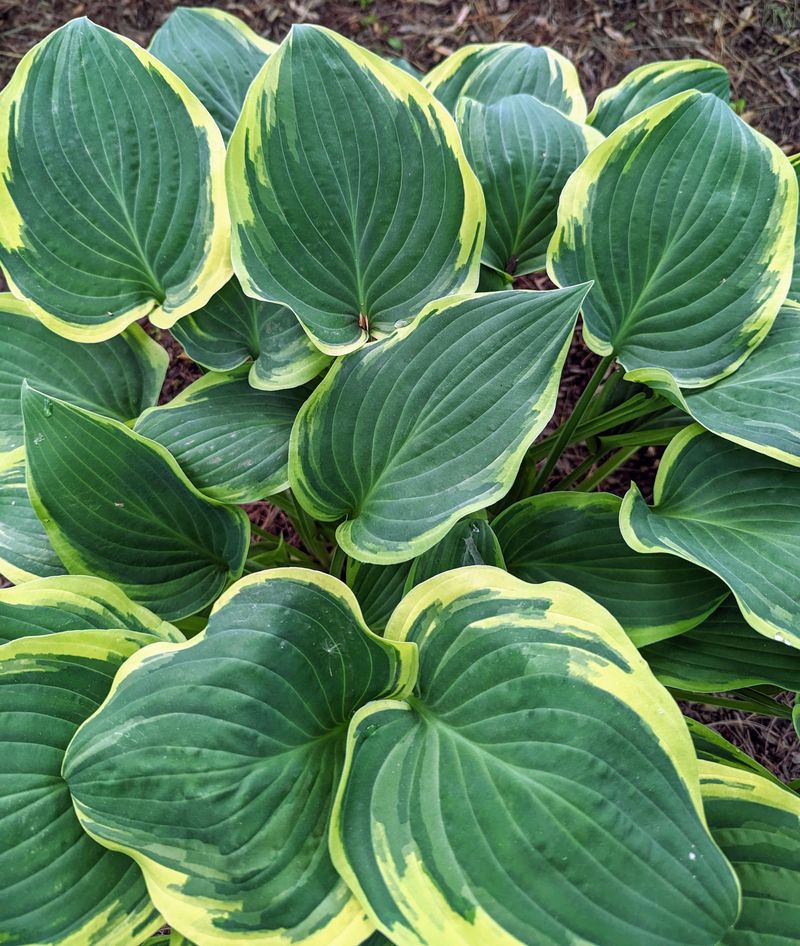
Hostas, with their lush foliage, are ideal for shaded gardens. They thrive in full shade, bringing life to areas where other plants struggle. Their vibrant leaves come in various colors and patterns, adding visual interest to shady spots. Hardy and low-maintenance, Hostas are perfect for gardeners seeking ease and beauty. Originating from Japan, these plants have gained worldwide popularity for their adaptability and aesthetic appeal. Hostas symbolize friendship and devotion, making them a cherished addition to any garden setting.
7. Sedum (Stonecrop) 🏆
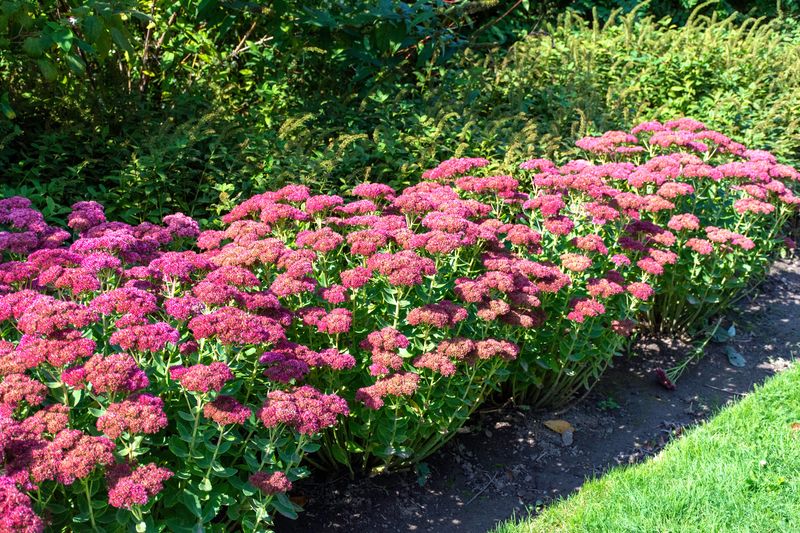
Sedum, or Stonecrop, is a champion of tough conditions. It thrives in poor soil and full sun, displaying its drought-resistant nature. The unique textures and colors of Sedum add a modern touch to gardens and landscapes. These plants are easy to maintain, making them suitable for both novice and experienced gardeners. Sedum’s ability to attract pollinators like bees and butterflies enriches the garden ecosystem. With origins in varied climates, this plant adapts to diverse settings, providing year-round interest and resilience.
8. Russian Sage 🏆
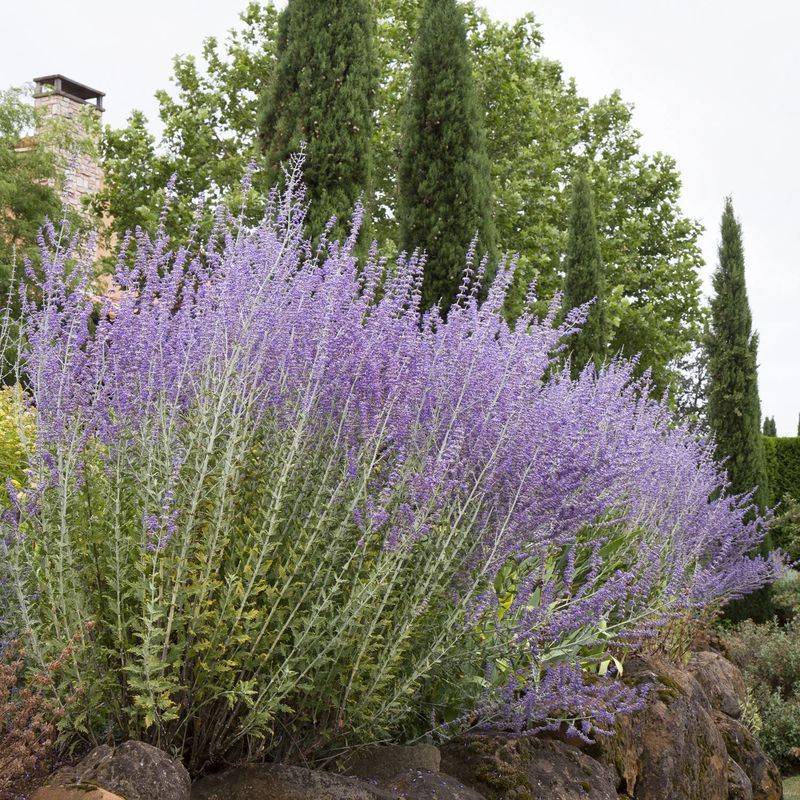
Russian Sage, with its airy texture and lavender-blue blooms, is a stalwart in challenging conditions. It thrives in heat, drought, and poor soils, making it a reliable choice for resilient gardens. The aromatic leaves and long-lasting flowers add ornamental value to landscapes. Russian Sage is celebrated for attracting pollinators, supporting garden biodiversity. This plant’s origins in central Asia contribute to its hardiness and appeal. Its striking appearance and low-maintenance nature ensure it remains a popular choice among gardeners seeking beauty and resilience.
9. Daylilies 🏆
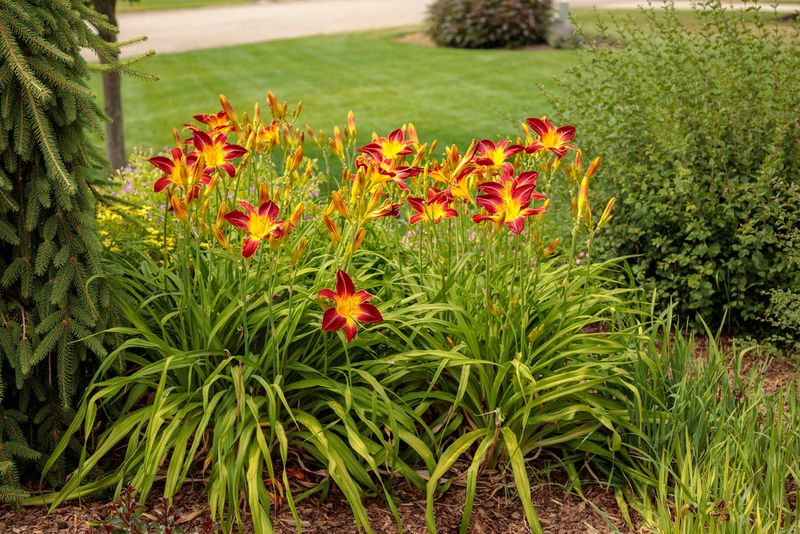
Daylilies, with their vibrant and varied colors, bring joy to gardens, blooming in both sun and shade. Their robust nature allows them to withstand neglect, making them ideal for busy gardeners. Each bloom lasts a single day, but the plant produces many, ensuring continuous color. Daylilies are easy to grow and maintain, providing a splash of color with minimal effort. Native to Asia, these plants have adapted to various climates worldwide. Their cheerful blooms and enduring nature make them a staple in garden landscapes.