 Complete Gardening
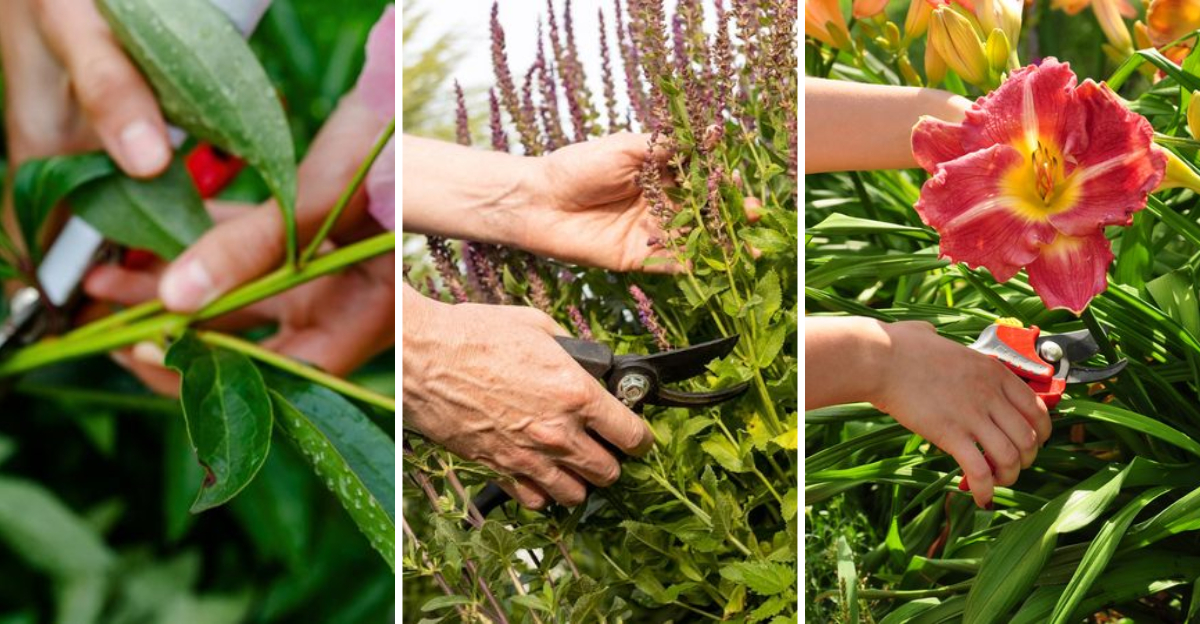
Pruning perennials at the right time can lead to more abundant blooms and healthier plants. As autumn approaches, it’s the perfect time to cut back certain perennials to prepare them for the next growing season. This practice not only enhances their natural beauty but also promotes vigorous growth. Here are 15 perennials you should consider trimming now for a breathtaking garden next year.
1. Peony
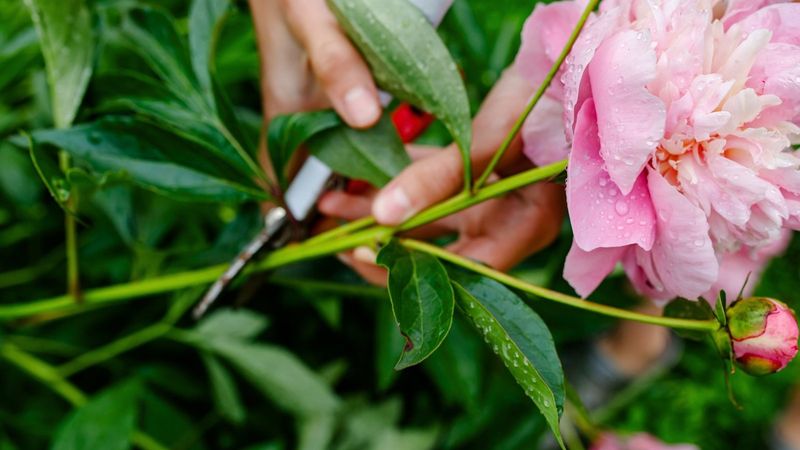
Few flowers capture the imagination like the peony. With their lush, full blooms, these plants are a perennial garden favorite. Trimming peonies after they have finished blooming ensures they conserve energy for the next season.
Cutting them back also helps prevent fungal diseases by improving air circulation. While peonies may seem delicate, they are actually hardy and respond well to this care.
Did you know? Peonies have been cultivated for over 2,000 years, originally grown for their medicinal properties in China.
2. Salvia
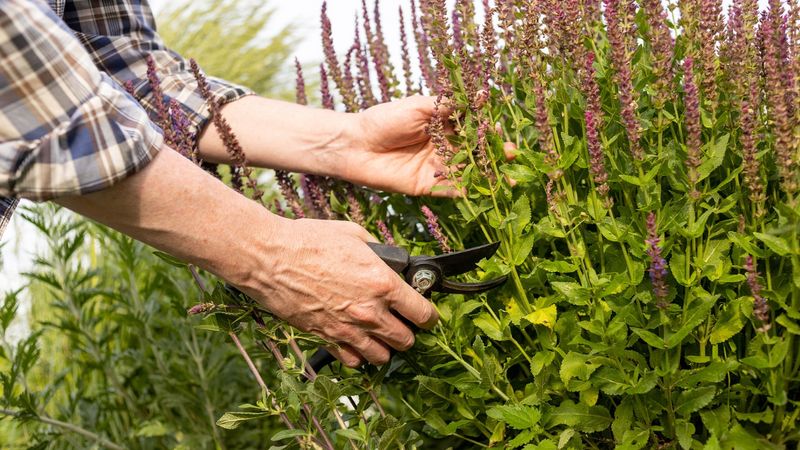
Salvia’s stunning spikes of flowers add a pop of color to any garden. To ensure they continue to thrive, trimming back the spent blooms is essential. This encourages salvia to produce more flowers and extends their blooming period.
Pruning also helps maintain the plant’s shape and prevents legginess. Salvias are resilient and return stronger with each pruning cycle.
Gardeners have cherished salvia for centuries, with origins tracing back to the Mediterranean, where it symbolized wisdom and longevity.
3. Daylilies
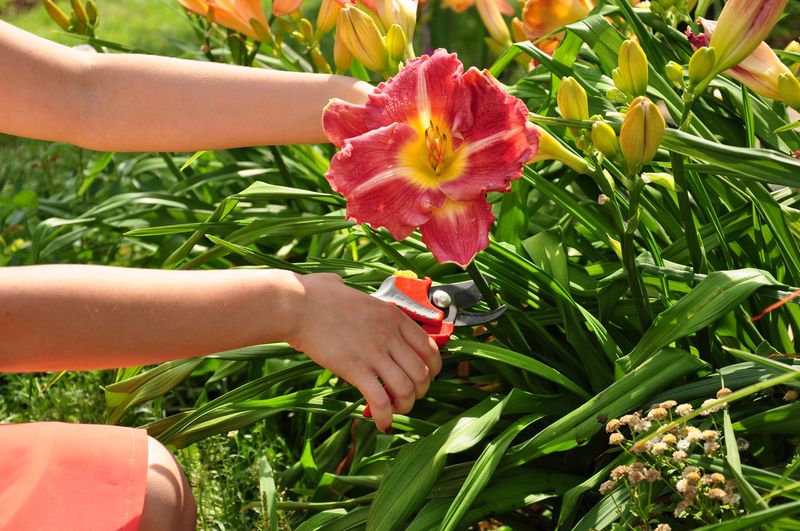
Daylilies are known for their hardiness and vibrant colors. Trimming them down after flowering keeps their appearance tidy and stimulates fresh growth.
By removing dead foliage, you reduce the chance of pests and diseases overwintering. Daylilies are adaptable, effortlessly bouncing back each year.
These flowers have an intriguing history, being originally cultivated in Asia and brought to Europe in the Middle Ages. Their name originates from the Greek word ‘hemerocallis’, meaning ‘beauty for a day’.
4. Catmint
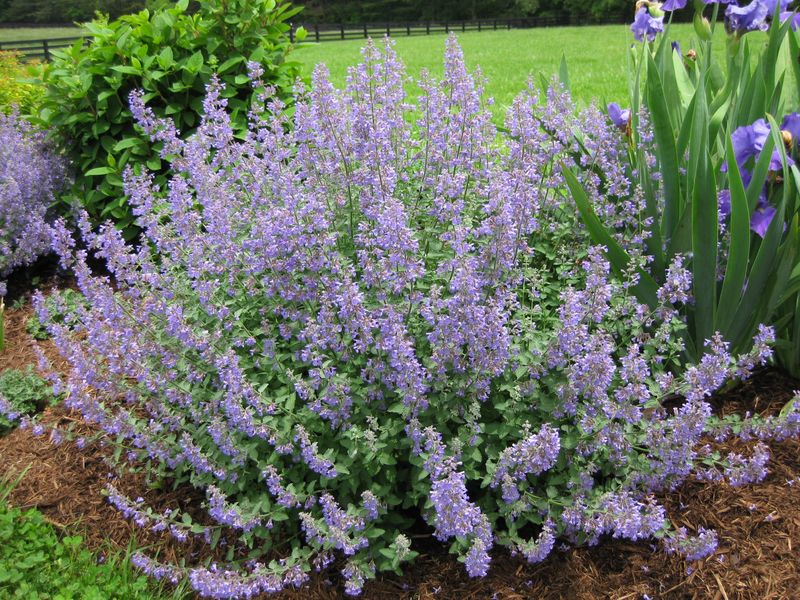
Catmint is beloved for its aromatic foliage and long-lasting blooms. Cutting it back after its first flowering encourages a second wave of blossoms.
Regular pruning keeps catmint from becoming too unruly, preserving its compact form. Its delightful fragrance makes it a favorite among gardeners and pollinators alike.
Interestingly, catmint is related to catnip, although it’s more garden-friendly. The plant’s calming scent has been used for centuries in herbal remedies.
5. Bee Balm
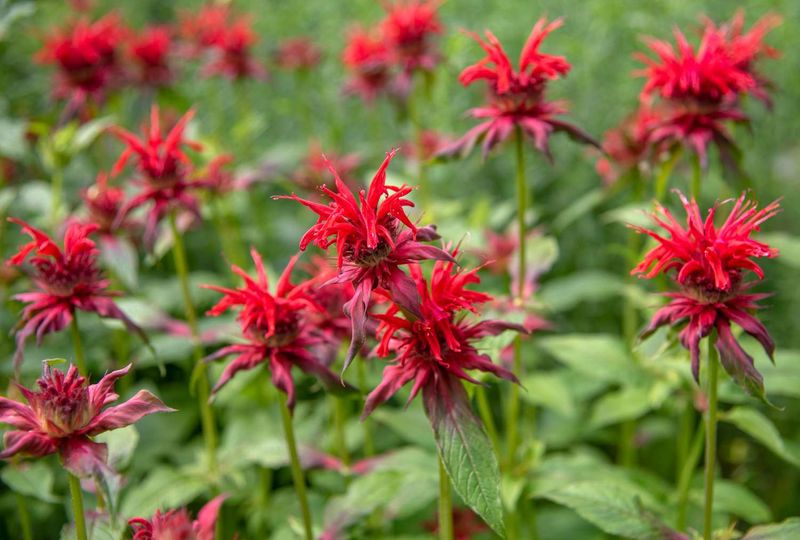
Bee balm, with its vibrant colors, attracts pollinators like no other. After flowering, cutting the plant back prevents mildew and encourages new growth.
By pruning, you also help bee balm maintain its shape and encourage a bushier appearance. Its resilience and beauty make it a garden staple.
Originally used by Native Americans for medicinal purposes, bee balm’s history is as rich as its color. Its name reflects the plant’s popularity among bees and gardeners alike.
6. Russian Sage
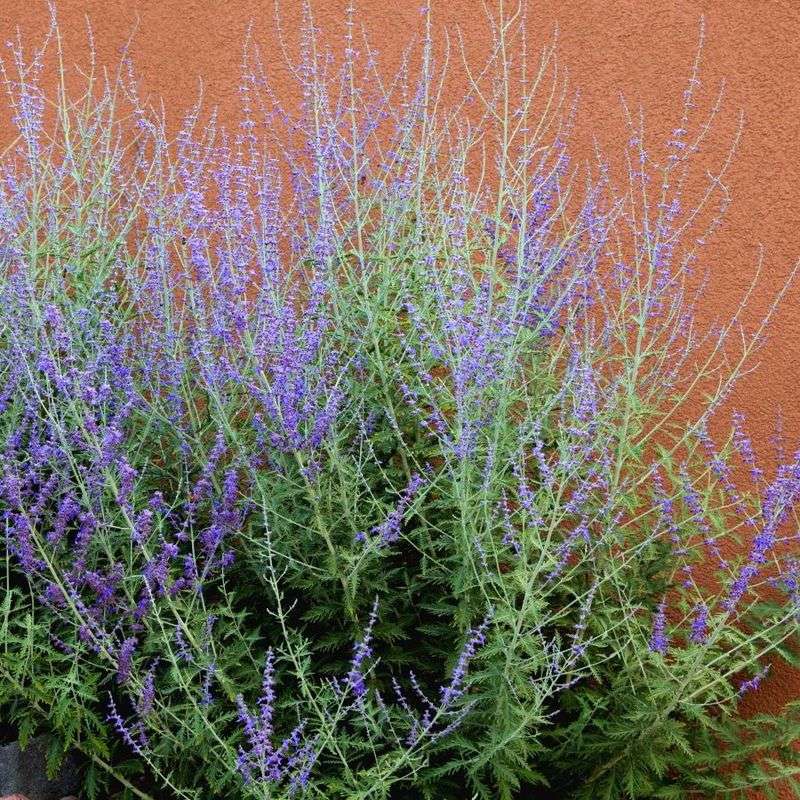
Russian sage offers a delightful haze of purple flowers and silver foliage. Trimming it back ensures a tidy appearance and prevents woodiness.
Removing spent blooms encourages more prolific flowering. Russian sage is drought-tolerant, making it a resilient choice for dry climates.
Its ethereal beauty and robust nature have made it a popular choice in gardens worldwide. Despite its name, Russian sage actually hails from Central Asia.
7. Coreopsis
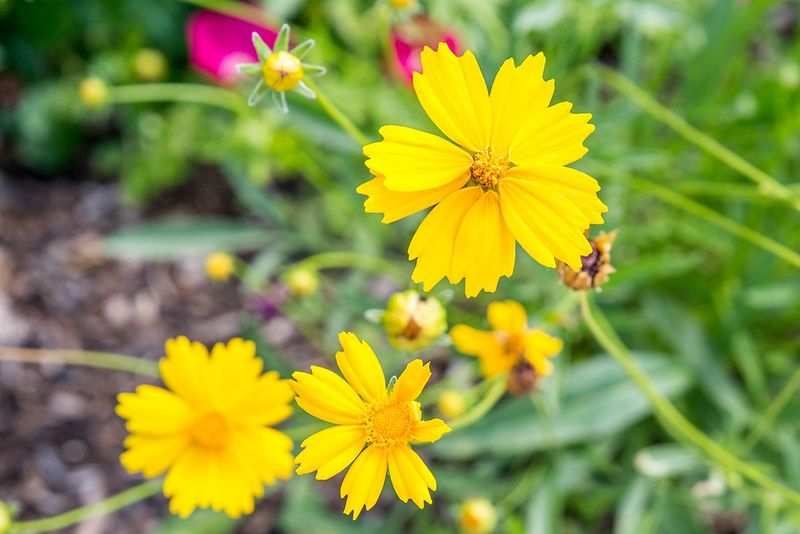
Coreopsis, also known as tickseed, brings a cheerful splash of yellow to gardens. Trimming it after its initial bloom encourages a second wave of flowers.
Pruning also keeps the plant compact, avoiding a leggy appearance. Coreopsis thrives with minimal care, making it perfect for beginner gardeners.
Its sunny disposition and easy growth are a testament to its popularity. Native to North America, coreopsis has been a garden favorite for centuries.
8. Veronica
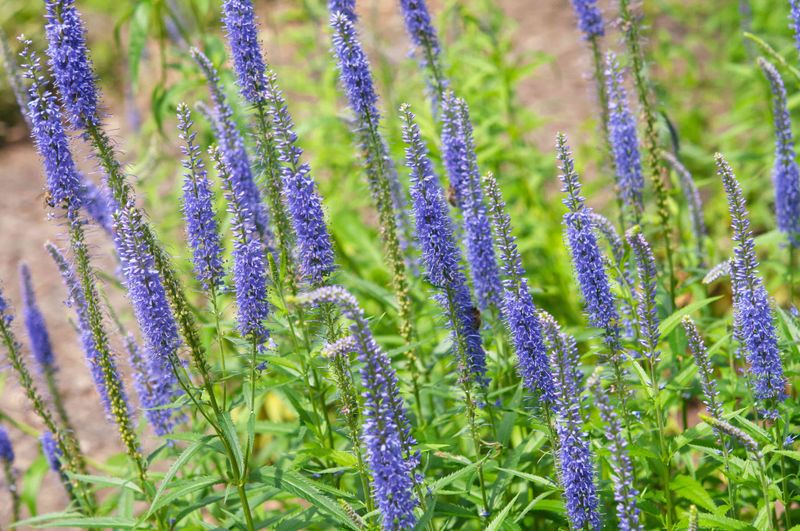
Veronica, with its spiky blooms, adds vertical interest to garden beds. Cutting back after blooming prevents the plant from becoming too leggy.
This simple task encourages a fresh flush of flowers, extending the blooming season. Veronica’s upright nature and vivid colors are a visual delight.
Originating from Europe and Asia, veronica has been cultivated for both ornamental and medicinal purposes. Its charm and resilience make it a garden classic.
9. Phlox
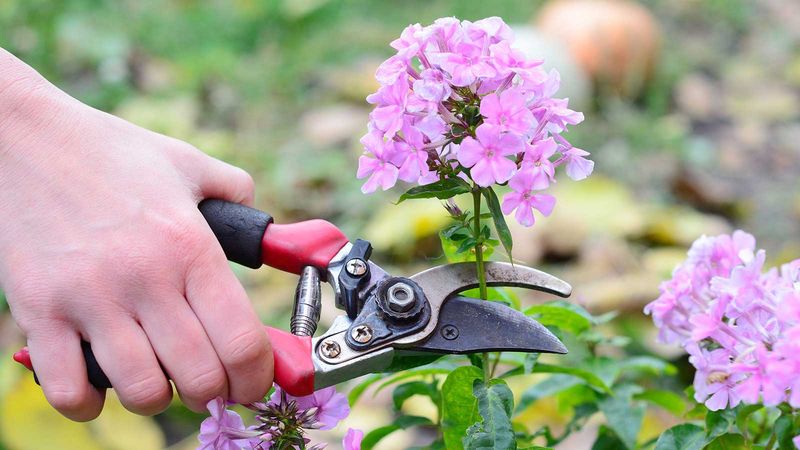
Phlox, with its clusters of fragrant flowers, is a summer garden staple. Pruning after the first bloom helps control its height and encourages further flowering.
Removing dead flowers prevents seed formation, allowing the plant to focus on new growth. Phlox’s sweet fragrance and vibrant colors create a picturesque setting.
Did you know that phlox was first discovered in North America? Its name comes from the Greek word for ‘flame’, a nod to its fiery hues.
10. Echinacea
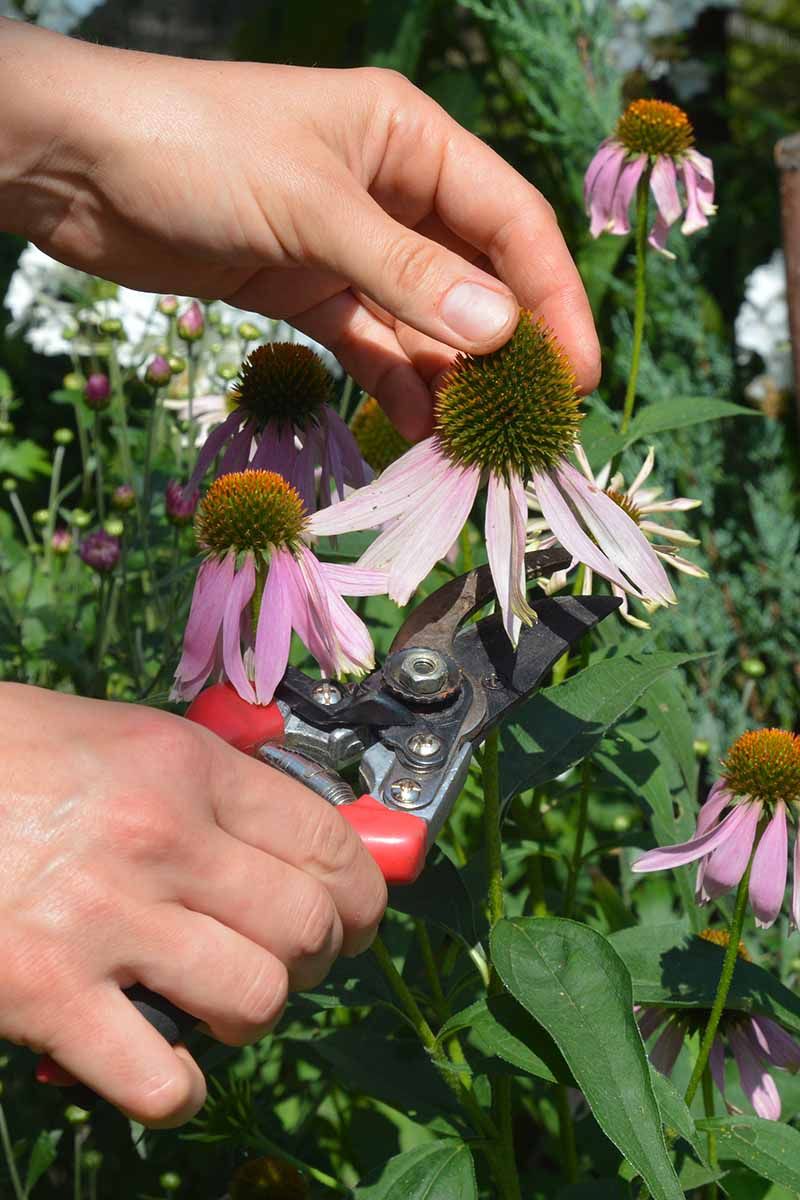
Echinacea, or coneflower, is beloved for its bold blooms and medicinal properties. Pruning after flowering prompts a second bloom cycle, enhancing its beauty.
This also helps prevent diseases and keeps the plant looking tidy. Echinacea’s resilience and striking appearance make it a favorite among garden enthusiasts.
Historically, Native Americans used echinacea for its healing properties. Today, it’s cherished for its beauty and health benefits, offering a splash of color and vitality.
11. Yarrow
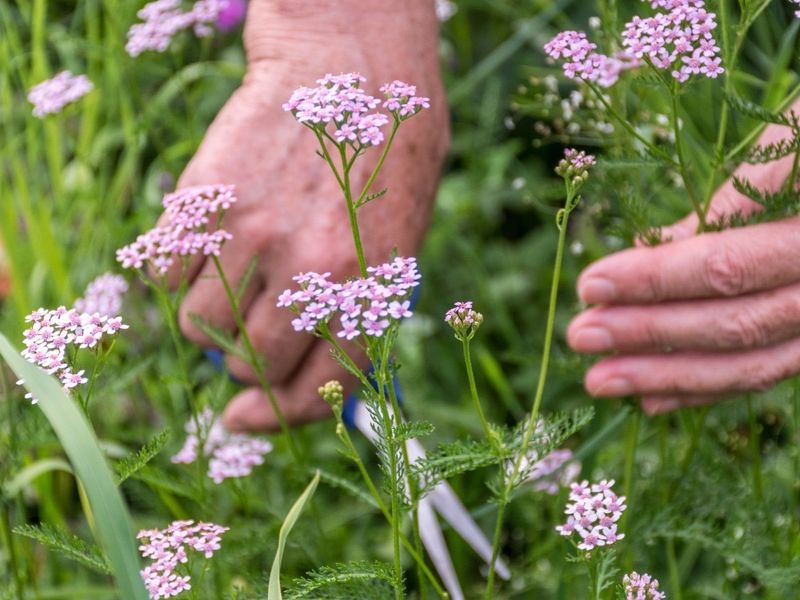
Yarrow’s feathery foliage and flat-topped clusters make it a unique addition to gardens. Cutting back after blooming encourages more flowers and prevents seed spreading.
Yarrow is known for its hardiness, thriving in various conditions without much fuss. Its historical use in herbal medicine adds to its allure.
Did you know that yarrow was once used to stop bleeding in ancient times? Its versatility both in the garden and beyond is truly remarkable.
12. Sedum
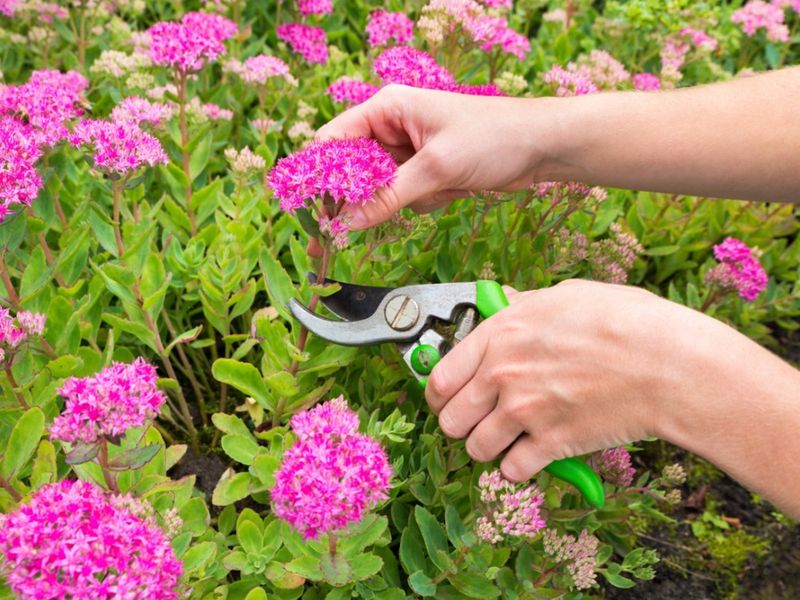
Sedum, with its fleshy leaves, is perfect for rock gardens. Pruning after flowering keeps the plant tidy and encourages new growth.
Its drought-resistant nature makes it an ideal choice for xeriscaping. Sedum’s ability to thrive in poor soil conditions without much care is impressive.
Originally from Asia and Europe, sedum has adapted beautifully to various climates, making it a versatile garden plant.
13. Astilbe
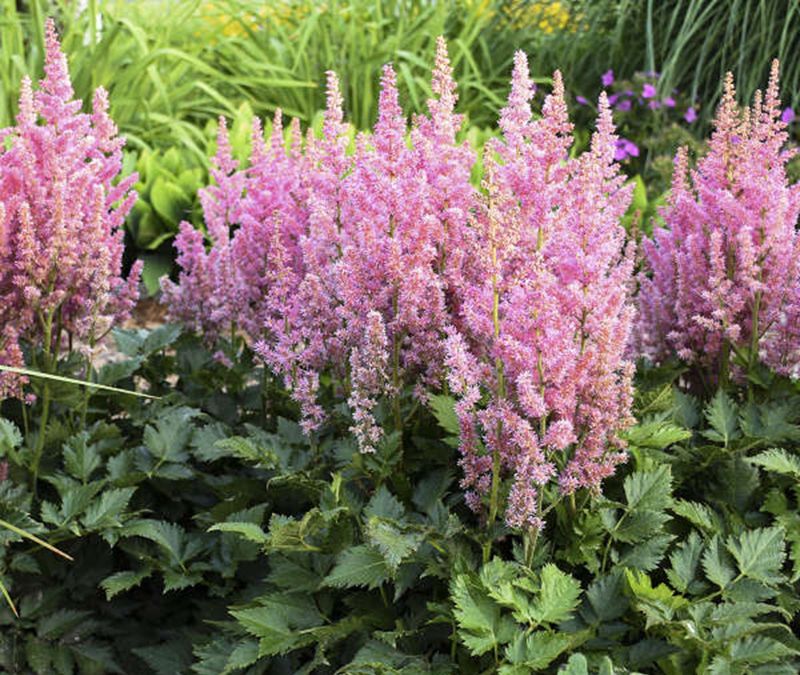
Astilbe’s feathery plumes add a touch of elegance to shaded gardens. Cutting back once the blooms fade prevents self-seeding and tidies up the plant.
This encourages lush foliage growth, creating a rich backdrop in any garden setting. Astilbe’s ability to thrive in low light is its standout feature.
Native to Asia and North America, astilbe has been a garden favorite for its beauty and adaptability. Its presence brings a soft grace to any landscape.
14. Helenium
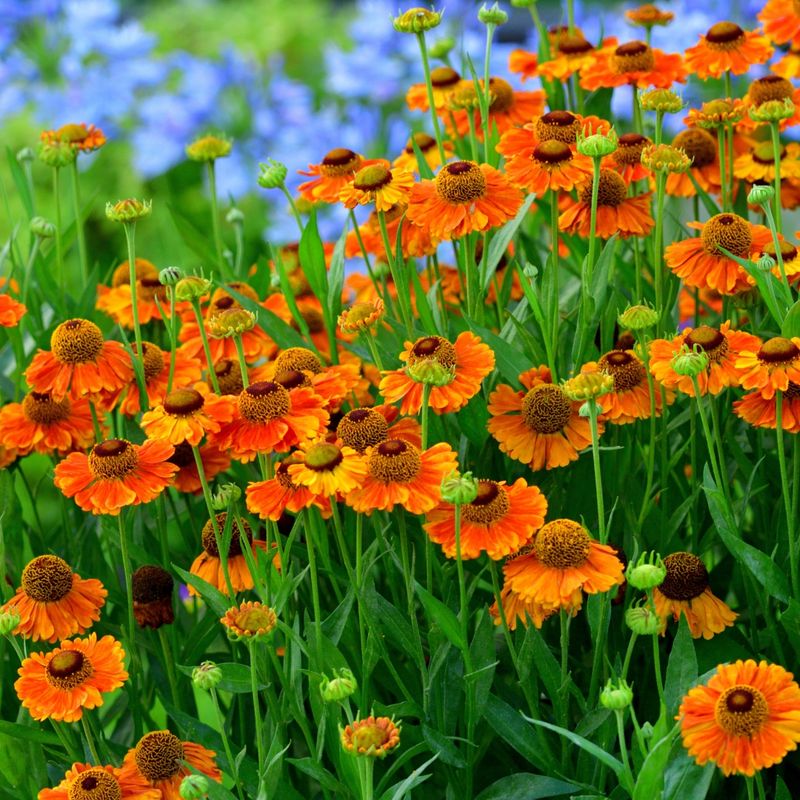
Helenium’s daisy-like flowers bring warmth to gardens with their fiery hues. Pruning after the first bloom ensures a second flowering display.
Cutting back also helps maintain the plant’s shape and vigor, preventing it from becoming too straggly. Helenium’s bold colors are a summer highlight.
This plant, native to North America, is named after Helen of Troy, adding a touch of mythological charm to its presence in gardens.
15. Lavender
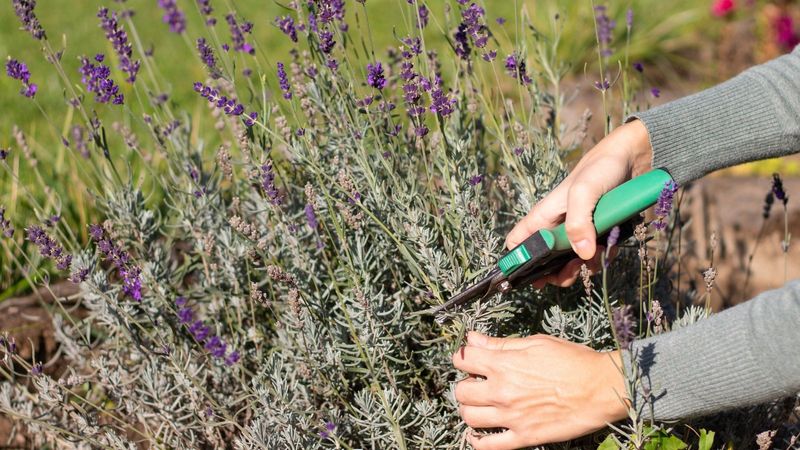
Lavender, with its enchanting fragrance, is a staple in many gardens. Cutting it back in fall can invigorate the plant, leading to fuller blooms come spring.
Trim the woody stems, taking care not to cut into old wood, as this can harm the plant. By encouraging new growth, lavender is set to thrive in the warmer months ahead.
Did you know? Lavender’s calming scent is often used in aromatherapy to reduce stress. A well-pruned lavender bush not only looks attractive but fills your garden with a soothing aroma.