
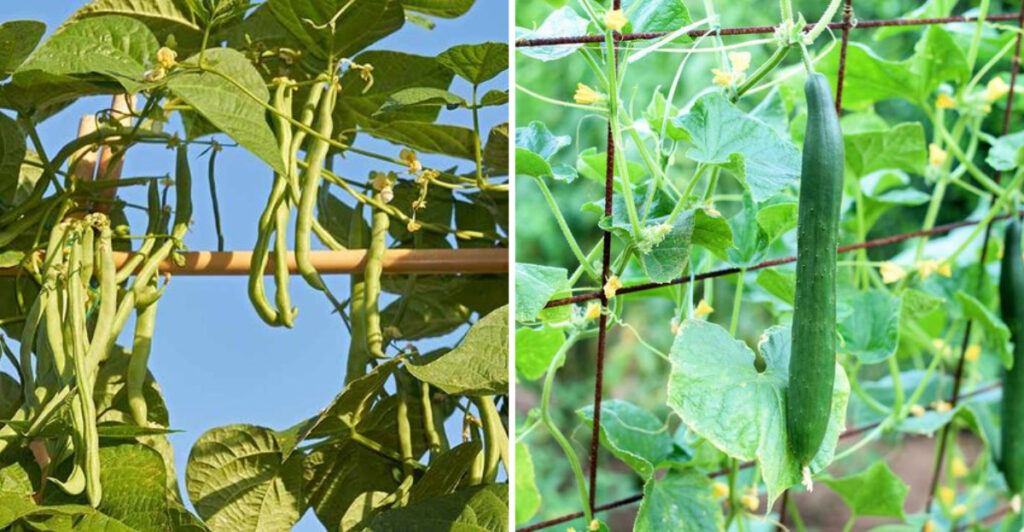
Climbing vegetables offer a fantastic way to maximize garden space by growing vertically. These vegetables not only optimize space but often provide bountiful yields as they reach for the sky. Whether you’re working with a small garden or simply want to increase your vegetable variety, climbing plants are an excellent choice. Explore this diverse list of 25 climbing vegetables that can transform your garden into a lush, productive haven.
1. Pole Beans
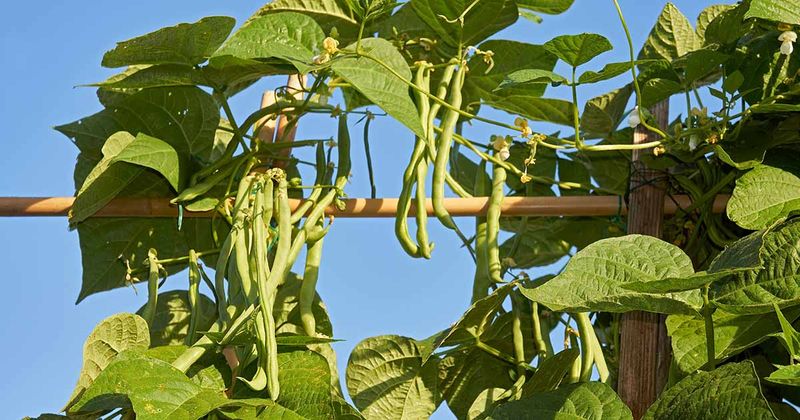
Pole beans, with their skyward ambition, have long been a favorite for vertical gardening. These beans are known for their rapid growth and high yields. Often, they are seen spiraling up poles or trellises, converting vertical space into a dense canopy of foliage and pods.
Their versatility in dishes, from salads to stews, makes them a kitchen staple. Additionally, pole beans are drought-tolerant, enriching the soil with nitrogen as they grow.
Did you know? Native Americans historically grew pole beans alongside corn in a symbiotic planting method known as the “Three Sisters.”
2. Cucumbers
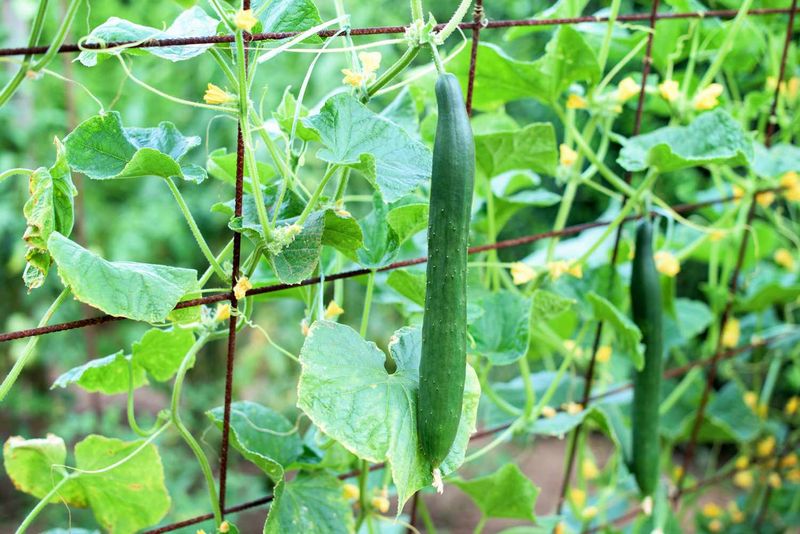
Cucumbers, often seen sprawling horizontally, can efficiently climb when given support. This presents a tidier garden and provides easier harvesting. Climbing cucumbers tend to produce straighter fruits, as they hang freely without touching the ground.
Their refreshing crunch is perfect for summer salads and pickles. When grown vertically, air circulation improves, reducing the risk of diseases.
A fun fact: Cucumbers are part of the gourd family, and they have been cultivated for over 3,000 years, originating in India. They were even mentioned in the Bible as desirable food.
3. Tomatoes
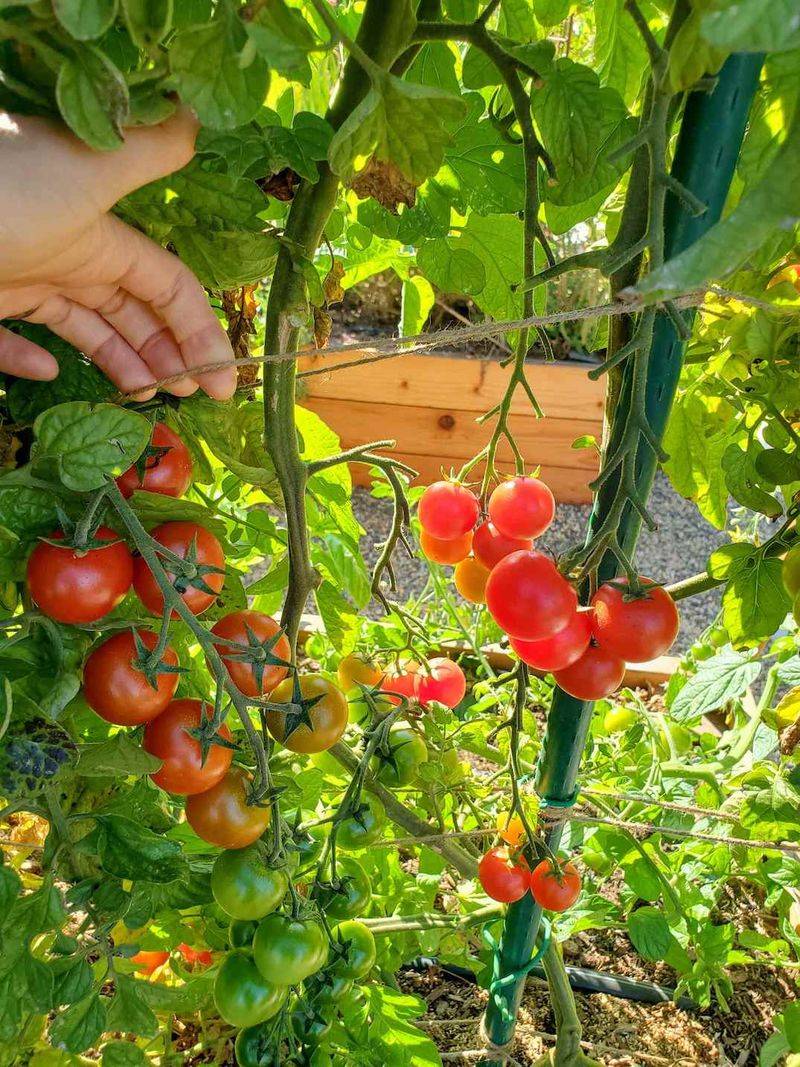
Tomatoes, a garden staple, thrive when grown vertically. Supporting them encourages healthier plants and larger yields. Indeterminate varieties, in particular, benefit from vertical growth, reaching impressive heights and producing fruit throughout the season.
Not only do they save space, but they also reduce the likelihood of soil-borne diseases. Rich in vitamins, tomatoes are indispensable in kitchens worldwide.
Interesting tidbit: Though botanically a fruit, the U.S. Supreme Court ruled tomatoes as a vegetable in 1893 for tariff purposes, based on culinary use.
4. Peas
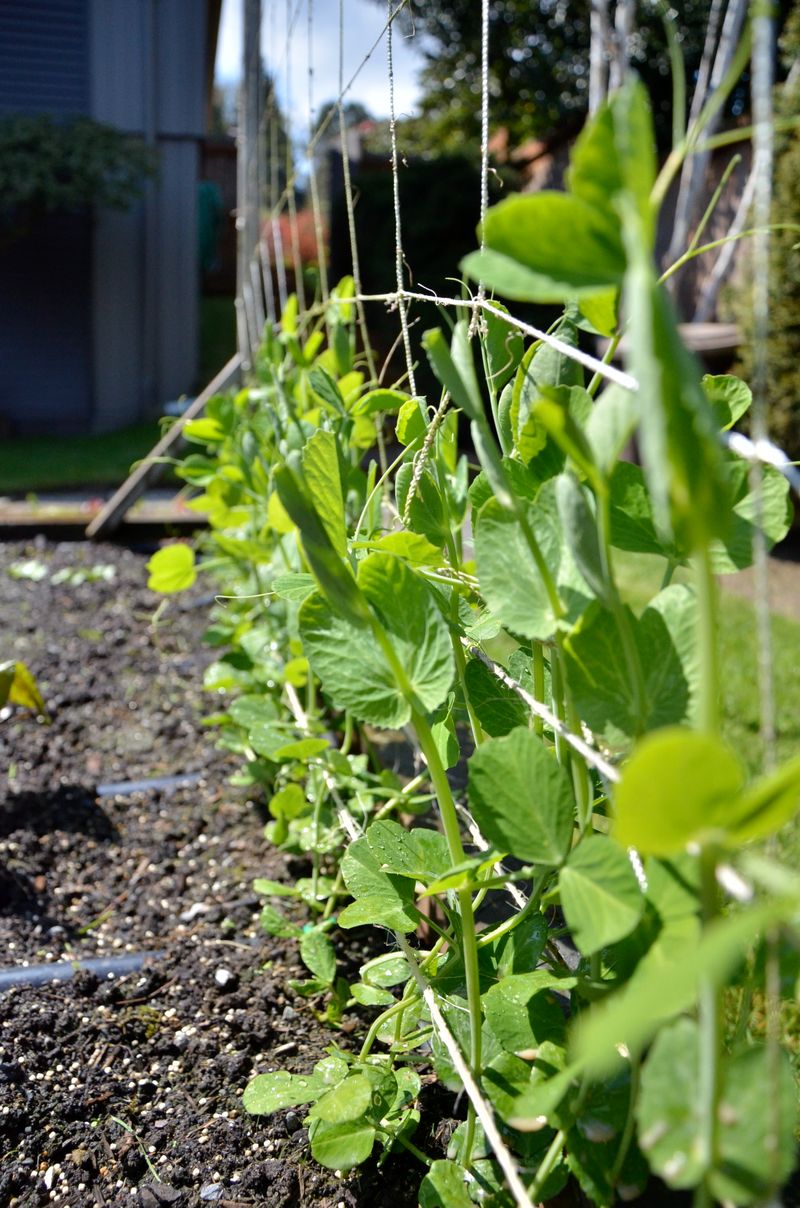
Peas, with their delicate tendrils, are natural climbers. Offering sweet, tender pods, they are an excellent choice for vertical gardening. Their early spring growth can provide one of the first fresh harvests of the year.
Peas add nitrogen to the soil, benefiting neighboring plants. Their beautiful blossoms are an added aesthetic bonus.
Fun fact: The oldest pea seeds found date back to 9750 BC, discovered in a cave in Thailand. Peas have been a vital food source for civilizations throughout history.
5. Malabar Spinach
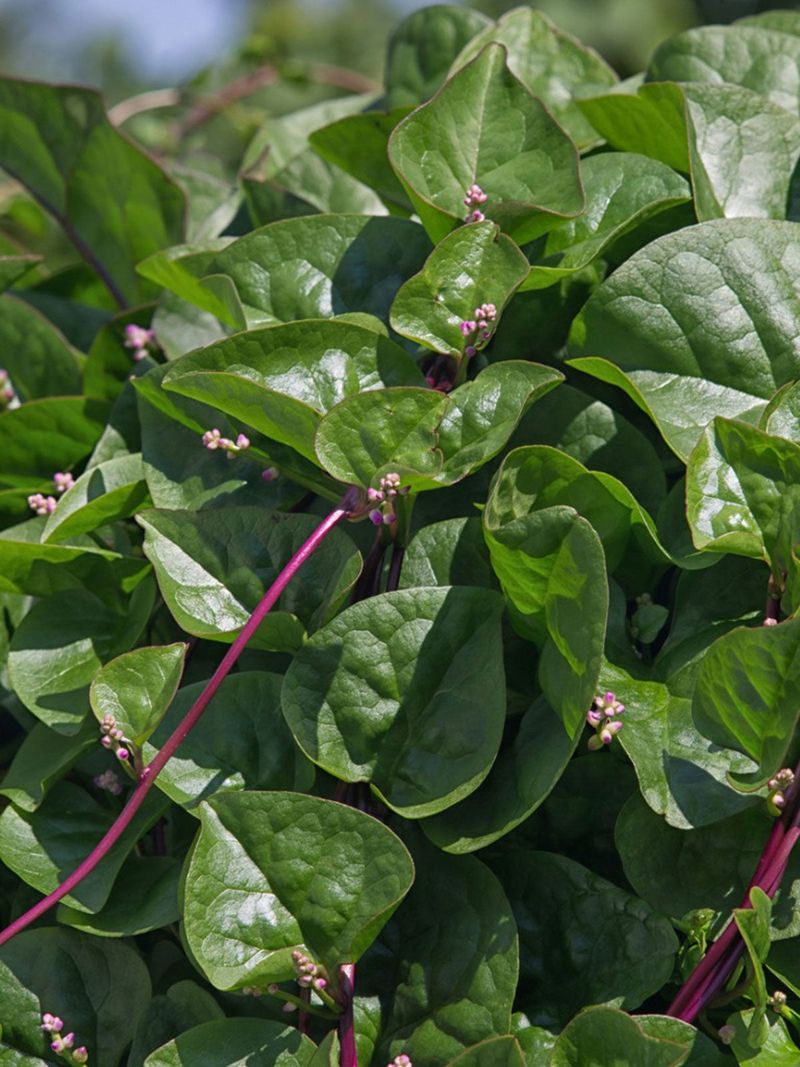
Malabar spinach stands out among traditional spinach varieties due to its affinity for climbing. With its thick, glossy leaves and vibrant red stems, it adds both nutrition and visual interest to gardens.
It’s not a true spinach but offers a similar taste and texture, thriving in hot climates where regular spinach might falter. High in vitamins A and C, it’s a nutritious addition to meals.
Did you know? Malabar spinach is native to India and thrives in tropical climates, making it a popular choice in many Asian dishes.
6. Bitter Melon
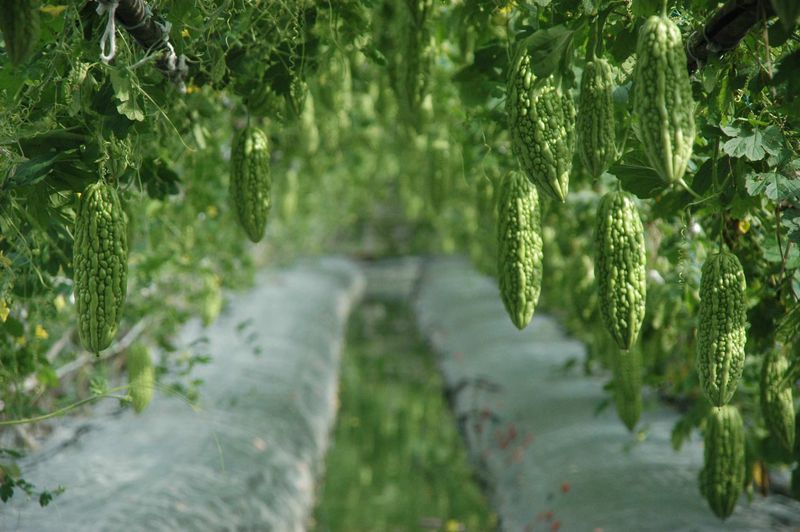
Bitter melon, known for its unique appearance and health benefits, is a vigorous climber. This tropical vegetable is famed for its bumpy, bitter-tasting fruits that dangle from vines.
Cultivating bitter melon vertically prevents ground rot and improves airflow, enhancing fruit quality. It’s praised in traditional medicine for its potential benefits in regulating blood sugar.
Fun fact: Bitter melon is a staple in Asian cuisines, especially in stir-fries and soups, and it’s gaining popularity worldwide due to its health benefits.
7. Gourds
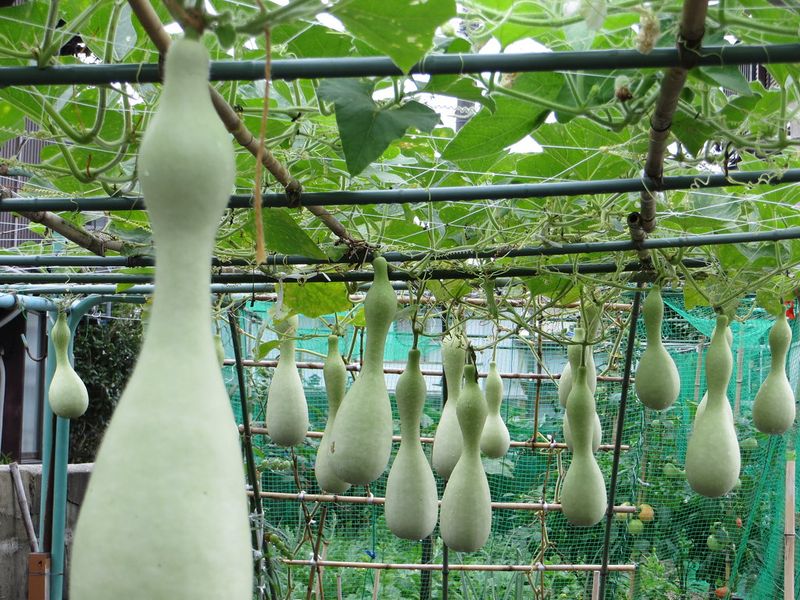
Gourds, with their myriad of shapes and uses, are delightful climbers. From ornamental varieties to those used in cooking, they offer diversity in a vertical garden.
Growing gourds vertically saves ground space and enhances the aesthetic appeal with their fascinating forms. Additionally, it helps in developing smoother and more uniform fruits.
Did you know? Gourds have been used for thousands of years as utensils, musical instruments, and decorative objects, showcasing their versatility beyond the garden.
8. Pumpkins
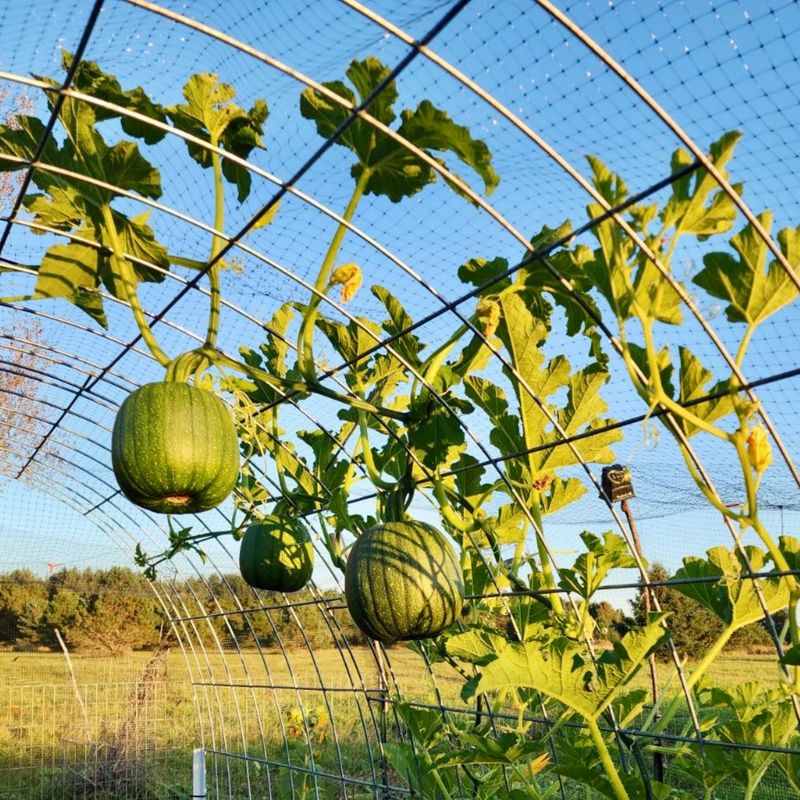
Pumpkins, typically known for sprawling across gardens, can also be trained to climb. This method is ideal for smaller varieties and can result in a charming vertical display.
By using supports like slings, gardeners can grow pumpkins vertically, saving valuable space. This technique also improves air circulation, reducing fungal diseases.
Fun fact: The tradition of carving pumpkins for Halloween originated from an Irish myth about “Stingy Jack” and was originally done with turnips or potatoes.
9. Winter Squash
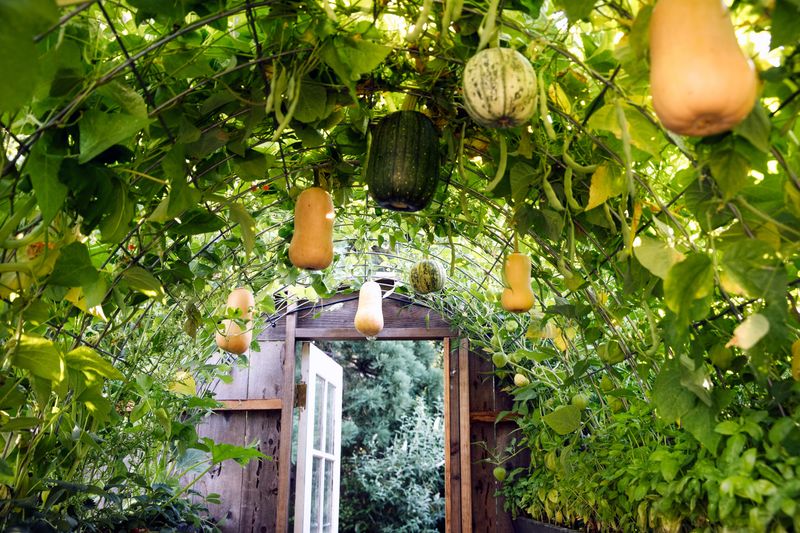
Winter squash, with its robust and nutritious fruits, thrives when grown vertically. This method encourages better air circulation and sun exposure, leading to healthier plants and productive harvests.
Supporting the vines requires strong structures, as the fruits can be quite heavy. Varieties like butternut and acorn squash are particularly well-suited for vertical growth.
Did you know? Winter squash can be stored for several months, providing a long-term food source through the winter months, hence their name.
10. Zucchini
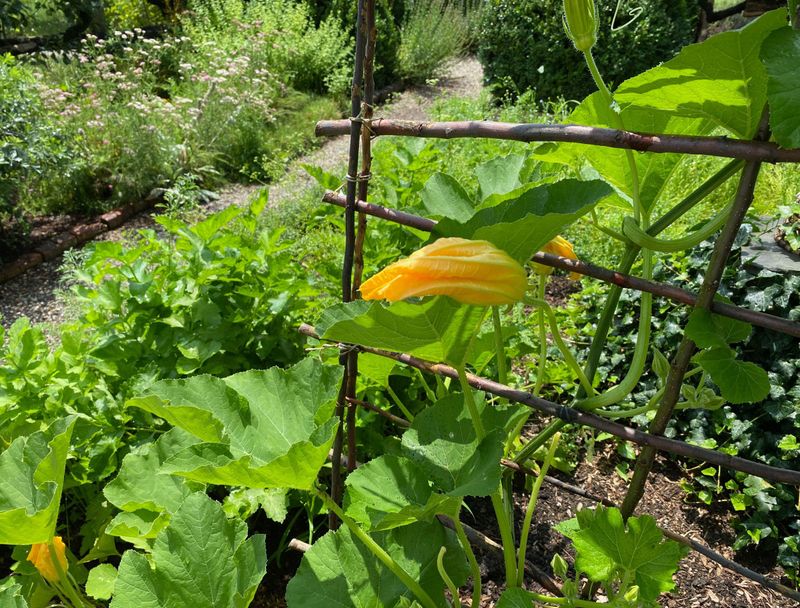
Zucchini, a prolific producer, can be grown vertically to save space and reduce plant diseases. This method keeps the fruits off the ground, preventing rot and making for easier harvesting.
With the addition of a sturdy trellis, zucchini plants can reach for the sky, yielding plentifully in a compact area. Their tender, versatile flavor makes them a kitchen favorite.
Fun fact: Zucchini flowers are edible and highly prized in culinary dishes such as stuffed blossoms or fritters.
11. Chayote
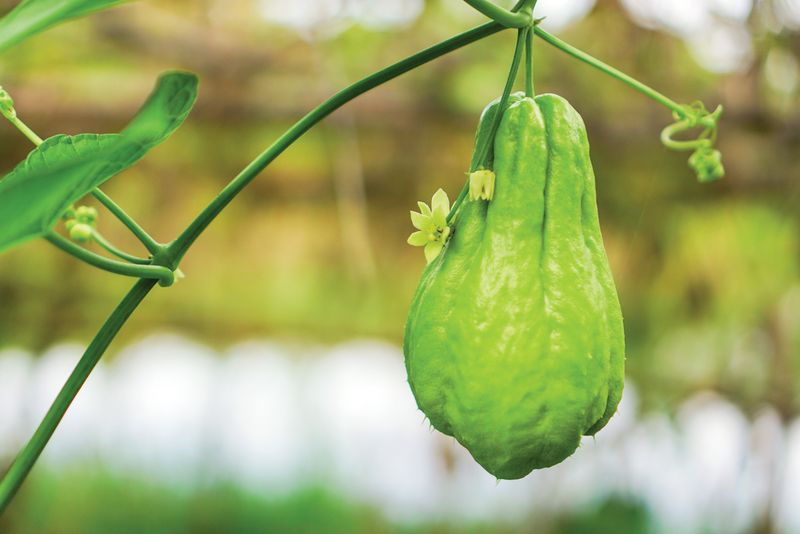
Chayote, a member of the gourd family, is a vigorous climber with a penchant for warm climates. Its pear-shaped fruits are versatile, used in salads, stews, and even desserts.
Training chayote to climb makes use of vertical space, allowing the vines to cascade beautifully over supports. This reduces ground rot and optimizes sun exposure.
Did you know? Chayote is native to Mexico and Central America and has been a staple food for indigenous peoples for centuries, known for its mild flavor and adaptability in dishes.
12. Yardlong Beans
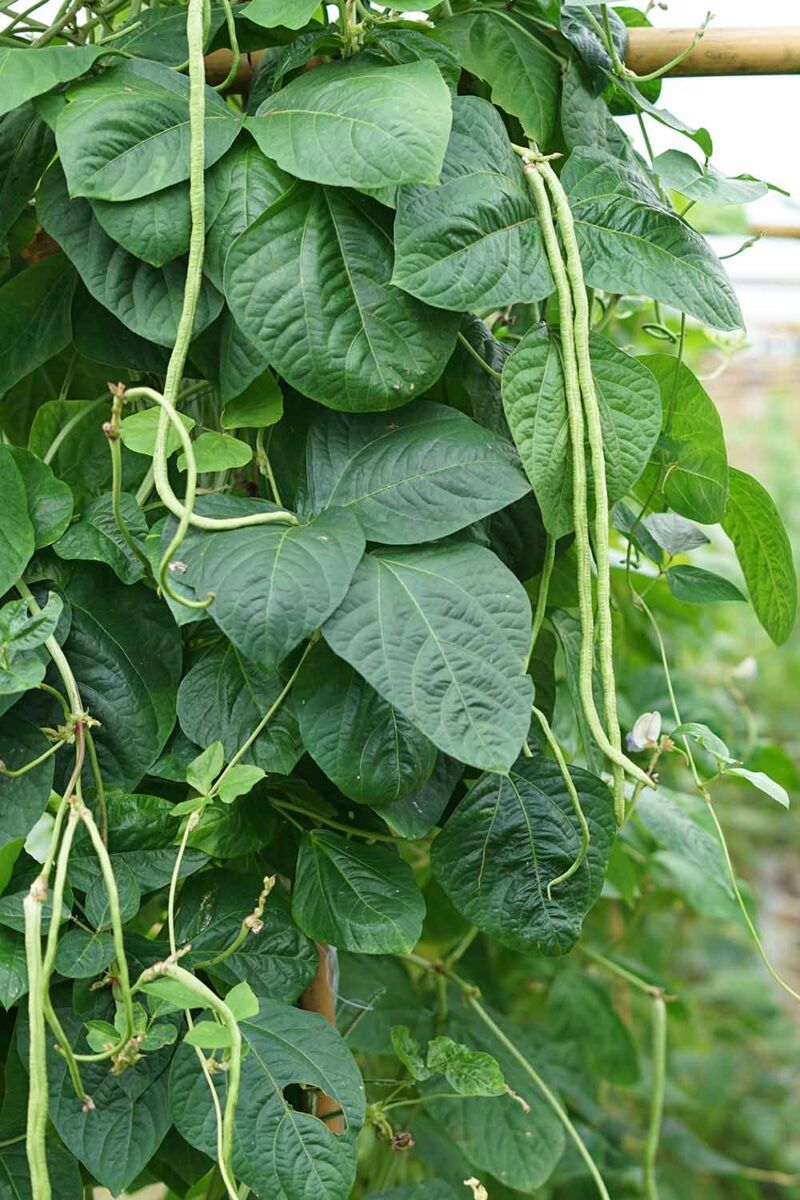
Yardlong beans, also known as asparagus beans, are renowned for their extremely long pods that can measure up to 3 feet! These beans excel in vertical gardening, as they naturally twine around supports.
Their remarkable length and tender texture make them a unique addition to stir-fries and salads. Growing them vertically enhances air circulation and ease of harvest.
A quirky fact: Yardlong beans are actually related to cowpeas, and despite their name, they typically harvest best at around 18 inches in length rather than a full yard.
13. Hyacinth Beans
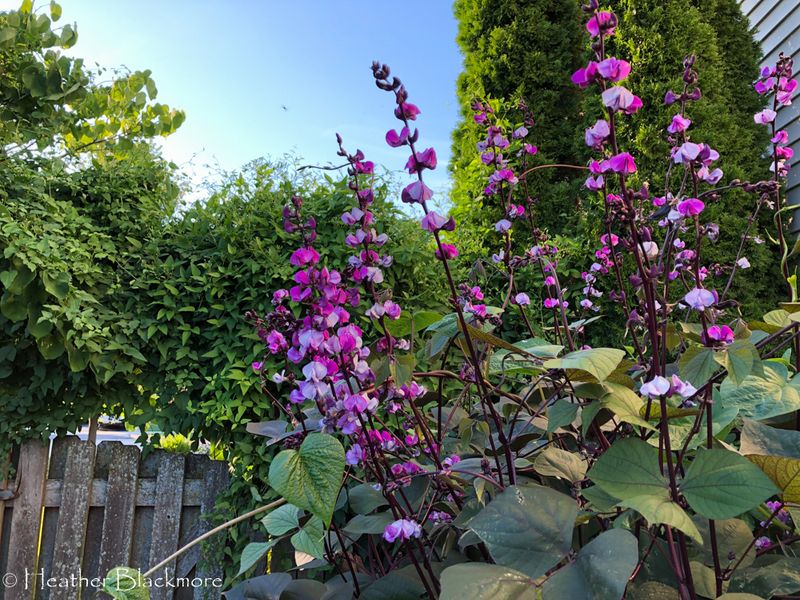
Hyacinth beans are not only admired for their climbing ability but also their ornamental value. With striking purple flowers and pods, they add a splash of color to any vertical garden.
While the young pods are edible, they require proper cooking to neutralize toxins. The mature seeds are often used in traditional medicines.
Fun fact: Hyacinth beans have been cultivated since ancient times, with remnants discovered in Egyptian tombs, showcasing their long-standing cultural significance.
14. Luffa Gourds
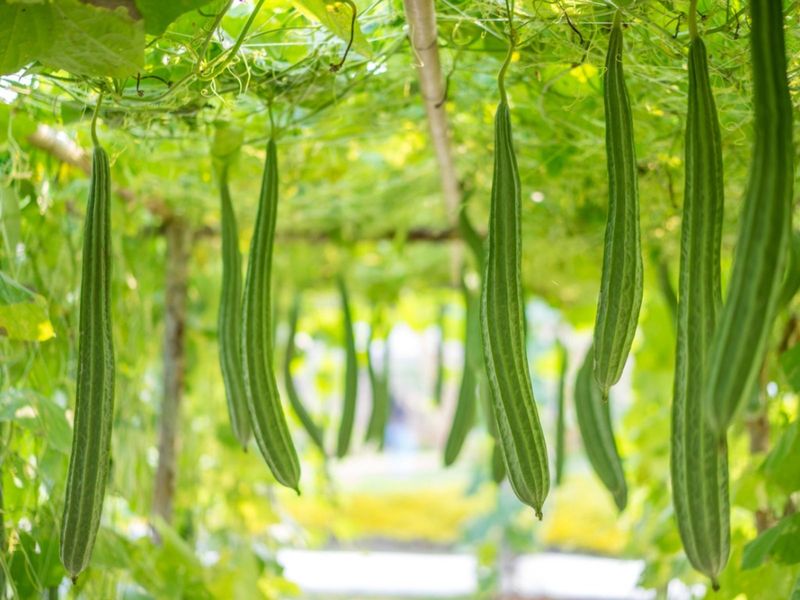
Luffa gourds, often known as “vegetable sponges,” are fascinating climbers. When the fruits mature and dry, they transform into natural sponges, a sustainable alternative to synthetic ones.
Growing luffa vertically ensures cleaner fruits and better air circulation. The young fruits can be eaten like zucchini when harvested early.
Did you know? Luffa sponges have been used for centuries in Asia for bathing and cleaning, long before synthetic sponges were developed.
15. Scarlet Runner Beans
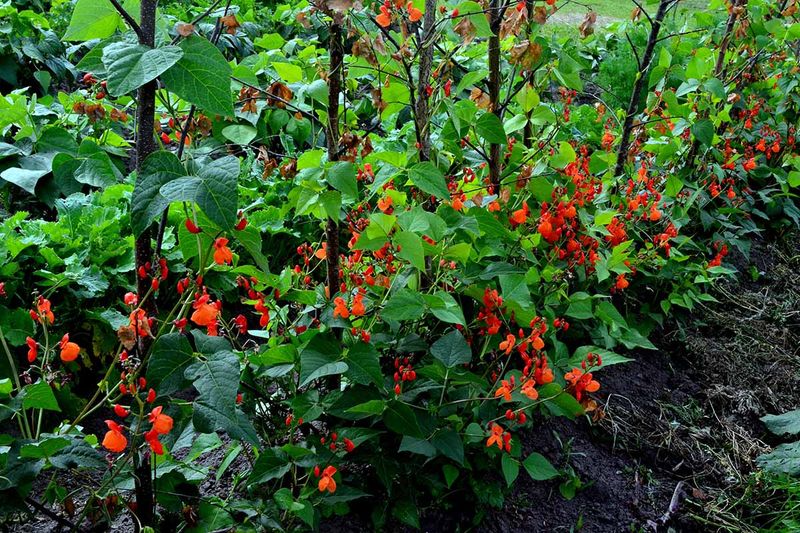
Scarlet runner beans are celebrated for their vibrant red flowers that attract pollinators. These vigorous climbers can cover trellises and arbors, creating a stunning display.
The beans are edible when young, and the roots are also consumed in some cultures. Vertical growth enhances visual appeal and simplifies harvesting.
A historical note: Scarlet runner beans were first cultivated by Native Americans and have been used both as an ornamental and food source since the 17th century.
16. Hops
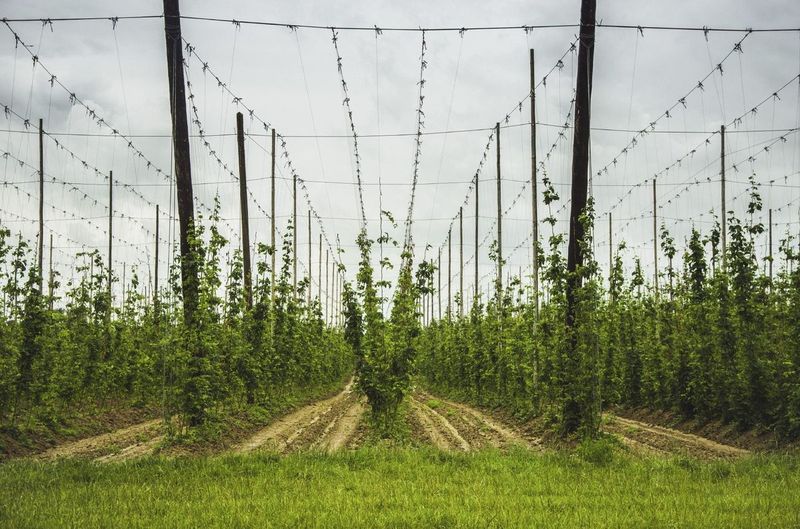
Hops are famous for their role in brewing beer, but they also make attractive climbing plants. Their cone-shaped flowers add texture to vertical gardens and provide a unique aromatic quality.
These perennials require tall supports, as they can grow up to 25 feet. Vertical growth ensures optimal sun exposure and reduces disease risk.
Fun fact: Hops have been used in brewing since the 9th century, and they are also known for their calming properties, occasionally found in herbal teas.
17. Kiwi Fruit
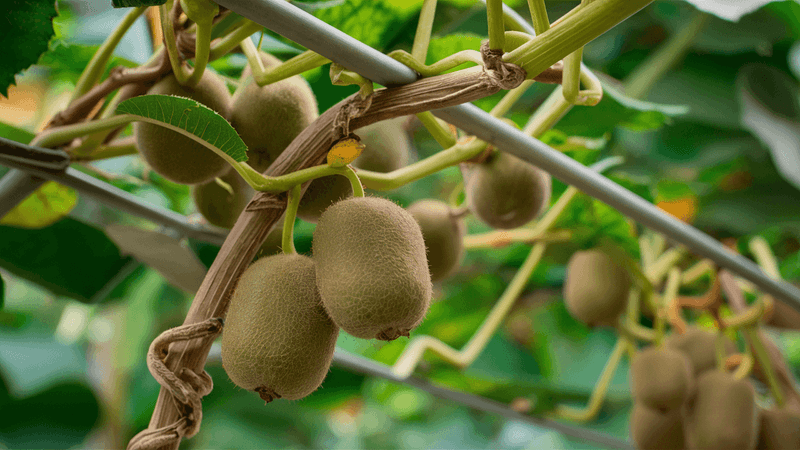
Kiwi fruit, with its sweet, tangy flavor, is a delightful addition to vertical gardens. These vigorous climbers can be trained over pergolas, creating a lush canopy.
Kiwi plants require both male and female plants for pollination. Vertical growth enhances fruit production and keeps the vines manageable.
Did you know? Kiwi fruits are native to China and were originally called “Chinese gooseberries” before being rebranded in New Zealand for export purposes.
18. Moringa
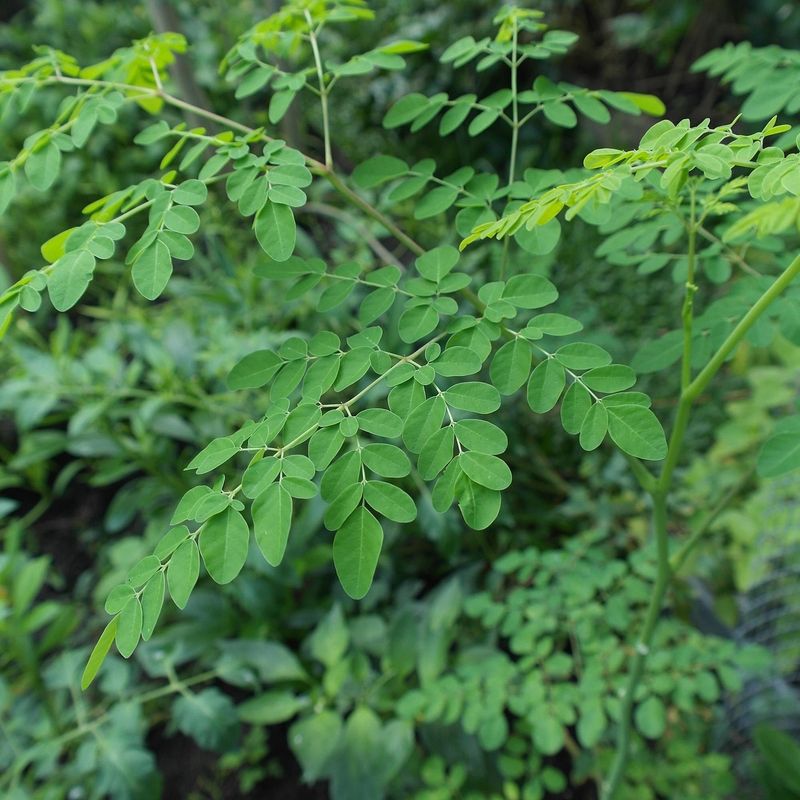
Moringa, often dubbed the “miracle tree,” is celebrated for its nutritious leaves and pods. As a climbing plant, it can be grown vertically, making it a suitable choice for small spaces.
The leaves are rich in vitamins and minerals, often used in teas and nutritional supplements. Vertical growth maximizes sunlight exposure.
A fascinating fact: Moringa is drought-resistant and can thrive in arid conditions, making it a vital food source in many developing countries.
19. Akebia
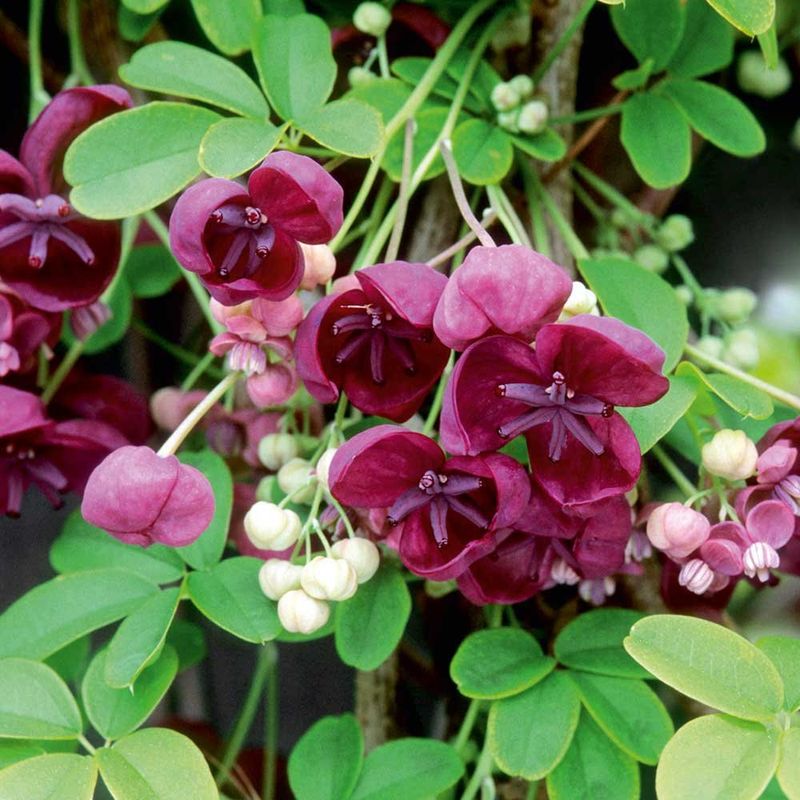
Akebia, also known as chocolate vine, combines beauty with utility. Its fragrant flowers and edible fruits make it a unique garden addition.
This vigorous climber requires sturdy support and is ideal for covering fences or walls. The fruit’s sweet flesh is enjoyed fresh or in desserts.
Did you know? Akebia is native to East Asia and has been used in traditional medicine for its potential health benefits.
20. Honeysuckle Gourds

Honeysuckle gourds, with their fragrant flowers and elongated fruits, offer both ornamental and culinary value. As climbers, they can transform vertical spaces into vibrant displays.
The young fruits are edible, while the mature fruits often serve as decorative pieces. Vertical growth aids in air circulation and fruit development.
Fun fact: In some cultures, honeysuckle gourds are used in folk remedies and traditional crafts, adding to their diverse applications.
21. Passionfruit
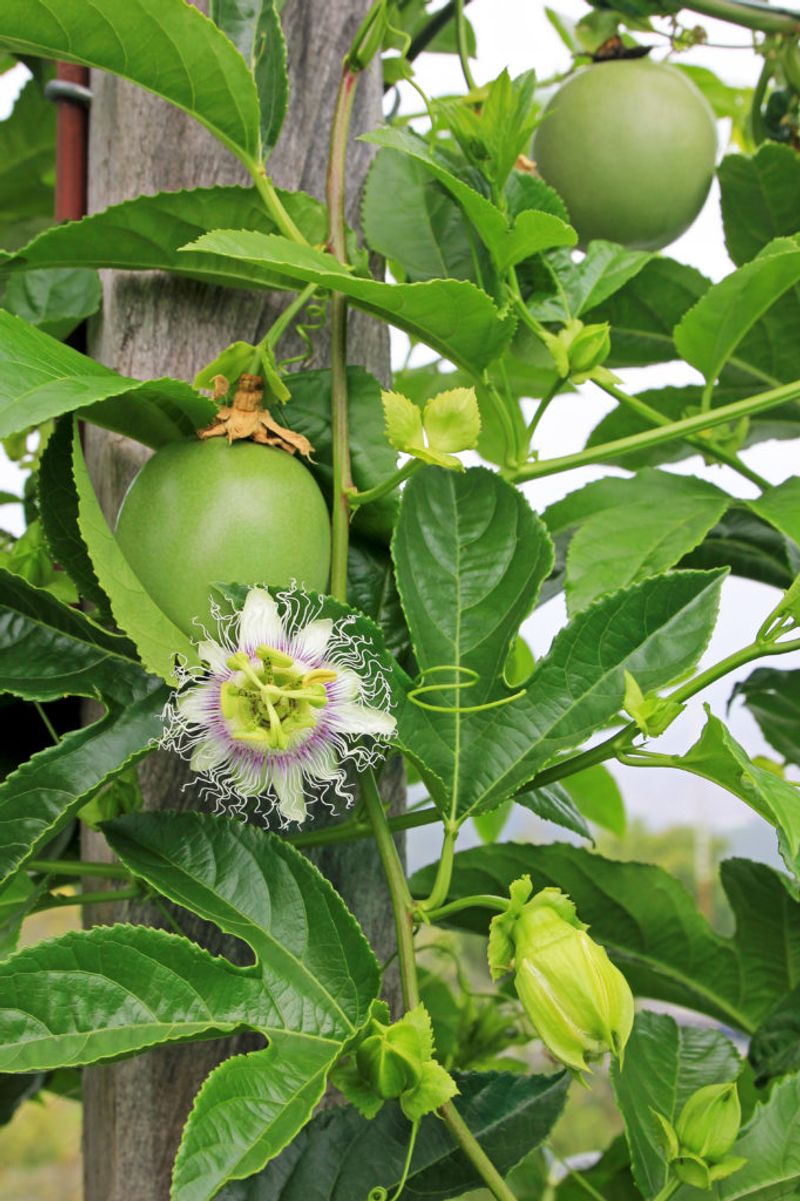
Passionfruit, known for its exotic flavor and aroma, is a showstopper in vertical gardens. The stunning flowers and round fruits elevate any garden aesthetic.
Vertical growth ensures that the vines are well-supported, leading to better fruit yield. The fruits are widely used in desserts and beverages worldwide.
Did you know? Passionfruit is native to South America, and its name stems from the Spanish missionaries who saw the flower’s unique structure as symbolic of the Passion of Christ.
22. Winged Beans
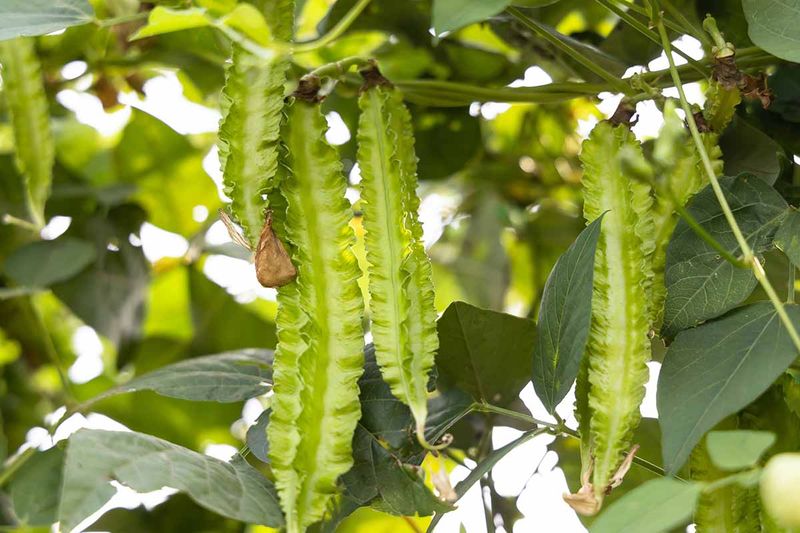
Winged beans, with their striking four-angled pods, add an exotic touch to any garden. Known for their rapid growth, these beans are perfect for gardeners eager to see quick results. They thrive in warm climates and can reach impressive heights, making them ideal for vertical gardening.
Their versatility extends beyond aesthetics. From roots to pods, every part of the plant is edible. Rich in protein and vitamins, winged beans are a nutritious addition to your diet. Their unique flavor and crunchy texture make them a favorite among culinary enthusiasts. Embrace the adventure and let winged beans soar in your garden!
23. Sweet Potato Vine
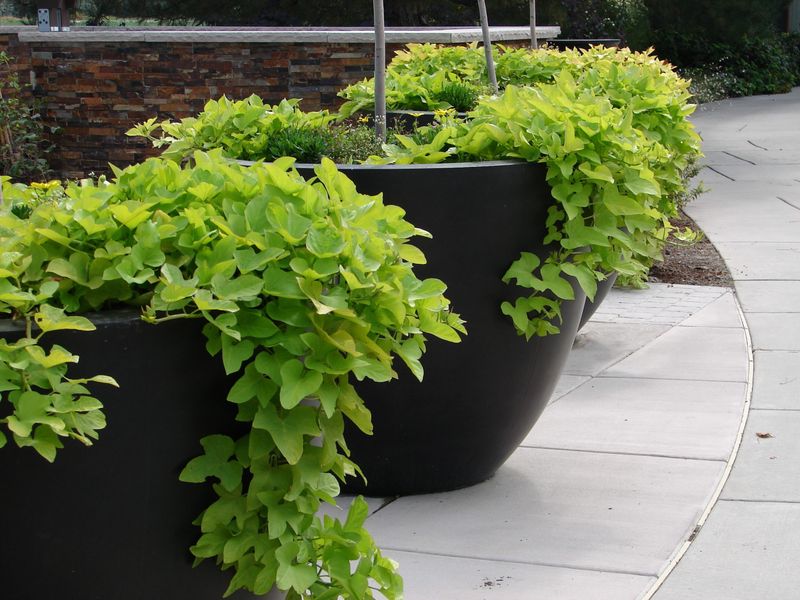
Sweet potato vines, often admired for their lush, ornamental leaves, are a gardener’s delight. Their heart-shaped foliage creates a stunning visual tapestry, weaving through garden spaces with ease. These vines aren’t just for show; they produce edible tubers, offering both beauty and bounty.
Adaptable to various conditions, sweet potato vines can thrive in containers or sprawling across vast garden plots. Their resilience and fast growth make them a favorite for those aiming to cover ground quickly. Discover the dual charm of sweet potato vines, and let your garden flourish with both color and cuisine.
24. Climbing Nasturtium
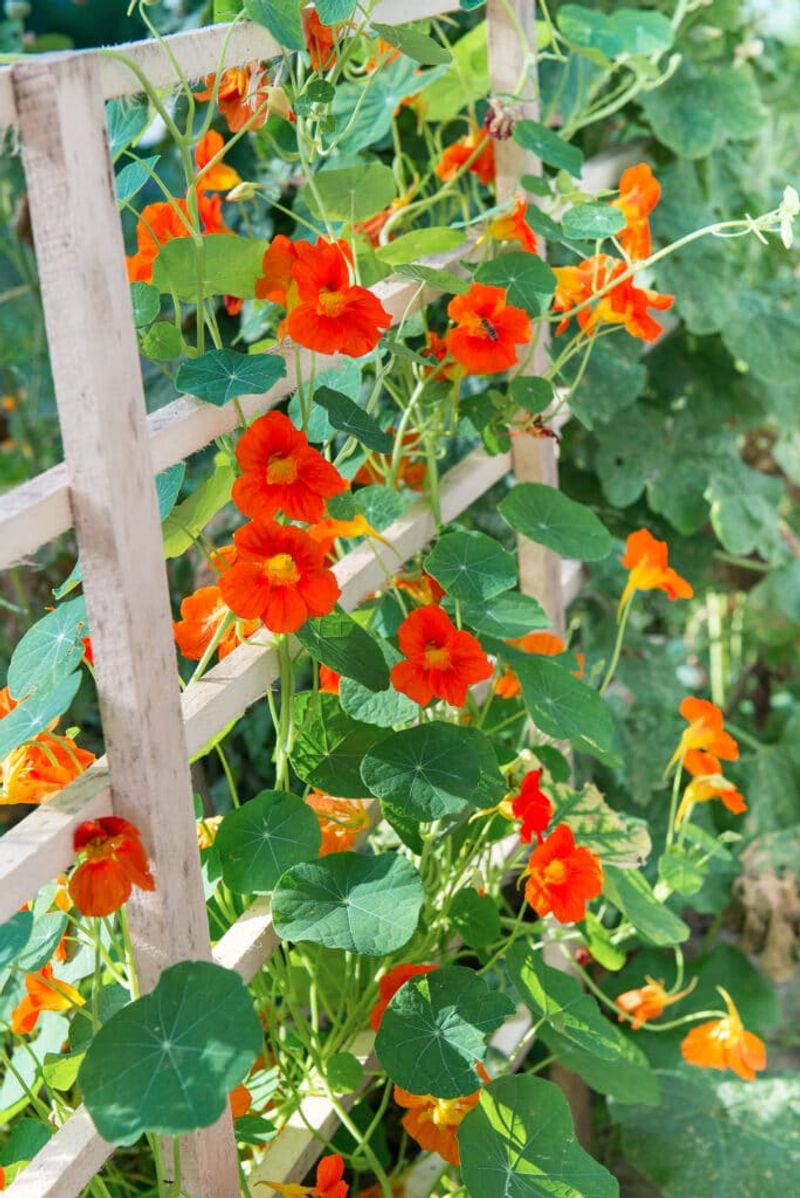
Climbing nasturtiums are more than just a pretty face in the garden. With their vivid red and orange blossoms, they add a burst of color and attract pollinators, enhancing the ecosystem. Known for their peppery-tasting leaves and seeds, nasturtiums offer a culinary twist, perfect for salads.
These hardy climbers require minimal care, thriving in poor soils where others may falter. Their sprawling nature allows them to cover fences, trellises, and walls with ease. Embrace the vibrant charm of climbing nasturtiums, and enjoy a garden that’s as delightful to the eyes as it is to the palate.
25. Hops Vine
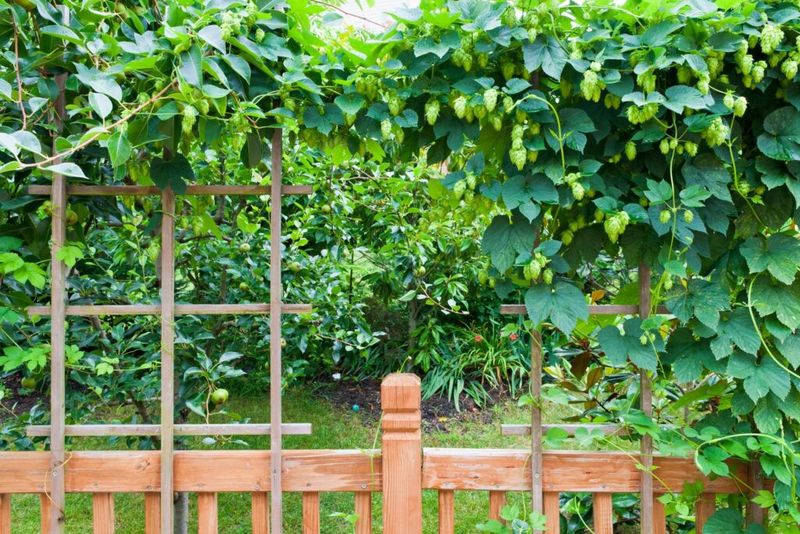
Hops vines, steeped in brewing tradition, are a staple for homebrewers and gardeners alike. These vigorous climbers can reach towering heights, providing a lush, green canopy. Known for their aromatic cones, hops are essential in crafting the perfect brew.
Beyond beer, hops vines offer a picturesque backdrop, transforming garden spaces into verdant retreats. Their rapid growth and hardy nature make them a reliable choice for covering structures. Whether for brewing or beauty, hops vines promise a garden filled with character and charm, inviting you to explore their ancient allure.