
Explore the often overlooked advantages of drought-tolerant shade perennials. These resilient plants not only survive challenging conditions but also bring unique benefits to your garden. Discover 19 perennials that thrive in dry shade, uncovering their secret perks that every gardener should know.
1. Hellebore
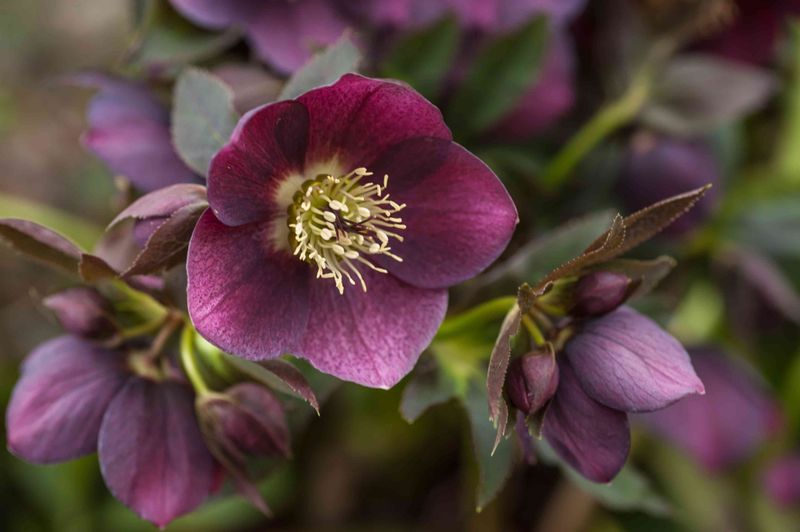
Hellebores, often called Lenten Roses, surprise gardeners with their early blooms, even in late winter. Their flowers boast intricate designs and a spectrum of colors, from deep purples to creamy whites.
Despite their delicate appearance, Hellebores are remarkably hardy. They thrive in shaded areas, offering color when most other plants remain dormant. Their evergreen foliage adds year-round interest to gardens.
A fun fact about Hellebores: They have been cultivated since ancient times for their medicinal properties, believed to ward off evil spirits.
2. Hosta
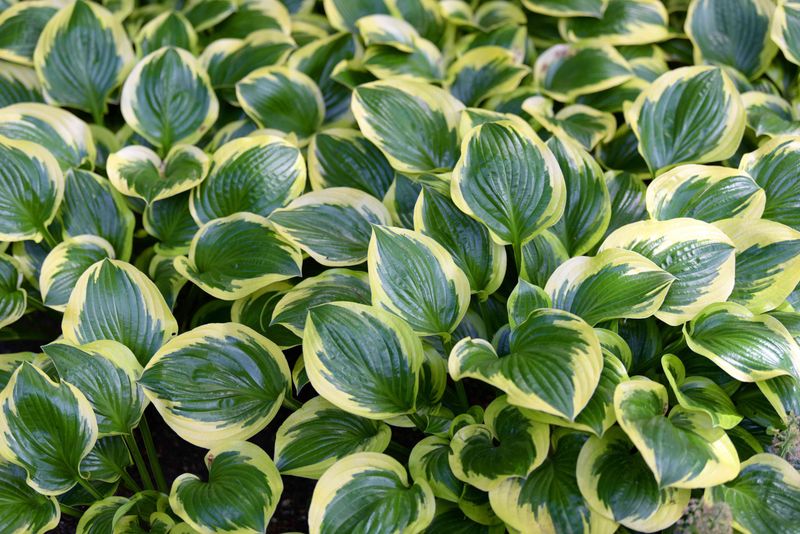
The lush leaves of Hostas are a staple in shade gardens, known for their wide variety of colors and patterns. Their foliage ranges from vibrant greens to striking blue hues.
Hostas are more than just foliage plants; they are champions of soil retention. Their dense roots help prevent erosion in shaded areas, making them environmentally beneficial.
Did you know that Hostas are edible? In some cultures, their young shoots are harvested as a vegetable delicacy.
3. Japanese Painted Fern
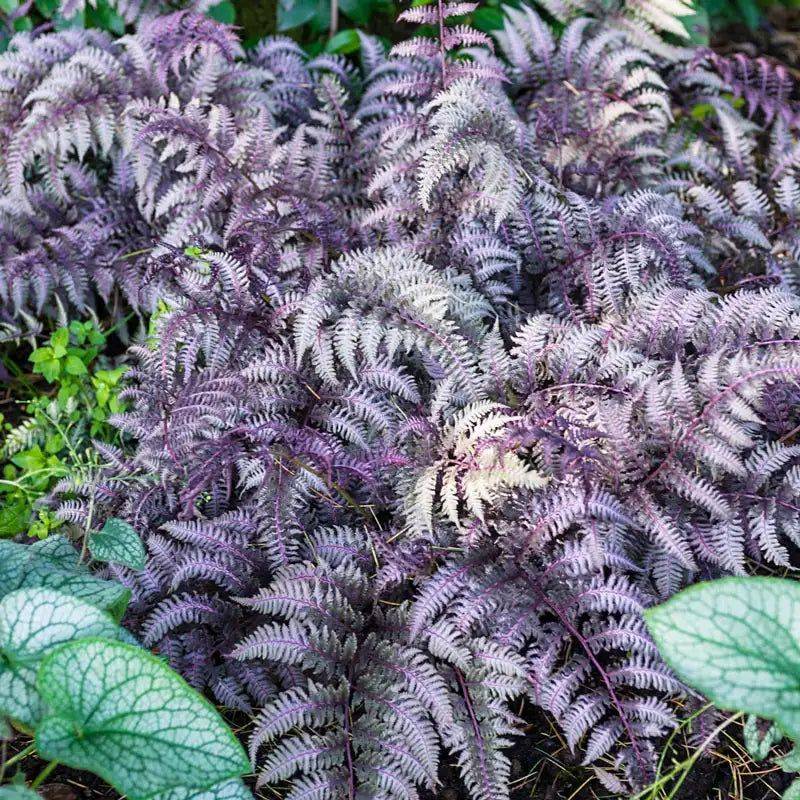
Japanese Painted Fern captivates with its metallic fronds that shimmer in the shade. The blend of silver, green, and purple on each frond creates a visual masterpiece.
These ferns not only beautify gardens but also improve air quality. They filter toxins and add humidity, creating a healthier garden environment.
Historically, ferns were among the first plants on earth, with fossils dating back over 360 million years.
4. Brunnera
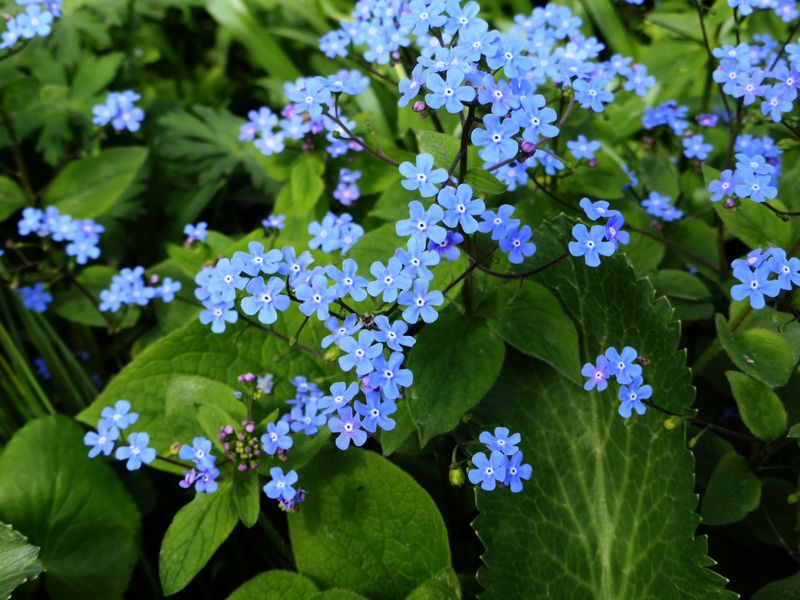
Brunnera, also known as Siberian Bugloss, enchants with its heart-shaped leaves and sky-blue flowers reminiscent of forget-me-nots. This perennial brightens shaded garden spots with its vibrant display.
Beyond its beauty, Brunnera’s hardy nature makes it an excellent ground cover, suppressing weed growth in challenging areas. It’s a plant with both form and function.
Brunnera is named after Swiss botanist Samuel Brunner, emphasizing its long history in plant cultivation.
5. Solomon’s Seal
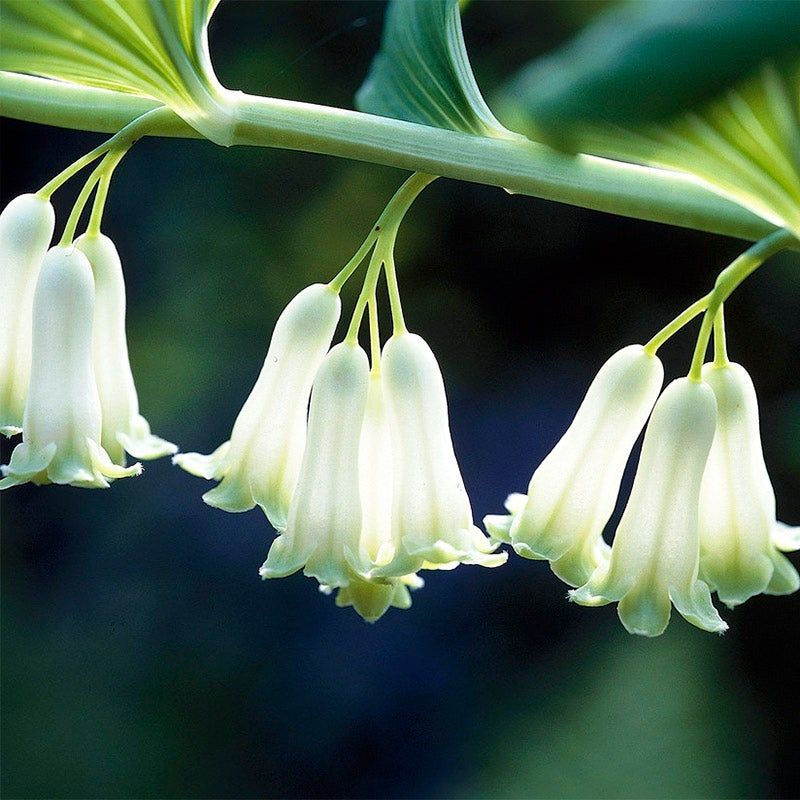
Solomon’s Seal graces gardens with its elegant arching stems and dangling white flowers. These perennials are perfect for adding height and movement to shaded spots.
Aside from their aesthetics, Solomon’s Seal is known for its medicinal uses, traditionally used to treat joint pain and inflammation. It’s a plant with a legacy of healing.
In folklore, Solomon’s Seal was believed to have protective powers, a testament to its revered status in history.
6. Astilbe
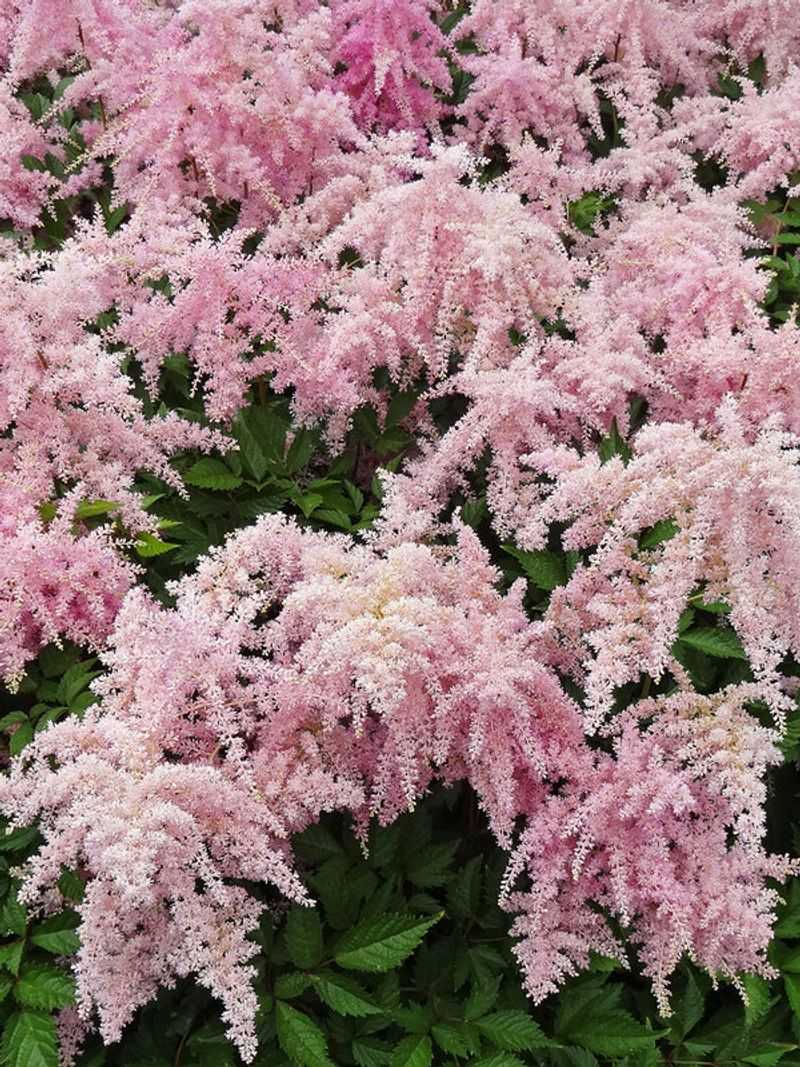
Astilbe, with its feathery plumes, adds a soft texture to shaded gardens. These plants come in a range of colors, including pinks, reds, and whites.
These perennials are not just about looks; they attract pollinators like bees and butterflies, enhancing garden biodiversity. Their presence supports a thriving ecosystem.
Astilbe’s ability to tolerate clay soil makes it a valuable addition to gardens with challenging ground conditions.
7. Epimedium
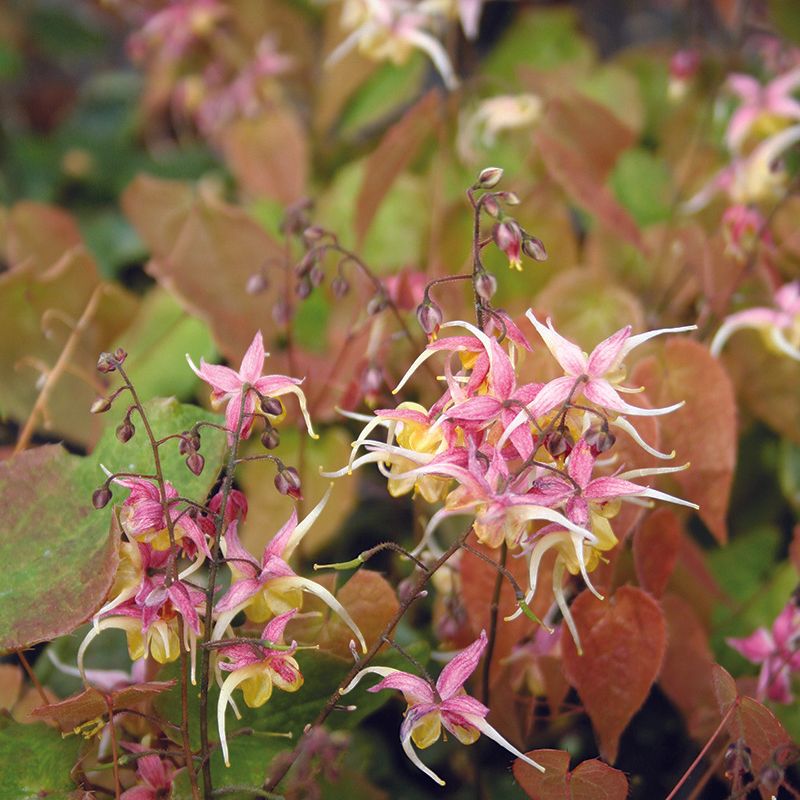
Epimedium, often called Barrenwort, is celebrated for its delicate, spurred flowers and striking foliage. Its leaves shift from green to shades of red and bronze as seasons change.
This perennial excels in dry shade, thriving where other plants often struggle. It’s a resilient choice that brings beauty to difficult garden areas.
Epimedium is sometimes referred to as ‘fairy wings,’ reflecting its whimsical appearance and enduring charm.
8. Heuchera
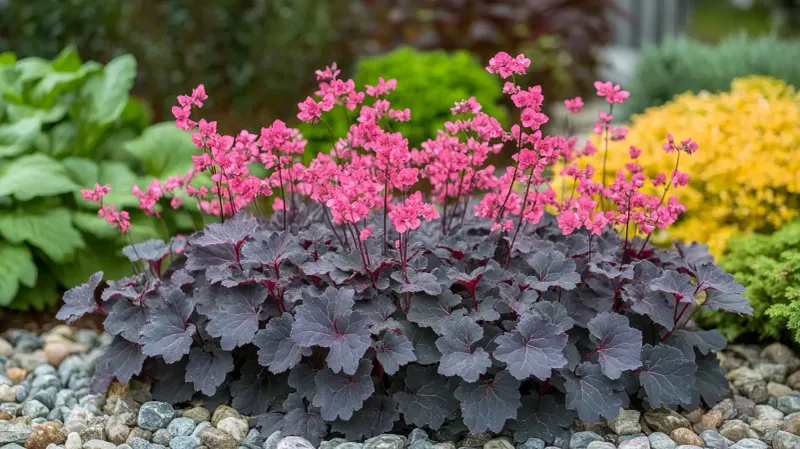
Heuchera, or Coral Bells, is beloved for its vibrant, ruffled foliage. These plants come in an array of colors, from deep purples to lime greens.
Beyond their visual appeal, Heucheras are drought-tolerant and provide ground cover, reducing soil erosion. Their addition to gardens is both practical and ornamental.
Did you know Heuchera is named after German physician Johann Heinrich von Heucher? Their historical significance is as rich as their colors.
9. Pulmonaria
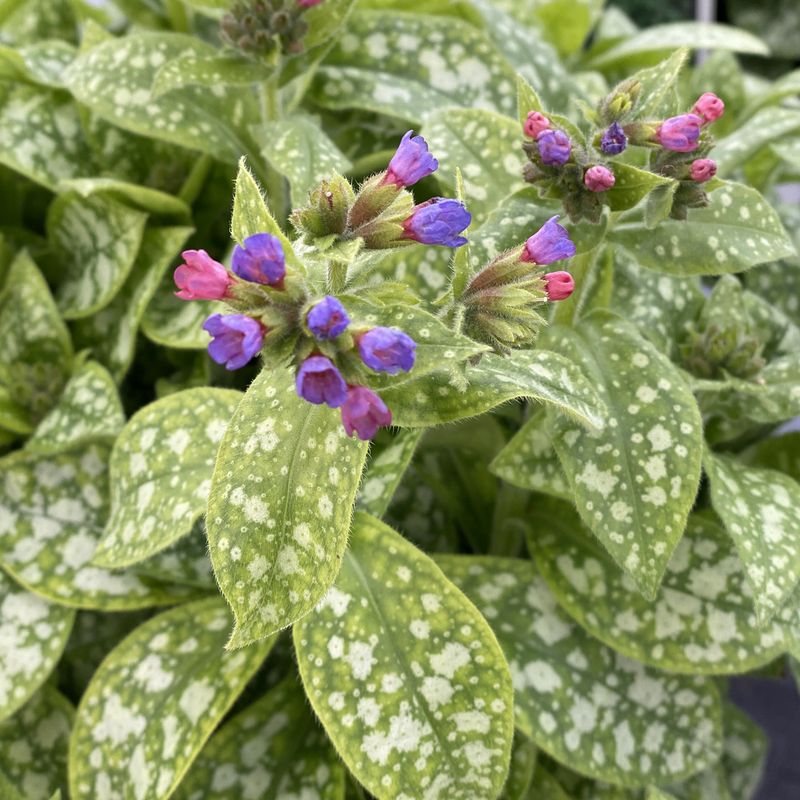
Pulmonaria, or Lungwort, intrigues with its spotted leaves and clusters of pink and blue flowers. This plant’s unique coloration changes as the flowers age.
Pulmonaria is valued for its early spring blooms, providing nectar for bees emerging from hibernation. Its presence in gardens supports early-season pollinators.
Historically, Pulmonaria leaves were used to treat respiratory ailments, reflecting its name and medicinal heritage.
10. Lungwort
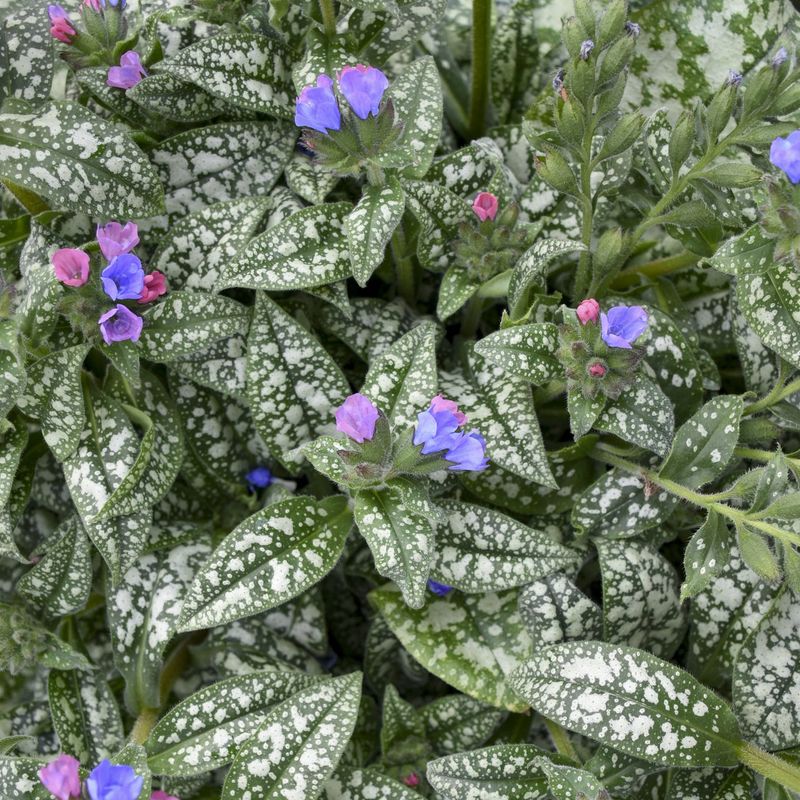
Lungwort stands out with its distinctive spotted leaves and a mix of pink and blue blooms. This plant is a harbinger of spring, with flowers that change color over time.
Apart from its aesthetic appeal, Lungwort offers ecological benefits by attracting bees and other pollinators. Its early blooms are crucial for insects emerging after winter.
The name Lungwort originates from its historical use in treating lung diseases, a testament to its medicinal past.
11. Tiarella
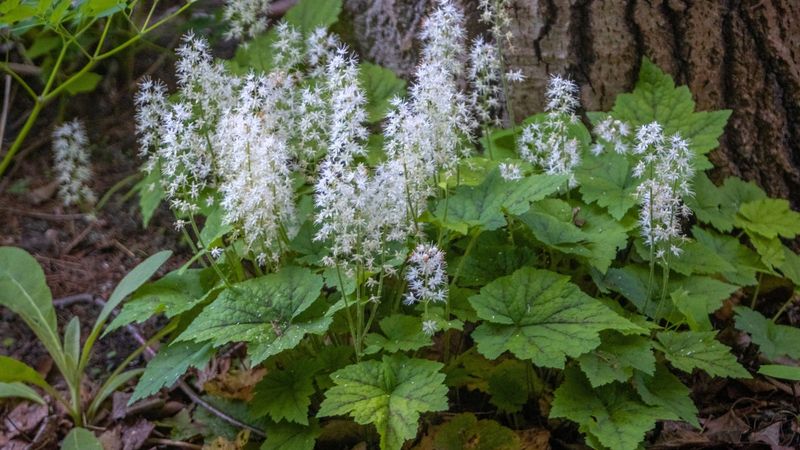
Tiarella, or Foamflower, enchants with its white, star-shaped flowers that float above lobed leaves. This plant adds a delicate, frothy texture to shaded areas.
Tiarella is not just about appearance; it thrives in woodland settings, acting as a natural ground cover. Its roots help bind soil, preventing erosion.
The name Tiarella comes from the word ‘tiara,’ reflecting the plant’s crown-like floral display that captivates all who see it.
12. Liriope
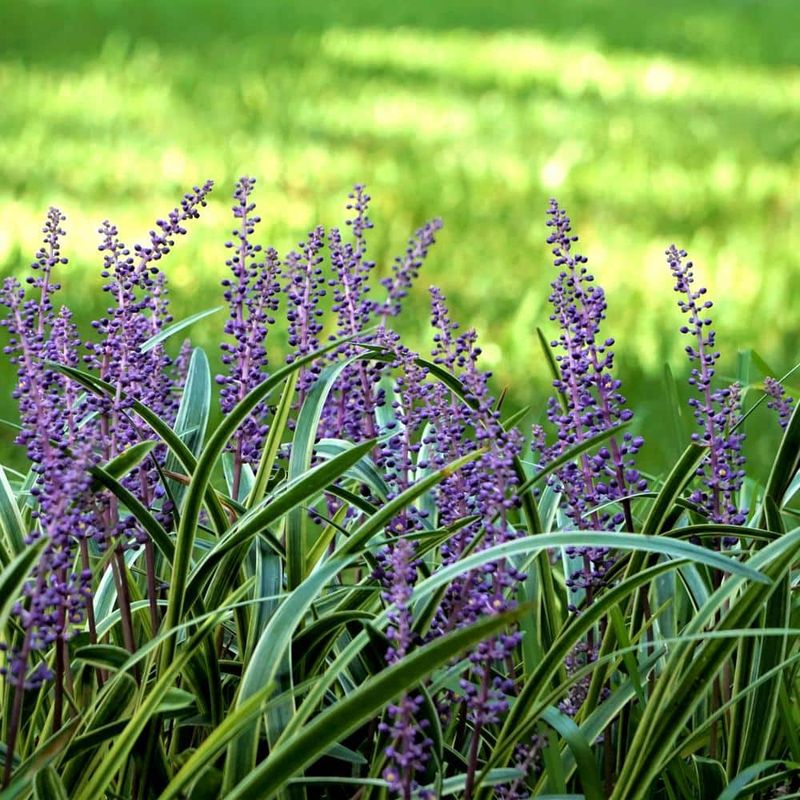
Liriope, sometimes called Lilyturf, is known for its grass-like leaves and spikes of purple flowers. This plant adds vertical interest to garden borders.
Liriope is drought-tolerant and resilient, often used for edging walkways and controlling erosion. Its robust nature makes it a garden staple.
Did you know that Liriope is native to East Asia and has been used in traditional medicine for centuries? Its cultural and historical significance is profound.
13. Bleeding Heart
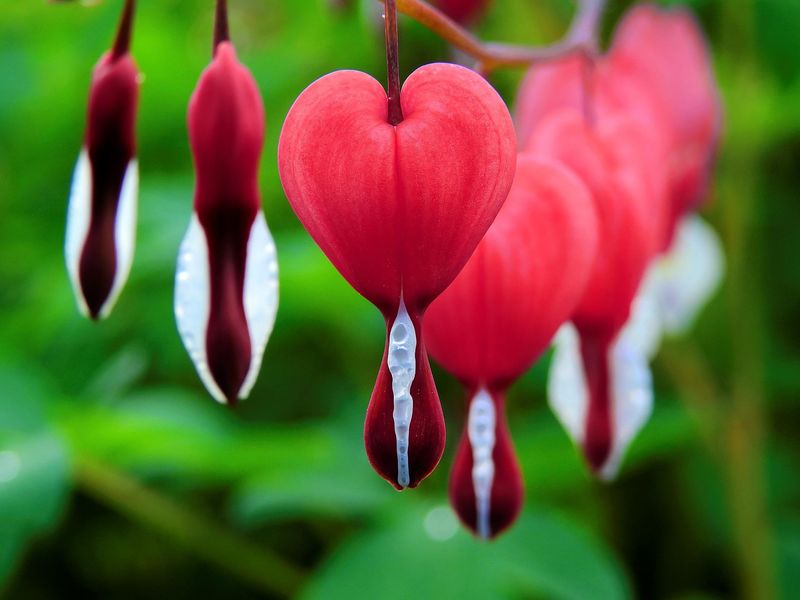
Bleeding Heart captivates with its arching stems and heart-shaped pink flowers. This plant brings a touch of romance to shaded gardens.
Beyond its beauty, Bleeding Heart is easy to grow and requires minimal care, making it perfect for novice gardeners. Its presence is both soothing and rewarding.
In Victorian times, Bleeding Heart was a symbol of undying love, its flowers often used in romantic bouquets.
14. Trillium
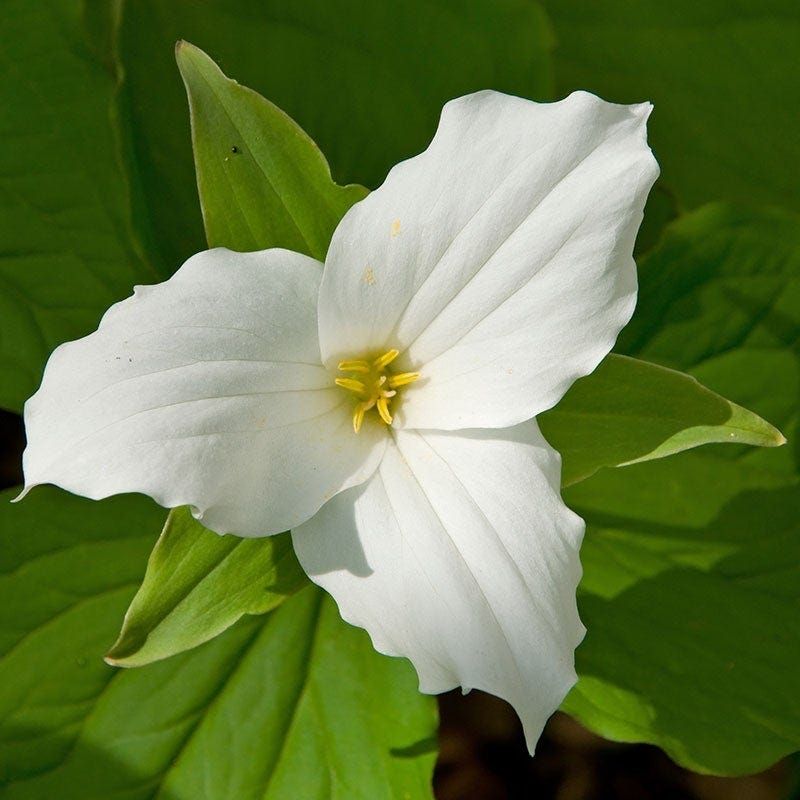
Trillium, with its distinctive three-petaled flowers, is a true woodland gem. These plants add elegance and a sense of wild beauty to shaded areas.
Trilliums are more than just ornamental; they play a role in native ecosystems, supporting forest floor biodiversity. Their presence indicates a healthy environment.
The name Trillium refers to its three-part symmetry, a defining characteristic that has fascinated botanists for generations.
15. Toad Lily
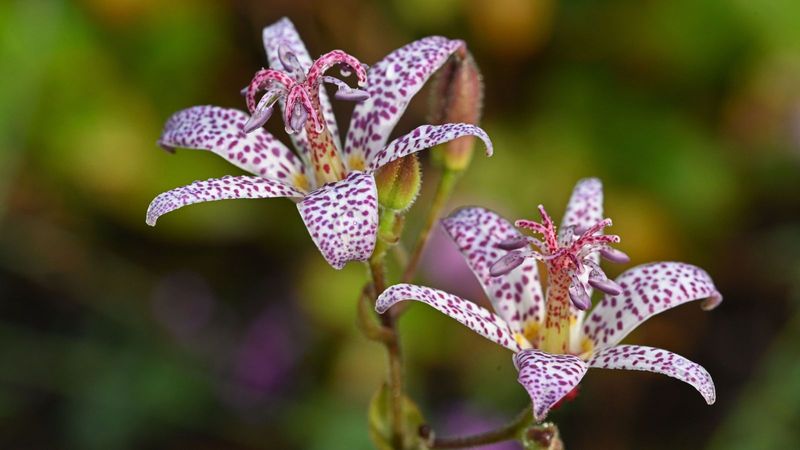
Toad Lily surprises with its exotic, orchid-like flowers that bloom in late summer to fall. These perennials are the perfect addition to shaded, moist garden areas.
Beyond their unique appearance, Toad Lilies are easy to cultivate and adapt well to various soil types. Their blooms provide color when most other plants have faded.
The name ‘Toad Lily’ is believed to come from the spots on the flowers, reminiscent of a toad’s skin, highlighting its peculiar charm.
16. Foamflower
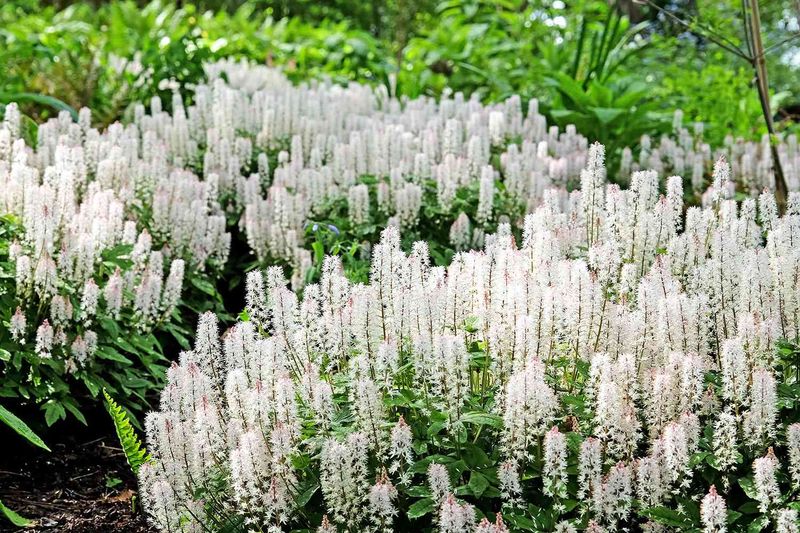
Foamflower, or Tiarella, is recognized for its frothy clusters of white flowers that dance above its deeply lobed leaves. This plant adds a light and airy feel to shaded gardens.
Foamflower acts as a natural carpet in woodlands, controlling erosion and providing habitat for small creatures. Its presence enriches the garden’s ecosystem.
The name Foamflower describes its bloom’s appearance, resembling sea foam, a fitting descriptor for such a delicate plant.
17. Virginia Bluebells
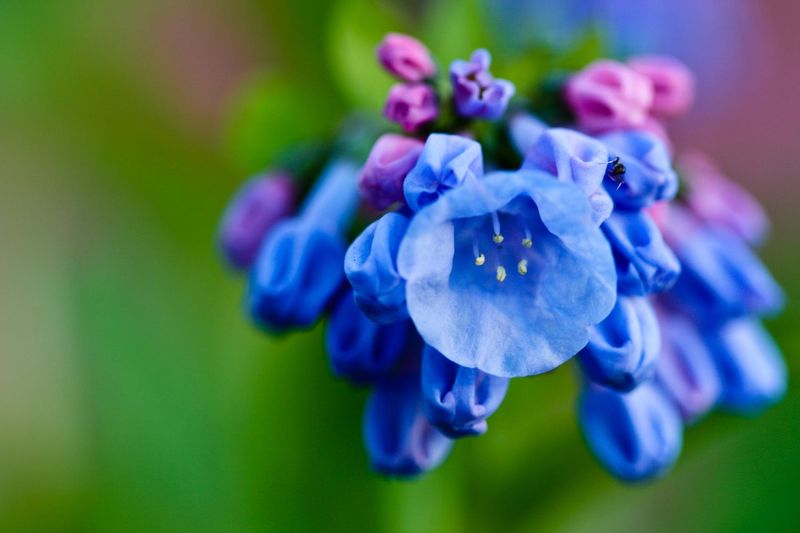
Virginia Bluebells, with their clusters of blue flowers, create a stunning display in spring. These perennials are beloved for their vibrant color and trumpet-shaped blooms.
Virginia Bluebells are ephemeral, meaning they complete their life cycle quickly. Their presence is a fleeting but beautiful spectacle in gardens.
Did you know that Virginia Bluebells are native to North America and play a vital role in supporting native pollinators? Their ecological importance is profound.
18. Barrenwort
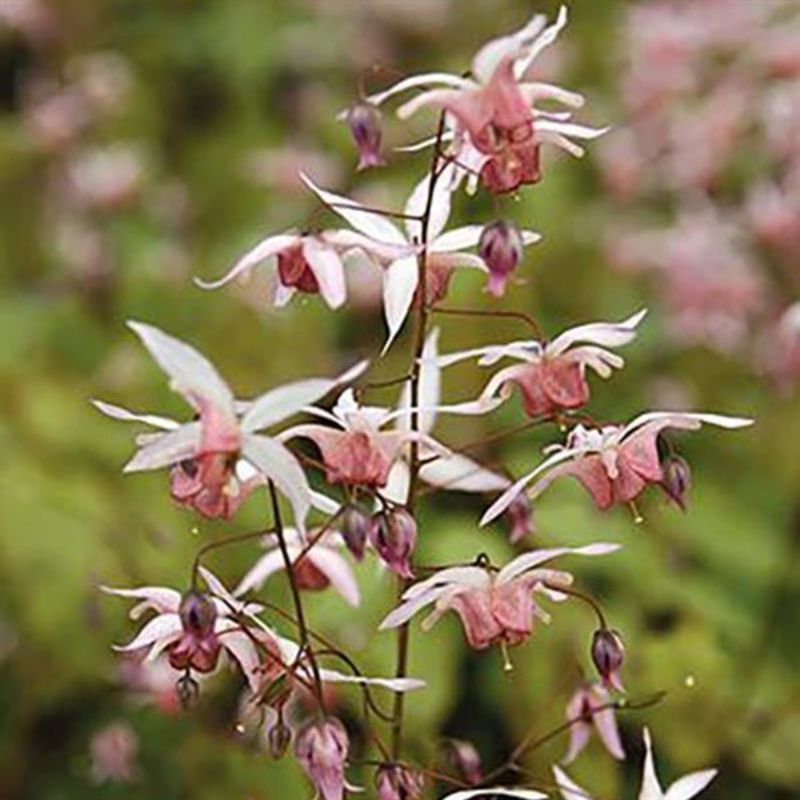
Barrenwort, or Epimedium, is valued for its delicate flowers and heart-shaped leaves. This plant thrives in dry, shaded garden areas where others may falter.
Barrenwort is known for its resilience and adaptability, making it a practical choice for challenging environments. Its foliage adds texture and depth to gardens.
In folklore, Barrenwort was believed to enhance fertility, a testament to its longstanding place in human culture and herbal lore.
19. Lady’s Mantle
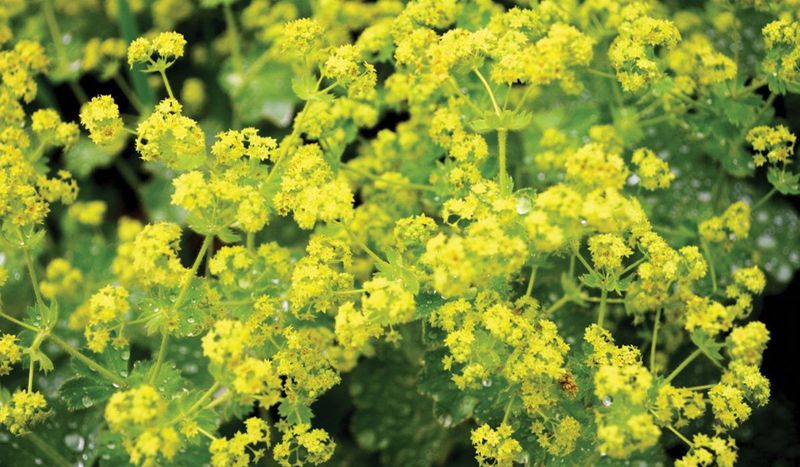
Lady’s Mantle is adored for its soft, scalloped leaves that catch dewdrops like jewels. Its clusters of yellow-green flowers add subtle beauty to shaded gardens.
This perennial is not just ornamental; it has been used medicinally for centuries, particularly in women’s health. Its historical uses are as rich as its appearance.
The name Lady’s Mantle reflects its protective and nurturing qualities, a tribute to its role in both gardens and herbal medicine.