
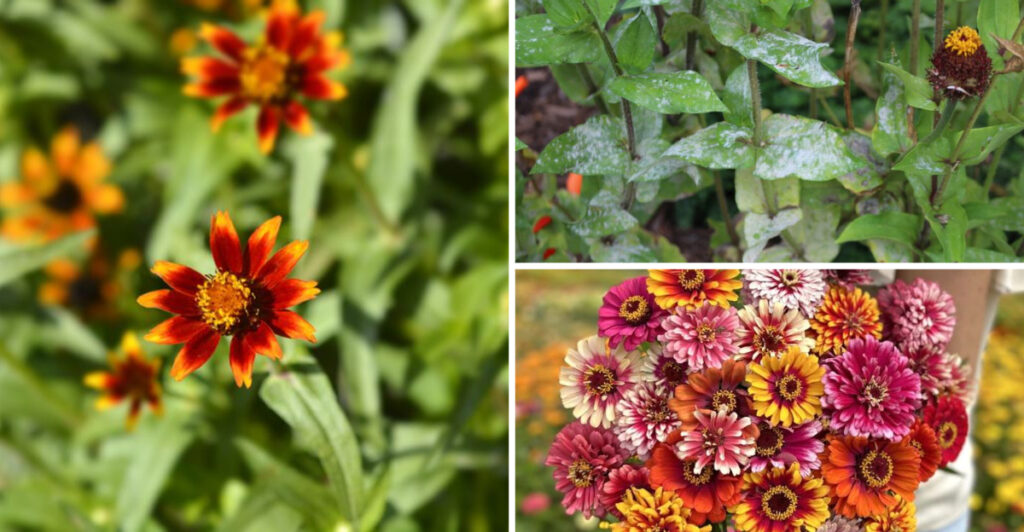
Zinnias are a beloved choice for many gardeners, celebrated for their vibrant colors and easy maintenance. However, there are hidden aspects of zinnia care that even the most seasoned gardeners might not know. Below are seven secret facts about zinnia care that might surprise you.
Water Wisely
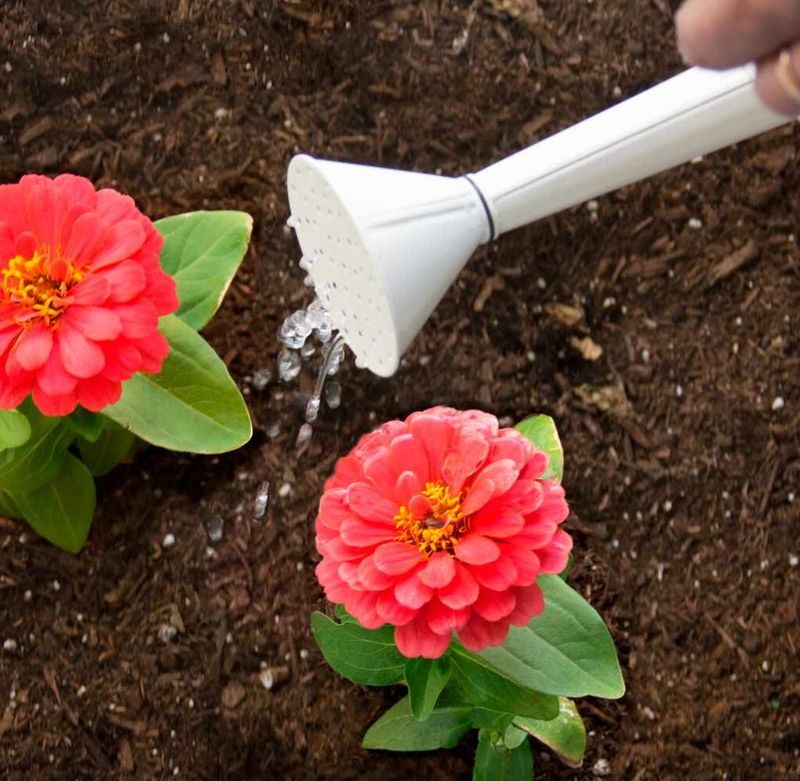
Watering zinnias might seem straightforward, but there is an art to it. Morning is the best time to water them, as it allows leaves to dry throughout the day, reducing fungal risks. Be careful not to over-water; they prefer the soil to dry out slightly between waterings.
Consistent moisture is important, but soggy soil can lead to root rot. To achieve this balance, consider using a soaker hose or drip irrigation system. These methods provide deep watering without wetting the foliage, promoting overall plant health.
Did you know? Zinnias are native to arid regions, which explains their drought tolerance. However, during blooming periods, they appreciate extra hydration to support their vibrant flowers.
Deadheading for Prolific Blooms
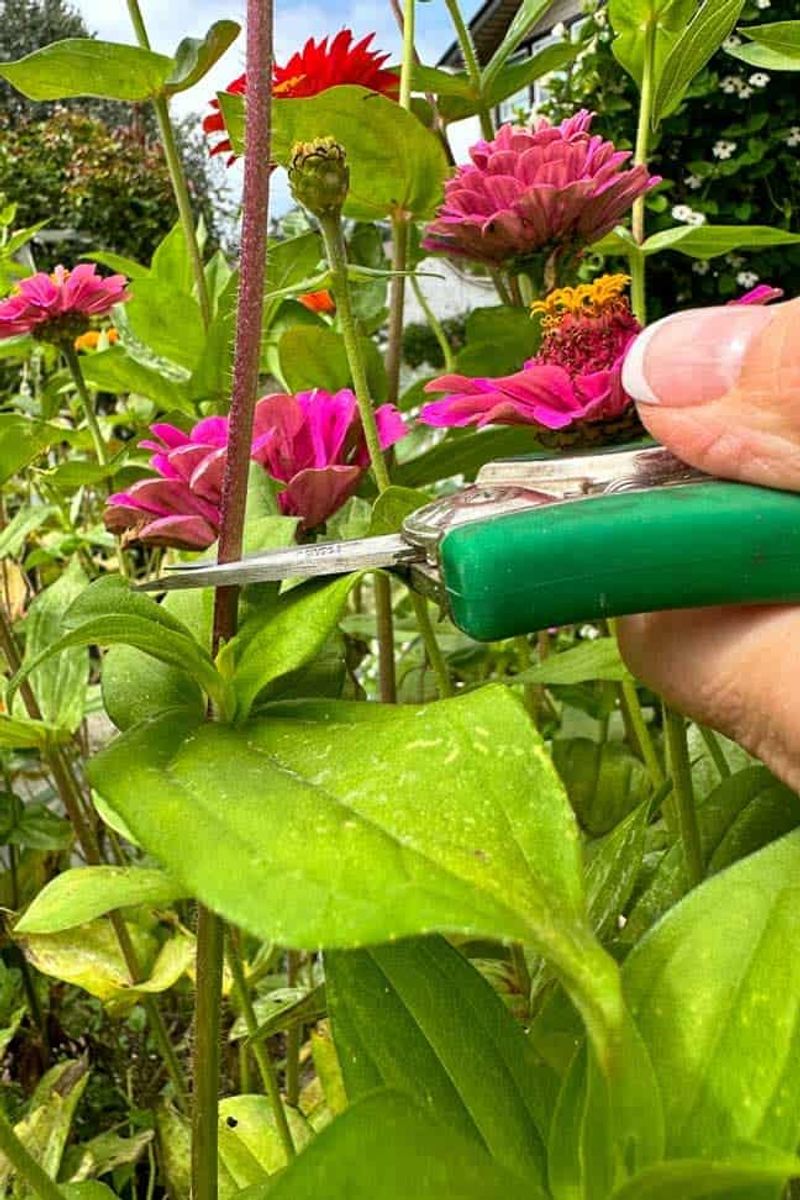
Deadheading is a crucial practice for zinnias, encouraging them to produce more flowers. By removing spent blooms, you stimulate the plant to direct its energy towards new growth. This simple act can significantly increase blooming time and flower production.
Use clean, sharp scissors or pruners to snip off the faded flowers just above a set of leaves. This prevents diseases from spreading and keeps your zinnias looking fresh and lively.
Interestingly, deadheading is akin to giving zinnias a haircut. It not only improves their appearance but also helps them stay vigorous throughout the growing season.
Companion Planting Benefits
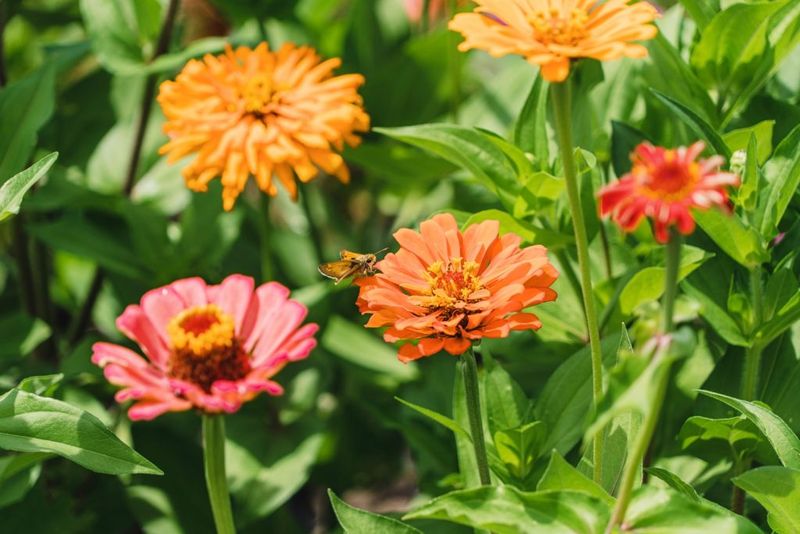
Pairing zinnias with the right companions can enhance their growth and deter pests. Zinnias attract pollinators like bees and butterflies, which can benefit nearby vegetables and herbs.
Consider planting zinnias next to crops like tomatoes, cucumbers, or basil. They not only add a splash of color but can also help reduce pest issues naturally, as they attract beneficial insects that prey on garden pests.
Did you know? Thomas Jefferson was an early American advocate of companion planting, noting its benefits in his gardens at Monticello.
Secrets of Soil Preferences
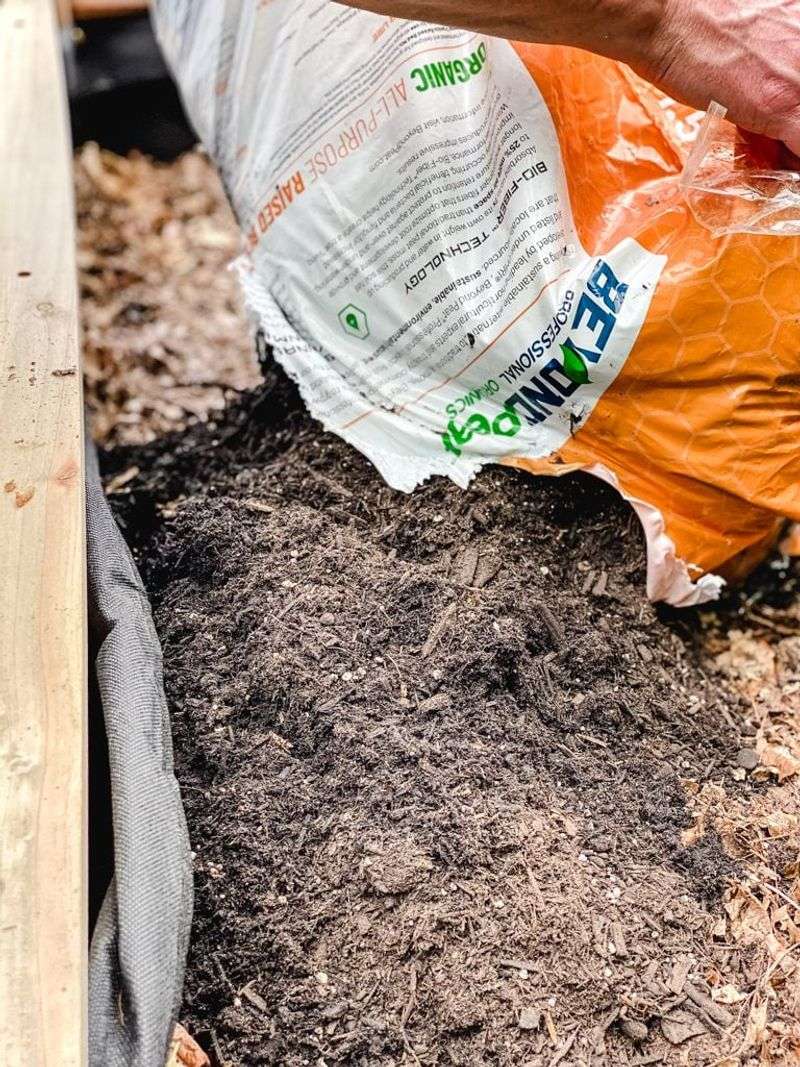
Zinnias thrive in well-drained soil with a neutral to slightly acidic pH. Testing and amending your garden soil can make a significant difference in their health and bloom quality.
Incorporating organic matter such as compost or well-rotted manure improves soil structure and fertility. This enhances drainage and provides essential nutrients that zinnias crave. Avoid heavy clay soils, as they can retain too much moisture and hinder growth.
Fun fact: Zinnias are often grown in Mexico’s desert regions, where they flourish in sandy, well-drained soils.
The Role of Sunlight
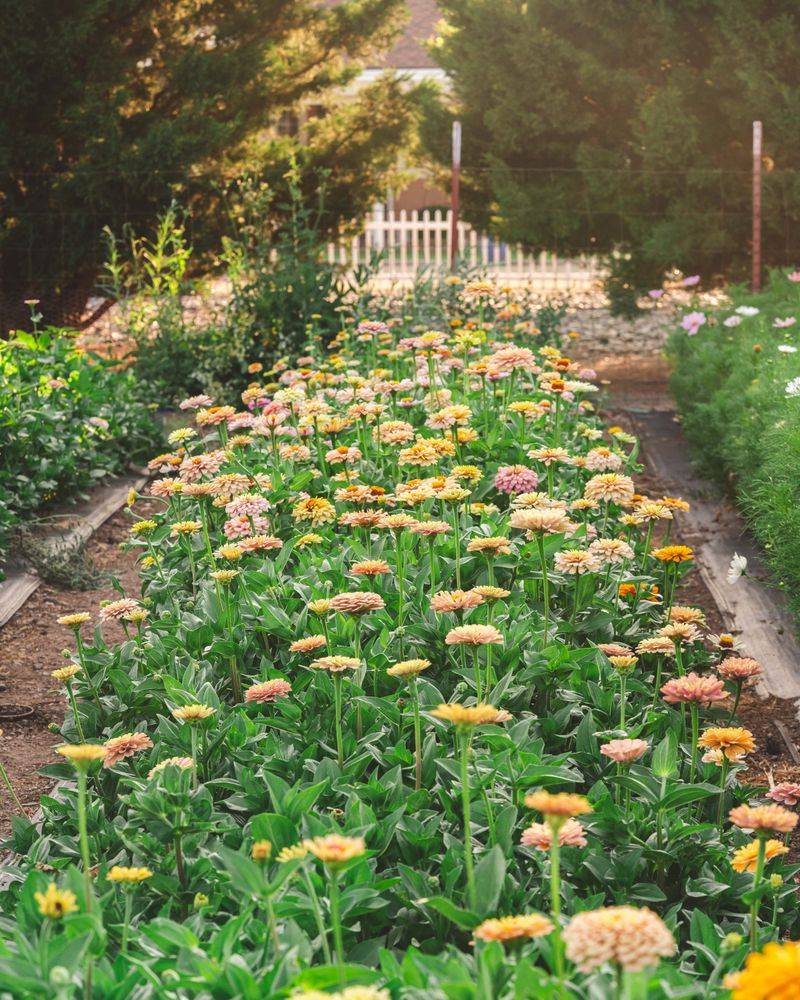
Sunlight is a key factor in zinnia care, as they require full sun to reach their full potential. Ideally, they should receive at least 6 to 8 hours of direct sunlight daily.
Lack of sunlight can lead to leggy plants with fewer blooms. Therefore, selecting a garden spot with ample sun exposure is crucial. Consider the sun’s path across your garden to ensure optimal placement.
Did you know? The sun-loving nature of zinnias is why they are often found thriving in open fields and meadows.
Fighting Fungal Foes
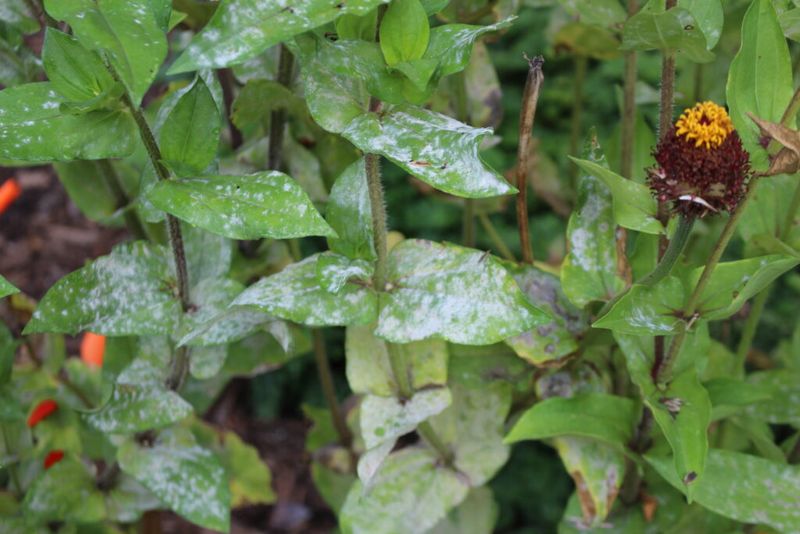
Zinnias are susceptible to fungal diseases, particularly in humid conditions. Powdery mildew is one of the most common issues, appearing as a white powder on leaves.
To prevent fungal problems, ensure good air circulation by spacing plants appropriately and keeping foliage dry. If necessary, apply an organic fungicide as a preventive measure, especially during rainy seasons.
Interestingly, zinnias have been cultivated for centuries, and gardeners have long battled these fungal foes using various natural remedies and techniques.
Seed Saving for Sustainability
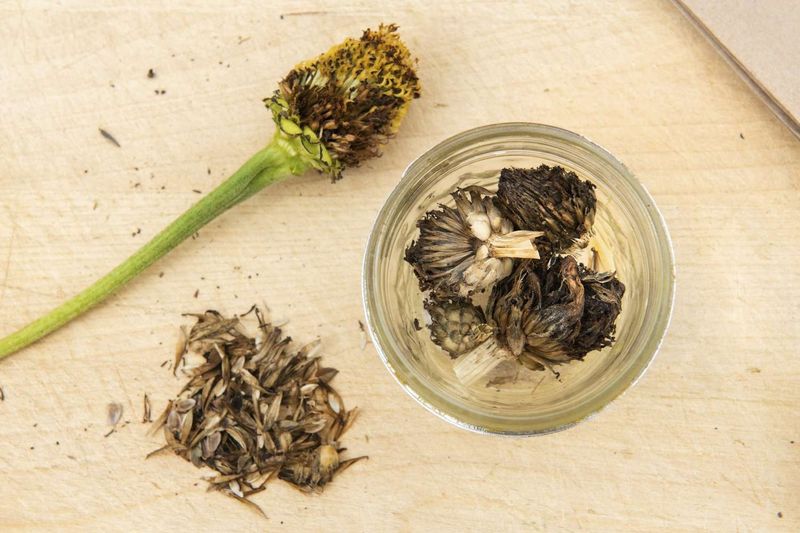
Zinnias are perfect for seed saving, allowing for a sustainable garden. Simply let some flowers mature and dry on the plant, then collect the seeds for future planting.
This practice not only saves money but also helps preserve plant varieties. Store the seeds in a cool, dry place over winter to ensure viability for the next growing season.
Did you know? Seed saving has been an age-old practice, contributing to biodiversity and the preservation of heirloom plant varieties.
Color-Changing Blooms
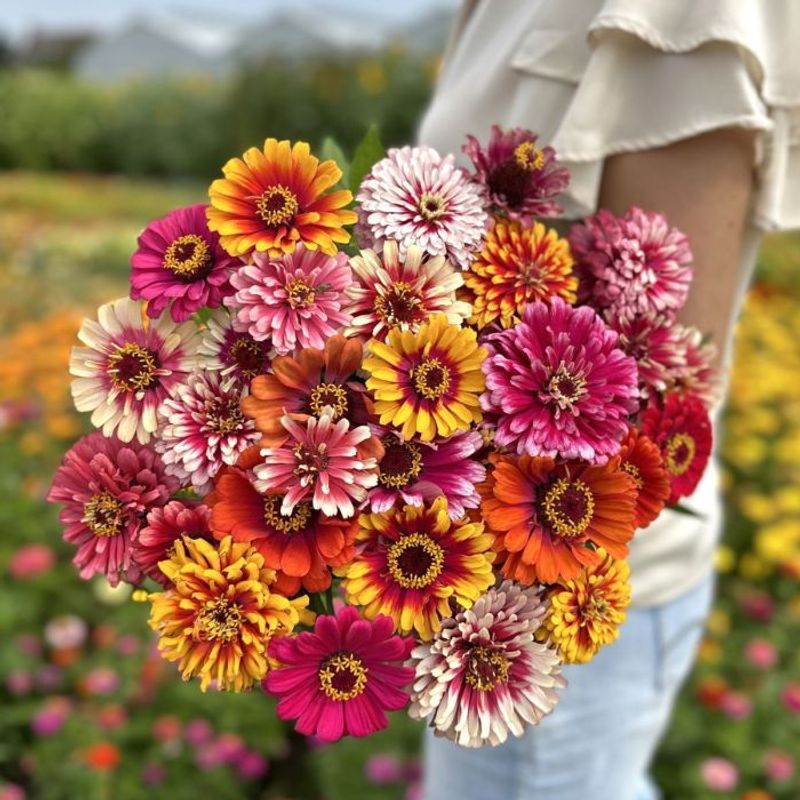
Zinnias are more than just colorful; they can change hues as they mature. This phenomenon is particularly evident in some hybrid varieties that exhibit multiple shades throughout their lifecycle. Imagine planting what you thought was a simple red zinnia, only to watch it transform into a rainbow of colors. This chameleon-like trait is not just visually stunning but also an exciting surprise for avid gardeners. By selecting specific hybrids, you can create a dynamic color palette in your garden without needing a variety of different plants. Who knew a single plant could offer such diversity?
Drought Resistance
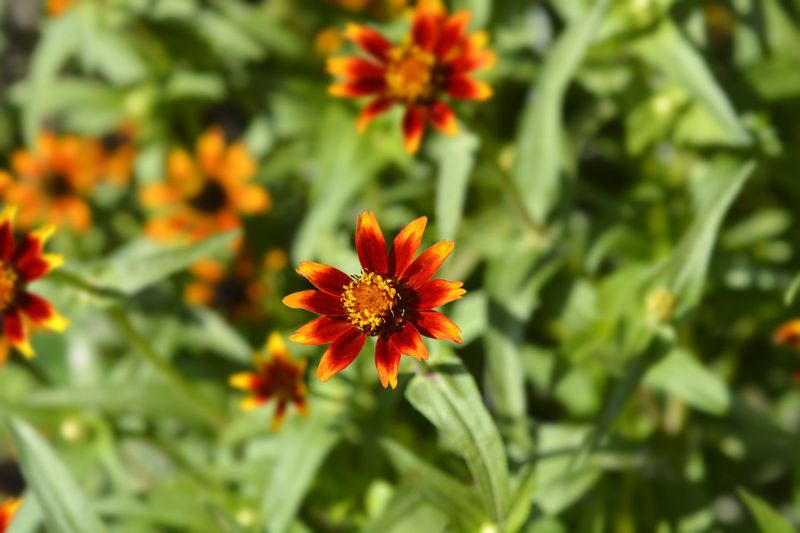
Zinnias have an impressive ability to withstand drought. While many flowers wilt under dry conditions, zinnias stand tall and continue to bloom. This resilience makes them perfect for regions with water restrictions or those who prefer low-maintenance gardens. The secret lies in their robust root system, which efficiently accesses moisture deep within the soil. By planting zinnias, you can enjoy a lush, colorful garden without frequent watering. This trait not only conserves water but also ensures your garden remains vibrant during hot summer months.
Pollinator Magnets
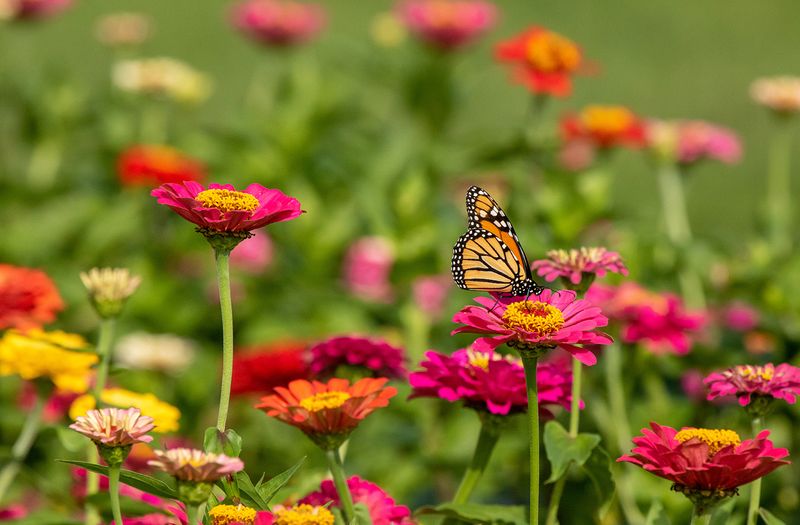
Zinnias are a favorite among pollinators, attracting bees, butterflies, and even hummingbirds. Their bright colors and open blooms make them easily accessible, providing a rich source of nectar for these beneficial creatures. By planting zinnias, you’re not only beautifying your garden but also supporting local ecosystems. This natural attraction to pollinators enhances the biodiversity of your garden, creating a lively and thriving environment. Embrace zinnias as a cornerstone of a wildlife-friendly garden that’s buzzing with life.
Historical Significance
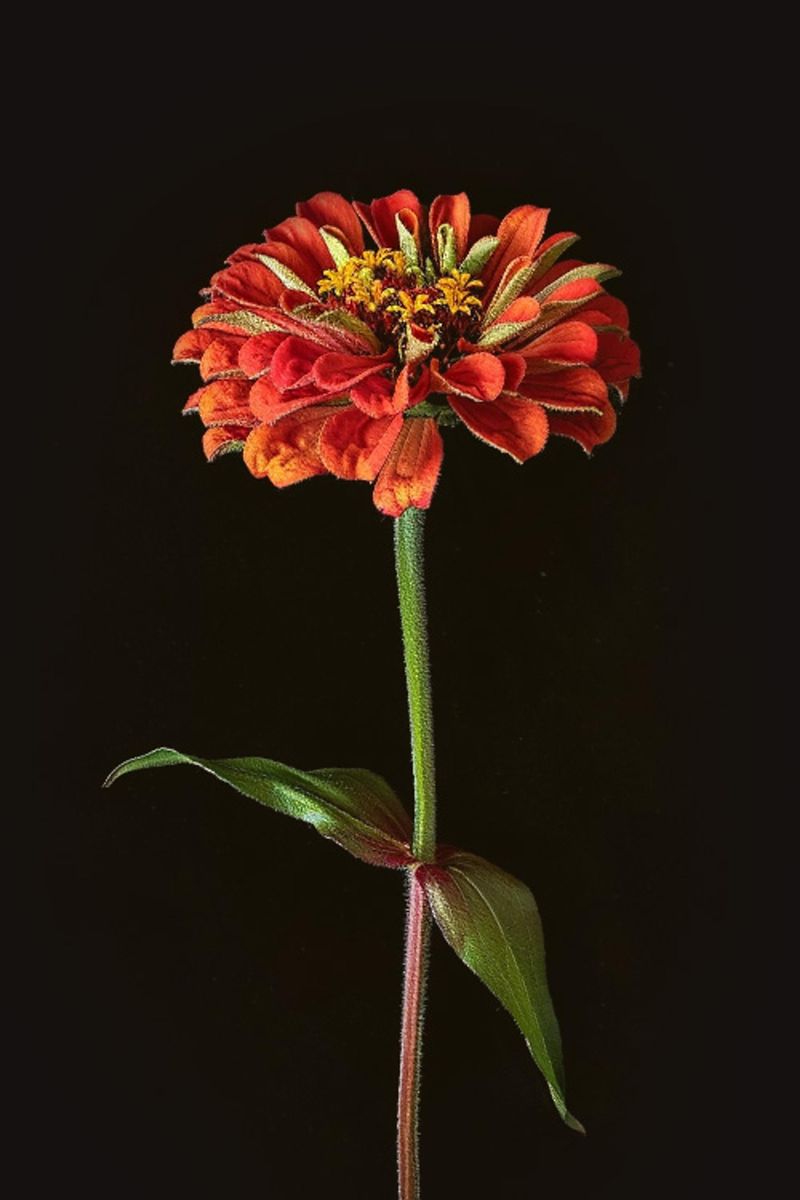
Did you know zinnias have a rich history dating back to the Aztecs, who valued them for their beauty and medicinal properties? Originally discovered in Mexico, these flowers were later cultivated in Europe and became symbols of endurance and lasting affection. Their journey through history is as vibrant as their petals. Over centuries, zinnias have inspired poets and artists, becoming a staple in gardens worldwide. Discovering their historical roots adds a layer of depth to your appreciation of these stunning flowers. Their legacy is a testament to their enduring appeal.
Edible Flowers
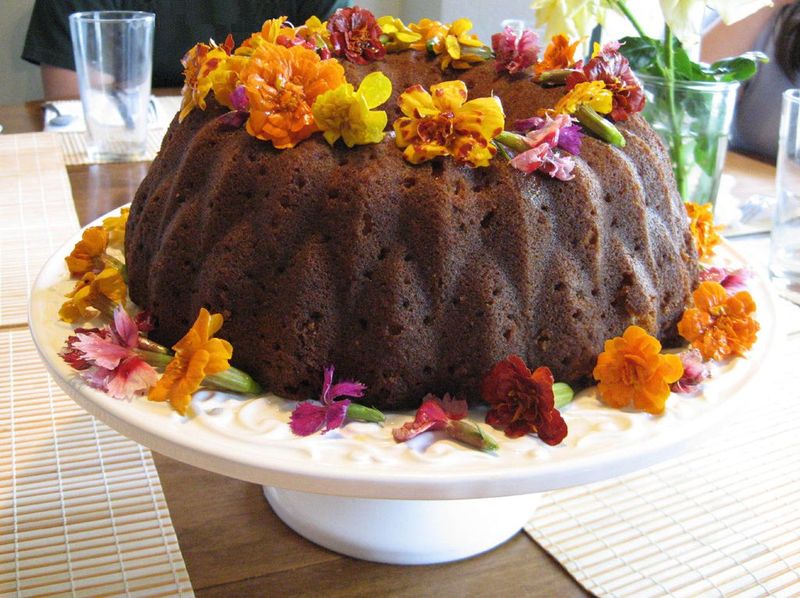
Surprisingly, zinnia petals are edible and can add a splash of color to salads and desserts. Their subtle flavor makes them a versatile garnish for various culinary creations. Chefs and home cooks alike use zinnia petals to enhance both the visual appeal and taste of their dishes. Incorporating edible flowers into your meals is a delightful way to experiment with flavors and presentation. Before consuming, ensure the petals are free of pesticides and chemicals. This unique culinary use adds another dimension to the zinnia’s charm.
Cut Flower Longevity
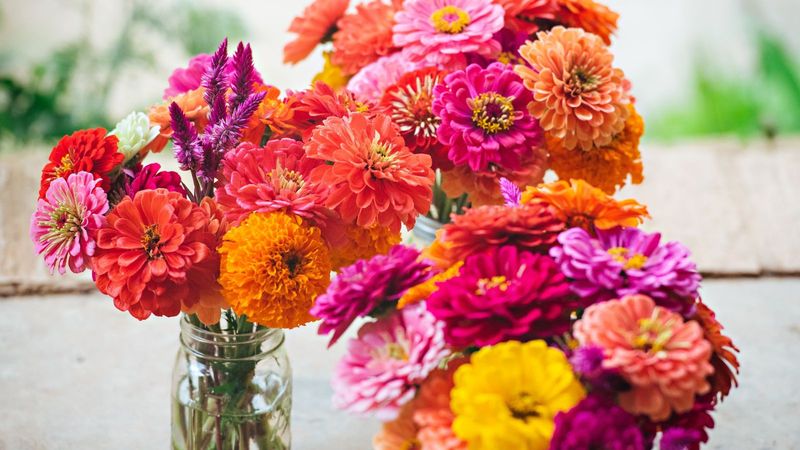
Zinnias are prized for their long-lasting blooms when cut. They can brighten up any indoor space with their vibrant colors for several weeks. This longevity makes them a favorite among florists and flower enthusiasts seeking durable cut flowers. By changing the water regularly and trimming the stems, you can enjoy their beauty even longer. Their ability to remain fresh and lively in a vase is a testament to their hardiness. Incorporating zinnias into floral arrangements ensures a lasting splash of color in your home or office.
Variety of Shapes
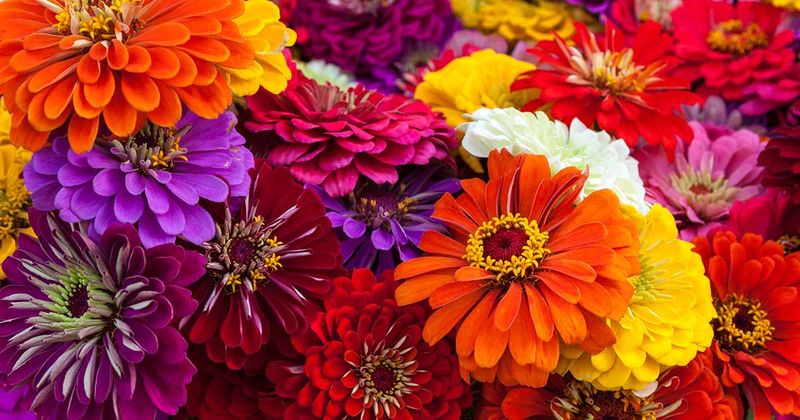
Zinnias offer a surprising variety in terms of shape and size. From the classic dahlia-like double blooms to cactus-flowered types with quill-like petals, the diversity is astounding. This variety allows gardeners to choose zinnias that best fit their aesthetic preferences. By mixing different types, you can create a visually dynamic garden display that captures attention. Zinnias’ wide range of forms is a delightful feature that adds intrigue and complexity to any floral arrangement or garden bed. It’s a testament to nature’s ability to surprise and delight.
Easy Propagation
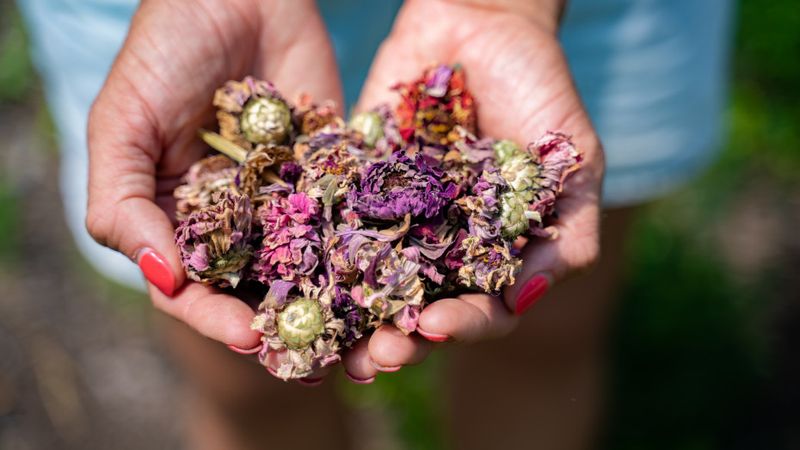
Zinnias are incredibly easy to propagate from seeds, making them accessible to gardeners of all skill levels. Once the flowers have bloomed and dried, simply collect the seeds for next season’s planting. This straightforward propagation process means you can expand your garden at minimal cost. Additionally, it provides an opportunity to experiment with different planting locations and conditions. By saving and planting zinnia seeds, gardeners can enjoy a continuous supply of these vibrant flowers year after year. It’s a rewarding experience that fosters a deeper connection with nature.
Heat Tolerance
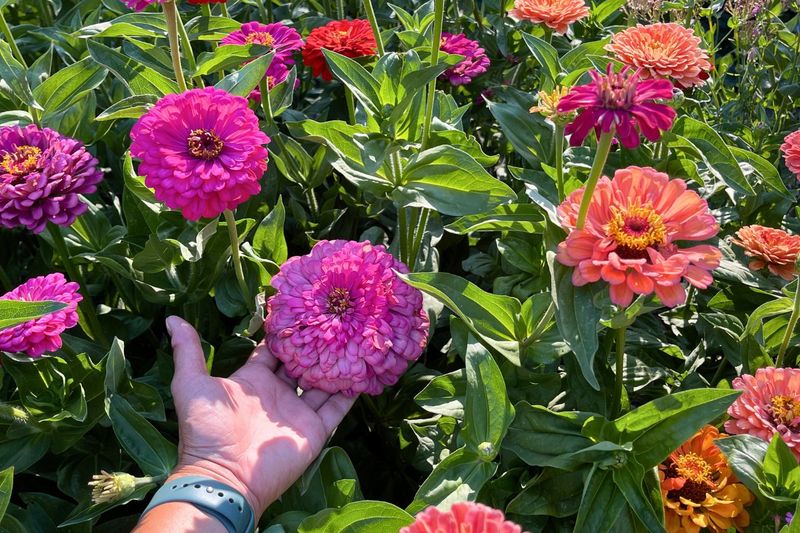
Zinnias thrive in hot weather, making them ideal for summer gardens. Their heat tolerance ensures they remain vibrant even in sweltering temperatures. This resilience is due to their native origins in the warm climates of Mexico. Gardeners in hot regions appreciate zinnias for their ability to withstand and even flourish in intense sunlight. By planting zinnias, you can ensure a colorful display throughout the hottest months. Their sun-loving nature is a testament to their adaptability and robustness, offering beauty and color during peak summer.
Unique Leaf Patterns
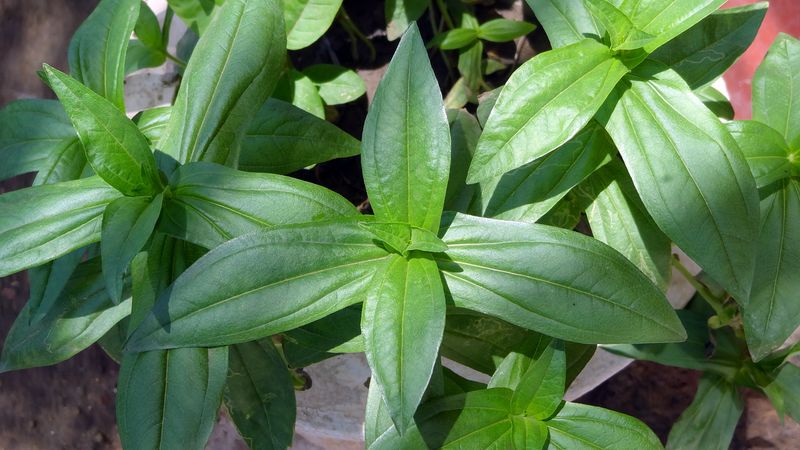
While most gardeners focus on zinnia blooms, their leaves can also be quite intriguing. Some varieties boast unique patterns and textures that add another layer of interest to the plant. These leaves can complement the vibrant flowers, offering a full spectrum of visual appeal. By paying attention to leaf patterns, you can create a more cohesive and aesthetically pleasing garden design. Leaves with distinctive patterns can also be a focal point in garden arrangements. This often-overlooked feature adds depth and complexity to the overall appearance of zinnias.