 Complete Gardening
Exploring the fascinating world of unusual vegetables that, when grown at home, cost a fraction of their store prices. This guide highlights 15 such vegetables, offering insights into their unique traits, growing tips, and the significant cost benefits of cultivating them yourself.
1. Romanesco Broccoli
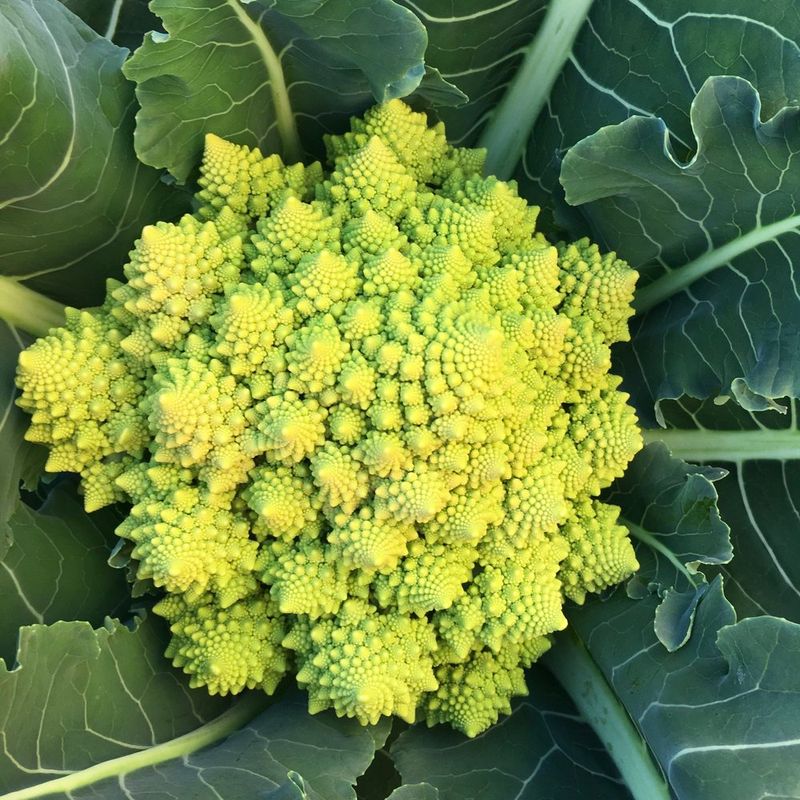
With its intricate, fractal-like design, Romanesco Broccoli captivates both the eyes and the taste buds. This gourmet vegetable, though delicate, is surprisingly easy to cultivate in a home garden. It prefers mild climates and well-drained soil. The flavor is nuttier than typical broccoli, offering a unique culinary twist. Known for its visual appeal, Romanesco is often featured in upscale dishes. Despite its high store price, growing it at home costs mere pennies. A fun fact: the vegetable’s spiral pattern follows the Fibonacci sequence, making it a natural wonder as well as a nutritional delight.
2. Purple Cauliflower
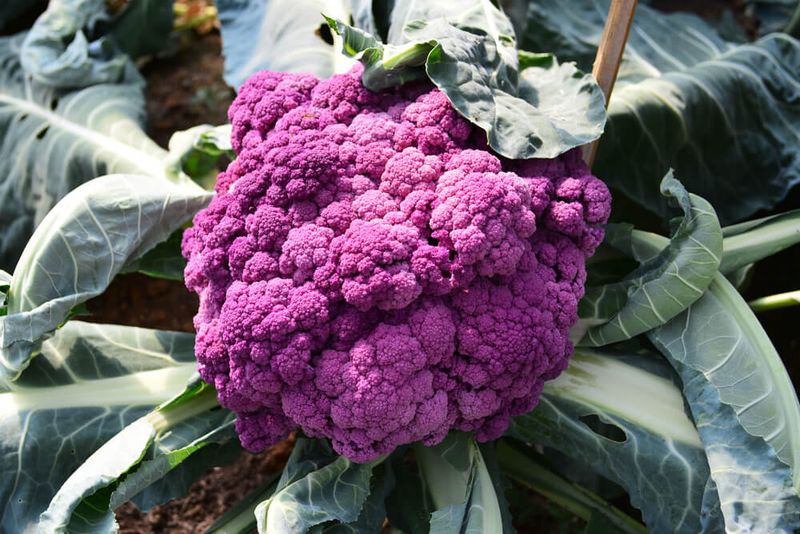
Purple Cauliflower adds a splash of color to any dish while packing a punch with antioxidants. This vibrant alternative to the regular white variety thrives in similar growing conditions, making it an easy addition to home gardens. Its striking hue comes from anthocyanins, which are also found in blueberries, offering health benefits like reduced inflammation. With a flavor that’s slightly sweeter and more delicate than standard cauliflower, it elevates both appearance and taste. Growing your own costs less than a dollar per head, offering both economic and culinary value.
3. Sunchokes (Jerusalem Artichokes)
Sunchokes, also known as Jerusalem Artichokes, are a gardener’s delight with their resilient growth and nutty, potato-like flavor. These perennial tubers require minimal care once planted, multiplying rapidly year after year. Sunchokes thrive in sunny spots with well-draining soil and can withstand cold temperatures. They are excellent for hearty winter dishes, offering a unique twist on traditional potatoes. Despite their premium price in stores, home cultivation is nearly cost-free. Interestingly, they are not related to artichokes but are a species of sunflower, adding a cheerful touch to gardens.
4. Dragon Carrots
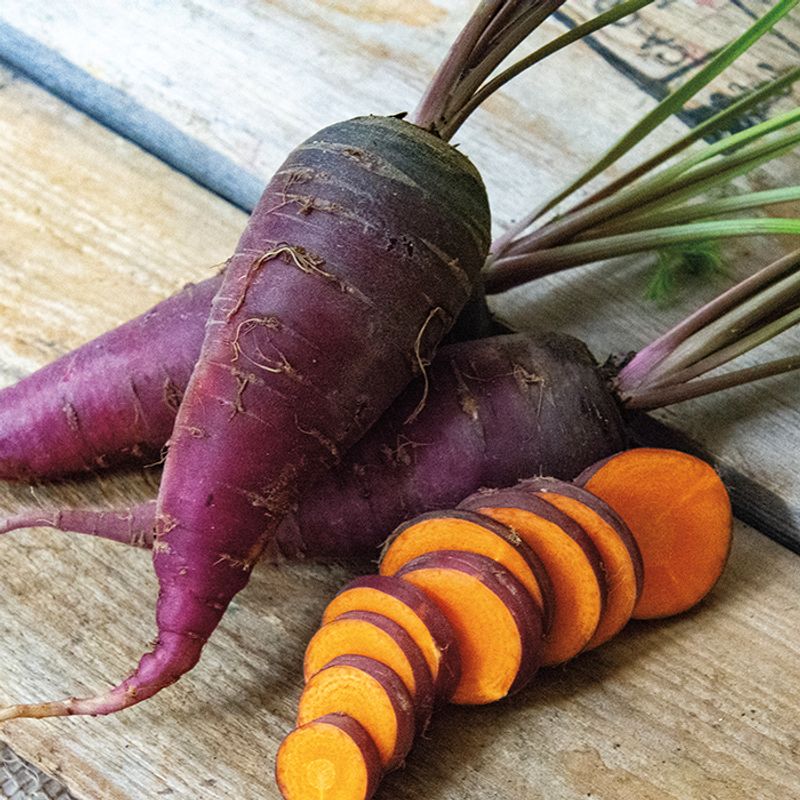
Dragon Carrots stand out with their exotic purple exterior and bright orange core. These visually striking vegetables are as delectable as they are beautiful, offering a sweet and subtly spicy flavor. Easy to grow, they thrive in loose, sandy soil with plenty of sunlight. Their vibrant coloring comes from anthocyanins, adding health benefits to their culinary appeal. Perfect for raw snacking, roasting, or adding to salads, Dragon Carrots are a gardener’s treasure. While fetching high prices in stores, they are inexpensive to grow at home, providing aesthetic and nutritional rewards.
5. Kohlrabi
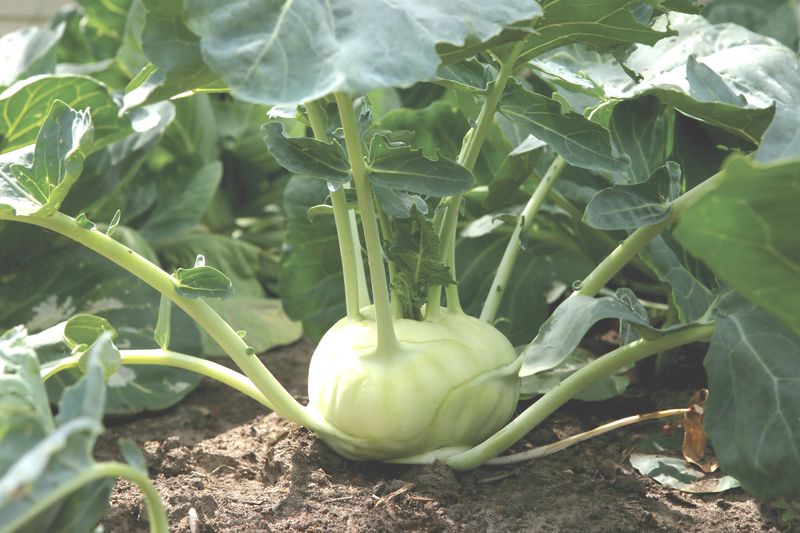
Kohlrabi, often dubbed the ‘alien vegetable,’ intrigues with its bulbous appearance and crisp, sweet taste. It is versatile in the kitchen, serving as a refreshing snack or a component in savory dishes. Kohlrabi grows quickly and is well-suited to cooler climates, making it an ideal crop for spring and fall planting. This vegetable is low-cost to cultivate, requiring minimal space and care. Its crunchy texture and mild flavor make it a favorite among home gardeners. While it sells for a few dollars each in stores, growing your own is a cost-effective endeavor.
6. Watermelon Radishes
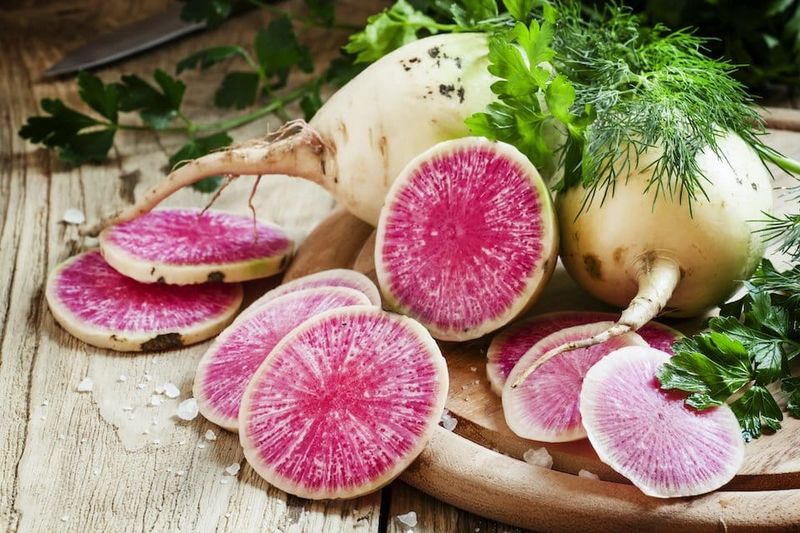
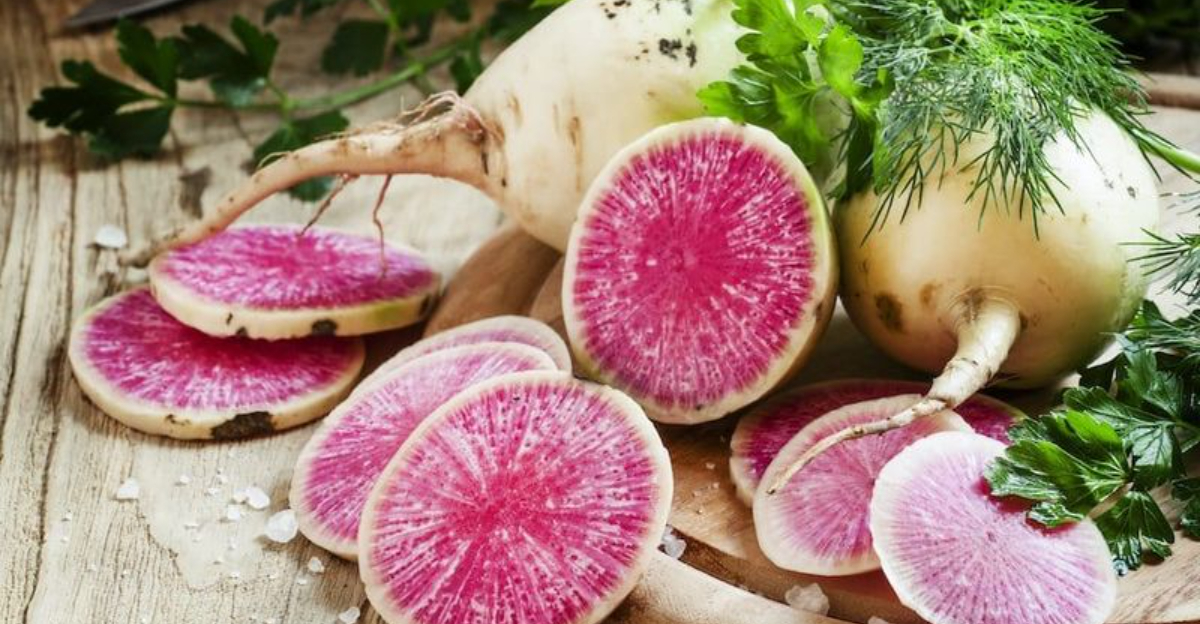
Watermelon Radishes dazzle with their vibrant pink interior and crisp, green exterior. These mild-flavored radishes add a visual and flavorful punch to salads and dishes. Easy to grow, they prefer well-drained soil and full sun, making them perfect for home gardens. Their striking appearance is often a conversation starter at the dinner table. Despite their relatively high cost in stores, cultivating them at home is budget-friendly. Known for their mild sweetness, Watermelon Radishes can be enjoyed raw or pickled, providing a colorful addition to any meal.
7. Crosnes (Chinese Artichokes)
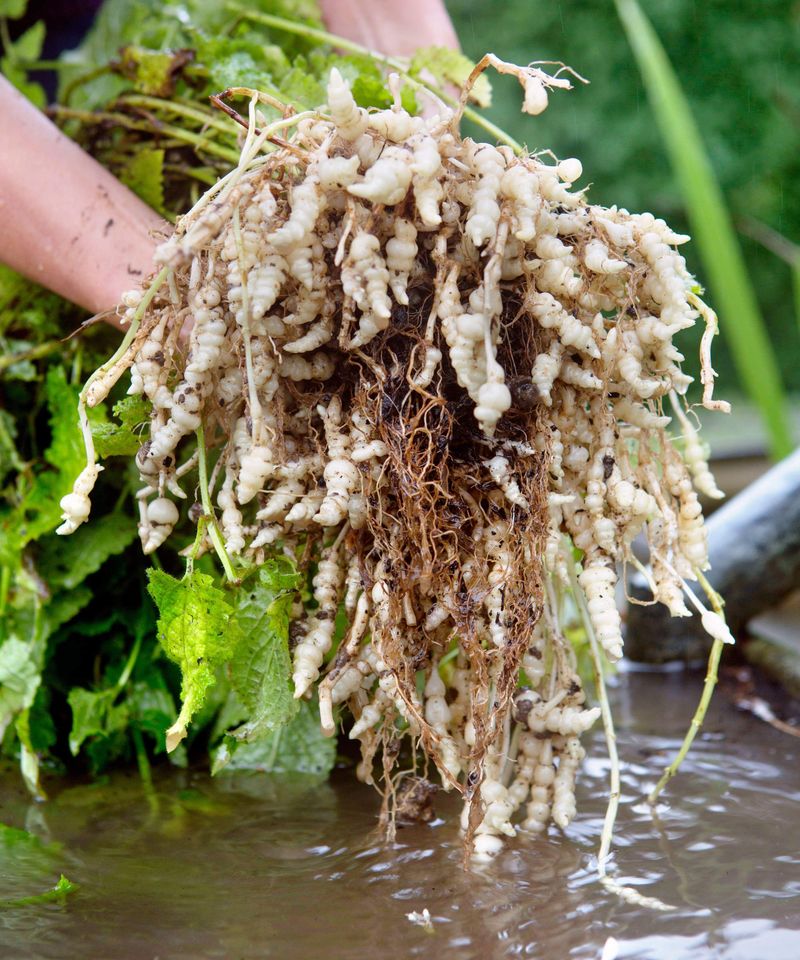
Crosnes, or Chinese Artichokes, charm with their unique, spiral shapes and crunchy texture. These tubers are a delicacy in French cuisine, offering a nutty flavor that’s delightful in stir-fries and salads. Once established, Crosnes grow like weeds, requiring little attention in the garden. They thrive in cool, moist environments and can be harvested in late fall. Their distinctive appearance and gourmet appeal justify their high store price, but growing them at home is economical. Fun fact: Crosnes are part of the mint family, adding a twist to their botanical identity.
8. Black Tomatoes
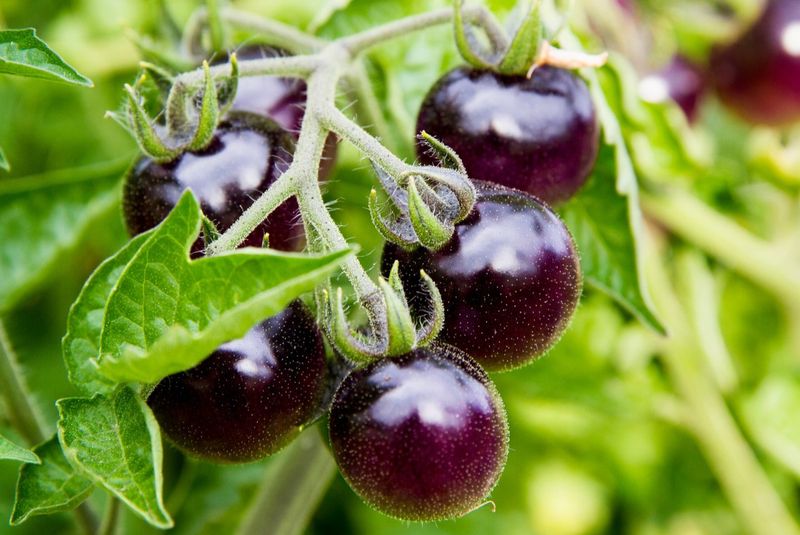
Black Tomatoes, with their deep, rich colors and smoky flavors, are a must-try for any tomato lover. Varieties like ‘Black Krim’ and ‘Indigo Rose’ offer a delicious, complex taste that pairs well with many dishes. These tomatoes thrive in sunny locations and well-drained soil, producing high yields. Their unique coloration comes from anthocyanins, adding nutritional benefits. Despite their premium price in stores, Black Tomatoes are cost-effective to grow at home, providing abundant harvests. A fun tidbit: their color can range from deep red to purplish-black, making them a striking garden addition.
9. Oca (New Zealand Yams)

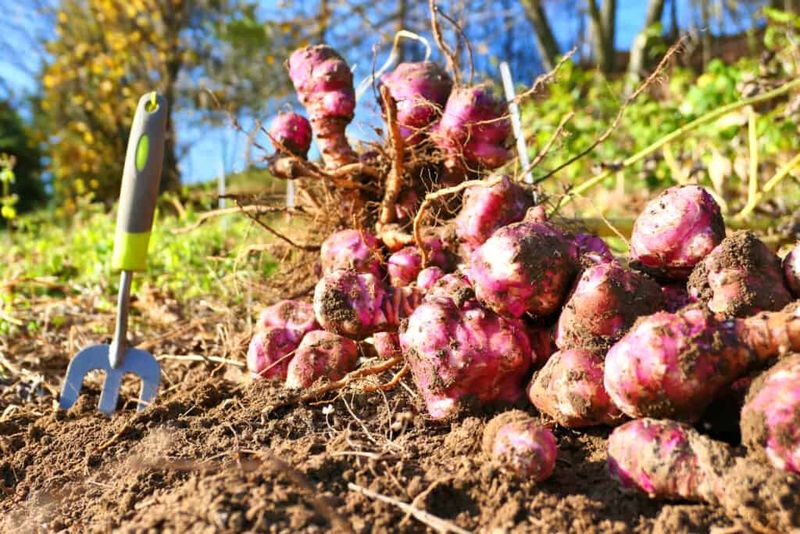
Oca, or New Zealand Yams, captivate with their rainbow of colors and tangy, lemony flavor. These tubers are a fantastic alternative to potatoes, storing well after harvest. Oca prefers cool climates and can be grown with minimal effort in a home garden. Their vibrant hues and unique taste make them a culinary delight. Though they command a high price at markets, growing them reduces costs significantly. A quirky fact: Oca was a staple crop in the Andes long before the introduction of potatoes, highlighting its historical significance and enduring appeal.
10. Celtuce (Stem Lettuce)

Celtuce, a staple in Asian cuisines, intrigues with its thick, edible stem and nutty flavor. This versatile vegetable thrives in mild climates and can be easily grown in home gardens. Its unique texture and taste make it perfect for stir-fries and salads. Known for its rapid growth, Celtuce requires little maintenance and is cost-effective to cultivate. Despite a moderate store price, homegrown Celtuce offers fresh, nutritious yields. Interestingly, the name ‘Celtuce’ is a blend of ‘celery’ and ‘lettuce,’ reflecting its dual nature as both leafy green and crunchy stalk.
11. Cardoons
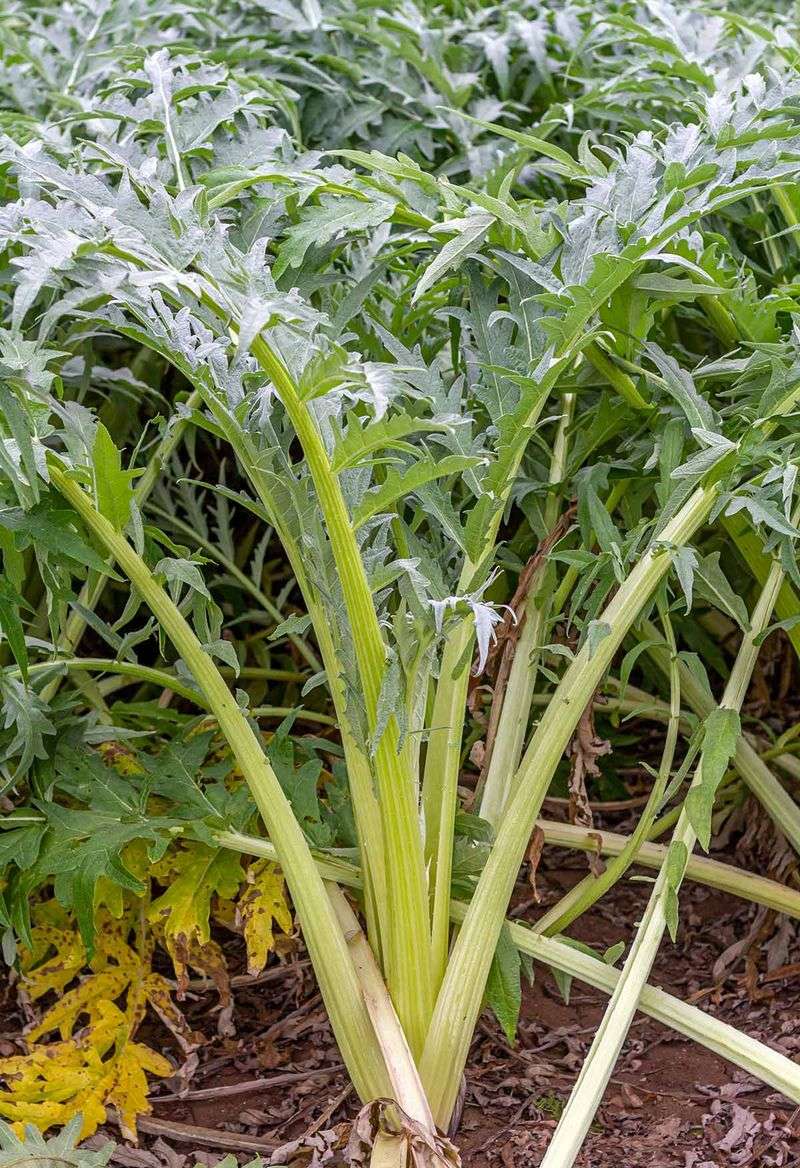
Cardoons, relatives of the artichoke, intrigue with their tall, silvery stalks and thistle-like appearance. These vegetables are often used in Mediterranean dishes, offering a subtle, artichoke-like flavor. Cardoons thrive in sunny locations with well-drained soil, adding ornamental value to gardens. Despite their imposing look, they are simple to grow and maintain. Their unique taste and aesthetic appeal make them a prized addition to any garden. While cardoons can be costly in stores, cultivating them at home is economical. Did you know? Cardoons were once more popular than artichokes in ancient Roman cuisine.
12. Yardlong Beans
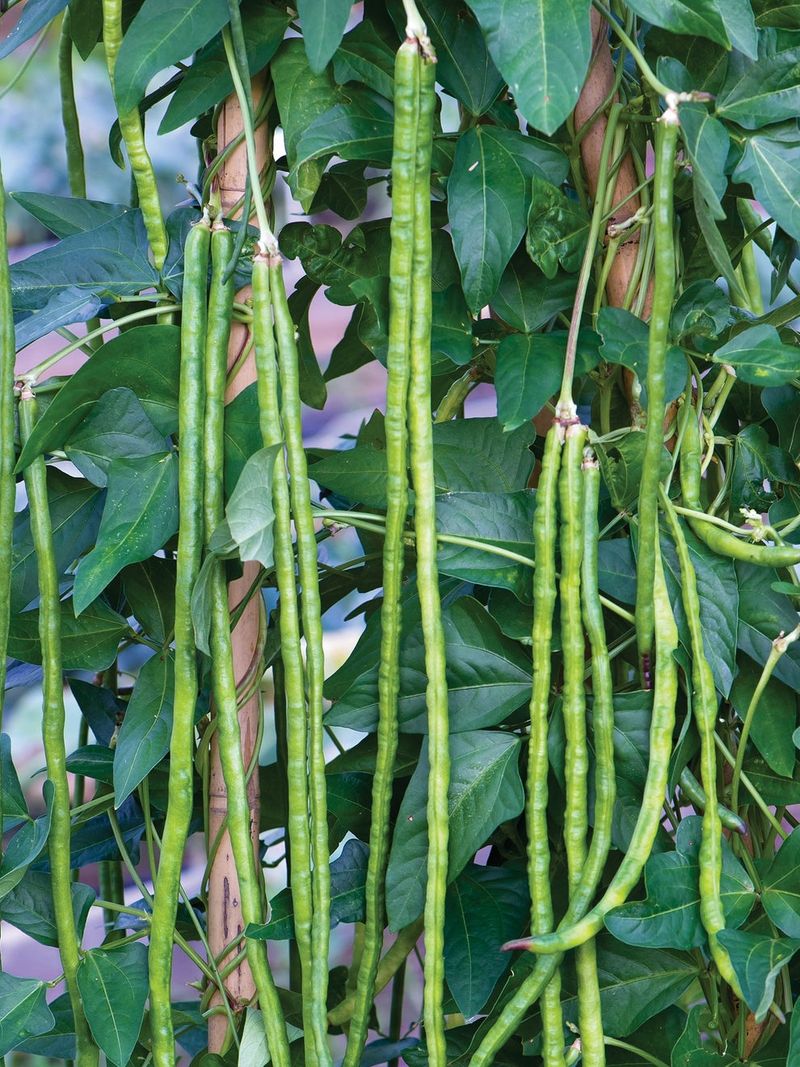
Yardlong Beans, known for their remarkable length, are a staple in many Asian dishes. These beans, also called ‘asparagus beans,’ grow vigorously, producing long, slender pods that taste delicious when stir-fried. They thrive in warm climates and require support to climb, making them ideal for vertical gardening. With a high yield and minimal maintenance, Yardlong Beans are cost-effective to grow at home. Their impressive length and versatility in cooking make them a favorite among gardeners. Fun fact: despite their name, these beans are not technically true beans but share similar growing habits.
13. Salsify (Oyster Plant)
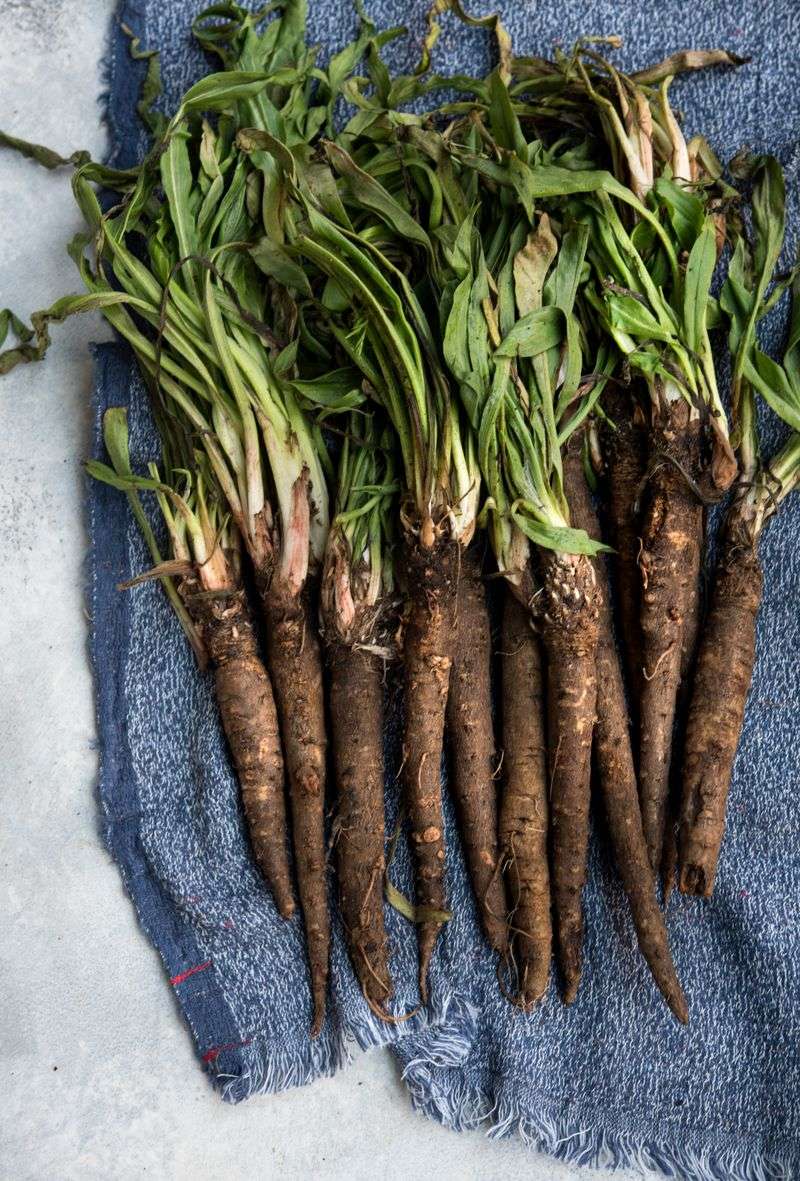
Salsify, also known as the ‘Oyster Plant,’ entices with its delicate, oyster-like flavor and creamy texture. This root vegetable is easy to grow in well-drained soil, making it a gardener’s delight. Salsify is perfect for soups and stews, offering a unique taste that’s both savory and subtle. Despite its premium store price, growing salsify at home is inexpensive and rewarding. With its long, slender roots, it adds visual interest to garden plots. Intriguingly, salsify was once a popular vegetable in Victorian-era gardens, valued for both its flavor and ornamental qualities.
14. Malabar Spinach
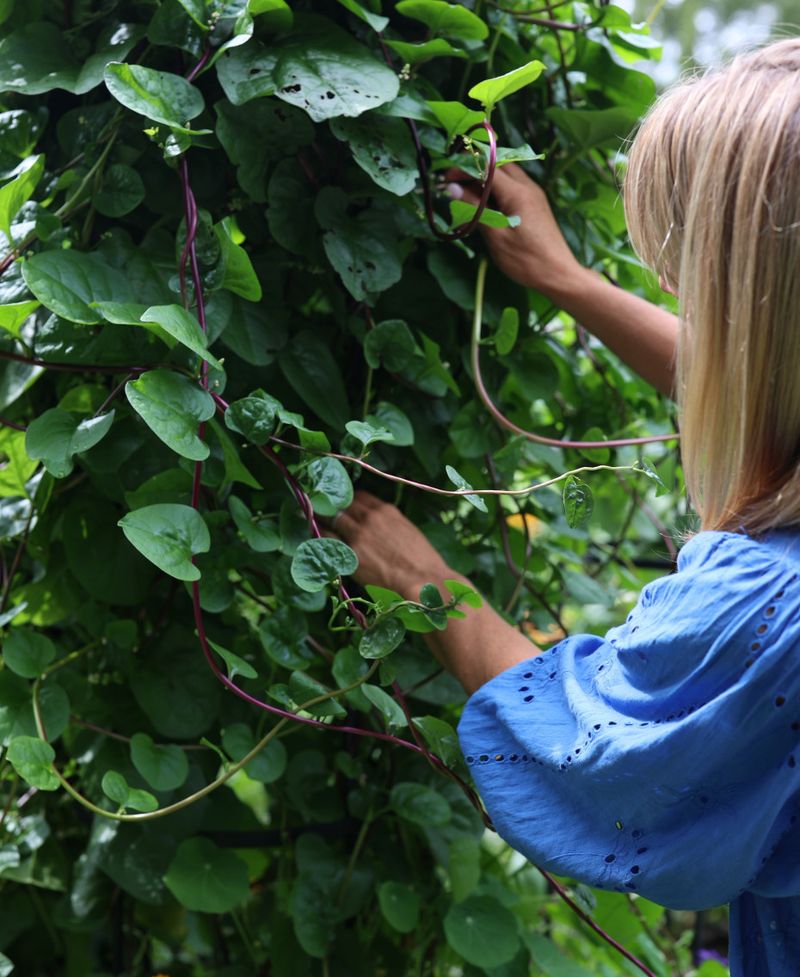
Malabar Spinach, a heat-tolerant alternative to regular spinach, thrives as a climbing vine, producing lush, edible leaves. Perfect for hot climates, it grows vigorously and can be harvested continuously throughout the season. Its slightly thick, succulent leaves offer a mild, spinach-like flavor, ideal for salads and soups. Despite its store price, Malabar Spinach is nearly free to grow at home, requiring minimal care. A fun fact: Malabar Spinach is not a true spinach but is prized for its ease of cultivation and nutritional benefits, including high vitamins A and C content.
15. Fiddlehead Ferns
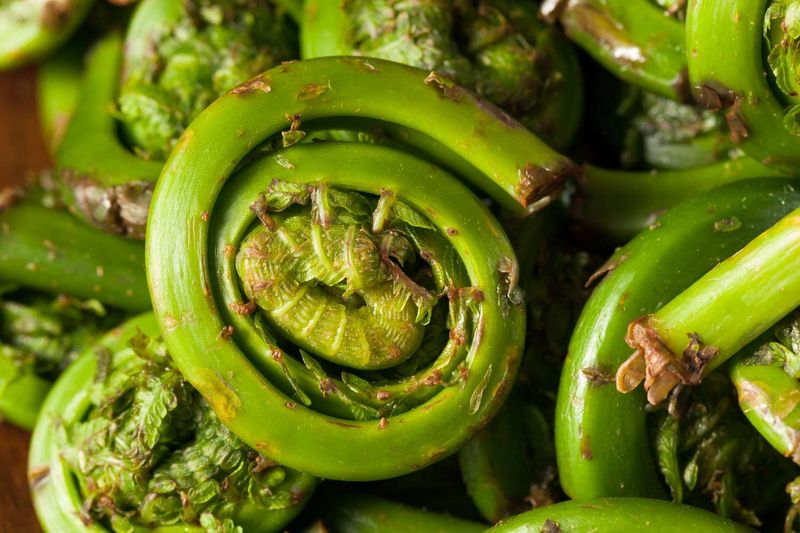
Fiddlehead Ferns, with their uniquely coiled green tips, are a sought-after delicacy in springtime cooking. These wild vegetables grow best in shady, damp areas, making them ideal for forest gardens. Fiddleheads offer a taste reminiscent of asparagus with a hint of nuttiness, perfect for sautéing or steaming. Although they can be pricey when in season, foraging or cultivating them significantly cuts costs. Interestingly, they are among the first greens to appear in spring, symbolizing renewal. Fiddleheads add both culinary and ecological value, enriching gardens with their presence and flavor.