 Complete Gardening
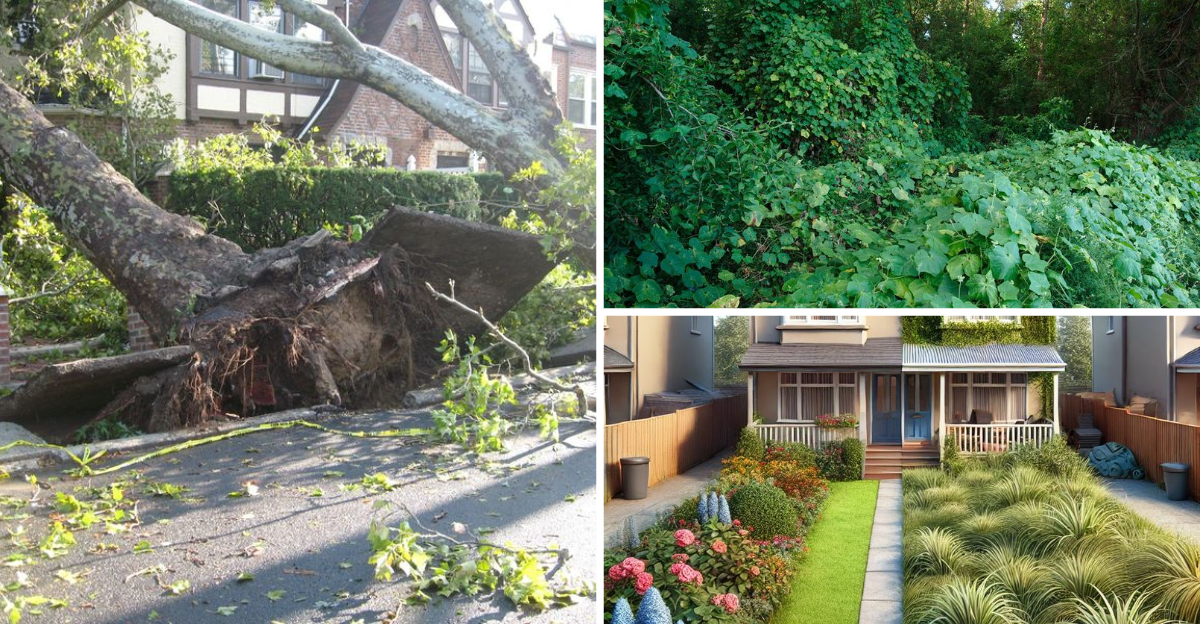
Landscaping can significantly enhance a home’s appeal, but certain choices might inadvertently lower its value. Homeowners often overlook how their landscape decisions can affect property valuation, focusing instead on aesthetics or personal preference. However, some common landscaping practices can detract from a home’s financial worth. This guide explores seventeen landscaping choices that could be negatively impacting your home’s value, offering insights into what to avoid for a more appealing and valuable property.
1. Overgrown Trees
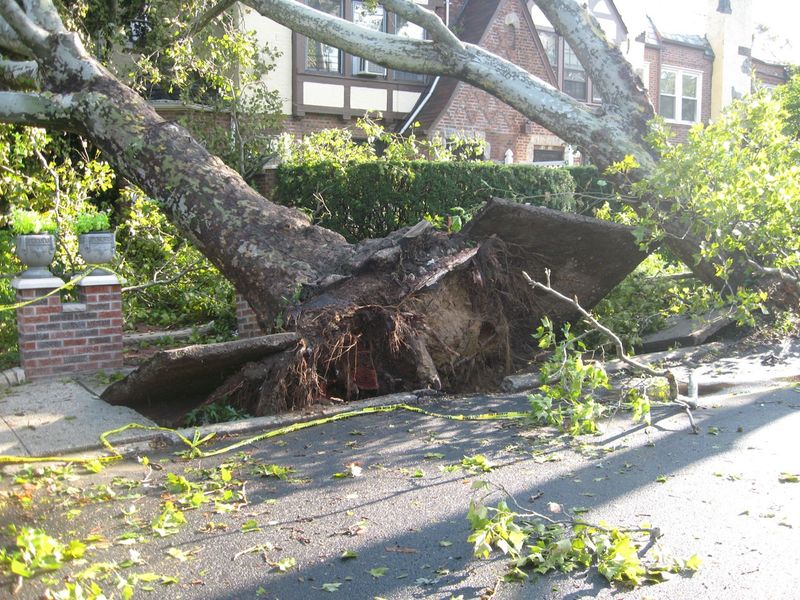
Towering trees can be majestic, yet when they start overshadowing your property, they may become a problem. Their roots can infiltrate foundations, causing costly damage. Not only do they block sunlight, but they can also make a home appear gloomy and uncared for. Regular maintenance is crucial to prevent these issues. Pruning helps keep size in check and maintains a welcoming appearance.
Did you know that certain tree species are notorious for aggressive root systems? Choosing the right type of tree for your yard can prevent future headaches and preserve your home’s value.
2. Invasive Plant Species
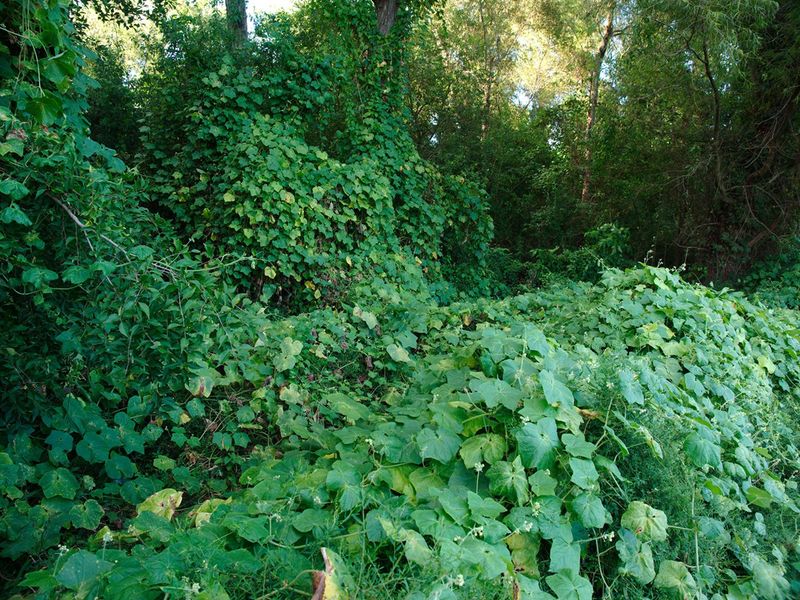
Introducing non-native plant species might seem like a novel idea, but it can spell disaster for your garden. Invasive plants, such as Japanese Knotweed, spread rapidly, choking out native species and depleting nutrients from the soil. This imbalance affects the overall health of your garden and can lead to further problems down the line.
Additionally, these plants often require more resources to control, increasing maintenance costs. Selecting native plants helps maintain ecological balance and boosts your property’s curb appeal.
3. Neglected Lawn Care

A lush, green lawn is often seen as a hallmark of a well-kept home, but neglect can quickly turn it into an eyesore. Sparse patches and weeds signal poor maintenance, which might deter potential buyers. Regular watering, mowing, and fertilization are key to keeping a lawn vibrant and healthy.
Interestingly, overwatering can be just as damaging as neglect, causing root rot and fungal growth. Proper care and attention not only enhance the visual appeal but also reflect positively on the homeowner’s diligence.
4. Unkempt Garden Beds
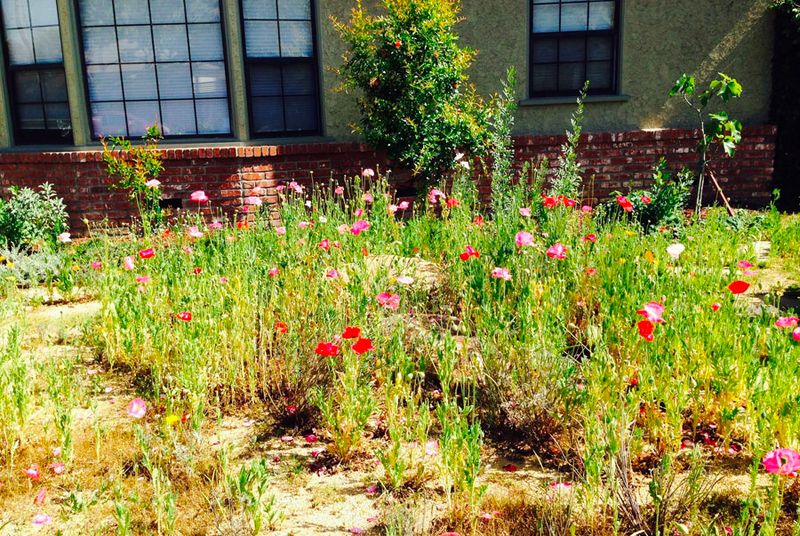
A garden bed teeming with life can boost a home’s appeal, but when weeds and dying plants take over, it sends the wrong message. Unkempt beds suggest neglect, which can reduce curb appeal. Regular weeding and plant care keep gardens looking their best.
Moreover, overcrowding plants can hinder their growth, resulting in a messy appearance. Strategic planting and regular maintenance ensure that garden beds contribute positively to your home’s overall impression.
5. Excessive Ornamentation

Too many garden ornaments can clutter the landscape, making it look busy and unorganized. While a few well-placed pieces add charm, excessive ornamentation distracts from the natural beauty of your yard. Over-decorating can overwhelm visitors and potential buyers, leading to a decrease in perceived value.
Simplicity is often more effective. Purposeful placement of decorations enhances features without overpowering them, creating a balanced and inviting space.
6. Improper Drainage
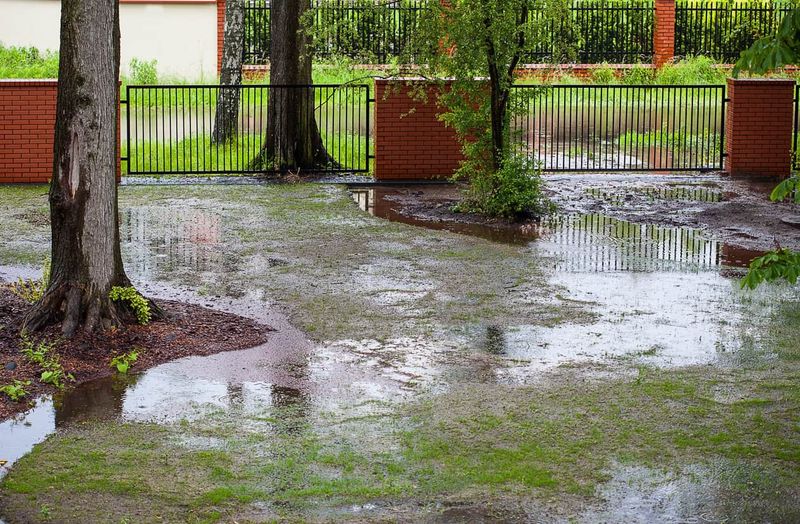
Improper drainage can lead to significant landscaping problems, resulting in soggy lawns and dying plants. Pooling water not only damages your garden but can also seep into your home’s foundation, causing structural issues. Effective drainage systems are essential to prevent such problems.
French drains or properly graded landscapes help direct water away from critical areas. This not only preserves plant health but also maintains the integrity of your home, safeguarding its value.
7. Artificial Turf Overuse
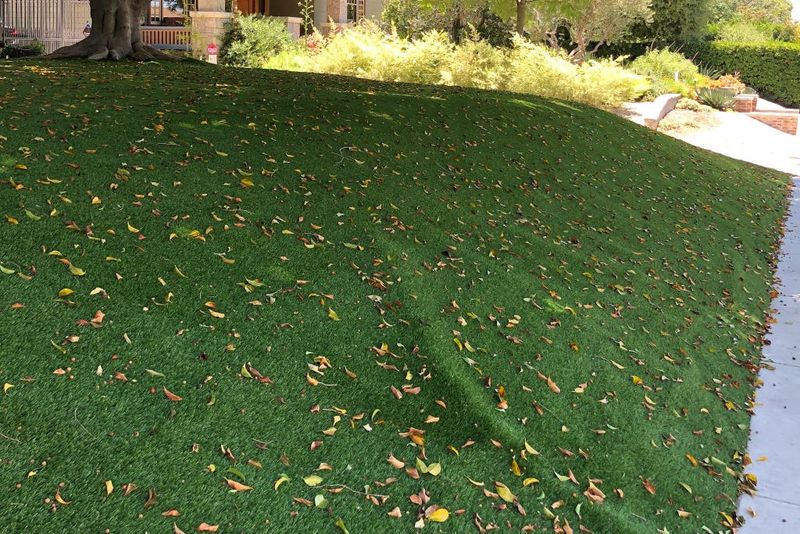
Artificial turf offers a maintenance-free alternative to natural grass, yet overuse can diminish the organic appeal of your landscape. Its synthetic appearance might clash with surrounding natural elements, giving an artificial vibe. While suitable for small areas, an entire lawn covered in artificial turf can appear uninviting.
Balancing synthetic and natural elements can create a harmonious landscape. Allowing areas of natural greenery provides a more welcoming and authentic look, crucial for home appeal and value.
8. Unsightly Fencing
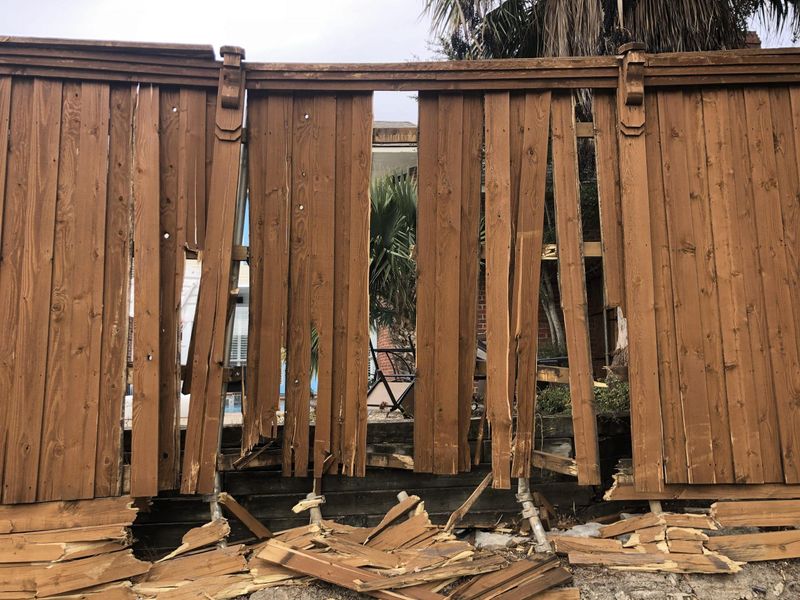
Fences play a vital role in defining a property’s boundary and offering privacy, yet unsightly or damaged fencing can detract from a home’s aesthetic. Peeling paint and broken sections suggest neglect and disrepair. Regular maintenance, including repainting and repairs, ensures that fences complement the landscape.
Choosing the right style and material can enhance property appearance, making it more attractive to potential buyers and visitors alike.
9. Overly Dense Shrubbery
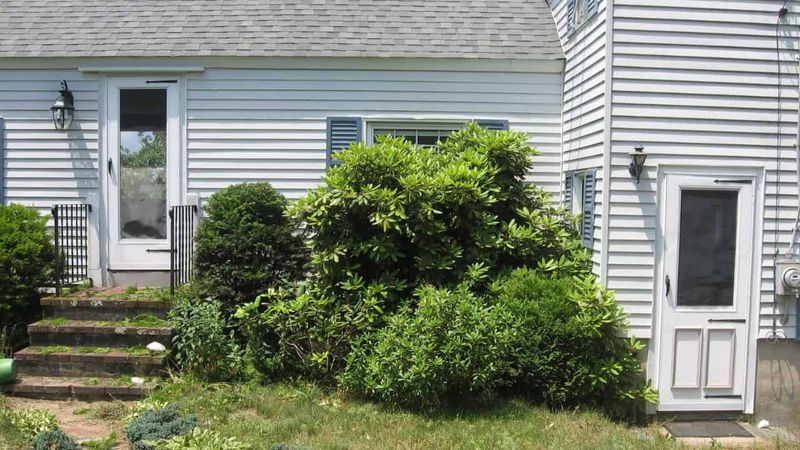
Dense shrubs can provide privacy, but excessive growth can block light and access, creating a cramped and unwelcoming environment. Shrubs should be regularly pruned to maintain their shape and size, ensuring they enhance rather than hinder your landscape’s appeal.
Strategically placed and well-maintained shrubbery contributes to an open and inviting space, crucial for boosting home value and attractiveness.
10. Ignoring Climate Suitability

Choosing plants that don’t fit the local climate can lead to disappointing results and higher maintenance costs. For instance, planting tropical species in a temperate climate can result in poor growth and unattractive gardens. Understanding your area’s climate helps in selecting plants that will thrive, reducing the need for constant care.
A garden that flourishes naturally with minimal intervention not only looks better but is also more cost-effective to maintain, positively impacting home value.
11. Neglected Hardscapes
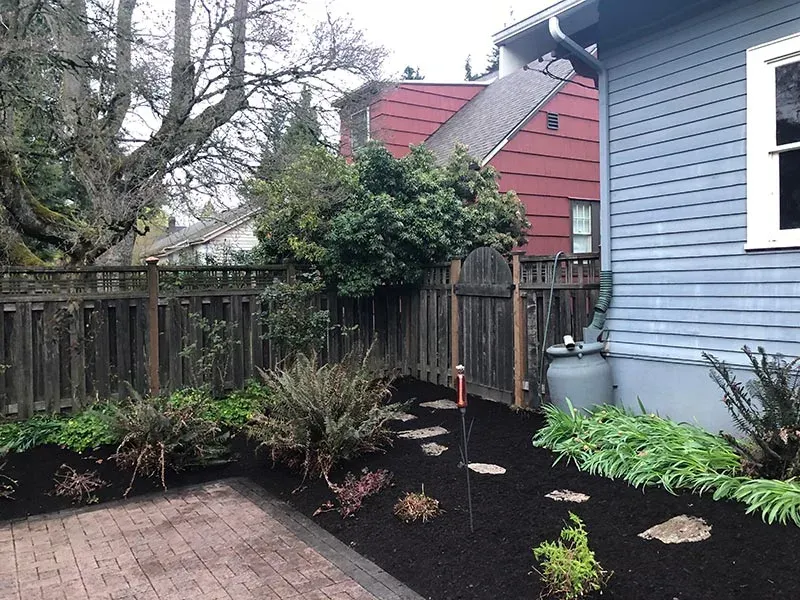
Hardscapes, such as pathways and patios, are integral to landscaping. However, neglecting them can lead to cracks, weeds, and a worn appearance. These issues can make outdoor spaces less appealing and functional. Regular upkeep and repair of hardscapes help maintain their appearance and usability.
Investing in quality materials initially can reduce long-term maintenance and enhance property appeal, supporting your home’s value.
12. Inconsistent Design Styles
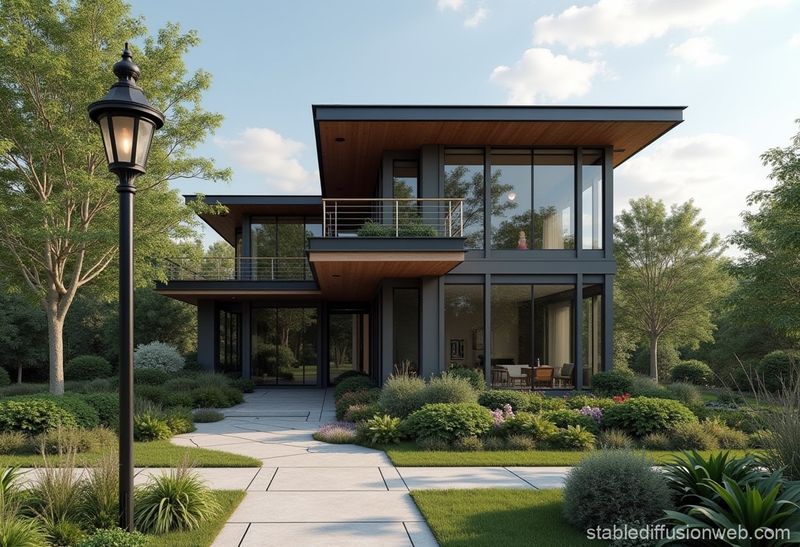
A cohesive design is key to appealing landscaping, yet mixing too many styles creates confusion and inconsistency. A modern sculpture next to a rustic wood fence can clash and make the space appear disjointed. Consistency in design helps create a harmonious and inviting atmosphere.
Choosing a theme and sticking to it throughout can enhance visual appeal, making your property more attractive to potential buyers.
13. Overgrown Ivy or Vines
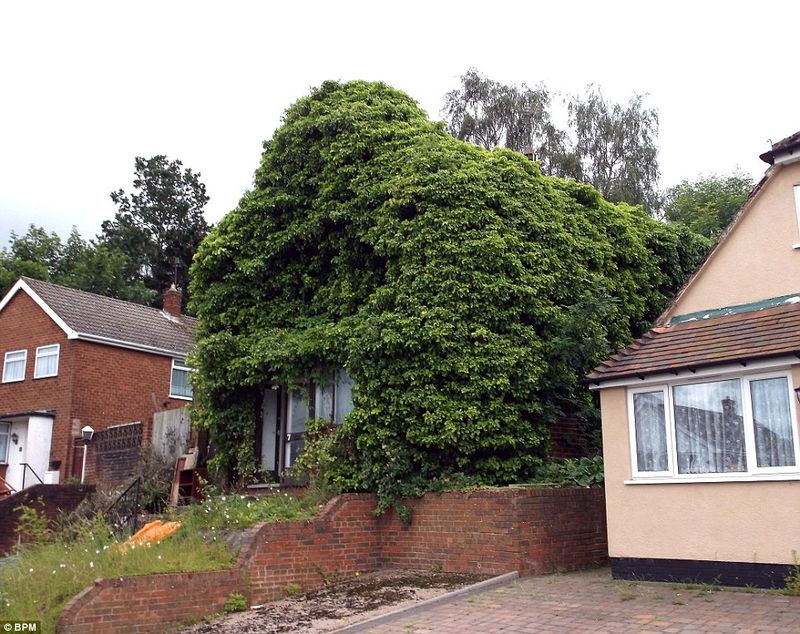
Ivy-covered walls might evoke charm, but excessive growth can hide architectural features and damage structures. Vines can trap moisture against walls, leading to deterioration and costly repairs. Controlling their growth preserves both aesthetics and structural integrity.
Removing or trimming back ivy and vines ensures they accent rather than overpower, maintaining the charm without compromising value.
14. Lack of Seasonal Interest
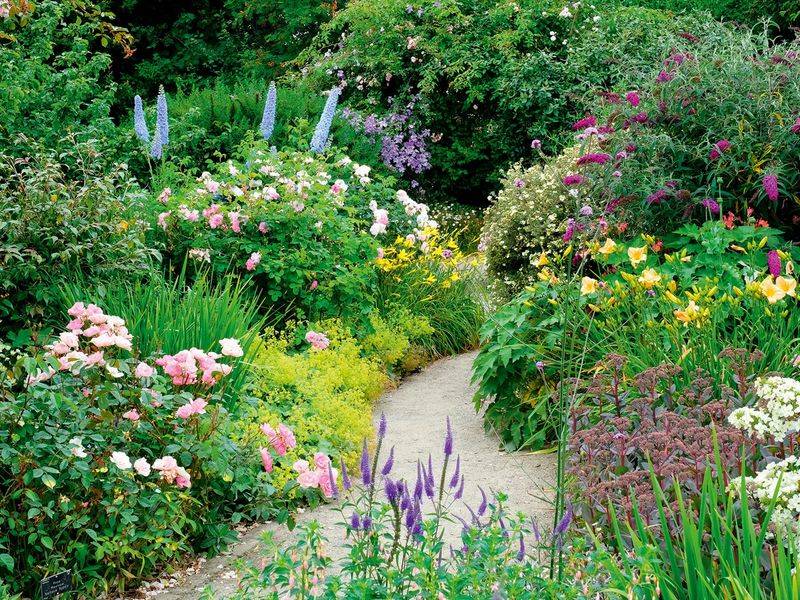
Gardens that lack seasonal variation can appear dull and lifeless at certain times of the year. Incorporating plants that bloom at different times ensures year-round interest and vibrancy, enhancing curb appeal. A mix of perennials and annuals can provide continuous color and texture.
Seasonal interest not only makes your garden more engaging but also highlights your commitment to thoughtful design, boosting property value.
15. Plastic Edging
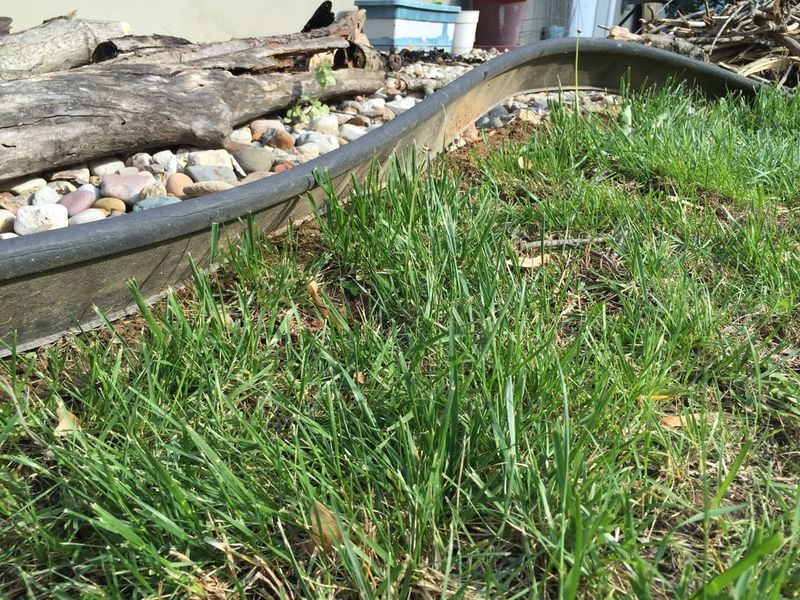
Plastic edging might seem like a quick fix for defining garden borders, but it often looks cheap and artificial. This can detract from the natural elegance of your landscape, giving it an unfinished appearance. Opting for natural materials like stone or metal adds a touch of sophistication.
Investing in quality edging solutions not only enhances aesthetic appeal but also durability, making your property more attractive to discerning buyers.
16. Excessive Lighting
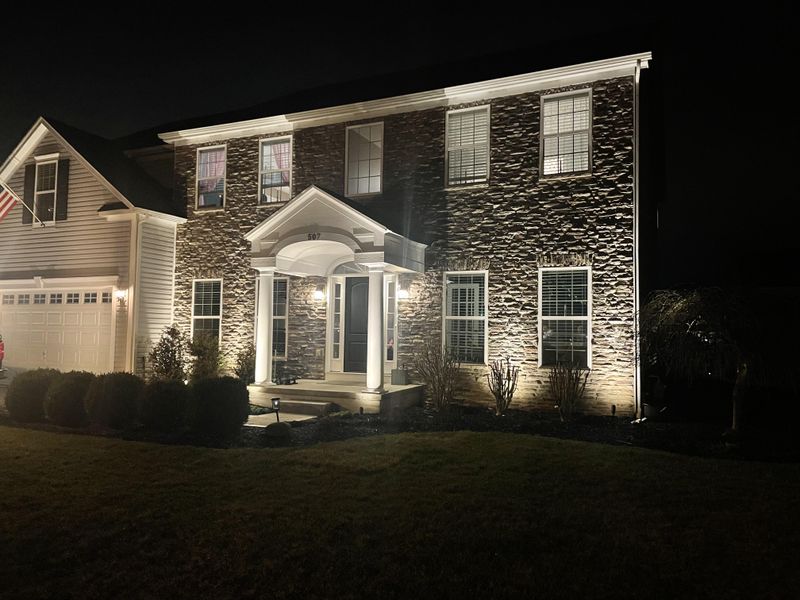
While lighting can enhance safety and ambiance, too much can be overwhelming. Excessive lighting creates glare and diminishes the natural beauty of your landscape, making it appear harsh and uninviting. Strategic lighting placement highlights key features and adds warmth.
Subtle illumination can transform outdoor spaces into welcoming retreats, making them more appealing to potential buyers and guests.
17. Ignoring Soil Health
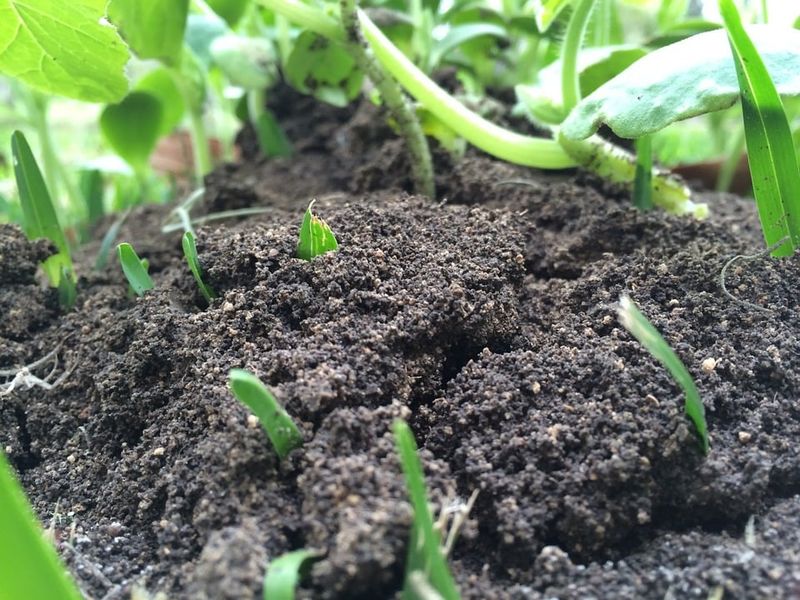
Soil health is the foundation of any thriving garden. Ignoring it can result in poor plant growth and an unattractive landscape. Compacted or nutrient-depleted soil affects plant vitality, leading to higher maintenance needs and less curb appeal. Incorporating organic matter and testing soil regularly can revitalize your garden.
Healthy soil supports robust and vibrant plant life, contributing positively to your home’s value and appearance.