 Complete Gardening
Five years ago, I embarked on a gardening journey by planting 19 varieties of self-seeding flowers. Today, my garden continues to thrive, showcasing a vibrant array of blooms that return each year with minimal effort. Here are seven standout flowers that have made my garden a perennial paradise.
1. California Poppy
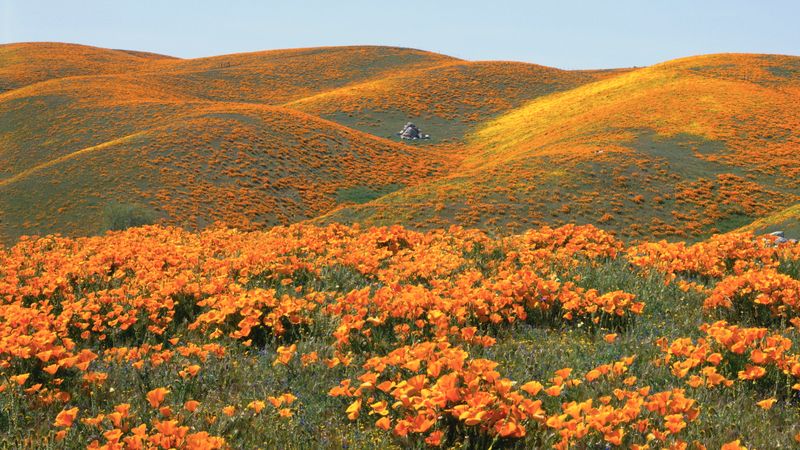
California Poppies, with their sun-kissed orange petals, have become the cheerful harbingers of spring in my garden. Their ability to reseed effortlessly ensures a burst of color each year.
These poppies thrive in poor soil, making them incredibly low-maintenance. Their resilience is matched by a delicate beauty that captivates any onlooker.
Did you know? They close their blooms at night and on cloudy days, only to open again when the sun returns. This playful behavior is just one of the many reasons they have captured my heart.
2. Bachelor’s Button
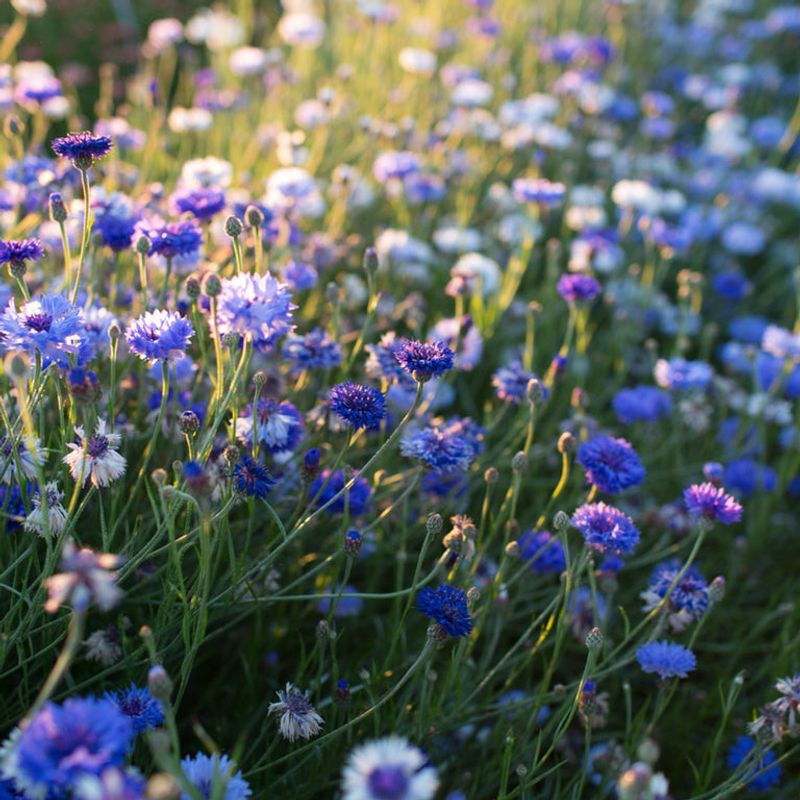
Bachelor’s Buttons, also known as cornflowers, add a splash of vivid blue to my floral collection. These hardy annuals were once a staple in traditional cottage gardens and have a nostalgic charm.
Their compact blooms attract bees and butterflies, enriching the biodiversity of my garden. They self-seed prolifically, ensuring their return year after year.
A quirky fact: Bachelor’s Buttons were worn by young men in love during the 19th century. Their lasting blooms symbolize enduring affection and add a touch of romance to any garden.
3. Nigella
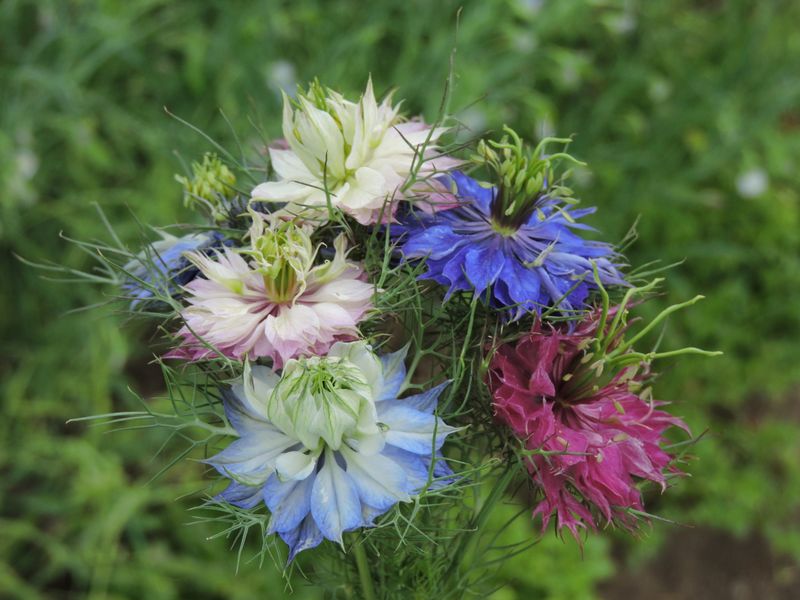
Nigella, or Love-in-a-Mist, weaves a magical tapestry in my garden with its wispy foliage and captivating blooms. Its otherworldly beauty lies in the soft intermingling of blues, whites, and pinks.
These flowers are perfect for filling in gaps in borders and blend seamlessly with other plants. Their seed pods add interest even after blooming.
Fun fact: Historically, Nigella seeds were used as a spice in cooking. This multifaceted plant not only enhances visual appeal but also offers a nod to culinary traditions.
4. Cosmos
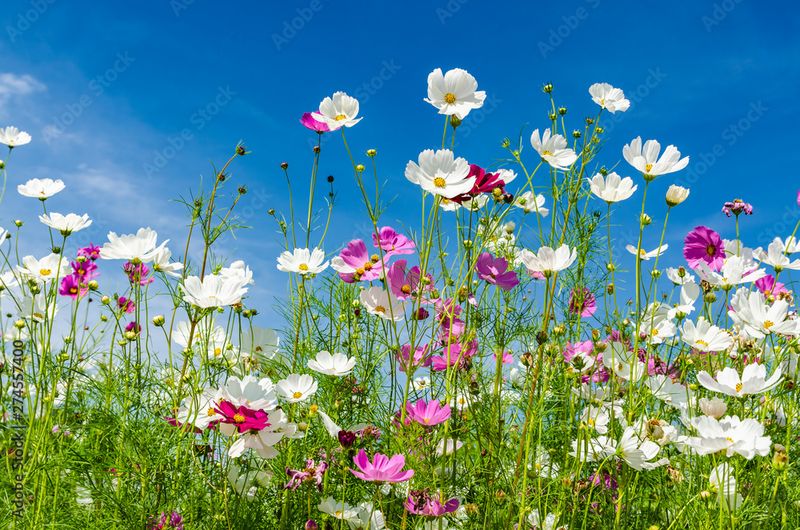
Cosmos flowers bring a sense of carefree elegance to my garden. With their feathery foliage and daisy-like blooms, they sway gracefully with every breeze.
These flowers are champions of self-seeding, returning annually to brighten up any space. Their tall stems and vibrant colors attract pollinators, enhancing the garden’s ecosystem.
Cosmos is often associated with peace and tranquility, making them a soothing presence amid the bustling life of a garden. Their timeless beauty and ease of care make them a favorite among gardeners.
5. Forget-Me-Not
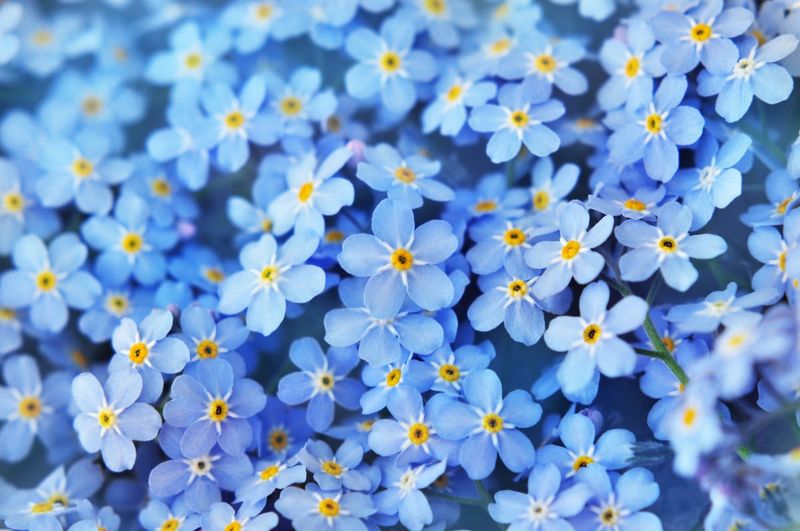
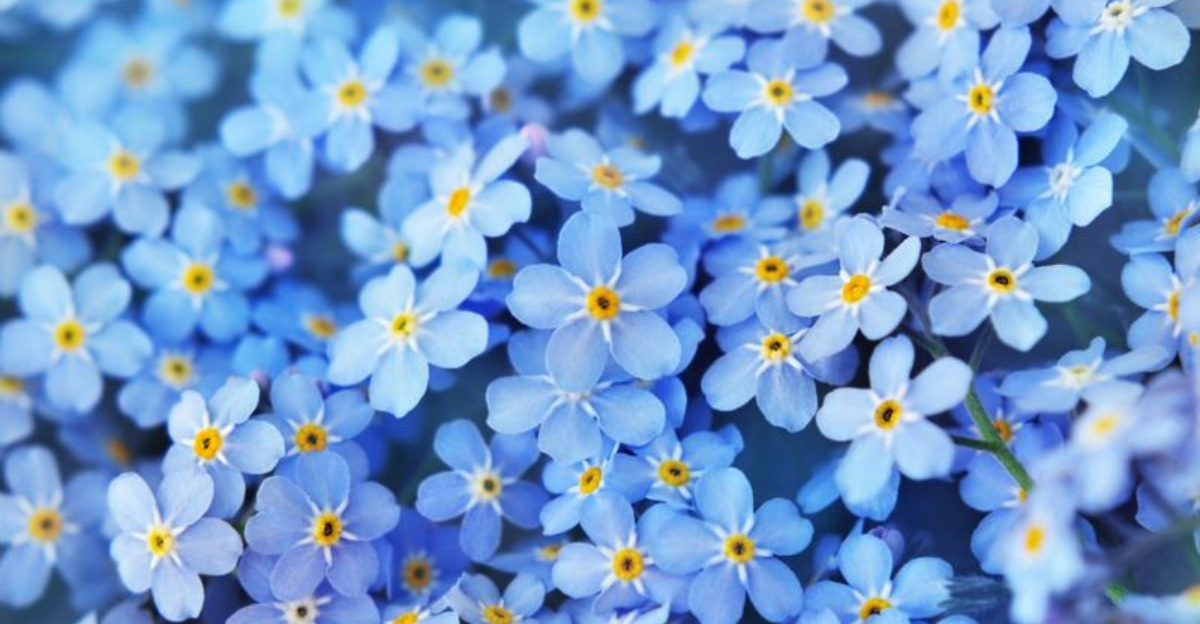
Forget-Me-Nots, with their charming tiny blue flowers, are a sentimental favorite in my garden. They create a sea of blue that is both calming and enchanting.
These biennials flourish in shaded areas, and their name evokes memories of love and remembrance. Their self-seeding habit ensures they grace my garden each spring.
In folklore, Forget-Me-Nots symbolize fidelity and enduring love, making them a poignant addition to any garden. Their delicate blooms never fail to stir emotions and create lasting impressions.
6. Hollyhock
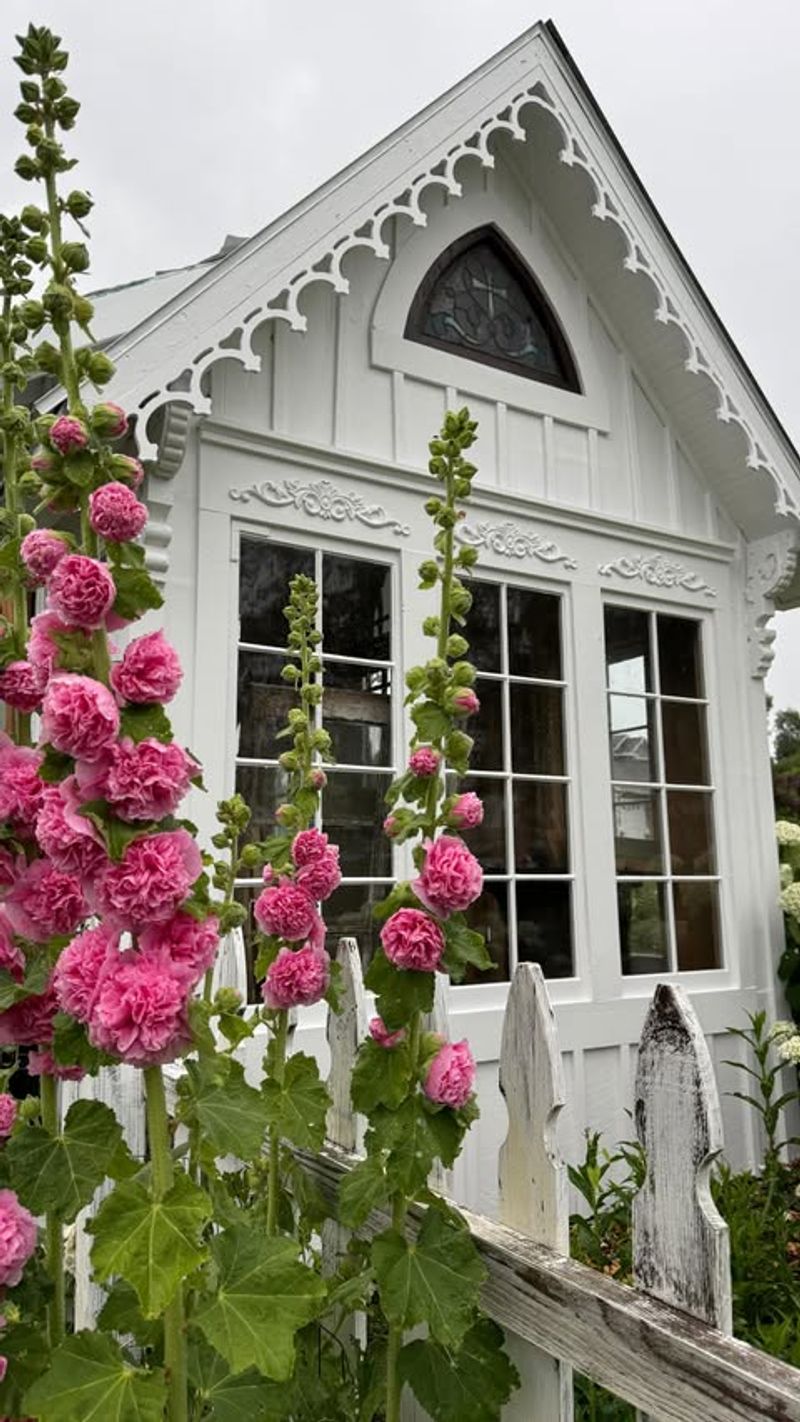
Hollyhocks stand tall and proud, adding vertical interest to my garden with their stately spires of flowers. Each blossom is a miniature bouquet, rich in color and texture.
These biennials are quintessentially cottage garden plants, and their propensity to self-seed ensures they return year after year.
A curious tidbit: Hollyhocks were once used in herbal remedies. Today, they primarily capture the heart with their nostalgic charm and towering beauty, offering a taste of the past alongside their vibrant hues.
7. Foxglove
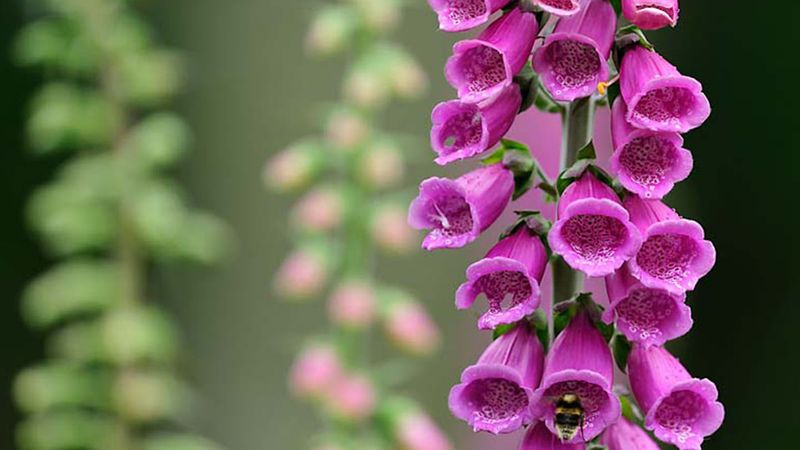
Foxgloves lend an air of mystique to my garden with their towering spires of bell-shaped flowers. Their presence is both enchanting and slightly wild.
These biennials favor shaded, woodland areas and are known for their medicinal properties, though they must be handled with care.
An intriguing fact: The name ‘Foxglove’ comes from the Old English ‘foxes glofa’, referring to the flower’s glove-like appearance. Each year, they’re a captivating sight, drawing in bees and other pollinators with their nectar-rich blooms.
8. Larkspur
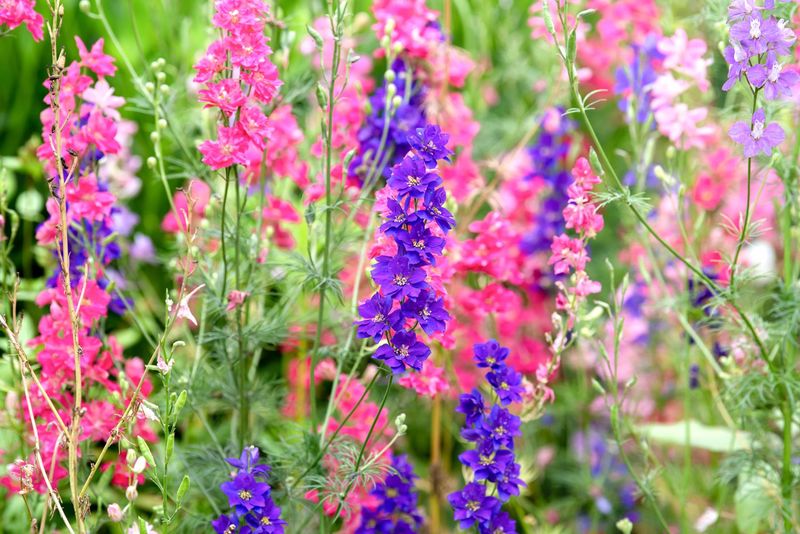
In the cooler spring months, the Larkspur graces gardens with its enchanting spires of blossoms. Their hues range from soft pastels to vivid blues, creating a delightful visual harmony. These flowers attract bees and butterflies, making them a lively addition to any garden space.
The Larkspur’s tall stalks sway gracefully in the breeze, adding a touch of whimsical elegance to garden beds. Historically, they symbolized open-heartedness and strong attachment. A resilient bloomer, Larkspur self-seeds brilliantly, ensuring its return each season.
These blooms are a gardener’s delight, requiring minimal maintenance yet offering maximum beauty. A perfect choice for perennial beauty.
9. Love-in-a-Mist
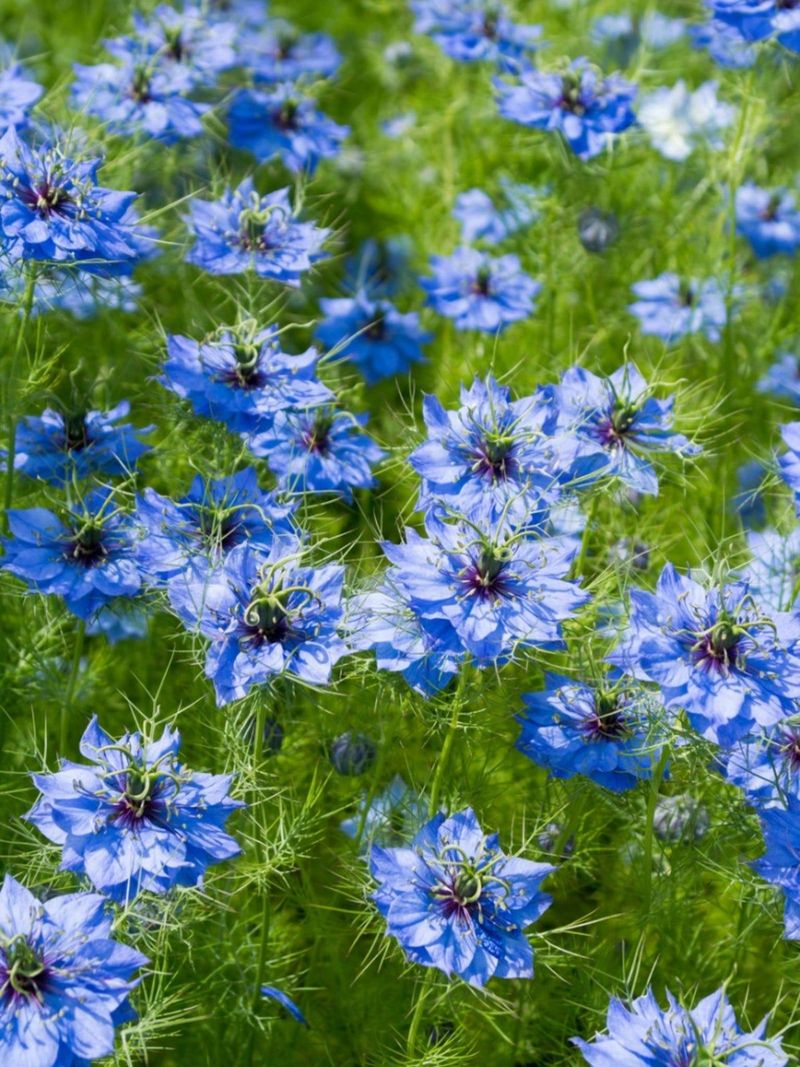
Love-in-a-Mist stands out with its unique floral structure, surrounded by a mist of delicate, thread-like bracts. Blooming in shades of blue, white, and pink, it brings an ethereal charm to any outdoor space.
This flower’s seed pods, shaped like miniature balloons, add another layer of intrigue and beauty. Self-seeding generously, Love-in-a-Mist requires little intervention once planted. Its name evokes the romantic allure that these flowers bring to gardens.
It’s a perfect choice for gardeners seeking something unusual yet effortlessly elegant. A true conversation starter, this flower captivates all who pass by.
10. Cheiranthus
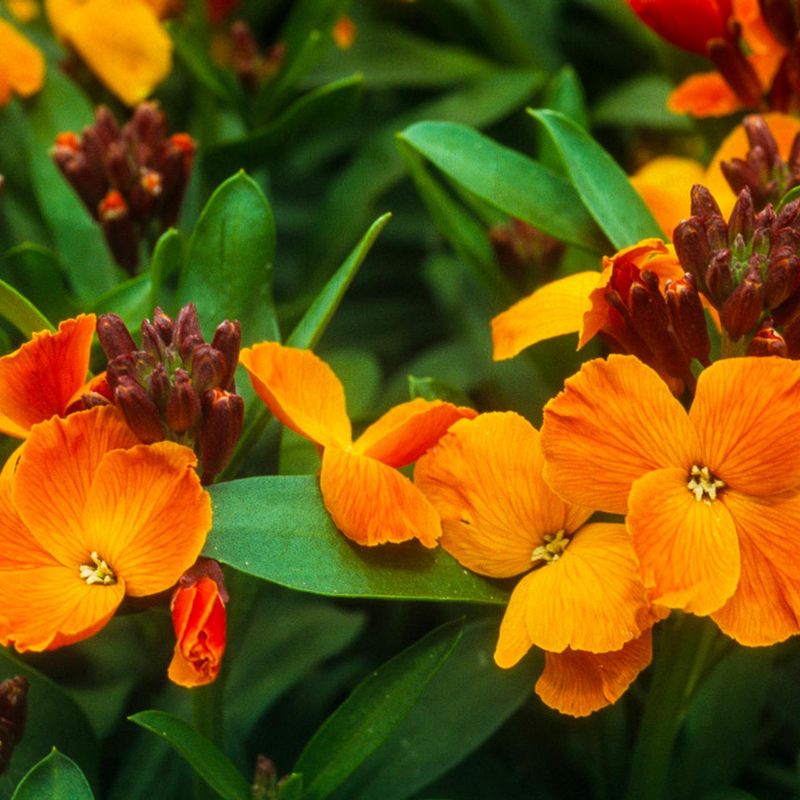
Cheiranthus, also known as Wallflower, is a delightful addition to gardens with its warm, sunny hues of orange and yellow. These flowers emit a sweet fragrance, especially notable during evening hours.
Growing best in rocky or well-drained soil, Cheiranthus thrives in less than ideal conditions, showcasing its adaptability. This resilience allows it to self-seed effectively, reappearing year after year with minimal effort.
Wallflowers have a storied past, often regarded as symbols of fidelity in love. Their cheerful presence in gardens is both nostalgic and comforting, making them a favorite among seasoned and novice gardeners alike.
11. Candytuft
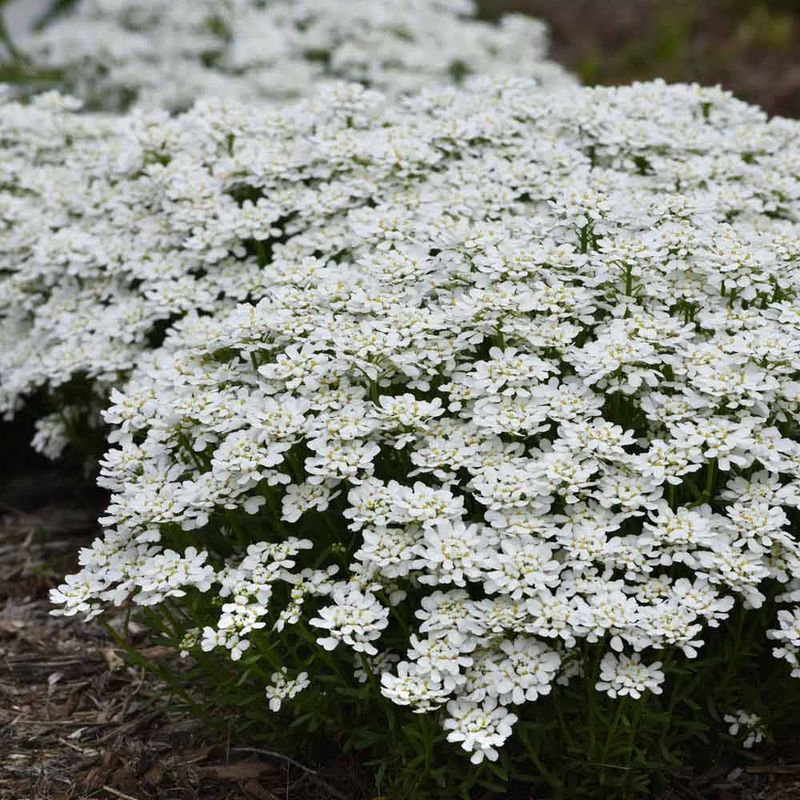
Candytuft, with its pure white clusters of flowers, illuminates gardens with a sense of purity and serenity. Commonly found in Mediterranean regions, its ability to thrive in similar climates makes it a versatile choice.
This perennial beauty not only self-seeds but also functions effectively as ground cover. Its delicate blooms create a soft blanket, enhancing the landscape’s texture.
In addition to its visual appeal, Candytuft attracts pollinators, supporting garden biodiversity. Its understated elegance is perfect for those who appreciate simplicity and grace in their outdoor spaces.
12. Corn Marigold
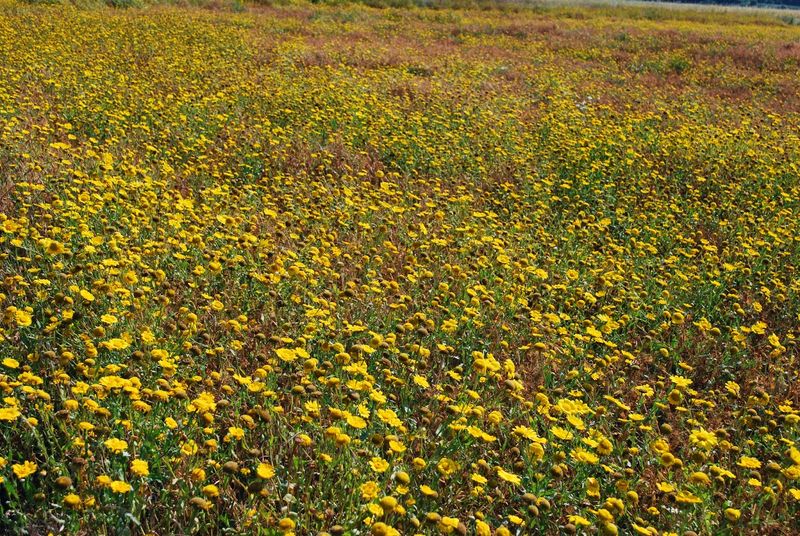
Corn Marigold, with its golden blooms, brightens up fields and gardens alike. Known for its cheerful appearance, this flower adds a touch of sunshine wherever it grows.
Historically, Corn Marigold was a common sight in grain fields, earning its name. Its self-seeding nature ensures it resurfaces each year, often spreading generously.
Besides its visual charm, this flower supports pollinators, enhancing the ecosystem. Its robust growth and striking color make it a garden staple, especially for those seeking low-maintenance beauty with high impact.
13. Snapdragon
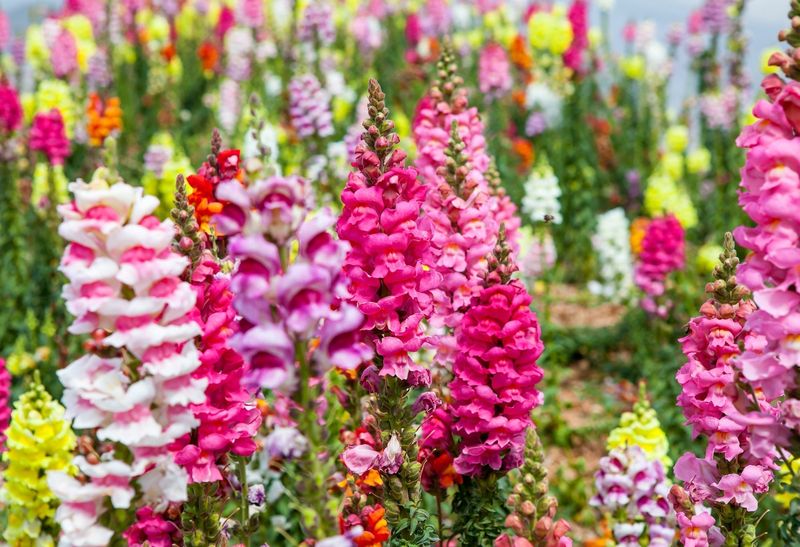
Snapdragons are garden classics, known for their vibrant colors and unique dragon-shaped blooms. They come in a variety of shades, including pinks, reds, and yellows, offering endless color combinations.
These flowers are beloved for their playful appearance and ability to attract hummingbirds. Snapdragon’s self-seeding nature means they often return year after year with little effort required.
Their name comes from the flower’s resemblance to a dragon’s mouth, which opens and closes when squeezed. This quirky trait endears them to gardeners young and old, adding whimsy to any garden setting.
14. Mallow
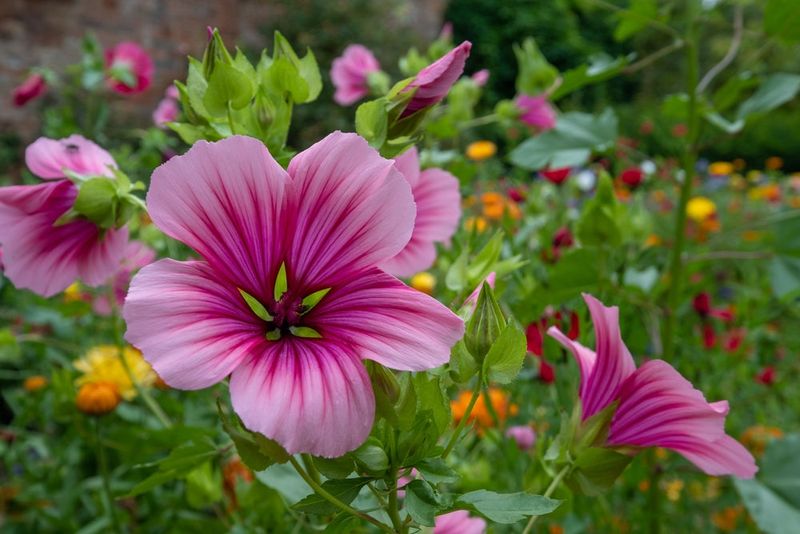
Mallow flowers bring a touch of the tropics with their large, hibiscus-like blooms. Their pink petals create a striking contrast against lush green foliage.
These flowers are as functional as they are beautiful, offering food for pollinators and visual interest for gardeners. Mallow’s self-seeding ability ensures it reappears annually, thriving in sunny garden corners.
Their historical use in traditional medicine adds an extra layer of intrigue. For those who appreciate lush blooms and rich history, Mallow is an ideal choice, blending beauty with utility seamlessly.
15. Borage
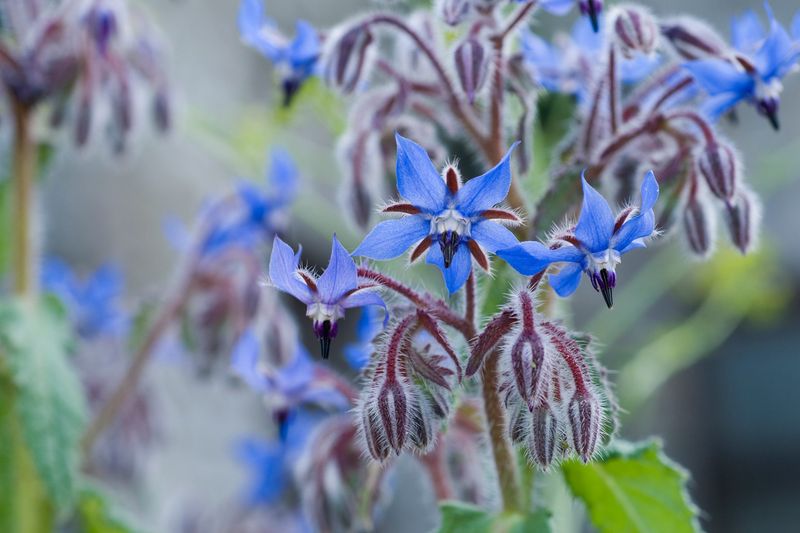
Borage is a delightful herb known for its star-shaped, blue flowers and cucumber-flavored leaves. Often used in herbal gardens, Borage adds both aesthetic and culinary value.
The flowers attract bees, enhancing pollination in surrounding plants. Borage’s self-seeding nature allows it to spread effortlessly, filling gardens with its cheerful presence.
Traditionally, Borage was used to lift spirits and bring courage, a testament to its uplifting appearance. This herb is perfect for those who appreciate multi-functional plants that offer beauty and utility in equal measure.
16. Honesty
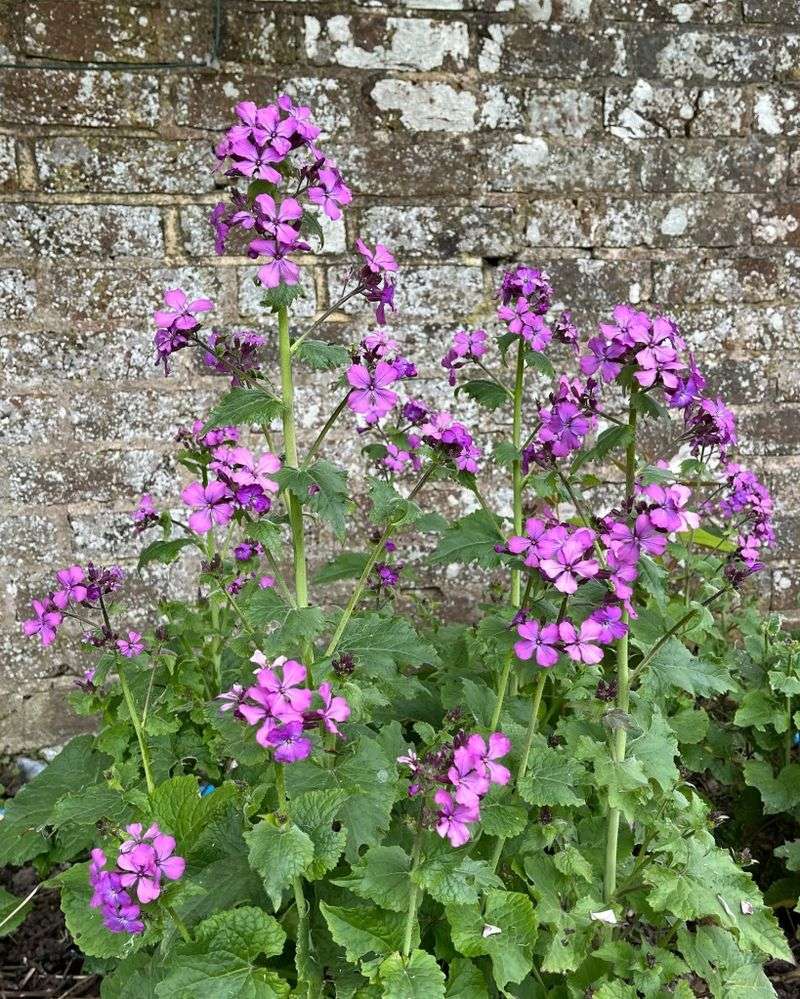
Honesty, or Lunaria, captivates with its purple flowers and distinctive silver seed pods. These seed pods are often used in dried flower arrangements, valued for their translucent quality.
This biennial plant self-seeds with ease, ensuring its continued presence in gardens with little intervention. Its flowers attract pollinators, benefiting the entire garden ecosystem.
Historically, Honesty symbolized sincerity and transparency, aligning with its name. For gardeners seeking both beauty and symbolic meaning, Honesty is a perfect choice. Its dual appeal makes it a favorite among those who enjoy both fresh and dried floral displays.
17. Sweet Alyssum
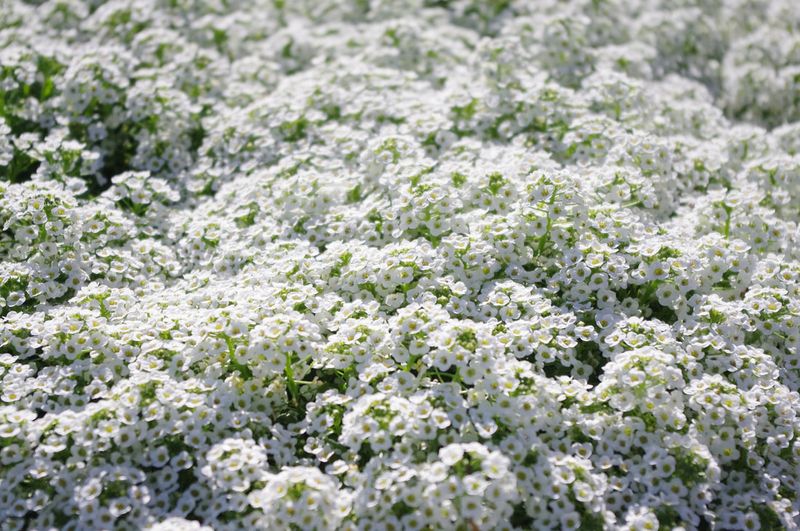
Sweet Alyssum is adored for its fine, white blossoms that cascade gracefully over garden edges and stone walls. Its sweet fragrance fills the air, creating a serene garden atmosphere.
This plant’s ability to self-seed makes it an easy-going garden companion, returning year after year with minimal fuss. Its tiny blooms attract pollinators, supporting a healthy garden ecosystem.
Historically, Sweet Alyssum was believed to drive away madness, adding a touch of folklore to its charm. For gardeners who appreciate fragrant, low-maintenance blooms, this flower is an ideal pick.
18. Coreopsis
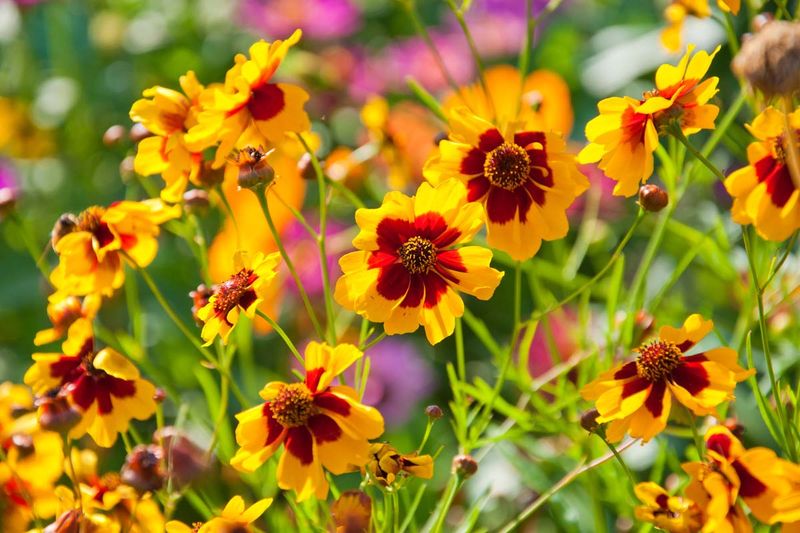
Coreopsis, often called tickseed, brightens gardens with its sunny, yellow petals. Its daisy-like flowers sway cheerfully in the breeze, adding joy to any garden setting.
This plant is drought-tolerant and self-seeding, making it a resilient choice for gardeners who prefer low-maintenance plants. Coreopsis is beloved by pollinators, enhancing the ecological value of any garden.
Historically, it was used by Native Americans for dyes and tea, offering a glimpse into its versatile uses. For those who enjoy vibrant, carefree blooms, Coreopsis is a must-have, blending beauty with practicality.
19. Feverfew
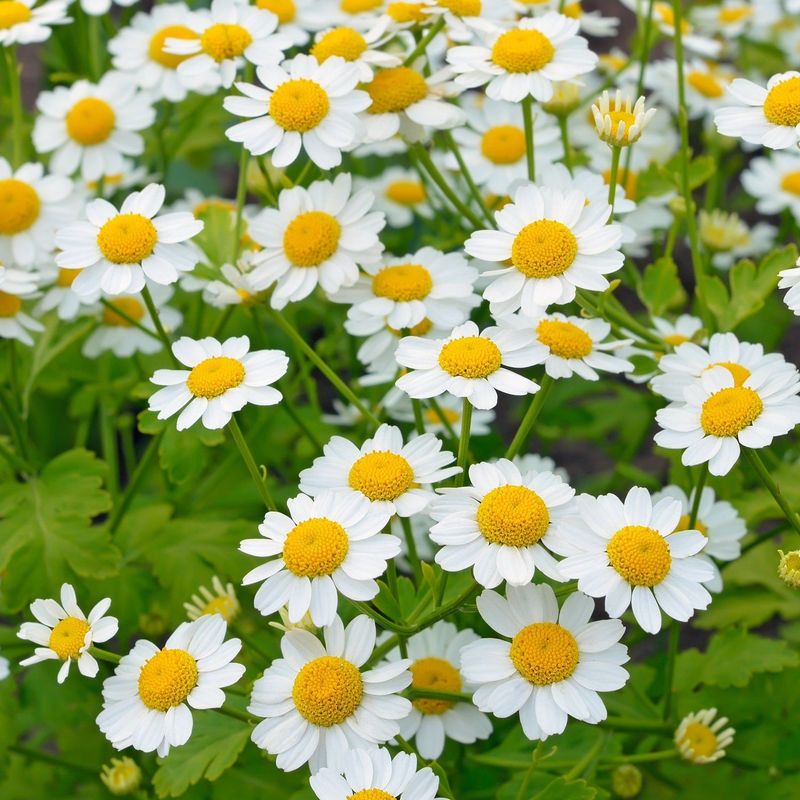
Feverfew is a medicinal herb with small, daisy-like flowers that add charm to herbal gardens. Its vibrant white and yellow blooms are both decorative and functional.
This plant self-seeds readily, spreading its cheerful presence throughout gardens. It has been historically used to treat headaches and fevers, offering both beauty and utility.
For gardeners who appreciate plants with historical significance and practical uses, Feverfew is an excellent choice. Its dual role as a healing plant and a visual delight makes it a unique addition to any garden space.