
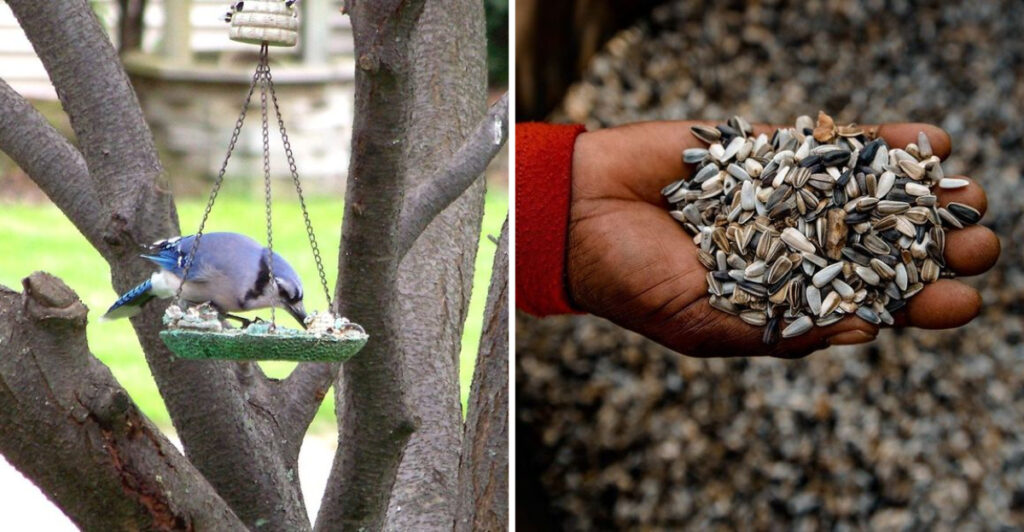
Bird feeding can bring joy to your backyard, attracting various species to watch and enjoy. However, certain practices may unwittingly deter birds from visiting your feeders.
1. Improper Feeder Placement
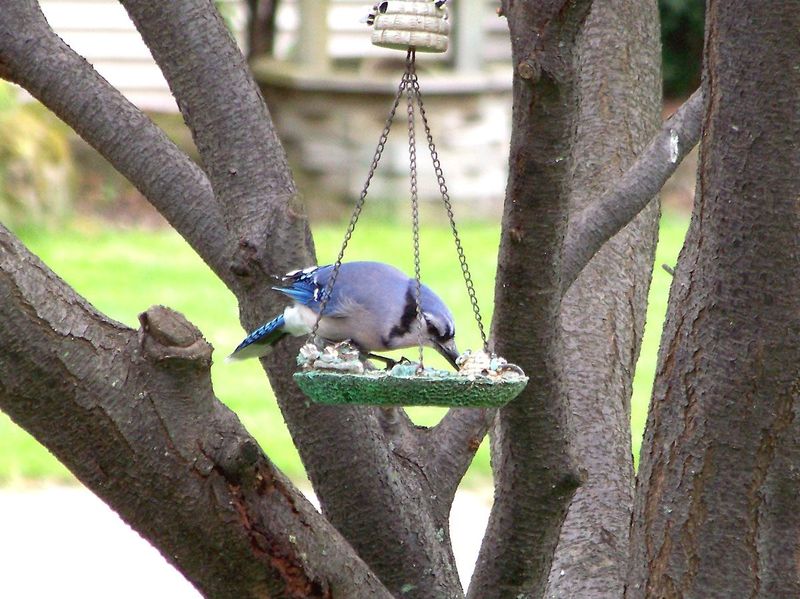
Imagine placing a diner in an alley; not very inviting, right? Similarly, bird feeders often suffer from poor placement. A feed located in a dense area might feel like a trap. Birds prefer open spaces where they can keep a lookout for predators.
Positioning the feeder too close to branches allows squirrels easy access, creating unwanted competition.
Consider visibility and safety. Birds need to feel secure while eating, so aim for a location where they can feed without obstacle or threat. Remembering these simple adjustments can make a world of difference.
2. Wrong Seed Choice
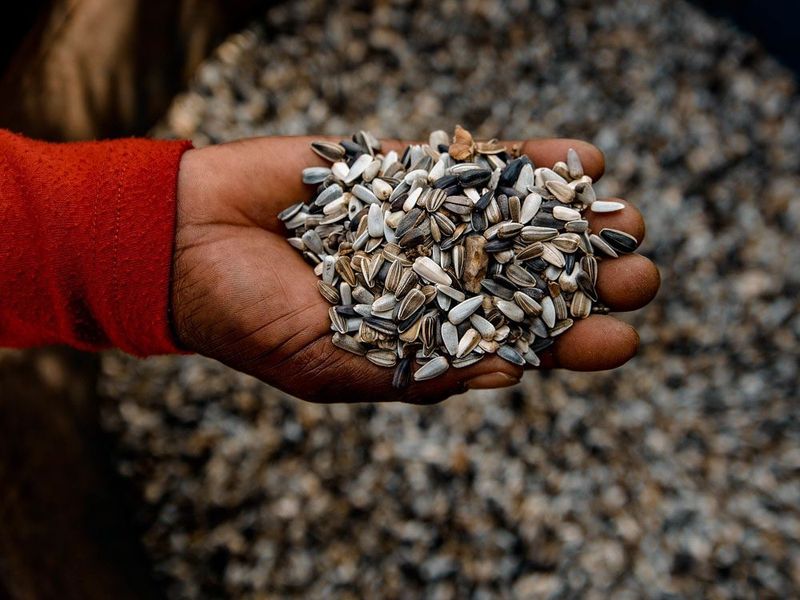
Ever had a dish that wasn’t to your taste? Birds experience the same with seed choices. Many feeder enthusiasts opt for generic mixes that some birds simply dislike.
Providing a variety of seeds, like sunflower or millet, can cater to diverse tastes.
Research which local species frequent your feeder and purchase seeds accordingly. By choosing suitable options, you encourage more bird visits and reduce waste. Consider the nutritional needs and preferences of your avian visitors to keep them coming back for more.
3. Neglecting Feeder Cleanliness
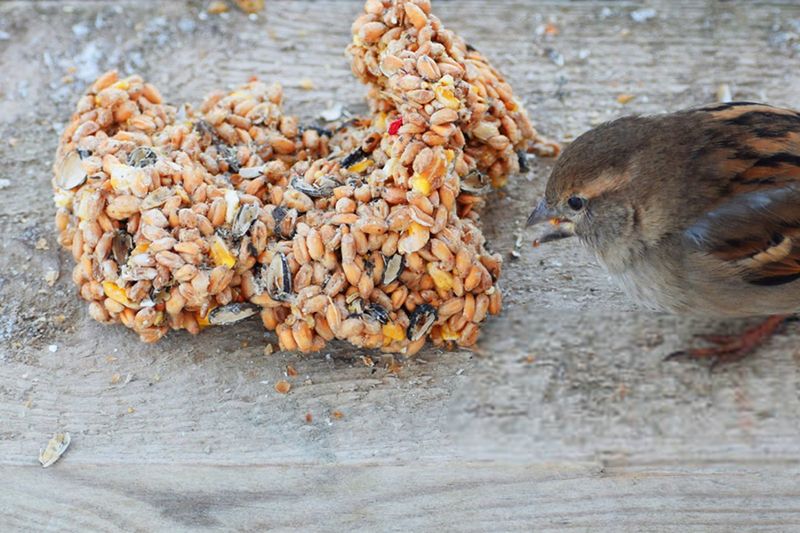
A neglected feeder can become a breeding ground for mold and bacteria. Imagine dining at a dirty table; it’s unappealing and unsafe.
Regular cleaning not only ensures a healthy feeding environment but also attracts more birds. A dirty feeder might deter birds from returning, harming their health in the process.
Use mild soap and water weekly to maintain cleanliness. This simple habit protects the birds and enhances their dining experience, making your feeder a popular stop.
4. Ignoring Seasonal Changes
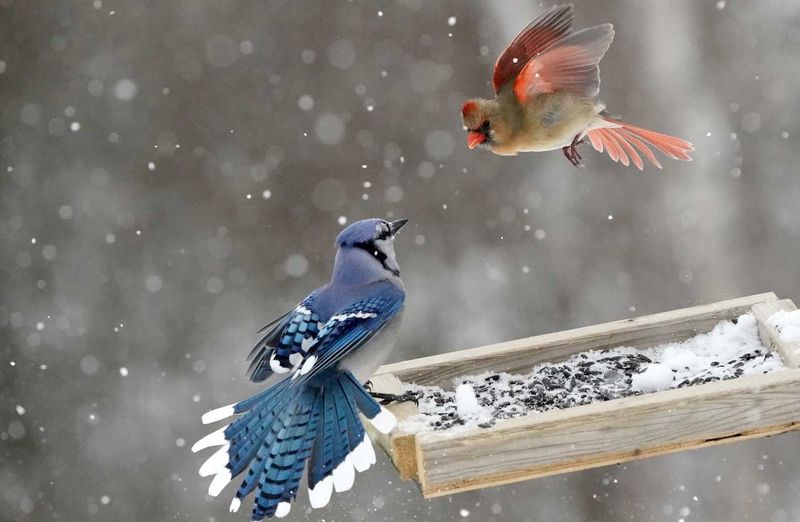
Seasons change, and so do feeding needs. In winter, birds require high-fat foods to sustain energy, while summer calls for lighter options.
Ignoring these shifts might leave your feeder unvisited. Adjusting the offerings according to seasonal needs ensures continuous bird visits.
Understanding these natural cycles enhances feeder success, providing the right nutrition at the right time. Stay attuned to these changes to keep your backyard lively all year round.
5. Overcrowding Feeders
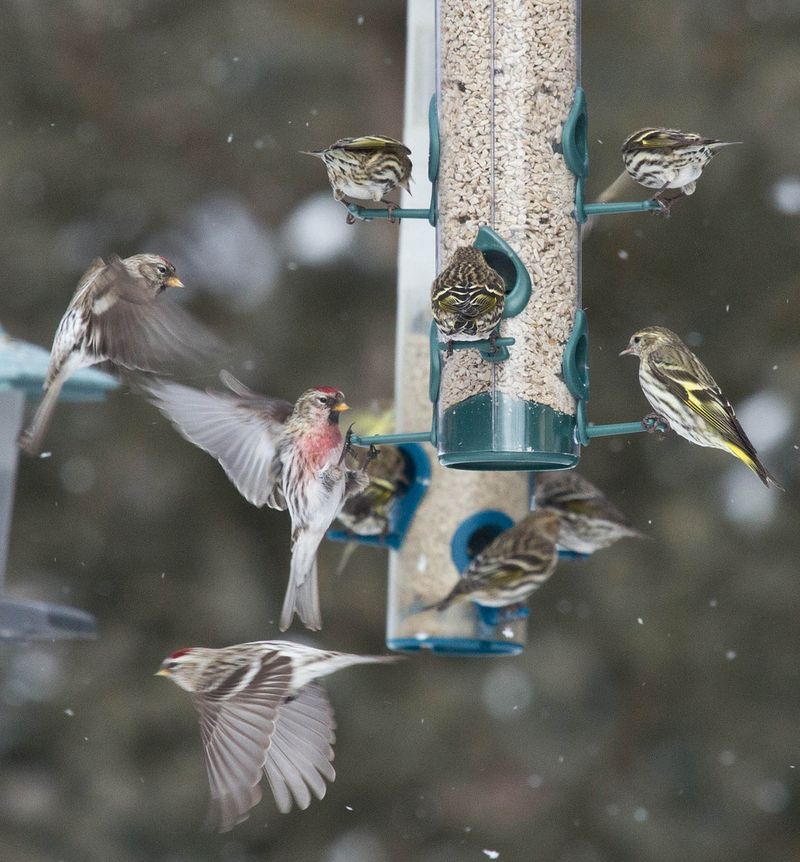
Overcrowding can lead to fights and stress among birds. A peaceful lunch can quickly turn into chaos.
Multiple feeders can alleviate congestion, offering more space and reducing conflicts.
Providing varied feeding spots promotes a harmonious environment, benefiting all birds. Adjusting this setup can significantly improve feeder success and keep your feathered guests happy.
6. Bright Colors and Reflections
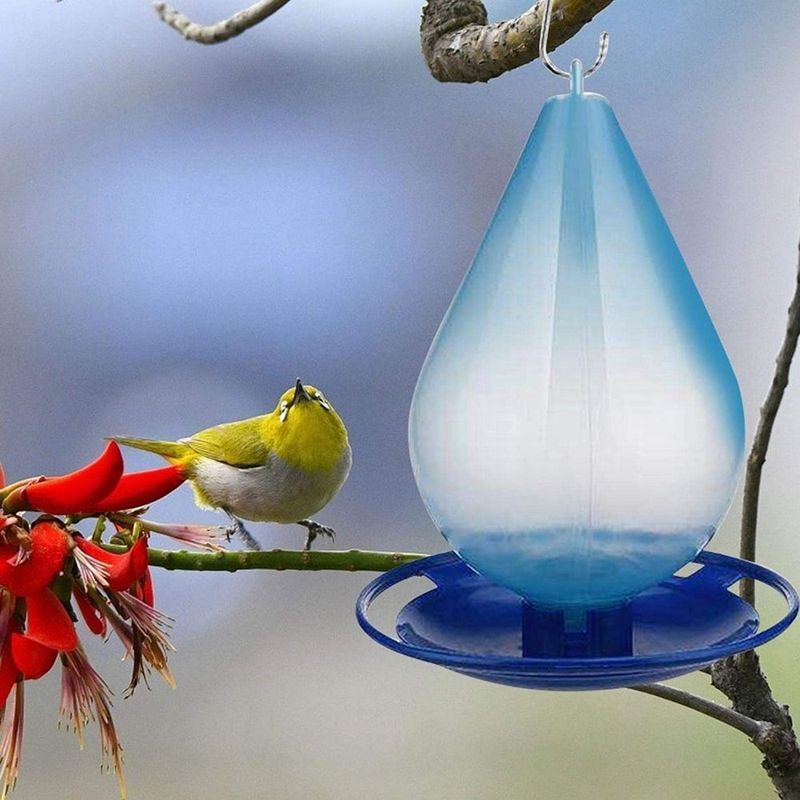
Ever noticed how birds steer clear of flashy, reflective surfaces? Birds are naturally cautious, and bright, reflective colors can be intimidating. They may perceive these reflections as predators or become disoriented.
Opt for more natural, muted colors to make the area more inviting.
By minimizing shiny distractions, you can create a more welcoming environment for our feathered friends. Remember, subtlety is key when it comes to attracting birds. A bird-friendly space blends harmoniously with nature’s palette, allowing birds to feel safe and secure in their surroundings.
7. Inconsistent Feeding Schedule
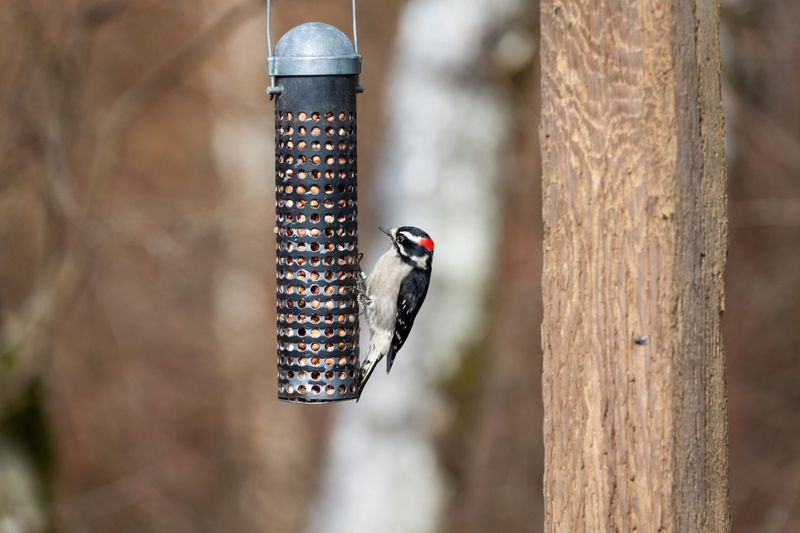
Birds, like humans, appreciate routine. An erratic feeding schedule can confuse them, leading to fewer visits. Birds remember consistent food sources, and unpredictable patterns can drive them away.
Stick to a regular schedule to build trust with your avian visitors.
Once birds know they can rely on your feeder, they’ll be more likely to visit. Predictability is comforting for birds, and a dependable routine can transform your feeder from a sporadic stop to a favorite destination.
8. Feeder Accessibility
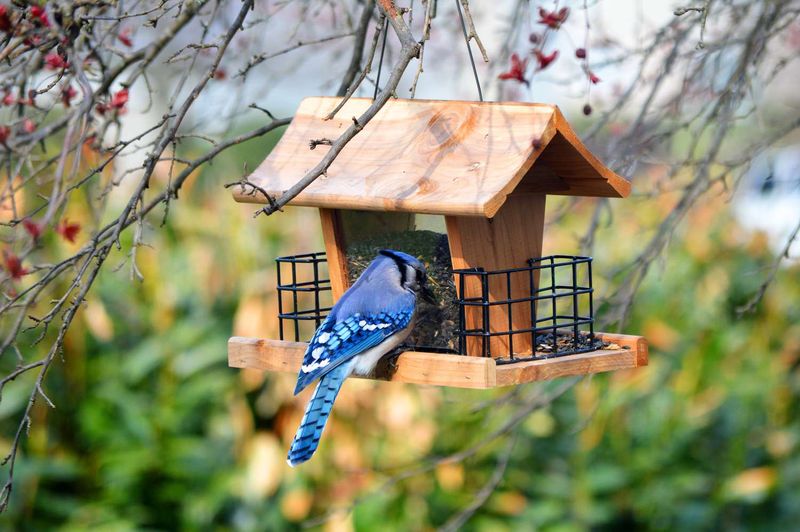
Is your feeder easy for birds to access, or is it surrounded by obstacles? Overgrown branches and crowded spaces can deter birds.
Ensure a clear path to the feeder so birds can approach without hassle. Consider the vantage points they need to feel safe while dining.
Creating a spacious, inviting environment will increase visits. Birds prefer feeders that allow them to spot potential threats and escape easily if necessary. Consider your feeder’s accessibility to give birds a stress-free dining experience.
9. Overuse of Pesticides
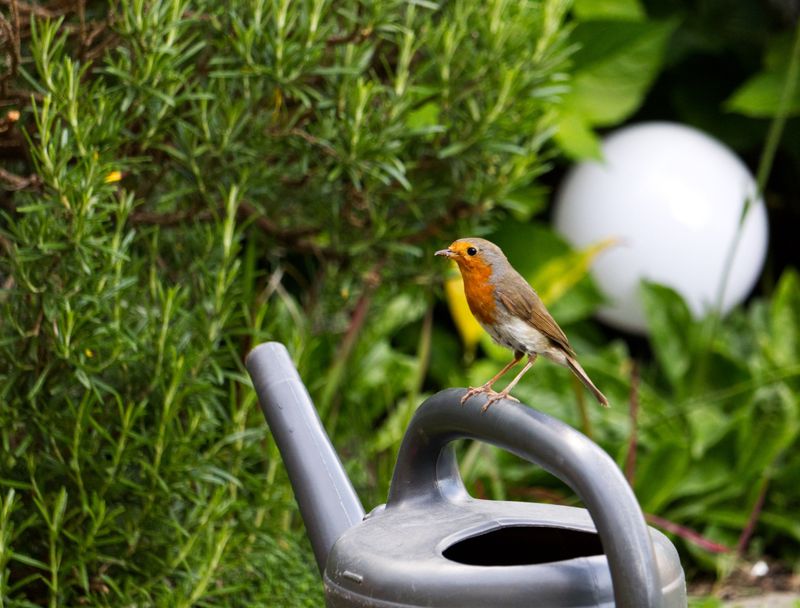
Pesticides may keep insects at bay, but they can also repel birds. These chemicals can contaminate food sources and the surrounding area, making it less appealing to birds.
Choose eco-friendly alternatives to protect your garden and welcome birds. The health of your garden’s ecosystem is vital for both birds and plants.
By minimizing chemical use, you create a healthier environment for everyone. Birds can sense these changes, and a natural, chemical-free zone will become a haven for them.
10. Lack of Water Source
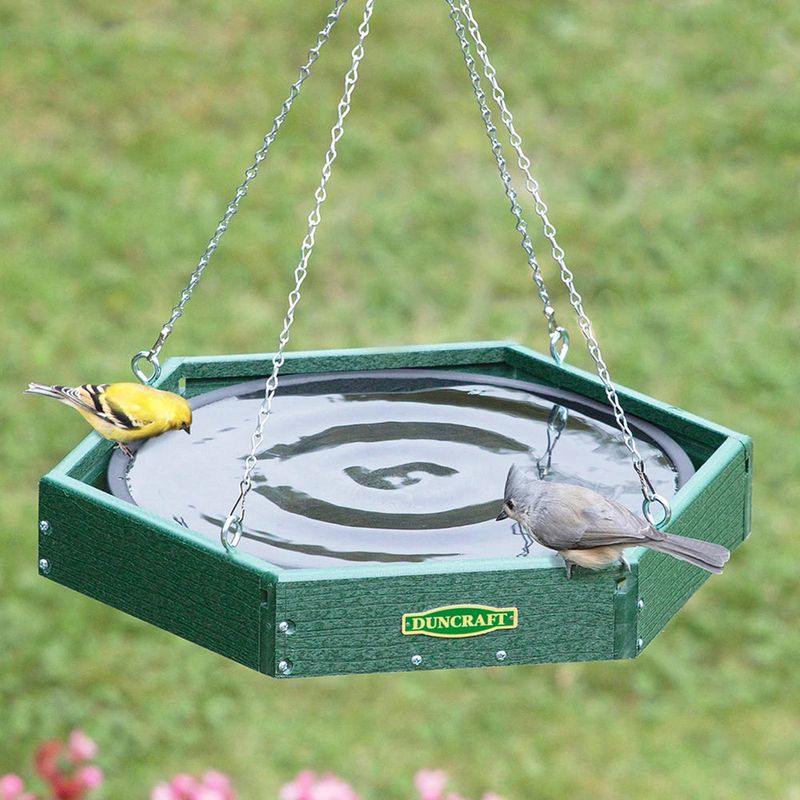
Birds seek both food and water, especially during hot weather. A feeder without a nearby water source might not be enough to attract them.
Incorporate a birdbath or small water feature nearby to draw more birds. Water not only quenches their thirst but also offers a place to bathe, adding to their overall comfort.
A well-rounded environment with these essentials can turn your yard into a popular bird stop. Providing for all their needs makes your space irresistible to birds.
11. Predator Presence
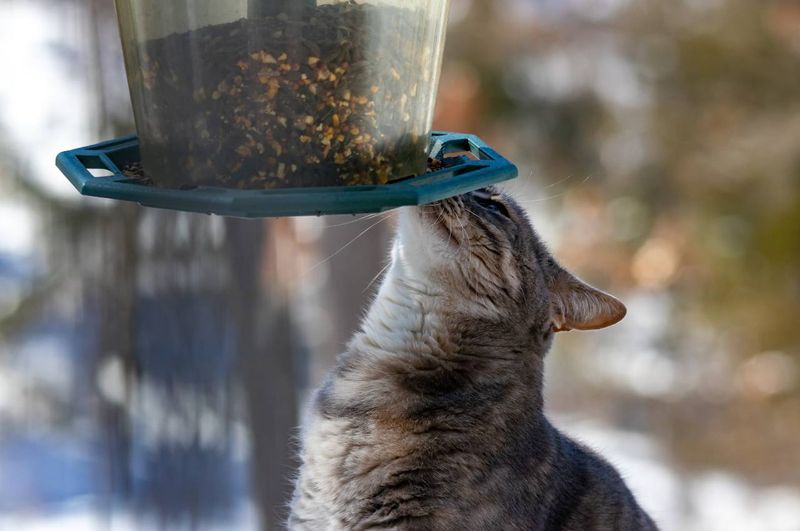
The presence of predators, such as cats, can scare birds away from feeders. Birds need to feel safe and spotting a lurking predator deters them from visiting.
Consider installing some protective measures to keep predators at bay. Providing a safe environment is crucial for attracting birds.
Use fencing or strategic placement to ensure predators do not have easy access. Creating a haven will increase your feeder’s popularity among bird visitors.
12. Improper Weather Protection
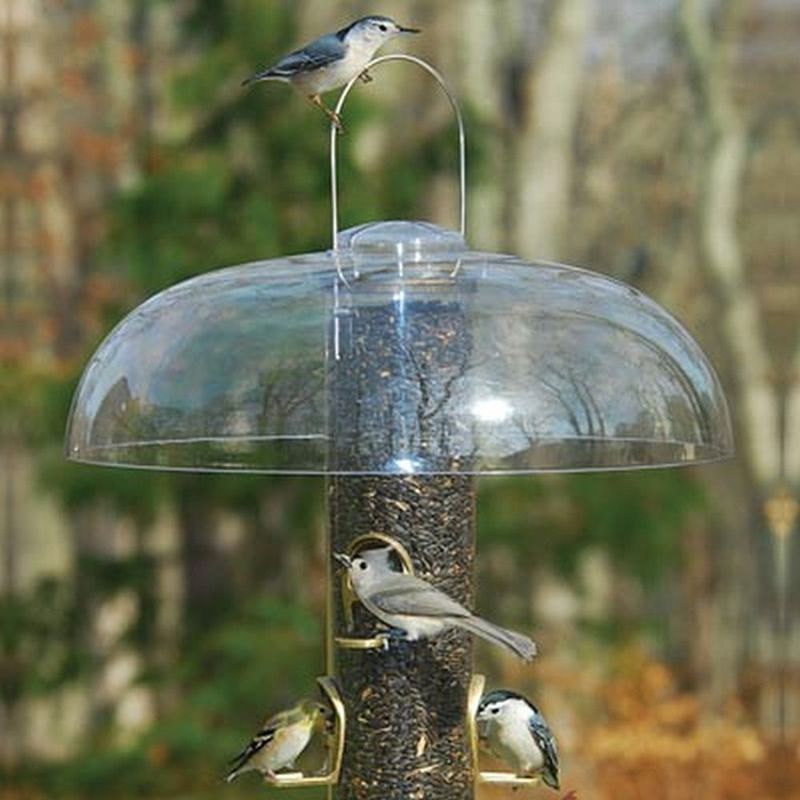
Is your feeder sheltered from harsh weather? Rain, wind, and snow can make feeders less appealing. Birds prefer dry, snug spots for feeding, especially during bad weather.
Consider adding covers or strategically positioning the feeder to minimize exposure.
A well-protected feeding area is more enticing to birds seeking comfort. By ensuring protection from the elements, you encourage frequent visits even during inclement weather.
13. Inadequate Feeder Variety
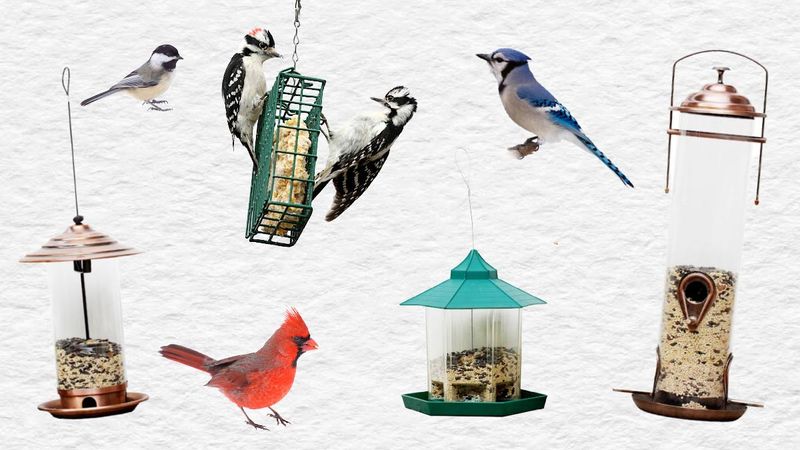
Having just one type of feeder might not cater to all bird species. Different birds have different preferences, and a lack of variety can limit your feathered visitors.
Consider adding different feeders to attract more species. Tube feeders, suet cages, and platform feeders all cater to different needs.
Catering to various species enriches your birdwatching experience. Offering a range of feeding options is key to welcoming a diverse flock to your yard. Birds appreciate choice, much like us.
14. Ignoring Feeder Height
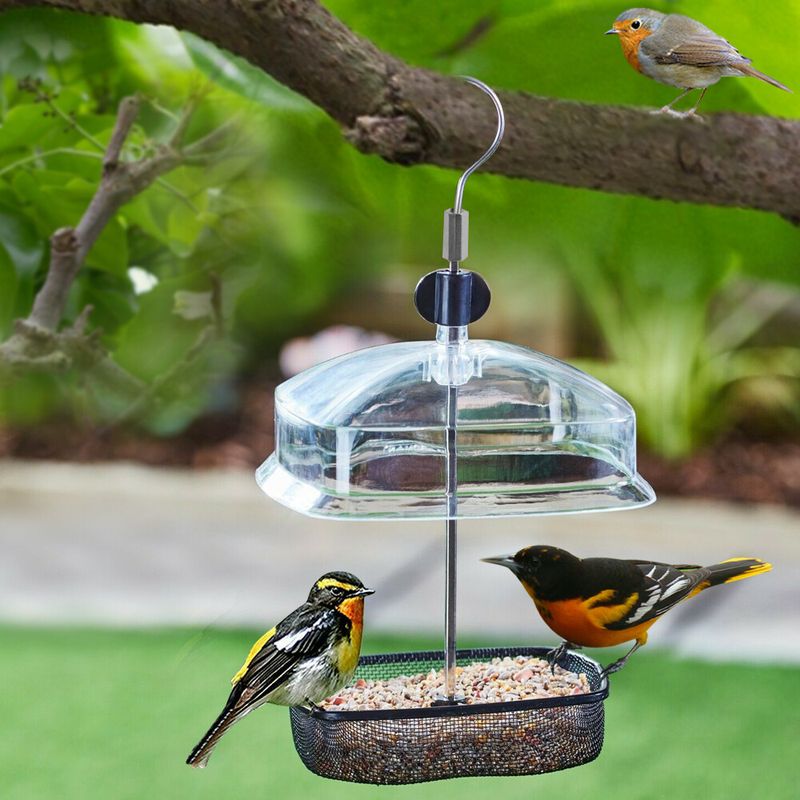
Ever thought about the height of your feeder? A feeder that’s too high or low can deter certain birds. Different species have different comfort zones when it comes to feeding height.
Adjust the height to accommodate a wider range of birds.
By making this simple change, you can significantly increase feeder visits. Understanding the preferences of your local birds makes your feeder a more attractive option. It’s all about striking the right balance for everyone’s comfort.
15. Lack of Natural Cover
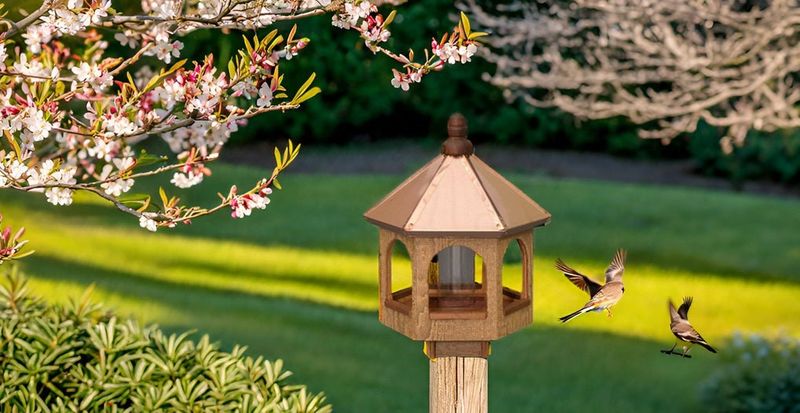
Birds need a quick escape route, and a feeder without nearby cover can feel exposed. Natural cover like trees and shrubs offer protection and make birds feel secure.
Add some natural elements near your feeder to provide that safe haven.
Creating a sanctuary in your garden can make all the difference. Birds favor feeders that allow them to retreat quickly if needed. By incorporating natural cover, you invite more avian visitors.