
Late summer flowers possess an enigmatic charm that captivates gardeners worldwide. These blooms, often overshadowed by their spring counterparts, hold secrets that even seasoned horticulturists might keep close to their chests. Whether it’s their unexpected resilience or their surprising origins, there’s more to these flowers than meets the eye. This article dives into 15 lesser-known facts about these enigmatic blooms, revealing the hidden beauty and stories behind each petal. From their unique growth patterns to their cultural significance, prepare to uncover the mysteries of late summer flowers that make them a cherished addition to any garden.
1. Japanese Anemone’s Late Bloom
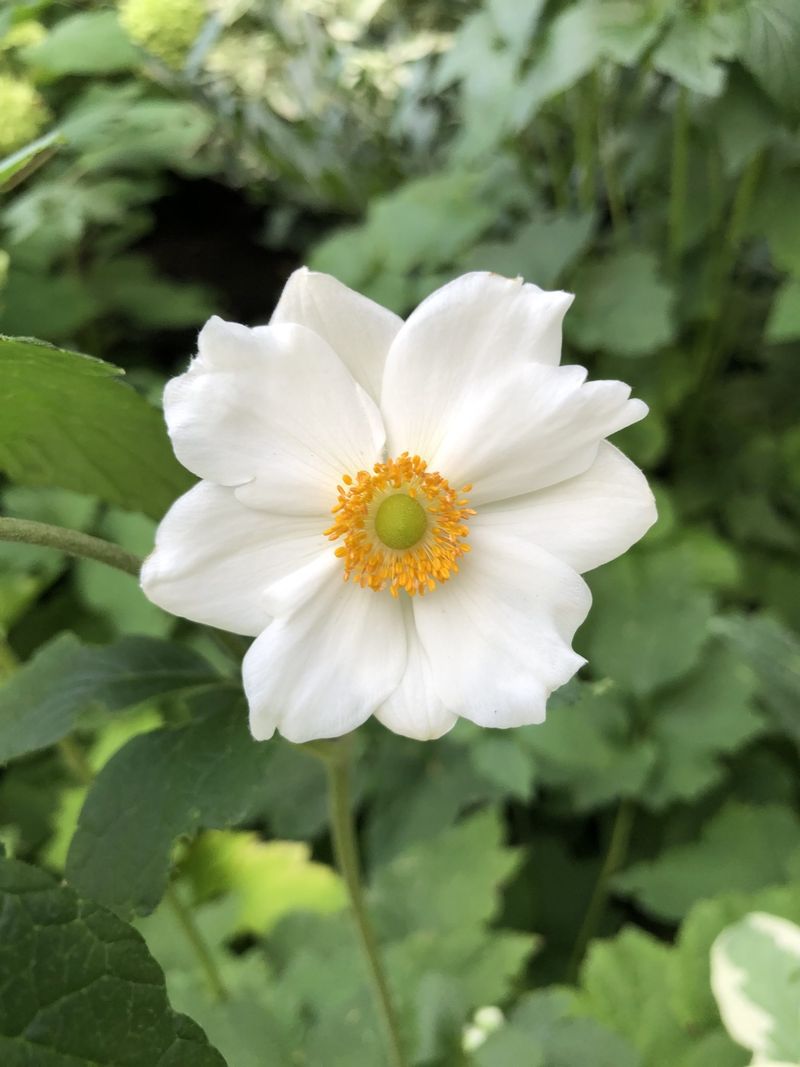
Japanese Anemones bloom when most other flowers begin to fade. Their delicate petals and elegant stature offer a striking contrast to the waning summer days. This flower is often dubbed the ‘queen of late summer’ due to its long-lasting blooms. Japanese Anemones thrive in shaded areas, providing a pop of color in otherwise dull spots. Gardeners appreciate their low-maintenance nature, allowing more time to enjoy their beauty. Interestingly, these flowers are often passed down through generations, becoming a living family heirloom. Rich in history, they add a touch of grace to any garden setting.
2. Aster’s Star-Like Appearance
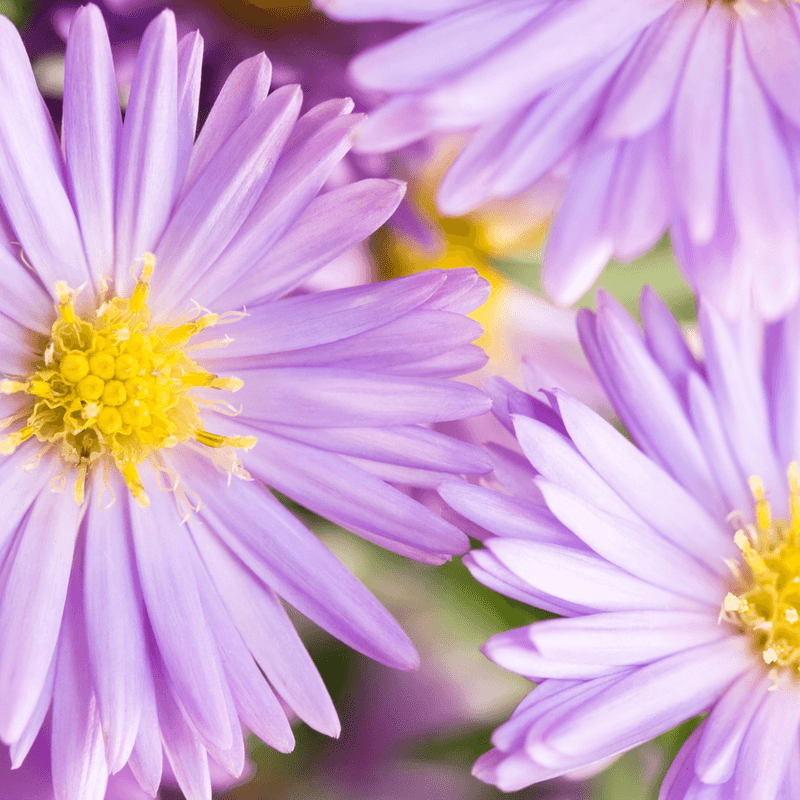
Asters, known for their star-like petals, are often associated with the stars themselves. These resilient blooms thrive as summer transitions to autumn. Their unique shape and diverse colors make them a favorite among garden enthusiasts. The Aster symbolizes love and wisdom, making it a meaningful addition to bouquets. These flowers attract pollinators, supporting garden ecosystems. Historically, Asters were used in ancient medicine, believed to ward off evil spirits. Their rich symbolism and striking beauty ensure that Asters remain a cherished part of late summer gardens. Each bloom captures the essence of the season’s change.
3. Sedum’s Succulent Secrets
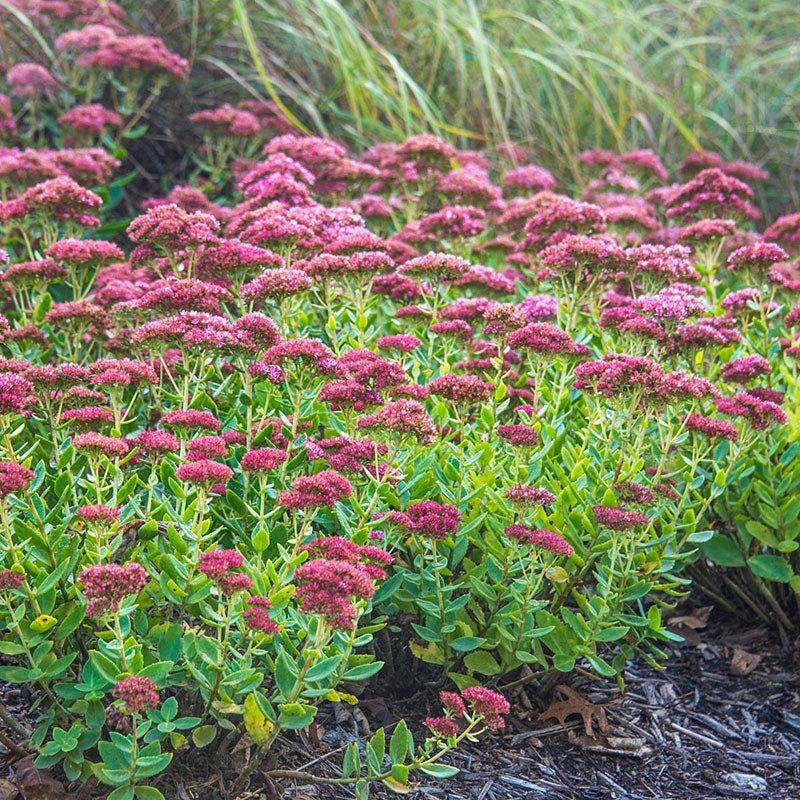
Sedum, or Stonecrop, reveals its beauty when other plants may struggle. Its succulent leaves store water, enabling it to flourish in dry conditions. Sedum’s bright clusters of flowers offer a vibrant display late in the season. This plant is a favorite for rock gardens and borders. Easy to propagate, Sedum spreads effortlessly, covering ground with its lush greenery. A symbol of tranquility, it’s often incorporated into zen gardens. Its ability to thrive in challenging conditions highlights its resilience. Sedum’s unique texture and coloration make it a standout choice for gardeners seeking diversity.
4. Dahlia’s Diverse Display
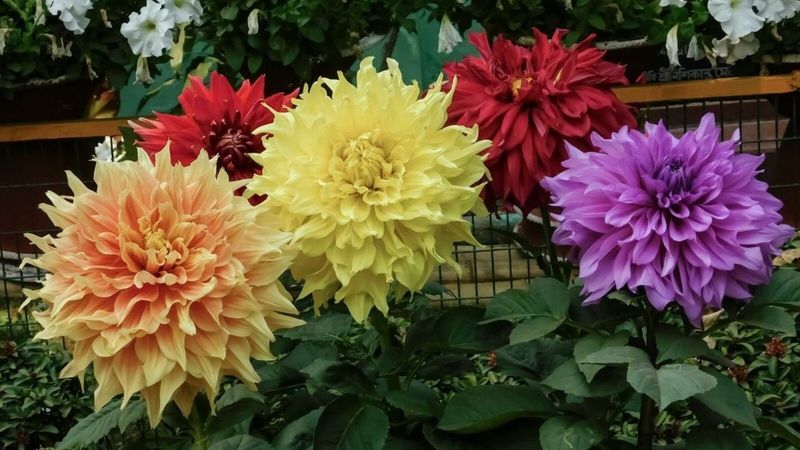
Dahlias are famous for their wide array of colors and intricate patterns. These flowers can range in size from tiny pompoms to large dinner plates. Gardeners prize Dahlias for their ability to bloom continuously through late summer into fall. They thrive in sunny spots and are often featured in competitive flower shows. Originating from Mexico, Dahlias hold cultural significance and are celebrated for their vibrant hues. Easy to cultivate, they offer endless possibilities for garden design. Each Dahlia bloom tells a story through its unique form and color palette, making them a versatile choice for landscapers.
5. Sunflower’s Sunny Disposition

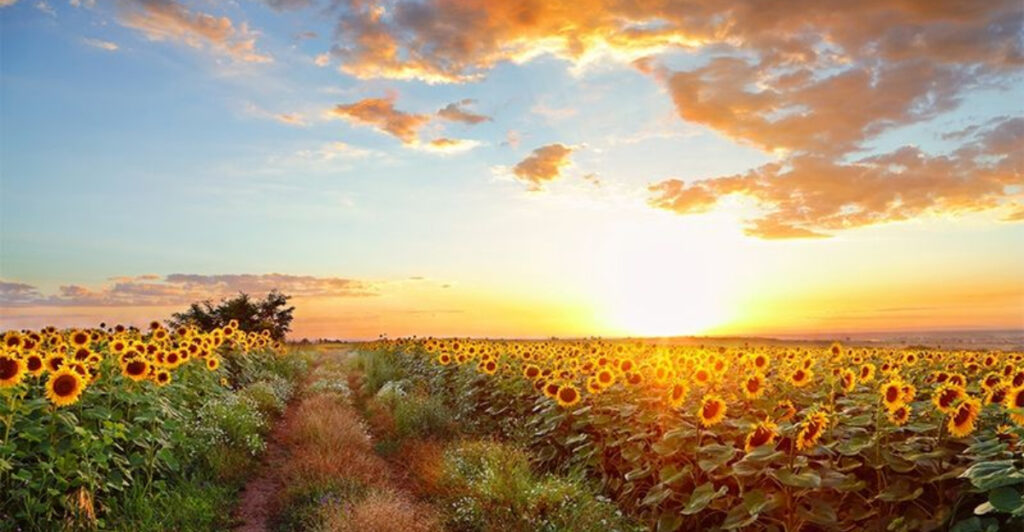
Sunflowers are synonymous with warmth and positivity. Known for following the sun, these flowers exhibit heliotropism, turning their heads toward the light. Late summer sees sunflowers at their peak, standing tall and proud. Besides their beauty, they provide seeds and oil, adding nutritional value. In art and culture, sunflowers symbolize adoration and loyalty. Their towering presence makes them a favorite backdrop in gardens and fields. Despite their robust appearance, sunflowers convey a gentle message of constancy and hope. Their ability to bring joy ensures they remain a beloved part of the late summer landscape.
6. Goldenrod’s Unfair Reputation

Goldenrod often gets a bad reputation for causing allergies, but its pollen is not airborne. It’s bee-pollinated, making it a critical food source for bees in late summer. This misconception doesn’t overshadow its vibrant beauty. Goldenrod’s striking yellow blooms brighten any landscape. It’s a hardy plant, thriving in meadows and roadsides, often seen as a wildflower. Historically, Goldenrod was used in herbal remedies, appreciated for its healing properties. Its resilience and ecological importance make it a valuable addition to gardens. Goldenrod’s sunny disposition adds warmth and brightness to late summer settings.
7. Black-Eyed Susan’s Radiant Charm

Black-Eyed Susans radiate charm with their bright petals and dark centers. These flowers, native to North America, symbolize encouragement and motivation. Blooming in late summer, they bring vibrant color to gardens. Their hardiness makes them a gardener’s favorite. Black-Eyed Susans attract butterflies, adding a lively touch to any flower bed. Historically, they were used in folk medicine for their purported healing properties. The cheerful appearance of Black-Eyed Susans makes them a beloved symbol of sunny days. Their resilience and beauty ensure they remain a staple in gardens, offering joy and inspiration as summer wanes.
8. Echinacea’s Medicinal Marvels

Echinacea, or coneflower, is famed for its medicinal properties. These spiky petaled blooms are not only beautiful but beneficial. Echinacea is often used to boost the immune system and combat colds. In late summer, it offers vibrant color and attracts pollinators to gardens. The flower’s unique structure and earthy tones make it a standout. Historically, Native Americans utilized Echinacea for various ailments. It’s a resilient plant, thriving in diverse climates. Echinacea’s blend of practical use and visual appeal secures its place in holistic gardens. Each bloom tells a story of healing and vitality.
9. Helianthus’ Hidden Diversity

Beyond the common sunflower, the Helianthus genus includes many species with diverse appearances. These lesser-known varieties display unique forms and colors. Helianthus blooms in late summer, offering vibrant displays. Their diversity makes them a versatile choice for gardeners seeking variety. Some species are perennial, providing lasting beauty year after year. Helianthus is not only visually appealing but also ecologically important, supporting pollinators. Each variety tells a story of adaptability and evolution. Gardeners value Helianthus for its ability to bring brightness and life to any landscape. It’s a testament to nature’s creativity and resilience.
10. Zinnia’s Colorful Zest
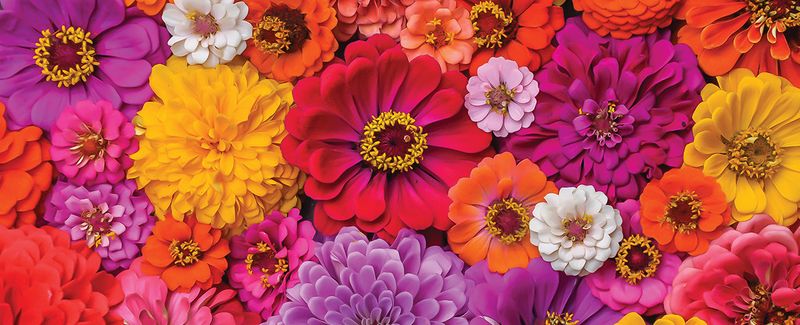
Zinnias are known for their vivid colors and long-lasting blooms. These flowers thrive in the heat of late summer, bringing zest to gardens. Their bright hues attract butterflies, adding movement and life to landscapes. Zinnias are easy to grow and maintain, making them ideal for beginner gardeners. They represent lasting affection and are often included in bouquets for their cheerful appearance. In history, Zinnias were cherished for their ability to thrive in harsh conditions. Their vibrant display and ease of cultivation ensure they remain a popular choice. Zinnias’ resilience and beauty captivate garden enthusiasts.
11. Tithonia’s Tantalizing Appeal
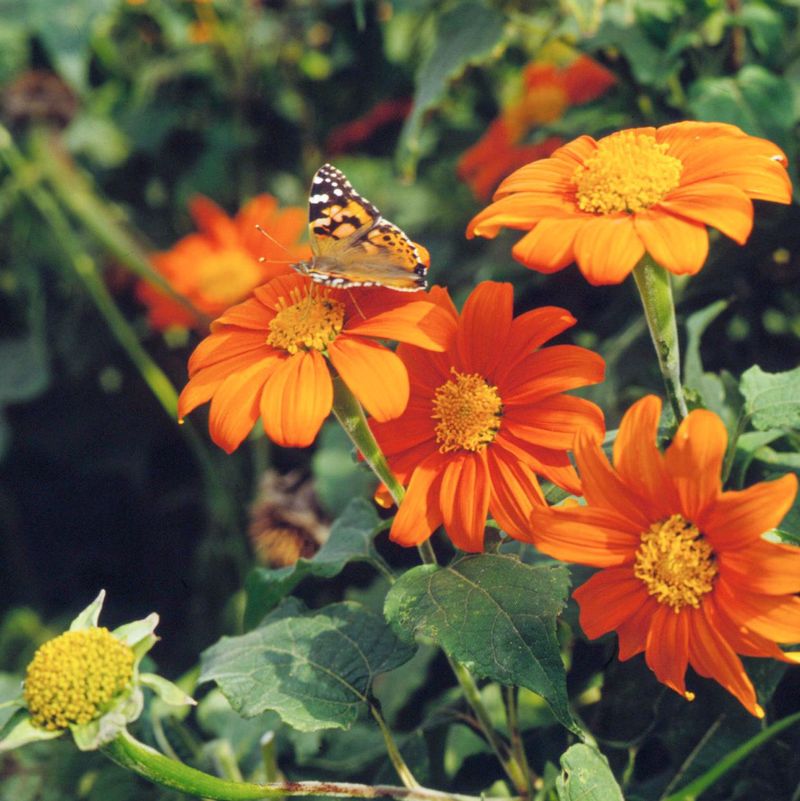
Tithonia, or Mexican Sunflower, captivates with its bright orange blooms. These flowers thrive in the heat, providing brilliant color when other plants may struggle. Tithonia’s tall stature and vibrant petals make it a striking addition to gardens. Easy to grow, it attracts pollinators, enhancing garden ecosystems. Historically, Tithonia was cultivated in Central America, where it holds cultural significance. Its ability to flourish in poor soil conditions highlights its resilience. The bold presence of Tithonia adds exotic flair to any garden. Each bloom exudes warmth and energy, making it a favorite among those seeking vibrant landscapes.
12. Coreopsis’ Cheerful Essence
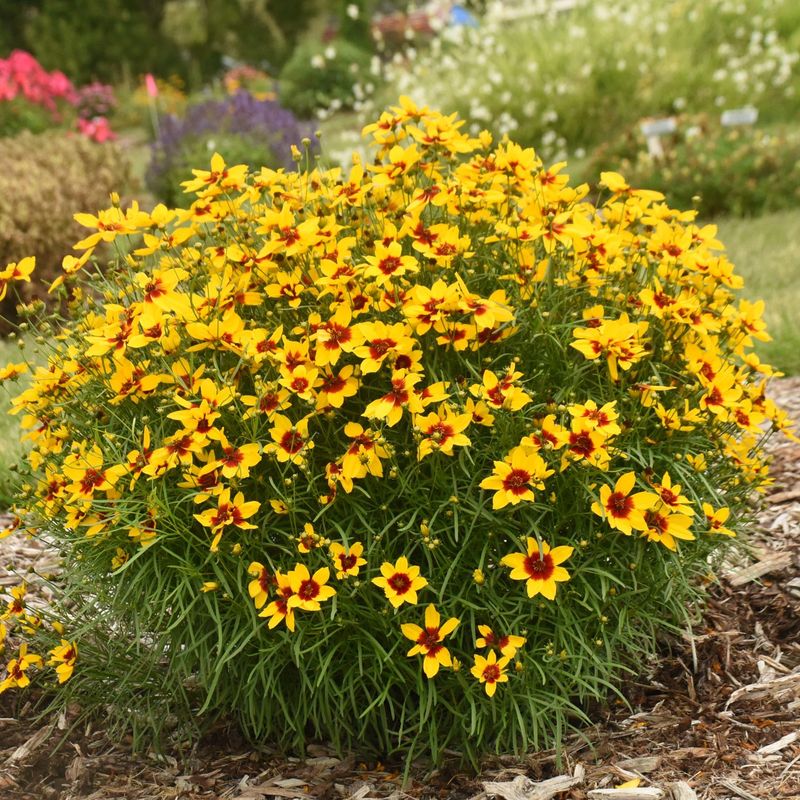
Coreopsis, often called tickseed, brings cheer with its sunny blooms. These flowers are known for their bright yellow petals and are easy to cultivate. Blooming in late summer, Coreopsis adds a splash of color to gardens. It’s a favorite among pollinators, supporting healthy ecosystems. Gardeners value Coreopsis for its drought tolerance and long blooming period. Historically, it was used by Native Americans for dyes and medicinal purposes. The flower’s joyful appearance and durability make it a beloved choice for gardeners. Coreopsis’ vibrant display ensures it remains a staple in summer gardens, offering light and joy.
13. Phlox’s Fragrant Flourish
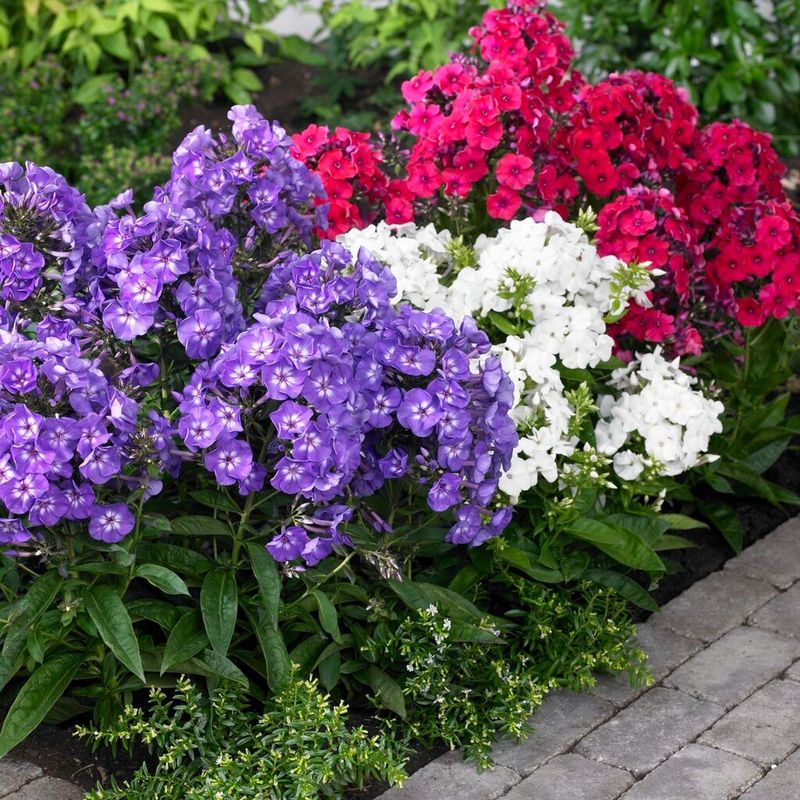
Phlox blooms with a fragrant flourish, filling gardens with its sweet scent. These flowers come in various colors, including pink, white, and purple. Late summer sees Phlox at its peak, offering visual and olfactory delight. The flower’s dense clusters attract butterflies and hummingbirds, adding vibrancy to landscapes. Phlox is versatile, thriving in both sunny and shaded areas. Historically, it symbolized harmony and partnership. Its ability to thrive in different environments showcases its adaptability. Phlox’s fragrant nature and visual appeal make it a cherished part of gardens. Each bloom enhances the sensory experience of summer.
14. Canna Lily’s Tropical Touch
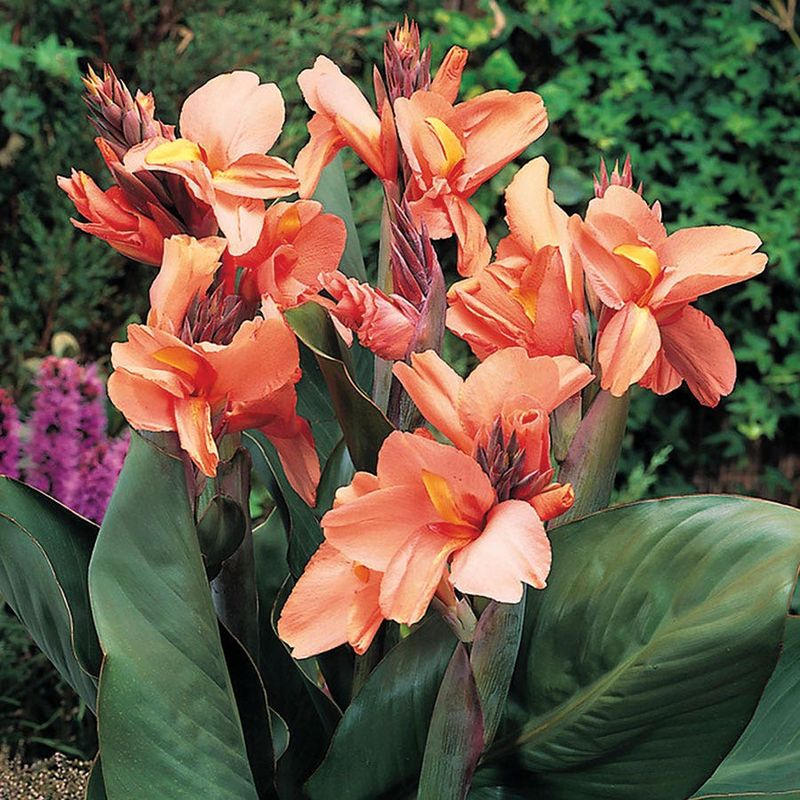
Canna Lilies bring a tropical touch to gardens with their large, vibrant blooms. These flowers thrive in the warmth of late summer, adding exotic flair to landscapes. Known for their lush, broad leaves and striking colors, Canna Lilies are a gardener’s delight. They are easy to grow and maintain, making them accessible to all skill levels. Historically, they were cultivated in the Americas for their edible roots. Canna Lilies symbolize grandeur and beauty, making them popular in ornamental gardens. Their dramatic appearance and easy cultivation ensure they remain a favorite for creating bold, tropical designs.
15. Sneezeweed’s Unappreciated Elegance

Sneezeweed, despite its peculiar name, offers a burst of color with its vibrant yellow and orange petals during late summer. This flower’s name originates from an old use where dried leaves were made into snuff, causing sneezing. Its blossoms can reach up to 4 feet in height, creating a striking visual in any garden.
With a preference for full sun and well-drained soil, Sneezeweed is a hardy plant that attracts butterflies and other pollinators. Its resilience to pests makes it a gardener’s ally, though it’s often overlooked in favor of more popular flowers.
Embrace Sneezeweed for its ability to bring life to garden borders and its role in supporting local wildlife. Despite common misconceptions, Sneezeweed does not cause allergic reactions, making it a safe addition for allergy sufferers. Its elegant charm deserves recognition, transforming garden landscapes with minimal care.