
Every gardener knows the joy of planting seeds and harvesting fresh vegetables, but what about all those sneaky tasks that somehow take forever? You know the ones – you think they’ll take five minutes, but suddenly you’ve lost half your Saturday.
These hidden time-wasters can turn a quick garden check into an all-day adventure, leaving you wondering where the hours went.
1. Untangling Garden Hoses
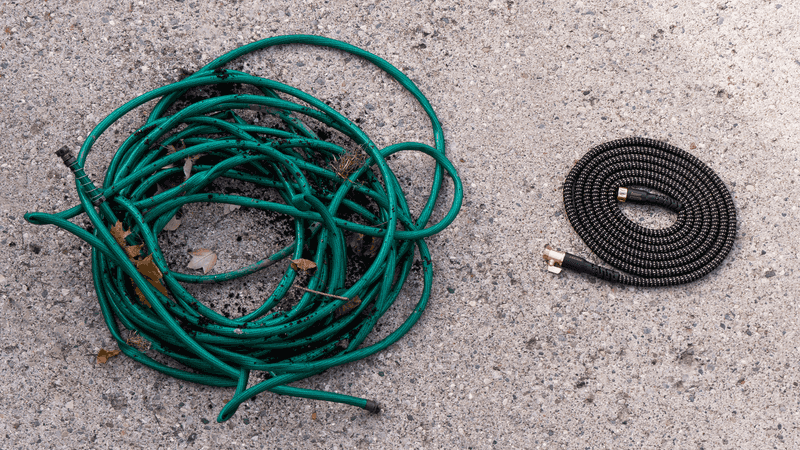
Garden hoses have a magical ability to tie themselves into impossible knots overnight. What starts as a simple task of watering your tomatoes becomes a wrestling match with 50 feet of stubborn rubber.
The more you pull and twist, the tighter those knots seem to get. Before you know it, you’re sitting on the ground, sweating and frustrated, wondering how something so simple became so complicated.
2. Weeding Between Stepping Stones
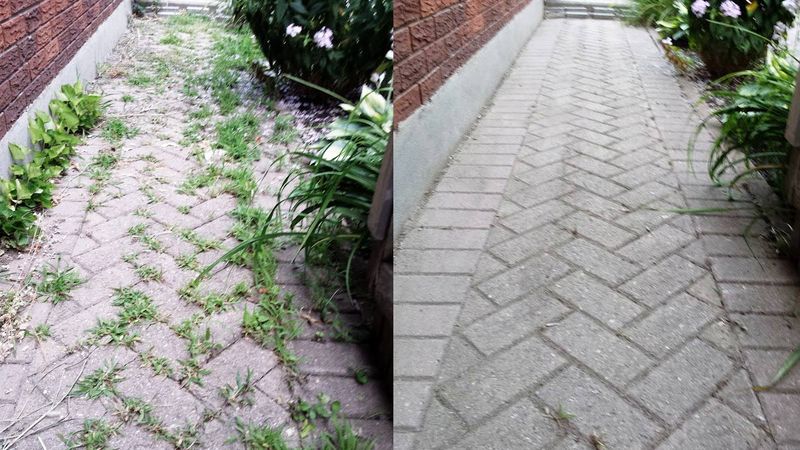
Those cute little weeds poking up between your beautiful stepping stones look innocent enough. You grab your weeding tool thinking it’ll take just a few minutes to clean them up.
Two hours later, you’re still on your hands and knees, digging out stubborn roots from impossibly tight spaces. Your back aches, but you can’t stop until every last dandelion is gone.
3. Picking Up Fallen Fruit
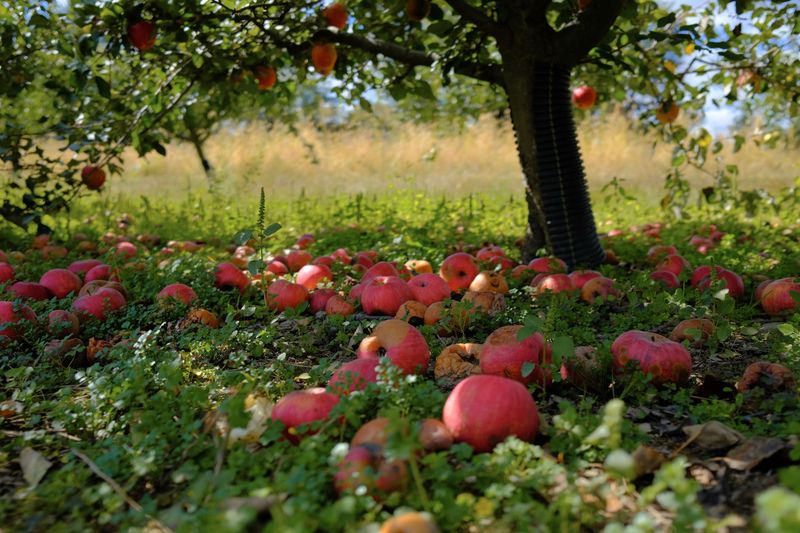
Fruit trees are generous, sometimes too generous. When apples, pears, or plums start dropping, they don’t fall neatly in one spot – they scatter everywhere like nature’s own treasure hunt.
You’ll find yourself crawling under bushes, reaching behind garden beds, and discovering fruit in the most unexpected places. Each piece needs to be collected before it attracts unwanted pests or starts rotting.
4. Deadheading Spent Flowers
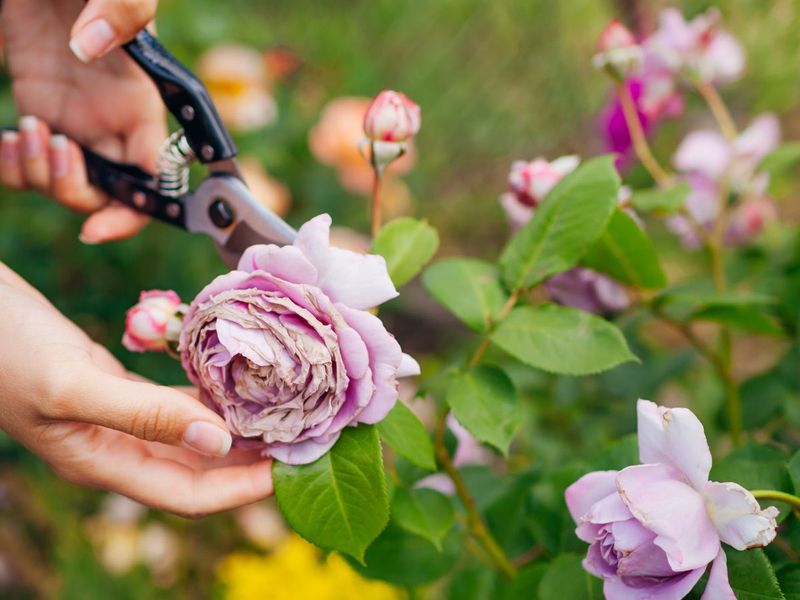
Deadheading sounds quick and easy – just snip off the old flowers, right? Wrong. Once you start, you notice every single faded bloom calling for attention across your entire garden.
What began as tidying up one rose bush turns into a complete tour of every flowering plant. You can’t help but be thorough, and suddenly you’ve spent your whole morning with pruning shears in hand.
5. Adjusting Sprinkler Coverage
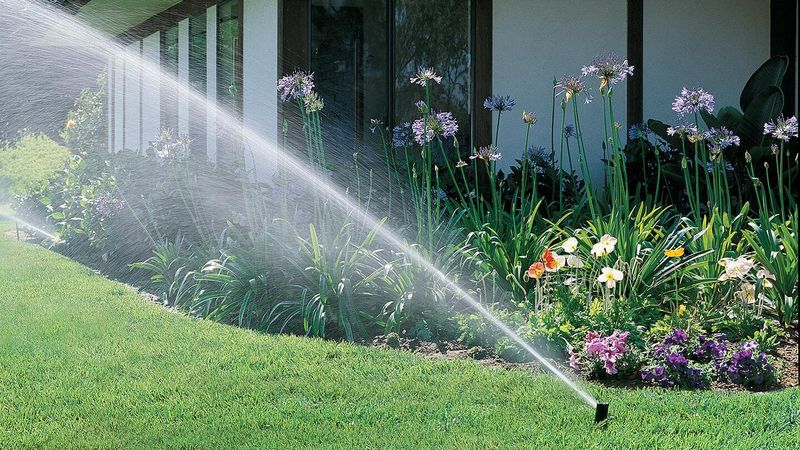
Sprinklers never seem to water exactly where you want them to. You’ll spend ages moving them around, testing different positions, and running back and forth to check the coverage.
Just when you think you’ve got it perfect, you notice a dry spot or realize you’re watering the sidewalk instead of your lawn. The constant adjusting and re-adjusting can eat up an entire evening.
6. Separating Seedlings
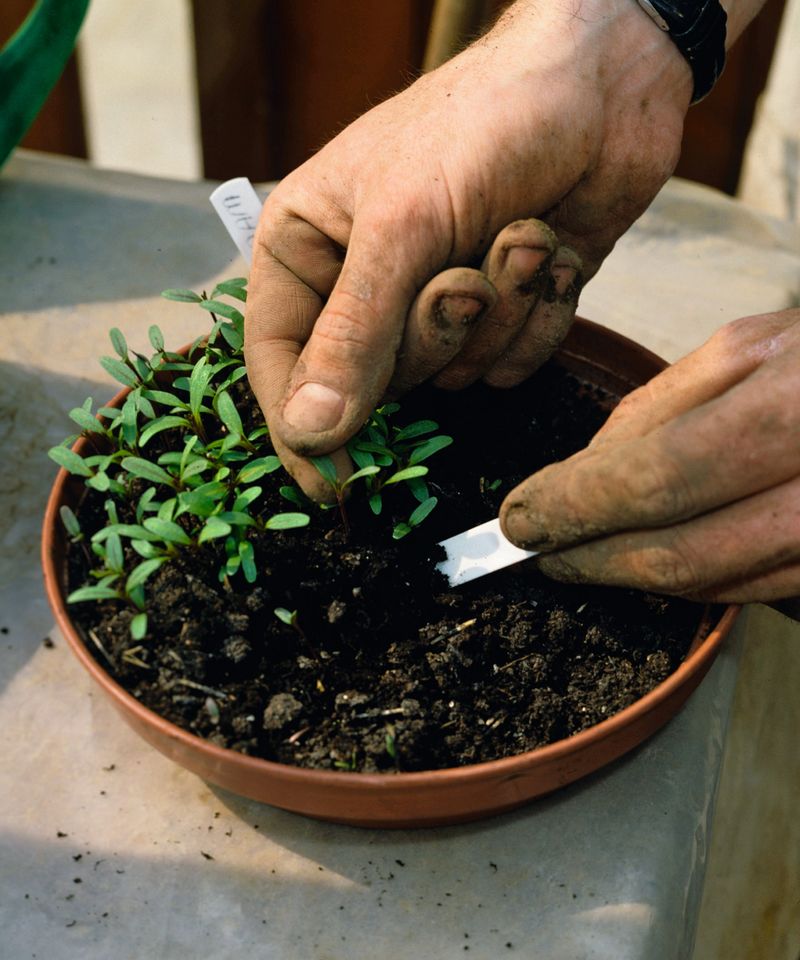
Tiny seedlings look so delicate and innocent when they first sprout. Separating them should be simple, but their roots are often tangled together like microscopic spaghetti.
You’ll find yourself hunched over with tweezers, carefully teasing apart each little plant. One wrong move could damage the roots, so you work slowly and methodically, losing track of time completely.
7. Cleaning Dirty Garden Tools
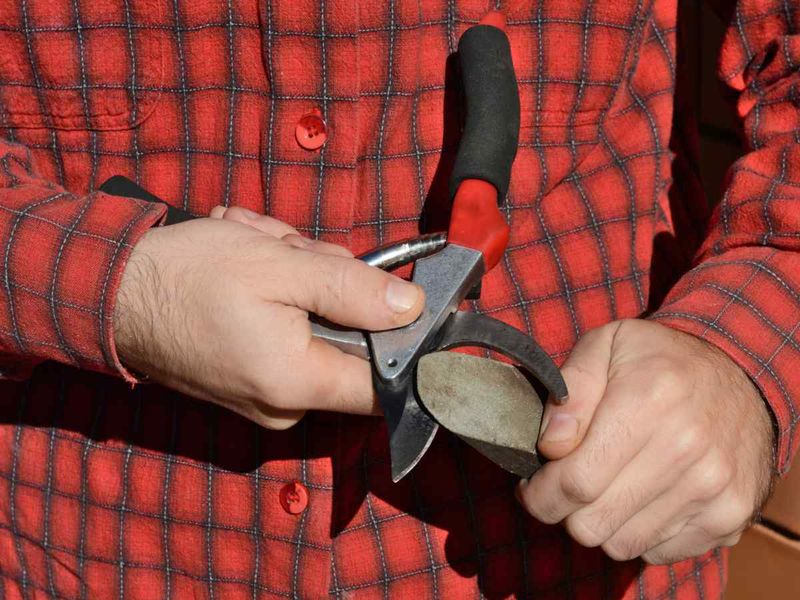
After a day of gardening, your tools are caked with mud, plant sap, and who knows what else. A quick rinse seems like it should do the trick, but proper tool care takes real effort.
You’ll scrub, scrape, and oil each tool to prevent rust and keep them working smoothly. Before you know it, you’ve spent an hour in the garage, making your shovels and pruners sparkle like new.
8. Staking Tall Plants
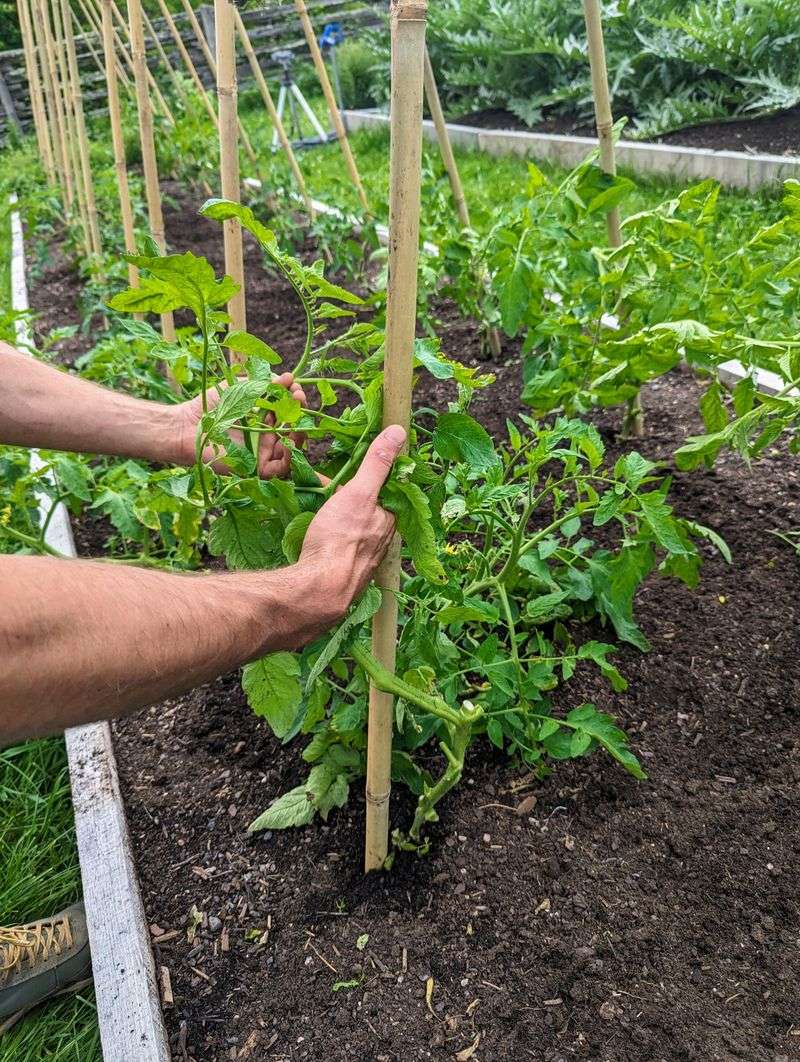
Tall plants have a sneaky way of flopping over just when they’re looking their best. You grab some stakes thinking it’ll be a quick fix, but nothing in gardening is ever that simple.
Getting the stakes in the right position, tying the plants securely without damaging them, and making everything look natural takes patience and skill. You’ll adjust and readjust until everything stands perfectly straight.
9. Organizing Seed Packets
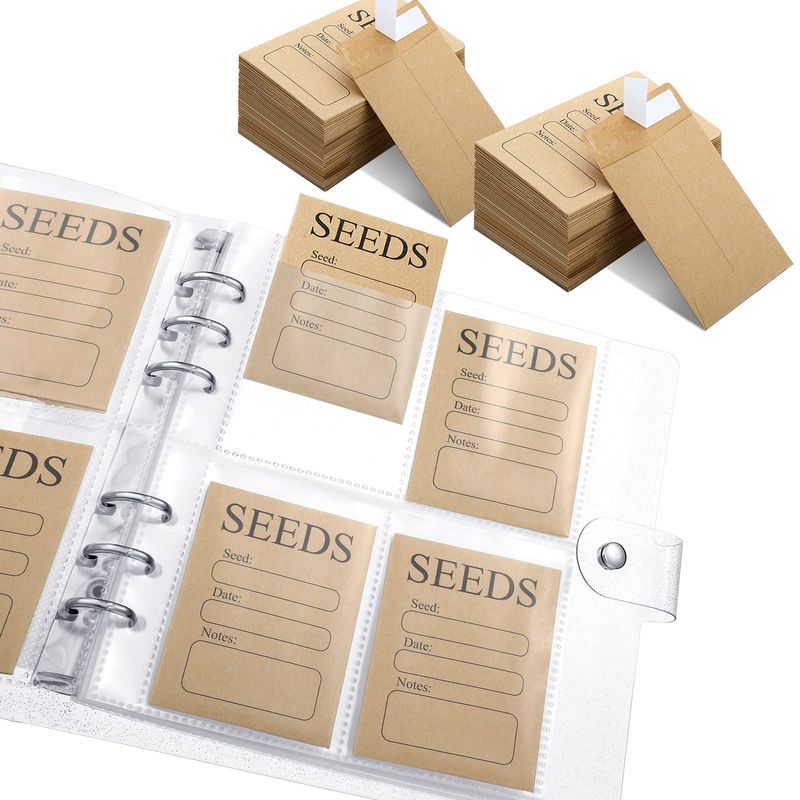
Seed packets multiply faster than rabbits in spring. What starts as a simple task of sorting through this year’s seeds turns into rediscovering forgotten packets from seasons past.
You’ll check expiration dates, group similar varieties together, and make lists of what you want to plant. Before you know it, you’re planning next year’s garden and dreaming about varieties you’ve never tried before.
10. Mulching Around Plants
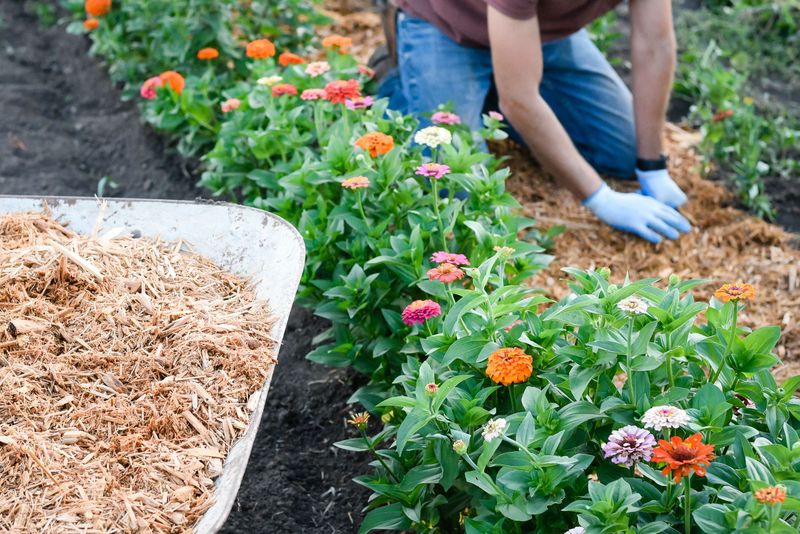
Mulching looks straightforward – just spread it around your plants, right? But getting the thickness just right, keeping it away from plant stems, and making it look neat takes concentration.
You’ll find yourself on your hands and knees, carefully placing each handful of mulch exactly where it needs to go. The repetitive motion is oddly satisfying, but incredibly time-consuming when you have a large garden.
11. Harvesting Cherry Tomatoes
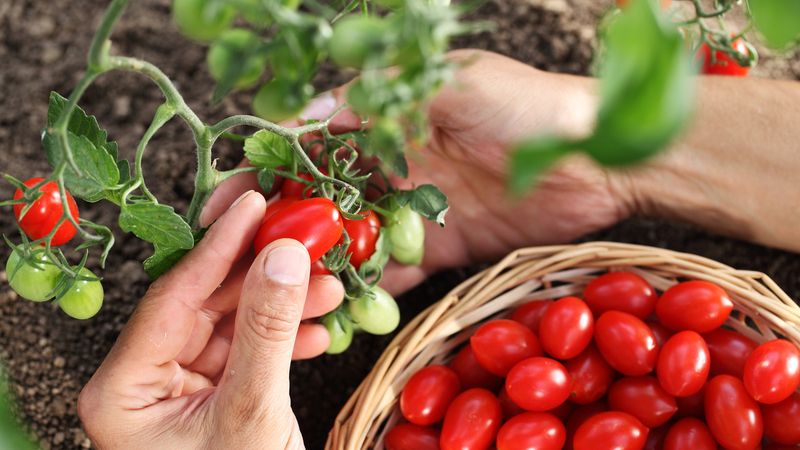
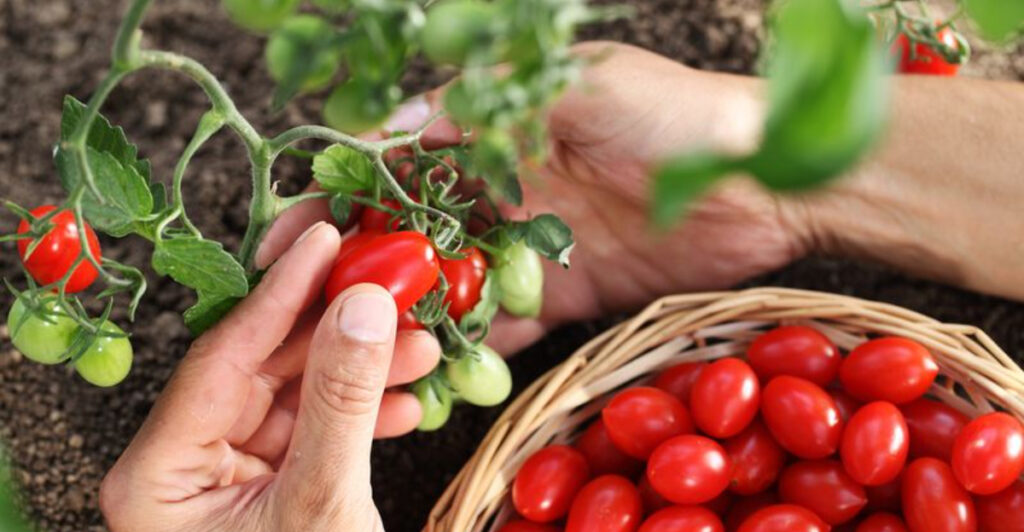
Cherry tomatoes are the ultimate time trap. You step into the garden planning to grab a few for dinner, but these little gems hide everywhere among the leaves.
You’ll find yourself playing hide-and-seek with perfectly ripe tomatoes, reaching deep into the plant to rescue every single one. What should take five minutes stretches into an hour of careful searching and picking.
12. Repairing Broken Plant Labels
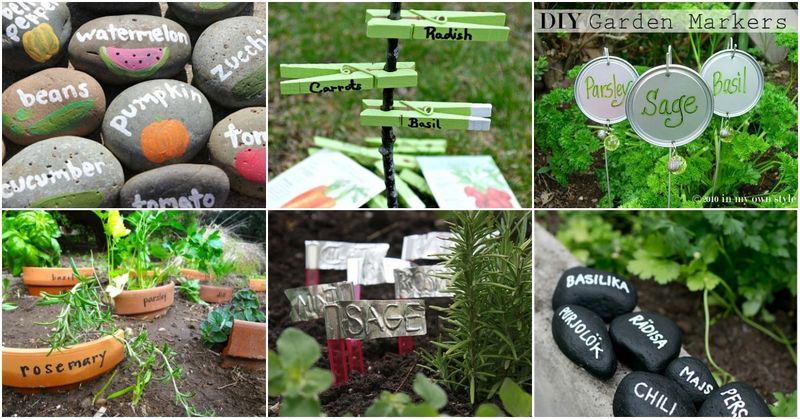
Plant labels seem to break at the worst possible moments, usually right when you need to remember what you planted where. Sun fades the writing, wind snaps the stakes, and rain makes everything illegible.
You’ll spend time making new labels, trying to remember what was planted in each spot, and securing them properly. It’s a small task that somehow takes forever, especially when you’re being thorough.
13. Pruning Overgrown Shrubs
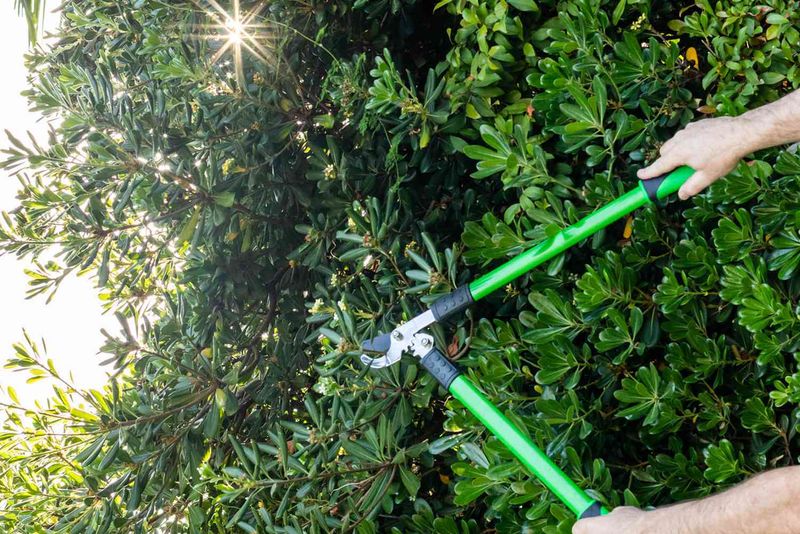
Overgrown shrubs don’t happen overnight, but fixing them feels like it takes forever. Each cut needs to be considered carefully to maintain the plant’s natural shape and health.
You’ll step back frequently to assess your progress, making small adjustments here and there. What looks like a simple trim job turns into an artistic endeavor that demands patience and a keen eye for balance.
14. Cleaning Greenhouse Windows
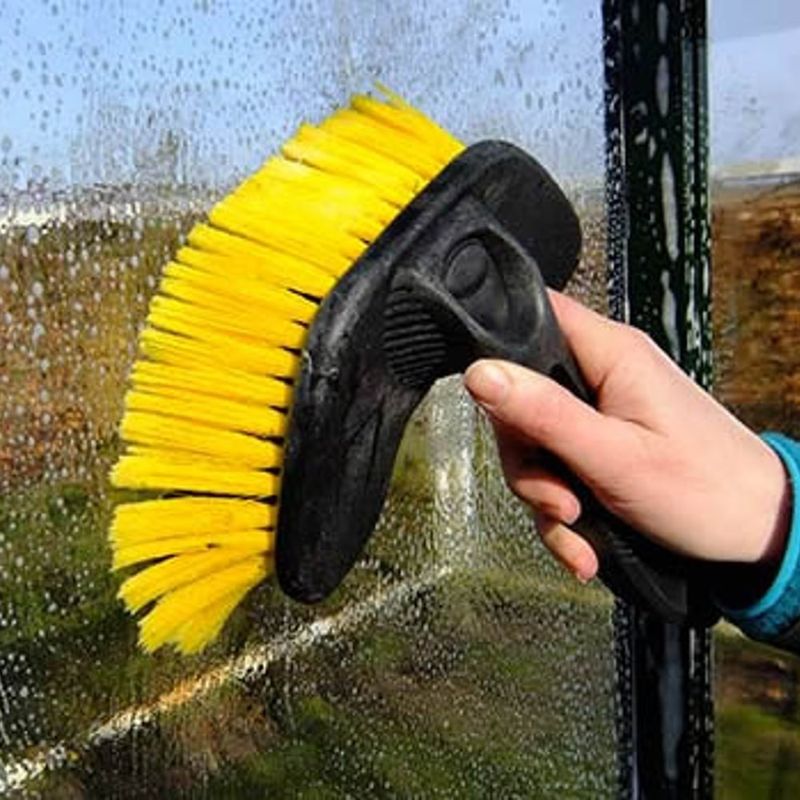
Greenhouse windows collect dirt, pollen, and mysterious smudges that block precious sunlight from reaching your plants. What starts as wiping down a few panels becomes a full-scale cleaning mission.
You’ll climb ladders, scrub stubborn spots, and realize just how many windows your greenhouse actually has. Clean windows make such a difference for plant growth, but the job always takes longer than expected.
15. Dividing Perennial Clumps
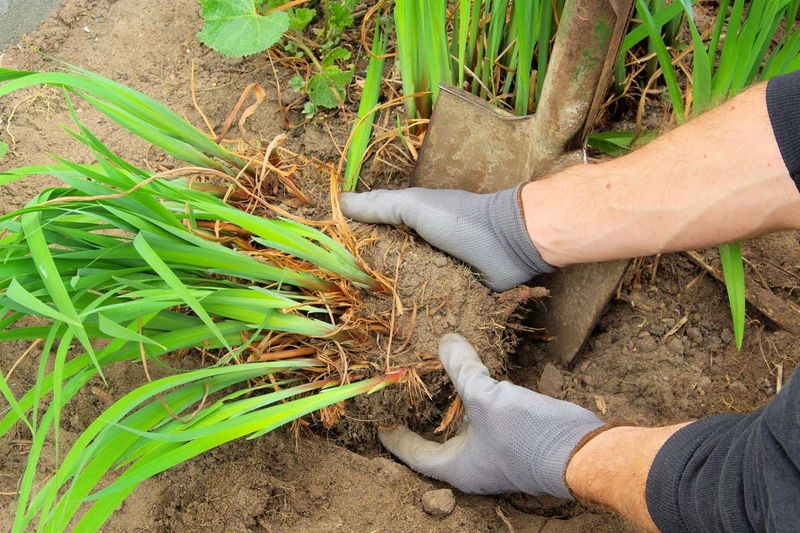
Perennials eventually outgrow their space and need dividing, but these established plants don’t give up their ground easily. Their root systems are often more extensive than you’d expect.
You’ll dig, pry, and carefully separate each division, making sure each piece has enough roots to survive. The physical work is demanding, and doing it properly takes time and patience to ensure success.
16. Removing Spent Vegetable Plants
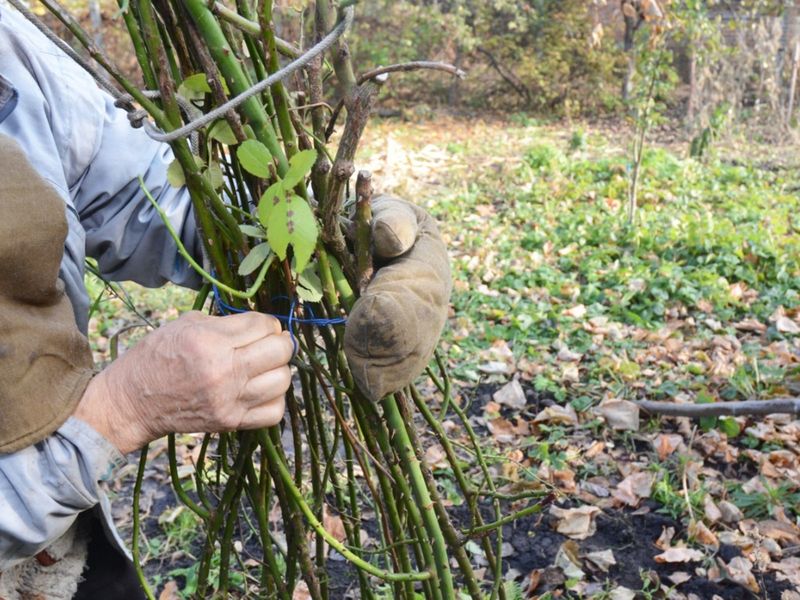
End-of-season cleanup means pulling out tired vegetable plants, but they’re often more stubborn than you’d think. Tomato plants especially develop impressive root systems that don’t want to let go.
You’ll tug, dig, and cut your way through stems and roots, trying to clear the bed for next season. What should be simple removal becomes a workout that leaves you sweaty and tired.
17. Collecting and Storing Seeds
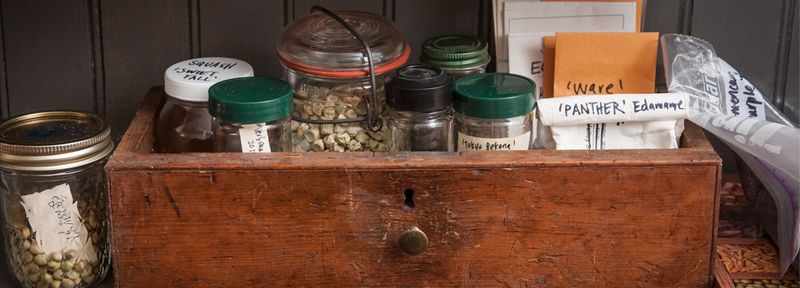
Saving seeds from your best plants sounds simple, but proper seed collection requires perfect timing and careful handling. You’ll monitor plants daily, waiting for that perfect moment of ripeness.
Each type of seed has different requirements for drying, cleaning, and storage. You’ll find yourself sorting tiny seeds, labeling containers, and making detailed notes about varieties and harvest dates for future reference.
18. Fixing Irrigation Leaks
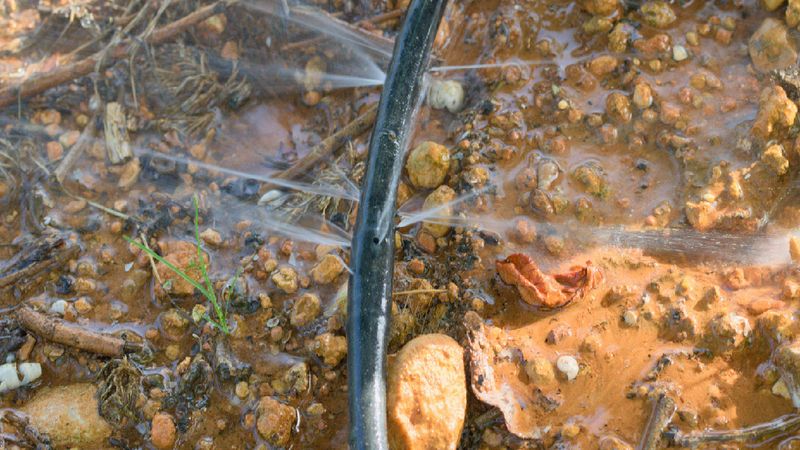
Drip irrigation systems save water and time, until they spring leaks in the most inconvenient places. You’ll crawl under plants, trace lines through mulch, and test connections repeatedly.
Finding the exact source of a leak often takes longer than fixing it. You’ll turn water on and off dozens of times, checking your repairs and discovering new problems along the way.
19. Repotting Root-Bound Plants
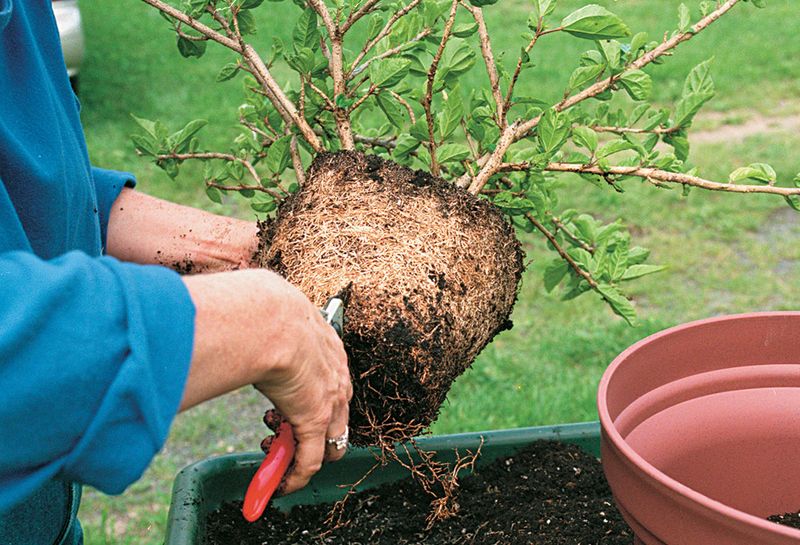
Root-bound plants need bigger homes, but extracting them from their current pots can be surprisingly difficult. You’ll tap, squeeze, and sometimes even break pots to free stubborn root balls.
Once free, you’ll spend time carefully loosening compacted roots and selecting the right size pot. The whole process requires patience and gentle handling to avoid shocking your plants during the transition.
20. Hand-Pollinating Squash Flowers
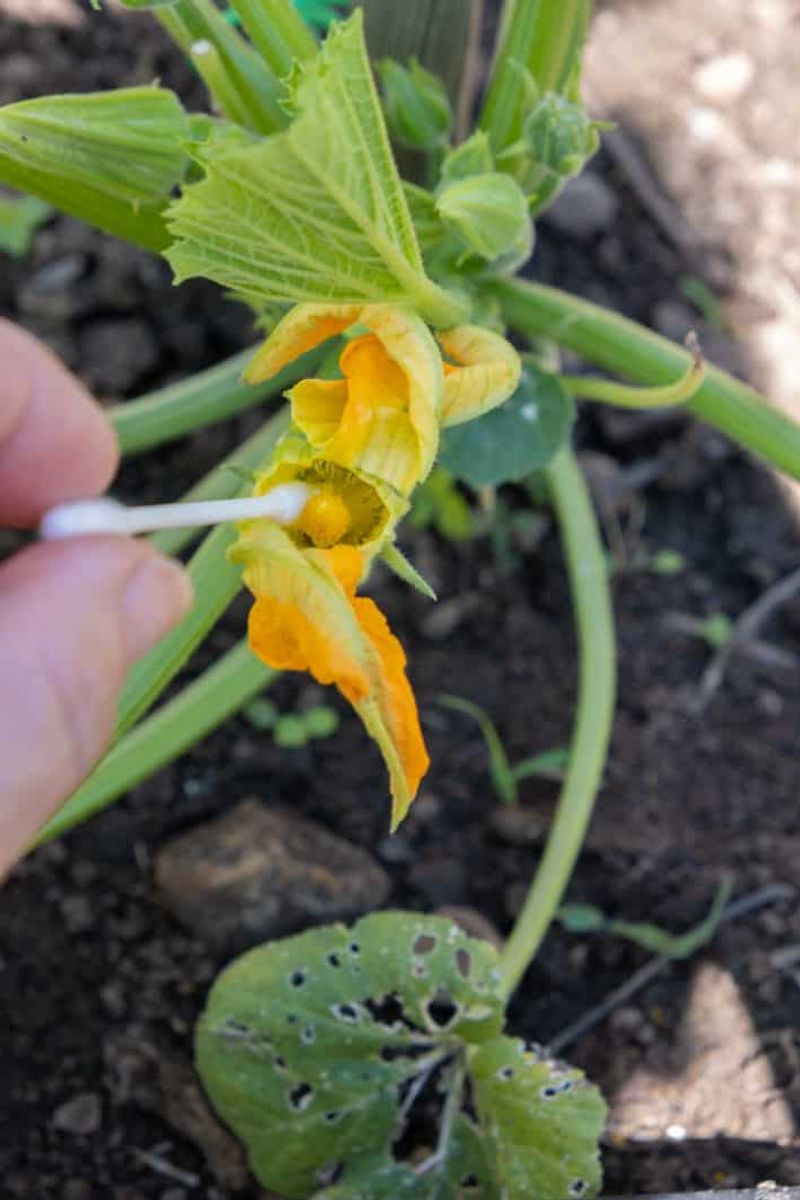
When bees are scarce, you become the pollinator for your squash plants. This delicate task requires identifying male and female flowers, timing your efforts perfectly, and working quickly.
You’ll use small brushes or cotton swabs to transfer pollen, moving carefully from flower to flower. The process is fascinating but time-consuming, especially when you have multiple squash plants depending on your matchmaking skills.